Category: Uncategorized

  • How to Buy Electrical Accessories in Bulk

    How to Buy Electrical Accessories in Bulk

    Buying electrical accessories in bulk can save you time, money, and effort. Whether you’re a contractor, an electrician, or just managing a large-scale construction project, purchasing in bulk allows you to have all the necessary components on hand without frequent trips to the store or delays in delivery. By buying large quantities, you also gain access to better pricing, which can significantly reduce overall costs.

    Benefits of Buying in Bulk

    Some of the primary benefits of bulk purchasing electrical accessories include:

    • Cost Savings: Suppliers often offer discounts for bulk purchases, reducing the unit price.

    • Convenience: Having a stock of accessories available means no more last-minute rush for materials.

    • Consistency: Buying in bulk ensures uniformity in the quality and type of electrical accessories used in a project.

    • Reduced Delivery Charges: Bulk purchases usually come with lower shipping fees, as multiple items can be shipped together.

    Understanding Electrical Accessories

    Types of Electrical Accessories You Might Need

    Electrical accessories include a wide range of products, depending on your project. Common electrical accessories include:

    • Wires and Cables: Various types like copper, aluminum, insulated, or armored cables.

    • Connectors and Terminals: For securing electrical connections.

    • Circuit Breakers: Protect electrical circuits from overloads.

    • Switches and Sockets: For controlling electrical flow and providing power outlets.

    • Electrical Boxes and Conduits: To house wiring and protect circuits.

    • Fuses and Relays: Safety components for circuit protection.

    • Lighting Fixtures: Bulbs, LED drivers, and fixture accessories.

    • Cable Ties and Insulation Materials: For organizing cables and providing insulation.

    Common Uses for Electrical Accessories

    These accessories are vital in both residential and commercial electrical setups. Whether you’re wiring a house, installing new lighting, or setting up a whole electrical grid for a large building, these accessories help ensure safety, efficiency, and reliability.

    Steps to Buying Electrical Accessories in Bulk

    Step 1: Know Your Requirements

    Before you buy electrical accessories in bulk, it’s crucial to know exactly what you need. Identify the types of products, quantities, and specifications required for your specific project. Are you installing residential wiring or working on an industrial-scale project? Will you need additional accessories like junction boxes, surge protectors, or transformers?

    Make sure to create a list of everything you need, including sizes, brands, and standards to match the quality and specifications of the materials.

    Step 2: Research Suppliers and Manufacturers

    Finding reliable suppliers is critical when purchasing electrical accessories in bulk. Research potential suppliers and manufacturers, focusing on their:

    • Reputation: Look for reviews, ratings, and feedback from previous customers.

    • Quality Assurance: Make sure the supplier’s products meet safety standards and certifications like CE, UL, or ISO.

    • Range of Products: Suppliers should have a wide range of electrical accessories, allowing you to source all materials from one place.

    Step 3: Compare Prices and Quality

    After finding suppliers, it’s time to compare their prices, delivery options, and quality. Although bulk purchases can lower unit prices, you don’t want to compromise on quality. Ensure that the accessories you’re purchasing meet the required standards for safety and durability.

    If necessary, ask for sample products or check the manufacturer’s certificates before committing to bulk purchases.

    Step 4: Check for Bulk Discounts and Offers

    Many suppliers offer discounts and special offers for bulk purchases. Make sure to inquire about these discounts to maximize savings. Some suppliers also provide loyalty programs or long-term contracts for repeat customers, which could be advantageous if you plan to purchase regularly.

    Step 5: Evaluate Warranty and Return Policies

    Before making a purchase, confirm the warranty terms and return policies. Electrical accessories often come with warranties that cover defects in manufacturing or material. Understand the process for returns or exchanges if any product is defective or doesn’t meet your requirements.

    Key Considerations When Buying Electrical Accessories in Bulk

    Quality Control and Certification

    Make sure all electrical accessories are certified and meet the necessary safety standards. Low-quality accessories could lead to accidents, faults, or inefficient electrical systems. Ensure the accessories are from reputable brands and meet the national safety standards (e.g., IEC, UL, ISO).

    Shipping and Delivery Timelines

    When purchasing in bulk, consider the delivery timelines. Ensure that the supplier can meet your project deadlines and deliver the products within the required timeframe. You should also account for shipping costs, as these can vary depending on the order size and location.

    Customer Support and After-Sales Service

    A strong customer support system is essential, especially when purchasing large quantities. Look for suppliers who offer after-sales services such as installation support, troubleshooting, and warranty services.

    Where to Buy Electrical Accessories in Bulk

    Online Platforms vs. Physical Stores

    While physical stores may offer immediate access, online platforms often provide more competitive prices, a wider selection, and the convenience of delivery.

    Trusted Wholesale Suppliers and Distributors

    Look for wholesale distributors who specialize in electrical accessories. Local suppliers or distributors who have established themselves in the market usually offer better pricing and reliable service.

    Conclusion

    Purchasing electrical accessories in bulk offers both cost savings and operational efficiency. By understanding your project’s requirements, comparing suppliers, and ensuring the quality of products, you can make a bulk purchase that benefits your project in the long term.

    When buying electrical accessories, it’s important to balance cost with quality. By conducting thorough research, choosing the right suppliers, and leveraging bulk buying advantages, you’ll be able to maintain high standards while staying within budget.

    FAQs

    1. What are the advantages of buying electrical accessories in bulk?

    Buying in bulk saves money, ensures you have everything you need on hand, and reduces delivery costs. It also minimizes interruptions in your project due to shortages.

    2. How do I know if I’m getting a good deal when buying in bulk?

    To ensure you’re getting a good deal, compare prices from multiple suppliers, check for discounts or bulk offers, and verify the quality of the products through certifications and reviews.

    3. Are there any risks associated with buying electrical accessories in bulk?

    The risks include poor quality products, delayed deliveries, or overestimating the quantity you need. Always check the warranty and return policies before committing.

    4. How can I ensure the quality of electrical accessories when buying in bulk?

    Check for certifications (e.g., UL, CE), buy from reputable suppliers, and ask for product samples or guarantees to confirm quality.

  • What Is TMT Steel and Why It’s Critical for Structures

    What Is TMT Steel and Why It’s Critical for Structures

    What Is TMT Steel?

    TMT Steel, or Thermo Mechanically Treated Steel, is a type of reinforced steel used extensively in construction projects. It’s known for its superior strength, flexibility, and corrosion resistance, making it ideal for modern infrastructure. TMT steel bars are essential for building strong, durable structures that can withstand both natural and man-made challenges, ensuring safety and longevity.

    Importance of Steel in Construction

    Steel has been a critical material in construction for centuries, thanks to its excellent tensile strength and ability to support heavy loads. Over the years, advances in steel treatment, such as the TMT process, have further improved its characteristics, enhancing its performance in diverse structural applications. The development of TMT steel has revolutionized how we build infrastructure, ensuring structures can stand the test of time and external forces like earthquakes or heavy traffic.

    The Process of Making TMT Steel

    The Key Stages of Manufacturing

    TMT steel undergoes a specialized treatment process that involves the following key steps:

    1. Hot Rolling: The steel is heated to high temperatures and rolled into bars.

    2. Rapid Cooling: The hot bars are quickly cooled using water jets, which gives the steel its unique properties.

    3. Tempering: The outer surface hardens, while the core remains softer and more ductile, providing a balance of strength and flexibility.

    This process is what sets TMT steel apart from traditional mild steel, as it creates a tougher, more resilient product.

    How TMT Steel Is Different from Traditional Steel

    Traditional steel bars (like mild steel) lack the advanced treatment that gives TMT steel its extra strength and flexibility. The process of rapid cooling and tempering ensures that TMT steel bars have:

    • Stronger outer layers that resist corrosion and wear.

    • Softer inner cores that enhance flexibility, preventing brittle breakage under stress.

    Key Benefits of TMT Steel in Construction

    Superior Strength and Durability

    TMT steel bars are known for their incredible tensile strength, which allows them to support heavy loads and withstand harsh environmental conditions. This makes them ideal for high-rise buildings, bridges, and other infrastructure projects that need to stand strong under stress.

    High Flexibility and Ductility

    Unlike traditional steel, TMT bars have a high degree of ductility, meaning they can bend and stretch without breaking. This flexibility makes them resistant to cracks, especially in regions prone to earthquakes or heavy winds, where structures need to absorb dynamic forces.

    Corrosion Resistance

    The outer hardened layer of TMT steel offers exceptional corrosion resistance. This is particularly important for buildings and structures exposed to moisture or harsh environments, such as coastal areas. TMT bars resist rust, making them a long-lasting option for any construction project.

    Cost-Effectiveness

    While TMT steel may seem like a more expensive option upfront compared to traditional steel, its durability and lower maintenance costs make it a cost-effective choice in the long run. Its high strength also reduces the amount of material needed for a project, further lowering costs.

    How TMT Steel Is Critical for Structural Safety?

    Earthquake Resistance

    TMT steel is a preferred choice in earthquake-prone areas because its high tensile strength and ductility help structures absorb seismic shocks without collapsing. The steel’s ability to bend without breaking is crucial in ensuring that buildings and bridges remain intact during strong tremors.

    Structural Integrity and Longevity

    Structures built with TMT steel are more likely to maintain their integrity over time. The combination of strength and flexibility ensures that the building can withstand various forces, including vibrations, wind, and temperature fluctuations, without compromising safety.

    Impact on Building Codes and Regulations

    Building codes in many regions require the use of high-strength, corrosion-resistant materials like TMT steel to meet safety standards. As cities and infrastructure grow, the importance of using quality materials to adhere to these codes becomes even more critical for public safety.

    Applications of TMT Steel

    Residential Construction

    TMT steel is widely used in the construction of homes, apartments, and townhouses. Its strength ensures the building’s stability, while its corrosion resistance makes it ideal for long-lasting residential structures.

    Commercial and Industrial Projects

    For commercial buildings, factories, and warehouses, TMT steel provides the durability and load-bearing capacity needed for heavy-duty applications. It’s ideal for foundations, columns, beams, and slabs.

    Infrastructure Development

    TMT steel is also essential for large-scale infrastructure projects like bridges, flyovers, and dams. The material’s ability to withstand environmental pressures and dynamic loads makes it a go-to choice for infrastructure development.

    How to Choose the Right TMT Steel for Your Project

    Understanding Grade and Quality

    TMT steel comes in various grades, such as Fe 415, Fe 500, and Fe 550, indicating their strength levels. When choosing TMT Steel Bars, it’s important to consider the specific requirements of your project and select the appropriate grade based on factors like load-bearing capacity and seismic activity in your area.

    Tips for Selecting TMT Steel Suppliers

    • Check Certifications: Ensure the supplier provides certified TMT steel that meets industry standards.

    • Look for Reputation: Choose suppliers with a proven track record for quality and reliability.

    • Ensure Traceability: Make sure the steel bars are traceable to their source and manufacturing process.

    Conclusion

    Why TMT Steel Is a Game-Changer in Construction

    TMT steel has become an essential material in modern construction due to its unmatched strength, flexibility, and durability. Its ability to resist corrosion, handle seismic forces, and extend the life of structures makes it the ideal choice for any construction project. Whether you’re building residential homes, commercial towers, or large infrastructure projects, TMT steel offers significant advantages that ensure safety and longevity.

    FAQs

    1. What does TMT stand for in TMT Steel?

    TMT stands for Thermo Mechanically Treated, which refers to the unique treatment process that enhances the strength and durability of steel.

    2. How long does TMT Steel last in buildings?

    TMT steel can last for decades, with proper maintenance, due to its high corrosion resistance and durability. In some cases, it can last for over 50 years.

    3. Can TMT Steel be used for both residential and commercial construction?

    Yes, TMT steel is versatile and can be used for both residential and commercial construction projects, including bridges, skyscrapers, and industrial buildings.

    4. How do I know if the TMT Steel I’m buying is of good quality?

    Look for certifications like IS 1786 and check the manufacturer’s reputation. High-quality TMT steel should be free from cracks, lumps, and other defects.

    5. Is TMT Steel more expensive than regular steel?

    While TMT steel may be slightly more expensive than regular steel upfront, its durability

  • Top 5 Must-Have Tools for Commercial Construction

    Top 5 Must-Have Tools for Commercial Construction

    The Importance of Quality Tools in Commercial Construction

    When it comes to commercial construction, the tools you use can make or break the success of your project. High-quality, reliable equipment not only increases productivity but also ensures safety on the job site. As construction projects grow in complexity, having the right tools on hand is essential for efficiency, accuracy, and timely completion.

    Choosing the Right Tools for Efficiency and Safety

    Commercial construction involves a variety of tasks, from framing and cutting to fastening and measuring. Each task requires specialized tools, and investing in the right ones will help you avoid unnecessary delays and mistakes. Let’s dive into the top 5 must-have tools for any commercial construction job.

    Tool 1 : Power Drill

    Versatility of Power Drills

    A power drill is perhaps one of the most versatile tools on a construction site. Whether you’re drilling holes in concrete, wood, or metal, a power drill can handle it all. For commercial construction, having a high-powered, reliable drill is indispensable. It can be used for tasks ranging from installing screws and anchors to creating pilot holes for larger installations.

    Types of Power Drills: Corded vs. Cordless

    Power drills come in two main types: corded and cordless. Corded drills offer unlimited power but require an electrical source, making them less portable. On the other hand, cordless drills provide excellent flexibility and mobility, making them ideal for larger construction sites where electrical outlets may be sparse.

    Key Features to Look For

    • Variable speed settings for greater control.

    • Clutch settings to prevent overdriving screws.

    • Battery life (for cordless models) for longer use without interruptions.

    • Ergonomic design for comfort during prolonged use.

    Tool 2 : Circular Saw

    Why a Circular Saw is Essential

    A circular saw is essential in commercial construction for cutting large pieces of wood, drywall, and even some metals. It’s faster and more efficient than manual saws and can cut through materials with great precision. Whether you’re framing, building, or cutting large sheets of plywood, the circular saw is a go-to tool on most job sites.

    Different Blade Sizes and Their Uses

    Circular saws come with various blade sizes, typically ranging from 5 to 7 1/4 inches in diameter. The size you choose will depend on the material you’re cutting and the depth of the cut required. A larger blade is necessary for thicker materials like plywood or 2×4 lumber, while a smaller blade can handle finer, more delicate cuts.

    Safety Features and Tips for Using a Circular Saw

    • Always ensure the blade is fully covered when not in use.

    • Wear safety goggles and hearing protection.

    • Always maintain a firm grip and steady stance when operating the saw.

    • Check the blade regularly for sharpness and replace when necessary.

    Tool 3: Laser Level

    Accuracy and Precision in Commercial Construction

    A laser level is essential for ensuring precise alignment in commercial construction projects. Whether you’re setting up walls, installing windows, or aligning pipes, a laser level helps you achieve perfectly straight lines with minimal effort. It’s much more accurate than traditional bubble levels.

    Types of Laser Levels: Rotary vs. Line Lasers

    • Rotary lasers can project horizontal and vertical lines around a room or job site, making them ideal for larger-scale commercial projects.

    • Line lasers are perfect for smaller tasks, such as framing and cabinet installation.

    Benefits of Using a Laser Level Over Traditional Methods

    Laser levels provide enhanced precision, speed, and ease of use, saving time compared to traditional plumb bobs or spirit levels. They’re particularly useful in projects requiring high accuracy, such as tile installation or layout work.

    Tool 4: Reciprocating Saw (Sawzall)

    How the Reciprocating Saw Is Used

    A reciprocating saw (often called a Sawzall) is a powerful tool that allows you to make quick, rough cuts through wood, metal, pipes, and other materials. It’s perfect for demolition work or cutting in tight spaces. If you need to remove old piping, trim door frames, or cut through nails and bolts, the reciprocating saw is your tool of choice.

    Common Applications in Commercial Construction

    • Demolition: Quickly remove walls, pipes, or electrical conduits.

    • Plumbing: Cut through pipes during installation or repair.

    • Roofing: Trim rafters, beams, or roofing materials.

    Choosing the Right Blade for the Job

    Selecting the correct blade for the material you’re cutting is crucial. Blades for wood, metal, or plastic each have different tooth patterns and construction, so ensure you have the right one for the task at hand.

    Tool 5: Impact Wrench

    What Makes an Impact Wrench a Must-Have Tool

    An impact wrench is an essential tool for commercial construction because of its ability to quickly tighten or loosen large bolts and nuts with minimal effort. It uses a hammering action to deliver high torque without causing strain on the user. Whether you’re assembling steel structures or installing heavy machinery, an impact wrench saves significant time and effort.

    Types of Impact Wrenches and Their Uses

    • Cordless impact wrenches are ideal for jobs that require mobility.

    • Pneumatic impact wrenches are more powerful and commonly used for heavy-duty tasks.

    Features to Consider When Selecting an Impact Wrench

    • Torque power for the type of jobs you’ll be handling.

    • Battery capacity (for cordless models) to ensure you have enough power for larger tasks.

    • Ergonomic grip for reduced hand strain.

    Conclusion

    Investing in Quality Tools for Long-Term Success

    Having the right tools for the job not only boosts your efficiency but also enhances safety and precision. Whether you’re working on framing, plumbing, or general construction, these top 5 tools are essential for tackling almost every task that comes your way. Explore the our Products.

    Final Thoughts: Which Tool is Right for Your Commercial Construction Projects?

    Each of these tools serves a unique purpose, so it’s essential to have them in your toolkit to tackle the wide range of tasks you’ll encounter in commercial construction. While the upfront cost of quality tools might seem high, the benefits in terms of time-saving, accuracy, and safety make them a smart investment.

    FAQs

    1. What is the most essential tool for commercial construction?

    While all the tools mentioned are essential, the power drill is arguably the most versatile and commonly used tool on a commercial construction site.

    2. Are cordless power tools as reliable as corded ones?

    Yes, cordless power tools are very reliable, especially with recent advancements in battery technology. They offer great mobility, although they may require recharging more frequently than corded versions.

    3. Can a circular saw be used for both wood and metal cutting?

    Yes, a circular saw can cut both wood and metal, but you will need to change the blade depending on the material. Use a carbide-tipped blade for metal.

    4. How do I maintain my construction tools properly?

    Regularly clean your tools, check for wear, and replace any damaged parts. Store them in a dry, secure place to prevent rust and deterioration.

    5. What safety precautions should I follow when using power tools?

    Always wear personal protective equipment (PPE) such as safety goggles, gloves, and hearing protection. Follow the manufacturer’s instructions, and make sure tools are properly maintained before each use.
  • Copper vs. Aluminium Wires: Which is Better for You?

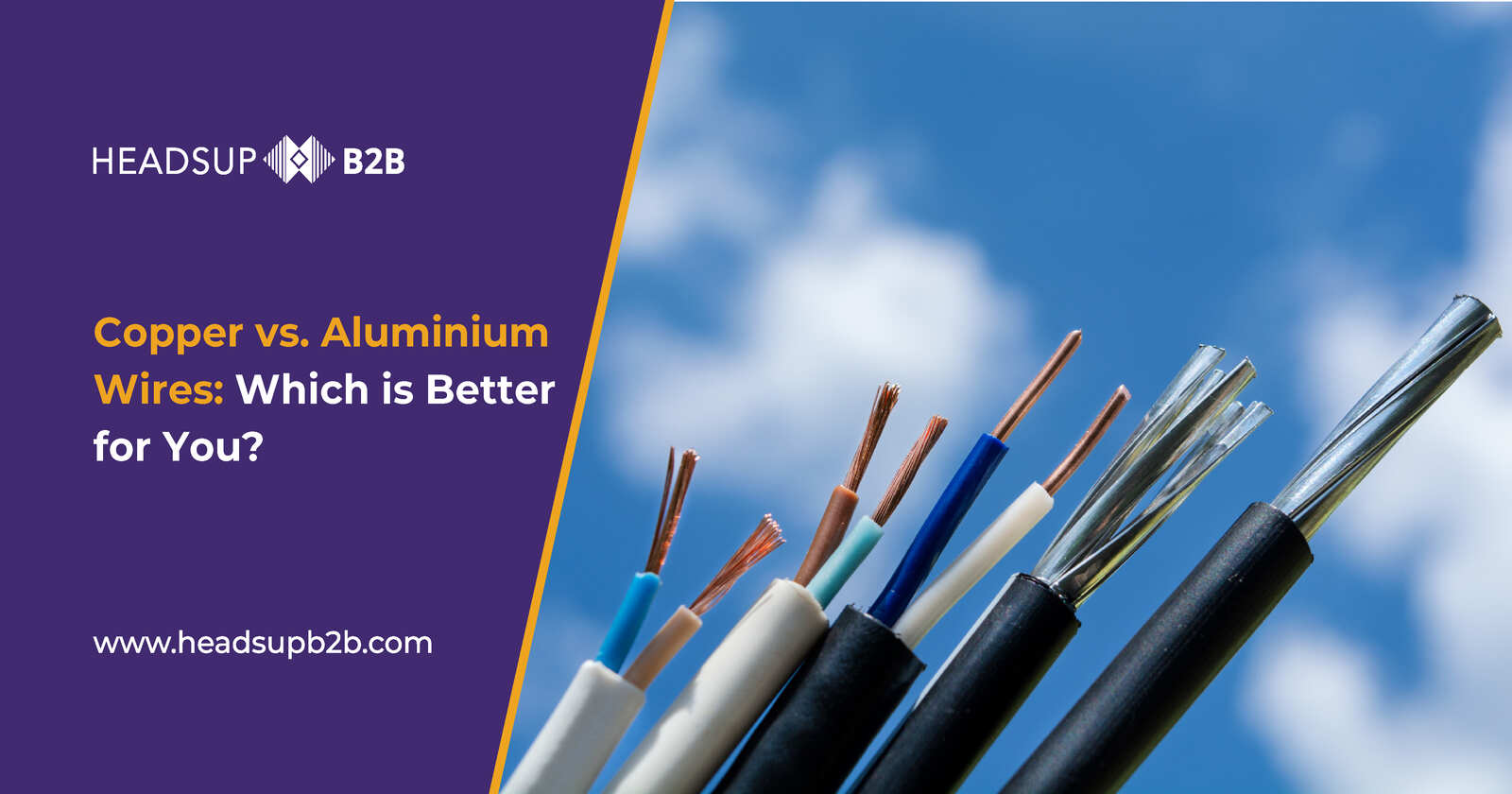
    Copper vs. Aluminium Wires: Which is Better for You?

    Why Wire Choice Matters in Electrical Systems

    Wiring is the silent hero of your home or building’s electrical solutions. It’s easy to overlook, but picking the right kind of wire—whether copper or aluminium—can impact everything from safety to efficiency and long-term costs.

    A Quick History of Copper and Aluminium Wiring

    Copper has been the go-to wiring material for over a century, but aluminium rose in popularity during the 1960s and 70s due to copper shortages. Today, both still see widespread use, but not always in the same ways.

    Basic Properties of Copper and Aluminum

    Electrical Conductivity

    Copper is a better conductor than aluminium. In fact, copper carries about 60% more current than aluminum of the same size. That means less energy loss and better performance.

    Thermal Conductivity

    Copper also beats aluminium in thermal conductivity. It dissipates heat more efficiently, which can help prevent overheating.

    Corrosion Resistance

    Copper develops a thin oxide layer but still remains conductive. Aluminium, on the other hand, oxidizes in a way that impedes conductivity, which can become a safety issue over time.

    Strength and Flexibility

    Copper is denser and more ductile, which means it bends without breaking. Aluminium is more brittle and can crack if bent repeatedly.

    Safety Factors

    Fire Hazards

    Aluminium wiring has been linked to house fires, especially in older homes where connections loosen over time. Copper wiring holds connections better and resists heat buildup.

    Oxidation Issues

    Aluminium reacts with air, forming an insulating oxide layer. If connections aren’t properly treated, resistance increases and so does the heat—leading to potential fire risks.

    Overheating Concerns

    Because of its lower conductivity, aluminium wires need to be larger than copper ones to carry the same current without overheating.

    Cost Comparison

    Material Costs

    Aluminium is significantly cheaper than copper—often 30-50% less per foot. That’s why it’s popular in large-scale or budget-restricted installations.

    Installation Costs

    Copper is heavier and harder to work with, increasing labor costs. However, aluminium requires special connectors and more care, which can offset those savings.

    Long-Term Maintenance

    Copper requires less maintenance over time. Aluminium systems often need periodic inspection to ensure connections haven’t degraded.

    Durability and Lifespan

    Longevity of Copper Wiring

    Copper wiring can last over 50 years with little to no issues. It’s durable, stable, and less prone to environmental damage.

    Lifespan of Aluminium Wiring

    Aluminium wiring tends to degrade faster, especially if not installed correctly. Its lifespan can be shortened by oxidation and mechanical stress.

    Ease of Installation

    Handling Copper vs Aluminium

    Aluminium is lighter and more flexible, making it easier to pull through conduit. However, it’s more fragile and prone to breaking if bent too much.

    Connector and Compatibility Issues

    You can’t just use standard connectors with aluminium. Special anti-oxidation paste and connectors are necessary to ensure safe and long-lasting joints.

    Environmental Impact

    Mining and Production Footprint

    Copper mining has a larger environmental impact due to deeper mining and energy-intensive smelting processes. Aluminium production is also energy-heavy but more abundant in raw materials.

    Recyclability and Sustainability

    Both metals are recyclable, but copper maintains higher value and is easier to recycle efficiently.

    Use Case Scenarios

    Residential Applications

    Copper is the top choice for in-home wiring. It’s safer and more durable for outlets, lighting, and switches.

    Commercial and Industrial Use

    Aluminium is often used in large-scale installations where cost is a major factor—like factories or office buildings—especially for feeder and service cables.

    Power Distribution and Utilities

    Utility companies often use aluminium for power lines due to its light weight and lower cost, which makes a difference over long distances.

    Code and Regulation Compliance

    National Electrical Code (NEC) Standards

    The NEC allows both copper and aluminium, but sets specific requirements for each—especially aluminium—to ensure safety.

    Local Building Codes

    Some regions have stricter codes or even ban aluminium wiring in residential buildings due to past fire incidents. Always check with your local authority.

    Performance in Extreme Conditions

    High Heat Environments

    Copper holds up better under heat, maintaining integrity and conductivity, while aluminium softens and degrades faster.

    Cold Weather Behavior

    Aluminium expands and contracts more with temperature changes, which can loosen connections over time. Copper remains more stable.

    Expert Opinions and Industry Preferences

    Most electricians prefer copper for residential projects because of its reliability and safety profile. Aluminium is seen as more situational—useful but needing more oversight.

    Myths and Misconceptions

    Aluminium is Dangerous?

    Not entirely true. When installed properly with approved methods, aluminium can be safe. The danger comes from poor installation and incompatible connectors.

    Copper is Always Better?

    Not always. While copper is superior in many ways, aluminium still has a place—especially when budget or weight are concerns.

    Which One Should You Choose?

    Decision-Making Checklist

    • For home wiring: Go with copper. It’s safer and more reliable.

    • For large-scale commercial use: Aluminium may be better due to lower costs.

    • For power distribution: Aluminium wins because of its light weight.

    • For critical systems or harsh environments: Copper is your best bet.

    Expert Advice Based on Needs

    If you’re working on a budget but can ensure professional installation, aluminium can be a viable option. But if safety and long-term peace of mind matter most, copper is worth the investment.

  • Electrical Conduit and Their Uses

    Electrical Conduit and Their Uses

    Imagine a road without a proper route, and humans with a machine without a casing, wires messy with parts vulnerable and exposed. Just as wires require proper insulation for short-circuit risk mitigation and shock prevention, wiring systems need conduits to fulfil the same purpose. Just as different types of wires require different casings, wiring systems related to various applications need different types of conduits.

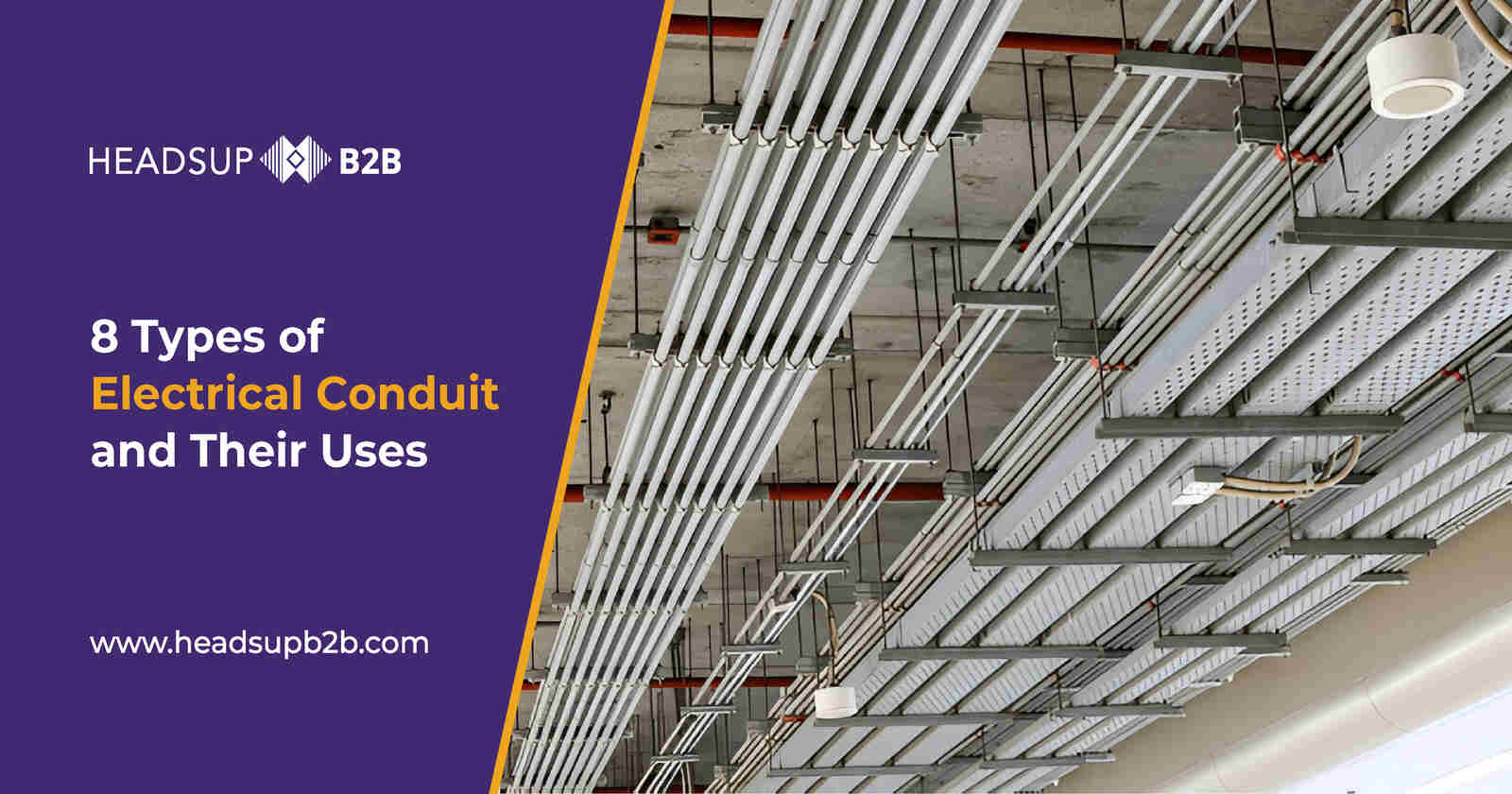
    8 Types of Electrical Conduit and Their Uses

    1. Rigid Metal Conduit

    Rigid Metal Conduit is used for maximum protection in outdoor environments and industrial settings. Their features include being thick-walled, heavy-duty, and galvanised.

    2. Intermediate Metal Conduit

    Intermediate Metal conduit fulfils moderate durability needs. In terms of materials used, they utilise lighter, steel conduits with walls thinner than RMC. They are suitable for environments that are exposed, including outdoor settings.

    3. Electrical Metallic Tubing

    Suited for residential and commercial buildings, Electrical Metallic Tubing is lightweight and thin-walled. EMT is made of aluminium for tubing, with widespread use in indoor wiring.

    4. Flexible Metal Conduit (FMC)

    Used in tight spaces and areas that are prone to vibrations, flexible metal conduit is coiled and bendable.

    5. Liquid-Tight Flexible Metal Conduit (LFMC)

    Mainly used in wet and oily environments, Liquid-Tight Flexible Metal Conduits come with a weatherproof plastic jacket. LFMC is perfect for protecting wires near pumps, motors, or outdoor equipment where moisture is common.

    6. Polyvinyl Chloride (PVC) Conduit

    Polyvinyl Chloride Conduit is a non-metallic conduit. These plastic pipes are resistant to corrosion and cheap. PVC finds applications outdoors and underground.

    7. High-Density Polyethylene (HDPE) Conduit

    High-Density Polyethylene conduit is available in a variety of telecom and power cable applications. Because of their flexibility and non-metallic nature, they are used in directional boring and trenching.

    8. Rigid Non-Metallic Conduit (RNC)

    There are applications that require the conduits to be non-corrosive in nature due to highly corrosive environments. Similar to PVC, Rigid Non-Metallic Conduits are used widely in chemical plants and are flexible in nature.

    Comparison of Electrical Conduit Types

    Conduit Type Material Key Feature Typical Use Environment
    Rigid Metal (RMC) Galvanised steel Thick-walled, heavy Outdoor, industrial Harsh, exposed
    Intermediate (IMC) Steel Lighter, thinner Exposed, outdoor Moderate durability
    EMT Aluminium/steel Lightweight, thin Indoor wiring Residential, commercial
    FMC Steel/aluminium Flexible, coiled Tight, vibrating areas Machinery, equipment
    LFMC Metal & plastic Waterproof, flexible Wet, oily locations Pumps, motors
    PVC Conduit Plastic (PVC) Non-metallic, cheap Underground, outdoor Corrosive, damp
    HDPE Conduit Polyethylene Flexible, durable Telecom, power cables Trenching, boring
    RNC Plastic Flexible, non-corrosive Chemical plants Highly corrosive

    Be it an underground application or a high-end residential setting, Electrical conduits not only act as protective shields but also make the wiring systems more presentable. Before choosing the right type of conduit, knowledge of different types of conduits is important; for the same, an expert in electrical wiring systems is important. Headsup B2B ensures your project success with the best-suited, cost-effective and durable electrical conduits. If you need for expert wiring system solution, contact us today.

  • 6 Best Practices for Electric Wire Installation

    6 Best Practices for Electric Wire Installation

    Proper functioning of any electrical system is heavily dependent on the choice of the right wire, with the right certifications. Be it electrical house wires for home electrical systems of residential projects or high-current carrying wires in industrial setups, proper installation is vital to the functioning of the power distribution system across the infrastructure setting. In this blog, we will explore one of the most important aspects of electrical wiring installation – the best practices.

    Best Practice 1: Proper Planning and Layout

    Layout and planning are important due to different factors such as:

    • Load requirement assessment ensures that conductors, protective devices and panels are correctly installed to meet actual demand. Additionally, their core function is also to prevent overheating and voltage drop.

    • Determination of cable routes allows us to choose the most efficient, accessible paths, minimising the lengths and bends of cables and reducing voltage drops.

    • Careful planning ensures that electrical layouts do not interfere with plumbing, HVAC, or structural components. Early coordination helps avoid costly rework, space conflicts, and delays during installation.

    Best Practice 2: Correct Conductor Selection

    • An additional essential element for your wire installation is a proper wire gauge and respective insulation type and ratings.

    • The wire insulation types and levels will ensure that the wires are not exposed to a voltage which there would cause electrical stress on the wire. If these barriers are crossed, degradation of the wire may occur. However, this may also lead to more serious hazards.

    • The wires must match the environment, too. The installation site must be designed keeping the temperature in mind. For instance, the wires should be able to withstand temperature, humidity, chemicals, wear and tear, etc.

    Best Practice 3: Secure Routing and Support

    • Physical support and proper routing are important to ensure lasting wire installations. To improve accessibility, the use of conduits, trays and clamps is vital.

    • Ensuring accessibility is important, and for the same, the use of conduits, trays, and clamps helps organise and protect wires from external stress.

    • The importance of physical support is emphasised by the need for prevention of strain on the conductors to protect them from physical damage and minimise performance issues.

    Best Practice 4: Terminate and Connect for Quality

    • When stripping insulation and preparing conductors, using a proper tool which doesn’t nick or damage conductor strands is important. Moreover, the length of the strip needs to be as per the specification.

    • The use of a properly sized lug connector is important for the wire gauge. Also, a calibrated tool is important for a robust connection. Additionally, for soldering purposes, heat control needs to be done to avoid cold joints and insulation damage.

    Best Practice 5: Protection and Insulation

    • Applying cable sleeves and grommets is important for protection and insulation. Also, fire-resistant materials such as LSZH (Low Smoke Zero Halogen) cables, FRLS (Flame Retardant Low Smoke) wires, and halogen-free conduit systems need to be utilised.

    • In damp and wet environments, it is essential to use wiring and insulation materials that resist moisture ingress and chemical exposure. These materials include PVC-coated cables, XLPE insulation, corrosion-resistant conduits, and IP-rated enclosures.

    Best Practice 6: Testing, Inspection, and Documentation

    Ensuring a proper installation and safety is a prerequisite for an electrical system. To ensure that it has been carried out efficiently, there are three key steps:

    • Continuity, Insulation Resistance, and Earth Testing to check if the wires have been installed without damage, while being grounded safely.

    • Visual Inspections and Checklists to help catch loose connections, damaged insulation, or improper bends. It also enables proper labelling and record-keeping.

    Proper installation of electric wires ensures safety and compliance with rules and regulations. The given benefits of these six best practices lead to project success, be it a residential wiring project or a commercial one. Accomplishment of project success depends on professional expert intervention at each step, right from wire selection to installation, testing and documents.

  • How to Choose the Right Electric Wire for Your Project?

    How to Choose the Right Electric Wire for Your Project?

    Introduction

    Imagine a building as a human body and electric wires as the nerves of that body. Like our body, just as different kinds of nerves are responsible for transmitting various nerve impulses, electric wires are responsible for transmitting various types of electrical signals with different current ratings.

    In any kind of electrical system, the choice of the right wire with the right certifications is important. Be it electric house wires for home electrical systems of residential projects or high-current carrying wires in industrial setups, the understanding of different applications of electrical wiring is vital:

    Residential, Commercial, or Industrial

    The wiring needs to change throughout each type of project. Based on the environment of use, select light-duty or heavy-duty wires.

    Indoor vs Outdoor Use

    Cable used outdoors must be able to take heat, moisture or UV exposure. The inside wiring can be lighter, but it must still comply with flame-retardant standards.

    Load Requirements

    The size and insulation type of a wire depends on its electrical load. Using wires that are too small can cause overheating; however, using wires that are too large will add cost and bulk.

    Know the Wire Types

    Different types of wires represent different features that are vital to the functioning of distinct features. Commonly used variants include single-core, multi-core, rigid, solid, and stranded wires. In this comparison table is a summary of their distinctive features:

    Feature Single-core Multi-core Flexible Rigid Solid Stranded
    Conductor Count 1 Multiple Multiple strands Thick/single strand 1 solid wire Bundled thin wires
    Flexibility Low High Very High Low Low High
    Durability High (static) Moderate Moderate (moving) High (static) High (static) High (moving)
    Application Type Fixed wiring Complex connections Moving parts/machinery Infrastructure Internal wiring Robotics, panels
    Cost Low Higher Higher Moderate Low Moderate

    Check Voltage & Current Ratings.

    Ampacity is how much current a wire can carry without overheating.

    Choose wire gauge (AWG/SWG) that suits load, distance and application environment.

    Use case tip.

    Thicker ones suit power-intensive equipment, while thinner ones are suitable for low-voltage lighting or control.

    Insulation & Sheathing Matters.

    • Insulation type impacts our flexibility, durability and safety from PVC to XLPE & frls.

    • Select based on resistance requirements – weatherproofing, flame retardance, or chemical exposure.

    Use case tip.

    • Use FRLS in indoor commercial settings and XLPE for outdoor or underground installations

    Certifications & Compliance.

    • Look for ISI, BIS, RoHS, and similar marks that ensure safety and performance standards.

    • Certifications prevent failure, ensure compliance and confirm the safety of the assurance product

    Use case tip.

    • Always check the paper regardless of whether it is Government or Industry, or export projects.

    Match With the Right Colour Codes

    • The right colours should be matched as per the Indian colour codes – (Phase, Neutral, Earth)

    • Colour coding ensures clarity during installation and maintenance

    Consider the Length & Routing

    • It is important to estimate wire length correctly.

    • It is pertinent to plan for bends, joints and conduits.

    Cost vs Quality

    • Balancing budget and performance is important to get the perfect quality within the project budget, which leads to better project efficiency.

    • Compliant and Trusted brands and sourcing partners ensure the credibility and safety of the wires chosen for project execution.

    Need help sourcing the right wire?

    Headsup B2B ensures the right fit for your electrical needs – from specs to supply.

  • 8 Tools You Need for Electric Wire Projects

    8 Tools You Need for Electric Wire Projects

    Electrical wires and cables are vital to the functioning of any premise, be it an industrial establishment or a high-end residential project. Whether it is a routine cabling task or choosing a coaxial cable for an IT infrastructure, using a compliant and safe electrical wire is essential for any electrical wire project.

    Tools That Make Electric Wire Projects Easier and Safer

    Cable Cutter

    Cable cutters are tools that are responsible for cutting wires and cables on a need basis, without crushing the internal strands or fraying them. These tools are critical for precise cutting near installations to ensure they are done neatly while preventing damage to wires.

    • Pro use-case: Ratchet or electric cable cutters make cutting thick cables easier and less tiring

    Multimeter

    Multimeters troubleshoot wiring issues, verify circuit integrity and ensure safety. The mechanism followed to accomplish the same is measurement of voltage, current, resistance and continuity in electrical circuits.

    • Safety tip: Always disconnect power before testing and wear insulated gloves to avoid shocks.

    Crimping Tool

    Crimping tools, as the name suggests, compress the wires to attach them correctly to the connectors by compressing them securely. They are vital due to their robustness and durability of electrical joints, necessary for reliable connections. They ensure the attachment is done safely when steady pressure is applied.

    • Safety tip: Apply steady pressure and use the correct tool for the connector type to avoid damage

    Fish Tape

    Fish tape helps pull wires through walls, tight spaces and conduits during installation. It plays an important role in making routing wires through complex or hidden pathways that are efficient as well as damage-free.

    • Pro use-case: Use electrical tape to firmly attach wires to the fish tape end for smooth pulling

    Insulation Tape

    Insulation tapes protect exposed wires and electrical connections, and it is important to prevent electrical shorts and shocks. These safety features enhance the longevity of the wiring.

    • Safety tip: Use high-quality electrical tape rated for voltage and temperature for best protection

    Screwdrivers (Insulated)

    Insulated Screwdrivers tighten or loosen the screws on terminals and panels safely. The insulation on the handles acts as a protective layer against shocks during live work.

    • Safety tip: Always verify the insulation rating matches the voltage of the circuit you’re working on.

    Voltage Tester

    Sometimes it is necessary to identify if a wire is live with electric current, to identify it tools like Voltage testers come into play. Voltage testing is an important first step while working on all kinds of electrical wiring in order to avoid electrical shock.

    • Safety tip: Test the tester on a known live source before and after use to ensure it’s working properly.

    Wire Stripper

    Wire Stripper is a tool that removes insulation from wires without damaging the core, and they are responsible for clean stripping, reliability in electrical connections by exposing the conductor properly.

    • Pro tip: It is important to use the right wire stripper to mitigate the risk of slipping and cutting, further ensuring process safety.

    At Headsup B2B, we streamline your procurement journey — from essential hand tools to high-spec wiring components — with trusted vendors, certified products, and expert support. Looking for premium-grade electrical tools or wires? Headsup B2B ensures reliable sourcing from verified manufacturers.

  • Electric Wire Safety: What You Need to Know

    Electric Wire Safety: What You Need to Know

    Imagine a building as a human body and electric wires as the nerves of that body. Similar to our body, just as different kinds of nerves are responsible for transmitting various types of nerve impulses, electric wires are responsible for transmitting various types of electrical signals with different current rating.

    Electric wires are vital to power transmission and the proper functioning of a building.

    In addition, the current-carrying nature makes ensuring the quality of the wires extremely crucial. Being a vital part of power transmission throughout a given premise, maintaining high standards and following legal compliances & regulations in ratings are non-negotiable.

    Importance of safety in wiring

    Low-quality wiring can lead to hazards in homes, factories, and commercial establishments. Sub-standard wiring is risky and can lead to electrocution, fire hazards, resulting in damage to the entire establishment’s power distribution system. The most common safety failure is a short circuit.

    A short circuit occurs when an electric current takes an unintended path with low resistance. There are several reasons behind a short circuit:

    Damaged insulation – Poor insulation leads to the electric signal passing unchecked through the conductor, possibly coming in contact with other wires and surfaces. It poses the risk of electrocution and an electrical fire hazard.

    Faulty application or device – An internal application flaw exposes the device to creating an internal defect. The defect allows the current to flow from an unintended electrical path.

    Loose connection – Poorly connected wires are at a high risk of coming in contact with each other and taking the shorter path for the current to flow.

    Overloaded circuits – There are instances where a wire is subjected to more current than it was originally manufactured for; in that case, the wire becomes overheated and leading to burning.

    Water or moisture contact – A wire coming in contact with water leads to a short circuit, as it is a good conductor of electricity. Due to its conductivity, any sort of contact with moisture to any junction box or outlet may pose a high risk of an electrical hazard.

    Key Safety Practices

    Choice of wire – Choosing the right type of wire is important, keeping in mind the needs and requirements of the application and making sure it is aligned with the needs of that particular application.

    Timely status check – Wires play a key role in keeping any establishment functional, hence it is important to ensure that proper installation is being carried out. In addition to the safety rating of the wires, the professionals responsible for installation need to be certified. To add another layer of safety, regular checks should be done to identify wear and tear.

    Safety devices – Safety tools such as MCBs, fuses, and proper grounding support in identifying the potential fire hazards and instantly interrupting them and mitigating the risks posed by short circuits and electric overload.

    Standards and Compliance

    • To ensure the quality of the wire, referring to ISI/BIS marks in India or international equivalents is a key measure.

    • Following the electrical codes and procurement guidelines is important, not just for safety purposes but also to ensure compliance adherence.

    Safety in an electrical power distribution system starts with ensuring that the product is certified for a particular application and meets regulatory requirements.

    In any kind of electrical system, the choice of the right wire with the right certifications is important. Be it electric house wires for home electrical systems of residential projects or high current carrying wires in industrial setups, the certifications and compliance adherence are important for safety, quality and durability.

    Headsup B2B ensures sourcing of high-quality electrical wires from reputed brands and manufacturers, ensuring safety, reliability, and risk-free accomplishment of the projects, facilitating safe, reliable, and risk-free execution.

  • Exploring Tata Steel’s Modular & Prefab Innovations: A Comprehensive Overview

    Exploring Tata Steel’s Modular & Prefab Innovations: A Comprehensive Overview

    Exploring Tata Steel’s Modular & Prefab Innovations

    Urbanisation is at full throttle with rapid growth, creating the need for quick construction. A rapid growth in construction has transformed the way the industry operates. Due to changes in urbanisation methods, Tata Steel has expanded beyond traditional steel to modular construction.

    Modular and Prefab construction is a result of a growing demand for faster, greener and cost-effective construction. Prefab and modular lead to less carbon emission and waste production. In terms of cost, the project costs are predictable, making it cost-effective.

    Modular steel being ideal for diverse and challenging sites, Tata Steel has five flagship offerings to meet the dynamic demand.

    HabiNest ( LGSF Structures )

    HabiNest is one of the oldest modular, prefab projects of Tata Steel, requiring minimal site work with controlled quality. Ideal for schools, hospitals and hostels, HabiNest is strong and safe with a fast-paced assembly. These LGSF structures are green and disaster-resistant.

    Modular Cabins

    Modular cabins are flexible and easy-to-use offices that are durable and low-maintenance. The special features of these cabins are that they are easy and quick to set up and are easy to move. Owing to the project type, they have customisable interiors that make it easy for them to adapt to change.

    EzyNest Toilets

    EzyNest Toilets are prefab, i.e prefabricated in a factory to be assembled at the construction site. They can be rapidly deployed for public use, helping meet dynamic and sudden demand. They are strong and easy to clean. EzyNest toilets support health initiatives due to faster assembly.

    Rooftop Cabins

    Rooftop cabins help maximise limited land and add space to existing structures. They are urban-friendly and lightweight. These cabins are safe and blend with current structures.

    Water Kiosks

    Water Kiosks provide modular water access, with quick installation features, relocatable and durable. These kiosks promote public health and support communities with clean water provision.

    Conclusion

    Tata Steel is an industry leader in India when it comes to prefabricated and modular steel solutions. Its flagship projects cut construction time, ensure cost-efficiency for large-scale projects while cutting down waste production and emissions. With these new-age construction technologies, urbanisation has taken a new shape, and if you want to be a part of this journey of progress in the infrastructure sector and explore prefabricated and modular solutions for your project, contact Headsup B2B.