Category: Uncategorized

  • Different Types of Industrial Automation

    Different Types of Industrial Automation

    Ever wondered how factories keep producing at lightning speed without missing a beat? The answer lies in industrial automation. But here’s the twist—it’s not a one-size-fits-all solution. There are different types of industrial automation, each designed to suit specific production needs.

    Whether you’re in manufacturing, food processing, or any industry that runs on machines, understanding these types will help you choose the best path for scaling up. Let’s break it all down.

    What is Industrial Automation?

    Before diving into the types, here’s a quick refresher:
    Industrial automation refers to using machines, control systems, and software to handle industrial processes—minimizing or eliminating human involvement.

    The main goals? Boost productivity, reduce error, cut costs, and improve safety.

    Why Understanding the Types Matters?

    Choosing the wrong type of automation is like using a bulldozer to crack a walnut—it’s overkill and costly. Knowing the different types helps you:

    • Select the right solution for your business

    • Optimize efficiency and cost

    • Stay competitive and scalable

    The Four Main Types of Industrial Automation

    1. Fixed (Hard) Automation

    What Is It?

    Also known as hard automation, this type is designed for high-volume, repetitive tasks. The setup is rigid and tailored for one specific process.

    Common Applications:

    • Automotive assembly lines

    • Bottling and packaging in food production

    • Metal stamping

    Pros:

    • Super-fast production

    • Low per-unit cost (after setup)

    • Consistent output quality

    Cons:

    • Zero flexibility

    • High initial cost

    • Time-consuming to reprogram or reconfigure

    Best For:

    Companies that mass-produce a single product for a long period.

    2. Programmable Automation

    What Is It?

    As the name suggests, programmable automation can be reprogrammed for different tasks. It’s ideal for batch production—where one product is made for a time and then the system switches to another.

    Common Applications:

    • Electronics assembly

    • Textile manufacturing

    • Injection molding

    Pros:

    • More flexible than fixed automation

    • Suitable for varying product types

    • Medium-volume production capabilities

    Cons:

    • Changeovers take time and planning

    • Higher cost per unit than fixed automation

    Best For:

    Businesses producing multiple product models in batches.

    3. Flexible (Soft) Automation

    What Is It?

    Flexible automation is the next level of programmable automation. It allows for quick and easy changeovers, often automatically, making it ideal for dynamic production environments.

    Common Applications:

    • Custom manufacturing

    • Advanced robotics systems

    • Consumer electronics

    Pros:

    • Extremely adaptable

    • Fast product changeovers

    • Reduces downtime

    Cons:

    • High cost to implement

    • Requires skilled personnel

    Best For:

    Industries needing frequent design changes and low to medium batch sizes.

    4. Integrated Automation

    What Is It?

    This refers to a fully integrated system where machines, software, sensors, and control systems work seamlessly together. It’s a smart factory model, often associated with Industry 4.0.

    Common Applications:

    • Smart manufacturing

    • Continuous production systems

    • High-tech industries

    Pros:

    • Full automation and connectivity

    • Real-time data and monitoring

    • Optimized efficiency and quality control

    Cons:

    • High upfront cost

    • Complex to implement and maintain

    Best For:

    Large, tech-savvy companies ready to invest in long-term gains and full digital transformation.

    Bonus: Emerging Types of Automation

    Technology doesn’t stand still, and neither does automation. Here are two emerging types to keep an eye on:

    Collaborative Automation (Cobots)

    Cobots are designed to work safely alongside humans, assisting in tasks like material handling, inspection, and light assembly. They offer flexibility and cost-efficiency for small to medium enterprises.

    Hyperautomation

    This is a broader concept that combines AI, ML, robotic process automation (RPA), and more to automate everything possible across an organization—not just the shop floor.

    Comparison Table: Types of Industrial Automation

    Type

    Flexibility

    Volume

    Cost

    Changeover Time

    Best For

    Fixed Automation

    Low

    High

    High

    Long

    Mass production

    Programmable

    Medium

    Medium

    Medium

    Moderate

    Batch production

    Flexible

    High

    Low-Medium

    High

    Fast

    Custom manufacturing

    Integrated

    Very High

    High

    Very High

    Real-time

    Smart, connected factories

    How to Choose the Right Type

    Ask yourself:

    • What’s your production volume?

    • How often do you change product designs?

    • What’s your budget and technical capacity?

    • Do you need real-time data and smart systems?

    Understanding your unique business needs is key to selecting the right automation strategy.

    Conclusion

    Industrial automation isn’t just about machines doing the work—it’s about choosing the right kind of machines, systems, and software for your specific needs.

    From fixed automation for high-volume production to flexible and integrated systems for dynamic operations, each type offers unique advantages. By understanding them, you can future-proof your operations and unlock new levels of productivity, safety, and efficiency.

    FAQs

    1. What type of automation is best for mass production?

    Fixed (hard) automation is the most efficient for large-scale, repetitive production lines.

    2. Can small businesses use flexible automation?

    Yes, especially with modern robotics and software platforms becoming more affordable and scalable.

    3. What’s the difference between programmable and flexible automation?

    Programmable automation requires manual reprogramming for each task change, while flexible automation can switch tasks with minimal or no manual intervention.

    4. Is integrated automation only for big companies?

    While it’s more common in large enterprises, small and mid-sized businesses can gradually adopt integrated solutions with modular systems.

    5. Are cobots considered a type of automation?

    Yes! Cobots are part of collaborative automation and are becoming increasingly popular due to their safety and ease of use.

  • 10 Must-Have Road Safety Equipment Items Every Driver Should Own

    10 Must-Have Road Safety Equipment Items Every Driver Should Own

    Let’s face it — no one plans to break down on a deserted highway in the middle of the night. But guess what? It happens. Whether you’re heading out for a long road trip or just running errands, being prepared can be the difference between a minor inconvenience and a full-blown disaster. That’s why every driver should have a set of road safety essentials in their vehicle — no excuses.

    So what exactly should you be keeping in your trunk or glove compartment? Let’s break it down.

    The Top 10 Must-Have Road Safety Items

    1. First Aid Kit

    Think of this as your mobile medical cabinet. Cuts, scrapes, burns — you never know when someone might need a quick patch-up.

    What to include:

    • Bandages and gauze

    • Antiseptic wipes

    • Pain relievers

    • Tweezers and scissors

    • Gloves and a CPR mask

    Why it matters: A first aid kit can be a literal lifesaver, especially in remote areas or before medical help arrives.

    2. Reflective Warning Triangles

    If your car breaks down, these little guys alert other drivers of your presence — especially in low visibility conditions.

    How to use: Set up one 50 to 100 feet behind your car. If you’re on a highway, place one in front as well.

    Pro Tip: Some countries actually require them by law. Better safe than sorry!

    3. High-Visibility Safety Vest

    Ever tried flagging down help at night wearing dark clothes? Not a good idea.

    Why you need one: It ensures you’re visible to other drivers — especially important if you have to step out on a busy road.

    4. Jumper Cables or a Portable Jump Starter

    Batteries die. It’s a fact of life. But being stranded because of one doesn’t have to be.

    What’s the difference?

    • Jumper cables need another vehicle.

    • Jump starters don’t — they come with built-in power.

    Pick your fighter depending on how often you drive solo.

    5. Fire Extinguisher

    Sounds dramatic? Maybe. But car fires happen more than you’d think — especially with overheating or electrical issues.

    Choose a type:
    Look for a Class B or C extinguisher, which is ideal for flammable liquids and electrical fires.

    Keep it accessible, not buried under your golf clubs.

    6. Tire Repair Kit and Inflator

    Flat tire with no spare? You’ll thank yourself for packing this.

    What’s inside?

    • Sealant to temporarily patch the hole

    • A portable inflator to reinflate your tire

    Note: It’s a temporary fix — just enough to get you to a repair shop.

    7. Flashlight with Extra Batteries

    Your phone’s flashlight won’t cut it forever — especially if your battery’s dying.

    Go LED: They’re brighter, last longer, and are more energy-efficient.

    Bonus Tip: Store it where you can reach it without getting out of the car.

    8. Seatbelt Cutter and Window Breaker

    Ever seen a car submerged in water in the movies? It’s real — and terrifying.

    This tool can save your life if your seatbelt gets jammed or the doors won’t open.

    Compact and cheap, there’s no excuse not to have one.

    9. Emergency Blanket

    Looks like a shiny piece of foil, but don’t underestimate it.

    Purpose: Keeps you warm if you’re stuck in cold weather — like a space-age sleeping bag.

    Lightweight, cheap, and folds up small. Just do it.

    10. Multi-tool or Car Emergency Tool Kit

    Think of it as the Swiss Army knife of the road.

    Typical features:

    • Pliers

    • Screwdrivers

    • Wire cutters

    • Glass breaker

    • Knife

    Why it rocks: One tool, many uses. Perfect for quick fixes on the go.

    Additional Safety Essentials Worth Considering

    Beyond the essentials, here are a few extras you’ll be glad you packed:

    • Portable power bank or car charger

    • Bottled water and non-perishable snacks

    • Printed road maps (because tech fails too)

    • Rain poncho or umbrella

    • Towel or rag

    These might not save your life, but they sure can save your day.

    How to Properly Store Your Safety Equipment

    Having the gear is one thing. Being able to find it when needed is another.

    • Use a dedicated storage box in your trunk

    • Keep essential items like flashlights and tools within arm’s reach

    • Avoid clutter — only keep what you truly need

    In some regions, certain items are legally required, like reflective triangles and vests.

    Insurance tip:
    Being well-equipped shows responsibility. It can even help during claims — especially if your preparedness reduced damages or injuries.

    Tips for Keeping Your Road Safety Kit Up to Date

    Don’t just toss it in your trunk and forget about it.

    • Check every 6 months

    • Replace expired items like meds and batteries

    • Test tools like your flashlight or jump starter

    Make it a habit — like your oil change or tire rotation.

    Real-Life Roadside Emergency Scenarios

    Let’s get real — these aren’t just “what ifs.” Here’s how having the right gear made a difference:

    • Flat tire at midnight? Tire inflator to the rescue.

    • Battery dead in the mall parking lot? Jump starter saved the day.

    • Stuck in a blizzard? Emergency blanket and snacks = lifesaver.

    Bottom line? These aren’t just tools — they’re peace of mind.

    Conclusion

    Being prepared isn’t paranoid — it’s smart. Whether you’re a new driver or a seasoned road warrior, these 10 must-have road safety items can turn a potential disaster into a manageable hiccup. Don’t wait for something to go wrong. Load up, pack smart, and drive safe.

    FAQs

    1. How often should I replace items in my road safety kit?

    At least every 6–12 months. Replace expired items and test electronics regularly.

    2. Are safety kits legally required?

    In many countries, yes — especially reflective triangles and vests. Always check local laws.

    3. What’s the difference between a tire inflator and a compressor?

    Both inflate tires, but inflators are portable and made for emergency use, while compressors are usually more powerful and bulky.

    4. Can I assemble my own safety kit instead of buying one?

    Absolutely. In fact, it’s often better because you get to tailor it to your needs.

    5. Where should I keep my emergency tools in the car?

    Store them in your trunk or under a seat — just make sure they’re easy to reach when needed.

  • Industrial Warehouses and Their Management: Everything You Need to Know

    Industrial Warehouses and Their Management: Everything You Need to Know

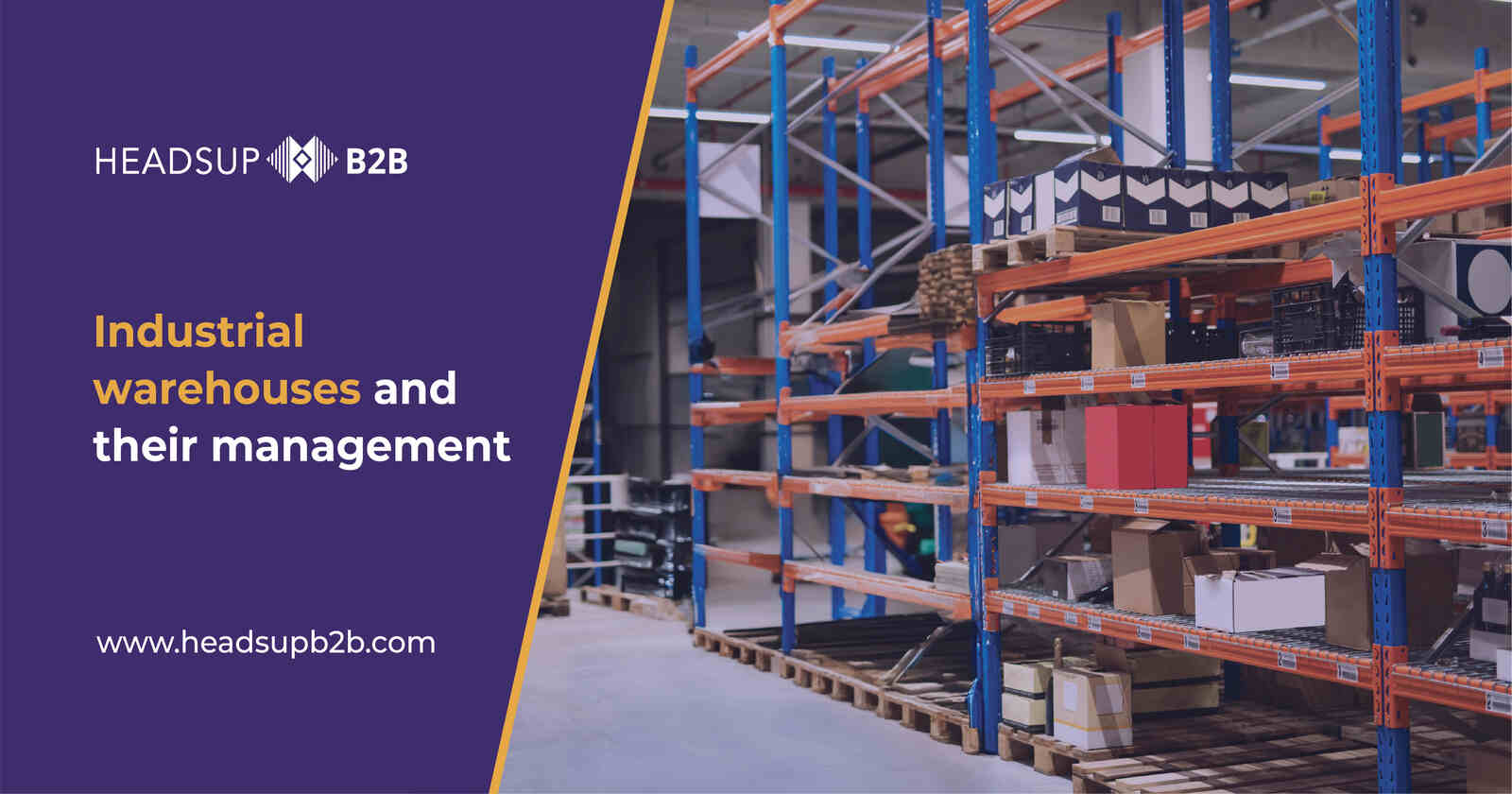
    Industrial warehouses are the backbone of global supply chains. Whether it’s raw materials for factories or finished goods for retailers, everything passes through these storage powerhouses. But with massive inventories, high-speed operations, and increasing demand for efficiency, managing an industrial warehouse is no small feat.

    In this article, we’ll unpack what industrial warehouses are, their types, roles, and the best practices for managing them efficiently in today’s fast-paced, tech-driven world.

    What is an Industrial Warehouse?

    An industrial warehouse is a large, specialized facility used to store goods, raw materials, components, or finished products for industrial use. These aren’t your everyday storage units—they’re built for heavy-duty storage, bulk inventory management, and efficient movement of goods.

    Key Functions of an Industrial Warehouse

    • Storage of goods (raw materials or finished products)

    • Inventory management and stock control

    • Order fulfillment and picking/packing operations

    • Shipping and receiving logistics

    • Buffer for production and market demand

    In short, industrial warehouses keep the wheels of commerce turning.

    Types of Industrial Warehouses

    Let’s explore the main types based on design, function, and use:

    • Distribution Centers (DCs): These are high-throughput facilities where goods move in and out quickly. Think Amazon fulfillment centers.

    • Cold Storage Warehouses: Used for temperature-sensitive products like food, pharmaceuticals, and chemicals.

    • Bulk Storage Warehouses: Ideal for storing large quantities of raw materials such as grains, minerals, or chemicals.

    • Automated Warehouses: These leverage robotics and AI to automate inventory storage, retrieval, and handling.

    • Flex Space Warehouses: Multi-purpose spaces used for storage, manufacturing, and office work. They’re popular with SMEs and startups.

    • Hazardous Material Warehouses: Designed with safety features to store flammable, toxic, or reactive materials.

    Layout and Design Considerations

    The efficiency of warehouse operations depends heavily on its layout. Here’s what matters:

    • Dock design: Separate inbound and outbound docks

    • Aisle width: Must accommodate forklifts or AGVs

    • Storage systems: Pallet racking, shelving, mezzanines, etc.

    • Zoning: Segregation based on product type or handling requirements

    • Safety compliance: Fire exits, safety zones, PPE stations

    A well-planned layout reduces travel time, increases picking accuracy, and boosts productivity.

    Warehouse Management: Core Areas to Master

    Now, let’s get into how to manage an industrial warehouse effectively. These are your key areas:

    1. Inventory Management

    This is the heartbeat of warehouse operations.

    • Use real-time inventory tracking systems (WMS, RFID, barcoding)

    • Avoid overstocking and understocking

    • Implement cycle counting for accuracy

    • Utilize ABC analysis to prioritize high-value items

    2. Order Fulfillment and Picking Strategies

    Efficient picking = faster order processing.

    • Batch Picking: Pick multiple orders at once

    • Zone Picking: Assign zones to different pickers

    • Wave Picking: Group orders based on schedules or routes

    Use pick-to-light or voice picking systems for better accuracy.

    3. Automation and Technology

    Technology is revolutionizing warehouse management:

    • Warehouse Management Systems (WMS) for end-to-end visibility

    • Automated Guided Vehicles (AGVs) for material movement

    • Drones for stocktaking and surveillance

    • IoT Sensors for real-time data on inventory, temperature, etc.

    • AI and analytics for demand forecasting and process optimization

    4. Labor Management

    People still matter—even in automated warehouses.

    • Use labor tracking tools to monitor productivity

    • Train workers regularly on safety and tech use

    • Schedule shifts based on workload forecasts

    • Incentivize performance with KPIs and rewards

    5. Safety and Compliance

    Safety isn’t optional—it’s essential.

    • Conduct regular audits and risk assessments

    • Provide PPE and safety gear

    • Install safety signage, fire suppression systems, and emergency exits

    • Ensure compliance with OSHA, ISO, and local safety standards

    6. Inbound and Outbound Logistics

    This is where delays and losses often happen.

    • Schedule deliveries and pickups to avoid bottlenecks

    • Use dock appointment systems

    • Track shipments using GPS and IoT

    • Integrate your warehouse with TMS (Transport Management Systems)

    Warehouse KPIs to Track

    To manage it well, you need to measure it well. Here are key performance indicators (KPIs):

    • Order accuracy rate

    • Inventory turnover ratio

    • Warehouse capacity utilization

    • Picking accuracy

    • On-time shipping rate

    • Average order processing time

    Best Practices for Industrial Warehouse Management

    1. Go digital – Paper-based tracking is outdated

    2. Regularly audit inventory – Don’t just rely on the system

    3. Optimize space – Use vertical storage and dynamic slotting

    4. Train your team – A skilled workforce is a safe and productive one

    5. Plan for seasonality – Have a game plan for peak periods

    6. Invest in preventive maintenance – Keep your equipment in top shape

    Benefits of Efficient Warehouse Management

    • Faster order fulfillment

    • Lower operational costs

    • Happier customers

    • Better supplier coordination

    • Reduced shrinkage and damage

    • Improved data visibility for strategic planning

    Challenges in Industrial Warehouse Management

    No sugarcoating it—warehouse management comes with its hurdles:

    • Labor shortages

    • Space constraints

    • Supply chain disruptions

    • High tech implementation costs

    • Cybersecurity threats in smart warehouses

    The Future of Industrial Warehouse Management

    The future is smart, connected, and automated. Expect to see:

    • AI-powered warehouse optimization

    • Fully autonomous robots

    • Blockchain for secure inventory tracking

    • Predictive analytics replacing reactive decision-making

    • Green warehouses powered by solar and focused on sustainability

    Conclusion

    Industrial warehouses are no longer just storage spaces—they’re critical hubs that drive supply chain performance. With the right layout, technologies, and management practices, you can transform your warehouse from a cost center into a competitive advantage.

    Efficient warehouse management isn’t just about storing things—it’s about strategically moving, tracking, and optimizing every piece of inventory that enters and exits your building.

    FAQs

    1. What is the difference between a warehouse and a distribution center?

    A warehouse stores goods long-term, while a distribution center is focused on quickly receiving and shipping products.

    2. What is WMS in warehouse management?

    A Warehouse Management System (WMS) is software that helps manage inventory, staff, orders, and warehouse operations in real-time.

    3. How can I reduce errors in warehouse picking?

    Use barcode scanning, voice picking, and trained staff. Automating the picking process also reduces human errors.

    4. What’s the role of automation in warehouses?

    Automation increases speed, reduces labor costs, and improves accuracy in inventory handling, order picking, and shipping.

    5. Is warehouse automation expensive?

    Initial investment can be high, but long-term benefits like reduced labor, faster fulfillment, and fewer errors provide solid ROI.
  • Industrial Automation: How it Works, Types, and Benefits

    Industrial Automation: How it Works, Types, and Benefits

    Imagine a world where machines take care of repetitive, risky, and time-consuming tasks—while humans focus on creativity and strategy. That’s not the future anymore. It’s happening right now, thanks to industrial automation.

    In today’s highly competitive landscape, automation isn’t just a luxury for big corporations—it’s a necessity for any business that wants to scale efficiently. Let’s break down exactly how industrial automation works, the different types, and the benefits it brings to industries around the world.

    What is Industrial Automation?

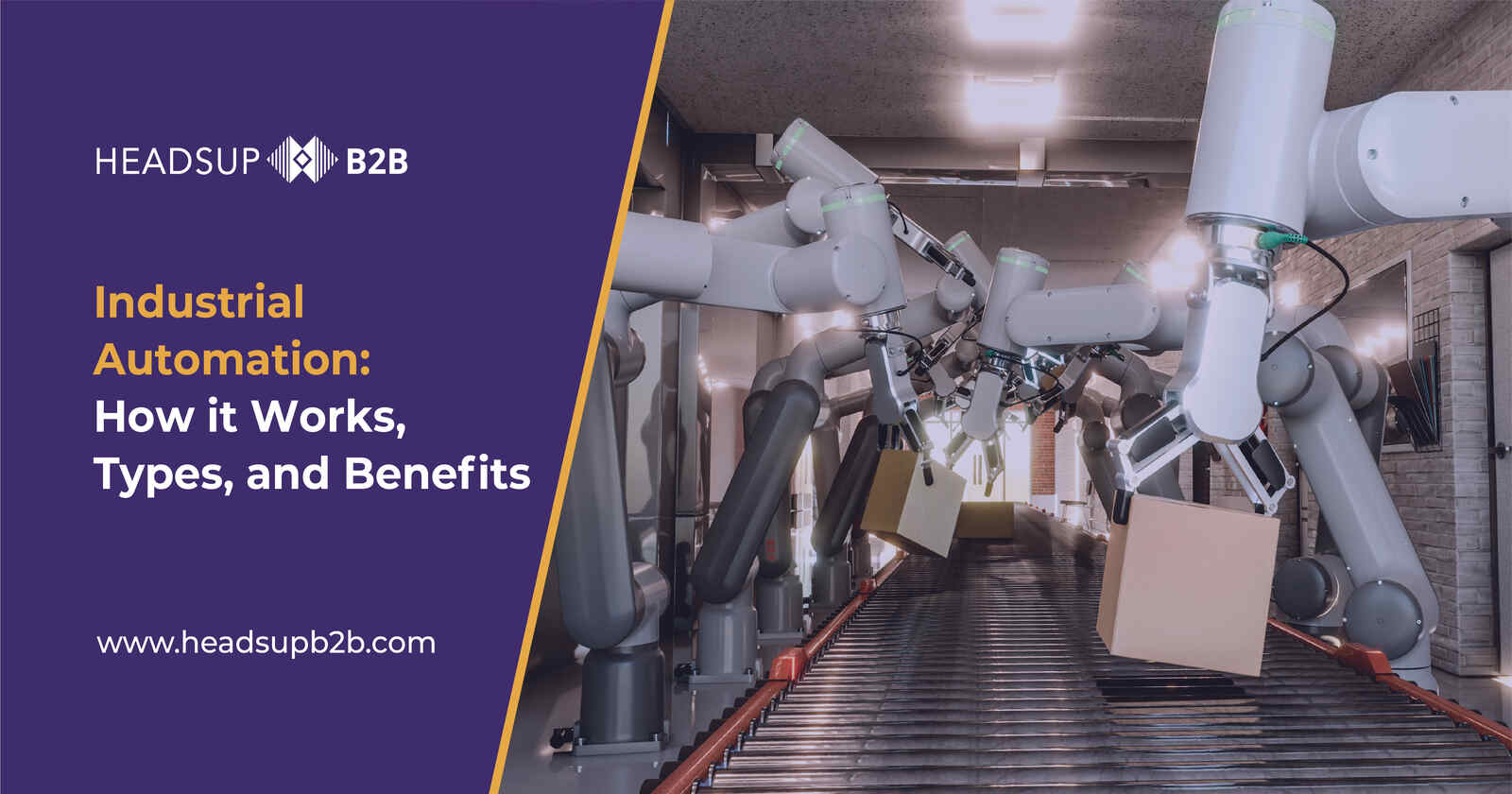
    At its core, industrial automation is the use of technologies like machines, control systems, and software to operate industrial processes with minimal or no human intervention. Instead of people doing the heavy lifting, machines do it faster, more accurately, and around the clock.

    How Industrial Automation Works

    Automation systems are made up of several working parts that interact like a well-oiled machine. Here’s how they come together:

    1. Sensors and Input Devices

    These are like the eyes and ears of the system. Sensors collect real-time data such as temperature, pressure, speed, and more.

    2. Controllers (PLC, DCS)

    This is the brain. Devices like Programmable Logic Controllers (PLCs) process the sensor data and make decisions. For example, if a sensor detects overheating, the controller can shut down the machine instantly.

    3. Actuators and Output Devices

    These are the muscles. Actuators perform the physical actions—turning motors, opening valves, or moving arms—based on instructions from the controller.

    4. Human-Machine Interface (HMI)

    The HMI allows operators to monitor and control the system through a user-friendly dashboard or screen.

    5. Software and Communication

    Systems like SCADA and Industrial IoT platforms gather, analyze, and report data for optimization and predictive maintenance.

    Put it all together and you get a seamless system that can run everything from manufacturing lines to power plants.

    Types of Industrial Automation

    Not all automation systems are created equal. They vary based on flexibility, complexity, and application.

    1. Fixed (Hard) Automation

    Used in mass production settings, such as car manufacturing. It’s fast and efficient but lacks flexibility. Once programmed, it’s hard to change.

    2. Programmable Automation

    Great for batch production. Systems can be reprogrammed to handle different tasks. Common in textile and electronics industries.

    3. Flexible (Soft) Automation

    Highly adaptive and ideal for modern industries that require frequent changes. You’ll find this in custom manufacturing and smart factories.

    Top Benefits of Industrial Automation

    Why are companies rushing to automate? The advantages speak for themselves:

    1. Higher Productivity: Machines don’t sleep, get tired, or take breaks. They run 24/7, massively boosting output.

    2. Improved Accuracy and Consistency: Automation reduces human error and ensures every product meets exact standards.

    3. Enhanced Safety: Hazardous tasks can be done by machines, reducing risk for human workers.

    4. Cost Savings: Though initial setup can be expensive, long-term savings come from reduced labor, energy use, and material waste.

    5. Better Data and Insights: Automated systems generate loads of data, which can be analyzed to make smarter, faster decisions.

    Real-World Applications of Industrial Automation

    • Manufacturing: From assembling cars to making smartphones, automation drives efficiency and consistency in factories.

    • Food & Beverage: Sorting, bottling, packaging, and quality control—automation ensures hygiene and accuracy.

    • Pharmaceuticals: Precise dosing, mixing, and packaging are critical here, and automation helps meet strict regulations.

    • Oil & Gas: Automation helps monitor pipelines, detect leaks, and improve worker safety in dangerous environments.

    • Logistics & Warehousing: Automated systems pick, pack, and ship products with blazing speed and accuracy.

    Emerging Technologies in Industrial Automation

    • Robotics: Industrial robots are now smarter, safer, and more collaborative (like cobots).

    • AI and Machine Learning: Machines can now learn from past data and make predictions—like when a machine might fail.

    • Industrial IoT (IIoT): IIoT connects devices and sensors to the internet, providing real-time insights and remote control.

    • Edge Computing: Processing data near the source rather than in a distant cloud reduces delay and increases efficiency.

    Challenges of Industrial Automation

    Nothing is perfect. Here are a few roadblocks:

    • High Initial Cost: Small businesses may find automation expensive to implement upfront.

    • Job Displacement: As machines replace manual tasks, there are concerns about job loss—though new tech jobs are also being created.

    • Cybersecurity Risks: Connected machines can be hacked if not secured properly.

    • Integration Complexity: Merging old legacy systems with modern automation can be tricky and requires expertise.

    Future of Industrial Automation

    The future is hyperautomation—where everything that can be automated will be. We’ll see:

    • Greater human-robot collaboration

    • More use of green automation (sustainable energy use)

    • Smarter systems powered by AI and big data

    The shift will empower businesses to be faster, safer, and more customer-focused.

    Conclusion

    Industrial automation isn’t just changing factories—it’s reshaping the entire economy. By understanding how it works, the types available, and the benefits it brings, businesses can make informed decisions and stay ahead of the curve.

    FAQs

    1. What is the main goal of industrial automation?

    To improve productivity, safety, and efficiency by reducing human intervention in industrial processes.

    2. Which industries use automation the most?

    Automotive, electronics, pharmaceuticals, food & beverage, and oil & gas are major users.

    3. Is automation only for large companies?

    Not at all. With advances in technology, even small and medium-sized businesses can afford automation solutions.

    4. Can automation completely replace human jobs?

    It can replace some roles but also creates new opportunities in programming, system design, and maintenance.

    5. What is the first step to automating a business?

    Start by identifying repetitive, time-consuming tasks and consult with automation experts for the best approach.

  • What is Industrial Automation?

    What is Industrial Automation?

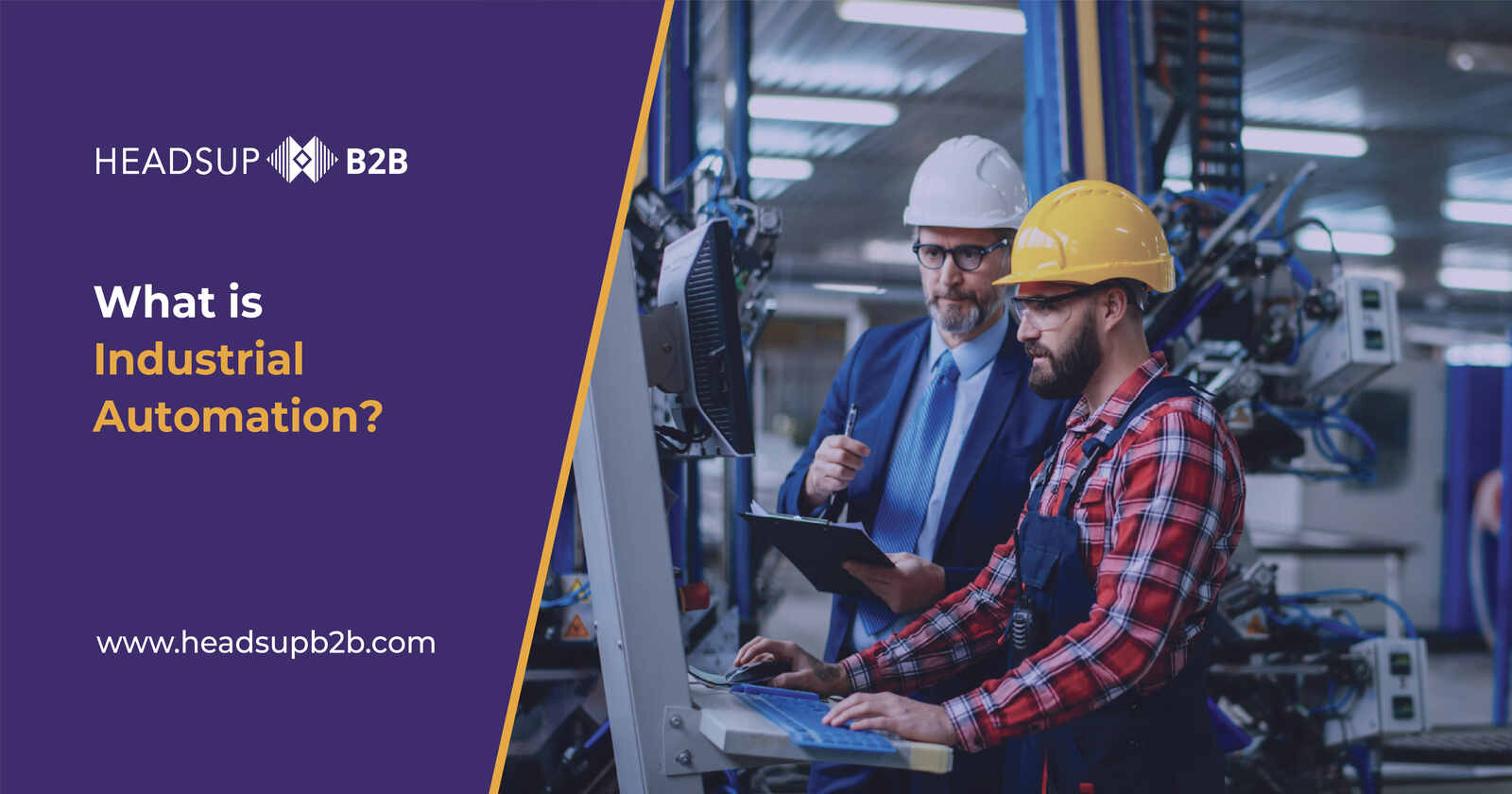
    Industrial automation refers to the use of control systems like computers, robots, and information technologies to manage industrial processes and machinery—without much human intervention. In simpler words? It’s what helps machines run factories smarter and faster than humans ever could.

    History and Evolution

    Automation isn’t exactly new. The seeds were planted during the First Industrial Revolution with steam-powered machines. But things really took off in the 20th century, when electronics, computers, and robotics came into play. Today, we’re looking at smart factories powered by AI, IoT, and cloud computing.

    Importance of Industrial Automation

    Why Automation Matters in Industry

    Industrial automation isn’t just about making machines move—it’s about making businesses move forward. Companies need to scale faster, minimize errors, and meet massive demand. Automation is the ticket to doing that.

    Impact on Productivity and Efficiency

    With automated systems, machines work 24/7, downtime is reduced, and errors are minimized. It’s like switching from a bicycle to a bullet train. You go further, faster—and with fewer bumps along the way.

    Core Components of Industrial Automation

    Hardware Components

    • Sensors: Sensors act like the “eyes and ears” of an automated system. They detect temperature, pressure, motion, light, and more—feeding data into the system for real-time action.

    • Actuators: Actuators are the “muscles” of the system. They take commands from the controller and perform physical actions—like opening a valve or moving a robotic arm.

    • Controllers (PLC, DCS, etc.): Controllers are the “brains.” They process sensor data and make decisions. PLCs (Programmable Logic Controllers) and DCS (Distributed Control Systems) are popular choices depending on the application.

    Software Components

    • SCADA: Supervisory Control and Data Acquisition (SCADA) software helps monitor and control equipment in real time. Think of it as the dashboard of an automated factory.

    • HMI: Human Machine Interface (HMI) provides a visual interface so operators can interact with the automation system easily—like clicking buttons or viewing charts.

    • Industrial IoT Platforms: These platforms connect devices, sensors, and machines to the internet for smarter monitoring, analytics, and remote control.

    Types of Industrial Automation

    • Fixed (Hard) Automation: This type is designed for high-volume production with limited flexibility—perfect for tasks that don’t change much, like bottling beverages or stamping car parts.

    • Programmable Automation: This allows systems to be reprogrammed for different tasks. Ideal for batch production where flexibility is needed but not constantly.

    • Flexible (Soft) Automation: Highly adaptable and capable of handling various tasks with minimal manual changes. Great for modern, dynamic manufacturing needs.

    Industrial Automation Technologies

    • Robotics: Robots handle repetitive, dangerous, or precision-heavy tasks. From welding cars to picking items in warehouses, robots are everywhere.

    • Artificial Intelligence and Machine Learning: AI makes automation smart. It allows machines to learn from data, predict failures, and optimize processes—all on their own.

    • Industrial Internet of Things (IIoT): IIoT connects industrial machines to the internet, enabling real-time monitoring, analytics, and predictive maintenance.

    Big Data and Analytics

    Automated systems generate tons of data. Big data tools help businesses make sense of it all, leading to smarter decisions and improved performance.

    Applications of Industrial Automation

    • Automotive Industry: From assembling engines to painting car bodies, automation dominates the auto world, ensuring speed and precision.

    • Food and Beverage Industry: Automation handles everything from sorting and packaging to quality control—ensuring hygiene and consistency.

    • Pharmaceuticals and Healthcare: Automation helps maintain sterile conditions, accurate mixing, and precise dosing—critical in drug manufacturing.

    • Oil and Gas: From drilling to refining, automation increases safety and reduces human error in dangerous environments.

    Advantages of Industrial Automation

    • Enhanced Efficiency and Productivity: Machines don’t get tired, and they don’t need coffee breaks. They work around the clock, increasing output without sacrificing quality.

    • Reduced Operational Costs: Although the setup can be pricey, automation lowers long-term costs by reducing labor, waste, and downtime.

    • Improved Safety: Machines can work in hazardous environments—protecting human workers from dangerous tasks.

    • Consistency and Quality: Automated systems don’t make careless mistakes. They follow the same process, over and over, delivering consistent results.

    Challenges in Industrial Automation

    • High Initial Investment: Automation systems can be expensive to set up—especially for small businesses.

    • Job Displacement Concerns: As machines take over manual tasks, there’s fear about job losses. However, new tech jobs are also being created.

    • Cybersecurity Risks: Connected systems can be vulnerable to cyberattacks. Protecting industrial networks is a top priority.

    • System Integration Complexity: Mixing new automation with old systems can be tricky. It takes careful planning and expert know-how.

    • Hyperautomation: It’s not just automation—it’s automation on steroids. Hyperautomation combines AI, ML, and RPA to automate everything that can be automated.

    • Edge Computing in Industry: Edge computing processes data locally rather than in the cloud, reducing latency and making real-time decisions lightning-fast.

    • Human-Robot Collaboration: Collaborative robots (cobots) work side-by-side with humans, combining the best of both worlds: strength and intelligence.

    • Sustainable and Green Automation: Future automation will focus on energy efficiency, reducing waste, and using eco-friendly materials.

    Getting Started with Industrial Automation

    • Assessing Business Needs: Start by understanding what parts of your operation can benefit the most from automation.

    • Choosing the Right Technology: Don’t chase trends. Choose technologies that align with your goals, budget, and workforce.

    • Partnering with Automation Experts: Consult with experts or vendors who can guide you through the design, integration, and scaling process.

    Conclusion

    Industrial automation is transforming how the world builds, packages, ships, and even thinks. It’s no longer a luxury—it’s a necessity. With smarter systems, advanced technology, and endless opportunities, industrial automation is paving the way for a faster, safer, and more efficient future.

    Headsup b2b offer all industrial automation solution, we can connect with us for any require for automation warehousing solutions

    FAQs

    1. What industries benefit the most from industrial automation?

    Industries like automotive, manufacturing, pharmaceuticals, electronics, food processing, and oil & gas benefit greatly due to their repetitive and high-volume operations.

    2. Is industrial automation expensive to implement?

    The initial investment can be high, but it pays off in the long run with lower operational costs, fewer errors, and higher productivity.

    3. Can automation fully replace human labor?

    Not entirely. While machines handle repetitive tasks, human creativity, judgment, and oversight are still essential—especially in complex or unpredictable environments.

    4. How does automation improve product quality?

    By following precise and consistent processes, automation minimizes human error and ensures each product meets the same high standards.

    5. What skills are needed to work in industrial automation?

    Key skills include programming (like PLCs), electrical and mechanical engineering, data analysis, and a good grasp of control systems and robotics.

  • New NHAI Product Approval Process | Step-by-Step Guide

    New NHAI Product Approval Process | Step-by-Step Guide

    The National Highways Authority of India (NHAI) has introduced a simplified and transparent process for product approvals, effective October 12, 2023. This initiative aims to speed up decision-making, reduce bureaucratic delays, and encourage innovation in highway construction.

    In this guide, we will walk you through the step-by-step process of applying for NHAI product approval under the new guidelines, helping manufacturers and suppliers avoid common mistakes and get faster results.

    Why NHAI Product Approval Matters

    Before any product — whether a construction material, technology, or equipment — can be used in national highway projects, it must be approved by NHAI. Approval ensures:

    • Quality assurance for safe and durable infrastructure

    • Compliance with technical standards

    • Faster integration of innovative solutions into projects

    • Transparency in vendor selection

    Step-by-Step NHAI Product Approval Process

    Step 1: Understand the Eligibility Criteria

    Before applying, ensure your product:

    • Meets Indian Standards (IS) or international equivalents

    • Has undergone reliable lab testing from an NABL-accredited laboratory

    • Falls under the category of materials, technologies, or equipment used in highway construction

    Pro Tip: Keep your technical datasheet and performance reports ready before starting the application.

    Step 2: Prepare the Application

    The application must include:

    • Product name, category, and intended use

    • Test reports and certifications

    • Manufacturing details and capacity

    • Past performance records (if applicable)

    NHAI now accepts digital submissions, reducing paperwork and speeding up processing.

    Step 3: Submission to NHAI

    Applications are to be submitted to the Product Approval Committee via the designated NHAI portal or email.
    Once submitted:

    • You will receive an acknowledgement with a tracking reference

    • The Product Approval Committee will initiate the review process

    Step 4: Technical Review & Evaluation

    The Product Approval Committee will:

    • Verify all submitted documents

    • Examine test data and certifications

    • Request additional information if required

    If your product is innovative but lacks full testing history, NHAI may allow provisional approval for trial use.

    Step 5: Field Trials (If Required)

    For new or innovative products:

    • A trial may be conducted in a live project

    • Performance will be monitored for a defined evaluation period

    • Results will determine final approval

    Step 6: Final Approval & Listing

    Once approved:

    • Your product will be added to the NHAI Approved Products List

    • Approval validity will be specified (usually 3–5 years, depending on category)

    • Renewal requires performance history and updated certifications

    Key Benefits of the New NHAI Approval System

    • Faster decisions: Reduced from months to weeks

    • Digital transparency: Application tracking and status updates

    • Encouragement for innovation: Provisional approvals for new technologies

    • Reduced paperwork: Online submissions and digital recordkeeping

    Common Mistakes to Avoid

    • Submitting incomplete documents

    • Using outdated test reports

    • Not following the correct product category in the application

    • Missing deadlines for additional data submission

    Conclusion

    The new NHAI product approval process is designed to promote efficiency, transparency, and innovation in India’s highway sector. By following the step-by-step approach outlined above, manufacturers and suppliers can ensure a smooth and faster approval journey.
    With better clarity and reduced bureaucracy, NHAI’s initiative is a win-win for both the industry and the nation’s road infrastructure.

  • 5 Highway Work Zone Safety Best Practices

    5 Highway Work Zone Safety Best Practices

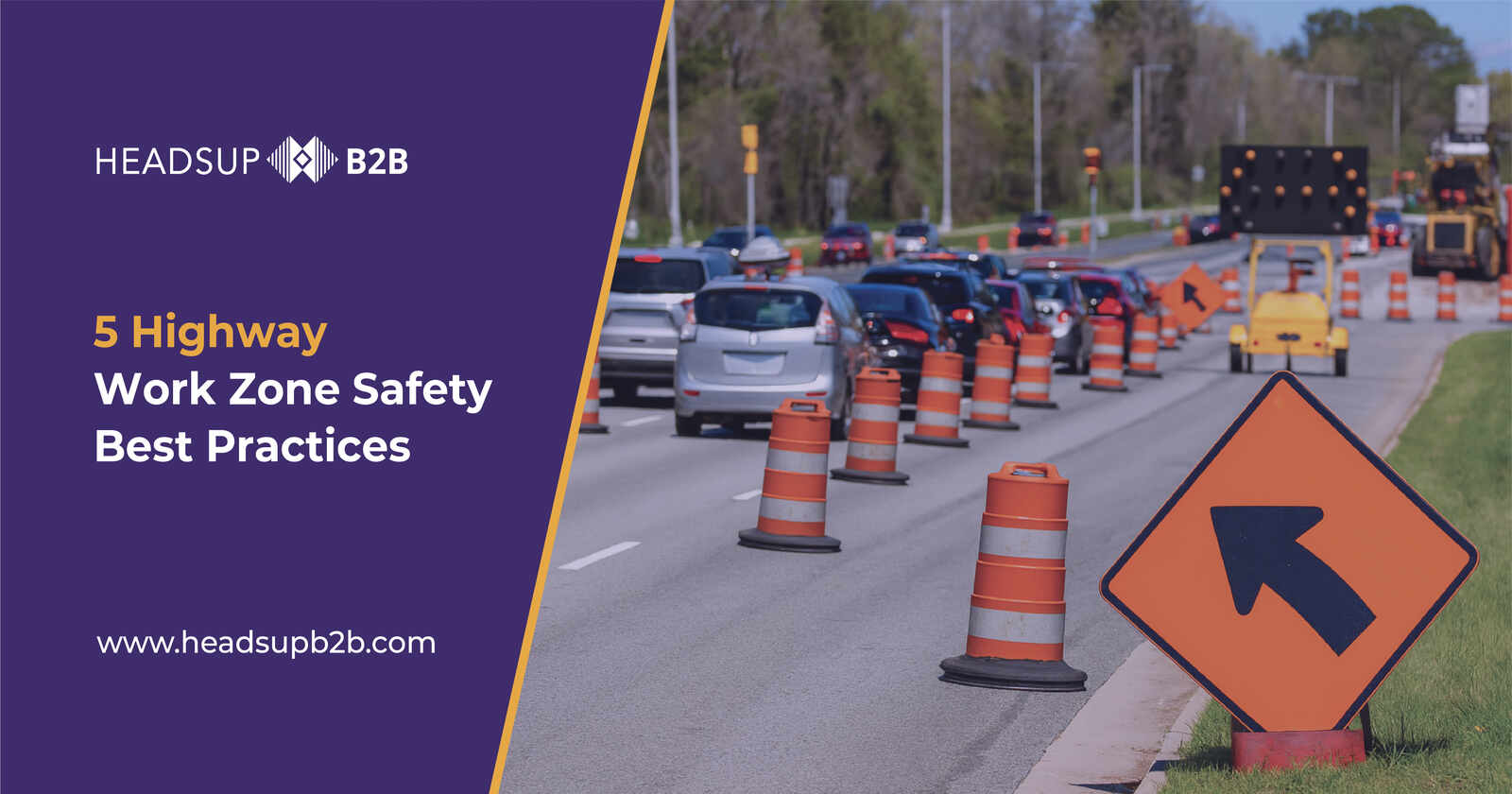
    Highway work zones are high-risk areas—not just for workers but also for motorists. With vehicles speeding past active construction sites, it takes only one mistake to cause a tragic accident. That’s why following the best work zone safety practices isn’t optional—it’s critical. Whether you’re a contractor, site supervisor, or safety officer, understanding and applying these safety tips can save lives and avoid costly legal issues.

    In this article, we’ll dive into 5 proven highway work zone safety best practices that help protect workers, drivers, and pedestrians alike.

    1. Use Clear and Consistent Signage

    Why it Matters:

    Drivers need early warnings to slow down or change lanes. Without proper signage, confusion leads to sudden stops, swerving, or accidents.

    How to Do It Right:

    • Install signs like “Road Work Ahead,” “Lane Closed,” and “Detour” at appropriate distances.

    • Use reflective materials for visibility during nighttime or low-light conditions.

    • Ensure consistency with MUTCD (Manual on Uniform Traffic Control Devices) standards.

    • Place advance warning signs far enough ahead to give drivers time to react safely.

    Bonus Tip:

    Use digital message boards when updates are needed daily or hourly—they’re flexible and catch more attention than static signs.

    2. Set Up Physical Barriers and Traffic Delineators

    Why it Matters:

    Barriers create a physical divide between workers and moving traffic, preventing vehicles from accidentally entering the work zone.

    How to Do It Right:

    • Use traffic cones, drums, barricades, and temporary barriers to guide and restrict traffic.

    • Consider water-filled or concrete barriers in high-speed areas for added impact protection.

    • Ensure cones and barriers are spaced according to local guidelines for lane closures and tapers.

    Bonus Tip:

    Use warning lights on barriers at night to enhance visibility and reduce the chance of collisions.

    3. Reduce Speed with Work Zone Warning Systems

    Why it Matters:

    Speeding is one of the biggest threats in work zones. Slower speeds give drivers more time to react and reduce crash severity.

    How to Do It Right:

    • Implement temporary speed limits through clear signage.

    • Use radar speed display signs that show drivers their current speed.

    • Install rumble strips ahead of the work zone to alert drowsy or distracted drivers.

    • Consider law enforcement presence or automated speed enforcement cameras for extra deterrence.

    Bonus Tip:

    Place flaggers with stop/slow paddles to manually control traffic in small or short-term work zones.

    4. Equip Workers with High-Visibility Personal Protective Equipment (PPE)

    Why it Matters:

    Workers must stand out in a sea of movement and noise. If drivers or machine operators can’t see them, it increases the risk of serious accidents.

    How to Do It Right:

    • All workers should wear high-visibility safety vests with retroreflective tape.

    • Use bright colors like fluorescent yellow-green or orange to improve daytime visibility.

    • Workers should also have hard hats, safety boots, and gloves rated for construction environments.

    • PPE should meet ANSI/ISEA 107 standards for high-visibility clothing.

    Bonus Tip:

    During night work, require Class 3 garments, which offer maximum visibility in dark or complex environments.

    5. Train and Monitor All Personnel

    Why it Matters:

    Even with the best equipment and setup, human error can ruin everything. Proper training and monitoring create a safety-first mindset.

    How to Do It Right:

    • Provide training on traffic control procedures, equipment handling, and emergency response plans.

    • Conduct daily toolbox talks to review hazards and assignments.

    • Assign a dedicated safety supervisor or spotter to oversee operations.

    • Use checklists and safety audits to ensure compliance with safety procedures.

    Bonus Tip:

    Encourage a culture of accountability—workers should feel empowered to report unsafe conditions without fear of blame.

    Conclusion

    Safety in highway work zones doesn’t just happen—it’s the result of strategic planning, clear communication, and continuous vigilance. These five best practices—clear signage, physical barriers, speed reduction, proper PPE, and staff training—form the backbone of any effective work zone safety plan.

    By implementing these steps, businesses not only protect lives but also avoid project delays, lawsuits, and fines. It’s a win-win situation—safer roads and a stronger reputation.

    FAQs

    1. What is the biggest cause of accidents in work zones?

    Speeding and driver inattention are the most common causes of crashes in highway work zones.

    2. Are there specific standards for work zone signage?

    Yes, signage must comply with the MUTCD standards in the U.S. or equivalent local regulations elsewhere.

    3. How often should work zone safety equipment be inspected?

    Inspect daily before each shift, especially after bad weather or heavy traffic activity.

    4. What is Class 3 high-visibility clothing?

    Class 3 garments offer the highest level of visibility, designed for workers exposed to high-speed traffic or complex backgrounds.

    5. Can automated systems replace flaggers?

    In some scenarios, automated flagger assistance devices (AFADs) are used to reduce risk to human flaggers, but human oversight is still crucial.

  • Where to Buy High-Quality Road Safety Equipment for Your Business

    Where to Buy High-Quality Road Safety Equipment for Your Business

    When it comes to running a business that involves transportation, construction, or any kind of outdoor work, road safety equipment isn’t just a luxury—it’s an absolute necessity. Whether you’re managing a small construction crew or a large logistics company, having the right gear can mean the difference between a safe operation and a costly accident.

    But here’s the tricky part—where do you actually buy high-quality road safety equipment? Let’s walk through everything you need to know.

    Understanding Road Safety Equipment

    What Falls Under Road Safety Equipment?

    Road safety gear includes a variety of tools and devices such as traffic cones, barriers, safety signs, reflective vests, road studs, speed bumps, warning lights, and more. Each serves a specific purpose in keeping both drivers and workers safe.

    Industries That Use Road Safety Gear

    From construction companies and event organizers to government agencies and logistics providers, any business that operates on or near roads requires these tools.

    Governments and local authorities often enforce strict regulations regarding safety standards. Non-compliance can lead to heavy fines, revoked licenses, or worse—accidents that harm people and ruin reputations.

    Key Features of High-Quality Road Safety Equipment

    • Durability: You want something that can survive daily use in harsh environments—rain, sun, wind, or even accidental impact.

    • Visibility and Reflective Materials: The best equipment uses high-intensity reflective material, especially for night use or poor weather conditions.

    • Weather Resistance: From scorching sun to freezing rain, your gear should be built to withstand extreme weather without degrading quickly.

    • Certification and Standards Compliance: Always look for gear that meets national or international safety standards like ANSI, OSHA, or EN certifications.

    Top Categories of Road Safety Equipment

    • Traffic Cones and Delineators: Essential for marking off danger zones or guiding traffic. Look for ones with weighted bases and reflective collars.

    • Safety Barriers and Barricades: Used to control pedestrian and vehicle movement. Options include water-filled barriers, metal barricades, and expandable fences.

    • Speed Bumps and Rumble Strips: Slow down traffic in high-risk areas. Ideal for school zones, worksites, or private roads.

    • Road Signs and Signal Boards: Directional and warning signs keep both workers and drivers informed. LED boards are perfect for visibility in low light.

    • Personal Safety Gear (Helmets, Vests, Gloves): Protect your workers. Bright vests with reflective tape, high-impact helmets, and cut-resistant gloves are non-negotiable.

    Where to Buy High-Quality Road Safety Equipment

    • Local Industrial Safety Equipment Stores: Great for inspecting the gear in person and discussing options with experts.

    • Specialized Road Safety Suppliers: These companies focus solely on traffic and road safety. They offer a wide range and better warranties.

    • Online Marketplaces (headsup b2b): Convenient and often cheaper, but be cautious—not all sellers offer certified gear.

    • Manufacturer Direct Purchases: Going straight to the manufacturer often means better bulk pricing and the latest product innovations.

    What to Look for in a Supplier

    • Product Variety: A good supplier offers everything from cones to LED signs—saving you time and shipping costs.

    • Customer Reviews and Testimonials: Don’t skip the reviews. Past customer experiences can reveal a lot about product quality and service.

    • Return and Warranty Policies: If something doesn’t meet your expectations, a solid return policy gives you peace of mind.

    • Delivery Options and Speed: Especially if you’re on a deadline, fast and reliable shipping is crucial.

    • After-Sales Support: Can you reach out if something goes wrong? Responsive customer service is a must.

    • ULINE: Known for fast delivery and broad inventory.

    • Seton: Offers customizable signage and a wide range of safety products.

    Traffic Safety Store

    A go-to for traffic cones, speed bumps, and signage. Trusted by professionals.

    Headsup B2B: Convenient for bulk purchases with business-level discounts and shipping.

    Mistakes to Avoid When Purchasing

    • Ignoring Certifications: Cheap equipment without certifications can get you in legal trouble—and isn’t safe.

    • Prioritizing Cost Over Quality: Budgeting is smart, but never at the cost of safety. One accident can cost far more.

    • Not Verifying Supplier Credentials: Always check if the supplier is licensed, reviewed, and respected in the industry.

    Maintaining and Inspecting Road Safety Equipment

    • Regular Checks: Inspect for wear and tear weekly, especially after heavy use.

    • Cleaning and Storage Tips: Store items in dry, shaded areas to prevent fading or damage.

    • When to Replace Damaged Items: If reflectors no longer shine, or materials are cracked or torn—it’s time for a replacement.

    Conclusion

    Investing in high-quality road safety equipment isn’t just a smart business move—it’s a legal and ethical responsibility. From knowing what to buy, where to get it, and how to maintain it, this guide gives you a clear path toward making safer choices for your business and team.

    choose the right suppliers and equipment, you’re not just buying products—you’re buying peace of mind.

  • Construction Zone Safety: Essential Equipment You Need

    Construction Zone Safety: Essential Equipment You Need

    Construction sites are full of energy, activity, and progress—but they’re also full of risks. From heavy machinery to unpredictable weather and moving traffic, dangers are everywhere. That’s why safety can’t be an afterthought.

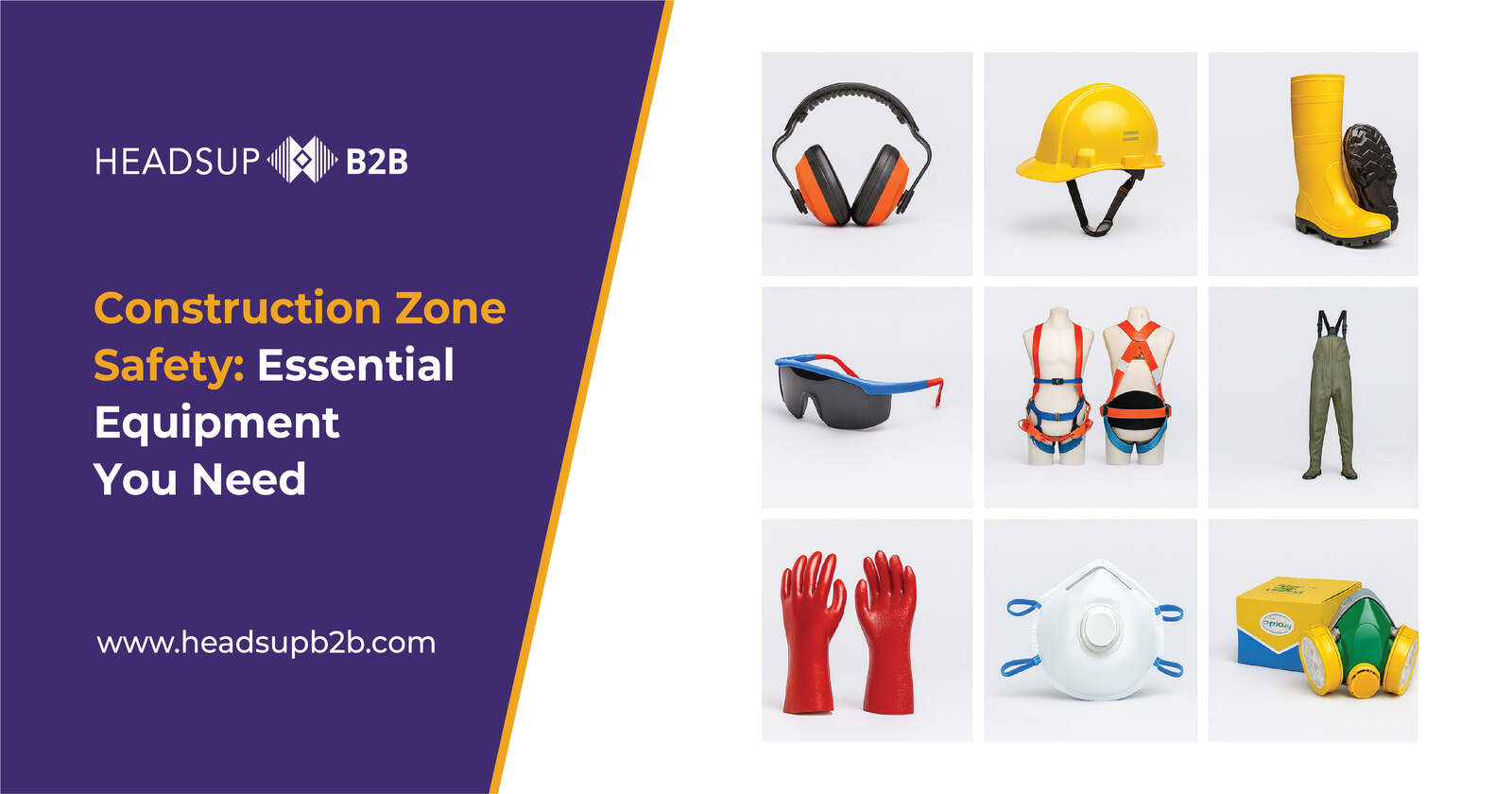
    In this article, we’ll walk through all the essential safety equipment you need to keep your crew safe, your project compliant, and the public protected in any construction zone. Whether you’re managing a highway project or a small local repair, having the right tools in place can make all the difference.

    Importance of Safety Equipment in Construction Zones

    • Protecting Workers and the Public: First and foremost, safety equipment is about saving lives. It shields workers from harm and keeps drivers and pedestrians out of danger.

    • Compliance with Safety Regulations: From OSHA to DOT requirements, there are strict regulations governing how construction zones should operate. Having the right equipment helps you stay compliant and avoid costly fines.

    • Minimizing Accidents and Liability: Accidents can be devastating—and expensive. With the proper gear in place, you reduce the risk of injuries, lawsuits, and project delays.

    High-Visibility Safety Gear

    • Safety Vests: Fluorescent vests with reflective strips make workers visible even in low-light conditions, significantly reducing the risk of being hit by vehicles or machinery.

    • Hard Hats: These are non-negotiable. They protect workers from falling debris, overhead hazards, and bumps in tight work zones.

    • Reflective Gloves and Pants: These accessories offer extra visibility, especially helpful during night shifts or poor weather conditions.

    Portable Traffic Control Devices

    • Portable Traffic Signals: These mobile systems control traffic flow around the site, improving safety and efficiency while reducing the need for human flaggers.

    • Traffic Cones and Barricades: They help guide traffic, block off restricted areas, and signal hazards clearly to both drivers and pedestrians.

    • Signage and Warning Boards: Advance warning signs, detour indicators, and caution boards are critical for alerting drivers well before they enter the danger zone.

    Lighting and Visibility Equipment

    • Flashing Beacons: These are placed on top of signs, barriers, or vehicles to draw attention to hazards—especially useful at night or in foggy weather.

    • Temporary Work Lights: Illuminate your work zone after dark. Poor lighting leads to mistakes and injuries—simple as that.

    • Light Towers for Night Operations: For bigger projects, mobile light towers provide 360° illumination so crews can work safely into the evening.

    Barriers and Delineators

    • Water-Filled Barriers: Lightweight when empty, these barriers become heavy-duty crash buffers when filled with water, offering safety without damaging vehicles.

    • Concrete Jersey Barriers: Perfect for long-term projects or high-speed zones, these provide solid protection from vehicle intrusion.

    • Flexible Delineators: These bounce back when hit and are used to separate lanes, walkways, or hazard zones.

    Personal Protective Equipment (PPE)

    • Safety Goggles and Face Shields: Protect eyes from dust, flying debris, and hazardous materials.

    • Ear Protection: Construction is loud! Earplugs and earmuffs prevent long-term hearing damage.

    • Steel-Toe Boots and Gloves: Guard against dropped tools, sharp objects, and slippery surfaces—basic but vital protection.

    Safety Signage and Communication Tools

    • Advance Warning Signs: Essential for alerting drivers ahead of construction zones to slow down, stop, or detour.

    • Two-Way Radios and Flagging Paddles: Reliable communication is key in active zones where visibility is limited.

    • Digital Message Boards: These programmable boards offer real-time updates about road conditions, closures, or safety instructions.

    Fall Protection Systems

    • Guardrails and Safety Nets: Used on elevated areas to catch or block falling workers and tools.

    • Harnesses and Lanyards: Workers operating at heights need proper anchoring systems to prevent serious injury.

    • Anchor Points and Connectors: These fixed systems provide the support needed to safely tie off workers in dangerous zones.

    Dust and Debris Control Equipment

    • Dust Suppression Systems: Water sprays or misting systems reduce airborne dust, keeping the air safe to breathe.

    • Debris Fencing: Prevents materials from being blown or scattered outside the work zone.

    • Netting and Containment Covers: Used in demolition or heavy equipment zones to trap flying debris and protect nearby properties or pedestrians.

    Emergency Response Equipment

    • First-Aid Kits: Stocked with all essentials, from bandages to burn creams, for quick treatment on site.

    • Fire Extinguishers: Fires can happen with fuel, electrical work, or equipment—always have extinguishers close at hand.

    • Emergency Stop Buttons and Alarms: These systems allow workers to shut down operations quickly in the event of an incident.

    Smart Work Zone Technology

    • Connected Safety Vests: Wearable tech that tracks worker locations and alerts them to nearby hazards.

    • Work Zone Cameras: Used for both safety and security, monitoring activity and capturing incidents in real time.

    • Real-Time Traffic Alert Systems: These communicate with GPS apps or highway signs to alert drivers to lane closures or delays.

    Site Surveillance and Monitoring

    • Surveillance Cameras: Deters theft, vandalism, and provides evidence if an incident occurs.

    • GPS Trackers on Equipment: Helps track expensive machinery and ensures they’re not being misused or stolen.

    • Monitoring Software: Centralized platforms allow supervisors to check safety compliance and performance metrics.

    Training and Safety Protocols

    • Worker Safety Training Programs: Every team member should understand the risks, equipment, and emergency procedures before starting work.

    • Safety Briefings and Drills: Keep safety top of mind with daily briefings and regular drills.

    Make it easy for workers to report hazards and ensure all gear is checked before use.

    Conclusion

    Construction zones are inherently risky—but with the right safety equipment, those risks can be drastically reduced. From basic PPE to advanced traffic management tools and smart tech, every piece plays a part in keeping workers safe, the public protected, and your project running smoothly.

    FAQs

    1. What are the most important safety items on a construction site?

    High-visibility clothing, hard hats, traffic control devices, and fall protection gear top the list.

    2. How often should safety equipment be inspected?

    Daily inspections are recommended for active job sites, especially for PPE and traffic control tools.

    3. Are smart technologies necessary in every work zone?

    Not always, but they greatly enhance safety and efficiency—especially in complex or high-risk projects.

    4. What PPE is legally required on construction sites?

    Requirements vary by region, but usually include helmets, reflective vests, gloves, eye protection, and steel-toe boots.

    5. Can reusable safety gear be used in all conditions?

    Reusable gear is cost-effective, but it must be inspected and maintained regularly to ensure it’s still safe to use.

  • 5 Benefits of Using Portable Traffic Signals for Construction Sites

    5 Benefits of Using Portable Traffic Signals for Construction Sites

    Construction sites on busy roads are a challenge—not just for workers but for drivers, too. Between lane closures, detours, and flaggers waving signs, traffic can quickly become a mess. That’s where portable traffic signals come in. These mobile systems are changing how traffic is controlled during roadwork, offering a smarter, safer, and more efficient solution.

    Let’s break down the top 5 benefits of using portable traffic signals for construction sites and why they’re becoming a must-have for modern traffic control.

    What Are Portable Traffic Signals?

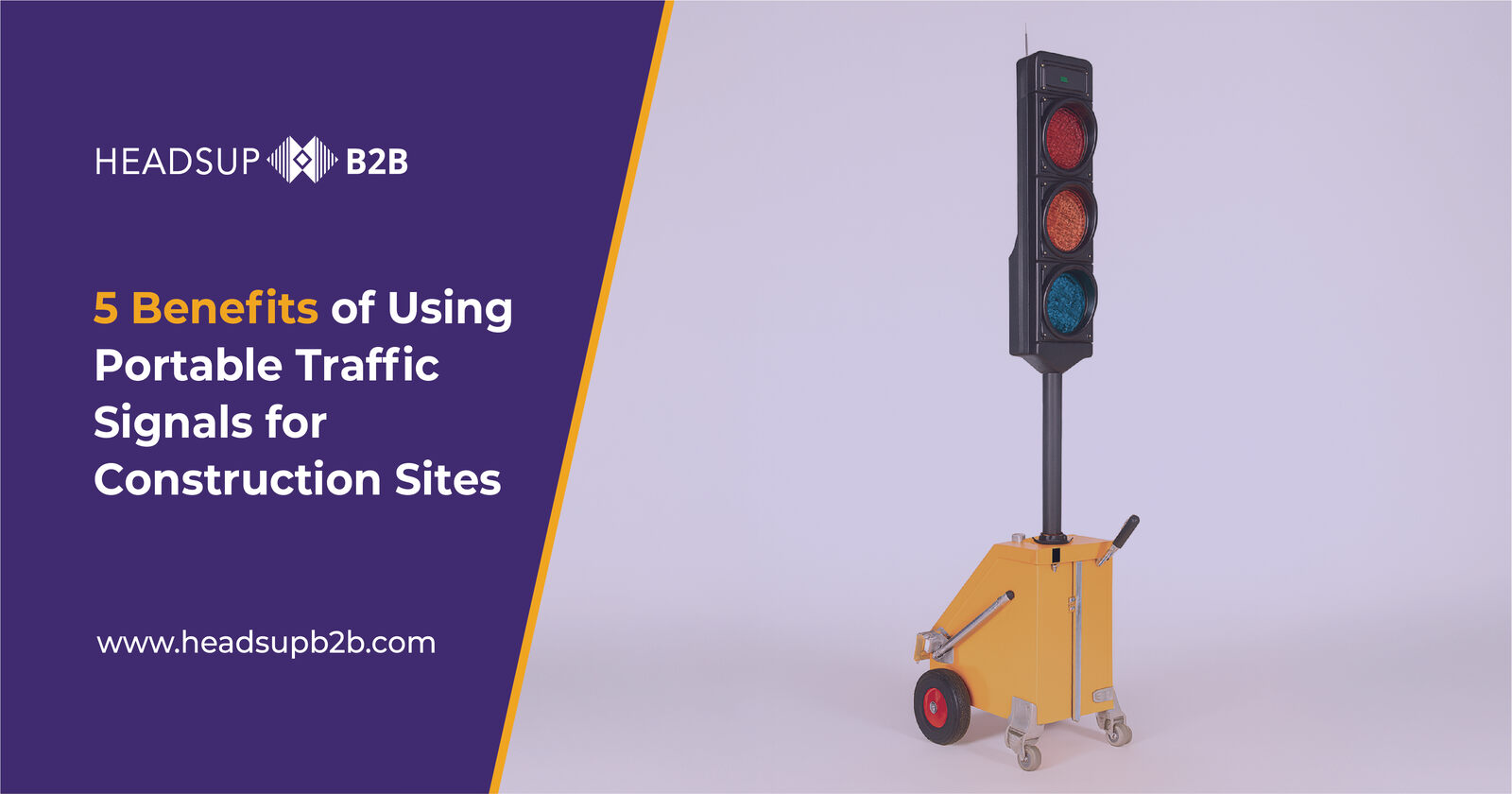
    Portable traffic signals are temporary, movable traffic control systems that direct traffic flow in construction or maintenance zones. Unlike fixed traffic lights, they can be relocated easily to fit the needs of dynamic work sites.

    How They Work

    These signals use a combination of timers, sensors, and sometimes remote controls to manage traffic in real time. They’re usually set up in pairs to control two-way traffic on single-lane roads.

    Where They’re Commonly Used?

    You’ll often see them on:

    • Rural roads with one-lane bridge repairs

    • Urban roadways with lane closures

    • Emergency roadwork sites

    Top 5 Benefits of using portable traffic signals for construction sites.

    1. Enhanced Safety

    • Protection for Workers: Keeping workers safe is a top priority. With portable signals, there’s no need for a human flagger to stand in traffic—less exposure means fewer accidents.

    • Reduced Risk for Drivers: Drivers get clear, consistent signals, reducing confusion and sudden stops. This predictability is especially helpful in high-speed or low-visibility areas.

    • Eliminating Human Error: Unlike flaggers who may make mistakes or misjudge traffic, these systems operate on precise, programmed cycles—making everything safer and smoother.

    2. Improved Traffic Flow

    • Avoiding Traffic Jams: These systems are designed to keep traffic moving—no unnecessary stops or delays. They alternate directions efficiently, even in tight or congested spots.

    • Timed Cycles to Match Real-Time Needs: Many units can be adjusted based on current traffic volume, which helps in reducing idle time and optimizing flow.

    • Reducing Driver Frustration: Let’s be real—nobody likes sitting in traffic. Portable signals take the guesswork out, helping drivers move faster and with fewer headaches.

    3. Cost Efficiency

    • Saving on Labor Costs: Hiring flaggers for long periods adds up. Portable signals can replace one or more workers, saving thousands over the course of a project.

    • Minimal Installation Requirements: These systems don’t require digging, wiring, or infrastructure—just place and power. That means lower setup and teardown costs.

    • Long-Term Investment: While the upfront cost may seem high, the durability and repeated use make them a smart financial decision for contractors.

    4. Flexibility and Portability

    • Easy to Relocate: Need to move them to another part of the site? No problem. Most units are designed for quick transport and setup.

    • Ideal for Short-Term or Mobile Projects: Whether it’s a day job or a week-long operation, these systems can be deployed where and when they’re needed.

    • Can Be Deployed in Remote Areas: No power grid? No problem. Many models are solar-powered and perfect for rural or off-grid worksites.

    5. Environmental Impact

    • Solar-Powered Options: Many modern portable traffic signals run on solar power, which means no emissions and lower energy costs.

    • Reduced Fuel Usage from Idling: By keeping traffic moving smoothly, these signals help reduce engine idling—which in turn cuts down on pollution.

    • Lower Carbon Footprint: When combined, the environmental benefits add up, making portable signals an eco-friendlier choice for responsible contractors.

    Additional Features of Modern Portable Traffic Signals

    • Remote Control Capabilities: Operators can adjust signal timings or switch to manual mode using remote systems—great for emergencies or sudden changes.

    • Real-Time Monitoring: Some systems allow live monitoring via camera or app, helping managers stay in control from anywhere.

    Integration with Smart Work Zones

    • Integration with Smart Work Zones: They can work with sensors, GPS, and other tools to become part of a larger, intelligent traffic management ecosystem.

    Challenges and Considerations

    • Weather and Visibility Issues: Heavy fog, snow, or rain can affect visibility. Ensuring good signage and lighting is crucial in such conditions.

    • Initial Investment Costs: The upfront price may deter small contractors, but the ROI over time is solid.

    • Need for Trained Personnel: Setup and configuration still require a bit of expertise—training is essential to get the most out of the system.

    Best Practices for Using Portable Traffic Signals

    • Site Assessment and Planning: Before deployment, evaluate traffic patterns and road conditions to choose the right setup.

    • Maintenance and Inspection: Regular checks ensure your equipment stays reliable and doesn’t cause unintended delays.

    • Coordination with Local Authorities: Always work with traffic departments to comply with local laws and avoid legal headaches.

    Real-Life Examples of Use Cases

    • Urban Road Repairs: In cities where closing entire streets isn’t an option, portable signals help maintain access while crews work.

    • Rural Bridge Work: Remote locations with one-lane bridges are a perfect match—minimal setup, maximum efficiency.

    • Emergency Road Closures: When accidents or disasters strike, these signals can be deployed quickly to maintain control.

    Portable Traffic Signals vs. Flaggers

    • Safety Comparison: Machines don’t get tired or distracted—portable signals offer consistent performance all day long.

    • Efficiency and Reliability: They maintain timing better than humans and don’t require breaks or shifts.

    • Cost Differences: While initial costs are higher, labor savings and reuse make them more cost-effective long term.

    Future of Traffic Management in Construction

    • AI and Automation: Expect smarter systems that can adjust based on real-time data, weather, or emergencies.

    • Integration with Smart Cities: As infrastructure gets more connected, portable signals will play a big role in adaptive traffic control networks.

    Conclusion

    Portable traffic signals are more than just a convenient tool—they’re a smart investment that boosts safety, efficiency, and cost savings. With the added bonus of being environmentally friendly and tech-forward, they’re quickly becoming a standard for modern construction sites. Whether you’re managing a busy city lane or a remote back road, these systems are changing how we think about traffic control—one signal at a time.

    FAQs

    1. What is the typical lifespan of a portable traffic signal?

    Most units last 8–12 years with proper maintenance and care.

    2. Can portable signals work in extreme weather?

    Yes, many models are built to withstand snow, rain, and high winds.

    3. Are they suitable for night operations?

    Absolutely. They include bright LED lights and reflective materials for visibility at night.

    4. How are these signals powered?

    They can run on batteries, solar panels, or a combination of both, depending on the model.

    5. Do they require a permit to use?

    In many areas, yes. Always check local laws and regulations before deploying them.