Category: Uncategorized

  • The Grid Tax: Why India’s Infrastructure Businesses Are Paying More Than They Should

    The Grid Tax: Why India’s Infrastructure Businesses Are Paying More Than They Should

    A hard look at what grid dependency actually costs your business — and the financial case for switching before your competitors do.

    In FY24, India’s power distribution companies — DISCOMs — reported aggregate losses exceeding ₹6.5 lakh crore in accumulated debt. To recover these losses, they do what any struggling business does: raise tariffs. And who bears the brunt? Not households on subsidised slabs. Not agricultural feeders. Industrial and commercial consumers — the backbone of India’s infrastructure economy — absorb the majority of cross-subsidy burden, paying 40 to 60 percent above the actual cost of power supply in most states.

    If your business operates construction sites, fabrication yards, warehousing facilities, or any energy-intensive infrastructure asset in India, you are effectively subsidising someone else’s electricity. Every month. Every year.

    In FY24, India’s power distribution companies (DISCOMs) reported significant financial struggles with aggregate losses leading to over ₹6.5 lakh crore in accumulated debt. To mitigate these losses, DISCOMs have resorted to increasing tariffs. However, the financial burden of these increased tariffs does not fall evenly across all sectors. While households on subsidized slabs and agricultural feeders are largely shielded, industrial and commercial consumers face the brunt of these hikes. These sectors, which are crucial to India’s infrastructure economy, end up paying 40 to 60 percent more than the actual cost of power supply in most states.

    The real cost of grid electricity in India is not what’s on your bill. It’s what’s on your bill, plus what you’re paying for everyone else.

    This is not an environmental argument. This is a balance sheet argument. And the numbers — when laid out honestly, in Indian rupees, against the backdrop of India’s actual energy market — make a compelling case for action that most businesses are still ignoring.

    The Hidden Inflation in Your Energy Bill

    The Central Electricity Regulatory Commission (CERC) has documented industrial tariff increases averaging 5 to 8 percent annually over the last decade across major industrial states — Gujarat, Maharashtra, Rajasthan, Uttar Pradesh, Tamil Nadu. That is not a rounding error. That is a structural erosion of your operating margins, compounding silently every financial year.

    Consider what this means over a project lifecycle. An infrastructure company running operations at ₹50 lakh per year in electricity costs today will, at a conservative 6% annual tariff escalation, spend over ₹89 lakh per year by Year 10 — a 78% increase — without consuming a single additional unit of power. Over that decade, the cumulative extra spend versus a flat tariff baseline crosses ₹2 crore.

    For large EPC firms, industrial manufacturers, or logistics hubs running higher energy loads, multiply those numbers by five or ten. This is the grid tax — and it is the single most underappreciated cost line in most infrastructure balance sheets.

    DISCOM accumulated debt (FY24)  ₹6.5 Lakh Crore  — which gets recovered from commercial consumers through tariff hikes

    Average annual industrial tariff escalation  5–8%  — across major Indian states per CERC data

    Cross-subsidy premium  40–60%  — paid by commercial consumers above actual power supply cost

    Why Renewable Energy Is No Longer a ‘Green’ Decision — It’s a Procurement Decision

    The market has changed fundamentally. Solar power tariffs in India have fallen from ₹17 per unit in 2010 to under ₹2.50 per unit in competitive auctions today. Open Access solar — where you procure renewable power directly through the grid without going through your DISCOM — is now available in most industrial states, and captive solar installations deliver power at ₹3 to ₹4 per unit, all-in, across a 25-year system life.

    Compare that to the average industrial tariff of ₹7 to ₹9 per unit in most states today, with guaranteed upward revision every year. The math is not subtle.

    More importantly, the Government of India’s Renewable Purchase Obligation (RPO) framework now mandates that large commercial and industrial consumers source a defined percentage of their electricity from renewable sources — 43.33% by FY2030 under the amended RPO trajectory. Non-compliance attracts penalties and additional surcharges. Businesses that delay their renewable transition are not just missing savings; they are incurring regulatory risk.

    A solar system commissioned today locks in your energy cost for 25 years. A grid connection renewed every year locks in your exposure to DISCOM pricing decisions forever.

    Three Renewable Energy Models That Work for Infrastructure Businesses

    1. Captive Solar: Maximum Control, Maximum Savings For businesses with owned or long-lease property — factories, warehouses, fabrication yards, logistics parks — captive rooftop or ground-mounted solar is the cleanest financial model. A 500 kWp system, sized for a mid-scale industrial facility, costs approximately ₹2.0 to ₹2.5 crore today (post-ALMM compliant modules, inverters, balance of system, and civil works). At 6.5 to 7 peak sun hours in most North and West Indian states, this system generates approximately 7.5 to 8 lakh units annually. At a displaced tariff of ₹7.50 per unit, annual savings are ₹56 to ₹60 lakh — delivering a simple payback of 4 to 4.5 years. Post-payback, the system generates essentially free electricity for the remaining 20+ years of its warranted life. With the PM SURYA GHAR scheme and Production Linked Incentive (PLI) benefits reducing module costs further, and with accelerated depreciation provisions allowing 40% depreciation in Year 1 under Section 32 of the Income Tax Act, the effective payback for corporate assessees is often under 3 years.

    2. Open Access Procurement: Zero Capital, Immediate Savings For businesses not ready to invest capital, Open Access solar offers a no-CAPEX alternative. You procure solar power from a third-party generator through the transmission grid, paying a contracted per-unit tariff — typically ₹3.50 to ₹4.50 per unit, inclusive of Open Access charges — and the generator supplies directly to your meter. The saving versus grid tariff is immediate: ₹3 to ₹5 per unit, from day one, with no upfront investment. The model requires an Open Access approval from your state SLDC (State Load Despatch Centre) and a minimum contracted load, typically 1 MW or above — making it most suitable for large industrial and infrastructure operations. Several states, including Rajasthan, Gujarat, and Madhya Pradesh, have streamlined their Open Access frameworks significantly in the last two years, reducing approval timelines and banking provisions.

    3. RESCO / PPA: When You Want Solar Without Ownership Under a Renewable Energy Service Company (RESCO) or Power Purchase Agreement (PPA) model, a developer installs solar on your premises at no cost to you. You simply agree to purchase the power generated at a pre-agreed rate — typically ₹3.50 to ₹5.00 per unit — for 15 to 25 years. This model is increasingly popular for infrastructure companies that want predictable energy costs without capital deployment. It is particularly relevant for PSU-linked contractors, port operators, and highway developers with long-duration project lifespans and stable energy demand profiles.

    The Real Financial Case: Numbers That Hold Up to Scrutiny Let us build the case for a representative infrastructure business — say, a mid-scale TMT or structural steel processor in Rajasthan with a monthly energy bill of ₹15 lakh:

    Annual grid electricity spend  ₹1.8 Crore        — at current tariff of ₹7.50/unit

    Annual saving with captive 500 kWp solar  ₹60–65 Lakh        — post all Open Access/banking charges

    Effective first-year saving on energy budget  ₹36%        — before accounting for accelerated depreciation

    10-year cumulative saving  ₹9–12 Crore        — net of system cost, O&M, and tariff escalation at 6% p.a.

    These are not optimistic projections. They are conservative estimates based on current CERC benchmark costs, MNRE solar irradiance data, and current state tariff orders. The actual savings compound more aggressively as grid tariffs continue to rise and solar system costs continue to fall.

    What does not appear in these numbers — but should — is the working capital benefit. Businesses with predictable energy costs forecast better, manage tighter, and present cleaner EBITDA margins to lenders and investors. In infrastructure, where project financing is the lifeblood of growth, that visibility has real monetary value.

    What the Hesitation Is Really Costing You

    The most common objection to renewable investment is timing: ‘We’ll do it next year when the business is more stable.’ This logic has a compounding cost that most business owners never calculate.

    Each year of delay is a year of grid tariff escalation absorbed in full. It is a year of foregone depreciation benefits. It is a year of foregone RPO compliance credit. And it is one fewer year of post-payback free electricity generation — shaving tens of lakhs off the lifetime return on the same investment.

    For businesses planning Series A fundraising, IPO listing, or PE entry in the next three to five years, renewable energy adoption also signals operational maturity and ESG readiness. Institutional investors — especially those with global LP mandates — increasingly factor energy transition risk into infrastructure valuations. A business with locked-in, decarbonised energy costs is simply a better asset.

    Every rupee you pay to the grid this year is a rupee that didn’t go into an asset that would have paid you back for 25 years.

    Addressing Real Concerns — Without the Marketing Gloss

    What about grid reliability and backup during non-solar hours?

    Battery storage costs have fallen 80% globally over the last decade and are now commercially viable for industrial applications at ₹70 to ₹90 lakh per MWh installed capacity. For most businesses, a hybrid solar-plus-storage or solar-plus-DG configuration ensures 90%+ renewable self-sufficiency while maintaining operational continuity. Net metering and banking provisions in most states also allow daytime surplus to offset nighttime consumption.

    We don’t own our premises.

    Open Access procurement and community or group captive models eliminate the need for on-site installation. Several developers also offer rental-rooftop or lease-and-leaseback arrangements. Premises ownership is no longer a precondition for renewable energy savings.

    The regulatory environment is unpredictable.

    This concern deserves respect — India’s power sector regulation has had its share of retrospective amendments. The appropriate response is not to avoid renewables, but to structure arrangements carefully: long-tenure PPAs with fixed tariff escalators, Open Access in states with proven regulatory stability, and captive models that reduce DISCOM interface altogether. The risk of inaction — continuing DISCOM dependency — is now definitively higher than the risk of a well-structured renewable transition.

    The Window Is Open. It Will Not Stay That Way.

    India has committed to 500 GW of non-fossil capacity by 2030. The government is deploying this capacity whether your business participates or not. The question is whether you benefit from the transition or simply subsidise it through your utility bill.

    Renewable energy has crossed the threshold from aspiration to obligation — financially, regulatory, and competitively. The infrastructure companies that move decisively in the next 12 to 24 months will lock in energy cost advantages that will compound for decades. Those that wait will find themselves competing against leaner operators with structurally lower cost bases.

    The grid tax is real. The antidote is available, proven, and increasingly affordable. The only variable is how much longer you choose to keep paying it.

    About Headsup B2B

    Headsup B2B is India’s B2B procurement marketplace for infrastructure materials, with deep expertise in solar equipment, structural steel, TMT bars, and energy procurement. We work with EPC contractors, infrastructure developers, and industrial businesses to optimise procurement costs and build resilient supply chains. To explore renewable energy procurement options for your business, reach out to our team.
  • Residential Renewable Energy Solutions Every Homeowner Should Know

    Residential Renewable Energy Solutions Every Homeowner Should Know

    Rising electricity costs and energy independence

    If you’ve noticed your electricity bills creeping up every year, you’re not alone. Energy costs have been steadily increasing, and homeowners are starting to feel the pressure. Now think about this: what if your home could generate its own power instead of depending entirely on the grid? That idea is no longer futuristic—it’s already happening in many households.

    Residential renewable energy solutions give homeowners a sense of control. Instead of being affected by fluctuating tariffs or outages, you create a more predictable and stable energy setup. It’s similar to owning a water tank during supply cuts. You’re not waiting on someone else—you’ve got your own system.

    There’s also the advantage of long-term savings. While the initial setup cost can feel significant, many homeowners recover that investment over time through reduced electricity bills. In some cases, surplus energy can even be sold back to the grid, creating an additional income stream. That’s a shift from being just a consumer to becoming a producer.

    Environmental impact and sustainability goals

    Energy consumption at the household level may seem small, but collectively it adds up to a massive environmental footprint. Homes contribute significantly to carbon emissions through electricity use, heating, and cooling systems. Switching to renewable energy directly reduces this impact.

    Many homeowners today are more conscious about sustainability. It’s not just about saving money; it’s about making responsible choices. Installing renewable energy systems is one of the most practical steps a household can take.

    There’s also a growing sense of accountability. When you generate clean energy, you know exactly where your power comes from. It’s a simple yet powerful shift—from passive consumption to active participation in sustainability.

    What Are Residential Renewable Energy Solutions

    Key types of renewable energy systems for homes

    Residential renewable energy solutions refer to systems that allow homes to generate, store, and manage energy using natural resources like sunlight, wind, and heat. These solutions are designed to reduce dependence on traditional electricity sources while improving efficiency.

    The most common options include:

    • Solar panels for electricity generation
    • Solar water heaters for heating needs
    • Battery storage systems
    • Small wind turbines
    • Hybrid systems combining multiple sources

    Each of these solutions serves a specific purpose. Some focus on generation, others on storage, and some on optimizing usage. The real benefit comes when these systems work together.

    How smart technology enhances efficiency

    Adding renewable energy is just one part of the equation. Managing it efficiently is what makes the difference. That’s where smart technology comes in.

    Modern systems use sensors and software to track energy production and consumption in real time. This allows homeowners to make better decisions. For example, running heavy appliances when solar generation is at its peak.

    Automation also plays a role. Systems can adjust usage based on patterns, reducing waste without requiring constant manual input. It’s like having an intelligent assistant managing your home’s energy behind the scenes.

    Solar Power for Homes

    Rooftop solar panels

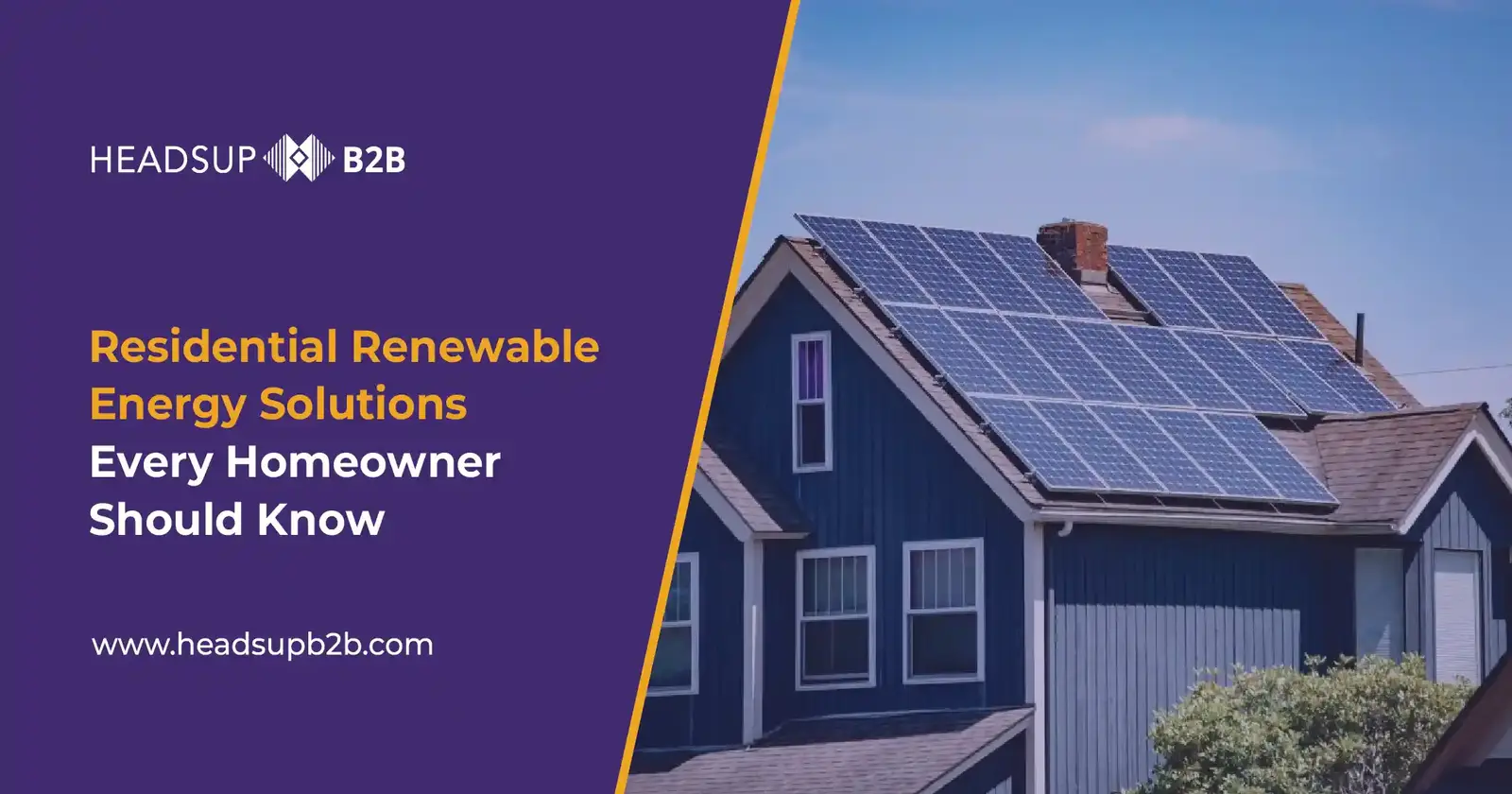
    Solar energy is the most popular choice for homeowners, and for good reason. It’s widely accessible, relatively easy to install, and works well in most regions. Rooftop solar panels convert sunlight into electricity, which can power your home directly.

    What makes solar appealing is its scalability. You can start small and expand your system over time. Even partial installation can significantly reduce your electricity bills.

    Another advantage is low maintenance. Once installed, solar panels require minimal upkeep. Most systems last 20–25 years, making them a long-term investment.

    Solar water heating systems

    While most people focus on electricity, heating water also consumes a significant amount of energy. Solar water heaters provide a simple and effective way to reduce this load.

    These systems use sunlight to heat water directly, which is then stored for use throughout the day. They are often more affordable than full solar panel setups and deliver faster returns on investment.

    Home Energy Storage Systems

    Battery storage basics

    One of the biggest concerns with renewable energy is inconsistency. Solar panels don’t generate power at night, and cloudy days can reduce output. That’s where battery storage becomes essential.

    Battery systems store excess energy generated during the day and make it available when needed. This ensures a continuous power supply even when generation drops.

    Benefits of storing excess energy

    Energy storage gives homeowners flexibility. Instead of sending unused energy back to the grid, you can use it later. This reduces reliance on external power sources.

    It also provides backup during outages. In areas with unstable electricity supply, this can be a major advantage. Your home continues running smoothly even when the grid goes down.

    Wind Energy for Residential Use

    Small wind turbines

    Wind energy isn’t as common as solar in residential settings, but it can be effective in the right conditions. Small wind turbines can generate electricity by harnessing wind flow.

    These systems work best in open areas with consistent wind speeds. Urban environments may not always be ideal, but suburban or rural homes can benefit significantly.

    When wind energy makes sense

    Before installing a wind system, it’s important to assess your location. Wind speed, surrounding structures, and available space all play a role.

    When conditions are suitable, wind energy can complement solar power. Together, they create a more balanced energy system.

    Hybrid Renewable Systems for Homes

    Solar + battery combinations

    Combining solar panels with battery storage is one of the most effective setups for residential use. It ensures that energy is both generated and stored efficiently.

    This setup reduces dependency on the grid and maximizes the use of renewable energy.

    Solar + wind integration

    For homes with suitable conditions, combining solar and wind can provide a more consistent energy supply. When one source underperforms, the other can compensate.

    Hybrid systems offer greater reliability and flexibility compared to single-source setups.

    Smart Home Energy Management Systems

    Monitoring and automation tools

    Smart systems allow homeowners to track energy usage in real time. This visibility helps identify areas where energy is being wasted.

    Optimizing energy consumption

    Automation takes things further by adjusting energy usage based on patterns. This reduces unnecessary consumption and improves efficiency.

    Cost, Savings, and ROI

    Investing in renewable energy may seem expensive at first, but the long-term benefits often outweigh the costs. Many homeowners see significant reductions in their electricity bills.

    Here’s a quick comparison:

    System Initial Cost Savings Potential Payback Period
    Solar Panels Medium to High High 4–7 years
    Solar Water Heater Low to Medium Medium 2–4 years
    Battery Storage Medium Medium to High 5–8 years

    Savings depend on factors like location, energy usage, and system size.

    Challenges Homeowners Should Consider

    While renewable energy offers many benefits, there are challenges to keep in mind. Initial investment costs can be a barrier for some homeowners.

    Space constraints may also limit installation options, especially in smaller properties. Additionally, not all locations are suitable for every type of renewable energy system.

    Understanding these factors helps in making informed decisions.

    Conclusion

    Residential renewable energy solutions are no longer a niche concept. They’re becoming a practical choice for homeowners looking to reduce costs and gain control over their energy usage. From solar panels to smart energy systems, the options available today make it easier than ever to transition toward cleaner energy.

    The shift doesn’t have to happen all at once. Even small steps can lead to meaningful changes over time. What matters is getting started and building a system that works for your home.

    FAQs

    1. What is the best renewable energy option for homes?

    Solar power is the most widely used and accessible option for residential properties.

    2. How much does it cost to install solar panels?

    Costs vary depending on system size and location, but prices have become more affordable in recent years.

    3. Can I store solar energy for later use?

    Yes, battery storage systems allow you to store excess energy and use it when needed.

    4. Are renewable energy systems suitable for all homes?

    Most homes can benefit from at least one type of renewable energy solution, though suitability depends on location and space.

    5. How long does it take to recover the investment?

    Payback periods typically range from 3 to 7 years, depending on the system and usage.

  • How Modern Electrical Solutions Improve Efficiency in Industrial Operations

    How Modern Electrical Solutions Improve Efficiency in Industrial Operations

    In today’s competitive industrial landscape, maximizing operational efficiency is essential for maintaining productivity and profitability. One area where industries can make a significant impact is through the adoption of modern electrical solutions. These solutions not only help optimize energy consumption but also enhance the overall performance and reliability of industrial operations.

    What Are Industrial Electrical Solutions?

    Industrial electrical solutions refer to a wide range of electrical systems, technologies, and services designed to improve the performance and efficiency of industrial operations. These solutions include everything from power distribution and control systems to energy-saving technologies and automation tools. By integrating modern electrical solutions, industries can manage energy consumption better, streamline processes, and minimize downtime, all while improving overall productivity.

    Common Efficiency Challenges in Industrial Facilities

    Industrial facilities often face several challenges when it comes to maintaining optimal efficiency. These challenges can lead to higher costs, energy waste, and operational disruptions. Some of the most common efficiency issues include:

    Energy Wastage

    Energy wastage is one of the biggest inefficiencies in industrial operations. Outdated electrical systems or poorly designed facilities often fail to optimize energy usage, leading to unnecessary consumption and higher utility bills. Without energy-efficient technologies, businesses may waste significant amounts of energy, directly affecting their bottom line.

    Equipment Downtime

    Unplanned equipment downtime is another major efficiency killer. When electrical systems fail or experience disruptions, equipment can stop working unexpectedly, leading to delays in production. This downtime not only reduces output but also increases maintenance costs, making it difficult for companies to maintain a smooth operational flow.

    Outdated Electrical Infrastructure

    Many industrial operations still rely on older electrical infrastructure that cannot support the growing demands of modern production. Outdated wiring, power distribution systems, and control panels can be a significant barrier to improving efficiency. Such infrastructure often lacks the reliability and performance necessary to support newer technologies.

    Role of Advanced Electrical Solutions in Industrial Efficiency

    Modern electrical solutions play a critical role in addressing the challenges faced by industries and improving operational efficiency. Here are some key ways advanced electrical solutions contribute to optimizing industrial operations:

    Energy-efficient Electrical Systems

    Energy-efficient systems are designed to reduce power consumption without sacrificing performance. These systems include LED lighting, high-efficiency motors, variable frequency drives (VFDs), and energy-saving sensors. By implementing these technologies, industries can significantly cut down on their energy usage and reduce operating costs.

    Explore HeadsUp B2B’s electrical solutions for energy-efficient electrical systems that can help reduce your facility’s energy consumption and costs.

    Smart Power Distribution and Automation

    Smart power distribution systems allow industries to monitor and control how electricity is distributed throughout their facilities. These systems use automation and real-time data to optimize energy usage, ensuring that power is efficiently directed to where it is needed most. Automation systems can also monitor performance, detect faults, and make real-time adjustments to prevent power waste and reduce the likelihood of downtime.

    Predictive Maintenance Technologies

    Predictive maintenance technologies use advanced data analytics and sensors to predict when equipment is likely to fail. This allows businesses to address potential issues before they lead to costly downtime or unplanned repairs. Predictive maintenance ensures that machines are kept in optimal working condition, reducing the need for emergency repairs and improving overall equipment reliability.

    Business Benefits of Upgrading Electrical Solutions

    Upgrading your electrical systems offers several business benefits that go beyond just improved energy efficiency. The integration of advanced electrical solutions can lead to positive outcomes in various areas, including:

    Reduced Operational Costs

    Energy-efficient systems and predictive maintenance technologies help lower operating expenses. By reducing energy consumption and minimizing downtime, industries can save significantly on utility bills and maintenance costs. Over time, these savings can have a considerable impact on the bottom line.

    Improved Productivity

    By minimizing equipment downtime and optimizing power distribution, modern electrical solutions help industries improve overall productivity. These systems ensure smooth, uninterrupted operations, allowing businesses to maximize their output and maintain high-quality standards.

    Long-term Scalability

    As businesses grow, their electrical requirements evolve. Upgrading to scalable, modern electrical systems ensures that industrial facilities can meet increasing demands without undergoing costly or disruptive infrastructure overhauls. Scalable solutions also help businesses stay flexible and adaptable, which is crucial in an ever-changing market.

    Choosing the Right B2B Electrical Solutions Provider

    To fully capitalize on the benefits of modern electrical solutions, it’s essential to partner with a trusted and experienced B2B electrical solutions provider. The right provider will assess your current infrastructure, recommend the most effective solutions tailored to your needs, and ensure a seamless implementation process.

    For businesses looking to optimize their electrical systems and enhance operational efficiency, HeadsUp B2B offers a range of advanced electrical solutions to help you achieve your goals.

    Consult our B2B electrical experts to enhance your industrial efficiency.

  • Industrial Solar Panel Solutions for Factories, Warehouses, and Plants

    Industrial Solar Panel Solutions for Factories, Warehouses, and Plants

    Industrial facilities face some of the highest and most complex energy demands in today’s economy. Factories, warehouses, and manufacturing plants operate long hours, rely on energy-intensive machinery, and are increasingly pressured to reduce operational costs and carbon emissions. Industrial solar panel solutions provide a scalable, reliable, and cost-efficient pathway for meeting these challenges while future-proofing industrial operations.

    This comprehensive guide explores how industrial solar power systems are designed, deployed, and optimized for factories, warehouses, and plants, delivering long-term economic and operational advantages.

    Why Industrial Facilities Are Turning to Solar Energy

    Energy expenses represent a significant portion of operating costs for industrial businesses. Solar energy enables facilities to convert unused rooftop or land space into a productive energy asset.

    Core Advantages of Industrial Solar Panels

    • Substantial reduction in electricity costs

    • Protection from utility price fluctuations

    • Improved operational resilience

    • Lower carbon footprint and emissions compliance

    • Enhanced ESG and sustainability performance

    By generating power on-site, industrial operations gain control over energy supply while stabilizing long-term costs.

    Understanding Industrial Solar Panel Systems

    Industrial solar systems are engineered for high power output, continuous operation, and long service life. These installations typically range from 100 kW to multi-megawatt (MW) capacity, depending on facility size and load profile.

    We design industrial systems to integrate seamlessly with existing electrical infrastructure while maintaining grid connectivity for reliability and compliance.

    Solar Panel Technologies for Industrial Applications

    Selecting the right solar panel technology is critical for maximizing output and ROI in industrial environments.

    Monocrystalline Solar Panels

    Monocrystalline panels offer high efficiency, compact footprint, and excellent performance in limited space, making them ideal for factory rooftops and logistics facilities with high energy density requirements.

    Bifacial Solar Panels

    Bifacial panels generate electricity from both sides, capturing reflected sunlight from concrete surfaces, rooftops, or ground installations. They are particularly effective for industrial yards, carports, and open-land plants, delivering increased energy yield.

    Thin-Film Solar Panels

    Thin-film panels are lightweight and flexible, making them suitable for large warehouse roofs with structural load limitations. They also perform well in high temperatures and diffuse light conditions.

    Advanced Cell Technologies

    Technologies such as PERC, heterojunction (HJT), and TOPCon improve efficiency, durability, and output consistency, making them increasingly popular in modern industrial installations.

    System Design for Factories and Manufacturing Plants

    Industrial solar systems must align with complex energy consumption patterns.

    Load Profiling and Energy Analysis

    We analyze production schedules, peak demand cycles, and equipment loads to design systems that offset maximum consumption during operating hours.

    Rooftop vs Ground-Mounted Systems

    • Rooftop systems utilize unused factory and warehouse roof space

    • Ground-mounted systems suit plants with available land and higher expansion potential

    Hybrid installations often deliver the best balance of scalability and performance.

    Solar Inverters and Power Distribution

    Industrial systems require robust power conversion and management.

    Central Inverters

    Central inverters handle large power volumes efficiently, making them ideal for utility-scale and heavy industrial applications.

    String Inverters

    String inverters provide flexibility, redundancy, and easier maintenance, often used in distributed rooftop systems.

    Energy Management Systems

    Advanced monitoring platforms track generation, consumption, and system health in real time, enabling performance optimization and predictive maintenance.

    Energy Storage for Industrial Solar Systems

    Battery storage significantly enhances the value of industrial solar solutions.

    Benefits of Industrial Energy Storage

    • Peak demand shaving

    • Backup power for critical operations

    • Load shifting and energy arbitrage

    • Grid support and demand response participation

    Lithium-ion battery systems dominate industrial applications due to scalability, long cycle life, and high efficiency.

    Warehouses and Logistics Centers: Ideal Solar Candidates

    Warehouses and distribution centers are particularly well-suited for solar deployment due to expansive roof surfaces and predictable energy usage.

    Key Benefits for Warehouses

    • Daytime energy alignment with solar production

    • Reduced operating costs per square meter

    • Improved sustainability credentials for supply chains

    • Enhanced energy resilience for automated systems

    Solar carports and ground arrays further increase capacity without disrupting operations.

    Financial Models for Industrial Solar Projects

    Industrial solar projects support multiple financing strategies aligned with business objectives.

    Capital Ownership (CAPEX)

    Full system ownership maximizes long-term savings and asset value.

    Power Purchase Agreements (PPAs)

    Third-party ownership allows facilities to adopt solar with minimal upfront investment while locking in predictable energy pricing.

    Solar Leasing Models

    Leasing balances cost reduction with operational flexibility.

    Operations, Maintenance, and System Longevity

    Industrial solar systems are designed for 25–30 years of operation with minimal degradation.

    O&M Best Practices

    • Regular panel cleaning

    • Thermal imaging inspections

    • Inverter and electrical audits

    • Continuous performance monitoring

    Proactive maintenance ensures optimal output and protects return on investment.

    Compliance, Safety, and Grid Integration

    Industrial solar installations must comply with electrical codes, grid interconnection standards, and safety regulations. Proper engineering and commissioning ensure safe operation and seamless integration with utility networks.

    Environmental Impact and Corporate Sustainability

    Industrial solar panel solutions significantly reduce greenhouse gas emissions and dependence on fossil fuels. These systems support corporate sustainability goals, regulatory compliance, and environmental reporting requirements.

    The Future of Industrial Solar Solutions

    Advancements in high-efficiency modules, AI-driven energy optimization, and integrated storage technologies are accelerating industrial solar adoption. As electrification increases across manufacturing sectors, solar energy will play a central role in powering next-generation industrial operations.

    Conclusion

    Industrial solar panel solutions provide factories, warehouses, and plants with a powerful tool to reduce costs, increase energy independence, and meet sustainability targets. With scalable design, advanced technology, and flexible financing, solar energy transforms industrial facilities into resilient, future-ready operations.

    By investing in industrial solar power today, businesses secure long-term operational efficiency, environmental leadership, and competitive advantage in an evolving energy landscape.

  • The Ultimate Guide to Understanding Solar Panel Technology

    The Ultimate Guide to Understanding Solar Panel Technology

    Solar energy has become one of the most powerful drivers of the global transition toward clean, sustainable power. As energy costs rise and environmental concerns intensify, solar panel technology continues to evolve rapidly, offering higher efficiency, smarter integration, and broader applications than ever before. In this guide, we present a clear, in-depth, and authoritative overview of how solar panel technology works, the major system components, efficiency factors, and the innovations shaping the future of solar energy.

    What Is Solar Panel Technology?

    Solar panel technology refers to the systems and materials used to convert sunlight into usable electrical energy through the photovoltaic (PV) effect. When sunlight strikes a solar cell, it excites electrons within semiconductor materials, generating a direct current (DC) of electricity. This electricity is then converted into alternating current (AC) via an inverter, making it suitable for homes, businesses, and power grids.

    We recognize solar panels as the foundation of modern renewable energy systems, enabling energy independence, cost stability, and long-term sustainability.

    How Solar Panels Work: The Photovoltaic Process

    At the core of every solar panel is a collection of photovoltaic cells, typically made from silicon-based materials. These cells are engineered with positive and negative layers that create an electric field.

    Step-by-Step Energy Conversion

    • Sunlight hits the solar cell surface

    • Photons energize electrons within the semiconductor

    • Electrons move through the electric field, generating DC electricity

    • An inverter converts DC into AC power

    • Electricity powers appliances or feeds into the grid

    This seamless process operates silently, produces zero emissions, and requires minimal ongoing maintenance.

    Key Components of a Solar Panel System

    Understanding solar panel technology requires familiarity with the complete system, not just the panels themselves.

    Solar Panels (Modules)

    These capture sunlight and initiate electricity generation. Panels are composed of multiple interconnected solar cells protected by tempered glass and durable frames.

    Solar Inverter

    The inverter converts DC electricity into grid-compatible AC power. Modern systems often use string inverters, microinverters, or hybrid inverters depending on performance and monitoring needs.

    Mounting and Racking Systems

    Mounting structures secure panels to rooftops or ground-based installations while optimizing tilt and orientation for maximum sunlight exposure.

    Energy Storage (Optional)

    Solar batteries store excess electricity for use during nighttime, outages, or peak demand periods, increasing energy independence.

    Monitoring Systems

    Advanced monitoring platforms track energy production, consumption, and system health in real time.

    Types of Solar Panel Technologies

    Solar panels are not all the same. Different technologies serve different performance goals and installation environments.

    Monocrystalline Solar Panels

    Made from a single silicon crystal, these panels deliver high efficiency, long lifespan, and superior performance in limited space. They are widely used in residential and premium commercial systems.

    Polycrystalline Solar Panels

    Manufactured from multiple silicon fragments, polycrystalline panels offer cost-effective energy production with solid durability and moderate efficiency.

    Thin-Film Solar Panels

    Thin-film technology uses ultra-thin photovoltaic layers, resulting in lightweight, flexible panels ideal for large surfaces, curved structures, and specialized applications.

    Bifacial Solar Panels

    These advanced panels generate power from both sides, capturing reflected sunlight to significantly increase total energy output.

    PERC and Advanced Cell Technologies

    PERC (Passivated Emitter and Rear Cell) panels and newer designs enhance light absorption, improving efficiency without increasing panel size.

    Solar Panel Efficiency Explained

    Solar panel efficiency measures how effectively panels convert sunlight into electricity. Higher efficiency means more power generated per square meter.

    Factors Influencing Efficiency

    • Cell material quality

    • Panel temperature

    • Sunlight intensity

    • Installation angle and orientation

    • Shading and environmental conditions

    Modern high-efficiency panels now exceed 22% efficiency, with continuous improvements driven by material science and cell architecture advancements.

    Durability, Lifespan, and Degradation

    Solar panels are engineered for long-term outdoor exposure. Most high-quality panels carry 25–30 year performance warranties, ensuring gradual and predictable output decline.

    Key Durability Features

    • Tempered glass for impact resistance

    • Corrosion-resistant aluminum frames

    • UV-resistant encapsulation materials

    • Weatherproof junction boxes

    Annual degradation rates typically range between 0.3% and 0.7%, ensuring reliable energy production for decades.

    Installation Considerations for Optimal Performance

    Proper installation is essential to fully leverage solar panel technology.

    Site Assessment

    We evaluate roof condition, structural integrity, shading patterns, and available surface area.

    Orientation and Tilt

    South-facing panels with optimized tilt angles capture the most sunlight in most regions.

    Grid Connection and Net Metering

    Grid-tied systems allow excess energy to be exported, often earning credits through net metering programs.

    The Role of Solar Panel Technology in Energy Independence

    Solar panels empower homeowners and businesses to reduce reliance on traditional power grids, stabilize energy costs, and protect against outages. When paired with battery storage and smart energy management, solar systems deliver unmatched control over energy consumption.

    Innovations Shaping the Future of Solar Technology

    Solar panel technology continues to advance rapidly, driven by global demand and research investment.

    Emerging Innovations

    • Perovskite solar cells

    • Heterojunction technology (HJT)

    • Transparent and building-integrated photovoltaics (BIPV)

    • AI-driven energy optimization

    • Recyclable and low-carbon manufacturing

    These breakthroughs promise higher efficiency, lower production costs, and broader adoption across industries.

    Why Solar Panel Technology Matters Today

    Solar energy is no longer a niche solution—it is a central pillar of global energy strategy. With declining costs, improved performance, and supportive policies, solar panel technology delivers economic resilience, environmental protection, and long-term sustainability.

    We view solar not just as an energy source, but as a strategic investment in a cleaner, more resilient future.

    Conclusion

    Understanding solar panel technology is essential for anyone seeking reliable, forward-looking energy solutions. From photovoltaic fundamentals and system components to efficiency metrics and future innovations, solar panels represent one of the most impactful technologies of our time.

    As adoption accelerates worldwide, informed decisions about solar technology will continue to shape energy independence, financial savings, and environmental progress for decades to come.

  • Importance of TMT Bars in the Indian Construction Industry

    Importance of TMT Bars in the Indian Construction Industry

    In the rapidly expanding Indian construction industry, the materials used play a pivotal role in determining the safety, durability, and overall performance of structures. Among the most essential materials for reinforcing concrete is TMT bars (Thermo-Mechanically Treated bars), a crucial component that ensures structural integrity and long-term strength. Whether you’re building a skyscraper, bridge, highway, or residential complex, TMT bars form the backbone of any construction project.

    But why are TMT bars so critical, and how do they contribute to the safety and longevity of Indian infrastructure? Let’s take a deeper look.

    What Are TMT Bars?

    TMT bars are reinforcing steel rods used in concrete to handle tension forces. These bars are made through a specialized process where hot steel is rapidly cooled, resulting in a hardened outer surface and a ductile inner core. The outer layer provides high strength, while the inner core offers flexibility, making TMT bars capable of handling high-stress situations without cracking or breaking.

    The manufacturing process behind TMT bars involves two critical stages: Thermo Treatment and Mechanical Treatment. The steel is first heated and then quenched, which hardens the outer layer while keeping the core soft. This unique combination ensures that TMT bars are not only strong but also able to withstand significant tension, making them ideal for reinforcement in concrete structures.

    Why Are TMT Bars Crucial for the Indian Construction Industry?

    1) Earthquake Resistance

    India is a seismically active country, and several regions lie in high seismic zones. In these areas, buildings and infrastructure must be designed to resist earthquake forces. TMT bars offer excellent ductility, meaning they can absorb energy during seismic events without fracturing. This makes them indispensable for buildings, bridges, and other structures in earthquake-prone regions.

    2) High Strength and Durability

    TMT bars, especially grades like Fe500 and Fe550, provide superior strength and durability, which are essential for high-rise buildings, industrial structures, and infrastructure projects. These bars offer higher tensile strength, ensuring that they can carry heavy loads and withstand extreme weather conditions, giving a longer lifespan to the structure.

    3) Corrosion Resistance

    In coastal areas and regions with high humidity, steel reinforcement in concrete is at risk of corrosion. TMT bars are manufactured with higher resistance to corrosion compared to traditional steel bars. The outer layer of the bar, created through thermo-mechanical treatment, forms a protective barrier against rust, making TMT bars an ideal choice for buildings in coastal and humid environments.

    4) Better Workability

    Another critical benefit of TMT bars is their workability. They are easier to cut, bend, and install during construction due to their ductile nature. This reduces construction time and minimizes the chances of error or rework. Moreover, this workability is key for builders to fabricate stirrups, hooks, and reinforcement cages that are integral to the structural framework.

    5) Enhanced Safety

    Structural integrity is paramount in any construction, and TMT bars contribute significantly to the safety of buildings and infrastructure. Thanks to their high strength, flexibility, and corrosion resistance, TMT bars help ensure that structures can withstand the stresses of daily use, as well as extreme conditions such as earthquakes, high winds, and heavy rainfall. This leads to safer living conditions and reduced risk of failure over time.

    6) Cost-Efficiency in the Long Run

    Although the initial cost of TMT bars may be slightly higher than traditional steel bars, the long-term savings they offer are immense. TMT bars require less material for the same load-bearing capacity, thus reducing overall material costs in construction. Moreover, their corrosion resistance and durability lead to lower maintenance costs over time.

    The Role of TMT Bar Grades in Construction

    TMT bars are available in various grades, each suited to different types of construction. The most commonly used grades in India are:

    • Fe415: Typically used in low-cost construction and general-purpose use.

    • Fe500: This is one of the most popular grades used for residential buildings and infrastructure projects due to its balance of strength and ductility.

    • Fe550: Known for its high strength, it is ideal for high-rise buildings, bridges, and heavy-duty applications.

    Choosing the right grade of TMT bars depends on factors like the load-bearing capacity, the design requirements, and the environment in which the structure is being built.

    Why Choose Headsup B2B for TMT Bars in India?

    When it comes to sourcing high-quality TMT bars for your construction needs, Headsup B2B is your trusted partner. We are a leading supplier of TMT bars across India, offering top-grade products to meet the requirements of all types of construction projects. Whether you’re building residential homes, commercial buildings, or large-scale infrastructure projects, we provide Fe500, Fe500D, Fe550, and other high-strength TMT bars that guarantee durability, safety, and performance.

    With a nationwide distribution network, Headsup B2B ensures timely delivery of TMT bars to your project site, no matter where you are located. We prioritize quality, reliability, and affordability, making us the preferred choice for contractors, builders, and developers across India.

    Headsup B2B for Your TMT Bar Needs

    Looking for high-quality TMT bars for your next construction project? Headsup B2B provides TMT bars of all grades delivered to locations across India. Our products meet the highest industry standards, ensuring that your projects stand the test of time. Get in touch with us today to get a quote or learn more about our offerings.

    Call us now at 8595736388 or email us at info@headsupb2b.com to place your order and experience the best in TMT bars.

  • Industrial Accident Prevention Strategies and Solutions

    Industrial Accident Prevention Strategies and Solutions

    Industrial accidents, whether in manufacturing, construction, or other sectors, can have serious consequences, ranging from injuries and fatalities to environmental damage and financial loss. Preventing these accidents is essential not only for the safety of employees but also for the long-term success and sustainability of a company. Here, we explore the most effective industrial accident prevention strategies and solutions that organizations can implement to mitigate risks and enhance workplace safety.

    1. Comprehensive Risk Assessment

    A solid foundation for preventing industrial accidents is the risk assessment process. Conducting thorough risk assessments helps identify potential hazards, from machine malfunctions to chemical spills, and assess the likelihood and severity of each hazard.

    • Identify potential hazards: Analyze all aspects of operations, including equipment, chemicals, environmental conditions, and employee activities.

    • Evaluate risks: Determine the probability and impact of each identified hazard. This allows for prioritization based on the most likely or dangerous threats.

    • Implement control measures: Once risks are identified, the next step is to establish control measures to mitigate or eliminate hazards. This may include engineering controls, safety protocols, or changes in operational practices.

    Regularly updating risk assessments is crucial, especially when introducing new equipment or processes into the workplace.

    2. Employee Training and Awareness

    One of the most effective ways to prevent industrial accidents is to ensure employees are adequately trained. Training should cover various safety protocols, hazard recognition, and emergency response procedures.

    • Safety induction programs: New employees should undergo an introductory safety training program to familiarize them with company policies and emergency procedures.

    • Ongoing safety education: Regular workshops, drills, and refreshers on workplace safety will help employees stay alert and up-to-date with the latest safety practices.

    • Hazard identification: Encourage employees to report unsafe conditions or behaviors and make them part of a proactive safety culture.

    • Specialized training: For high-risk tasks, provide specialized training for employees working with heavy machinery, chemicals, or electrical systems.

    An educated workforce is a critical component of industrial accident prevention.

    3. Safety Equipment and Personal Protective Equipment (PPE)

    Ensuring that employees are equipped with proper Personal Protective Equipment (PPE) and other safety gear is essential in preventing injuries. The type of PPE required will vary depending on the specific risks of the workplace.

    • Helmets, gloves, and safety goggles: For employees working in construction or manufacturing settings, these items are essential for preventing injuries from falling objects or flying debris.

    • Hearing protection: In noisy industrial environments, earplugs or earmuffs are vital to protect workers from hearing loss.

    • Respirators and protective clothing: In environments with exposure to hazardous chemicals or gases, appropriate respiratory protection and chemical-resistant clothing are necessary.

    • Harnesses and fall protection: For workers at heights, fall protection equipment such as harnesses, lanyards, and guardrails should be in place.

    Ensuring that PPE is used consistently and maintained is an essential part of accident prevention.

    4. Maintenance and Equipment Inspections

    Faulty or poorly maintained equipment is a leading cause of industrial accidents. Regular maintenance and inspections are critical for keeping machinery, tools, and equipment in safe working condition.

    • Routine inspections: Develop a schedule for inspecting equipment, machinery, and tools. This should include checking for wear and tear, identifying potential malfunctions, and addressing any issues promptly.

    • Preventive maintenance programs: Establish a proactive maintenance plan that includes scheduled servicing and replacement of components to prevent breakdowns and malfunctions.

    • Calibration of machinery: Ensure that all equipment, especially machines that handle critical tasks, are properly calibrated and functioning within safe operating limits.

    By staying on top of equipment maintenance, businesses can avoid many accidents caused by machinery failure.

    5. Implementing Safety Protocols and Procedures

    Every industrial workplace should have clearly defined safety protocols and procedures to follow in various scenarios. These protocols guide workers in how to handle routine tasks as well as emergencies.

    • Standard Operating Procedures (SOPs): Create detailed SOPs for all tasks, especially those involving hazardous materials or high-risk operations. SOPs should outline step-by-step processes for safe task completion and emergency steps.

    • Emergency response plans: Develop comprehensive emergency response procedures for various scenarios, such as fires, chemical spills, or electrical failures. These plans should be communicated to all employees and practiced regularly through drills.

    • Clear signage and warnings: Use visible safety signs and labels to indicate potential hazards. This includes caution signs for machinery, fire exits, or chemical exposure areas.

    By creating a culture where safety protocols are respected and followed, industrial accidents can be significantly reduced.

    6. Safety Audits and Inspections

    Regular safety audits and inspections are vital for identifying and addressing potential hazards before they lead to accidents.

    • Internal audits: Conduct routine internal audits to ensure compliance with safety regulations and identify areas for improvement in safety protocols.

    • Third-party inspections: Occasionally, it can be beneficial to hire external safety consultants or inspectors to provide an unbiased evaluation of workplace safety.

    • Continuous improvement: Use the results of audits and inspections to make adjustments to safety procedures and equipment, fostering a continuous improvement cycle in safety practices.

    Regular checks ensure that safety measures remain effective and that any risks are promptly mitigated.

    7. Promote a Safety Culture

    Creating a safety-first culture is fundamental to reducing industrial accidents. This involves the commitment of both leadership and employees to prioritize safety in all aspects of the workplace.

    • Leadership commitment: Management must demonstrate a commitment to safety by allocating resources, enforcing safety policies, and leading by example.

    • Employee involvement: Employees should feel empowered to speak up about safety concerns and participate in safety programs and initiatives.

    • Positive reinforcement: Encourage safe behavior by recognizing and rewarding employees who follow safety protocols and contribute to maintaining a safe working environment.

    A strong safety culture motivates employees to take ownership of their well-being and work together to prevent accidents.

    8. Use of Technology and Automation

    The integration of technology and automation can significantly enhance accident prevention efforts in industrial settings.

    • Safety sensors and alarms: Use technology to monitor equipment performance and detect potential hazards. For example, sensors can detect overheating, vibrations, or pressure anomalies in machinery, triggering automatic shutdowns or alerts.

    • Wearable safety technology: Wearables, such as smart helmets or vests equipped with sensors, can track workers’ movements and environmental conditions, alerting them to dangers such as gas leaks or falling objects.

    • Automated systems: Replacing manual labor with automation can reduce human error and minimize the risk of accidents in high-risk environments, such as assembly lines.

    Adopting modern technology and automation is a step toward a safer, more efficient workplace.

    9. Adherence to Regulatory Standards

    Compliance with local, national, and international safety standards is essential for preventing industrial accidents. Regulatory bodies, such as the Occupational Safety and Health Administration (OSHA) in the U.S., set forth guidelines to ensure workplace safety.

    • Regular compliance checks: Ensure that all safety regulations are being followed and that any updates to regulations are incorporated into workplace practices.

    • Documentation and reporting: Maintain records of safety training, inspections, and accident reports to ensure compliance and continuous improvement in safety efforts.

    Adhering to regulatory standards not only helps prevent accidents but also ensures legal protection for the company.

    10. Continuous Monitoring and Evaluation

    Industrial accident prevention doesn’t end with the implementation of safety measures. Continuous monitoring and evaluation help to ensure that the systems in place remain effective and identify areas that need improvement.

    • Data collection: Track accident data, near misses, and safety metrics to analyze trends and improve safety measures.

    • Feedback systems: Encourage employees to provide feedback on safety measures and suggest improvements.

    • Regular reviews: Schedule regular reviews of safety protocols, training programs, and risk assessments to ensure they remain relevant and effective.

    Continuous monitoring is crucial for adapting to new challenges and improving overall safety.

    Conclusion

    By integrating a combination of risk assessment, employee training, safety equipment, and modern technology, industrial accident prevention can be significantly improved. Creating a safety-first culture, adhering to regulations, and continuously evaluating safety practices ensures that the workplace remains safe for all employees. These strategies not only reduce accidents but also contribute to a more efficient, productive, and sustainable industrial operation.

  • What are Electrical Solutions?

    What are Electrical Solutions?

    When we talk about electrical solutions, we’re referring to the wide range of services, systems, and products designed to meet our electrical needs. Whether it’s powering a light bulb in your home or managing large-scale power distribution in an industrial complex, electrical solutions are crucial for our daily lives. They cover everything from wiring and circuit systems to energy-efficient technologies and smart electrical systems.

    Why Electrical Solutions Matter

    Electrical solutions aren’t just about keeping the lights on; they impact safety, efficiency, and convenience. In homes, businesses, and factories, well-designed electrical systems ensure smooth operations and prevent potential hazards. The quality and reliability of these solutions are essential for maintaining an environment that’s both functional and secure.

    Types of Electrical Solutions

    Electrical solutions vary based on the setting—whether it’s a home, a business, or an industrial facility. Here are the main categories:

    • Residential Electrical Solutions: This involves the electrical systems in homes, from wiring and lighting to electrical appliances and safety measures.

    • Commercial Electrical Solutions: Commercial electrical services are tailored for office buildings, retail stores, and other business locations. This includes specialized lighting, backup power systems, and HVAC systems.

    • Industrial Electrical Solutions: Industrial electrical systems are designed for large-scale operations, including factories and warehouses. These systems often deal with high voltage and require advanced control systems.

    Key Components of Electrical Solutions

    Electrical systems, regardless of their scale, rely on several key components:

    • Wiring Systems: Wiring connects all electrical devices in a system. It’s vital to ensure proper insulation and placement to avoid short circuits or fire hazards.

    • Circuit Breakers and Fuses: These devices protect electrical systems by cutting off power when there is an overload or fault, preventing damage to equipment and reducing fire risks.

    • Electrical Panels: Electrical panels serve as the control center for the entire electrical system. They distribute power to various parts of a building and house the circuit breakers.

    Residential Electrical Solutions

    • Home Wiring and Outlets: Proper wiring is the backbone of a safe and functional home electrical system. It’s important to have sufficient outlets, properly grounded circuits, and modern wiring to support your devices.

    • Lighting Installations: Whether it’s ambient, task, or accent lighting, effective lighting is key in every home. Installing energy-efficient lighting, such as LED bulbs, is not only cost-effective but also contributes to sustainability.

    • Electrical Safety and Maintenance: Home electrical systems need regular maintenance to ensure safety. This includes checking for outdated wiring, inspecting outlets, and updating circuit breakers as necessary.

    Commercial Electrical Solutions

    • Office and Retail Lighting: Commercial spaces need efficient, durable lighting solutions that cater to both aesthetic and functional needs. Modern lighting systems help businesses reduce energy costs and improve the atmosphere.

    • HVAC Electrical Needs: The heating, ventilation, and air conditioning (HVAC) systems in commercial buildings require specialized electrical systems to function effectively. This includes connecting systems to power sources and ensuring proper energy distribution.

    • Backup Power Systems: In case of power failure, having backup solutions like generators or uninterruptible power supplies (UPS) is critical to keep businesses running smoothly.

    Industrial Electrical Solutions

    • High Voltage Systems: Industries often require high voltage systems to power large machines or equipment. These systems are built with special care due to the immense amount of energy they handle.

    • Power Distribution: Efficient power distribution systems ensure that energy is distributed evenly across industrial equipment and machines. These systems are designed to minimize energy loss.

    • Automation and Control Systems: Automation is becoming a standard in industries to improve efficiency. Control systems that manage machinery, robotics, and other automated processes are key electrical solutions in manufacturing.

    Renewable Energy Solutions in Electrical Systems

    • Solar Power Integration: Solar energy is a popular choice for residential, commercial, and industrial settings. By integrating solar panels with the existing electrical system, energy bills can be reduced while contributing to environmental sustainability.

    • Wind Power Solutions: Wind power is another renewable energy solution being incorporated into larger electrical grids, especially in industrial and commercial sectors. Wind turbines can significantly reduce reliance on traditional energy sources.

    • Energy Storage Systems: Batteries and other storage systems are important for storing renewable energy for later use. These solutions help manage energy distribution more efficiently.

    Energy Efficiency in Electrical Solutions

    • Smart Homes and Energy Management: Smart home systems allow users to control their energy usage with automation. From controlling lights and thermostats to managing appliances, these systems optimize energy consumption.

    • LED Lighting and Power Savings: Switching to LED lighting can drastically reduce energy costs. LED lights consume less power and have a longer lifespan compared to traditional bulbs.

    • Sustainable Electrical Practices: Adopting sustainable electrical solutions, such as using energy-efficient appliances and optimizing HVAC systems, contributes to overall energy savings.

    Common Electrical Problems and Solutions

    • Circuit Overload Issues: One of the most common electrical problems in both homes and businesses is a circuit overload. This can be fixed by upgrading circuit breakers or distributing the load across multiple circuits.

    • Faulty Wiring and Short Circuits: Faulty wiring or short circuits can lead to fire hazards. Regular inspection and rewiring are key to preventing these issues.

    • Power Surges and Spikes: Power surges can damage sensitive equipment. Installing surge protectors or uninterruptible power supplies (UPS) can safeguard devices from power spikes.

    DIY vs. Professional Electrical Work

    • When to Call an Electrician: For safety, it’s important to know when a job requires a professional. Complex installations, rewiring, or troubleshooting should always be handled by a licensed electrician.

    • Simple DIY Electrical Tasks: While some minor electrical tasks, such as replacing a light bulb or resetting a breaker, are safe for DIY, more advanced electrical work can be dangerous without the right expertise.

    Cost of Electrical Solutions

    • Factors That Influence Cost: The cost of electrical solutions varies based on the complexity of the installation, the materials used, and the type of work required. Factors such as energy-saving systems or high-end fixtures may increase costs.

    • Budgeting for Electrical Projects: It’s important to plan ahead and set a budget for electrical projects. Be sure to account for both the cost of materials and professional labor.

    Conclusion

    Electrical solutions are the backbone of modern living. They provide comfort, convenience, and safety across homes, businesses, and industries. With the right solutions, electrical systems can improve energy efficiency and reduce costs.

    Choosing the Right Solution for Your Needs

    Whether you’re upgrading your home’s electrical system or looking for commercial solutions, it’s important to understand your needs. connect Headsup B2B Professional advice can help you make the best choice to ensure optimal performance and safety.

    FAQs

    1. What is the difference between residential and commercial electrical solutions?
      Residential electrical solutions are focused on the needs of homes, while commercial solutions cater to businesses and office spaces with different power requirements.

    2. How can I make my home more energy efficient?
      Installing energy-efficient lighting, using smart home systems, and opting for solar panels are great ways to improve home energy efficiency.

    3. What are common electrical problems in homes?
      Common issues include circuit overloads, faulty wiring, and power surges.

    4. Can I install electrical systems on my own?
      Simple tasks like changing a light bulb are okay, but complex electrical work should always be handled by a professional.

    5. What should I look for in a professional electrician?
      Look for certifications, experience, and reviews from previous customers. Always hire licensed professionals to ensure safety.

  • Building Material Checklist: A Complete Guide for Your Construction Projects

    Building Material Checklist: A Complete Guide for Your Construction Projects

    Building a structure, whether it’s a home, office, or a larger commercial project, requires thorough planning, especially when it comes to materials. The right materials not only ensure the longevity and safety of the building, but they also play a significant role in the overall design, comfort, and aesthetic appeal. A well-organized building material checklist is an essential tool for any builder or homeowner to stay on track throughout the construction process.

    1. Importance of a Building Material Checklist

    A building materials checklist is a comprehensive list of all the materials you’ll need for a construction project. It serves as a roadmap to guide you through purchasing, delivery, and inventory management. Without a clear checklist, it’s easy to overlook critical supplies, which can lead to delays, added costs, and even safety issues.

    How a Checklist Improves Project Efficiency

    An organized checklist saves time by helping you order materials in the right sequence. It prevents last-minute rushes to the store and ensures everything is available when needed. Additionally, it helps you track your budget by allowing you to compare prices for materials and make informed decisions.

    2. Basic Categories of Building Materials

    Before diving into specifics, it’s essential to understand the broad categories of materials involved in construction. These categories help structure your checklist and ensure you cover all the necessary aspects of your project.

    • Structural Materials: These are the materials that form the skeleton of the building, ensuring its strength and stability. Examples include concrete, steel, and wood.

    • Finishing Materials: These materials are used for the decorative and functional finishing touches. Paint, tiles, and flooring materials are examples.

    • Specialty Materials: These materials may not be required in all construction projects but are necessary for specific purposes like insulation, soundproofing, or fire resistance.

    3. Essential Structural Materials

    • Concrete and Cement: Concrete and cement are the backbone of any construction project. Concrete is used for pouring foundations, floors, and driveways, while cement is the key binding agent that holds concrete together.

    • Steel and Rebar: Steel bars (rebar) are used to reinforce concrete structures, providing additional strength to support heavy loads.

    • Wood and Lumber: Wood is commonly used in framing walls, floors, and roofs. It’s essential for creating structural support for your building.

    • Foundations and Footings: These materials are vital for securing the building to the ground, ensuring it remains stable and durable.

    4. Foundational Materials

    • Gravel and Sand: Gravel and sand are often used as a base for foundations, ensuring proper drainage and support for concrete.

    • Concrete Blocks and Bricks: Concrete blocks and bricks are used in the construction of walls, particularly for exterior construction.

    • Waterproofing Materials: Waterproofing is essential to prevent moisture damage to the foundation. Materials like sealants, membranes, and coatings are commonly used.

    5. Materials for Framing

    • Lumber for Walls and Roofs: Wood is the traditional material for framing, offering flexibility, strength, and ease of use.

    • Steel Beams and Columns: For larger projects, steel framing is often used for added strength and durability.

    • Insulation Materials: Insulation is crucial for temperature control and energy efficiency. Materials like fiberglass, foam, and cellulose are common choices.

    6. Roofing Materials

    • Asphalt Shingles: Asphalt shingles are one of the most popular roofing materials due to their affordability and durability.

    • Metal Roofing: Metal roofing offers long-term durability and energy efficiency, making it a great choice for many projects.

    • Tiles and Slates: Tiles and slates are often chosen for their aesthetic appeal and weather resistance.

    7. Windows and Doors

    • Types of Windows (Double Glazed, Casement, etc.): Windows come in many forms, from energy-efficient double-glazed options to traditional casement windows.

    • Wooden, Steel, and Glass Doors: Your choice of doors should align with the aesthetic and functional requirements of your project.

    • Seals and Weather Stripping: Proper seals and weather stripping prevent drafts and moisture, enhancing comfort and energy efficiency.

    8. Electrical and Plumbing Supplies

    • Wiring and Electrical Cables: Ensure that you use quality electrical wiring and cables to meet safety codes and power requirements.

    • Pipes and Fittings: Plumbing pipes, fittings, and connectors are vital for the water supply and waste management systems.

    • Fixtures (Lights, Sockets, etc.): Lighting fixtures, switches, and electrical outlets are all key elements of a completed build.

    9. Flooring Materials

    • Hardwood, Laminate, and Tiles: The right flooring material adds both beauty and functionality to a space. Consider options like hardwood, laminate, and tile.

    • Carpets and Rugs: For a more comfortable interior, carpets and rugs are common choices.

    • Concrete Floors: Concrete is a durable and cost-effective option for floors, particularly in industrial or modern designs.

    10. Wall Finishing Materials

    • Drywall and Plaster: Drywall is the most common material for interior walls, while plaster offers a smoother, more finished look.

    • Paint and Wallpaper: For aesthetics and protection, paint and wallpaper are used to finish the walls.

    • Tiling and Stonework: For kitchens and bathrooms, tile or stone is a popular finishing option.

    Conclusion

    A building material checklist is an indispensable tool for anyone involved in construction. By breaking down materials into categories and listing everything you need for your project, you can save time, reduce costs, and ensure the success of your build. Whether you’re working on a residential or commercial project, staying organized is key to a smooth process from start to finish.

    FAQs

    1. How do I create a building material checklist?

    Start by listing all major categories of materials, such as structural, finishing, and specialty materials. Then, break them down into more specific items as needed.

    2. Can I use recycled materials for construction?

    Yes! Recycled materials are not only eco-friendly but also cost-effective. Many construction projects incorporate recycled wood, metal, and other materials.

    3. What are the most common mistakes during material selection?

    The most common mistakes include underestimating material quantities, choosing poor-quality materials, and not accounting for delivery delays.

    4. How do I estimate the quantity of materials?

    Accurate measurement and calculations based on blueprints or plans are essential. You can also consult with professionals for more precise estimates.

    5. Should I hire a professional to help with material selection?

    If you’re not familiar with construction materials, it’s a good idea to hire a professional to help you choose the right materials that suit your budget and project needs.

  • Understanding TMT Steel Grades in Delhi NCR – A Buyer’s Guide

    Understanding TMT Steel Grades in Delhi NCR – A Buyer’s Guide

    TMT Steel bars are critical in the construction industry, providing strength and durability to buildings, bridges, and other structures. But not all TMT Steel is the same. The quality and strength of TMT Steel bars vary based on their grades, which play a crucial role in ensuring the structural integrity of any construction project. In the Delhi NCR region, where the demand for high-quality building materials is on the rise, understanding the different TMT Steel grades is essential for homeowners, builders, and contractors.

    This guide will walk you through the various TMT Steel grades available in Delhi NCR, helping you make an informed decision when purchasing this crucial building material.

    What Are TMT Steel Grades?

    TMT Steel grades refer to the classification of steel bars based on their strength and quality. The grade of TMT Steel is indicated by a number, such as Fe 415, Fe 500, and Fe 550. These numbers refer to the minimum yield strength of the steel in megapascals (MPa). For example, Fe 500 has a minimum yield strength of 500 MPa, meaning it can withstand higher loads and stresses compared to lower grades like Fe 415.

    The higher the grade, the stronger the steel, which is essential for different construction projects depending on their size, type, and location.

    How TMT Steel Grades Impact Construction Projects

    The choice of TMT Steel grade directly impacts the strength and durability of a building or structure. Stronger grades, such as Fe 500 and Fe 550, are typically used in larger or more critical projects, where the structure is expected to bear heavy loads or face seismic activity. On the other hand, Fe 415 may be sufficient for smaller residential projects or less demanding structures.

    Using the right grade ensures that the construction can withstand the required stress, be it due to load-bearing, weather conditions, or seismic activity.

    In Delhi NCR, several TMT Steel grades are commonly used, with Fe 415, Fe 500, and Fe 550 being the most popular. Here’s a brief overview of each:

    • Fe 415: This is a basic grade with a minimum yield strength of 415 MPa. It’s commonly used for residential buildings and non-critical structures.

    • Fe 500: Offering higher strength (500 MPa), this grade is widely used for medium to large-scale construction projects, including both residential and commercial buildings.

    • Fe 550: This grade is the strongest among the three, with a yield strength of 550 MPa. It’s ideal for high-rise buildings, bridges, and other infrastructure that require exceptional durability.

    TMT Steel Grade Fe 415: Features and Applications

    Fe 415 TMT Steel is often used in residential projects and smaller structures. With a yield strength of 415 MPa, it offers a balance of strength and flexibility. The grade is ideal for projects where cost-effectiveness is a priority but the need for high tensile strength is moderate.

    Common applications for Fe 415 include:

    • Residential buildings

    • Small commercial projects

    • Non-seismic regions

    TMT Steel Grade Fe 500: Features and Benefits

    Fe 500 is the most commonly used grade for both residential and commercial construction in Delhi NCR. Its higher strength (500 MPa) makes it ideal for medium to large buildings, where structural integrity is crucial.

    Benefits of Fe 500:

    • Higher strength and better ductility

    • Suitable for a wider range of projects, including high-rise buildings

    • More resistant to environmental factors like corrosion

    TMT Steel Grade Fe 550: Features and Benefits

    Fe 550 is the top choice for high-load and high-stress projects due to its exceptional strength. It offers 550 MPa of yield strength, making it the most durable option available.

    Benefits of Fe 550:

    • Excellent resistance to extreme weather conditions

    • Ideal for commercial buildings, high-rise structures, and bridges

    • Superior earthquake resistance

    Comparing TMT Steel Grades: Fe 415 vs. Fe 500 vs. Fe 550

    While Fe 415, Fe 500, and Fe 550 all serve distinct purposes, the choice between them depends on the project requirements. Here’s a quick comparison:

    • Fe 415: Cost-effective, best for small residential projects, low load-bearing requirements.

    • Fe 500: Versatile, used for medium to large buildings, better strength and ductility.

    • Fe 550: Ideal for critical infrastructure, high-rise buildings, and projects requiring superior strength.

    How to Choose the Right TMT Steel Grade for Your Project

    When selecting the right grade, consider the following factors:

    • Load-bearing requirements: Higher grades are necessary for projects with heavy load-bearing needs.

    • Environmental conditions: Projects in areas prone to earthquakes or extreme weather may require higher-grade steel.

    • Cost constraints: Fe 415 is a more affordable option, but Fe 500 and Fe 550 provide better long-term value.

    The Role of TMT Steel Grades in Earthquake Resistance

    In earthquake-prone regions like Delhi NCR, selecting the right TMT Steel grade is critical for ensuring the safety and stability of buildings. Higher grades such as Fe 500 and Fe 550 offer enhanced earthquake resistance due to their higher strength and flexibility, reducing the risk of structural failure during seismic activity.

    TMT Steel Grades and Pricing in Delhi NCR

    TMT Steel prices vary depending on the grade and brand. While Fe 415 is the most affordable, Fe 500 and Fe 550 come at a higher cost due to their superior strength and applications. However, the cost difference is often justified by the enhanced performance and durability of the higher-grade steels.

    Quality Assurance in TMT Steel Grades

    Ensure that the TMT Steel you purchase meets quality standards by checking for certifications like ISI marking, which confirms that the product meets Indian Standard specifications. It’s essential to buy from reputable suppliers in Delhi NCR to avoid counterfeit products.

    Environmental Impact of TMT Steel Production

    As the demand for construction materials grows, the environmental impact of their production becomes more critical. Many TMT Steel manufacturers in Delhi NCR are adopting greener manufacturing practices, such as using recycled materials and reducing energy consumption in the production process.

    Future Trends in TMT Steel Grades in Delhi NCR

    The TMT Steel market in Delhi NCR is evolving with advancements in steel production technology and increasing demand for high-strength materials. Future trends include innovations in eco-friendly production methods and the introduction of new steel grades with enhanced properties for demanding projects.

    Conclusion

    Choosing the right TMT Steel grade is crucial for the success of your construction project. Whether you need Fe 415 for a residential home or Fe 550 for a high-rise building, understanding the differences between the grades will help you make the best choice. Always consider the load-bearing capacity, environmental conditions, and long-term durability of the material.

    FAQs

    1. What is the best TMT Steel grade for residential buildings?
      Fe 415 is often the most suitable choice for residential buildings due to its cost-effectiveness.

    2. Can Fe 500 be used for high-rise buildings?
      Yes, Fe 500 is a common choice for high-rise buildings because of its strength and flexibility.

    3. How does TMT Steel contribute to earthquake resistance?
      TMT Steel’s flexibility and higher strength grades make it more resistant to seismic activity.

    4. Is TMT Steel eco-friendly?
      Many manufacturers are adopting eco-friendly practices, including using recycled materials in TMT Steel production.

    5. How do I know if the TMT Steel is of good quality?
      Always check for ISI certification and purchase from reputable suppliers to ensure quality.