Category: Uncategorized

  • Top 10 Steel Hangar Door Manufacturers Company in India

    Top 10 Steel Hangar Door Manufacturers Company in India

    The rising demand for steel hangar doors has witnessed an upward curve due to steel’s excellent quality, durability and strength. The market is witnessing a strong growth, with the shipyard segment projected to reach $2.2 billion by 2030 at a 9.5% CAGR, mirroring trends in the $95 billion aircraft sector. This upward curve shows the increase in demand for High-quality steel hangar doors catering to various industries – from defense to aviation and commercial set-ups.

    Steel’s being structurally strong with high anti-corrosive properties deems it an excellent choice for steel hangar doors. High-paced automation, technological progress and the need for energy efficiency has vast domestic and international markets for Steel Hangar doors.

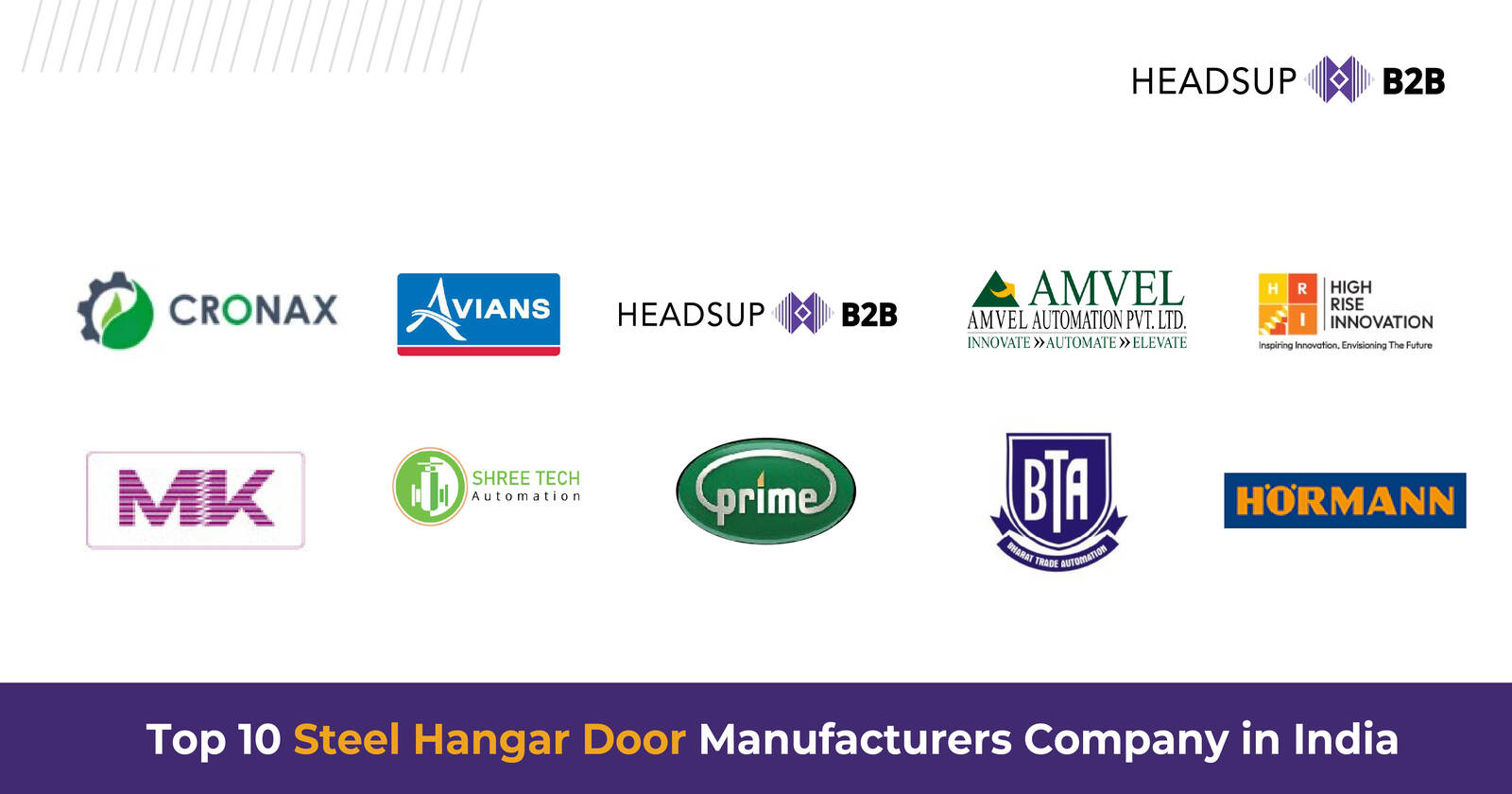
    1. Cronax Industries

    A leading company in Automation products, Cronax Industries was established in 2013. It deals with custom hangar doors that deliver to unique business needs – be it military, commercial or industrial setting. With about 12 years of industry experience, the company is a leading hangar door company specializing in custom hangar door systems that cater to unique customer needs. The company is a prominent steel hangar door manufacturer in India, with its headquarters in Faridabad. The company focuses on functionality and aesthetics, ensuring doors that meet specifications without compromising visual appeal.

    2. Avians India

    Avians India was founded in 1982 and is headquartered in Pune. The company is known for its credibility in automation products, and it is one of the highest-quality steel hangar doors. The company started with a small manufacturing development center & a handful of technicians & engineers. It specialises in custom-designed hangar door systems.

    3. Headsup B2B

    Headsup B2B is headquartered in Hauz Khas, Delhi, and it was established in 2022. Apart from industrial solutions, including custom-made steel hangar doors, the company is a leader in a range of B2B products. Headsup B2B specializes in end-to-end fulfilment, from sourcing to delivery and post-delivery customer support.

    4. Amvel Automation

    Based in Chennai, Amvel Automation offers premium hangar doors designed for aircraft hangars, airports, and industrial sectors. Their doors are customizable, built with high-grade materials, and equipped with advanced motorized systems for smooth operation and enhanced safety.

    5. High Rise Innovation

    With over a decade of expertise, High Rise Innovation provides meticulously crafted hangar doors tailored to meet diverse industrial demands. Their range includes various options, ensuring clients find the ideal fit for their requirements.

    6. M. K. & Company

    Offering 13 years of rich experience in steel hangar door manufacturing, M. K. & Company is headquartered in Mumbai. The company is a high-credibility supplier of steel hangar doors, contributing to reliable steel hangar door options for commercial, industrial, military and aviation settings.

    7. Shree Tech Automation

    Shree Tech Automation was established in 2012. The company, being a top supplier, manufacturer, trader and exporter, is a leading steel hangar door manufacturer. It has been manufacturing high-quality custom doors for over 10 years and is headquartered in Vadodara, Gujarat.

    8. Prime Roofing Infrastructures & Projects Pvt. Ltd.

    The company is located in Thrissur, and it is one of the leading manufacturer and suppliers of Steel Hangar doors. The company has over 8 years of rich experience in the industry, making it a leading manufacturer and supplier of high-quality steel hangar doors.

    9. Bharat Trade Automation

    Bharat Trade Automation is headquartered in Ghaziabad and is one of the leading steel hangar door manufacturers and suppliers in the country. It has over 7 years of customized solutions for industrial automation needs.

    10. Shakti Hormann Pvt. Ltd

    Shakti Hormann has a legacy of 25 years in Steel Hangar doors, with a record of selling over 100,000 across the country. The company has a state-of-the-art manufacturing facility with an area of approx. 67,000 sq. ft, ensuring precision engineering and high-quality custom-made steel hangar doors. Hormann, India has catered to industries like aviation, military, logistics and infrastructure.

    Steel Hangar doors are designed to sustain harsh environments. They provide durability, security and customization. Their features make them suitable for demanding environments. High-quality steel hangar doors from trusted manufacturers ensure long-term operational efficiency. The top brands in Steel Hangar doors include Cronax Industries, Avians India and Headsup B2B. With Headsup B2B’s credibility in end-to-end procurement and continuous post-delivery customer support, it is a sought-after one-stop solution for all industrial solutions products, including steel hangar doors. Contact Headsup B2B to know more.

  • A Beginner’s Guide to Solar Energy Systems: Components and How They Work

    A Beginner’s Guide to Solar Energy Systems: Components and How They Work

    Solar energy shares about 80% of the total renewable energy segment, and with the National Solar Mission reaching an ambitious goal of 280 GW by 2030, the country is gearing up for a clean energy revolution with solar leading with a cudgel. In this blog, we will get into the details of solar energy systems and how the components work together.

    Key Components of a Solar Energy System

    Being the heart of solar energy systems, they convert sunlight into electricity that lights up businesses and homes. These panels comprise multiple photovoltaic cells, that are made with semiconductor materials such as silicon.

    Inverter

    The electric power generated by solar panels is in direct current (DC) form. This form cannot be used to power most household electrical appliances.

    There are 3 main types of inverters

    • String Inverters: Used in Series form

    • Microinverters: Installed on individual panels.

    • Hybrid Inverters: Can support solar energy as well as battery storage

    Mounting System:- The need for secure attachment to a surface, roof or ground for the panels is fulfilled by robust mounting systems. The placement of this device ensures maxim sunlight absorption and hence, increased efficiency. Mounting systems can be fixed or adjustable, with some even tracking the sun’s movement for increased efficiency.

    Charge Controller:- During the charging process, there is a chance that overcharging happens due to the excess flow of the current. To avoid the same, charge controllers ensure that the flow of the current is done in a manner to avoid it.

    Battery Storage:-Sometimes the solar energy which is generated is excess against the use. Battery storage helps save the excess solar energy that has been generated for future use.

    In systems with battery storage, a charge controller regulates the flow of electricity from the solar panels to the batteries. It prevents overcharging and ensures the batteries operate within safe voltage limits, thereby extending their lifespan.

    Electric Meter and Monitoring System:- The electric meter tracks the amount of electricity generated, consumed, and sent back to the grid. Monitoring systems, often app-based, allow users to track their system’s performance in real-time, ensuring everything runs efficiently.

    How a Solar Energy System Works?

    • The first step is capturing the sunlight which is done as soon as the sunlight hits the solar panel. The photovoltaic cells absorb the photons from the sunlight, the electrons in the semiconductor become charged and energizing of the semiconductor materials generates DC electricity.
    • The generation of DC electricity is followed by converting it into Alternating Current with the help of a battery. This is done with the help of inverters.

    • Powering Your Home Once converted to AC electricity, the energy is directed to the electrical panel (or breaker box) of your home.

    • Storing the excess energy requires batteries or is being sent back to the grid. In the On-grid systems, it is sent back to the grid and in off-grid systems, it is stored in a battery.
    • For systems with battery storage, the stored energy can be used during periods of low sunlight or power outages, ensuring a continuous power supply.

    Benefits of Solar Energy Systems

    • Renewable Energy Source

    • Cost Savings

    • Energy Independence

    • Environmental Impact

    • Low Maintenance

    Conclusion

    When selecting a solar energy system, the important considerations that need to be made are energy consumption, the space of the roof, the budget allocated and the local weather conditions. Also, suppliers’ selection of critical components such as solar panels, inverters, mounting systems, and charge controllers needs to be done thoroughly. Contact Headsup B2B for all your solar energy systems needs.

  • The Green Corridor Revolution: Eco-Friendly Highways and Railways

    The Green Corridor Revolution: Eco-Friendly Highways and Railways

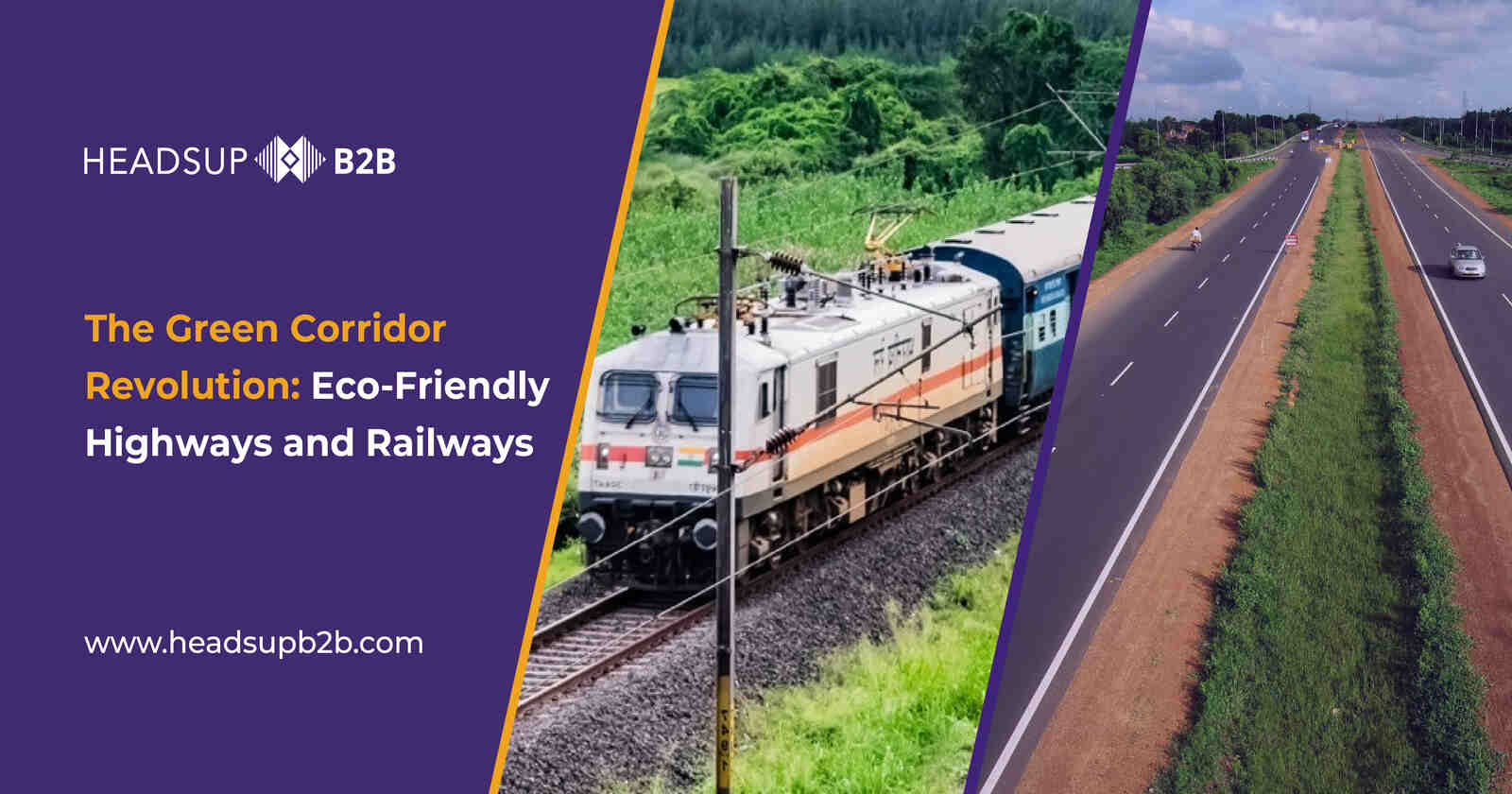
    Green corridors encompass the development of eco-friendly transportation including highways and railways. It prioritizes ecological sustainability by developing eco-friendly transportation networks including highways and railways.

    What Are Green Corridors?

    Green corridors are designated pathways connecting natural areas such as forests, parks, and natural reserves that are uninterrupted by human activities like agriculture and urban development. They serve purposes including ecological, recreational and cultural benefits.

    Green corridors are also known as habitat corridors or biodiversity corridors that connect fragmented natural spaces, allowing for wildlife movement.

    Applications in Highways and Railways

    The concept of green corridors is transforming the transportation infrastructure including highways and railways. The Green Corridors initiative focuses on creating eco-friendly transport routes which integrate the natural habitats that reduce the ecological footprint of the transportation infrastructure.

    These corridors integrate renewable energy sources, eco-friendly materials and biodiversity conservation to create harmony with the natural environment. On the highways, planting trees, providing solar lights, and rainwater harvesting systems help mitigate pollution. The designs of roads help to use intelligent systems for controlling traffic.

    Likewise, the railways are improving their sustainability through electrification, bio-toilets, and track switches. Dust control, noise barrier, and tree buffer will be installed in the surroundings. The safety of animals is ensured with the construction of over and underpasses.

    Features of Green Corridors

    • Use of Renewable Energy: Green corridors have widespread use of clean energy sources such as solar panels, wind energy, and energy-efficient lighting.
    • Eco-Friendly Materials: The materials that are used in the construction and functioning of these infrastructures, focus on energy efficiency and sustainability. Some of the materials that are commonly used are Recycled asphalt, sustainable concrete, and noise-reducing barriers.
    • Biodiversity Conservation: The focus on biodiversity conservation encompasses Wildlife crossings, afforestation, and habitat restoration.
    • Carbon Footprint Reduction: Electric vehicle charging stations and green public transport.

    Benefits of Green Corridors

    • Environmental Benefits: The green corridor revolution aims at reducing deforestation, improving air quality, and lowering emissions.
    • Economic Benefits: Economic benefits under the green corridor revolution entail lowering operational costs, and the creation of employment in green industries.
    • Social Benefits: Enhanced travel experience, improved public health, and better urban planning.

    Conclusion

    The green corridor revolution is more than just a trend with climate change intensifying, it has become a need. By adopting green corridors, we are not only transforming transportation but also ensuring that the transportation sector is contributing to a greener and healthier future for generations to come. For all green energy solutions and sustainable, eco-friendly alternatives, contact Headsup B2B, your one-stop solution for all your energy solutions needs.

  • The Latest Innovations in Solar Energy Systems for 2025

    The Latest Innovations in Solar Energy Systems for 2025

    Renewable energy is expected to meet half of the world’s electricity demand by the end of this decade, by 2030. With a projected capacity standing at 5,500 gigawatts of renewable energy. Solar energy systems contribute to about 80% making it a forerunner in the green energy revolution.

    Let’s find out how these 5 cutting-edge, clean energy led, solar power technologies in the solar energy industry are reshaping the global solar industry in 2025.

    High-Efficiency Solar Cells

    These next-generation solar cells can turn solar energy into electricity by 47% in a controlled environment. In terms of its manufacturing, it has a multi-junction cell architecture that leverages multiple semiconductors increasing its functionality. These semiconductors absorb a maximum spectrum of sunlight, resulting in 20-25% usable electricity.

    Tandem Solar Cells

    These solar cells combine perovskite with silicon to enhance energy conversion with their multiple layers of bandgap that help in maximum sunlight absorption. The energy is absorbed according to the band and the gap. In the construction, the high band comes in blue and the bottom-most comes in green. The high band absorbs high-energy photons and the low bands like green absorb low-energy photons.

    Bifacial Solar Panels

    These solar panels absorb sunlight from the front and the rear solar panels. Due to this distinguishing feature, these panels have greater efficiency and are suitable for large installations. The materials used in these panels are transparent such as glass or transparent back sheets to reflect sunlight onto the cells. The front surface of the panel absorbs light directly and the reflected eays from the surrounding are absorbed by the rear solar panels.

    Perovskite Solar Cells

    As the name suggests, Perovskite Solar cells are photovoltaic cells that are structured similarly to a compound called Perovskite crystal structure, hybrid organic-inorganic lead or tin halide-based material. They are a part of the third-generation photovoltaic cells with great potential for overcoming current efficiency and performance limitations.

    Heterojunction Technology (HJT) Solar Panels

    Heterojunction Technology (HJT) Solar Panels represent advanced photovoltaic technology. Heterojunction Technology represents a cutting edge technology, merging the benefits of crystalline silicon and thin film solar cells. The key characteristics of HJT Solar panels include Bifacial Capability and improved performance in low light.

    Conclusion

    Solar power is the future of energy. The existing and upcoming solar energy systems and technologies promote sustainability through smart execution. Partner with Headsup B2B for seamless procurement and coordination in your solar projects, ensuring reliable, efficient, and scalable solutions for a cleaner tomorrow.

  • Armoured Cable vs Non-Armoured Cable: Which is Better?

    Armoured Cable vs Non-Armoured Cable: Which is Better?

    Cables ensure safe and reliable power transmission and due to the same, they are also termed as the backbone of electrical systems. Two types of cables such as armoured and non-armoured cables cater to different needs, making selecting these cables crucial. This blog explores the differences, advantages and applications of these cables which help you to decide on the most suitable cable for your requirements.

    What is an Armoured Cable?

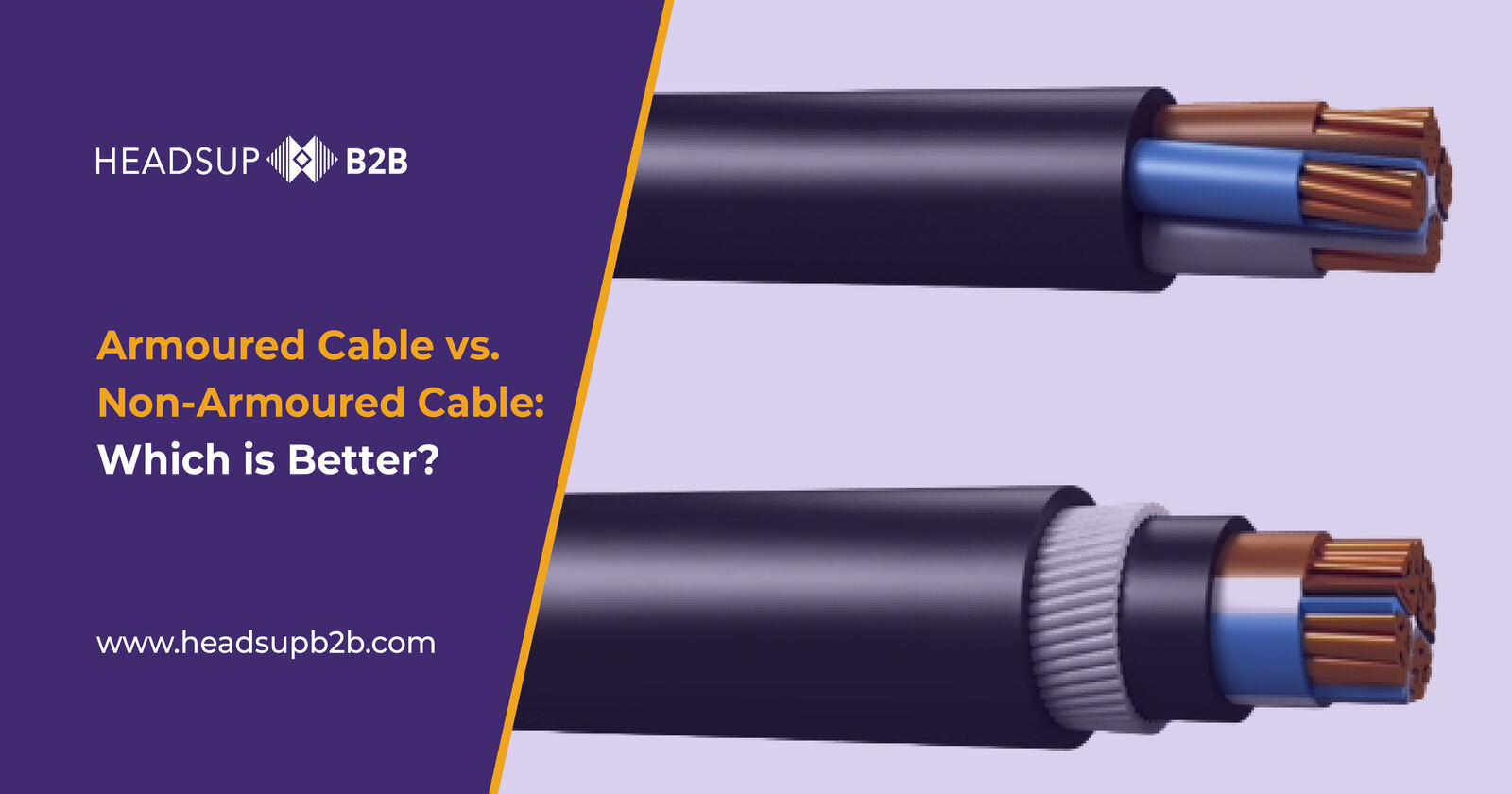
    Armoured cables are made of materials, such as steel and aluminium that enhance durability, making these cables ideal for outdoor applications and underground installations. These cables offer high resistance against weather, chemicals and rodents ensuring long-term usage. Owing to their highly reliable exterior, these cables are heavy and expensive, yet at the same time, their robust design justifies their use in high-risk premises.

    Armoured cables are used in projects where physical protection is required. The common applications are in construction sites, power distribution networks, and hazardous areas prone to external disturbances.

    What is a Non-Armoured Cable?

    Non-armoured cables come without the protective metal layer found in the armoured cables. Unlike armoured cables, these cables are light in weight, relatively cheap and flexible. These features make them suitable for low-risk environments and indoor applications.

    These cables are suited to applications where outdoor and environmental threats are minimal. However, they are more susceptible to mechanical damage, UV radiation and harsh environmental factors. These limitations make them less suitable for demanding applications.

    Additionally, these cables are often used in residential wiring, temporary power setups, and other applications where durability is not a concern.

    Key differences of Armoured Cables and Non-Armoured Cables

    Aspect Armoured Cables Non-Armoured Cables
    Durability Robust and suited for outdoor applications and harsh environments. Suited for controlled environments.
    Applications Ideal for outdoor applications. Ideal for low-risk, indoor applications.
    Cost Expensive due to the metal sheath. Budget-friendly option.
    Flexibility Less flexible but offers better protection. Easier to handle and more flexible.

    Conclusion

    Choosing between armoured and non-armoured cables depends on your specific requirements. If durability and protection are critical, armoured cables are ideal. For low-risk and cost-effective solutions, non-armoured cables work best. Assess your application, environment, and budget to make an informed decision and ensure optimal electrical performance. Be it armoured cables or non-armoured cables that you require for your specific need, Headsup B2B is a one-stop solution for all requirements. Contact us today to know more.

  • The Future of Armoured Cable: What to Expect

    The Future of Armoured Cable: What to Expect

    Armoured cables contain an extra layer of metal or material for safeguarding against chemical corrosion or external mechanical forces. The layer can be made of steel tape or thin or thick steel wire. These cables are well suited for direct burial as they can be directly buried in the ground. They have a strong mechanical resistance when compared with ordinary cables. Armoured cables are vital for durability and flexibility due to their enhanced protection.

    Advanced Materials: Armoured Cables use materials like high-modulus synthetic fibre that reduces the weight by 30% compared to steel. These materials are corrosion-resistant which helps maintain the integrity of connectivity systems in harsh environments. The lightweight installation also helps ultra-deep installations of up to 3000 meters as the heavier cables limit the depth reach.

    Fire Resistance & Safety Standards: Fire-resistant cables maintain circuit integrity, safeguarding against high temperatures. They meet fire resistance requirements such as IEC 60331 and BS 6387 CWZ.

    Flame Retardant Properties: With self-extinguishing properties, these cables prevent the spread of fire to new areas with the help of specially formulated PVC.

    Flexible & Modular Designs: Flexible and modular cable designs are suited to various applications such as flexible cables used in industries that require the movement of power signals and data transmission.

    Smart & Digital Integration

    Armoured cables have smart and digital technologies, integrated into which the sensor-embedded cables are used for real-time monitoring. Other technological innovations include leveraging IoT & AI for predictive maintenance and automated troubleshooting. The use of technologies such as RFID tagging makes tracking and inventory management easy.

    Key benefits of armoured cables are:

    • High Flexibility: Designed to flex and move, outperforming conventional wiring in dynamic applications

    • Superior Heat Dissipation: Compact design and larger surface-to-volume ratio allow shorter thermal paths

    • Lightweight & Low Profile: Thin design resolves complex design challenges and reduces weight compared to traditional cables

    • Durability: Can withstand up to 5 million flexes without failure, especially in designs with moving parts

    • Foldable: Can be folded for easier routing in limited spaces

    • Multiple Termination Options: Can be attached through hot bar soldering, through-hole soldering, or various connectors

    These are three types of armoured cables available:

    • Flat flex cables

    • Chainflex

    • Flexible Flat Cables (FFC)

    Sustainability & Eco-Friendly Innovations

    The cable industry is based on sustainability and eco-friendly innovations that meet evolving regulatory requirements. The use of eco-friendly materials such as bio-based materials such as partially bio-based PVC compounds reduces carbon footprints. For instance, low-Smoke Zero-Halogen (LSZH) Cables for Reduced Toxicity.

    Conclusion

    Armoured cables are evolving with the integration of advanced materials that are sustainable and environmentally friendly. Fire-resistant properties along with smart technologies meet modern demands. These cables are vital for industries requiring high-performance activity. Armoured cables are evolving with the integration of advanced materials that are sustainable and environmentally friendly. Fire-resistant properties along with smart technologies meet modern demands. Armoured cables including Flat flex cables, Chainflex and Flexible Flat Cables (FFC) are vital for industries requiring high-performance activity. Headsup B2B is the one-stop solution for all high-quality armoured cables. Contact us today for all your wires and cables needs including armoured cables.

  • What It Takes to Build a Warehouse: Headsup B2B Has It All

    What It Takes to Build a Warehouse: Headsup B2B Has It All

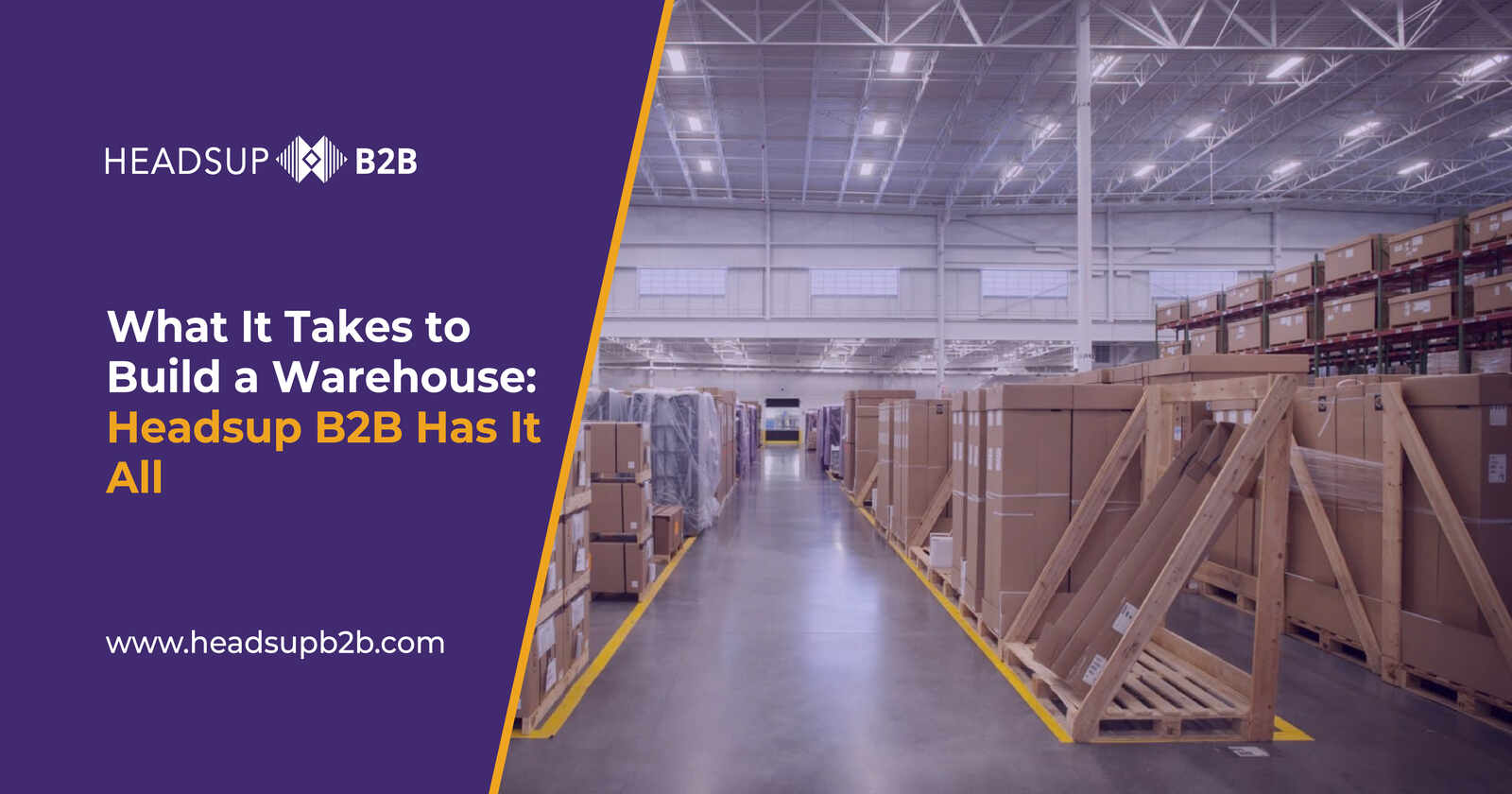
    Warehouse construction has become vital to the supply chain across all industries. The evolution of the e-commerce industry and industrial expansion has transformed from traditional warehouses to modern and smart hubs. With the same, the global warehousing market is projected to reach USD 36 trillion by 2026. With a CAGR of 9.3%, the Asia Pacific region is expected to display the highest growth. From site preparation to material procurement, warehouse construction requires strategic planning and effective implementation.

    The entire construction process requires a streamlined and collaborative end-to-end fulfilment approach. Headsup B2B is a reliable partner that will enable the timely and successful accomplishment of all your construction projects by streamlining all the processes with its exhaustive repository of pre-vetted, reputed suppliers.

    The Essentials of Building a Warehouse

    For warehouse construction, site selection is one of the vital factors affecting the success of the project – requiring careful consideration of factors such as physical proximity with suppliers and vendors and safety from local environmental hazards such as floods or other natural disasters.

    In addition to location, accessibility is another significant aspect. Connectivity with different modes of transport, such as roads and railways, must be robust to ensure the movement of goods and personnel. Accessibility to public transport makes it easier for the employees to commute easily.

    To ensure legal adherence, compliance with zoning regulations, such as restrictions on the size or type of the buildings, and complying with local zoning laws is an important consideration. It is also important to factor in, the special permits required for building a warehouse in that particular location.

    Building Smarter Warehouses

    Beyond compliance, efficient workflow optimisation is also vital to the project’s success. A streamlined traffic flow prevents bottlenecks. Designing an efficient warehouse layout is essential for optimising workflows, storage capacity, and logistics operations. Traffic flow management helps prevent bottlenecks and clear pathways for goods transportation and the workforce to commute without hassle.

    Picking strategies, such as Vertical Storage Solutions, Dynamic Slotting, Flow Racks, and Pallet Systems, are also integral to maximising storage and optimizing the picking process. These strategies help optimize space usage in the warehouse and ensure that items can be retrieved quickly and efficiently, enhancing overall productivity.

    In addition to layout and picking strategies, the materials used to build the warehouse play a significant role. High-quality material ensures structural durability, energy efficiency and long-term cost efficiency. Warehouse construction materials such as structural steel, concrete, HVAC systems, and racking systems must be carefully selected to ensure durability and functionality.

    Challenges in Warehouse Construction

    Rising material costs and stringent deadlines lead to challenges in warehouse construction. The procurement process slows down or becomes complicated due to the need to source multiple materials. To address these challenges and to ensure quality and timely delivery, effective project management and streamlined communication are essential.

    Energy efficiency in warehouse construction

    With sustainability and energy efficiency at the forefront, the warehouse construction industry is rapidly evolving. The use of green technology and an optimized HVAC system has become a standard. At Headsup B2B, we enable the implementation of the latest trends in warehouse construction.

    The Importance of Post-Construction Support

    Once your warehouse is constructed, we ensure ongoing support for its longevity and operational efficiency. At Headsup B2B, we don’t just stop at construction, we also provide post-construction support to keep your warehouse functioning smoothly.

    We offer solutions that ensure that your warehouse is at the forefront of technological advancements and in tune with today’s evolving industry standards, enabling seamless operations and future growth.

    Headsup B2B as your procurement and fulfilment partner

    Headsup B2B is your procurement and fulfilment partner for all your warehouse construction needs. Constructing a warehouse requires careful planning and efficient execution, and with us as your partners, you gain access to a streamlined process, seamless coordination and customized solutions.

    Whether you are sourcing structural steel or racking solutions, Headsup B2B ensures that each product meets the highest standards of quality and efficiency. Our company’s customized solutions are designed to meet your specific needs, to ensure that your warehouse is built with a vision to support your business for a long time.

    Your Vision is Our Goal

    Our team works closely with you to understand your vision, and we offer flexibility in adapting to your requirements. Headsup B2B’s coordination and communication, you can be assured that your warehouse construction will stay on track, saving time and reducing costs. Be it sourcing sustainable materials or helping implement automated solutions, we help you meet your project needs as this one-stop destination.

    We manage your project seamlessly from start to finish and ensure project success with efficiency and precision. Contact Headsup B2B today to start your warehouse construction project and benefit from our customized and expert solutions.

  • Why Structural Steel is the Backbone of Large-Scale Infrastructure Projects

    Why Structural Steel is the Backbone of Large-Scale Infrastructure Projects

    India is expected to produce approximately 158 million tonnes of crude steel by January 2025. With the same, the country stands as the second-largest steel manufacturer globally. The growing population and evolving infrastructure needs have led to numerous government-backed initiatives.

    Several ambitious infrastructure projects such as Bharatmala and Smart City mission along with development projects have led to an increase in steel demand, making it vital to the country’s economic growth.

    Iconic structures made of structural steel

    India boasts the tallest statue in the world, built using 6500 tonnes of structural steel, the Statue stands tall at 182 meters. Be it Sardar Patel’s statue of unity or the Mumbai Trans harbour link, the high carbon content in the steel makes the construction material highly robust.

    Structural Steel as a Driver to India’s Infrastructure Revolution

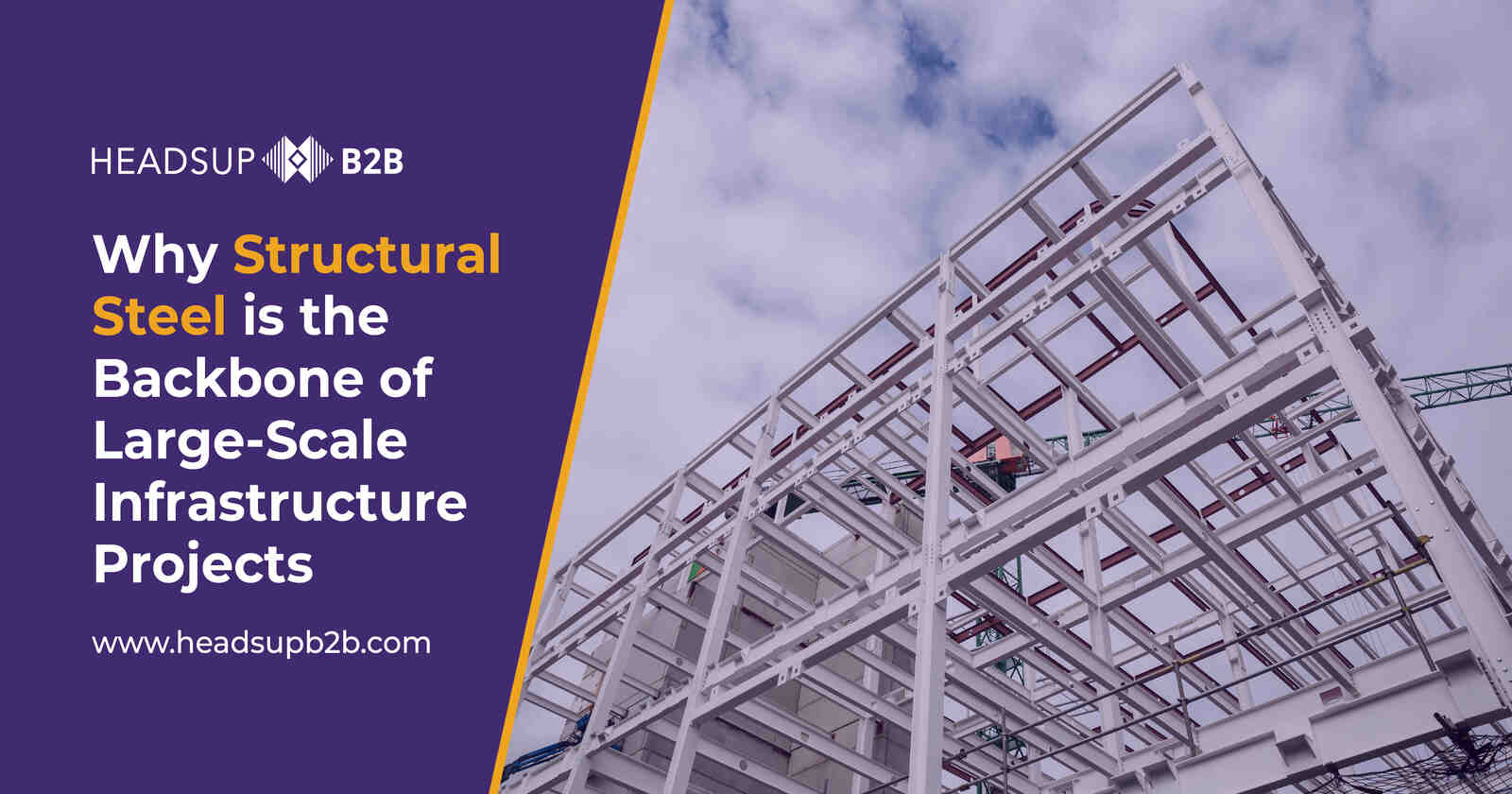
    Structural steel plays an important role in fueling the infrastructure revolution in India due to the many factors supporting it, such as strength and durability ensuring the robustness of roads and elevated bridges where safety is paramount. Structural steel can be fabricated into different shapes and sizes, allowing it to be a part of complex designs – especially beneficial in limited urban space.

    Resilient Solutions for Diverse Indian Conditions

    Any infrastructure project needs to withstand the extreme weather conditions. Resilient infrastructure material is of significant importance for diverse conditions – be it monsoon-laden northeast India, the high seismic zone areas such as the Himalayas or the coastal areas along the Arabian Sea and Bay of Bengal. Structural steel’s high tensile strength helps endure the impact of natural hazards like earthquakes and cyclones. These buildings can withstand heavy rains and floods without bending and warping – owing to their flexibility and ductility.

    Structural steel plays an important role in the infrastructure of Delhi and Guwahati due to high seismic resilience.

    Design Versatility for Indian Megaprojects

    Steel’s versatility is highlighted in projects like Signature Bridge and Howrah Bridge. The signature bridge constructed in Delhi stands out due to its intricate structure that symbolizes cultural reverence in greeting hands form. Due to favourable mechanical properties, Signature Bridge has utilised structural steel grades such as S355J2 and S355N. While the bridge is resistant to seismic activities and can withstand dynamic load its innovative design enhances its aesthetic appeal.

    Largely made of structural steel, Kolkata’s Howrah bridge was completed in 1943. It connects Kolkata and Howrah over the Hooghly River and carries a daily load of 100,000 vehicles with pedestrians. The iconic structure of the bridge is a suspension that spans 705 meters without any central support.

    Blending Modern Techniques With Traditional Strength

    The high carbon content in structural steel makes it a preferred choice for construction that is strong and durable – for instance, airports and flyovers. From iconic statues to highways, bridges and ports, the adaptability and versatility of structural steel have made it crucial to the fast-track growth of the Indian infrastructure landscape. Steel’s excellent strength-to-weight ratio and ability to cater to various construction requirements. Be it residential or commercial settings, the versatile characteristics add to its high credibility and suitability for construction materials in all kinds of infrastructure projects.

    Structural steel is the backbone of any infrastructure project and its features make it a reliable choice for any construction needs –

    High Weight-to-Strength Ratio

    The excellent weight-to-strength ratio makes it lighter than other construction materials such as concrete and wood while maintaining the robustness of the building. This characteristic allows for smaller foundations and reduced load on structures.

    Durability

    Structural steel is highly durable and is resistant to corrosion and natural hazards like earthquakes, cyclones and floods. Unlike other materials, it doesn’t crack warp or shrink over time, making it reliable for long-term applications.

    Speed of Construction

    The prefabrication feature of structural steel enables for a significantly reduced construction time. The faster construction also leads to cost savings as the assembly of the modular components to build a structure is done on-site.

    Flexibility and adaptability

    Structural steel is highly flexible due to the inherent characteristic of the steel, making it highly adaptable, allowing for open floor plans with fewer columns, making it easier to adapt spaces.

    Sustainability

    Steel is 100% recyclable making it an environmentally friendly choice for infrastructure construction projects. The adaptability extends their lifespan making them fit to be repurposed rather than demolished,

    Structural steel’s unmatched strength, resilience, adaptability and versatility make it the perfect construction material. Its ability to blend with innovative construction methods like modular and pre-fab leads to unparalleled time and cost efficiency.

    Structural steel’s unmatched strength, resilience, and sustainability make it indispensable for India’s infrastructure growth. With it becoming crucial for infrastructure project accomplishments, you must receive the right support at every step. From sourcing to ensuring on-time delivery and customer support after delivery, Headsup B2B is your reliable partner for your project success.

    Partner with Headsup B2B to explore advanced structural steel solutions and ensure the success of your next project. Contact us today!

  • On-grid vs Off-grid Solar Systems – Key Differences and Benefits

    On-grid vs Off-grid Solar Systems – Key Differences and Benefits

    As of 2024, India has reached a solar power capacity of 60 GW—a significant leap from 3 GW in 2014. This growth was fueled by the launch of the National Solar Mission in 2010, which aimed for 20 GW by 2022. It is projected that solar’s share in the electricity mix will rise from 5% in FY 2022 to 25% by FY 2032. Additionally, technological advancements have made solar energy more cost-effective and efficient.

    The goal was revised to 100 GW, owing to promising growth in the sector. For the same, various technologies including On-grid and off-grid solar systems are being used to ensure energy accessibility, efficiency, and sustainability. The choice of these systems for particular projects depends on the energy needs with distinct features, advantages, and applications suited to different energy needs.

    What is an On-Grid Solar System?

    On-grid solar systems, as the term suggests, are solar systems that are connected to the grid. They are deployed with a direct connection with the utility grid and do not require battery backup. In this type of system, the electricity is first used by the consumers, and the unused, remaining power is exported back to the grid. The excess energy is measured through net metering, where users get credit for the surplus energy supplied. The components that are used in On-grid systems have components including solar panels (photo-voltaic panels), mounting structures, metering systems to allow users to get energy credits, and power junction units. These systems are used in different settings such as urban homes, businesses, and areas with reliable grid, and infrastructure.

    What is an Off-Grid Solar System?

    Off-grid solar systems are deployed independently of the grid, providing a sustainable and reliable energy source. They can generate their energy without being dependent on the grid making them suitable for remote areas. In terms of components, they incorporate solar panels to convert solar energy into electricity, charge controllers for energy efficiency and inverters for powering devices in off-grid setups. Due to their independence, they are suited to remote locations and areas with unreliable or no grid access.

    Key Differences Between On-Grid and Off-Grid Systems

    Dependency on the Grid:

    On-Grid systems are dependent on utility grids that allow them to draw power when solar energy is insufficient whereas Off-grid systems are independent of utility grids.

    Energy Storage:

    On-grid systems do not require battery storage because they can utilize the grid as backup source. Whereas off-grid systems require continuous power supply during periods without sunlight hence they require battery storage to store energy.

    Cost:

    On-grid storage is less expensive compared to off-grid storage due to absence of costly battery storage solutions. Cost-efficiency makes On-grid more accessible to the homeowners. Due to the requirement of batteries along with additional equipment, the cost is higher in off-grid solar systems.

    Suitability:

    On-grid are suitable for urban and sub urban areas relevant to those who are aiming for cost-efficient solar systems whereas off-grid are suitable for remote areas where utility grid is not available and there is a need for reliable power back-up.

    Key Benefits of On-Grid and Off- Grid Systems

    On-Grid Solar Systems

    • On-grid solar systems have lower upfront costs.

    • They have the ability to sell surplus energy to the grid (net metering).

    • There is no battery replacement and minimal maintenance is required.

    Off-Grid Solar Systems

    • Off-grid systems are completely energy independent.

    • These solar systems have reliable power supply in remote locations.

    • They are ideal for areas with frequent power outages.

    Factors to Consider When Choosing Between the Two:

    Four factors that need to be considered considered when choosing between the two –

    • Location and grid availability.

    • Energy consumption needs.

    • Budget for installation and maintenance.

    • Long-term sustainability goals.

    Both on-grid and off-grid systems have their distinct advantages and disadvantages. The choice depends on budget, personal preferences related to energy independence, reliability and location. The revised goal of the National Solar Mission, 2022 has expanded the solar power scope paving the way for adoption of both on-grid and off-grid solar systems. Headsup B2B is here to cater to your solar power needs with tailored, efficient solutions. Contact Headsup B2B for all your solar energy solutions needs.

  • Exploring The Different Types of Road Safety Barriers

    Exploring The Different Types of Road Safety Barriers

    As traffic continues to grow, the demand for road safety measures has surged. In 2024, over 10,000 tenders were published for road safety barriers, including crash barriers. The market, valued at USD 10.63 billion in 2024, is projected to reach USD 15.5 billion by 2032, reflecting a compound annual growth rate (CAGR) of 4.83% between 2024 and 2032. Road safety barriers make roads safer for pedestrians, motorcyclists, vehicle passengers, and stray animals. Depending on usage, there are different types of road safety barriers.

    1. Metal Beam Crash Barrier

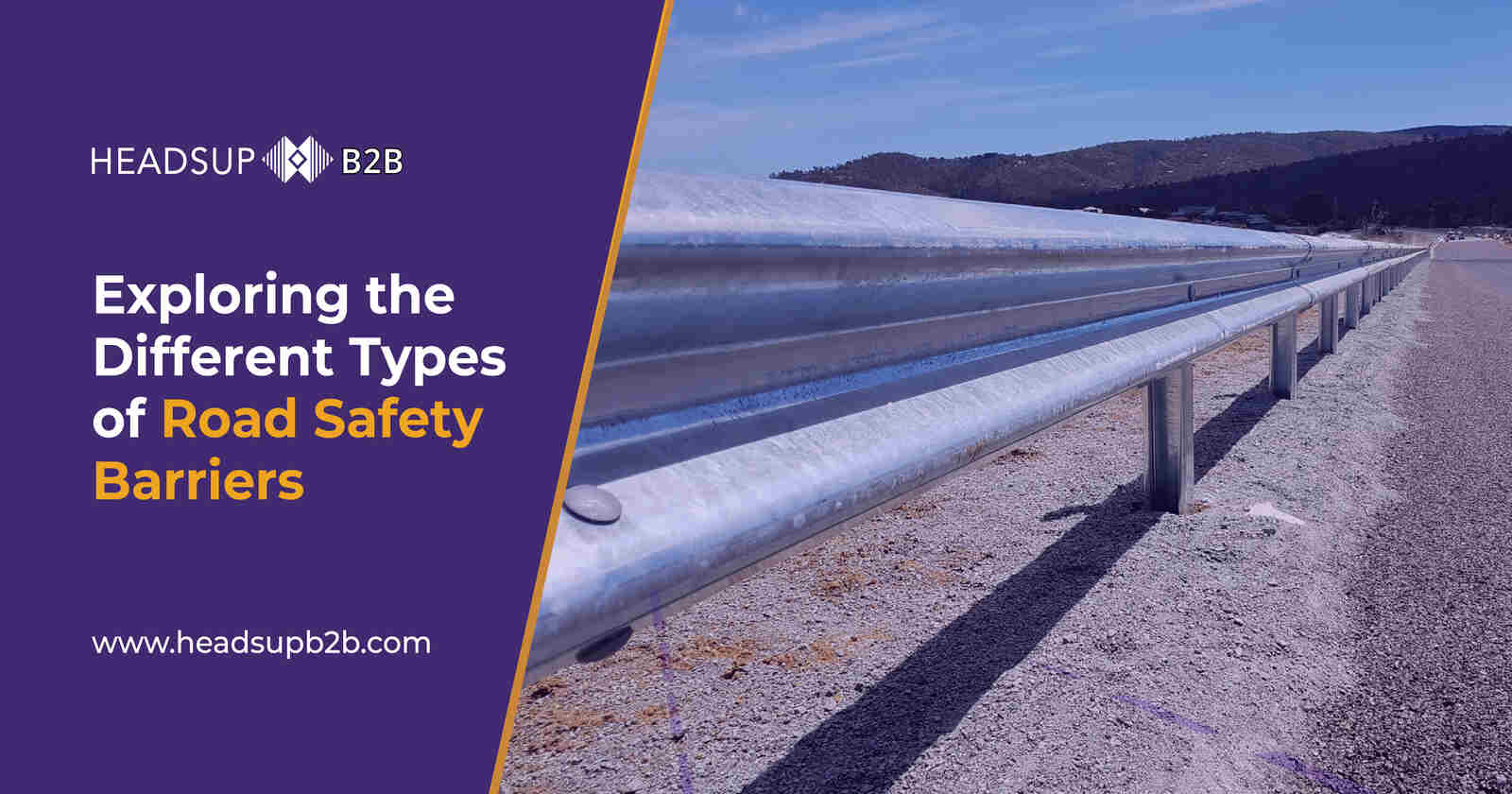
    Metal Beam Crash barrier is a safety feature primarily constructed from galvanized steel to provide impact resistance and durability. The main functions of crash barriers include impact absorption, vehicle redirection, and visibility improvement. There are two types of metal beam crash barriers – W-beam crash barriers and Thrie-beam crash barriers. W Beam crash barriers are shaped as the letter W, providing these barriers structural strength and flexibility. They are used on rural roads and highways to prevent vehicles from veering off. Thrie beam crash barriers feature a wave-like design, ideal for expressways because they have higher impact resistance and improved safety features such as enhanced vehicle redirection and better energy absorption, and during high-speed collisions.

    2. Wire-Rope Barriers

    Wire rope barriers’ main role is to prevent vehicles from colliding with any fixed object or terrain. These road safety barriers reduce the impact by deflecting the vehicle off a tensioned rope after it experiences a collision. The deflection leads to gradual deceleration which reduces the risk of serious injuries compared to rigid barrier materials. Wire Rope barriers have led to about an 87% decrease in crashes as per reports and are effective in both median and side applications.

    3. Concrete Barriers

    Concrete barriers help in road traffic management and are primarily used to separate traffic lanes on roads and construction sites. Several types of barriers that come under concrete barriers include J-rail barriers, jersey barriers, and concrete step barriers. The material used in making these barriers is reinforced concrete which is resistant to harsh weather conditions. When vehicles collide kinetic energy is generated so that concrete barriers can structurally dissipate to absorb the energy. Apart from preventing cross-over accidents, they are also highly durable.

    4. Water-Filled/Sand-Filled Barriers

    Water-filled and sand-filled barriers are lightweight barriers and are primarily used in traffic management. They are constructed with plastic and are filled with water or sand to provide stability. They are ideal for construction sites and events. Water-filled and sand-filled barriers are mainly used in temporary set-ups because they are lightweight. The recyclable nature of the material makes these barriers eco-friendly thanks to minimal waste generation and environmental impact. Owing to their filled weight, they are resistant to displacement, making them suitable for permanent and semi-permanent installations.

    5. Safety Cones

    Safety cones, also known as traffic cones, are used to ensure safety during the construction process, managing traffic and crowd management. In terms of characteristics, they are made up of PVC and have reflective collars for maximum visibility in conditions with low light.

    6. Flexible Barriers

    Flexible barriers are made of ropes made of polymer or wire which are held between vertical supports known as posts. This design allows them to absorb impact and energy. They are utilized in industrial settings, construction sites, and roadways. Flexible barriers are modular and this feature makes them adaptable. The modularity of the barriers caters to different site needs and layouts.

    7. A-Frame Barriers

    A-frames are portable and versatile safety barriers. These types of road safety barriers are primarily used in directing traffic, pedestrian protection, and crowd control. They consist of two triangular pieces connected by horizontal tubes and planks. Their shape provides visibility and stability, making it easy for them to be assembled and disassembled. They are generally made up of high-density plastic that can withstand harsh weather conditions. A-Frame barriers are portable and are finished in bright colors that make them visible in low light and dark environments.

    Contact Headsup B2B for Safer Roads

    Road safety barriers play an important role in ensuring road safety for all from pedestrians and motorists to animals. Each type of barrier caters to a particular need – be it absorbing impact, managing traffic flow, or re-directing traffic. Headsup B2B is your one-stop solution for all road safety requirements—contact us today to help create safer roads for everyone.

    FAQ

    1. What are road safety barriers, and why are they important?

      Road safety barriers are equipment manufactured to promote road safety. Their purpose is to make roads safer from vehicle crashes. They are designed to protect pedestrians, motorists, and animals from road crashes.

    2. What types of road safety barriers are available?

      There are a range of road safety barriers available. The choice of the barriers to be installed depends on usage including flexible, semi-rigid, rigid, portable, and temporary barriers.

    3. How do road safety barriers help prevent accidents?

      Road safety barriers help prevent accidents in different ways. They help protect from vehicle collision, impact absorption, separation from traffic, work zone safety, and enhanced visibility.

    4. Where are road safety barriers commonly used?

      Road safety barriers are commonly used for highway safety, work zones, bridge and tunnel protection, traffic management, pedestrian safety, impact absorption, and temporary applications like traffic diversion.

    5. How do you choose the right road safety barrier?

      The choice of road safety barriers is important to meet the purpose of the installation. The choice depends on different factors such as the type of road, the volume of traffic, expectations for crash severity, specific requirements for the site, and the needs of pedestrian safety.