Author: suraj

  • The Green Corridor Revolution: Eco-Friendly Highways and Railways

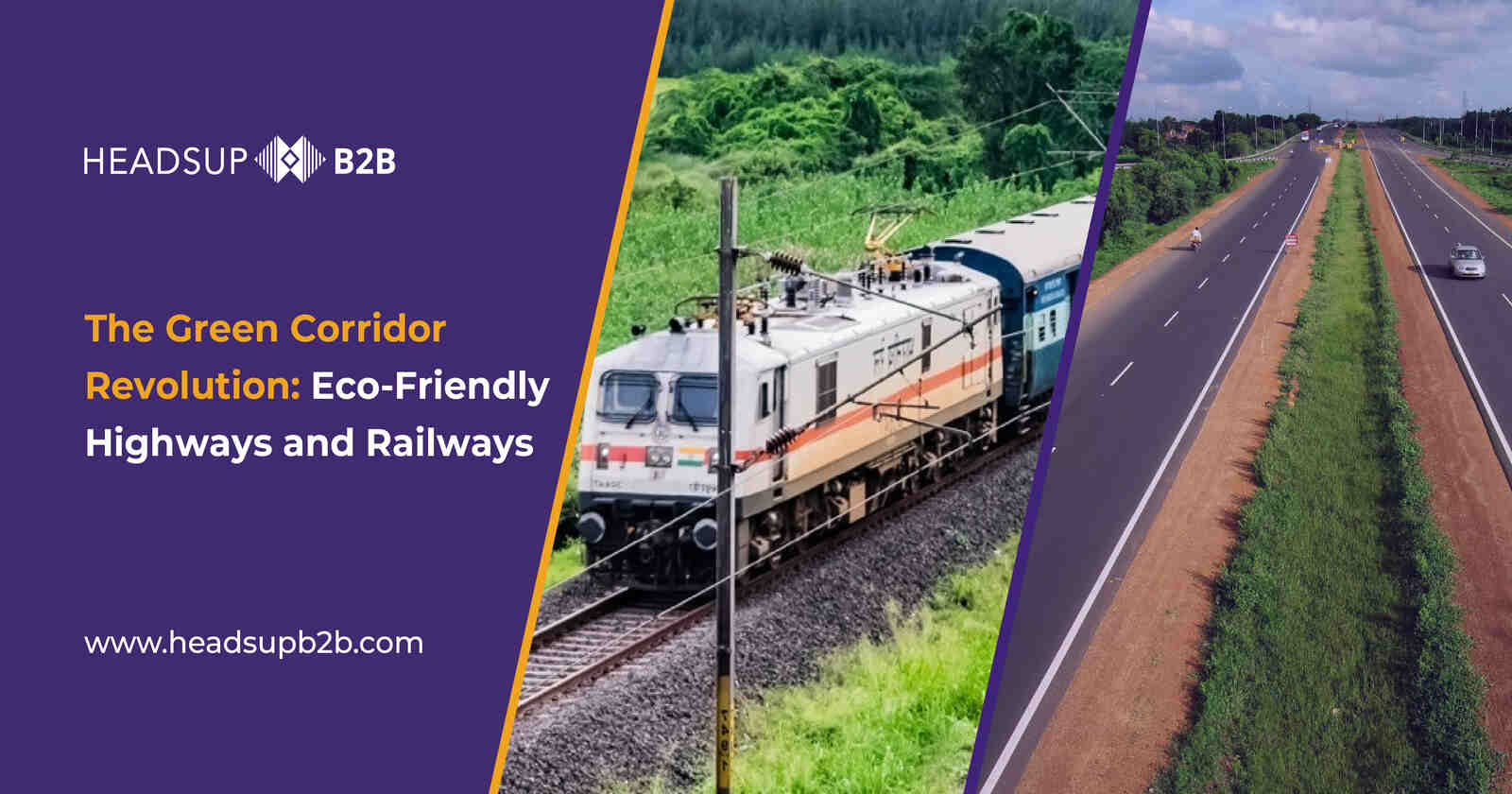
    The Green Corridor Revolution: Eco-Friendly Highways and Railways

    Green corridors encompass the development of eco-friendly transportation including highways and railways. It prioritizes ecological sustainability by developing eco-friendly transportation networks including highways and railways.

    What Are Green Corridors?

    Green corridors are designated pathways connecting natural areas such as forests, parks, and natural reserves that are uninterrupted by human activities like agriculture and urban development. They serve purposes including ecological, recreational and cultural benefits.

    Green corridors are also known as habitat corridors or biodiversity corridors that connect fragmented natural spaces, allowing for wildlife movement.

    Applications in Highways and Railways

    The concept of green corridors is transforming the transportation infrastructure including highways and railways. The Green Corridors initiative focuses on creating eco-friendly transport routes which integrate the natural habitats that reduce the ecological footprint of the transportation infrastructure.

    These corridors integrate renewable energy sources, eco-friendly materials and biodiversity conservation to create harmony with the natural environment. On the highways, planting trees, providing solar lights, and rainwater harvesting systems help mitigate pollution. The designs of roads help to use intelligent systems for controlling traffic.

    Likewise, the railways are improving their sustainability through electrification, bio-toilets, and track switches. Dust control, noise barrier, and tree buffer will be installed in the surroundings. The safety of animals is ensured with the construction of over and underpasses.

    Features of Green Corridors

    • Use of Renewable Energy: Green corridors have widespread use of clean energy sources such as solar panels, wind energy, and energy-efficient lighting.
    • Eco-Friendly Materials: The materials that are used in the construction and functioning of these infrastructures, focus on energy efficiency and sustainability. Some of the materials that are commonly used are Recycled asphalt, sustainable concrete, and noise-reducing barriers.
    • Biodiversity Conservation: The focus on biodiversity conservation encompasses Wildlife crossings, afforestation, and habitat restoration.
    • Carbon Footprint Reduction: Electric vehicle charging stations and green public transport.

    Benefits of Green Corridors

    • Environmental Benefits: The green corridor revolution aims at reducing deforestation, improving air quality, and lowering emissions.
    • Economic Benefits: Economic benefits under the green corridor revolution entail lowering operational costs, and the creation of employment in green industries.
    • Social Benefits: Enhanced travel experience, improved public health, and better urban planning.

    Conclusion

    The green corridor revolution is more than just a trend with climate change intensifying, it has become a need. By adopting green corridors, we are not only transforming transportation but also ensuring that the transportation sector is contributing to a greener and healthier future for generations to come. For all green energy solutions and sustainable, eco-friendly alternatives, contact Headsup B2B, your one-stop solution for all your energy solutions needs.

  • The Latest Innovations in Solar Energy Systems for 2025

    The Latest Innovations in Solar Energy Systems for 2025

    Renewable energy is expected to meet half of the world’s electricity demand by the end of this decade, by 2030. With a projected capacity standing at 5,500 gigawatts of renewable energy. Solar energy systems contribute to about 80% making it a forerunner in the green energy revolution.

    Let’s find out how these 5 cutting-edge, clean energy led, solar power technologies in the solar energy industry are reshaping the global solar industry in 2025.

    High-Efficiency Solar Cells

    These next-generation solar cells can turn solar energy into electricity by 47% in a controlled environment. In terms of its manufacturing, it has a multi-junction cell architecture that leverages multiple semiconductors increasing its functionality. These semiconductors absorb a maximum spectrum of sunlight, resulting in 20-25% usable electricity.

    Tandem Solar Cells

    These solar cells combine perovskite with silicon to enhance energy conversion with their multiple layers of bandgap that help in maximum sunlight absorption. The energy is absorbed according to the band and the gap. In the construction, the high band comes in blue and the bottom-most comes in green. The high band absorbs high-energy photons and the low bands like green absorb low-energy photons.

    Bifacial Solar Panels

    These solar panels absorb sunlight from the front and the rear solar panels. Due to this distinguishing feature, these panels have greater efficiency and are suitable for large installations. The materials used in these panels are transparent such as glass or transparent back sheets to reflect sunlight onto the cells. The front surface of the panel absorbs light directly and the reflected eays from the surrounding are absorbed by the rear solar panels.

    Perovskite Solar Cells

    As the name suggests, Perovskite Solar cells are photovoltaic cells that are structured similarly to a compound called Perovskite crystal structure, hybrid organic-inorganic lead or tin halide-based material. They are a part of the third-generation photovoltaic cells with great potential for overcoming current efficiency and performance limitations.

    Heterojunction Technology (HJT) Solar Panels

    Heterojunction Technology (HJT) Solar Panels represent advanced photovoltaic technology. Heterojunction Technology represents a cutting edge technology, merging the benefits of crystalline silicon and thin film solar cells. The key characteristics of HJT Solar panels include Bifacial Capability and improved performance in low light.

    Conclusion

    Solar power is the future of energy. The existing and upcoming solar energy systems and technologies promote sustainability through smart execution. Partner with Headsup B2B for seamless procurement and coordination in your solar projects, ensuring reliable, efficient, and scalable solutions for a cleaner tomorrow.

  • Armoured Cable vs Non-Armoured Cable: Which is Better?

    Armoured Cable vs Non-Armoured Cable: Which is Better?

    Cables ensure safe and reliable power transmission and due to the same, they are also termed as the backbone of electrical systems. Two types of cables such as armoured and non-armoured cables cater to different needs, making selecting these cables crucial. This blog explores the differences, advantages and applications of these cables which help you to decide on the most suitable cable for your requirements.

    What is an Armoured Cable?

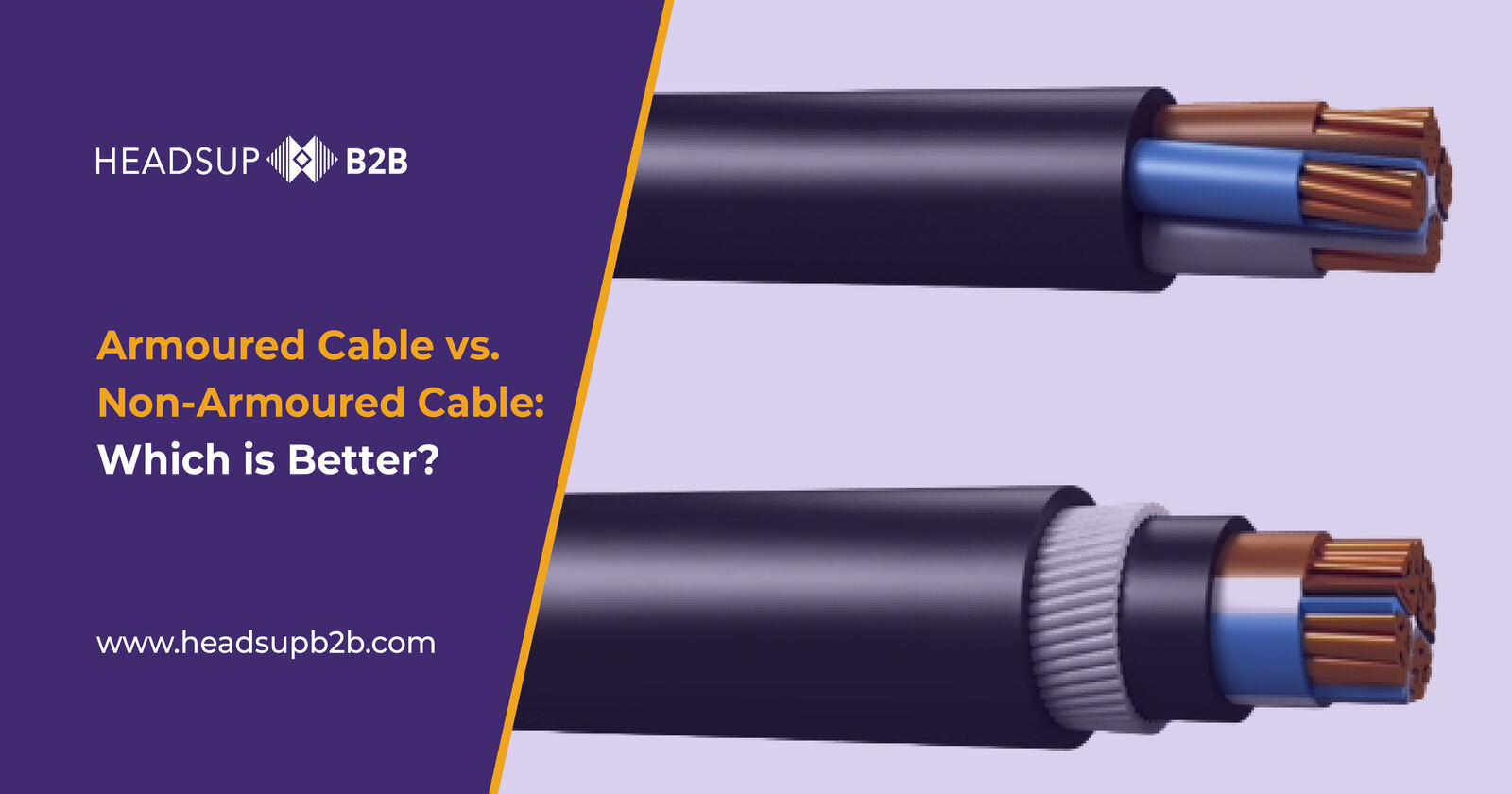
    Armoured cables are made of materials, such as steel and aluminium that enhance durability, making these cables ideal for outdoor applications and underground installations. These cables offer high resistance against weather, chemicals and rodents ensuring long-term usage. Owing to their highly reliable exterior, these cables are heavy and expensive, yet at the same time, their robust design justifies their use in high-risk premises.

    Armoured cables are used in projects where physical protection is required. The common applications are in construction sites, power distribution networks, and hazardous areas prone to external disturbances.

    What is a Non-Armoured Cable?

    Non-armoured cables come without the protective metal layer found in the armoured cables. Unlike armoured cables, these cables are light in weight, relatively cheap and flexible. These features make them suitable for low-risk environments and indoor applications.

    These cables are suited to applications where outdoor and environmental threats are minimal. However, they are more susceptible to mechanical damage, UV radiation and harsh environmental factors. These limitations make them less suitable for demanding applications.

    Additionally, these cables are often used in residential wiring, temporary power setups, and other applications where durability is not a concern.

    Key differences of Armoured Cables and Non-Armoured Cables

    Aspect Armoured Cables Non-Armoured Cables
    Durability Robust and suited for outdoor applications and harsh environments. Suited for controlled environments.
    Applications Ideal for outdoor applications. Ideal for low-risk, indoor applications.
    Cost Expensive due to the metal sheath. Budget-friendly option.
    Flexibility Less flexible but offers better protection. Easier to handle and more flexible.

    Conclusion

    Choosing between armoured and non-armoured cables depends on your specific requirements. If durability and protection are critical, armoured cables are ideal. For low-risk and cost-effective solutions, non-armoured cables work best. Assess your application, environment, and budget to make an informed decision and ensure optimal electrical performance. Be it armoured cables or non-armoured cables that you require for your specific need, Headsup B2B is a one-stop solution for all requirements. Contact us today to know more.

  • Top 10 Building Material Suppliers in Bihar

    Top 10 Building Material Suppliers in Bihar

    Bihar’s construction sector is experiencing exponential growth. It is a key player in the state’s economic growth with an allocation of ₹59,000 crore for road connectivity, flood management and power in Bihar. The allocated budget would fund infrastructure projects such as Patna airport development, the Western Koshi Canal project, and IIT Patna expansion. Building materials supplier play a pivotal role in ensuring and fueling the growth of the infrastructure sector across the state.

    With the expansion in the construction sector, the demand for the right quality material takes centre stage. The need for efficient procurement and fulfilment is at an all-time high in Bihar. Infrastructure sector companies must engage in seamless coordination to fulfil the created need. It is pertinent that highly credible companies delivering the right building materials are chosen to meet the state’s infrastructure demands.

    The most important factors to be considered when choosing the right companies for your infrastructure projects include credibility of the supplier, quality of the materials supplied, transparency in communication, budget and customer support post fulfilment. Here are the top ten companies leading the infrastructure sector and supplying building materials in Bihar

    List Of Building Material Supplier Companies in Bihar

    1. Larsen & Toubro (L&T) Construction

    Larsen & Toubro (L&T) Construction is an Indian MNC, headquartered in Mumbai. It operates extensively across Bihar in the infrastructure space. The company supplies materials such as cement, steel, and aggregates for its construction projects. The notable clients of the company include Patna Metro, aimed at enhancing the transportation of the state.

    2. Shapoorji Pallonji & Co. Ltd.

    Shapoorji Pallonji established as Littlewood Pallonji in 1865, is headquartered in Mumbai. The company deals in construction materials such as cement, steel, glass, and finishing materials. The company has developed various commercial and residential complexes across the state and Patna. Some notable projects in the state include Gandhi Setu, IIT Patna, Dr Kalam Agriculture College and civil construction projects such as bridges in Kishanganj, Bihar.

    3. Hindustan Construction Company (HCC)

    Established in 1926 by Seth Walchand, Hindustan Construction Company (HCC) has a notable presence in the infrastructure sector, including energy projects such as the Muzzafarpur Thermal Project, contributing to Bihar’s energy sector. It has also contributed to the famous Sone Bridge and Sone Barrage. The company has played an important role in improving the GT road across Bihar and Jharkhand. The company has a credible reputation in the construction domain for supplying high-quality materials and post-construction customer support.

    4. Headsup B2B Pvt Ltd

    Headsup B2B was founded in 2022 to simplify procurement by connecting buyers and sellers. The company is headquartered in New Delhi and specializes in end-to-end solutions, ensuring high-quality materials, operational excellence, and financial support. Headsup B2B helps strengthen their supply chain efficiently. The vision to revolutionize the building material supplier’s domain has enabled the company to expand its client base across Bihar and Pan India. One of the notable projects of Headsup B2B is its contribution to Buddha Stupa, Vaishali.

    5. Gammon India

    Gammon India is one of the largest civil engineering companies in the country. Gammon has its involved in several infrastructure projects in Bihar. The company was founded in 1922 under the vision of John C. Gammon, it is headquartered in Mumbai. The company such as elevated road corridors connecting AIIMS to Digha in Patna, and key bridges such as Gandhi Setu connecting the state capital with Hajipur, Vaishali.

    6. Nagarjuna Construction Company (NCC) Limited

    Nagarjuna Construction Company (NCC) Limited has ventured into large-scale projects across multiple sectors since its inception. The various sectors range from construction, transportation, water & environment, and power, including urban infrastructure. The company was incorporated in 1978 with its headquarters in Hyderabad. NCC has offices across the country including Patna. The key Bihar state projects that the company was involved in include Patna Metro construction and restoration of the Eastern Gandak Canal System and the Government Medical College & Hospital Campus in Madhubani.

    7. IRCON International Limited

    IRCON International Limited (IRCON) has played an important role in constructing bridges and railway lines. The projects across Bihar include the Concrete Sleeper plant at Madhepura and the Concrete Sleeper plant at Chak Sikandar IRCON has also been involved in the doubling of tracks on the Kiul-Gaya and Hajipur-Bachwara sections.

    8. B K Building Materials

    BK Building Materials was established in 1988 in Ludhiana and are known for high-quality ball bearings. The company has its own offices across the country, they have an office in Mithapur, Patna and they are known for their high-quality building materials.

    9. Rukmani Traders

    Rukmani Traders has a Bihar-wide presence with its headquarters in Patna. The company is a manufacturer & supplier of an extensive range of products, including building materials such as high-quality primary and secondary TMT bars.

    10. G K Enterprises

    GK Enterprises is located in Digha, AIIMS Road, Patna. The company provides a range of high-quality building materials including cement.

    Conclusion

    Bihar’s construction boom calls for strategic supplier selection to ensure quality and efficiency. Choosing credible suppliers with reliable materials, transparent pricing, and strong after-sales support is important. Bulk purchasing and long-term partnerships can optimize costs and project timelines. If you’re looking for the right building materials in Bihar, contact Headsup B2B for seamless procurement and fulfilment. The company is known for its after-fulfillment support, contact us today to know more!
  • The Future of Armoured Cable: What to Expect

    The Future of Armoured Cable: What to Expect

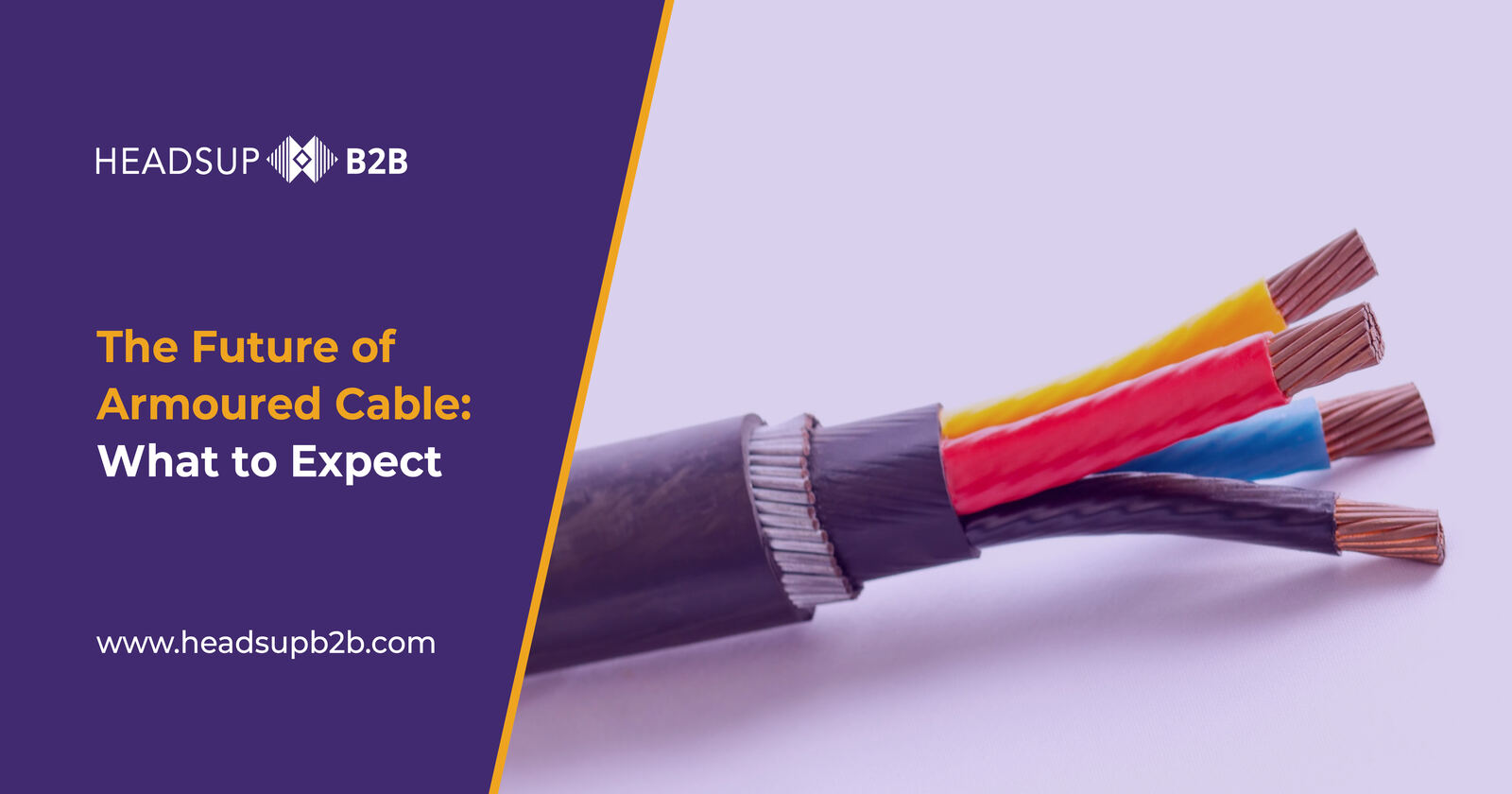
    Armoured cables contain an extra layer of metal or material for safeguarding against chemical corrosion or external mechanical forces. The layer can be made of steel tape or thin or thick steel wire. These cables are well suited for direct burial as they can be directly buried in the ground. They have a strong mechanical resistance when compared with ordinary cables. Armoured cables are vital for durability and flexibility due to their enhanced protection.

    Advanced Materials: Armoured Cables use materials like high-modulus synthetic fibre that reduces the weight by 30% compared to steel. These materials are corrosion-resistant which helps maintain the integrity of connectivity systems in harsh environments. The lightweight installation also helps ultra-deep installations of up to 3000 meters as the heavier cables limit the depth reach.

    Fire Resistance & Safety Standards: Fire-resistant cables maintain circuit integrity, safeguarding against high temperatures. They meet fire resistance requirements such as IEC 60331 and BS 6387 CWZ.

    Flame Retardant Properties: With self-extinguishing properties, these cables prevent the spread of fire to new areas with the help of specially formulated PVC.

    Flexible & Modular Designs: Flexible and modular cable designs are suited to various applications such as flexible cables used in industries that require the movement of power signals and data transmission.

    Smart & Digital Integration

    Armoured cables have smart and digital technologies, integrated into which the sensor-embedded cables are used for real-time monitoring. Other technological innovations include leveraging IoT & AI for predictive maintenance and automated troubleshooting. The use of technologies such as RFID tagging makes tracking and inventory management easy.

    Key benefits of armoured cables are:

    • High Flexibility: Designed to flex and move, outperforming conventional wiring in dynamic applications

    • Superior Heat Dissipation: Compact design and larger surface-to-volume ratio allow shorter thermal paths

    • Lightweight & Low Profile: Thin design resolves complex design challenges and reduces weight compared to traditional cables

    • Durability: Can withstand up to 5 million flexes without failure, especially in designs with moving parts

    • Foldable: Can be folded for easier routing in limited spaces

    • Multiple Termination Options: Can be attached through hot bar soldering, through-hole soldering, or various connectors

    These are three types of armoured cables available:

    • Flat flex cables

    • Chainflex

    • Flexible Flat Cables (FFC)

    Sustainability & Eco-Friendly Innovations

    The cable industry is based on sustainability and eco-friendly innovations that meet evolving regulatory requirements. The use of eco-friendly materials such as bio-based materials such as partially bio-based PVC compounds reduces carbon footprints. For instance, low-Smoke Zero-Halogen (LSZH) Cables for Reduced Toxicity.

    Conclusion

    Armoured cables are evolving with the integration of advanced materials that are sustainable and environmentally friendly. Fire-resistant properties along with smart technologies meet modern demands. These cables are vital for industries requiring high-performance activity. Armoured cables are evolving with the integration of advanced materials that are sustainable and environmentally friendly. Fire-resistant properties along with smart technologies meet modern demands. Armoured cables including Flat flex cables, Chainflex and Flexible Flat Cables (FFC) are vital for industries requiring high-performance activity. Headsup B2B is the one-stop solution for all high-quality armoured cables. Contact us today for all your wires and cables needs including armoured cables.

  • Steel Hangar Doors focusing on Durability and Security

    Steel Hangar Doors focusing on Durability and Security

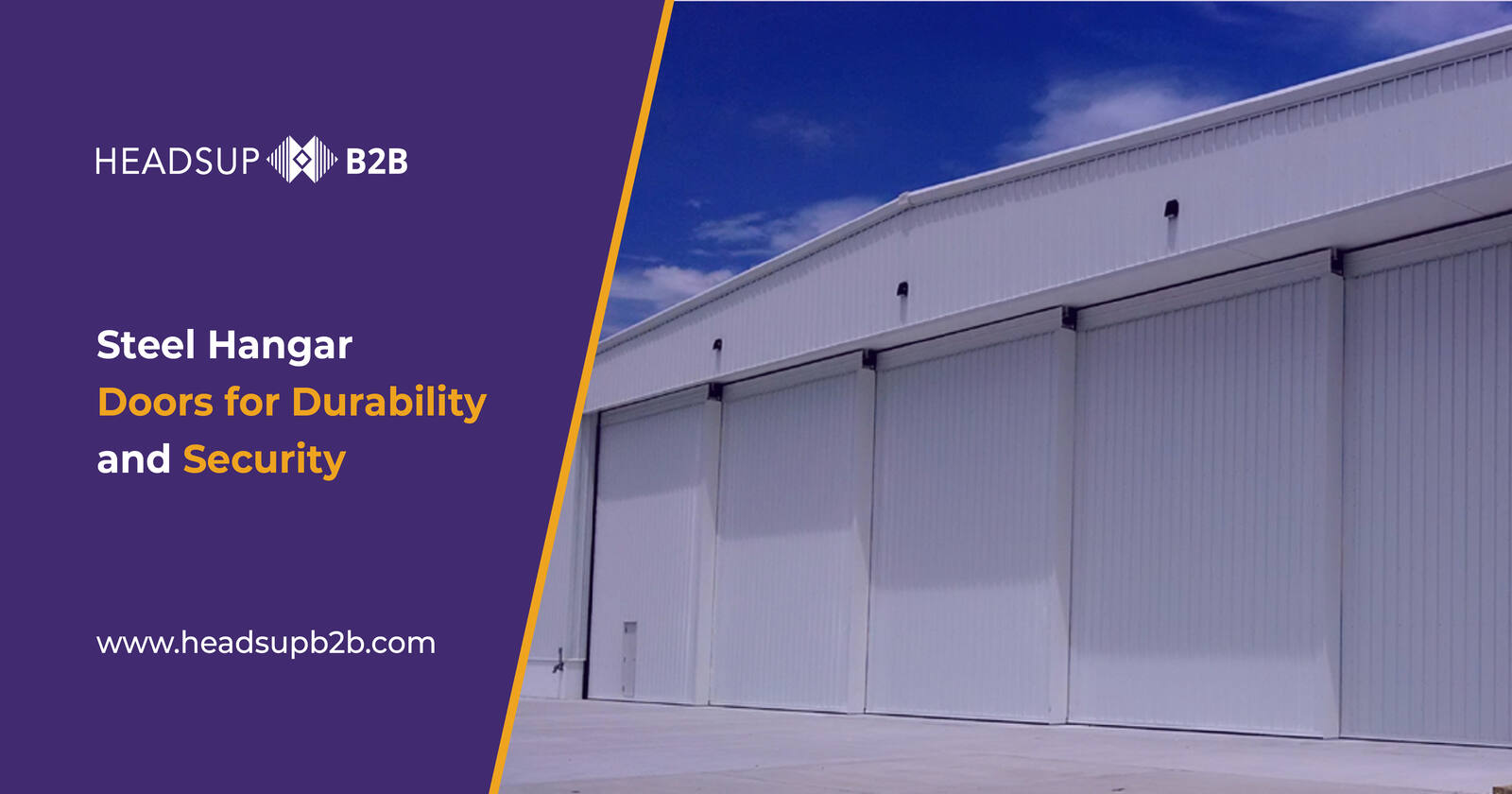
    Steel Hangar doors are important in industrial applications, aviation and the military. They are crucial for safety, operational efficiency and security. Hangar doors are designed for tough environmental conditions, providing safe access to aircraft storage and large warehouse storage facilities. Apart from these applications, it is vital to various military applications due to their ability to quickly open and close. This feature enables a rapid deployment of the forces during missions requiring a Quick Response Time.

    Durability Features

    Due to the robustness of steel, they can withstand extreme winds, rainfall and temperature, protecting, aircraft and equipment in challenging environments. The galvanised coating of the steel has an anti-corrosion feature that protects in harsh environments. Anti-corrosive properties and the robustness of the steel help in improving the durability of the doors, in similar environments. The durability of the materials and coatings of the steel hangar doors makes them resistant to corrosion, making the maintenance and upkeep of these doors cost-efficient.

    Security Benefits

    The robustness of Steel Hangar doors makes them inaccessible to unauthorised access making them safe and secure in large industrial environments, the military and the aviation sector. Doors have panels with locking mechanisms, supporting the security.

    Customization Options

    Some of the most commonly used Steel Hangar doors include Sliding Hangar Doors and Bi-Focal Hangar doors. The different types of steel hangar doors include:

    Types of Steel Hangar Doors

    Sliding Hangar Doors:

    • These types of doors are recommended where headroom is limited and side clearances are permitted.

    • These can be unidirectional or bi-parting. They are ‘bottom rolling’, which means their weight is carried by a bottom rail, not the building structure.

    Bi-Folding Hangar Doors:

    • Bii-parting options are mentioned in the context of sliding doors, suggesting doors that divide into two sections.

    • These doors provide customization options that are available for insulation, noise reduction, and smart automation.

    Energy Efficiency & Sustainability

    The steel of the doors has an insulated core, which provides a thermal barrier preventing the energy leak. It makes the doors energy efficient. These energy-efficient doors minimise energy leaks by reducing the heat transfer from the interior to the exterior. While homes lose about 20% of their energy from doors and windows, these energy-efficient doors help save the remaining energy. Steel is a highly recyclable material making steel doors fit for being repurposed at the end of their life cycle.

    Conclusion

    Steel Hangar doors are designed to sustain harsh environments. They provide durability, security and customization. Their features make them suitable for demanding environments. High-quality steel hangar doors from trusted manufacturers ensure long-term efficiency ensuring operational efficiency. The top brands in Steel Hangar doors include Gandhi Automation and Avians India. Headsup B2B is your one-stop destination for all industrial solutions including steel hangar doors. To source from trusted manufacturers with high credibility, contact Headsup B2B today.

  • Solar DC Cables: Choosing the Right Cables for Efficient Solar Power Transmission

    Solar DC Cables: Choosing the Right Cables for Efficient Solar Power Transmission

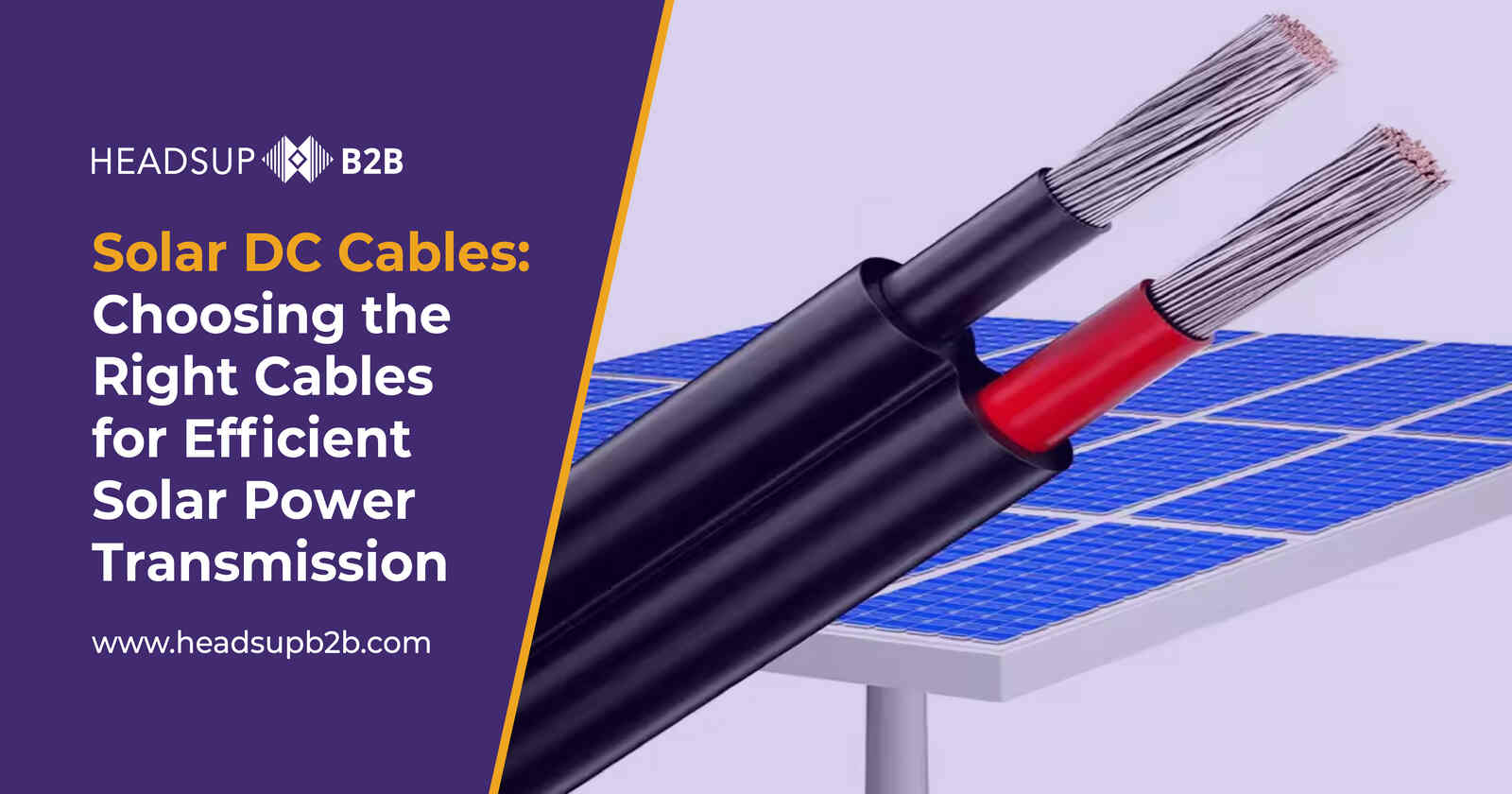
    Solar DC cables facilitate the transfer of direct current electricity, generated by solar panels to inverters and other components. These cables are robustly designed to withstand harsh environmental conditions including UV radiation, extreme temperatures and moisture.

    Solar DC cables are single-core copper cables, that are insulated, sheathed and constructed with high-quality copper providing optimum conductivity and durability.

    These cables differ from AC cables in that they include an oscillating current to transmit power over long distances, as opposed to DC cables designed for a steady, unidirectional flow of electrons. The electricity flows in one direction without changing polarity. In terms of voltage, DC cables operate at low voltage, while AC cables operate at high voltage levels.

    The installation of both types of cables is different due to the design, construction and usage. DC cables connect solar panels to inverters and among the panels, carry direct current. Installations are done in series and parallel on the solar panel side. AC cables connect inverters to solar grids or household- electrical systems. They facilitate the distribution of the converted current. The main materials used in the design of Solar DC cables are copper and aluminium. Copper has excellent conductivity, flexibility durability and thermal performance. On the other hand, aluminium is cost-effective and lightweight.

    Key Factors to Consider When Choosing Solar DC Cables

    Selecting the right kind of DC cables is vital for minimising energy consumption and at the same time ensuring the efficiency of the photovoltaic systems.

    Current Rating – Using rated cables reduces overheating reducing the chances of fire hazards. Efficient power transmission dictates the ability to carry electrical current without excessive resistance. They help with voltage drop management, standard compliance and system longevity. Factors that decide the current rating selection include cable size, ambient temperature and installation requirements.

    Voltage Rating – Higher voltage ratings are vital for safety assurance, prevention of equipment damage, following compliances and maintaining system performance.

    Cable Insulation and Jacket Materials: the insulation of cables and jacket materials ensures the performance, longevity and safety of solar energy systems. The insulation used is XLPE insulation which operates in the temperature range of -40°C to +90°C.

    Types of Solar DC Cables

    • Single-Core vs. Multi-Core Cables – Single-core cables have a single conductor while multi-core have multiple conductors within a single sheathing, used to transmit low voltage power signal, as opposed to high voltage power signal transmission.

    • PV1-F Cables – These cables provide connections between solar panels and other components. The voltage rating for the same is 0.6/1 kV AC and up to 1.8 kV DC. In PVF-1 cables, the materials that are used are copper and aluminium, providing anti-corrosion properties and ensuring optimum conductivity.

    • Cable Certifications and Standards – Various compliance standards such as BIS, NEC and UL certifications ensure the safety, efficiency and trust in renewable energy resources.
    • MC4 Connector Cables – MC4 Connector cables are designed with a simple plug and socket mechanism ensuring connections between other components such as inverters and solar panels.

    Benefits of Solar DC Cables

    Efficiency: Solar DC Cables are constructed to reduce heat loss ensuring that the cell operates with optimum performance producing consistent energy over time.

    Durability & Longevity These cables are constructed to minimize resistance leading to heat loss, producing more electricity over time.

    Safety: DC cables are flame-resistant and minimise smoke propagation in case of fire. This feature enhances overall safety in solar installations. These cables are more flexible than typical DC cables as they can route around obstacles. It makes them helpful in different installation conditions. These cables can be used in various settings, including large commercial solar farms.

    Flexibility and Installation: The flexibility of these cables makes it easier for them to get installed. These cables can be used in different commercial settings making them versatile for various energy systems.

    Conclusion

    Solar DC cables are crucial in ensuring efficient and safe power transmission in photovoltaic systems. Their durability, flexibility, and compliance with safety standards make them ideal for various solar applications.

    Selecting the right cables enhances system performance, minimizes energy loss, and ensures long-term reliability. With proper installation and quality materials, these cables contribute to the seamless operation of solar energy systems. Headsup B2B is your one-stop solution for all your wires and cables needs. Contact us today to find the right solar DC cable for all your solar power needs.

  • Beams and Columns in Construction

    Beams and Columns in Construction

    Have you ever wondered why skyscrapers don’t just crumble under their weight? The answer lies in two secret elements – Beams & Columns.

    Beams are horizontal elements that carry vertical loads of structures, perpendicular to their length. They are responsible for transferring loads from roofs, ceilings and floors to columns that provide vertical support. It’s like a table, in which the legs support and distribute the weight of the surface onto the floor.

    Role in supporting loads and ensuring stability

    Beams and Columns work efficiently and together to distribute and support the load of a structure just as team members come together to achieve the goals of an organisation.

    Highlight the importance of understanding their functions for architects, engineers, and builders.

    From ensuring structural integrity to aesthetic integration by the architects, the knowledge of beams and columns is vital to all aspects of making credible and safe structures. Understanding the roles of beams and columns determines a structure’s reliability and durability. The insights ensure that the potential issues related to environmental risks are highlighted. Engineers must design keeping these factors into consideration. All the stakeholders in a building construction including engineers, architects and builders need to collaborate to build a robust structure that is aesthetically appealing and safe in terms of long-term durability.

    All you need to know about Beams and Columns

    Beams are horizontal structural elements with the primary function being withstanding vertical loads, shear forces and bending moments, transferring these loads to columns, walls and foundations. When a load is applied to a beam, it experiences bending that generates internal stresses—compression on one side and tension on the other. The bending moment is vital to the design of the beam.

    Columns are vertical elements that bear loads from walls, ceilings and floors and transfer them to the foundation. These structural elements transmit the loads down to the foundation.

    Beams and Columns come together like a team. Just as bones support a human body to stay upright, and muscles distribute weight, keeping everything balanced and secure; in the same way, columns keep the structure tall and supported and beams handle the load distribution in the building, keeping everything balanced and in place.

    Interdependence of beams and columns in construction.

    Functions and Importance in Structural Design

    Beams and Columns ensure the credibility and reliability of a structure. As integral components of structures, these are some of the main functions of beams and columns:

    Columns:

    • Distribute loads from floors, roofs, and walls to columns.

    • Provide structural integrity by preventing excessive deflection.

    • Used in different materials like steel, concrete, and wood, depending on application.

    Beams:

    • Carry the compressive load from beams and slabs to the foundation.

    • Ensure vertical stability and resistance against buckling.

    • Designed based on load-bearing requirements and building height.

    Types of Beams and Columns

    Beams:

    • Simply Supported Beam – Supported at both ends.

    • Cantilever Beam – Fixed at one end, free at the other.

    • Continuous Beam – Extends over multiple supports.

    • Fixed Beam – Restrained at both ends, reducing deflection.

    Columns:

    • Tied Column – Reinforced with lateral ties, commonly used in concrete structures.

    • Spiral Column – Reinforced with spiral reinforcement for added strength.

    • Composite Column – Combines materials like concrete and steel for enhanced load-bearing capacity.

    • Steel Column – Used in high-rise buildings for greater strength and flexibility.

    Beams and columns play a vital role in supporting the structural stability of a building. The proper design of

    • Summarize the importance of beams and columns in structural stability.

    • Emphasize how their proper design ensures durability and safety.

    • Conclude by highlighting their role in modern construction and engineering advancements.

    Be it Cantilever Beams or Spiral Columns, HeadsUp B2B is your one-stop solution for all your beams and columns needs. At HeadsUp B2B, we ensure the coordination of your projects. With expert knowledge of structural elements like beams and columns, we help you build safe, reliable, and durable structures. Contact us today to simplify your procurement and ensure the success of your next project.

  • Generating 1 GW of Solar Power: A Roadmap to Successful Solar Projects

    Generating 1 GW of Solar Power: A Roadmap to Successful Solar Projects

    Imagine a world that runs on clean energy, powering millions of households and commercial setups and healing the planet by combating climate change. How do we ensure this happens? How does 1 GW of solar power generation establishment sound? Developing such a large-scale solar project requires strategic planning, innovation, and collaboration.

    The Importance of Scaling Solar Power

    1 GW of solar power has the transformative potential of not only lighting homes with clean energy but also proceeding towards reducing greenhouse gas emissions. 1 GW of solar power converts to one billion joules of energy per second. This enormous amount of energy can power 75,000 homes and reduce greenhouse emissions by 2 million metric tons. It is vital to scale up solar power to 1 GW to achieve the sustainable development goals, equivalent to removing approximately 435,000 cars from the road for a year.

    7 Key Steps : Guide Developing a 1 GW Solar Project

    1. Site Selection

    When developing a solar project, site selection sets the foundation for success. The site selection needs careful consideration of multiple factors such as solar radiation, availability of sunlight, availability of land, and the outcome of the Environmental Impact Assessment (EIA). With ample sunlight availability, sufficient land is needed to set up a 1 GW solar power project. For setting up a plant for generating 1 GW of power, about 3,000 acres of land is needed.

    2. Feasibility Studies

    A feasibility study of various locations for solar energy generation potential includes studying solar radiation, calculating the levelized cost of energy, and evaluating the long-term project viability.

    3. Securing Permits and Approvals

    Before setting up any solar power projects in India, it is mandatory to get the required approval from DISCOM and ensure that land use approvals have been obtained. ISO certification assures the quality of service.

    4. Technology

    Technology plays an important role, and choosing the right photovoltaic panel depends on the cost and efficiency. For 1 GW of solar energy, 3.125 million panels may be required to be installed if one panel is a standard 320 watts.

    5. Financing the Project

    For financing a solar power project, it is vital to outline funding strategies such as equity, government subsidies, green bonds, and Power Purchase Agreements (PPAs). The cost of a 1MW solar power plant in India is Rs 4–5 crores, including the costs of solar panels, solar inverters, combiners & junction boxes, protective gear arrangements, SCADA & data logger systems, land banks, and the cost of erection systems.

    6. Project Execution

    The importance of efficient logistics cannot be emphasised adequately. From sourcing the right materials to installation, commissioning, and post-commissioning maintenance support, every phase depends on timely and successful project execution. An efficient execution requires a seamless end-to-end process and streamlined, real-time monitoring followed by rigorous post-installation testing.

    7. Grid Integration and Maintenance

    Integrating solar power into the electrical grid is a multifaceted process that includes assessment of grid capacities, installation of suitable inverter technologies, adoption of power electronics, utilization of smart meters, incorporation of energy storage solutions, and securing necessary permits, which is followed by maintenance considerations such as regular inspections, performance monitoring, upgrades and retrofitting, and grid resilience planning to ensure safety from harsh weather conditions and other emergencies.

    The Bottom Line

    Developing 1 GW of solar power projects is a challenging yet rewarding endeavour. With innovation and collaboration, solar energy can fuel sustainable growth. Solar power costs 18% less than coal-fired electricity and stands at ₹4.34 per kWh, proving to be a viable alternative that is cost-efficient and sustainable.

    Solar power is the future of energy. Power the future with 1 GW of solar energy—sustainability starts with smart execution. Partner with Headsup B2B for seamless procurement and coordination in your solar projects, ensuring reliable, efficient, and scalable solutions for a cleaner tomorrow.

  • What It Takes to Build a Warehouse: Headsup B2B Has It All

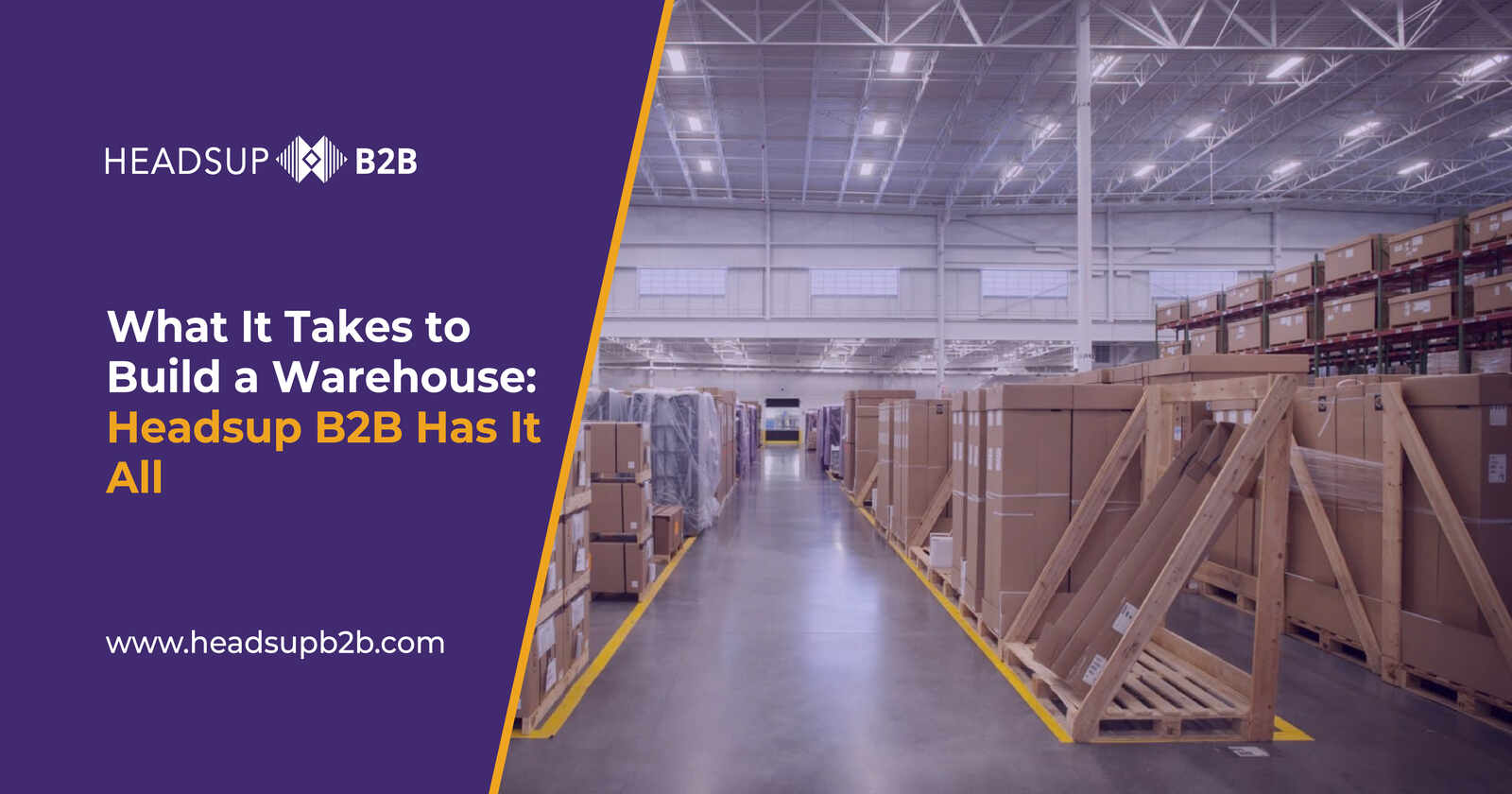
    What It Takes to Build a Warehouse: Headsup B2B Has It All

    Warehouse construction has become vital to the supply chain across all industries. The evolution of the e-commerce industry and industrial expansion has transformed from traditional warehouses to modern and smart hubs. With the same, the global warehousing market is projected to reach USD 36 trillion by 2026. With a CAGR of 9.3%, the Asia Pacific region is expected to display the highest growth. From site preparation to material procurement, warehouse construction requires strategic planning and effective implementation.

    The entire construction process requires a streamlined and collaborative end-to-end fulfilment approach. Headsup B2B is a reliable partner that will enable the timely and successful accomplishment of all your construction projects by streamlining all the processes with its exhaustive repository of pre-vetted, reputed suppliers.

    The Essentials of Building a Warehouse

    For warehouse construction, site selection is one of the vital factors affecting the success of the project – requiring careful consideration of factors such as physical proximity with suppliers and vendors and safety from local environmental hazards such as floods or other natural disasters.

    In addition to location, accessibility is another significant aspect. Connectivity with different modes of transport, such as roads and railways, must be robust to ensure the movement of goods and personnel. Accessibility to public transport makes it easier for the employees to commute easily.

    To ensure legal adherence, compliance with zoning regulations, such as restrictions on the size or type of the buildings, and complying with local zoning laws is an important consideration. It is also important to factor in, the special permits required for building a warehouse in that particular location.

    Building Smarter Warehouses

    Beyond compliance, efficient workflow optimisation is also vital to the project’s success. A streamlined traffic flow prevents bottlenecks. Designing an efficient warehouse layout is essential for optimising workflows, storage capacity, and logistics operations. Traffic flow management helps prevent bottlenecks and clear pathways for goods transportation and the workforce to commute without hassle.

    Picking strategies, such as Vertical Storage Solutions, Dynamic Slotting, Flow Racks, and Pallet Systems, are also integral to maximising storage and optimizing the picking process. These strategies help optimize space usage in the warehouse and ensure that items can be retrieved quickly and efficiently, enhancing overall productivity.

    In addition to layout and picking strategies, the materials used to build the warehouse play a significant role. High-quality material ensures structural durability, energy efficiency and long-term cost efficiency. Warehouse construction materials such as structural steel, concrete, HVAC systems, and racking systems must be carefully selected to ensure durability and functionality.

    Challenges in Warehouse Construction

    Rising material costs and stringent deadlines lead to challenges in warehouse construction. The procurement process slows down or becomes complicated due to the need to source multiple materials. To address these challenges and to ensure quality and timely delivery, effective project management and streamlined communication are essential.

    Energy efficiency in warehouse construction

    With sustainability and energy efficiency at the forefront, the warehouse construction industry is rapidly evolving. The use of green technology and an optimized HVAC system has become a standard. At Headsup B2B, we enable the implementation of the latest trends in warehouse construction.

    The Importance of Post-Construction Support

    Once your warehouse is constructed, we ensure ongoing support for its longevity and operational efficiency. At Headsup B2B, we don’t just stop at construction, we also provide post-construction support to keep your warehouse functioning smoothly.

    We offer solutions that ensure that your warehouse is at the forefront of technological advancements and in tune with today’s evolving industry standards, enabling seamless operations and future growth.

    Headsup B2B as your procurement and fulfilment partner

    Headsup B2B is your procurement and fulfilment partner for all your warehouse construction needs. Constructing a warehouse requires careful planning and efficient execution, and with us as your partners, you gain access to a streamlined process, seamless coordination and customized solutions.

    Whether you are sourcing structural steel or racking solutions, Headsup B2B ensures that each product meets the highest standards of quality and efficiency. Our company’s customized solutions are designed to meet your specific needs, to ensure that your warehouse is built with a vision to support your business for a long time.

    Your Vision is Our Goal

    Our team works closely with you to understand your vision, and we offer flexibility in adapting to your requirements. Headsup B2B’s coordination and communication, you can be assured that your warehouse construction will stay on track, saving time and reducing costs. Be it sourcing sustainable materials or helping implement automated solutions, we help you meet your project needs as this one-stop destination.

    We manage your project seamlessly from start to finish and ensure project success with efficiency and precision. Contact Headsup B2B today to start your warehouse construction project and benefit from our customized and expert solutions.