Author: suraj

  • Building Faster, Smarter – How Prefab, Modular Design & Smart Materials Are Changing Construction

    Building Faster, Smarter – How Prefab, Modular Design & Smart Materials Are Changing Construction

    Imagine a world where a 57-story building is constructed in 19 days and a house is built in a day. This is not fiction but an achievable feat, exemplified by the J57 building constructed by the BOARD group in China and a Zatpat house built by a 78-year-old man in Maharashtra. Following suit, 150 industrial training institutes were transformed to make them modern within six months under the Karnataka government’s initiative; all of it was made possible through prefabrication and modular construction.

    Prefabrication and modular construction are quick construction methods. In this novel method, the building components are manufactured in a factory setting and assembled at the site. These methods reduce construction time significantly, ensure quality control, and create adaptable structures suited for changing needs or future upgrades.

    1. Speed

    Prefab and modular construction methods make building a structure considerably faster than traditional methods. The components are manufactured off-site along with site preparation, reducing the timeline by 30-60%. The assembly requires fewer skilled labourers, which reduces labour shortage issues. BOARD group’s well-known J57 building utilized tunnel form construction significantly faster than traditional methods. The prefab form creates continuous concrete structures, allowing for the efficient casting of walls and slabs in single operations. The casting, curing, and assembly process takes up to 24 hours. The tunnel form construction method combines both prefabricated and traditional techniques.

    • Rapid Construction Cycle: Tunnel form construction is The 24-hour construction cycle in tunnel form construction is significantly faster than traditional methods. Incorporating casting, curing, and assembly, casting takes up to 24 hours to be completed.

    2. Waste Reduction

    • Minimal Waste Generation: Tunnel-form construction optimizes material usage and reduces waste, ensuring efficient resource utilization.

    3. Community Disruption

    • Reduced On-Site Disruption: Tunnel-form construction minimizes disruption in surrounding areas due to less on-site construction activities and quicker project completion.

    4. Sustainability

    • Energy Efficiency of the J57 building constructed in China:

    • High-Performance Insulation: 20-cm thick thermal insulation minimizes heat loss and heat gain.

    • Energy-Efficient Windows: Four-paned, super white glass windows are in place for energy-efficient windows.

    • The provision of optimized ventilation improves the air quality, which reduces energy consumption and improves ventilation.

    • The integrated cooling, and heating power system decreases the reliance on traditional sources of energy, ultimately contributing to low carbon emissions, which is directly linked to Sustainable Development Goal – 13.

    • 3D printing is a cutting-edge technology, leading to enhanced customization options to suit architectural needs.

    5. Cost Efficiency

    • Factory-Controlled Quality: Ensures consistent quality, reduces rework and boosts cost saving.

    • Rapid Construction Timeline: Faster timelines reduce manpower costs.

    • Reduced On-Site Labor: Prefabricated modules require less on-site labour, lowering expenses.

    • Optimized Material Usage: Precise manufacturing techniques reduce waste.

    • Controlled Environmental Conditions: Factory production mitigates weather-related delays and maintains material quality.

    • Optimized material usage minimizes excess material and waste disposal costs, and a controlled environment leads to fewer weather-related interruptions and maintains material quality, leading to cost savings.

    • Reduced Risk of Delays: Factory-based production avoids weather disruptions and supply chain issues.

    Way forward

    Emerging technologies such as Light Gauge Steel Frame (LGSF), panel structures, pre-engineered buildings, and 3D printing are shaping the future of prefabrication and modular construction. These innovations align with sustainability goals through controlled manufacturing processes. The processes minimize waste, utilize recyclable materials, and incorporate eco-friendly features like advanced insulation.

    Conclusion

    Prefab and modular construction represent a transformative trend in the construction industry. With its ability to save time, ensure quality, enhance sustainability, and reduce costs, this method enables quicker project turnarounds, fostering better capital efficiency. As construction companies pivot toward these practices, the industry is poised for a smarter, faster, and greener future.
  • Fire Resistant Shutters: Protecting Your Business Assets

    Fire Resistant Shutters: Protecting Your Business Assets

    Industrial safety has become prominent, and to ensure the same products, ensuring optimum safety has been put into place. Premises such as warehouses, malls, and parking lots are provided with the much-needed safety protocol in place. To decrease the risk of damage caused by hazards stemming from fire, fire-rated shutters were introduced.

    What Are Fire-Rated Shutters?

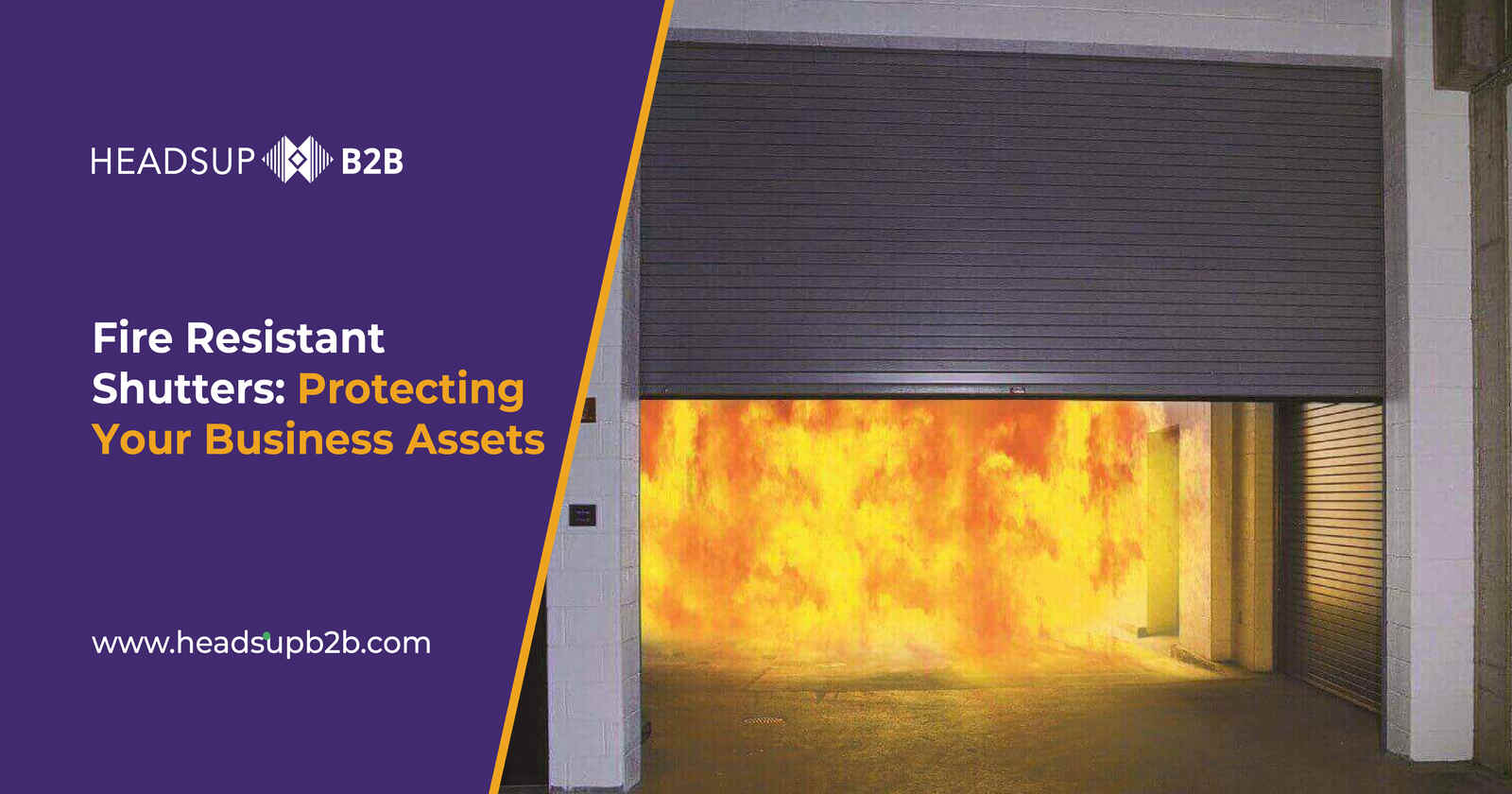
    These shutters buy time, and in a bid to do the same, the time-lapse that is provided by these rated shutters ranges between 30 minutes to 4 hours in case of fire hazard, owing to the flame-resistant property of the manufacturing material used, i.e. stainless steel. Fire-rated shutters withstand temperatures ranging between 900°C to 1,100°C, and they perform their primary function by slowing down the spread of fire by acting as protective barriers. Highly resistant to flame and strong by design, they are used commonly in industrial spaces.

    Key Benefits of Fire-Rated Shutters

    Fire-rated shutters have multiple benefits for businesses. Some of the benefits include

    • Compliance with Safety Regulations: These shutters help businesses meet fire safety codes.

    • Durability & Strength: They are made from high-grade materials that enhance protection.

    • Fire Protection: It can contain fires and reduce property damage.

    • Automatic Activation: Many models integrate with fire alarm systems for instant closure.

    • Minimal Maintenance: They are designed for long-term reliability and require minimal maintenance.

    Choosing the Right Fire-Rated Shutter

    The choice of fire-rated shutters depends on the degree of risk and resistance ratings. The different factors that need to be considered are –

    • Fire resistance ratings (30 minutes to 4 hours)

    • Certifications (UL, BS, or NFPA)

    • Material quality

    • Automation features

    Buy Now Fire Rated Shutters

    Conclusion

    Fire-rated shutters are critical for establishing minimal-risk commercial settings. High-quality fire-rated shutters play an important role in ensuring the same. Headsup B2B is a one-stop solution for industrial solutions. Protect your business today—explore our range of fire-rated shutters for maximum security.

  • Understanding the Different Types of Switchgear

    Understanding the Different Types of Switchgear

    It is widely known that Power systems function efficiently with the help of smooth electrical flow. Many devices and equipment play an important role in ensuring that one of those devices is known as Switchgear. This device comes in different voltage capacity variants. It comprises a range of components that are essential for the smooth functioning of premises requiring the power supply.

    Catering to all types of power requirements, low, medium or high voltage, these power systems are susceptible to electrical damage due to the flow of electricity. To safeguard these systems from breakdown or damage, electrical devices with a collection of components are required. Switchgear is one such component with various functionalities ensuring the efficient and safe working of these systems, be it small residential settings or bigger power plants.

    The major functions of switchgear include controlling, protecting, and isolating electrical equipment. This device is a fail-safe, catering to protection, control and isolation functions. This electrical device finds use in various settings such as power generation plants, sub-stations, industrial settings, commercial buildings, railways, transport networks and data centres.

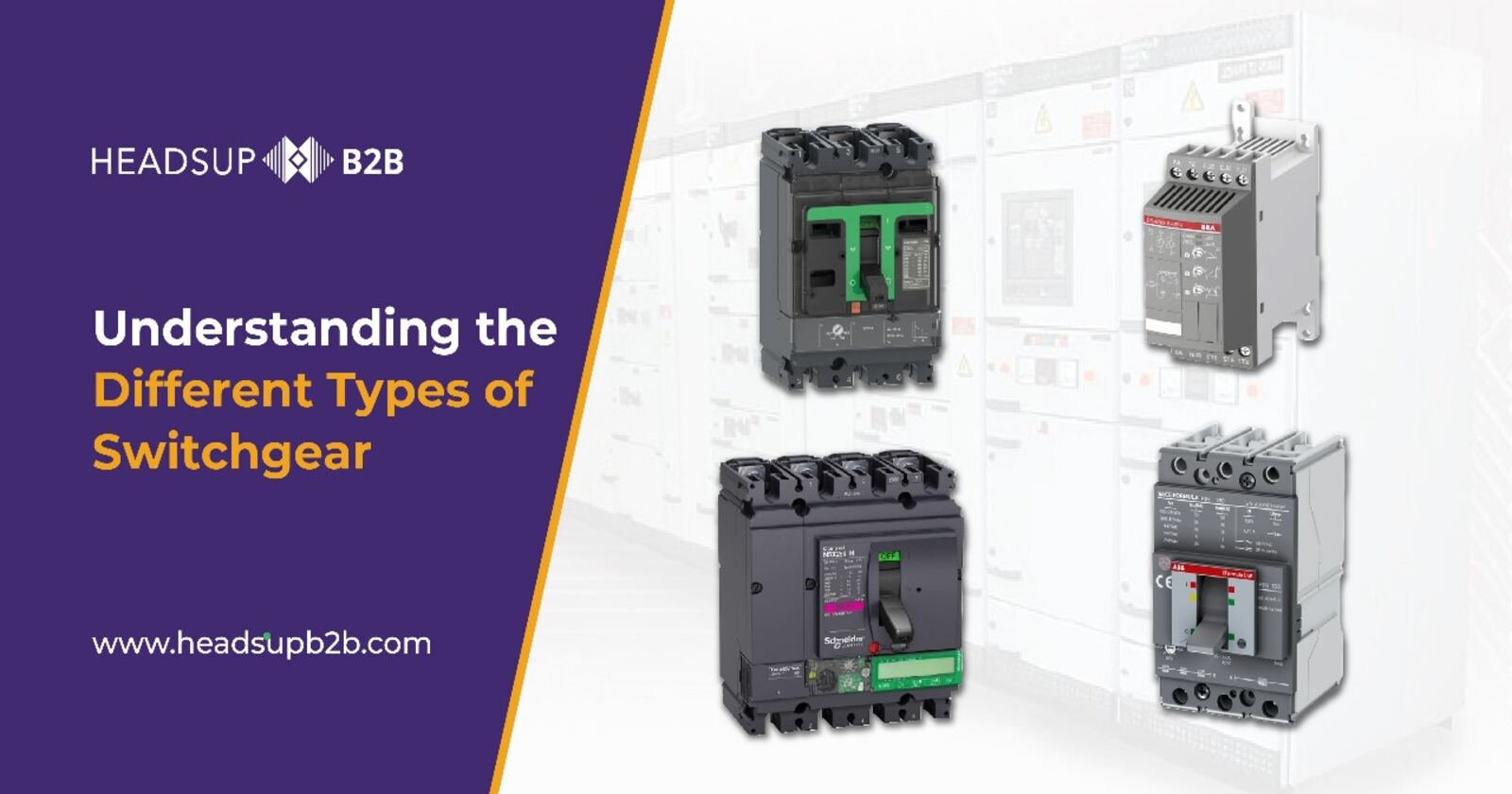
    Different types of switchgear cater to a range of applications and require certain types of voltages.

    Low Voltage Switchgear

    Low voltage switchgear is used in various settings that require a low voltage power system. It includes residential, commercial and light industrial applications. Low voltage switch gears are used for voltages up to 1000 V. These types prevent overloads and short circuits in residential buildings and factories.

    Medium Voltage Switchgear

    Medium voltage switchgear is used for voltages from 1 kV to 36 kV. The applications that use medium voltage switchgear are utilities, industrial plants and substations. They can handle applications with higher voltage requirements when compared with low-voltage switchgear.

    High Voltage Switchgear

    High Voltage Switchgear are used in applications that require high voltage capacity. It is used for applications requiring voltages higher than 36 kV. They are used for large power transmission across long distances and prevent faults in long-range transmission while maintaining grid stability.

    Differences:

    Feature Low Voltage (LV) Switchgear Medium Voltage (MV) Switchgear High Voltage (HV) Switchgear
    Voltage Range Up to 1,000V (1kV) 1kV to 36kV Above 36kV
    Applications Residential, commercial, small industrial facilities Industrial plants, commercial complexes, regional power distribution Power transmission networks, substations, power plants
    Main Purpose Circuit protection, control, and distribution Reliable distribution & protection against overloads and short circuits Preventing faults in long-distance transmission and ensuring grid stability
    Components Circuit breakers, fuses, contactors, relays Vacuum circuit breakers, gas-insulated switchgear, protection relays SF6 or oil circuit breakers, gas-insulated switchgear, disconnectors
    Insulation & Safety Air insulation, compact design Uses air, vacuum, or gas insulation Uses SF6 gas or oil insulation to handle high voltages safely
    Fault Handling Simple protection, local fault clearance Handles moderate faults, used for regional grids Handles large-scale faults, isolates sections to prevent grid failures
    Maintenance Low maintenance, easy to handle Moderate maintenance, requires skilled personnel High maintenance, requires specialized equipment and expertise

    Conclusion

    Switchgear is an integral part of power systems, primarily responsible for safe and efficient power transmission. Be it low voltage power transmission for residential or commercial settings or high voltage transmissions of power plants, Headsup B2B offers high quality switchgear. Contact us to explore.

  • Top 10 Steel Hangar Door Manufacturers Company in India

    Top 10 Steel Hangar Door Manufacturers Company in India

    The rising demand for steel hangar doors has witnessed an upward curve due to steel’s excellent quality, durability and strength. The market is witnessing a strong growth, with the shipyard segment projected to reach $2.2 billion by 2030 at a 9.5% CAGR, mirroring trends in the $95 billion aircraft sector. This upward curve shows the increase in demand for High-quality steel hangar doors catering to various industries – from defense to aviation and commercial set-ups.

    Steel’s being structurally strong with high anti-corrosive properties deems it an excellent choice for steel hangar doors. High-paced automation, technological progress and the need for energy efficiency has vast domestic and international markets for Steel Hangar doors.

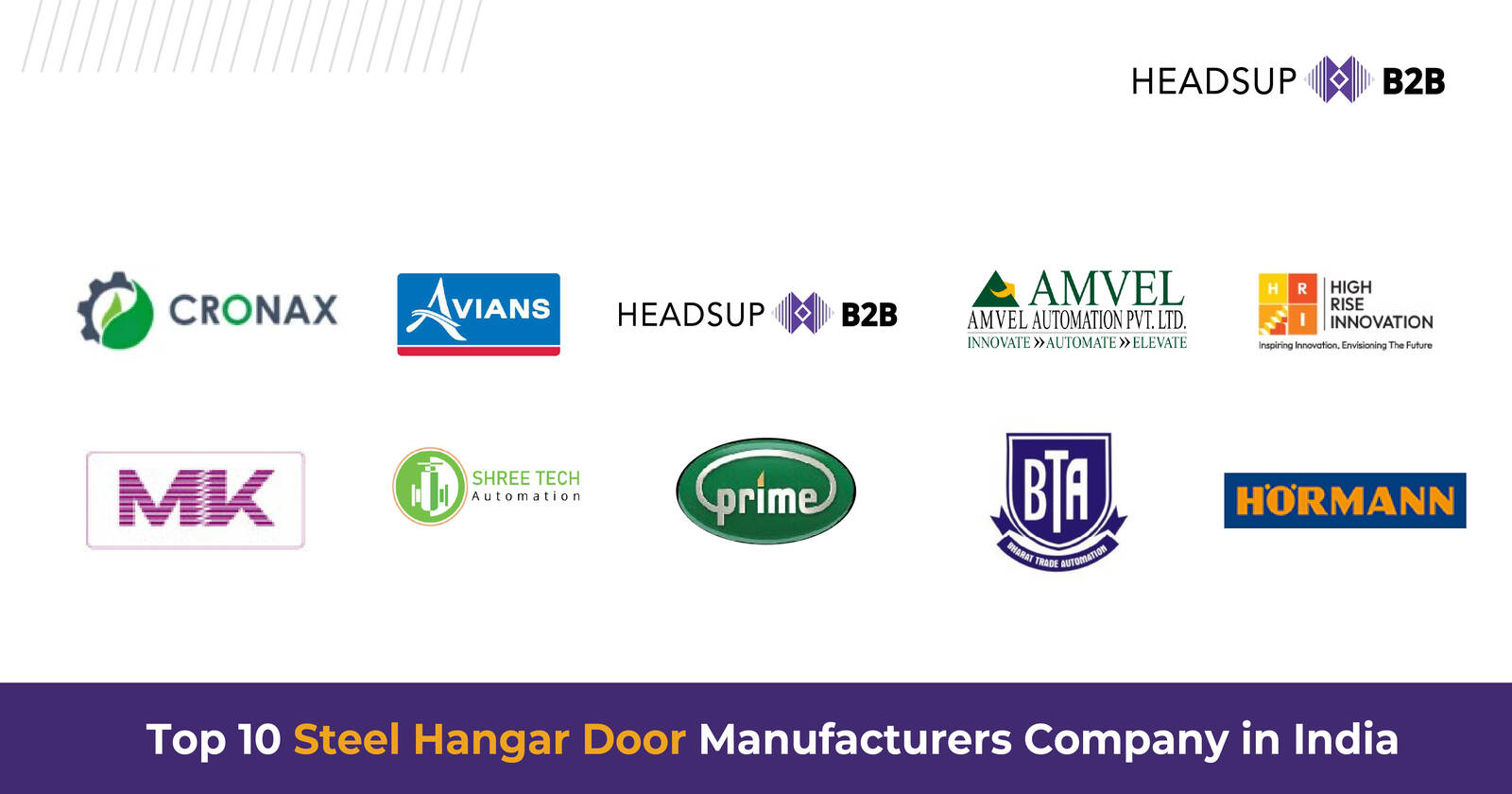
    1. Cronax Industries

    A leading company in Automation products, Cronax Industries was established in 2013. It deals with custom hangar doors that deliver to unique business needs – be it military, commercial or industrial setting. With about 12 years of industry experience, the company is a leading hangar door company specializing in custom hangar door systems that cater to unique customer needs. The company is a prominent steel hangar door manufacturer in India, with its headquarters in Faridabad. The company focuses on functionality and aesthetics, ensuring doors that meet specifications without compromising visual appeal.

    2. Avians India

    Avians India was founded in 1982 and is headquartered in Pune. The company is known for its credibility in automation products, and it is one of the highest-quality steel hangar doors. The company started with a small manufacturing development center & a handful of technicians & engineers. It specialises in custom-designed hangar door systems.

    3. Headsup B2B

    Headsup B2B is headquartered in Hauz Khas, Delhi, and it was established in 2022. Apart from industrial solutions, including custom-made steel hangar doors, the company is a leader in a range of B2B products. Headsup B2B specializes in end-to-end fulfilment, from sourcing to delivery and post-delivery customer support.

    4. Amvel Automation

    Based in Chennai, Amvel Automation offers premium hangar doors designed for aircraft hangars, airports, and industrial sectors. Their doors are customizable, built with high-grade materials, and equipped with advanced motorized systems for smooth operation and enhanced safety.

    5. High Rise Innovation

    With over a decade of expertise, High Rise Innovation provides meticulously crafted hangar doors tailored to meet diverse industrial demands. Their range includes various options, ensuring clients find the ideal fit for their requirements.

    6. M. K. & Company

    Offering 13 years of rich experience in steel hangar door manufacturing, M. K. & Company is headquartered in Mumbai. The company is a high-credibility supplier of steel hangar doors, contributing to reliable steel hangar door options for commercial, industrial, military and aviation settings.

    7. Shree Tech Automation

    Shree Tech Automation was established in 2012. The company, being a top supplier, manufacturer, trader and exporter, is a leading steel hangar door manufacturer. It has been manufacturing high-quality custom doors for over 10 years and is headquartered in Vadodara, Gujarat.

    8. Prime Roofing Infrastructures & Projects Pvt. Ltd.

    The company is located in Thrissur, and it is one of the leading manufacturer and suppliers of Steel Hangar doors. The company has over 8 years of rich experience in the industry, making it a leading manufacturer and supplier of high-quality steel hangar doors.

    9. Bharat Trade Automation

    Bharat Trade Automation is headquartered in Ghaziabad and is one of the leading steel hangar door manufacturers and suppliers in the country. It has over 7 years of customized solutions for industrial automation needs.

    10. Shakti Hormann Pvt. Ltd

    Shakti Hormann has a legacy of 25 years in Steel Hangar doors, with a record of selling over 100,000 across the country. The company has a state-of-the-art manufacturing facility with an area of approx. 67,000 sq. ft, ensuring precision engineering and high-quality custom-made steel hangar doors. Hormann, India has catered to industries like aviation, military, logistics and infrastructure.

    Steel Hangar doors are designed to sustain harsh environments. They provide durability, security and customization. Their features make them suitable for demanding environments. High-quality steel hangar doors from trusted manufacturers ensure long-term operational efficiency. The top brands in Steel Hangar doors include Cronax Industries, Avians India and Headsup B2B. With Headsup B2B’s credibility in end-to-end procurement and continuous post-delivery customer support, it is a sought-after one-stop solution for all industrial solutions products, including steel hangar doors. Contact Headsup B2B to know more.

  • 7 Key Components of a Successful 1 MW Solar Project

    7 Key Components of a Successful 1 MW Solar Project

    A 1 MW solar power project meets high energy demands and is a practical and scalable sustainable solution. This amount of solar power lights up about 2,500-3,000 solar panels, based on their wattage. These projects can power manufacturing units, cold storage & warehouses, malls & corporate buildings.

    Relevance of Site Selection

    For site selection, factors such as sunlight availability and the environmental impact assessment are important. About 4-5 acres of sunlight is required for a 1 MW solar project.

    Feasibility Studies

    A feasibility study of various locations for solar energy generation potential includes studying solar radiation, calculating the levelized cost of energy, and evaluating the long-term project viability.

    Approvals

    Before setting up any solar power projects in India, it is mandatory to get the required approval from DISCOM and ensure that land use approvals have been obtained. ISO certification assures the quality of service.

    Technology Usage

    Technology plays an important role, and choosing the right photovoltaic panel depends on the cost and efficiency. To achieve 1 MW capacity, the number of panels required varies based on wattage

    Financing

    For financing a solar power project, it is vital to outline funding strategies such as equity, government subsidies, green bonds, and Power Purchase Agreements (PPAs). The cost of a 1MW solar power plant in India is Rs 4–5 crores, including the cost of solar panels, solar inverters and other vital components like combiners & junction boxes, and the cost of erection systems.

    Project Execution

    From sourcing the right materials to installation, commissioning and post-commissioning support, every phase depends on on-time project execution. End-to-end, successful project execution requires continuous monitoring and post execution follow up.

    Grid Integration and Maintenance

    Integrating solar power into the electrical grid is a multifaceted process that includes assessment of grid capacities, installation of suitable inverter technologies, adoption of power electronics, utilisation of smart meters, incorporation of energy storage solutions, and securing necessary permits, which is followed by maintenance considerations such as regular inspections, performance monitoring, upgrades and retrofitting, and grid resilience planning to ensure safety from harsh weather conditions and other emergencies.

    The Bottom Line

    Developing 1 MW of solar power projects is a challenging yet rewarding endeavour. With innovation and collaboration, solar energy can fuel sustainable growth. Solar power costs 18% less than coal-fired electricity and stands at ₹4.34 per kWh, proving to be a viable alternative that is cost-efficient and sustainable.

    Solar power is the future of energy. Power your project with a 1 MW solar energy project. Partner with Headsup B2B for seamless procurement, commissioning and post-commissioning services with Headsup B2B, ensuring reliable, efficient and scalable solutions for a cleaner tomorrow.

  • Building a 1 MW Solar Plant: Required Components

    Building a 1 MW Solar Plant: Required Components

    Imagine a nation that runs on clean energy and powers thousands of households, contributing to net zero emissions and reducing carbon footprints, healing the planet and combating climate change. The Indian government revised the goal of the National Solar Mission, in 2022 aims for the same.

    The new goal aims at significantly increasing the country’s renewable energy capacity. According to the energy generation and consumption trends, Solar power is expected to meet half of the world’s electricity demand by 2030, with 80% of the energy grid. This makes Solar a forerunner in combating climate change. With its significant contributions to the green energy revolution, how do we leverage it to make the greater vision a reality? The answer may lie in understanding how to build a scalable 1 MW Solar Power plant.

    Let us explore the various components required to build a 1 MW Solar plant.

    Why 1 MW Solar Power Plant?

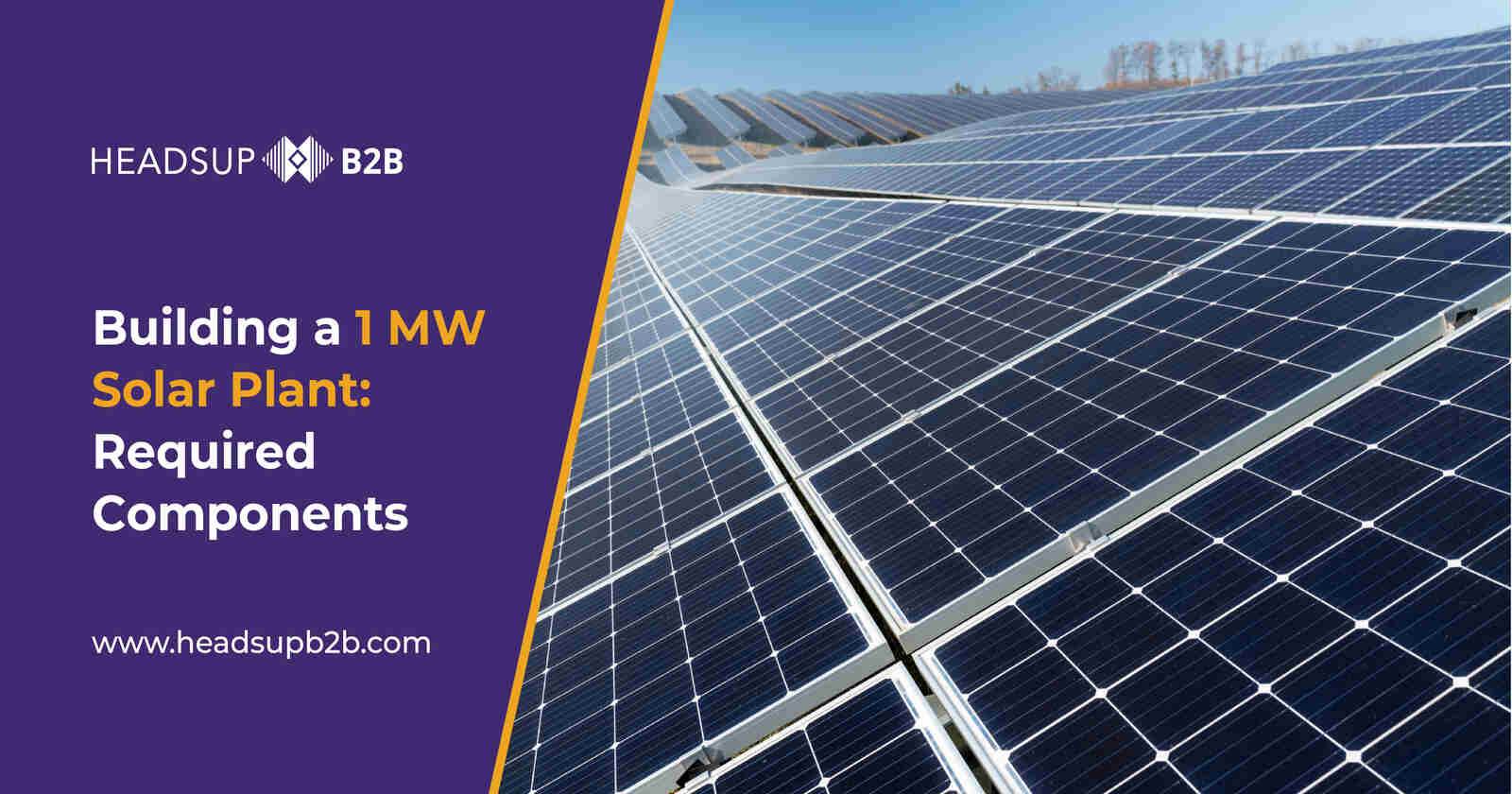
    A 1 MW solar plant is a common benchmark for industrial and commercial energy needs, with a capacity to light up 2,500-3,000 solar panels, depending on their wattage. It provides a practical and scalable solution to meet high-energy demands. The panel efficiency is up to 22% in Monocrystalline or Polycrystalline panels.

    Building 1 MW of solar power projects is a challenging and rewarding endeavour due to its potential role in bridging the gap between current and  the future achievement of climate change goals. Its impact extends beyond power generation, contributing to a more sustainable and resilient energy landscape. With collaboration and innovation, solar energy can fuel sustainable growth. Solar power costs 18% less than coal-fired electricity and stands at ₹4.34 per kWh, proving to be a viable, cost-efficient and sustainable alternative to conventional energy sources.

    The electric power generated by solar panels is in direct current (DC) form. This form cannot be used to power most household electrical appliances. The three types of inverters are string inverters, microinverters and Hybrid inverters that are utilised in inverter systems. This scale of solar power may need multiple inverters with an efficiency of about 98%.

    Mounting System

    The need for secure attachment to a surface, roof or ground for the panels is fulfilled by robust mounting systems. The placement of this device ensures maximum sunlight absorption and, hence, increased efficiency. Mounting systems can be fixed or adjustable, with some even tracking the sun’s movement for increased efficiency. With a tilt angle of 15-30°, multiple mounting systems can be utilised for complete efficiency.

    Charge Controller: For a 1 MW solar power project, the charge controller plays a critical role in regulating the charging process. During the charging process, there is a chance that overcharging happens due to the excess flow of the current. To avoid this, charge controllers ensure optimal performance and battery longevity.

    Battery Storage: Sometimes, the solar energy generated is more than what is used. Battery storage helps save the excess solar energy that has been generated for future use. The excess solar power generated from 2,500 to 3,000 solar panels can be saved with the help of battery storage.

    A 1 MW solar plant offers a cost-effective path to India’s energy independence, with installation costs ranging from INR 4-8 crores, depending on the region. It is a sustainable investment. With a 25-year lifespan for solar panels and 10–15 years for inverters, it guarantees long-term energy savings and environmental benefits.

  • Where to Buy High-Quality Steel Hangar Doors?

    Where to Buy High-Quality Steel Hangar Doors?

    The demand for steel hangar doors has observed an upward curve due to steel’s excellent quality, durability and robustness. The shipyard hangar door market was valued at $1.2 billion in 2023, while projected to reach $2.2 billion by 2030 and a growth at a CAGR of 9.5%. Similar trends are observed in the aircraft hangar door markets, which were projected at $95 billion during the same time frame.

    These doors, primarily made of steel, are important in industrial applications, aviation and the military. Crucial for safety, operational efficiency and security, hangar doors are designed for tough environmental conditions, providing safe access to aircraft storage and large warehouse storage facilities.

    These industry leaders are the largest suppliers and manufacturers of high-quality steel hangar doors, catering to the growing demands of the aviation, military, and industrial sectors.

    Top 5 Steel Hangar Doors Supplier Company In India

    Avians India

    Established in 1982, Avians India has one of the highest-quality steel hangar doors. The company started with a small manufacturing development center & a handful of technicians & engineers. It specializes in custom-designed hangar door systems.

    Gandhi Automation Pvt. Ltd.

    Gandhi Automation was established in 1996, and it deals with custom hangar doors that deliver to unique customer needs. The company is a leading hangar door company, specializing in custom hangar door systems that cater to unique customer needs. As a prominent hangar door manufacturer in India, they focus on both functionality and aesthetics, ensuring doors that meet specifications without compromising visual appeal.

    Headsup B2B

    Headsup B2B was established in 2022, and the company deals with Steel Hangar doors. The company deals with a range of B2B products, including industrial solutions. The company specializes in end-to-end fulfilment, starting from sourcing to delivery and post-delivery customer support.

    Amvel Automation

    Based in Chennai, Amvel Automation offers premium hangar doors designed for aircraft hangars, airports, and industrial sectors. Their doors are customizable, built with high-grade materials, and equipped with advanced motorized systems for smooth operation and enhanced safety.

    High Rise Innovation

    With over a decade of expertise, High Rise Innovation provides meticulously crafted hangar doors tailored to meet diverse industrial demands. Their range includes various options, ensuring clients find the ideal fit for their specific requirements.

    Related Read :- Benefits of Installing Steel Hangar Doors

    Steel Hangar doors are designed to sustain harsh environments. They provide durability, security and customisation. Their features make them suitable for demanding environments. High-quality steel hangar doors from trusted manufacturers ensure long-term operational efficiency. The top brands in Steel Hangar doors include Gandhi Automation and Avians India.

    Headsup B2B is your one-stop destination for all industrial solutions, including steel hangar doors. To source from trusted manufacturers with high credibility, contact us today.

  • 7 Key Features to Look for in Steel Hangar Doors

    7 Key Features to Look for in Steel Hangar Doors

    Choosing the right steel hangar doors is vital for the durability, security and efficient operations of aircraft equipment. The right doors safeguard against harsh weather conditions. Careful consideration of factors such as insulation, automation and design plays a vital role in long-term cost savings and enhancing functionality. Additionally, it ensures the integrity of the hangar and its content, while protecting the harsh weather conditions. This blog explores key features to look for in steel hangar doors :

    Structural Strength & Durability

    Structural strength and longevity are important in steel hangar doors. These doors should be designed to withstand damaging factors such as rotting and warping and protect against high winds and snow. To cater to this need, high-quality steel is of utmost importance.

    Smooth and Reliable Operation

    Steel Hangar doors are important for reliable operation and their efficiency directly impacts the reliability of operations. Hangars should close and open in a way that’s effortless to provide easy access. A well-maintained system – be it sliding, bi-fold, or hydraulic – prevents disruptions, enhances safety, and extends the door’s lifespan. The quick access contributes to the time efficiency of the operations also leading to cost savings.

    Customization & Size Flexibility

    Every hangar has a unique set of requirements, making customization and flexibility important. Be it small aircraft operations or commercial operations the need for each hangar varies based on the usage and the doors must be tailored to fit the hangar’s dimensions and usage needs.

    Weather & Wind Resistance

    Steel Hangar doors are required to withstand harsh weather conditions such as snow, hail and wind. The doors made of high-quality steel ensure the safeguard and protection against extreme weather conditions. Features like reinforced panels enhance structural strength, while advanced sealing systems prevent air and water infiltration, ensuring durability, security, and long-term performance.

    Security & Safety Features

    Steel hangar doors should have strong locking mechanisms and advanced access control to safeguard against vandals and intrusions. Features like biometrics act as a safety firewall against unauthorised access.

    Additionally, built-in safety measures such as emergency exit doors, obstruction sensors, and fail-safe mechanisms ensure personnel safety and smooth operations, reducing risks during daily use.

    Low Maintenance & Longevity

    Steel hangar doors with corrosion-resistant coatings and high-quality hardware require minimal upkeep, ensuring long-term durability. Galvanized or powder-coated finishes prevent rust, while heavy-duty rollers and seals enhance performance. Regular maintenance, such as lubrication and inspections, extends lifespan, reduces unexpected repairs, and keeps operations running smoothly with minimal downtime.

    Energy Efficiency & Insulation

    Steel Hangar doors are energy efficient and also provide insulation by maintaining the air temperature. With the help of insulation, heat transfer is controlled and maintains favourable climatic temperatures, indoors. It prevents energy loss, promoting energy efficiency that ensures excellent performance.

    Conclusion

    Selecting the right steel hangar doors is not only important for efficient operation. Steel Hangar doors are not only observing a sustained increase in demand but they are also preferred against other types of doors due to considerably better security and operational functionality. If your business is looking to upgrade its security and leverage features like customizability, and energy efficiency with less need for maintenance, Headsup B2B is your one-stop solution for all steel hangar door needs. Contact us today for all your industrial solutions needs.

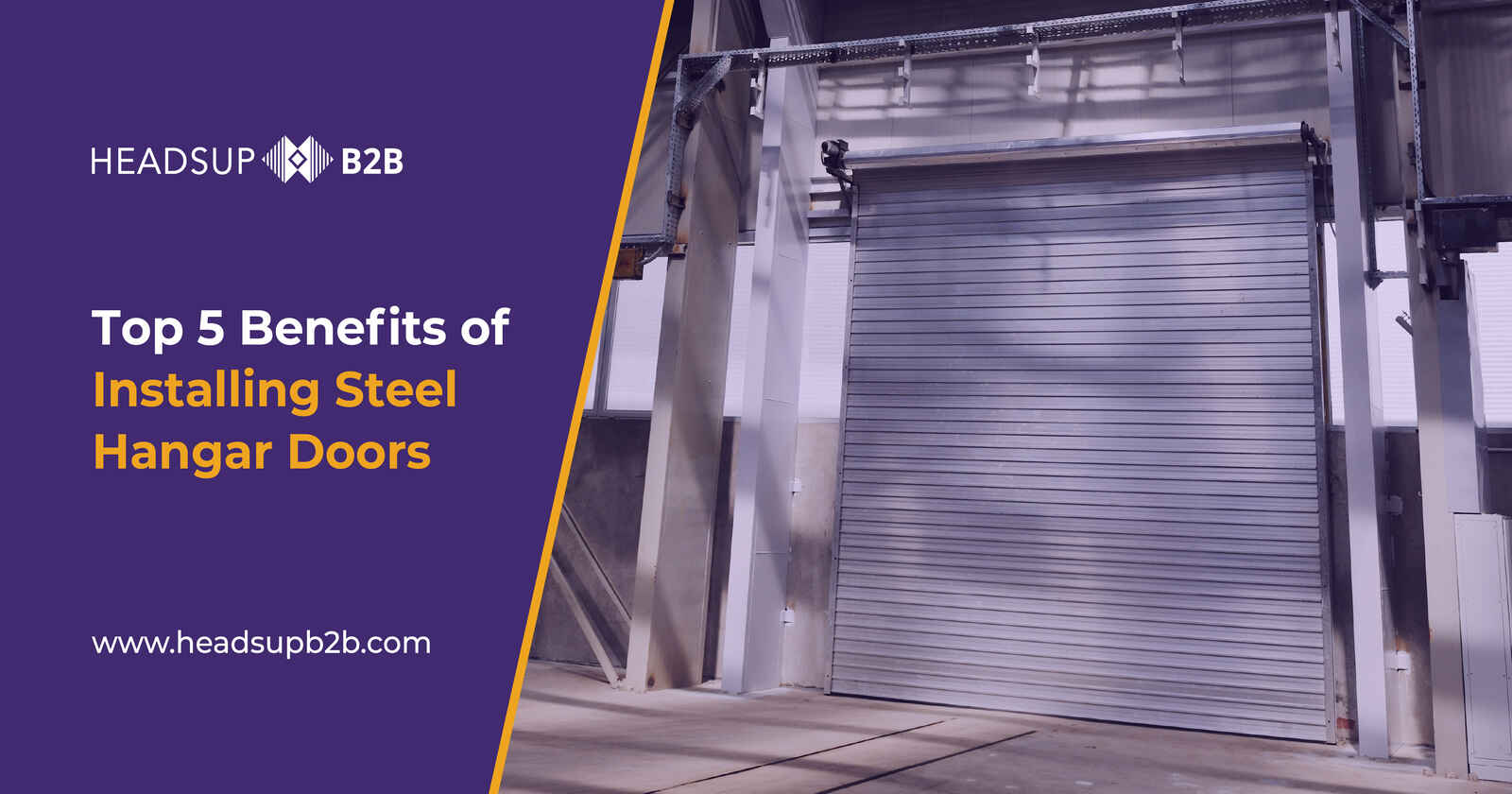
  • Top 5 Benefits of Installing Steel Hangar Doors

    Top 5 Benefits of Installing Steel Hangar Doors

    Did you know that 70% of hangar maintenance issues stem from inefficient or low-quality doors?

    Traditional doors often fall short, coming to industries that are operations intensive, and require storage and security. It is pertinent to use high-quality doors to ensure the long-term durability of the doors and ensure security of operations. The global demand for steel hangar doors is rising. It is projected to grow from $88 million in 2020 to $109 million by 2026, at a CAGR of 3.7% during 2021-2026.

    Five Key Benefits of installing Steel Hangar Doors

    1. Superior Durability and Strength:– Steel Hangar doors are made of robust material such as steel which has excellent strength and resilience, unlike wood or aluminum.

    2. Enhanced Security: – Security is a top priority for industrial warehouses, aircraft storage and commercial buildings. The advanced locking systems of these doors make them adept for these infrastructures.

    3. Customization and Versatility – With alternatives like bi-fold, hydraulic and sliding, these doors are customizable and versatile.

    4. Energy Efficiency and Insulation – Steek Hangar doors are a proponent of energy efficiency due to their potential design which includes insulation, helping to improve energy efficiency and regulate internal temperature.

    5. Low Maintenance and Cost-Effectiveness – These doors are cost-effective as they are made of steel which is not only robust and resilient but also low maintenance. These characteristics including anti-corrosive, anti-warp and pests make it even more cost-effective in the longer run.

    An aviation company that switched from Alumniuum Hangar doors to steel Hangar doors reported about 40% reduction in maintenance cost and improved protection against extreme weather conditions. In addition to the same, it made the security of the premises even more enhanced.

    Best Practices in Implementation

    • Factory requirement assessment leads to the determination of the ideal hangar type.

    • Collaboration with manufacturers and suppliers of high repute ensures quality and service.

    • Automation and smart locking mechanisms may be considered as per the need to make the security and convenience, better.

    • In the set-ups where energy efficiency is a criterion, insulation needs to be robust with the right investment.

    Steel Hangar doors are not only observing a sustained increase in demand but they are also preferred against other types of doors due to considerably better security and operational functionality. If your business is looking to upgrade the security and leverage features like customizability, Headsup B2B is your one-stop solution for all steel hangar door needs.. Contact us today for all your industrial solutions needs.

  • A Beginner’s Guide to Solar Energy Systems: Components and How They Work

    A Beginner’s Guide to Solar Energy Systems: Components and How They Work

    Solar energy shares about 80% of the total renewable energy segment, and with the National Solar Mission reaching an ambitious goal of 280 GW by 2030, the country is gearing up for a clean energy revolution with solar leading with a cudgel. In this blog, we will get into the details of solar energy systems and how the components work together.

    Key Components of a Solar Energy System

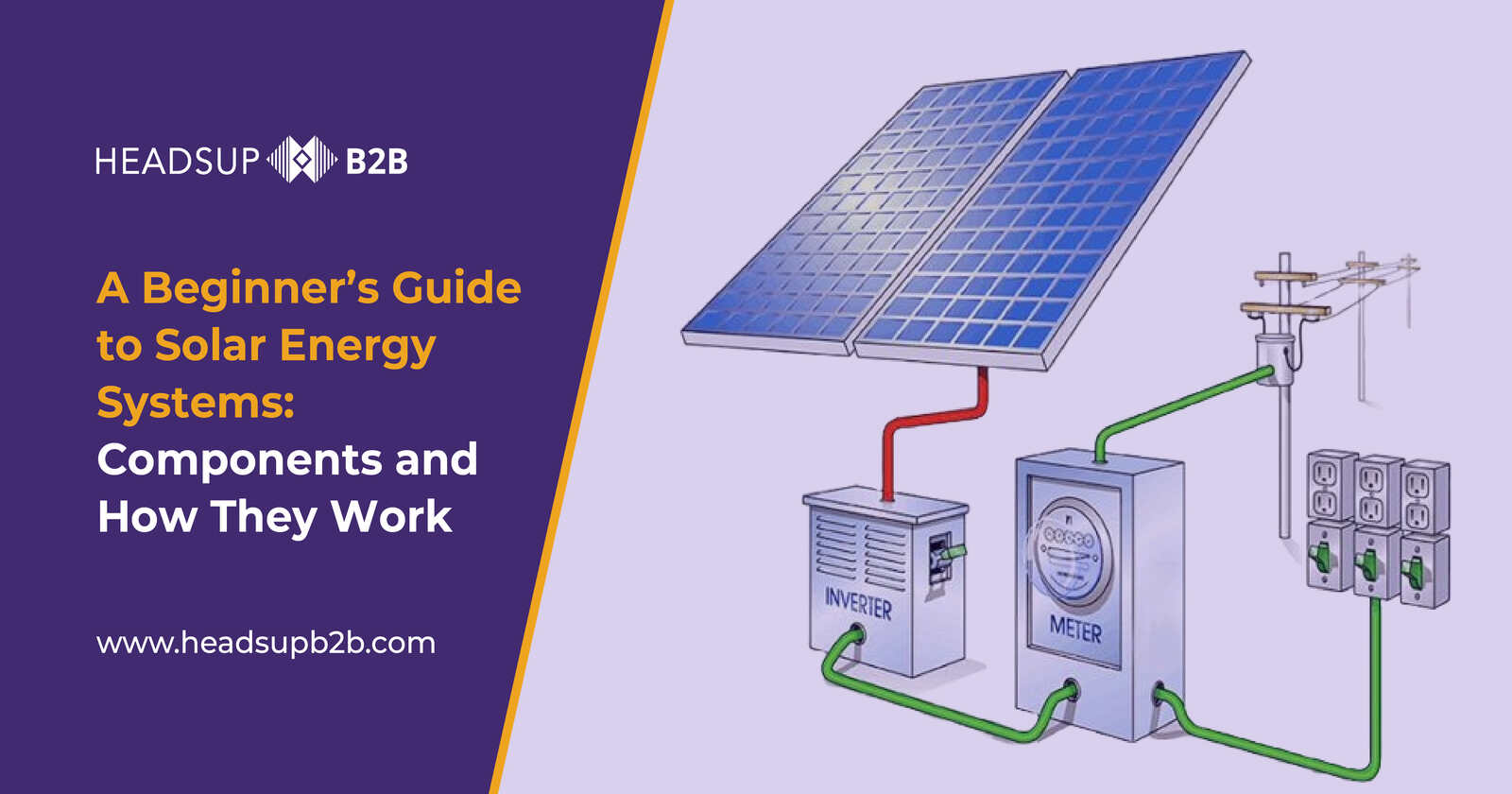
    Being the heart of solar energy systems, they convert sunlight into electricity that lights up businesses and homes. These panels comprise multiple photovoltaic cells, that are made with semiconductor materials such as silicon.

    Inverter

    The electric power generated by solar panels is in direct current (DC) form. This form cannot be used to power most household electrical appliances.

    There are 3 main types of inverters

    • String Inverters: Used in Series form

    • Microinverters: Installed on individual panels.

    • Hybrid Inverters: Can support solar energy as well as battery storage

    Mounting System:- The need for secure attachment to a surface, roof or ground for the panels is fulfilled by robust mounting systems. The placement of this device ensures maxim sunlight absorption and hence, increased efficiency. Mounting systems can be fixed or adjustable, with some even tracking the sun’s movement for increased efficiency.

    Charge Controller:- During the charging process, there is a chance that overcharging happens due to the excess flow of the current. To avoid the same, charge controllers ensure that the flow of the current is done in a manner to avoid it.

    Battery Storage:-Sometimes the solar energy which is generated is excess against the use. Battery storage helps save the excess solar energy that has been generated for future use.

    In systems with battery storage, a charge controller regulates the flow of electricity from the solar panels to the batteries. It prevents overcharging and ensures the batteries operate within safe voltage limits, thereby extending their lifespan.

    Electric Meter and Monitoring System:- The electric meter tracks the amount of electricity generated, consumed, and sent back to the grid. Monitoring systems, often app-based, allow users to track their system’s performance in real-time, ensuring everything runs efficiently.

    How a Solar Energy System Works?

    • The first step is capturing the sunlight which is done as soon as the sunlight hits the solar panel. The photovoltaic cells absorb the photons from the sunlight, the electrons in the semiconductor become charged and energizing of the semiconductor materials generates DC electricity.
    • The generation of DC electricity is followed by converting it into Alternating Current with the help of a battery. This is done with the help of inverters.

    • Powering Your Home Once converted to AC electricity, the energy is directed to the electrical panel (or breaker box) of your home.

    • Storing the excess energy requires batteries or is being sent back to the grid. In the On-grid systems, it is sent back to the grid and in off-grid systems, it is stored in a battery.
    • For systems with battery storage, the stored energy can be used during periods of low sunlight or power outages, ensuring a continuous power supply.

    Benefits of Solar Energy Systems

    • Renewable Energy Source

    • Cost Savings

    • Energy Independence

    • Environmental Impact

    • Low Maintenance

    Conclusion

    When selecting a solar energy system, the important considerations that need to be made are energy consumption, the space of the roof, the budget allocated and the local weather conditions. Also, suppliers’ selection of critical components such as solar panels, inverters, mounting systems, and charge controllers needs to be done thoroughly. Contact Headsup B2B for all your solar energy systems needs.