Author: suraj

  • Future Trends in Renewable Energy Solutions for 2026

    Future Trends in Renewable Energy Solutions for 2026

    Global energy demand and transition pressure

    Take a look at how energy consumption is evolving globally, and one thing becomes clear: demand isn’t slowing down. Cities are expanding, industries are scaling, and technology is becoming more energy-intensive by the day. By 2026, the pressure on energy systems will be significantly higher than what we see today. But here’s the catch—traditional energy systems are struggling to keep up without creating environmental damage.

    That’s why renewable energy is stepping into the spotlight. It’s not just an alternative anymore; it’s becoming a necessity. Governments, businesses, and even individual consumers are realizing that continuing with fossil fuels isn’t sustainable in the long run. The shift is happening because it has to happen, not just because it’s a trend.

    Another factor driving this change is resilience. Energy systems need to be more flexible and capable of handling disruptions. Renewable energy, combined with smart technologies, offers exactly that. Instead of relying on a few centralized power plants, energy can be generated and managed across multiple points.

    Policy push and investments

    Policies and investments are accelerating the shift faster than ever. Governments across the world are setting aggressive targets for renewable energy adoption. Financial institutions are also redirecting funds toward clean energy projects.

    In India, for example, the push toward renewable capacity expansion is massive, with ambitious targets that are reshaping the energy landscape. These investments are not just about building capacity; they’re about creating smarter, more efficient systems.

    Private companies are also playing a major role. From tech giants to manufacturing firms, many are committing to renewable energy usage. This combined effort is creating momentum that will define the energy sector in 2026.

    Rapid Growth of Solar Energy Technologies

    High-efficiency solar panels

    Solar energy continues to dominate the renewable space, and 2026 will see even more advanced technologies entering the market. One of the biggest trends is the development of high-efficiency solar panels.

    These panels can generate more electricity from the same amount of sunlight, making them ideal for space-constrained areas like urban homes and commercial buildings. Innovations in materials and design are pushing efficiency levels higher than ever before.

    This means homeowners and businesses can get more output without increasing installation size. It’s a simple improvement with a huge impact.

    Building-integrated solar solutions

    Solar technology is no longer limited to rooftops. In 2026, you’ll see more buildings integrating solar directly into their structure. Facades, windows, and even roofs will double as energy generators.

    This approach solves the problem of space while also enhancing aesthetics. Instead of adding panels separately, energy generation becomes part of the building itself.

    Breakthroughs in Energy Storage Systems

    Next-gen battery technologies

    Energy storage is one of the most critical areas of innovation. Without effective storage, renewable energy cannot reach its full potential. In 2026, battery technology will see major advancements.

    New battery chemistries are being developed to improve capacity, lifespan, and safety. These improvements will make storage systems more affordable and reliable.

    Long-duration storage solutions

    Another major trend is long-duration energy storage. These systems can store energy for extended periods, sometimes even days.

    This is crucial for balancing supply and demand, especially during periods of low generation. It also reduces dependency on backup fossil fuel systems.

    Rise of Smart Grids and Decentralized Energy

    Intelligent energy distribution

    Smart grids are transforming how energy is distributed. Instead of a one-way flow, energy moves dynamically based on demand and supply.

    This allows for better integration of renewable sources and improves overall efficiency.

    Microgrids and local energy systems

    Microgrids are gaining popularity as localized energy systems. They can operate independently or alongside the main grid.

    This makes them ideal for improving energy resilience, especially in areas prone to outages.

    Expansion of Electric Mobility Integration

    EV charging powered by renewables

    Electric vehicles are becoming more common, and their integration with renewable energy is a major trend for 2026.

    Charging stations powered by solar or wind energy reduce the environmental impact of transportation.

    Vehicle-to-grid systems

    Vehicle-to-grid technology allows EVs to act as energy storage units. They can supply power back to the grid when needed.

    This creates a more flexible and efficient energy ecosystem.

    Green Hydrogen as an Emerging Energy Source

    Hydrogen production advancements

    Green hydrogen is gaining attention as a clean energy source. It is produced using renewable energy and has the potential to replace fossil fuels in various sectors.

    Industrial and transport applications

    Industries and heavy transport systems are exploring hydrogen as an alternative fuel. This could significantly reduce emissions in sectors that are difficult to electrify.

    AI-Driven Energy Optimization

    Predictive energy management

    Advanced analytics is helping predict energy demand and optimize usage. This improves efficiency and reduces waste.

    Automation in energy systems

    Automation ensures that energy systems operate at peak efficiency without constant manual intervention.

    Offshore and Urban Wind Energy Innovations

    Floating wind farms

    Floating wind farms are opening up new possibilities for energy generation. They can be installed in deeper waters where wind speeds are higher.

    Micro wind solutions

    Urban wind solutions are becoming more practical, allowing smaller installations in city environments.

    Challenges That Will Shape the Future

    Despite rapid progress, challenges remain. High costs, infrastructure limitations, and regulatory complexities can slow adoption.

    Addressing these challenges will be critical for ensuring continued growth.

    Conclusion

    Renewable energy is entering a new phase of growth and innovation. By 2026, the focus will shift from adoption to optimization. Technologies will become smarter, more efficient, and better integrated into everyday life.

    The future of energy isn’t just about generating power—it’s about managing it intelligently.

    FAQs

    1. What are the biggest renewable energy trends for 2026?

    Solar advancements, energy storage, smart grids, and green hydrogen are among the key trends.

    2. Why is energy storage important?

    It ensures energy availability when renewable sources are not generating power.

    3. What is green hydrogen?

    It is hydrogen produced using renewable energy, making it a clean fuel alternative.

    4. How do smart grids improve energy systems?

    They optimize energy distribution using real-time data and automation.

    5. Will renewable energy replace traditional energy?

    Renewable energy will play a dominant role, but integration with existing systems will continue.

  • Renewable Energy Solutions vs Traditional Energy: A Practical Comparison

    Renewable Energy Solutions vs Traditional Energy: A Practical Comparison

    What are renewable energy solutions

    Let’s start with the basics. Renewable energy solutions are systems that generate power using natural resources that don’t run out—like sunlight, wind, water, and geothermal heat. These sources replenish themselves naturally, which means you’re not depleting anything when you use them.

    Think of solar panels on a rooftop or wind turbines on a coastline. They’re tapping into energy that’s already there, available every day. The idea is simple: use what nature gives continuously instead of extracting limited resources.

    What makes renewable energy even more interesting today is how it’s evolving. It’s no longer just about generating electricity. It’s about managing it smartly—storing excess power, distributing it efficiently, and integrating it into everyday systems like homes, transport, and buildings.

    What is traditional energy

    Traditional energy, on the other hand, mainly comes from fossil fuels like coal, oil, and natural gas. These resources have powered industries, cities, and economies for decades.

    The system is straightforward. Fuel is extracted, burned, and converted into electricity. It’s reliable, consistent, and has been the backbone of global infrastructure.

    But here’s the catch. These resources are finite. Once used, they’re gone. Plus, burning them releases greenhouse gases, which contributes to environmental issues. That’s why the conversation around energy is shifting.

    Key Differences at a Glance

    Source, sustainability, and availability

    The most obvious difference lies in where the energy comes from. Renewable sources are naturally replenished, while traditional sources depend on extraction.

    Renewables are sustainable by design. Sunlight and wind aren’t going anywhere. Fossil fuels, however, are limited and subject to depletion.

    Availability is another factor. Traditional energy can be generated anytime as long as fuel is available. Renewable energy depends on natural conditions, which can vary.

    Infrastructure and scalability

    Traditional energy systems rely on large, centralized power plants and extensive grid networks. Scaling them often requires massive investments and time.

    Renewable systems are more flexible. You can install solar panels on a single home or build large-scale solar farms. This scalability makes them suitable for both small and large applications.

    Cost Comparison: Short-Term vs Long-Term

    Initial investment differences

    One of the biggest concerns people have is cost. Renewable energy systems usually require a higher upfront investment. Installing solar panels, batteries, or wind systems isn’t cheap.

    Traditional energy, in contrast, has lower initial costs for consumers because infrastructure is already in place. You just connect to the grid and start using electricity.

    Lifetime cost and ROI

    Here’s where things shift. Over time, renewable energy often turns out to be more economical. Once installed, systems like solar panels have minimal operating costs.

    Traditional energy involves continuous expenses—fuel costs, maintenance, and rising tariffs. So while it may seem cheaper initially, the long-term costs add up.

    Environmental Impact and Sustainability

    Carbon emissions and pollution

    This is where the difference becomes hard to ignore. Traditional energy sources are major contributors to carbon emissions. Burning fossil fuels releases pollutants that affect air quality and climate.

    Renewable energy produces little to no emissions during operation. Solar and wind systems generate electricity without burning anything, making them much cleaner.

    Resource depletion vs renewability

    Fossil fuels are finite. Once reserves are exhausted, they cannot be replaced within a human timescale. Renewable energy doesn’t have this limitation.

    Using renewable sources is like living off interest rather than spending your savings. You’re using what’s continuously generated rather than exhausting a limited reserve.

    Reliability and Energy Stability

    Consistency of traditional energy

    Traditional energy systems are known for their reliability. Power plants can generate electricity continuously, regardless of weather conditions.

    This consistency has made them the default choice for decades, especially for industries that require uninterrupted power.

    Variability in renewable energy

    Renewable energy can be unpredictable. Solar depends on sunlight, and wind depends on wind conditions. This variability can affect energy supply.

    However, advancements in storage and smart grids are addressing this issue. Batteries and hybrid systems help balance supply and demand, making renewable energy more reliable than before.

    Efficiency and Technological Advancements

    Efficiency of fossil fuel systems

    Fossil fuel systems have been optimized over many years. They’re efficient at converting fuel into electricity, but they also waste a significant amount of energy as heat.

    Smart renewable technologies

    Renewable energy is rapidly improving. Modern solar panels are more efficient than ever, and smart systems optimize energy usage in real time.

    Technology is also making integration easier. Homes and cities can now manage energy dynamically, reducing waste and improving performance.

    Infrastructure and Maintenance

    Complexity of traditional grids

    Traditional energy infrastructure is complex and expensive to maintain. Large power plants, transmission lines, and distribution networks require constant upkeep.

    Decentralized renewable systems

    Renewable systems are more decentralized. Energy can be generated closer to where it’s used, reducing transmission losses and infrastructure dependency.

    Maintenance is generally lower, especially for solar systems, which have fewer moving parts.

    Real-World Use Cases and Applications

    Residential and urban use

    In homes and cities, renewable energy is becoming increasingly popular. Rooftop solar, battery storage, and smart systems are transforming how energy is consumed.

    Traditional energy still plays a role, especially in areas where renewable adoption is limited.

    Industrial and large-scale use

    Industries often rely on traditional energy due to high and consistent power demands. However, large-scale renewable projects are gaining traction.

    Hybrid systems combining renewable and traditional sources are becoming more common in industrial applications.

    Challenges and Limitations of Both Systems

    Both energy systems have their challenges. Renewable energy faces issues like initial cost, space requirements, and variability. Traditional energy deals with environmental concerns, resource depletion, and rising costs.

    Understanding these limitations helps in making balanced decisions.

    Future Outlook: Which One Will Lead

    The future of energy isn’t about choosing one over the other. It’s about integration. Renewable energy is expected to play a larger role as technology improves and costs decrease.

    Traditional energy will likely continue to exist, but its dominance is gradually declining. The focus is shifting toward cleaner and more efficient systems.

    Conclusion

    Renewable energy and traditional energy each have their strengths and limitations. Traditional systems offer reliability and established infrastructure, while renewable solutions provide sustainability and long-term cost benefits.

    The real opportunity lies in combining the best of both. By integrating renewable energy into existing systems, we can create a more balanced and resilient energy future.

    FAQs

    1. Which is cheaper: renewable or traditional energy?

    Renewable energy has higher upfront costs but lower long-term expenses compared to traditional energy.

    2. Is renewable energy reliable enough?

    With advancements in storage and smart grids, renewable energy is becoming increasingly reliable.

    3. Can renewable energy replace traditional energy completely?

    Not immediately. A hybrid approach is currently more practical.

    4. What is the biggest disadvantage of renewable energy?

    Variability in energy generation due to dependence on natural conditions.

    5. Why is traditional energy still widely used?
    It offers consistent power supply and has established infrastructure.

  • The Grid Tax: Why India’s Infrastructure Businesses Are Paying More Than They Should

    The Grid Tax: Why India’s Infrastructure Businesses Are Paying More Than They Should

    A hard look at what grid dependency actually costs your business — and the financial case for switching before your competitors do.

    In FY24, India’s power distribution companies — DISCOMs — reported aggregate losses exceeding ₹6.5 lakh crore in accumulated debt. To recover these losses, they do what any struggling business does: raise tariffs. And who bears the brunt? Not households on subsidised slabs. Not agricultural feeders. Industrial and commercial consumers — the backbone of India’s infrastructure economy — absorb the majority of cross-subsidy burden, paying 40 to 60 percent above the actual cost of power supply in most states.

    If your business operates construction sites, fabrication yards, warehousing facilities, or any energy-intensive infrastructure asset in India, you are effectively subsidising someone else’s electricity. Every month. Every year.

    In FY24, India’s power distribution companies (DISCOMs) reported significant financial struggles with aggregate losses leading to over ₹6.5 lakh crore in accumulated debt. To mitigate these losses, DISCOMs have resorted to increasing tariffs. However, the financial burden of these increased tariffs does not fall evenly across all sectors. While households on subsidized slabs and agricultural feeders are largely shielded, industrial and commercial consumers face the brunt of these hikes. These sectors, which are crucial to India’s infrastructure economy, end up paying 40 to 60 percent more than the actual cost of power supply in most states.

    The real cost of grid electricity in India is not what’s on your bill. It’s what’s on your bill, plus what you’re paying for everyone else.

    This is not an environmental argument. This is a balance sheet argument. And the numbers — when laid out honestly, in Indian rupees, against the backdrop of India’s actual energy market — make a compelling case for action that most businesses are still ignoring.

    The Hidden Inflation in Your Energy Bill

    The Central Electricity Regulatory Commission (CERC) has documented industrial tariff increases averaging 5 to 8 percent annually over the last decade across major industrial states — Gujarat, Maharashtra, Rajasthan, Uttar Pradesh, Tamil Nadu. That is not a rounding error. That is a structural erosion of your operating margins, compounding silently every financial year.

    Consider what this means over a project lifecycle. An infrastructure company running operations at ₹50 lakh per year in electricity costs today will, at a conservative 6% annual tariff escalation, spend over ₹89 lakh per year by Year 10 — a 78% increase — without consuming a single additional unit of power. Over that decade, the cumulative extra spend versus a flat tariff baseline crosses ₹2 crore.

    For large EPC firms, industrial manufacturers, or logistics hubs running higher energy loads, multiply those numbers by five or ten. This is the grid tax — and it is the single most underappreciated cost line in most infrastructure balance sheets.

    DISCOM accumulated debt (FY24)  ₹6.5 Lakh Crore  — which gets recovered from commercial consumers through tariff hikes

    Average annual industrial tariff escalation  5–8%  — across major Indian states per CERC data

    Cross-subsidy premium  40–60%  — paid by commercial consumers above actual power supply cost

    Why Renewable Energy Is No Longer a ‘Green’ Decision — It’s a Procurement Decision

    The market has changed fundamentally. Solar power tariffs in India have fallen from ₹17 per unit in 2010 to under ₹2.50 per unit in competitive auctions today. Open Access solar — where you procure renewable power directly through the grid without going through your DISCOM — is now available in most industrial states, and captive solar installations deliver power at ₹3 to ₹4 per unit, all-in, across a 25-year system life.

    Compare that to the average industrial tariff of ₹7 to ₹9 per unit in most states today, with guaranteed upward revision every year. The math is not subtle.

    More importantly, the Government of India’s Renewable Purchase Obligation (RPO) framework now mandates that large commercial and industrial consumers source a defined percentage of their electricity from renewable sources — 43.33% by FY2030 under the amended RPO trajectory. Non-compliance attracts penalties and additional surcharges. Businesses that delay their renewable transition are not just missing savings; they are incurring regulatory risk.

    A solar system commissioned today locks in your energy cost for 25 years. A grid connection renewed every year locks in your exposure to DISCOM pricing decisions forever.

    Three Renewable Energy Models That Work for Infrastructure Businesses

    1. Captive Solar: Maximum Control, Maximum Savings For businesses with owned or long-lease property — factories, warehouses, fabrication yards, logistics parks — captive rooftop or ground-mounted solar is the cleanest financial model. A 500 kWp system, sized for a mid-scale industrial facility, costs approximately ₹2.0 to ₹2.5 crore today (post-ALMM compliant modules, inverters, balance of system, and civil works). At 6.5 to 7 peak sun hours in most North and West Indian states, this system generates approximately 7.5 to 8 lakh units annually. At a displaced tariff of ₹7.50 per unit, annual savings are ₹56 to ₹60 lakh — delivering a simple payback of 4 to 4.5 years. Post-payback, the system generates essentially free electricity for the remaining 20+ years of its warranted life. With the PM SURYA GHAR scheme and Production Linked Incentive (PLI) benefits reducing module costs further, and with accelerated depreciation provisions allowing 40% depreciation in Year 1 under Section 32 of the Income Tax Act, the effective payback for corporate assessees is often under 3 years.

    2. Open Access Procurement: Zero Capital, Immediate Savings For businesses not ready to invest capital, Open Access solar offers a no-CAPEX alternative. You procure solar power from a third-party generator through the transmission grid, paying a contracted per-unit tariff — typically ₹3.50 to ₹4.50 per unit, inclusive of Open Access charges — and the generator supplies directly to your meter. The saving versus grid tariff is immediate: ₹3 to ₹5 per unit, from day one, with no upfront investment. The model requires an Open Access approval from your state SLDC (State Load Despatch Centre) and a minimum contracted load, typically 1 MW or above — making it most suitable for large industrial and infrastructure operations. Several states, including Rajasthan, Gujarat, and Madhya Pradesh, have streamlined their Open Access frameworks significantly in the last two years, reducing approval timelines and banking provisions.

    3. RESCO / PPA: When You Want Solar Without Ownership Under a Renewable Energy Service Company (RESCO) or Power Purchase Agreement (PPA) model, a developer installs solar on your premises at no cost to you. You simply agree to purchase the power generated at a pre-agreed rate — typically ₹3.50 to ₹5.00 per unit — for 15 to 25 years. This model is increasingly popular for infrastructure companies that want predictable energy costs without capital deployment. It is particularly relevant for PSU-linked contractors, port operators, and highway developers with long-duration project lifespans and stable energy demand profiles.

    The Real Financial Case: Numbers That Hold Up to Scrutiny Let us build the case for a representative infrastructure business — say, a mid-scale TMT or structural steel processor in Rajasthan with a monthly energy bill of ₹15 lakh:

    Annual grid electricity spend  ₹1.8 Crore        — at current tariff of ₹7.50/unit

    Annual saving with captive 500 kWp solar  ₹60–65 Lakh        — post all Open Access/banking charges

    Effective first-year saving on energy budget  ₹36%        — before accounting for accelerated depreciation

    10-year cumulative saving  ₹9–12 Crore        — net of system cost, O&M, and tariff escalation at 6% p.a.

    These are not optimistic projections. They are conservative estimates based on current CERC benchmark costs, MNRE solar irradiance data, and current state tariff orders. The actual savings compound more aggressively as grid tariffs continue to rise and solar system costs continue to fall.

    What does not appear in these numbers — but should — is the working capital benefit. Businesses with predictable energy costs forecast better, manage tighter, and present cleaner EBITDA margins to lenders and investors. In infrastructure, where project financing is the lifeblood of growth, that visibility has real monetary value.

    What the Hesitation Is Really Costing You

    The most common objection to renewable investment is timing: ‘We’ll do it next year when the business is more stable.’ This logic has a compounding cost that most business owners never calculate.

    Each year of delay is a year of grid tariff escalation absorbed in full. It is a year of foregone depreciation benefits. It is a year of foregone RPO compliance credit. And it is one fewer year of post-payback free electricity generation — shaving tens of lakhs off the lifetime return on the same investment.

    For businesses planning Series A fundraising, IPO listing, or PE entry in the next three to five years, renewable energy adoption also signals operational maturity and ESG readiness. Institutional investors — especially those with global LP mandates — increasingly factor energy transition risk into infrastructure valuations. A business with locked-in, decarbonised energy costs is simply a better asset.

    Every rupee you pay to the grid this year is a rupee that didn’t go into an asset that would have paid you back for 25 years.

    Addressing Real Concerns — Without the Marketing Gloss

    What about grid reliability and backup during non-solar hours?

    Battery storage costs have fallen 80% globally over the last decade and are now commercially viable for industrial applications at ₹70 to ₹90 lakh per MWh installed capacity. For most businesses, a hybrid solar-plus-storage or solar-plus-DG configuration ensures 90%+ renewable self-sufficiency while maintaining operational continuity. Net metering and banking provisions in most states also allow daytime surplus to offset nighttime consumption.

    We don’t own our premises.

    Open Access procurement and community or group captive models eliminate the need for on-site installation. Several developers also offer rental-rooftop or lease-and-leaseback arrangements. Premises ownership is no longer a precondition for renewable energy savings.

    The regulatory environment is unpredictable.

    This concern deserves respect — India’s power sector regulation has had its share of retrospective amendments. The appropriate response is not to avoid renewables, but to structure arrangements carefully: long-tenure PPAs with fixed tariff escalators, Open Access in states with proven regulatory stability, and captive models that reduce DISCOM interface altogether. The risk of inaction — continuing DISCOM dependency — is now definitively higher than the risk of a well-structured renewable transition.

    The Window Is Open. It Will Not Stay That Way.

    India has committed to 500 GW of non-fossil capacity by 2030. The government is deploying this capacity whether your business participates or not. The question is whether you benefit from the transition or simply subsidise it through your utility bill.

    Renewable energy has crossed the threshold from aspiration to obligation — financially, regulatory, and competitively. The infrastructure companies that move decisively in the next 12 to 24 months will lock in energy cost advantages that will compound for decades. Those that wait will find themselves competing against leaner operators with structurally lower cost bases.

    The grid tax is real. The antidote is available, proven, and increasingly affordable. The only variable is how much longer you choose to keep paying it.

    About Headsup B2B

    Headsup B2B is India’s B2B procurement marketplace for infrastructure materials, with deep expertise in solar equipment, structural steel, TMT bars, and energy procurement. We work with EPC contractors, infrastructure developers, and industrial businesses to optimise procurement costs and build resilient supply chains. To explore renewable energy procurement options for your business, reach out to our team.

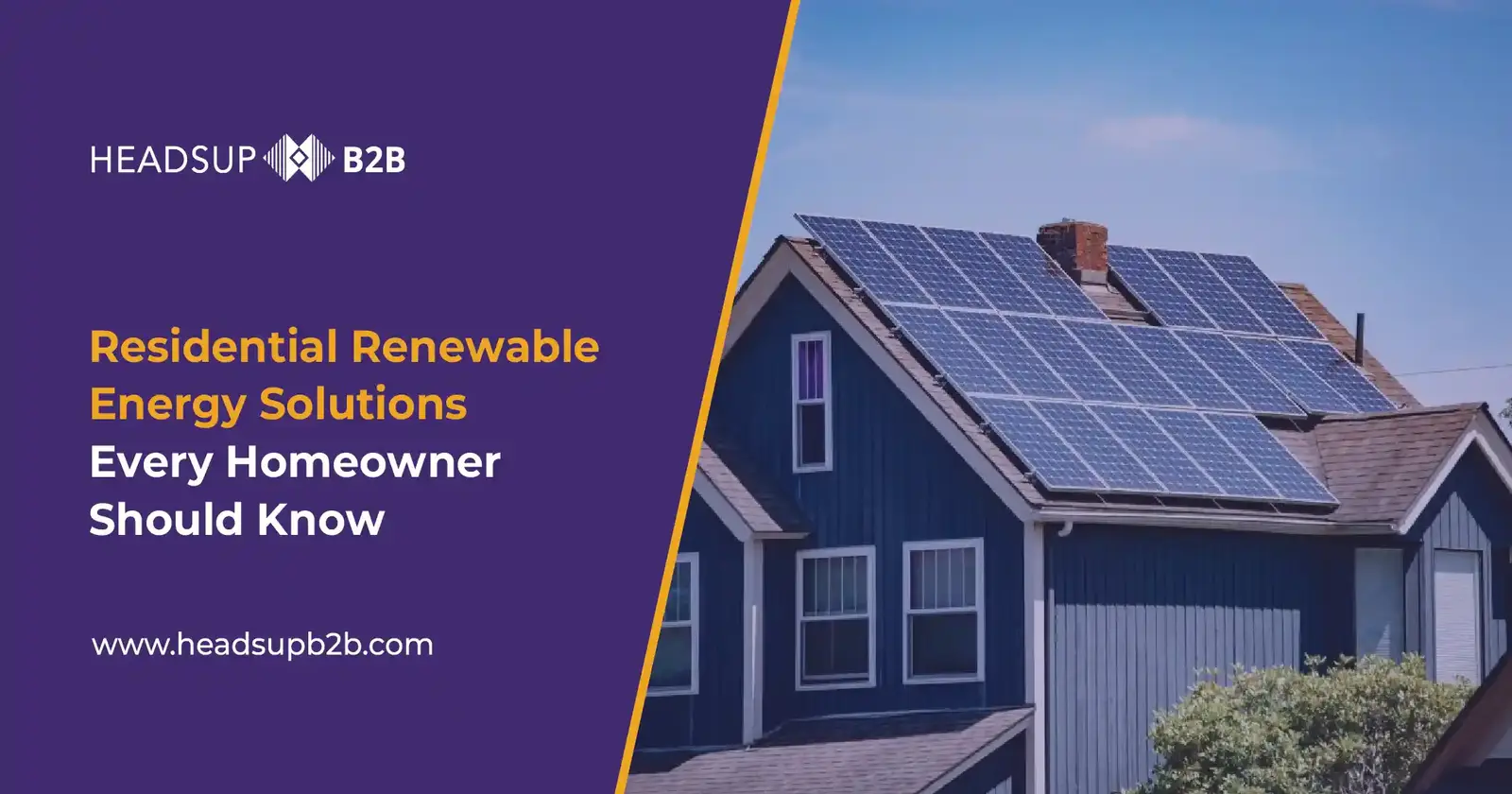
  • Residential Renewable Energy Solutions Every Homeowner Should Know

    Residential Renewable Energy Solutions Every Homeowner Should Know

    Rising electricity costs and energy independence

    If you’ve noticed your electricity bills creeping up every year, you’re not alone. Energy costs have been steadily increasing, and homeowners are starting to feel the pressure. Now think about this: what if your home could generate its own power instead of depending entirely on the grid? That idea is no longer futuristic—it’s already happening in many households.

    Residential renewable energy solutions give homeowners a sense of control. Instead of being affected by fluctuating tariffs or outages, you create a more predictable and stable energy setup. It’s similar to owning a water tank during supply cuts. You’re not waiting on someone else—you’ve got your own system.

    There’s also the advantage of long-term savings. While the initial setup cost can feel significant, many homeowners recover that investment over time through reduced electricity bills. In some cases, surplus energy can even be sold back to the grid, creating an additional income stream. That’s a shift from being just a consumer to becoming a producer.

    Environmental impact and sustainability goals

    Energy consumption at the household level may seem small, but collectively it adds up to a massive environmental footprint. Homes contribute significantly to carbon emissions through electricity use, heating, and cooling systems. Switching to renewable energy directly reduces this impact.

    Many homeowners today are more conscious about sustainability. It’s not just about saving money; it’s about making responsible choices. Installing renewable energy systems is one of the most practical steps a household can take.

    There’s also a growing sense of accountability. When you generate clean energy, you know exactly where your power comes from. It’s a simple yet powerful shift—from passive consumption to active participation in sustainability.

    What Are Residential Renewable Energy Solutions

    Key types of renewable energy systems for homes

    Residential renewable energy solutions refer to systems that allow homes to generate, store, and manage energy using natural resources like sunlight, wind, and heat. These solutions are designed to reduce dependence on traditional electricity sources while improving efficiency.

    The most common options include:

    • Solar panels for electricity generation
    • Solar water heaters for heating needs
    • Battery storage systems
    • Small wind turbines
    • Hybrid systems combining multiple sources

    Each of these solutions serves a specific purpose. Some focus on generation, others on storage, and some on optimizing usage. The real benefit comes when these systems work together.

    How smart technology enhances efficiency

    Adding renewable energy is just one part of the equation. Managing it efficiently is what makes the difference. That’s where smart technology comes in.

    Modern systems use sensors and software to track energy production and consumption in real time. This allows homeowners to make better decisions. For example, running heavy appliances when solar generation is at its peak.

    Automation also plays a role. Systems can adjust usage based on patterns, reducing waste without requiring constant manual input. It’s like having an intelligent assistant managing your home’s energy behind the scenes.

    Solar Power for Homes

    Rooftop solar panels

    Solar energy is the most popular choice for homeowners, and for good reason. It’s widely accessible, relatively easy to install, and works well in most regions. Rooftop solar panels convert sunlight into electricity, which can power your home directly.

    What makes solar appealing is its scalability. You can start small and expand your system over time. Even partial installation can significantly reduce your electricity bills.

    Another advantage is low maintenance. Once installed, solar panels require minimal upkeep. Most systems last 20–25 years, making them a long-term investment.

    Solar water heating systems

    While most people focus on electricity, heating water also consumes a significant amount of energy. Solar water heaters provide a simple and effective way to reduce this load.

    These systems use sunlight to heat water directly, which is then stored for use throughout the day. They are often more affordable than full solar panel setups and deliver faster returns on investment.

    Home Energy Storage Systems

    Battery storage basics

    One of the biggest concerns with renewable energy is inconsistency. Solar panels don’t generate power at night, and cloudy days can reduce output. That’s where battery storage becomes essential.

    Battery systems store excess energy generated during the day and make it available when needed. This ensures a continuous power supply even when generation drops.

    Benefits of storing excess energy

    Energy storage gives homeowners flexibility. Instead of sending unused energy back to the grid, you can use it later. This reduces reliance on external power sources.

    It also provides backup during outages. In areas with unstable electricity supply, this can be a major advantage. Your home continues running smoothly even when the grid goes down.

    Wind Energy for Residential Use

    Small wind turbines

    Wind energy isn’t as common as solar in residential settings, but it can be effective in the right conditions. Small wind turbines can generate electricity by harnessing wind flow.

    These systems work best in open areas with consistent wind speeds. Urban environments may not always be ideal, but suburban or rural homes can benefit significantly.

    When wind energy makes sense

    Before installing a wind system, it’s important to assess your location. Wind speed, surrounding structures, and available space all play a role.

    When conditions are suitable, wind energy can complement solar power. Together, they create a more balanced energy system.

    Hybrid Renewable Systems for Homes

    Solar + battery combinations

    Combining solar panels with battery storage is one of the most effective setups for residential use. It ensures that energy is both generated and stored efficiently.

    This setup reduces dependency on the grid and maximizes the use of renewable energy.

    Solar + wind integration

    For homes with suitable conditions, combining solar and wind can provide a more consistent energy supply. When one source underperforms, the other can compensate.

    Hybrid systems offer greater reliability and flexibility compared to single-source setups.

    Smart Home Energy Management Systems

    Monitoring and automation tools

    Smart systems allow homeowners to track energy usage in real time. This visibility helps identify areas where energy is being wasted.

    Optimizing energy consumption

    Automation takes things further by adjusting energy usage based on patterns. This reduces unnecessary consumption and improves efficiency.

    Cost, Savings, and ROI

    Investing in renewable energy may seem expensive at first, but the long-term benefits often outweigh the costs. Many homeowners see significant reductions in their electricity bills.

    Here’s a quick comparison:

    System Initial Cost Savings Potential Payback Period
    Solar Panels Medium to High High 4–7 years
    Solar Water Heater Low to Medium Medium 2–4 years
    Battery Storage Medium Medium to High 5–8 years

    Savings depend on factors like location, energy usage, and system size.

    Challenges Homeowners Should Consider

    While renewable energy offers many benefits, there are challenges to keep in mind. Initial investment costs can be a barrier for some homeowners.

    Space constraints may also limit installation options, especially in smaller properties. Additionally, not all locations are suitable for every type of renewable energy system.

    Understanding these factors helps in making informed decisions.

    Conclusion

    Residential renewable energy solutions are no longer a niche concept. They’re becoming a practical choice for homeowners looking to reduce costs and gain control over their energy usage. From solar panels to smart energy systems, the options available today make it easier than ever to transition toward cleaner energy.

    The shift doesn’t have to happen all at once. Even small steps can lead to meaningful changes over time. What matters is getting started and building a system that works for your home.

    FAQs

    1. What is the best renewable energy option for homes?

    Solar power is the most widely used and accessible option for residential properties.

    2. How much does it cost to install solar panels?

    Costs vary depending on system size and location, but prices have become more affordable in recent years.

    3. Can I store solar energy for later use?

    Yes, battery storage systems allow you to store excess energy and use it when needed.

    4. Are renewable energy systems suitable for all homes?

    Most homes can benefit from at least one type of renewable energy solution, though suitability depends on location and space.

    5. How long does it take to recover the investment?

    Payback periods typically range from 3 to 7 years, depending on the system and usage.

  • Smart Renewable Energy Solutions for Urban Infrastructure

    Smart Renewable Energy Solutions for Urban Infrastructure

    Rising urban population and energy demand

    Cities are growing at a pace that’s hard to ignore. Right now, urban areas already consume nearly 75% of global energy and produce around 80% of carbon emissions (ScienceDirect). That alone explains why energy systems built decades ago are starting to struggle. Now add projections that nearly 68% of the global population will live in cities by 2050, and you begin to see the scale of the challenge.

    Think about it like this. Every new apartment, metro line, data center, and shopping complex adds pressure to the same grid. Traditional infrastructure wasn’t designed for this kind of density or demand spikes. It’s not just about producing more electricity; it’s about managing it intelligently.

    What makes things even more complicated is the shift in how energy is used. Cities now rely heavily on tech-driven services like cloud computing, electric mobility, and connected devices. These aren’t constant loads. They fluctuate wildly throughout the day. That’s where smart renewable systems come into play. They don’t just supply energy; they adapt, predict, and respond in real time.

    Environmental and economic pressures

    Urban infrastructure isn’t just dealing with demand. It’s also under pressure to cut emissions and control costs. Governments and businesses are facing stricter sustainability targets, and energy prices are becoming unpredictable due to global market fluctuations.

    At the same time, renewable energy is no longer just an environmental choice. It’s becoming economically viable. In India alone, renewable capacity has crossed 200+ GW and continues to grow rapidly toward a 500 GW target by 2030 (– Result Oriented | Service Driven). That shift is changing how cities plan infrastructure investments.

    Smart renewable solutions offer a way to hit both goals. They reduce dependency on fossil fuels while improving efficiency. Instead of wasting energy during low-demand periods or facing shortages during peaks, cities can balance supply and demand using real-time data. That’s the difference between a reactive system and an intelligent one.

    What Defines Smart Renewable Energy

    Integration of renewables with intelligent systems

    Renewable energy on its own isn’t enough. Solar panels and wind turbines generate power, but they don’t solve the problem of unpredictability. What makes energy “smart” is the integration of these sources with advanced control systems.

    A smart renewable setup connects energy generation, distribution, and consumption into one coordinated network. It uses sensors, analytics, and automation to ensure energy flows where it’s needed most. Instead of a one-way system where power moves from plant to consumer, you get a dynamic, two-way interaction.

    For example, a building with solar panels can generate excess electricity during the day and feed it back into the grid. At night, it can draw power when needed. Multiply this across thousands of buildings, and you get a decentralized energy ecosystem that’s far more resilient than traditional grids.

    Role of IoT, data, and automation

    The real engine behind smart energy systems is data. Sensors embedded across infrastructure track everything from energy usage patterns to weather conditions. These insights allow systems to make decisions in real time.

    Imagine a city where streetlights dim automatically when there’s no traffic, or where HVAC systems adjust based on occupancy. That’s not futuristic anymore. It’s already happening in smart cities.

    According to recent projections, the global smart cities market is expected to reach over $1.4 trillion by 2030, driven largely by data-driven infrastructure (MarketsandMarkets). This growth shows how critical automation and connectivity have become.

    Core Technologies Powering Smart Energy Infrastructure

    Smart grids and decentralized energy networks

    Traditional grids operate like a one-way highway. Energy flows from centralized power plants to consumers. Smart grids flip this model. They allow energy to move in multiple directions, integrating renewable sources at every level.

    This means households, businesses, and even vehicles can act as both consumers and producers. These systems continuously monitor demand and adjust supply accordingly. If one area experiences a spike, the grid redistributes energy instantly.

    Smart grids also improve reliability. Instead of large-scale outages, issues can be isolated and resolved quickly. That’s a massive advantage in dense urban environments where downtime can disrupt entire economies.

    Energy storage innovations

    Renewable energy has one big limitation: it’s not always available. Solar doesn’t work at night, and wind isn’t constant. That’s why storage is a critical piece of the puzzle.

    Recent developments in battery technology are changing the game. In 2025 alone, global battery storage deployment saw record growth, with tens of gigawatt-hours added to support renewable integration (Reuters).

    Beyond traditional lithium-ion batteries, newer solutions like flow batteries and iron-air systems are emerging. These can store energy for longer periods, making it possible to balance supply over days rather than hours.

    Solar Energy in Urban Ecosystems

    Rooftop solar and building-integrated systems

    Walk through any modern city, and you’ll start noticing solar panels popping up everywhere. Rooftop solar has become one of the most accessible renewable solutions for urban areas.

    But it’s not just about placing panels on roofs anymore. Building-integrated photovoltaics (BIPV) are turning entire structures into energy generators. Windows, facades, and even shading systems can now produce electricity.

    This approach solves one of the biggest challenges in cities: space. Instead of requiring large land areas, energy generation becomes part of existing infrastructure.

    Solar-powered public infrastructure

    Cities are also embedding solar into public systems. Streetlights, bus stops, traffic signals, and even surveillance systems are being powered by solar energy.

    This reduces dependency on centralized grids and ensures critical services remain operational even during outages. It also cuts operational costs significantly over time.

    Wind and Hybrid Renewable Systems in Cities

    Micro wind turbines

    While large wind farms are usually located outside cities, smaller turbines are finding their way into urban settings. These micro turbines can be installed on rooftops or integrated into buildings.

    They work well in areas with consistent wind flow, such as coastal cities or high-rise clusters. While they don’t generate as much power as large turbines, they contribute to localized energy production.

    Hybrid solar-wind systems

    Combining solar and wind creates a more balanced energy system. When one source underperforms, the other can compensate. This reduces dependency on storage and improves reliability.

    Hybrid systems are particularly useful for critical infrastructure like hospitals, data centers, and transportation hubs.

    Role of Energy Storage in Smart Cities

    Battery storage systems

    Battery systems act as a buffer between energy generation and consumption. They store excess energy during low-demand periods and release it when needed.

    This helps smooth out fluctuations and ensures a steady supply. It also allows cities to reduce reliance on backup fossil fuel generators.

    Long-duration energy storage

    A newer trend gaining traction is long-duration energy storage. These systems can store energy for extended periods, sometimes even days.

    This is crucial for maintaining stability during prolonged low-generation periods. It also supports the transition to fully renewable grids by reducing dependency on conventional power sources.

    Electric Mobility and Renewable Integration

    EV charging infrastructure

    Electric vehicles are becoming a core part of urban mobility. But charging them sustainably requires integrating renewable energy into the system.

    Smart charging stations can adjust charging speeds based on grid conditions. They can also use stored renewable energy to reduce peak load pressure.

    Smart transport energy systems

    Urban transport systems are also evolving. Electric buses, metro systems, and even roads with embedded charging technology are being tested.

    These systems don’t just consume energy; they interact with the grid. For example, parked EVs can feed energy back into the system during peak demand.

    Smart Buildings and Energy Efficiency

    Green building design

    Buildings account for a significant portion of urban energy consumption. Smart designs focus on reducing this demand through better insulation, natural lighting, and efficient materials.

    These designs minimize the need for artificial heating and cooling, cutting energy usage significantly.

    Automated energy management

    Automation takes efficiency a step further. Smart systems monitor usage patterns and adjust energy consumption in real time.

    This ensures energy is used only when needed, reducing waste and lowering costs.

    Benefits of Smart Renewable Infrastructure

    Smart renewable systems offer multiple advantages:

    Benefit Impact
    Energy efficiency Reduces waste and optimizes usage
    Cost savings Lower operational expenses over time
    Sustainability Cuts emissions significantly
    Reliability Minimizes outages and disruptions
    Scalability Adapts to growing urban demands

    Cities adopting these solutions are seeing improvements not just in energy performance but also in overall quality of life.

    Challenges and Future Outlook

    Despite the progress, challenges remain. High initial costs, regulatory complexities, and infrastructure limitations can slow adoption. Integrating multiple technologies into existing systems isn’t always straightforward.

    However, the momentum is strong. The smart infrastructure market is projected to reach over $1.5 trillion by 2030, showing how rapidly this space is evolving (Yahoo Finance).

    Looking ahead, the focus will shift toward more decentralized and resilient systems. Cities will rely less on centralized power plants and more on distributed energy networks. Technologies like digital twins, predictive analytics, and advanced storage will play a major role.

    Conclusion

    Urban infrastructure is at a turning point. The traditional way of generating and distributing energy is no longer sufficient for modern cities. Smart renewable solutions offer a practical path forward by combining sustainability with efficiency.

    Instead of treating energy as a static resource, cities are starting to manage it as a dynamic system. This shift is what will define the next generation of urban development. The cities that adopt these systems early will be better equipped to handle future challenges, both environmental and economic.

    1. What is smart renewable energy infrastructure?

    It refers to systems that combine renewable energy sources with advanced technologies like sensors, automation, and data analytics to optimize energy production and consumption.

    2. Why is renewable energy important for cities?

    Cities consume the majority of global energy and produce high emissions. Renewable energy helps reduce environmental impact and improve sustainability.

    3. How do smart grids work?

    Smart grids use real-time data to manage electricity flow efficiently, allowing two-way communication between energy providers and consumers.

    4. What role does storage play in renewable energy?

    Storage systems ensure energy availability when renewable sources like solar and wind are not generating power.

    5. What are the biggest challenges in adopting smart energy systems?

    Key challenges include high costs, infrastructure upgrades, and regulatory hurdles.

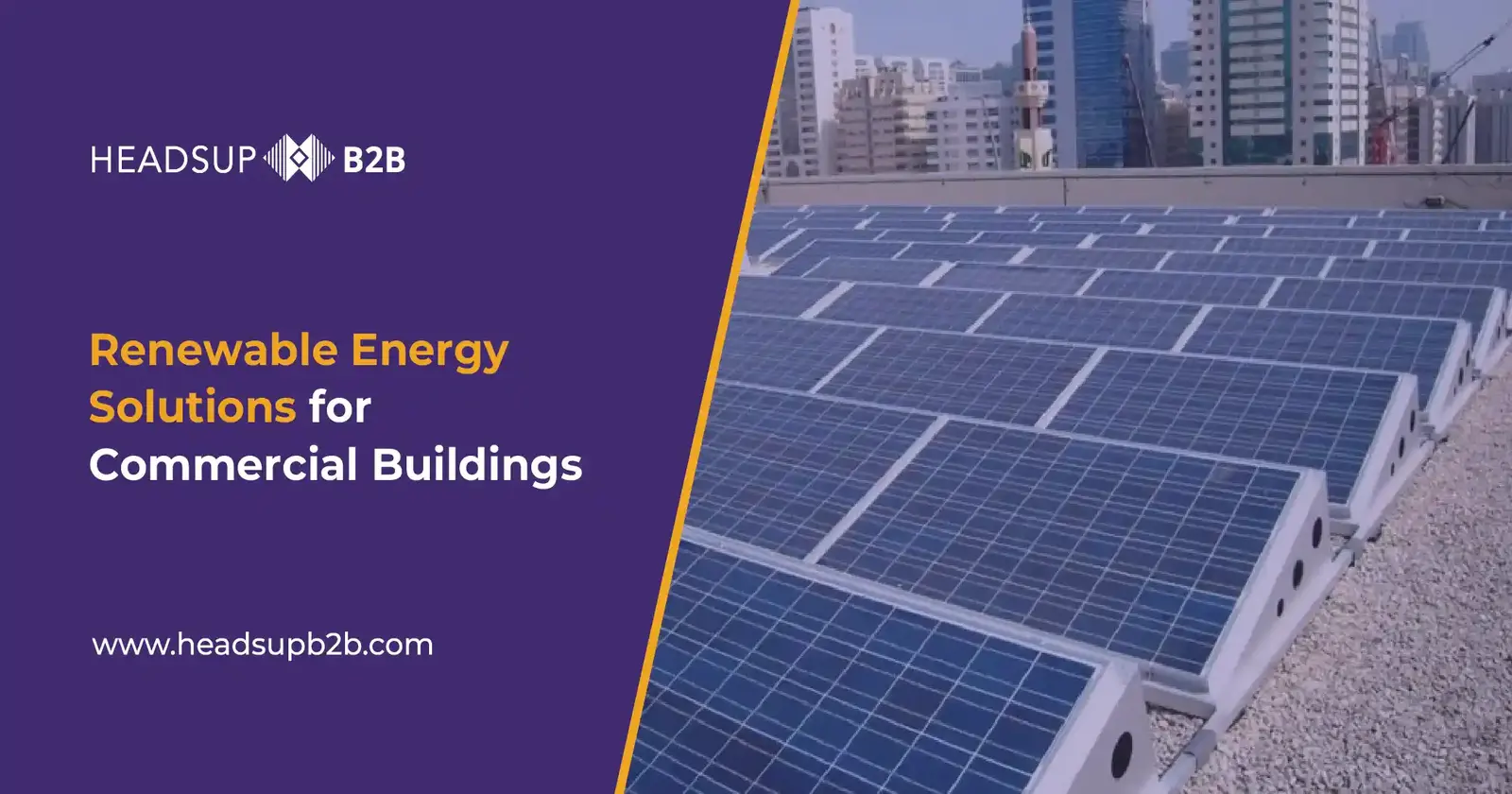
  • Renewable Energy Solutions for Commercial Buildings

    Renewable Energy Solutions for Commercial Buildings

    Walk into any commercial building today, whether it’s a mall, office complex, or data center, and one thing becomes obvious very quickly: energy consumption is massive. From lighting and HVAC systems to servers and elevators, everything runs on electricity. The demand is not slowing down either. In fact, the buildings sector alone accounts for 31% of global final energy consumption, which is a staggering figure when you think about it. (REN21)

    Now add to that the increasing reliance on cooling systems. With rising temperatures across the globe, air conditioning has become one of the fastest-growing energy uses, increasing by about 4% annually. (REN21) This puts immense pressure on traditional energy systems, which are still heavily dependent on fossil fuels.

    Here’s where renewable energy steps in. Instead of pulling power from coal or gas-based grids, businesses now have the option to generate clean energy right where they operate. It’s like having your own power plant on your rooftop. That shift doesn’t just reduce dependency on external supply but also brings long-term cost control.

    And in a country like India, where electricity demand is growing steadily and expected to cross 2,000 billion units annually, the case for decentralized renewable solutions becomes even stronger. (Press Information Bureau)

    Environmental Impact of Traditional Energy

    Traditional energy sources come with a heavy environmental price. Coal-fired power plants release massive amounts of carbon dioxide, contributing to global warming. For commercial buildings, which run almost round the clock, this adds up quickly.

    Think about a large corporate office operating 12 hours a day. Multiply that across thousands of buildings, and you start to see why the building sector is a major contributor to emissions. The challenge isn’t just energy consumption; it’s how that energy is produced.

    Renewable energy changes that equation completely. Solar panels, wind turbines, and geothermal systems generate power without emitting greenhouse gases. This makes them one of the most effective tools for reducing carbon footprints.

    More importantly, businesses are now being judged not just on profits but on sustainability. Clients, investors, and even employees expect companies to take environmental responsibility seriously. Renewable energy is no longer optional; it’s becoming a standard.

    Global Growth of Renewable Energy

    Renewable energy is no longer a niche concept. It’s scaling faster than most people realize. Globally, renewable power capacity is expected to grow by nearly 4,600 GW between 2025 and 2030, which is almost double the growth seen in the previous five years. (IEA)

    Solar energy is leading this surge. Lower costs, faster installations, and strong policy support have made it the go-to solution for both residential and commercial users. In fact, solar alone is expected to account for nearly 80% of new renewable capacity additions worldwide. (IEA)

    Another interesting shift is cost competitiveness. Around 90% of new renewable projects are now cheaper than fossil fuel alternatives, making the decision easier for businesses focused on cost efficiency. (Reuters)

    Adoption in Commercial Real Estate

    Commercial real estate is catching up quickly. Buildings equipped with renewable systems are not just energy-efficient but also financially attractive. Studies show that such properties can see value increases of 3–7%, which is a significant boost in a competitive market. (revistarealestate.com)

    In India, the adoption rate is accelerating even faster. Renewable energy already accounts for nearly 40% of installed power capacity, with solar being the dominant contributor. (India Brand Equity Foundation)

    This shift is driven by a mix of factors: rising electricity costs, regulatory pressure, and growing awareness among businesses. It’s no longer just about saving energy; it’s about building future-ready infrastructure.

    Types of Renewable Energy Solutions

    Solar Power Systems

    Rooftop Solar Installations

    Rooftop solar is the most common entry point for commercial buildings. It’s straightforward, scalable, and works almost anywhere with decent sunlight. Install panels on your roof, connect them to your electrical system, and start generating power.

    The beauty of rooftop solar lies in its flexibility. You can start small and expand later as your energy needs grow. For businesses, this means lower upfront risk and gradual investment.

    In cities like Delhi, rooftop solar already dominates, contributing nearly 97% of total solar installations, which shows how practical and effective this solution is in urban environments. (SovaSolarLtd. –)

    Solar Carports and Facades

    Not every building has enough roof space. That’s where solar carports and building-integrated photovoltaics come in. Parking lots can be converted into energy-generating zones, while building facades can double as solar panels.

    It’s a clever way to use existing infrastructure without needing additional land. Plus, it adds a modern, tech-forward look to the property.

    Wind Energy Solutions

    Wind energy is less common in urban commercial settings but works well in industrial zones or large campuses. Small-scale wind turbines can supplement solar systems, creating a hybrid energy model.

    While wind depends on location, advancements in turbine design are making it more viable even in moderate wind conditions.

    Geothermal Energy Systems

    Geothermal systems tap into the earth’s natural heat to regulate building temperatures. Instead of relying heavily on air conditioners or heaters, these systems use underground temperatures to maintain indoor comfort.

    They’re highly efficient and work best for large commercial spaces like hotels, hospitals, and campuses. Once installed, operational costs are minimal.

    Biomass Energy for Buildings

    Biomass uses organic materials like agricultural waste to generate energy. For commercial buildings located near industrial or agricultural zones, this can be a practical option.

    It’s not as widely used as solar, but it adds diversity to the renewable mix and helps manage waste effectively.

    Energy Storage and Smart Systems

    Battery Storage Systems

    Generating renewable energy is one part of the equation. Storing it is equally important. Solar panels produce power during the day, but what happens at night?

    Battery storage systems solve this problem. They store excess energy and release it when needed, ensuring a steady power supply. With battery costs dropping significantly over the years, this technology is becoming more accessible.

    Smart Energy Management Systems

    Smart systems act like the brain of your energy setup. They monitor usage, optimize performance, and reduce waste. Imagine a system that automatically adjusts lighting and cooling based on occupancy. That’s what smart energy management does.

    For commercial buildings, this means better efficiency without manual intervention.

    Benefits of Renewable Energy for Businesses

    Cost Savings and ROI

    Let’s talk numbers. Electricity bills are one of the biggest operational expenses for commercial buildings. Renewable energy reduces that burden significantly.

    Once installed, systems like solar panels generate free electricity for years. Over time, the savings often outweigh the initial investment, making it a financially sound decision.

    Increased Property Value

    Buildings with renewable systems are more attractive to tenants and investors. They offer lower operating costs and align with sustainability goals.

    As mentioned earlier, property values can increase by up to 7%, which is a strong incentive for developers. (revistarealestate.com)

    Brand Image and Sustainability Goals

    Consumers today care about sustainability. Businesses that invest in renewable energy send a strong message: they are responsible and forward-thinking.

    This improves brand perception and can even influence purchasing decisions.

    Challenges in Implementation

    Initial Investment Costs

    The biggest barrier is the upfront cost. Installing solar panels or geothermal systems requires significant capital. While long-term savings are attractive, not every business is ready to make that initial investment.

    However, financing options and leasing models are making it easier to adopt these technologies.

    Infrastructure and Space Constraints

    Urban buildings often face space limitations. Not every structure has enough rooftop area for solar panels.

    In such cases, creative solutions like solar facades or off-site renewable sourcing become important.

    Future of Renewable Energy in Commercial Buildings

    Technological Innovations

    Technology is evolving rapidly. From more efficient solar panels to advanced battery storage, the future looks promising.

    We’re also seeing integration with smart grids and electric vehicles, creating a connected energy ecosystem.

    Net-Zero Commercial Buildings

    Net-zero buildings generate as much energy as they consume. This concept is gaining traction globally.

    In India, examples like government buildings achieving net-zero status show that this is not just theory but a practical reality.

    Conclusion

    Renewable energy in commercial buildings is no longer a trend; it’s becoming the standard. With rising energy demand, cost pressures, and environmental concerns, businesses are actively shifting toward cleaner solutions.

    Solar, wind, geothermal, and smart systems are reshaping how buildings consume and generate energy. While challenges exist, the long-term benefits far outweigh them.

    The shift is already happening. The question is not whether businesses will adopt renewable energy, but how quickly they will do it.

    FAQ

    1. What is the best renewable energy solution for commercial buildings?

    Solar energy is the most widely used due to its flexibility, cost-effectiveness, and ease of installation.

    2. How much can businesses save with renewable energy?

    Savings vary, but many businesses recover their investment within 4–7 years and then benefit from near-free electricity.

    3. Is renewable energy suitable for small commercial buildings?

    Yes, even small buildings can install rooftop solar systems and benefit from reduced energy costs.

    4. What are the main challenges of adopting renewable energy?

    High initial costs and space limitations are the most common challenges.

    5. Can commercial buildings achieve net-zero energy?

    Yes, with the right combination of renewable systems, storage, and efficiency measures, net-zero buildings are achievable.

  • Top Renewable Energy Solutions Transforming the Power Industry

    Top Renewable Energy Solutions Transforming the Power Industry

    The global energy sector is experiencing one of the biggest transformations in modern history. For more than a century, electricity generation depended heavily on fossil fuels such as coal, oil, and natural gas. While these sources powered industrial growth and technological advancement, they also brought serious environmental challenges including air pollution, rising carbon emissions, and climate instability. As a result, governments, businesses, and energy companies across the world are shifting toward cleaner and more sustainable power generation methods.

    Renewable energy has become the driving force behind this transformation. Unlike fossil fuels, renewable energy sources are naturally replenished and produce little to no greenhouse gas emissions during electricity generation. This makes them an essential component of global efforts to reduce environmental impact while still meeting growing energy demand. Today, renewable energy technologies are not only helping protect the environment but also reshaping the economics of power production.

    The rapid advancement of technology has made renewable energy more efficient and affordable than ever before. Solar panels have become significantly cheaper over the past decade, wind turbines now generate far more electricity than earlier designs, and advanced battery systems are improving energy storage capabilities. These innovations are allowing renewable energy to compete directly with traditional power sources.

    Across the world, power companies are investing billions of dollars in renewable energy infrastructure. Massive solar farms are being built in sunny regions, offshore wind projects are expanding along coastlines, and new technologies such as hydrogen energy and smart grids are emerging to support the clean energy transition. The result is a power industry that is gradually shifting from centralized fossil-fuel plants to decentralized, technology-driven renewable systems.

    Understanding the key renewable energy solutions driving this transformation is essential for anyone interested in the future of power generation. From solar and wind to geothermal and energy storage systems, several technologies are playing a critical role in shaping the next generation of energy infrastructure.

    Solar Energy: The Fastest Growing Renewable Power Source

    Solar energy has become the most widely adopted renewable energy technology in the world. It works by capturing sunlight through photovoltaic panels and converting it directly into electricity. Because sunlight is abundant and widely available, solar energy can be deployed almost anywhere—from residential rooftops to massive utility-scale solar farms.

    One of the biggest advantages of solar energy is its scalability. Small residential systems can power individual homes, while large solar plants can generate electricity for entire cities. This flexibility has helped solar power expand rapidly across both developed and developing countries. As panel efficiency improves and installation costs decrease, solar energy is becoming an increasingly attractive option for energy producers.

    Another important factor driving solar adoption is its declining cost. Over the past decade, the cost of solar power generation has dropped dramatically due to improvements in manufacturing, supply chains, and panel technology. In many regions, solar energy is now one of the cheapest sources of electricity available.

    Solar power also integrates well with modern energy systems. When paired with battery storage, solar panels can provide reliable electricity even after sunset. This combination allows homes, businesses, and utilities to reduce reliance on traditional power grids while improving energy security.

    Large-scale solar farms are transforming the power industry by supplying clean electricity to national grids. Countries such as China, the United States, and India have built enormous solar facilities capable of generating hundreds of megawatts of electricity. These projects demonstrate the potential of solar energy to become a dominant force in global power production.

    Wind Energy: Harnessing Natural Airflow for Electricity

    Wind energy is another major renewable solution transforming the power industry. Wind turbines generate electricity by converting the kinetic energy of moving air into mechanical power, which then drives a generator. Modern wind turbines are highly efficient and capable of producing significant amounts of electricity.

    Wind power is particularly effective in areas with consistent wind patterns such as coastal regions, open plains, and offshore locations. In these environments, large wind farms can generate massive quantities of electricity with minimal environmental impact.

    One of the most exciting developments in the wind energy sector is the expansion of offshore wind farms. Offshore turbines benefit from stronger and more consistent winds compared to those on land, allowing them to produce higher levels of electricity. Several countries are investing heavily in offshore wind infrastructure, building massive projects capable of powering millions of homes.

    Technological improvements have also enhanced wind turbine performance. Modern turbines are larger, more efficient, and equipped with advanced control systems that maximize energy production. Some of the newest turbines exceed 12 megawatts in capacity, making them among the most powerful electricity generators in the renewable sector.

    Wind energy also offers significant economic benefits. Large wind projects create thousands of jobs in manufacturing, construction, maintenance, and engineering. As the wind industry continues to grow, it is becoming a key contributor to economic development in many regions.

    With its high efficiency and ability to generate large amounts of electricity, wind power is expected to remain one of the most important renewable energy solutions shaping the future of the power industry.

    Hydropower: The Backbone of Renewable Electricity

    Hydropower is one of the oldest and most reliable renewable energy sources used for electricity generation. It works by using flowing or falling water to spin turbines connected to generators. Because water flow can be controlled through dams and reservoirs, hydropower provides a stable and predictable energy supply.

    Many countries rely heavily on hydropower for their electricity needs. Large hydroelectric dams can generate enormous amounts of power while also supporting irrigation, flood control, and water management. These projects have played a major role in developing national energy infrastructures.

    Hydropower is known for its high efficiency. In fact, hydroelectric plants can convert more than 90 percent of water energy into electricity, making them one of the most efficient power generation technologies available.

    Small-scale hydropower systems are also becoming more popular. These systems use smaller rivers or water channels to generate electricity without the need for massive dams. Such installations are particularly useful in remote or rural areas where access to traditional power grids may be limited.

    Although hydropower offers many benefits, it also requires careful environmental management. Large dams can impact ecosystems and local communities if not properly planned. As a result, modern hydropower projects focus on balancing energy production with environmental protection.

    Despite these challenges, hydropower remains a vital component of the renewable energy mix and continues to play a key role in the transformation of the global power industry.

    Geothermal Energy: Tapping Heat from the Earth

    Geothermal energy harnesses heat stored beneath the Earth’s surface to produce electricity or provide direct heating. This renewable resource originates from natural processes occurring within the Earth’s core, where extremely high temperatures generate underground heat reservoirs.

    Geothermal power plants use steam or hot water from underground reservoirs to spin turbines and generate electricity. Because geothermal resources are available continuously, they provide a stable and reliable energy supply that is not affected by weather conditions.

    Geothermal energy is particularly useful in regions with strong geological activity such as volcanic areas or tectonic plate boundaries. Countries like Iceland, Indonesia, and the Philippines have successfully developed geothermal power plants that supply significant portions of their electricity.

    Another advantage of geothermal energy is its low environmental impact. Geothermal plants occupy relatively small land areas and produce minimal emissions compared to fossil fuel power plants.

    In addition to electricity generation, geothermal technology can be used for heating and cooling buildings through geothermal heat pumps. These systems transfer heat between buildings and the ground, improving energy efficiency and reducing electricity consumption.

    As technology advances, geothermal energy is becoming more accessible in regions that were previously unable to utilize underground heat resources. Enhanced geothermal systems are currently being developed to expand the potential of this powerful renewable energy source.

    Biomass Energy: Turning Organic Materials into Power

    Biomass energy uses organic materials such as agricultural waste, wood, crop residues, and animal waste to produce electricity or heat. These materials contain stored chemical energy from the sun, which can be released through combustion or converted into biofuels.

    Biomass power plants generate electricity by burning organic materials to produce steam that drives turbines. In some cases, biomass can also be converted into liquid fuels such as ethanol or biodiesel, which can be used in transportation and industrial processes.

    One of the main advantages of biomass energy is its ability to utilize waste materials that would otherwise be discarded. By converting agricultural or forestry residues into energy, biomass systems reduce waste while producing useful electricity.

    Biomass can also provide consistent power generation, unlike some renewable sources that depend on weather conditions. This makes it a valuable complement to solar and wind energy systems.

    However, biomass energy must be managed carefully to ensure sustainability. Overharvesting organic materials can lead to environmental problems such as deforestation or soil degradation. Responsible resource management is therefore essential for maintaining the long-term benefits of biomass energy.

    Energy Storage Systems: Supporting Renewable Power

    As renewable energy becomes more widespread, energy storage systems are playing an increasingly important role in the power industry. Because some renewable sources like solar and wind depend on weather conditions, energy storage technologies help balance electricity supply and demand.

    Battery storage systems allow excess electricity generated during periods of high production to be stored for later use. For example, solar panels produce the most electricity during the day, but demand often increases in the evening. Batteries help bridge this gap by storing daytime energy for nighttime consumption.

    Large-scale battery projects are now being installed by power companies to stabilize electricity grids and support renewable energy integration. These systems improve grid reliability while reducing the need for backup fossil fuel power plants.

    Advancements in battery technology are making storage systems more efficient and affordable. Lithium-ion batteries currently dominate the market, but researchers are developing new storage technologies such as solid-state batteries, flow batteries, and hydrogen storage systems.

    Energy storage is widely considered one of the most important technologies enabling the renewable energy transition. Without effective storage solutions, renewable electricity would be much harder to integrate into modern power grids.

    Smart Grids: Modernizing the Power Network

    The rise of renewable energy has also led to the development of smart grid technology. Traditional electricity grids were designed for centralized power plants that send electricity in one direction to consumers. Renewable energy systems, however, often generate electricity in decentralized locations such as homes or local facilities.

    Smart grids use advanced communication systems, sensors, and automation technology to manage electricity flows more efficiently. They allow utilities to monitor energy production, detect outages quickly, and balance supply and demand across the network.

    One major advantage of smart grids is their ability to integrate multiple renewable energy sources simultaneously. Solar farms, wind turbines, battery storage systems, and even electric vehicles can all contribute electricity to the grid.

    Smart grids also empower consumers by enabling them to participate in energy production. Homeowners with solar panels can send excess electricity back to the grid, creating a more interactive and flexible energy system.

    As renewable energy adoption continues to increase, smart grid infrastructure will become essential for maintaining reliable electricity networks.

    Conclusion

    Renewable energy technologies are reshaping the global power industry at an unprecedented pace. Solar panels, wind turbines, hydropower plants, geothermal systems, and biomass facilities are replacing traditional fossil fuel power generation while helping reduce environmental impact.

    Advances in energy storage and smart grid technology are making renewable energy more reliable and easier to integrate into existing electricity systems. As costs continue to fall and efficiency improves, renewable power solutions are becoming the foundation of the modern energy economy.

    The transformation of the power industry is still underway, but the direction is clear. Clean, sustainable, and technology-driven energy systems are rapidly becoming the new standard for electricity generation worldwide.

    FAQs

    1. What is the most widely used renewable energy source?

    Solar energy is currently the fastest growing and most widely adopted renewable energy source worldwide.

    2. Why is renewable energy important for the power industry?

    Renewable energy reduces carbon emissions, improves energy security, and provides sustainable electricity generation.

    3. Which renewable energy source is most efficient?

    Hydropower is considered one of the most efficient renewable energy sources, converting over 90 percent of water energy into electricity.

    4. Can renewable energy replace fossil fuels completely?

    Many experts believe renewable energy combined with energy storage and smart grid systems can eventually replace most fossil fuel power generation.

    5. What technology supports renewable energy reliability?

    Energy storage systems and smart grid technologies help maintain reliable electricity supply when renewable sources fluctuate.

  • Renewable Energy Solutions: A Complete Guide for Homes and Businesses

    Renewable Energy Solutions: A Complete Guide for Homes and Businesses

    When people hear the phrase renewable energy, they usually think of solar panels on rooftops or wind turbines spinning across open landscapes. At its core, renewable energy refers to electricity generated from natural sources that replenish continuously. These sources include sunlight, wind, water flow, geothermal heat, and organic matter. Unlike fossil fuels such as coal or oil, these resources are not depleted when used. Instead, they regenerate naturally through environmental processes. (carboncollective.co)

    The concept might sound simple, but the implications are massive. Energy has always been the backbone of modern life. Every home appliance, office building, and factory relies on power to function. For decades, fossil fuels dominated the energy sector because they were easy to extract and transport. However, their environmental impact—particularly greenhouse gas emissions—has pushed governments and industries to search for cleaner alternatives.

    Renewable energy provides a solution that addresses both energy demand and environmental responsibility. Systems powered by sunlight, wind, or water produce electricity with little or no operational emissions. This dramatically reduces pollution and protects natural ecosystems. (pes.stonewallco.com)

    Another compelling factor is accessibility. Solar panels, for example, can be installed on residential rooftops, office complexes, warehouses, and even parking lots. Wind turbines can operate on farmland or offshore locations. The result is an energy system that is far more distributed than traditional power generation.

    For homeowners and businesses, renewable energy represents something more than sustainability. It means energy independence, lower utility bills, and protection against rising electricity costs. With technology improving rapidly and installation costs decreasing every year, renewable solutions have shifted from a futuristic idea to a practical choice.

    Why the World Is Shifting Toward Renewable Power

    The global shift toward renewable energy is not happening by accident. It is driven by a combination of environmental urgency, technological innovation, and economic practicality. Electricity demand continues to rise worldwide as economies expand, populations grow, and industries become increasingly electrified. According to energy research projections, global electricity demand is expected to grow by at least 2.8% annually through 2030. (World Resources Institute)

    At the same time, fossil fuels face growing criticism due to their environmental impact. Burning coal, oil, and natural gas releases carbon dioxide and other pollutants into the atmosphere, contributing to climate change and poor air quality. Renewable energy, on the other hand, produces electricity with minimal emissions during operation.

    The economic argument is also compelling. Renewable technologies have become significantly cheaper over the past decade. Solar photovoltaic costs have dropped dramatically, while wind energy generation costs continue to decline due to improved turbine design and manufacturing efficiencies. (IRENA)

    Another major driver is job creation. Studies from global organizations indicate that renewable energy industries generate three times more jobs than fossil fuel sectors. (United Nations) This includes roles in manufacturing, installation, maintenance, engineering, and research.

    Energy security is another factor. Countries relying heavily on imported fossil fuels face economic and political vulnerabilities. Renewable energy allows nations to generate power domestically using local resources such as sunlight, wind, and water.

    For homeowners and businesses, the shift toward renewable energy translates into a practical opportunity. Instead of depending entirely on centralized power grids, individuals and organizations can produce their own electricity. That ability fundamentally changes how energy is produced, distributed, and consumed.

    Global Renewable Energy Trends

    Growth of Renewable Energy Worldwide

    Renewable energy is no longer a niche sector. It has become one of the fastest-growing segments of the global energy market. Clean energy sources now account for more than 40% of global electricity generation, driven primarily by the expansion of solar and wind technologies. (Ember Energy)

    Investment trends show the scale of this transformation. In 2024 alone, global investment in renewable energy reached $728 billion, reflecting continued growth despite economic challenges. (REN21) Governments, corporations, and financial institutions increasingly recognize renewable energy as a long-term strategic investment.

    The pace of expansion is expected to accelerate even further. Energy analysts project that global renewable power capacity could increase by nearly 4,600 gigawatts between 2025 and 2030, effectively doubling the growth seen in the previous five years. (IEA)

    Solar energy is expected to lead this surge. Falling panel prices, streamlined permitting processes, and widespread public acceptance have made solar installations easier than ever. From residential rooftops to massive utility-scale solar farms, photovoltaic systems are becoming a standard feature of the energy infrastructure.

    Wind energy is also expanding rapidly, particularly in regions with strong coastal winds. Offshore wind farms are being developed across Europe, Asia, and North America, capable of generating electricity for millions of homes.

    These global trends illustrate a critical shift. Renewable energy is no longer an experimental alternative; it is becoming the dominant force shaping the future of electricity generation.

    Renewable Energy Adoption in Homes and Businesses

    One of the most significant developments in the renewable sector is the rise of distributed energy systems. Instead of relying solely on centralized power plants, electricity can now be generated closer to where it is consumed.

    For households, rooftop solar installations have become the most popular renewable solution. Small solar systems typically range between 1 kW and 10 kW, depending on household electricity consumption. These systems allow homeowners to generate a substantial portion of their electricity while reducing dependence on utility companies.

    Businesses are also adopting renewable energy at an unprecedented rate. Large corporations are installing solar panels on warehouse roofs, manufacturing plants, and office buildings. Retail chains and technology companies are investing heavily in renewable power purchase agreements to meet sustainability goals.

    Commercial solar installations can be enormous in scale. Industrial solar farms often produce hundreds of megawatts of electricity, supplying energy not only for internal operations but also for surrounding communities.

    Another emerging trend is the integration of renewable energy with electric vehicle infrastructure. Homes equipped with solar panels can charge electric cars directly from renewable electricity, reducing both fuel costs and carbon emissions.

    The rapid adoption of renewable systems in homes and businesses signals a transformation in how electricity is produced and consumed. Instead of a one-way flow from power plants to consumers, energy systems are evolving into interactive networks where individuals and companies play an active role in generation.

    Types of Renewable Energy Sources

    Solar Energy

    Solar energy is arguably the most accessible renewable energy source available today. It harnesses sunlight through photovoltaic panels that convert solar radiation into electricity. Solar installations can range from small rooftop systems to massive solar farms covering hundreds of acres.

    One of the main advantages of solar energy is its scalability. A homeowner can install a small system that powers a few appliances, while a corporation can build large solar arrays capable of powering entire industrial facilities. Solar technology has also become increasingly affordable, making it one of the most attractive options for renewable adoption.

    Wind Energy

    Wind energy relies on turbines that convert kinetic energy from moving air into electricity. Modern wind turbines are highly efficient and capable of producing significant amounts of power. Large turbines can generate electricity for thousands of homes.

    Wind farms are typically located in open areas such as coastal regions, plains, and offshore locations where wind speeds remain consistent. While wind energy is more common at the utility scale, smaller turbines are sometimes installed on farms or rural properties.

    Hydropower

    Hydropower generates electricity by using flowing water to spin turbines. It remains one of the oldest and most reliable renewable energy sources. Large dams produce massive amounts of electricity for national grids, while smaller hydro systems can power rural communities.

    Hydropower is known for its high efficiency. Some hydroelectric plants convert more than 90% of the water’s energy into electricity, making it one of the most efficient energy technologies available. (SunSave Energy)

    Geothermal Energy

    Geothermal energy taps into heat stored beneath the Earth’s surface. This heat can generate electricity or provide heating and cooling for buildings. Geothermal systems are particularly effective in regions with significant volcanic or tectonic activity.

    For homeowners, geothermal heat pumps offer an efficient way to regulate indoor temperatures by transferring heat between the building and the ground.

    Biomass Energy

    Biomass energy is produced from organic materials such as agricultural waste, wood, and plant matter. These materials can be burned directly for heat or converted into biofuels for electricity generation.

    Although biomass is renewable, its environmental impact depends on how resources are harvested and processed. When managed responsibly, biomass can provide a reliable energy source while reducing waste.

    Renewable Energy Solutions for Businesses

    Commercial Solar Installations

    Businesses often have large roof spaces that are ideal for solar panel installations. Commercial solar systems reduce operating costs and help companies meet sustainability goals.

    Many corporations are also signing long-term renewable energy contracts to power their operations with clean electricity.

    Industrial Wind and Hybrid Systems

    Large companies sometimes combine multiple renewable technologies to ensure consistent power generation. For example, wind turbines can produce electricity during cloudy days when solar output is lower.

    Hybrid systems that combine solar, wind, and battery storage are becoming increasingly common in industrial facilities.

    Renewable Microgrids

    A microgrid is a localized energy system that can operate independently from the main electricity grid. Businesses use microgrids to ensure uninterrupted power during outages.

    Microgrids often combine solar panels, wind turbines, batteries, and backup generators to create a reliable and flexible energy supply.

    Cost Comparison and Economic Benefits

    Renewable Energy vs Fossil Fuels

    One of the biggest misconceptions about renewable energy is that it is expensive. In reality, renewable technologies have become highly competitive with fossil fuels.

    Energy Source

    Average Cost per kWh

    Key Advantage

    Solar

    ~\(0.049

    Low installation cost

    Onshore Wind

    ~\)0.033

    High efficiency

    Hydropower

    ~\(0.05

    Reliable power

    Fossil Fuel Plants

    \)0.05–$0.15

    Established infrastructure

    Renewable energy can also reduce electricity prices by up to 87% in some scenarios, making it economically attractive for both households and businesses. (carboncollective.co)

    Environmental Impact of Renewable Energy

    Renewable energy plays a critical role in reducing pollution and combating climate change. Unlike fossil fuels, renewable systems generate electricity without releasing harmful pollutants into the air.

    Cleaner air improves public health, reduces respiratory illnesses, and protects ecosystems. Renewable systems also consume less water compared to conventional power plants, making them environmentally sustainable.

    Challenges of Renewable Energy Adoption

    Despite its advantages, renewable energy still faces several challenges. One major issue is intermittency. Solar panels only produce electricity during daylight hours, and wind turbines depend on wind availability.

    Energy storage systems and smart grid technologies are helping address these challenges. As battery technology continues to improve, renewable energy will become even more reliable.

    Infrastructure is another challenge. Upgrading electrical grids to handle distributed renewable energy requires significant investment and planning.

    Future of Renewable Energy Technology

    The future of renewable energy looks promising. Innovations in solar panel efficiency, wind turbine design, and battery storage continue to improve performance while reducing costs.

    Energy experts expect renewable technologies to dominate electricity generation in the coming decades. With continued investment and technological advancement, the transition toward cleaner energy systems will accelerate.

    Homes, businesses, and entire cities are likely to operate on integrated renewable systems that combine solar power, wind energy, battery storage, and electric transportation.

    Conclusion

    Renewable energy is reshaping how the world produces and consumes electricity. From rooftop solar panels to large-scale wind farms, clean energy technologies are becoming essential components of modern infrastructure. They offer environmental benefits, economic savings, and greater energy independence.

    For homeowners, renewable systems reduce electricity bills and increase property value. For businesses, they improve operational efficiency and strengthen sustainability commitments. As technology continues to advance and costs decline, renewable energy solutions will become even more accessible.

    The transition to renewable power is no longer a distant vision. It is already happening in homes, businesses, and communities across the globe.

    FAQs

    1. What is the most affordable renewable energy option for homes?

    Solar energy is currently the most accessible and affordable renewable option for households because of declining panel costs and easy installation.

    2. Can renewable energy power an entire home?

    Yes. With the right combination of solar panels, battery storage, and energy-efficient appliances, many homes can operate entirely on renewable electricity.

    3. Are renewable energy systems suitable for small businesses?

    Absolutely. Small businesses can install rooftop solar panels or participate in renewable energy purchase agreements to reduce electricity costs.

    4. How long do solar panels last?

    Most solar panels last between 25 and 30 years, although many continue producing electricity at reduced efficiency after that period.

    5. Is renewable energy reliable?

    Yes. While some sources depend on weather conditions, combining multiple renewable systems with battery storage ensures a stable power supply.
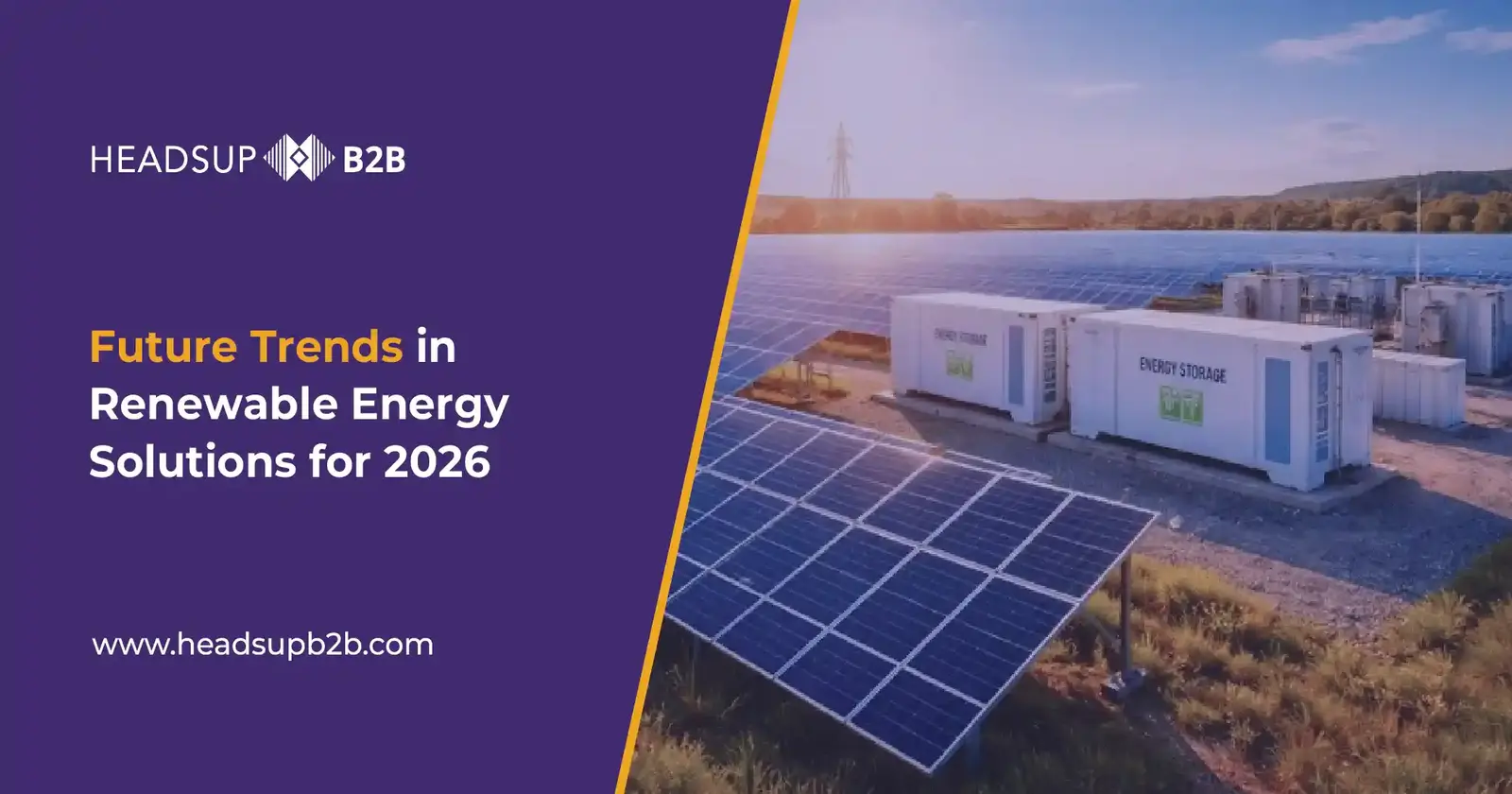
  • Your One-Stop B2B Partner for Electrical Solutions and Products

    Your One-Stop B2B Partner for Electrical Solutions and Products

    In fast-moving industrial and commercial environments, businesses need electrical partners they can rely on for quality, speed, and technical expertise. Managing separate vendors for equipment, installation, maintenance, and upgrades often leads to delays, higher costs, and coordination issues.

    That’s why many organizations prefer working with a single end-to-end B2B electrical partner who can handle everything in one place.

    A one-stop electrical solutions provider simplifies procurement, improves execution, and ensures consistent quality across every stage of work.

    What Does a One-Stop Electrical Partner Offer?

    A complete B2B electrical partner supports businesses throughout the full lifecycle of their electrical requirements.

    1. Electrical Products Supply

    Businesses get access to a wide range of certified and industry-grade products such as:

    • Industrial cables and wiring systems

    • Switchgear and control panels

    • Transformers and power distribution equipment

    • Commercial and industrial lighting systems

    • Electrical safety and protection devices

    Working with a single supplier ensures compatibility, standardized quality, and faster sourcing.

    2. Turnkey Electrical Solutions

    Beyond products, businesses need reliable technical execution. A full-service partner provides:

    • Electrical system design and planning

    • Load assessment and power optimization

    • Installation and commissioning

    • Integration with existing infrastructure

    If you’re looking for a complete portfolio of services covering design, supply, installation, and lifecycle support, you can review our full range of B2B electrical solutions designed for industrial and commercial needs.

    3. Maintenance and After-Sales Support

    Electrical systems require regular servicing to maintain performance and safety. A dependable partner offers:

    • Preventive maintenance programs

    • Emergency repair services

    • System audits and inspections

    • Spare parts and asset support

    This reduces downtime and extends equipment lifespan.

    4. Upgrades and Modernization

    As technology advances, electrical infrastructure must keep pace. A dedicated partner supports businesses with:

    • Energy-efficient system upgrades

    • Smart automation integration

    • Power backup and redundancy planning

    • Safety and compliance upgrades

    This keeps operations reliable and future-ready.

    Why Businesses Prefer a Single Electrical Partner

    Faster Project Execution

    Coordinating multiple vendors often leads to delays. A unified partner streamlines timelines and improves accountability.

    Cost Efficiency

    Bulk procurement, lower logistics overhead, and bundled service contracts reduce total project costs.

    Consistent Quality Standards

    Working with one provider ensures uniform materials, installation standards, and safety practices.

    Simplified Vendor Management

    One contract, one contact point, and one service team make operations easier for procurement and facility managers.

    Technical Expertise

    Experienced electrical partners bring industry knowledge, regulatory awareness, and engineering support that reduce project risks.

    Industries That Benefit Most

    A one-stop B2B electrical partner adds value across sectors such as:

    • Manufacturing and heavy industry

    • Construction and infrastructure projects

    • Commercial real estate and business parks

    • Hospitals and healthcare facilities

    • Data centers and IT parks

    • Energy and utilities

    These industries depend on uninterrupted, safe, and efficient power systems.

    Choosing the Right Electrical Solutions Partner

    When selecting a B2B electrical partner, businesses should look for:

    • Proven industry experience

    • Broad product portfolio

    • Certified quality standards

    • Skilled engineering team

    • Reliable after-sales support

    • Transparent pricing and contracts

    A partner that combines products, expertise, and dependable service delivers long-term value.

    The Strategic Advantage

    Electrical infrastructure supports every critical business operation. Treating it as a strategic investment rather than a routine expense improves productivity, safety, and scalability.

    A one-stop electrical partner doesn’t just supply equipment. They support business continuity, optimize energy use, and help organizations scale with confidence.

    Conclusion

    Managing electrical requirements through multiple vendors slows progress and increases complexity. A single B2B partner offering end-to-end electrical solutions and products gives businesses better control, faster execution, and dependable performance.

    For organizations aiming to improve efficiency and reduce operational friction, partnering with a trusted electrical solutions provider is a smart move.

    FAQs

    What are B2B electrical solutions?

    B2B electrical solutions include products and services built for industrial and commercial businesses, covering system design, equipment supply, installation, and maintenance.

    Why should businesses choose a one-stop electrical solutions provider?

    Working with a single provider reduces vendor coordination issues, speeds up project timelines, maintains consistent quality, and lowers overall operating costs.

    What products are included in industrial electrical solutions?

    These solutions usually cover cables, switchgear, control panels, transformers, power distribution systems, lighting solutions, and electrical safety devices.

    Do electrical solution providers offer installation and maintenance services?

    Yes. Full-service providers manage design, installation, commissioning, preventive maintenance, repairs, and system upgrades.

    Which industries benefit most from B2B electrical solutions?

    Manufacturing, construction, commercial real estate, healthcare facilities, data centers, infrastructure projects, and energy utilities depend heavily on professional electrical solutions.

  • How Businesses Save Time and Cost with End‑to‑End Electrical Solutions?

    How Businesses Save Time and Cost with End‑to‑End Electrical Solutions?

    Modern enterprises depend on reliable power for every operation, from lighting and data centers to security and manufacturing. When you hire multiple contractors for design, installation and maintenance, projects often take longer and cost more because of duplicate efforts and miscommunication. End‑to‑end electrical solutions address this problem by providing a single partner to handle every phase of your electrical system. This article explains how this approach saves time and money, the main elements involved and why it’s gaining popularity among commercial and industrial organizations.

    What Is an End‑to‑End Electrical Solution?

    An end‑to‑end electrical solution covers the entire lifecycle of your electrical system. It typically includes:

    • Design and engineering: A team of electrical specialists designs the power distribution, lighting, control systems and safety features to fit the facility’s requirements. Integrated design prevents conflicts with structural and mechanical elements.

    • Off‑site prefabrication: Components such as panels and cable assemblies are built off‑site in controlled environments. Prefabrication reduces on‑site congestion and ensures higher build quality.

    • Installation and construction: The same contractor installs the system on site, ensuring that the design intent is followed and code requirements are met. Turnkey delivery meets tight construction schedules.

    • Commissioning and testing: After installation, engineers test all circuits and safety devices, verifying performance and compliance.

    • Maintenance and upgrades: The end‑to‑end provider offers routine service, energy‑efficiency improvements and emergency response. FSG Austin, for example, manages everything from design and construction to upgrades and maintenance.

    By consolidating these steps under one provider, businesses avoid the delays and communication gaps that occur when multiple vendors are involved.

    How End‑to‑End Solutions Save Time

    1. Fast‑track projects with design‑build methods

    Traditional construction separates design and construction, leading to revisions and rework when different teams clash. A design‑build approach unites design, engineering and construction under one contract. According to the Design‑Build Institute of America, projects using design‑build delivery are completed about 33 % faster and 6 % cheaper than conventional methods. The design phase alone can be 35 % faster with 10 % lower cost, while construction is 25 % faster and 6 % cheaper. These savings stem from continuous collaboration, fewer change orders and smoother scheduling.

    2. Eliminate vendor overlap

    When separate companies handle design, installation and maintenance, teams often duplicate work or wait on each other. Choosing a single electrical contractor to handle all integrated systems creates a uniform approach and avoids conflicting standards. A single provider oversees the full scope of the project, reducing the repetition of effort and ensuring all systems are designed and installed efficiently. This streamlined coordination translates into faster project delivery.

    3. Reduce on‑site assembly time through prefabrication

    Off‑site prefabrication allows components to be built in a controlled environment and shipped to the site for quick installation. ESCO Electric notes that prefabricated assemblies shorten construction timelines and lower costs. Prefabrication also improves quality control and safety, which reduces delays caused by rework.

    4. Coordinate with other infrastructure work

    Underground electrical installations can be coordinated with road repairs, reducing excavation costs and merging two construction periods into one. This logistical benefit cuts down on downtime for local businesses and saves time on multiple projects.

    How End‑to‑End Solutions Cut Costs?

    1. Avoid costly errors and rework

    Integrated electrical construction brings designers, engineers and contractors together from the start. HYLAN explains that collaborative design and planning prevent conflicts and redundancies. By reducing delays and preventing costly errors, integrated approaches help keep projects within budget. A unified contractor also ensures that all systems work together, minimizing waste and optimizing resource use.

    2. Lower labor and procurement expenses

    One contractor handles procurement, reducing markup and streamlining material orders. Prefabricated assemblies minimize on‑site labor, and integrated planning optimizes resource utilization. Companies such as FSG integrate lighting, power and technology to improve efficiency and sustainability.

    3. Simplify accountability and maintenance

    When a single contractor is responsible for design, installation and integration, accountability is clear. Miller Electric notes that having one contractor simplifies responsibility and avoids the need to track down multiple vendors when issues arise. Clear accountability reduces administrative overhead and ensures timely resolution of problems, which translates into cost savings.

    4. Reduce downtime and productivity losses

    Underground electrical installations decrease the risk of outages because buried lines are less susceptible to damage from weather. They also reduce outage‑driven downtime for local businesses. Continuous maintenance programs and 24/7 emergency services further minimize unexpected failures, which helps maintain business continuity.

    Additional Benefits of Integrated Electrical Solutions

    • Enhanced safety: Integrated construction ensures that systems are designed to meet safety standards and reduces hazards through careful coordination.

    • Energy efficiency: Modern electrical contractors offer energy‑efficient lighting designs and panel upgrades, helping businesses cut utility costs.

    • Flexibility for future upgrades: Integrated systems are easier to expand or modify. Prefabricated and modular construction techniques make it simpler to incorporate renewable energy or smart technology.

    • Sustainability: Integrated designs often include renewable energy integration and smart grid technologies, contributing to lower environmental impact.

    When Should a Business Consider an End‑to‑End Solution?

    • New construction or major renovation: For projects requiring extensive electrical work, design‑build and integrated construction can offer significant savings in time and cost. ESCO Electric’s turnkey installations and prefabrication services shorten timelines and minimize on‑site congestion.

    • System upgrades and retrofits: Firms like FSG provide panel upgrades, energy‑efficient lighting and maintenance services that improve performance and reduce operating costs.

    • Complex facilities: Hospitals, data centers, manufacturing plants and smart buildings benefit from integrated electrical construction because it ensures that power, control and communication systems work together smoothly.

    FAQs

    **What does an end‑to‑end electrical solution include?
    **It covers design, engineering, prefabrication, installation, commissioning, and ongoing maintenance. By consolidating these phases under one provider, businesses avoid delays and miscommunication.

    **How do design‑build services save time and money?
    **Design‑build methods unite design and construction under one contract. Research cited by Roman Electric shows that this approach can deliver projects about 33 % faster and 6 % less costly than traditional methods.

    **What makes integrated solutions more efficient?
    **Integrated electrical construction relies on collaborative planning, advanced tools like BIM and prefabrication. These techniques minimize rework, reduce waste and accelerate timelines. Prefabricated assemblies specifically shorten on‑site construction and lower costs.

    **Are underground installations worth the investment?
    **While underground electrical work can be more expensive initially, it reduces the risk of outages caused by weather and can be coordinated with road repairs to lower excavation costs. Businesses benefit from fewer disruptions and improved reliability.

    **Why choose one contractor instead of multiple?
    **A single contractor provides consistency, efficiency and accountability. Miller Electric explains that having one firm design, install and integrate all systems eliminates conflicting standards, reduces repeated efforts and simplifies accountability.