Author: suraj

  • Unveiling the Advantages of W- Beam Barriers

    Unveiling the Advantages of W- Beam Barriers

    In the realm of road safety, W beam barriers stand as stalwart guardians, offering a myriad of benefits that fortify the security of motorists and pedestrians alike. As a leading authority in highway infrastructure, we delve deep into the myriad advantages that W-beam barriers bring to the table, showcasing their indispensable role in modern transportation networks.

    Enhanced Safety Protocols

    W Metal Beam Crash Barriers are quintessential elements of road safety infrastructure, meticulously engineered to mitigate the impact of vehicular collisions. Crafted from durable materials such as galvanized steel, these barriers boast remarkable resilience, effectively containing errant vehicles and averting potential accidents. Their strategic installation along highways and thoroughfares serves as a formidable deterrent against hazardous road conditions, ensuring the smooth flow of traffic while safeguarding lives.

    Superior Performance in Diverse Conditions

    Versatility lies at the core of W-beam barriers, as they exhibit unparalleled performance across a spectrum of environmental conditions. From bustling urban avenues to remote rural landscapes, these barriers remain steadfast guardians, steadfastly defending against the perils of vehicular mishaps. Their modular design allows for seamless integration into diverse terrains, guaranteeing optimal functionality regardless of topographical challenges or weather fluctuations.

    Cost-Effective Solutions for Infrastructure Development

    In the realm of infrastructure development, cost-efficiency is paramount, and W beam barriers emerge as frontrunners in this regard. Their robust construction coupled with streamlined installation processes translates to significant savings in both material and labor expenses. Moreover, the long-term durability of these barriers ensures minimal maintenance requirements, further bolstering their appeal as cost-effective solutions for roadway enhancement projects.

    Compliance with Stringent Regulatory Standards

    The proliferation of W-beam barriers underscores a steadfast commitment to regulatory compliance, as these safety implements adhere to stringent industry standards and specifications. From crash testing protocols to material composition guidelines, every facet of barrier design is meticulously scrutinized to ensure maximum efficacy in safeguarding public thoroughfares. By aligning with established regulations, W-beam barriers epitomize a steadfast dedication to excellence in road safety initiatives.

    Environmental Sustainability Initiatives

    Beyond their primary function as guardians of road safety, W-beam barriers contribute to broader environmental sustainability initiatives within the transportation sector. With an emphasis on recyclable materials and eco-friendly manufacturing processes, these barriers minimize their ecological footprint while maximizing their societal impact. By championing sustainability principles, W-beam barriers pave the way for a greener, more resilient future in roadway infrastructure development.

    Conclusion

    The myriad benefits of W-beam crash barriers underscore their indispensable role in modern transportation networks. From enhanced safety protocols to cost-effective infrastructure solutions, these barriers exemplify excellence in road safety engineering. As we continue to prioritize the well-being of motorists and pedestrians alike, W-beam barriers stand as steadfast sentinels, ensuring the smooth flow of traffic and safeguarding lives with unwavering dedication.

  • 10 Steps to Finding the Best TMT Bars in India

    10 Steps to Finding the Best TMT Bars in India

    1. Introduction

    Importance of TMT Bars in Construction

    Thermo-Mechanically Treated (TMT) bars are integral to modern construction, providing essential strength and durability to structures. As the backbone of reinforced concrete construction, TMT bars ensure safety and longevity, making them a critical choice for builders.

    Overview of TMT Bars in the Indian Market

    India, with its booming construction industry, has seen a significant demand for high-quality TMT bars. The market is flooded with various brands and grades, making it crucial for buyers to make informed decisions to ensure the structural integrity of their projects.

    2. Understanding TMT Bars

    Definition and Features

    TMT bars are high-strength reinforcement bars with a tough outer core and a softer inner core. They are designed to withstand high stress and strain, ensuring the structural stability of buildings and infrastructures.

    Manufacturing Process

    The manufacturing process of TMT bars involves three main steps: quenching, self-tempering, and atmospheric cooling. This process imparts the characteristic strength and flexibility to the bars, making them ideal for various construction needs.

    3. Types of TMT Bars

    Grade Classification (Fe 415, Fe 500, Fe 550, Fe 600)

    TMT bars are classified into different grades based on their tensile strength:

    Fe 415: Suitable for small-scale construction and residential buildings.

    Fe 500: Commonly used for commercial and high-rise buildings.

    Fe 550: Preferred for industrial and infrastructure projects.

    Fe 600: Used in heavy-duty construction requiring superior strength.

    Applications Based on Grades

    Each grade of TMT bar serves specific construction needs, ensuring the right balance between strength and flexibility for different types of projects.

    4. Benefits of Using TMT Bars

    Strength and Durability

    TMT bars offer exceptional strength and durability, ensuring that structures can withstand various loads and stresses over time.

    Earthquake Resistance

    The superior ductility of TMT bars allows them to absorb and dissipate energy during seismic events, reducing the risk of structural failure.

    Corrosion Resistance

    Specially treated to resist corrosion, TMT bars maintain their integrity in harsh environmental conditions, ensuring long-term durability.

    Cost-Effectiveness

    While TMT bars might have a higher upfront cost, their longevity and reduced maintenance needs make them a cost-effective choice in the long run.

    5. Key Factors to Consider When Choosing TMT Bars

    Quality Standards and Certifications

    Ensuring that TMT bars meet national and international quality standards is crucial. Certifications from bodies like BIS (Bureau of Indian Standards) guarantee the bars’ quality and performance.

    Brand Reputation

    Reputable brands are more likely to adhere to stringent manufacturing standards, providing reliable and consistent quality.

    Cost and Budget Considerations

    Balancing cost with quality is essential. It’s important to evaluate the cost-effectiveness of TMT bars in relation to their performance and longevity.

    Availability and Supply Chain

    Reliable supply chains ensure timely delivery of materials, preventing construction delays and cost overruns.

    6. Step-by-Step Guide to Finding the Best TMT Bars

    Step 1: Determine Your Construction Needs

    Identify the specific requirements of your construction project to select the appropriate grade and type of TMT bars.

    Step 2: Research and Shortlist Reputable Brands

    Look for brands with a proven track record of quality and reliability in the market.

    Step 3: Verify Quality Standards and Certifications

    Ensure the TMT bars meet relevant quality standards and certifications for safety and performance.

    Step 4: Compare Prices and Cost-Effectiveness

    Evaluate different brands based on their pricing and the value they offer in terms of durability and strength.

    Step 5: Check for Earthquake and Corrosion Resistance

    Select TMT bars that offer excellent resistance to seismic activity and corrosion for long-term reliability.

    Step 6: Assess Availability and Supply Chain Reliability

    Ensure the chosen brand can provide consistent supply to avoid project delays.

    Step 7: Read Reviews and Testimonials

    Look for feedback from other builders and contractors to gauge the performance of different TMT bars.

    Step 8: Consult with Construction Experts

    Seek advice from structural engineers and construction experts to make an informed decision.

    Step 9: Conduct a Physical Inspection

    Inspect the TMT bars for any physical defects and ensure they meet your quality standards.

    Step 10: Make an Informed Purchase Decision

    Based on your research and expert consultations, choose the best TMT bars that meet all your project requirements.

    7. Common Mistakes to Avoid When Choosing TMT Bars

    Ignoring Quality for Price

    Compromising on quality to save costs can lead to long-term issues and higher expenses due to repairs and maintenance.

    Overlooking Certification and Standards

    Always ensure the TMT bars are certified to meet quality standards to ensure structural safety.

    Neglecting Expert Consultation

    Failing to seek expert advice can result in poor material choices that affect the overall quality and safety of the construction.

    8. Top 5 Brands of TMT Bars in India

    Some of the top TMT bar brands in India include

    1. Tata Tiscon

    2. JSW Neosteel

    3. SAIL TMT

    4. Shyam Steel

    5. Vizag Steel

    Comparative Analysis

    Comparing the features, quality, and pricing of these brands can help in selecting the best option for specific construction needs.

    9. Case Studies: Successful Construction Projects Using TMT Bars

    Project 1: High-Rise Building in Mumbai

    The use of Fe 500 grade TMT bars ensured the structural integrity and earthquake resistance of this 50-story skyscraper.

    Project 2: Bridge Construction in Kerala

    Fe 550 grade TMT bars were chosen for their high tensile strength, providing the necessary support for the bridge’s heavy load capacity.

    Project 3: Residential Complex in Delhi

    The use of corrosion-resistant TMT bars extended the lifespan of this large residential complex, reducing maintenance costs over time.

    10. Expert Insights on Choosing the Best TMT Bars

    Interviews with Industry Experts

    Insights from structural engineers and construction professionals highlight the importance of selecting high-quality TMT bars for safety and durability.

    Tips and Recommendations

    Experts recommend prioritizing quality and certifications, consulting with professionals, and choosing brands with a strong market reputation.

    1. Future Trends in TMT Bar Manufacturing

    Technological Innovations

    Advancements in manufacturing technology are leading to the production of even stronger and more durable TMT bars.

    Sustainable Practices

    Eco-friendly manufacturing practices are becoming more prevalent, with a focus on reducing the environmental impact of TMT bar production.

    Learn About :- Best Tmt/Sariya for Constructions

    Conclusion

    Recap of Key Points

    Selecting the best TMT bars involves understanding their types and benefits, considering key factors like quality standards and brand reputation, and following a systematic approach to ensure the best choice.

    Final Recommendations

    By prioritizing quality, consulting with experts, and conducting thorough research, builders can ensure the structural integrity and longevity of their construction projects.

  • HT Strands: Enhancing Structural Stability in Construction Projects

    HT Strands: Enhancing Structural Stability in Construction Projects

    Welcome to Headsup B2B, your go-to online platform for all construction material procurement needs! Are you curious about the secret behind the structural stability of contemporary buildings and infrastructure? Look no further than High Tensile Strands, commonly known as HT Strands!

    These High Tensile strands are the soul of concrete buildings; they provide great strength and support. High tensile strands, with their exceptional strength and durability, have been instrumental in supporting some of the tallest skyscrapers and longest bridges around the globe.

    In this blog post, we’ll discuss the various aspects of HT strands, like application, benefits, significance, and factors to consider for better constructional use.

    What are High Tensile Strands

    HT Strands are essentially strands of high-strength steel wire, meticulously made to withstand adverse climatic conditions and immense tension. It is the sturdy backbone of your concrete structures, providing crucial reinforcement to keep our buildings safe and strong.

    Significance of High Tensile Strands

    Enhanced Structural Strength: HT Strands possess exceptional tensile strength, making them capable of withstanding high loads and stresses.

    Improved Durability: HT Strands are highly resistant to corrosion, a common issue that can compromise the integrity of traditional reinforcement materials like rebar. Its corrosion resistance property guarantees the lasting durability of buildings and also reduces maintenance costs.

    Efficient Space Utilisation: The use of HT strands allows for the design of slender and lightweight structural elements without sacrificing strength or stability. Its space efficiency particularly maximises the functionality of high-rise buildings and long-span bridges.

    Its corrosion resistance property guarantees the lasting durability of buildings and also reduces maintenance costs.

    Prestressing Capabilities: One of the most significant advantages of HT Strands is their ability to be prestressed. Applying a compressive force to the concrete before its exposure to external loads is a process known as prestressing, resulting in improved crack resistance, minimised deflection, and better structural performance

    Application of High-Tensile Strands

    High-Rise Buildings

    The builders use HT Strands to reinforce the concrete columns, beams, and slabs in high-rise buildings because they provide structural support to withstand vertical and lateral loads.

    Infrastructure Projects

    HT Strands are the major component in infrastructure projects such as dams, tunnels, and highways. It ensures the durability and robustness of the structure by reinforcing the concrete elements and enhancing their load-bearing capacity and resistance to external forces.

    Pre-Stressed Concrete Elements

    To provide durability, reduce cracking, and increase performance, HT strands are commonly used in pre-stressed concrete elements such as precast beams, girders, and slabs.

    Industrial Facilities

    In industrial facilities such as manufacturing plants and warehouses, HT Strands are used to reinforce concrete floors, walls, and foundations, providing structural stability to support heavy machinery and equipment.

    Seismic Retrofitting

    In regions prone to earthquakes, engineers use HT Strands in seismic retrofitting projects to strengthen existing structures and improve their resilience to seismic forces. This helps to mitigate the risk of structural failure during earthquakes.

    Factors to Consider When Procuring HT Strands

    HT strands are one of the major components of the construction projects. It ensures the longevity and robustness of the structure and provides strength to withstand adverse environments. So, it becomes important to make an informed decision.

    Here are some factors to consider when procuring the HT strands

    1. Never compromise on quality standards.

    2. Budget is the major factor

    3. Reputation of supplier

    4. Strands’s compatibility with the project.

    Headsup B2B: one-stop-shop for all your construction needs

    Wide range of quality products

    we take pride in providing top-notch services to meet all your construction material procurement needs. The team of responsible professionals makes sure that our customers get access to a wide range of high-quality products, including HT Strands, sourced from authentic suppliers.

    Easy procurement process

    Headsup B2B is a user-friendly platform with an expert support team that makes the procurement process smooth and easy. This allows you to focus on the success of your construction projects.

  • Choosing the Perfect Crash Barrier: A Comprehensive Safety Guide

    Choosing the Perfect Crash Barrier: A Comprehensive Safety Guide

    Crash Barrier stand as silent sentinels, offering protection and security to drivers, passengers, and pedestrians alike. These unassuming structures serve as the first line of defense, mitigating the impact of vehicular accidents and safeguarding lives.

    However, not all crash barriers are created equal, and selecting the right one for your specific needs requires careful consideration. In this comprehensive guide, we delve into the intricacies of crash barrier, equipping you with the knowledge needed to make an informed choice that prioritizes safety above all else.

    Understanding the Crash Barriers

    Before delving into the selection process, it’s essential to grasp the fundamental purpose and types of crash barriers. Essentially, crash barrier, also known as guardrails or safety barriers, are physical barriers installed along roadsides, medians, and bridges to redirect or absorb the kinetic energy of vehicles during collisions. By doing so, they prevent vehicles from veering off the road or crossing into opposing lanes, thereby reducing the severity of accidents and potential injuries.

    The selection of crash barriers depends on various factors, including the roadway’s speed limit, traffic volume, surrounding environment, and the types of vehicles expected to traverse the area. Broadly categorized, crash barriers fall into three main types: rigid, semi-rigid, and flexible.

    Rigid barriers, typically made of concrete or steel, offer maximum resistance to vehicle impacts but lack flexibility, which can lead to severe damage to vehicles and occupants. Semi-rigid barriers, constructed from materials like cable, offer a balance between rigidity and flexibility, effectively absorbing impact energy while minimizing vehicle damage. Flexible barriers, often composed of wire ropes or plastic elements, provide the greatest flexibility and energy absorption, ideal for low-speed environments and areas with frequent minor collisions.

    Key Considerations for Selecting Crash Barriers

    Choosing the right crash barriers involves a systematic evaluation of various factors to ensure optimal performance and cost-effectiveness. Here are key considerations to guide your decision-making process:

    1. Roadway Characteristics: Assess the road’s speed limit, curvature, grade, and surrounding terrain to determine the appropriate barrier type and placement. High-speed highways may require more robust barriers capable of withstanding significant impact forces, while urban streets may benefit from flexible barriers designed to minimize collateral damage.

    2. Crash Severity: Consider the potential severity of collisions based on historical accident data and traffic patterns. Areas prone to high-speed collisions or heavy commercial traffic may necessitate stronger barriers with greater impact resistance to mitigate the risk of catastrophic accidents.

    3. Barrier Length and Height: Determine the optimal length and height of the barrier based on the road’s alignment, sightlines, and potential hazards. Longer barriers provide continuous protection along vulnerable stretches of road, while taller barriers effectively contain larger vehicles and prevent rollovers.

    4. Installation and Maintenance: Evaluate the ease of installation and ongoing maintenance requirements associated with different barrier systems. Modular barriers with simple installation procedures and minimal upkeep offer long-term cost savings and operational efficiency.

    5. Aesthetic Considerations: Balance safety considerations with aesthetic preferences to ensure that crash barriers complement the surrounding environment and architectural landscape. Choose barrier designs and finishes that blend seamlessly with the roadway aesthetics without compromising safety standards.

    6. Regulatory Compliance: Familiarize yourself with local, state, and federal regulations governing crash barrier specifications, performance standards, and installation requirements. Ensure that selected barriers comply with applicable safety standards and undergo rigorous testing to verify their efficacy in real-world crash scenarios.

    Steps to Select the Right Crash Barriers

    Armed with a thorough understanding of crash barrier fundamentals and key decision-making criteria, it’s time to select the right barrier for your specific application. Here’s a step-by-step guide to help you navigate the selection process:

    1. Conduct a Site Assessment: Begin by conducting a comprehensive site assessment to identify potential hazards, traffic patterns, and environmental factors that may influence barrier selection. Gather relevant data on roadway characteristics, accident history, and existing infrastructure to inform your decision-making process.

    2. Define Performance Requirements: Determine the desired performance characteristics and objectives for the crash barrier based on the site assessment findings. Consider factors such as impact resistance, deflection capacity, vehicle containment, and compatibility with existing infrastructure to establish clear performance criteria.

    3. Evaluate Barrier Options: Research available crash barrier options and consult with industry experts to identify suitable candidates that meet your performance requirements and budget constraints. Consider factors such as material durability, design flexibility, and compatibility with surrounding landscape to narrow down your options.

    4. Perform Cost-Benefit Analysis: Conduct a cost-benefit analysis to assess the long-term economic viability of each barrier option, taking into account initial procurement costs, installation expenses, and ongoing maintenance requirements. Compare the total cost of ownership for each option to identify the most cost-effective solution.

    5. Seek Stakeholder Input: Engage relevant stakeholders, including transportation agencies, local authorities, and community members, to solicit input and feedback on proposed barrier options. Consider stakeholder preferences, concerns, and priorities to ensure consensus and buy-in throughout the decision-making process.

    6. Select and Implement Barrier Solution: Based on the findings of your evaluation and stakeholder consultations, select the most suitable crash barrier solution that aligns with your performance requirements, budgetary constraints, and regulatory compliance obligations. Coordinate with qualified contractors to oversee the installation process and ensure adherence to safety standards and specifications.

    7. Monitor and Evaluate Performance: Establish a system for monitoring and evaluating the performance of installed crash barriers over time to identify any issues or deficiencies that may arise. Implement routine inspections, maintenance protocols, and performance assessments to ensure continued effectiveness and compliance with safety standards.

    Conclusion

    Choosing the right crash barrier is a critical aspect of road safety planning and infrastructure development.

    By understanding the basic principles of crash barrier design, evaluating important decision-making criteria, and following a clear selection process, transportation agencies, engineers, and policymakers can effectively reduce the risk of vehicle accidents and save lives on our roads. Remember, safety should always be the top priority when choosing crash barriers, as every decision helps achieve the shared goal of building safer and more resilient transportation networks for everyone.


  • Essential Hand Tools for Every Workshop: A Comprehensive Guide

    Essential Hand Tools for Every Workshop: A Comprehensive Guide

    In the vast world of craftsmanship and DIY projects, tools are the elements that bring ideas to life. From precisely hammering nails to delicate wood carving, these trusty hand tools play a major role in every workshop. Before the age of power tools and advanced machinery, the humble hammer and chisel sculpted civilisations and shaped history. In today’s era of technology, the importance of hand tools remains ageless. Headsup B2B is a reliable online platform that connects reputable hand tools suppliers and potential customers. Hence, our team is well aware of the intricacies of the procurement process and the role of quality tools in shaping the project.

    So, in this blog, we’ll cover the importance of hand tools, explore their diverse functionalities, and navigate the plethora of options. And what better way to embark on this journey than with Headsup B2B, your ultimate destination for hand tools suppliers and building materials?

    Top Picks from Hand Tools Suppliers: Must-Have Essentials for Every DIY Enthusiast!

    Basic Hand Tools

    Hammer

    The purpose of a hammer is to exert a strong force in a small space. A long wooden staff is attached to a metal block, the spanner. The hammer is edgy on one side and round on the other. Hammer is incredibly adaptable; it will be your closest buddy whether you want to break or nail anything. However, ensure that the user can handle its weight. One should carefully consider the various sizes and weights of available hammers while selecting one.

    Screwdrivers

    Screwdrivers are an essential tool for tightening bolts, nuts, and screws. They are available in several varieties and may be adjusted to fit different bolt sizes.

    Spanner

    A spanner is usually used in plumbing tasks to grab and rotate items. But they can also be used for tightening materials and tools, tightening or loosening nuts and bolts for furniture assembly, and bicycle maintenance. Several types of spanners exist, such as adjustable, open-end, and close-end models.

    Pliers

    The pliers are generally available in every home. It removes undesired components, bends other materials, and securely retains items. In addition, it may be used to cut cables, remove nails, bend or straighten wires, and just hold items firmly in place. The greatest kinds of pliers are those that have wire-cutting capabilities and needle ends. They work well in homes as well as workshops.

    Tape Measure

    A tape measure is an essential tool for every manufacturer or craftsperson. They are in handy when measuring a wall or a room. A tape measure is the first item you should have if you work in the construction sector.

    Slice, Carve, Create: Cutting Tools Galore from Hand Tools Suppliers!

    Cutting Tools

    In all sectors, cutting tools are essential. They make it possible to precisely shape and resize materials, including plastic, wood, and metal. To manufacture components, create complex designs, and uphold quality standards, accurate cutting is essential. In manufacturing, construction, and handicrafts, well-maintained cutting tools are essential because they increase productivity, minimise waste, and guarantee safety.

    Utility knife: A versatile tool for precise cuts and slicing through various materials with ease

    Handsaw: Classic choice for cutting wood with its sharp teeth and sturdy frame.

    Hacksaw: Ideal for cutting through tough metal pipes, rods, or bars with its fine-toothed blade.

    Snips: Perfect for cutting sheet metal, wires, or plastics with clean and precise cuts, offering unmatched versatility in various applications.

    Chisels: A chisel is an important tool for carving and shaping wood with precision, allowing for intricate designs and detailing.

    There are many other types of tools, i.e., measuring tools, used to measure the accuracy and precision in different construction and crafting tasks.

    Fastening Tools: These tools are used to connect or fasten two or more things together, especially those that are made of metal.

    Why Choose Headsup B2B for Hand Tools Suppliers?

    Prominent Tool Suppliers at Headsup B2B

    Headsup B2B is one of the well-known online platforms that offers a plethora of hand tool options from different tool suppliers. We understand the importance of quality. Hence, our platform only has prominent tool suppliers.

    Easy Procurement Process

    We offer comprehensive guidance to our customers, along with a wide range of product options. With the latest technology and tools, We have customised our platform to assist customers and tool suppliers from different industries. Headsup B2B offers cost-effective and efficient products. After placing the order, our team ensures on-time and safe delivery to your destination.

    So, order the best quality products from Headsup B2B, your ultimate destination for hand tools suppliers and building materials. With a comprehensive selection of top-notch products and expert guidance, Headsup B2B is your partner in excellence, helping you turn your visions into reality one tool at a time.

  • Sand and Its Role in Construction: Types, Uses, and Sourcing

    Sand and Its Role in Construction: Types, Uses, and Sourcing

    Welcome to the world of construction, where every small thing counts, from the raw materials to the planning, painting, and interior design. Did you know that concrete is one of the most widely used building materials globally and mainly consists of sand? Yes, that’s right! Sand is the most important component of concrete because it provides strength, durability, and stability to the structure. But not all sand is created equal; there’s a whole spectrum of types. Headsup B2B is an online platform connecting sand suppliers with potential buyers. Headsup B2B also provides insightful knowledge and guidance for choosing the right sand suppliers online.

    About Headsup B2B

    It’s a hub where sand suppliers online showcase their high-quality sand and other construction essentials, while buyers get the perfect building material for construction. B2B Heads-Up streamlines the procurement process, making it easier for both parties to connect, negotiate, and seal the deals.

    So, let’s explore the wide variety of sand, its uses and sourcing challenges, and how Headsup B2B is transforming the procurement process for sand suppliers online in the digital age.

    Sand and Its Types

    Sand is a composite of small rocks, mineral particles, and granular materials. With its defining characteristics of size, availability, and versatility, sand is an important component in building materials and also in various industries. It’s a natural resource found in vast quantities on the seashore, riverbeds, beneath the ocean floor, and in deserts.

    Types of Sands

    Experts use many varieties of sand for use in particular building applications due to their distinct qualities. Let’s examine the several varieties of sand.

    • Natural Sand

    River sand: river sand is a form of sand that naturally occurs in riverbeds. Its spherical, smooth particles give it a distinctive look and also make it incredibly workable.

    Sea Sand: The formation of sea sand occurs naturally at coastlines through constant washing up with tides. Sea sand is abundant and easily available, but it is not suitable for construction.

    • Manufactured sand

    The production of manufactured sand occurs with advanced technology through crushing and screening the hard rocks. Since many quality-checking methods are used, it has the finest quality and is also suitable for construction.

    Manufactured Sand Over Natural Sand: All You Need to Know to Choose Perfect Sand Suppliers Online

    Manufactured Sands have a uniform particle size. It has value because of its superior quality and it closely mimics real river sand. Manufactured sand is an important ingredient in building materials like plaster and concrete, as well as in some other tasks that need high-quality sand. It is a dependable substitute for river sand in buildings because it has the benefit of uniform particle size and quality.

    Uses of Sand in Construction

    Building Materials: Concrete Production

    Next to cement and coarse aggregate, sand is one of the primary elements of concrete. A necessary fine ingredient in concrete is sand. Even though sand is an inert part of the concrete mix, it is nevertheless necessary.​ Sand that has been graded correctly increases the density of concrete and mortars. Using sand keeps mortar from shrinking excessively. Since it is an inert material, it increases the building’s resistance to the impacts of the atmosphere.

    Masonry Work

    • Mortar Production

    Sand and cement are combined to form mortar. The components of the mortar are water, fine aggregates, and cement. Mortar is used in masonry, plastering, filling, levelling floors, and restoring damaged concrete structures. Mortar also fills gaps since it contains sand, cement, and water but lacks coarse aggregate (gravel).

    • Plaster

    Sand is the major ingredient in plaster. By mixing cement and sand in specific ratios, industries make superior-quality plasters. However, the mix ratios of sand and cement will vary based on the plaster’s strength requirements, which are determined by the need for plaster.

    • Bricks

    Sand is a key component in making concrete bricks. It has great value and is used in many types of structures because of its cohesive characteristics. Building sand and cement combine well to produce high-quality concrete bricks.

    Landscaping and Infill

    Whether as a base material for pavers and pathways or as a component in decorative features like sandboxes and Zen gardens, its ability to shape outdoor spaces is unmatched. Sand also works well in synthetic turf installations. It acts as an infill to provide artificial grass surface structure, cushioning, and drainage.

    Headsup B2B: A Platform for Choosing Sand Suppliers Online

    In response to these challenges, Headsup B2B is emerging as a game-changer in the procurement landscape. Headsup B2B serves as a digital marketplace connecting sand suppliers online with buyers, also offering a range of benefits for both parties. Suppliers gain access to a broader customer base, while buyers enjoy a streamlined sourcing process with options to compare prices, specifications, and delivery schedules conveniently. Additionally, With advanced technology, Headsup B2B is revolutionising sand and other building materials procurement, promoting transparency, efficiency, and sustainability in the construction industry.

  • Applications of Aluminum in Various Industries

    Applications of Aluminum in Various Industries

    Do you know that 8% of the earth’s crust has aluminium? Aluminium is the third most frequent element and the most abundant metal. Due to its versatility, aluminium is the second-most important metal after steel. Since the first industrial amounts of aluminium were produced 100 years ago, the demand for aluminium has increased to around 29 million metric tonnes annually around the world. Seven million metric tonnes of recycled aluminium scrap make up the remaining 22 million metric tonnes of new aluminium. With increasing demands, the competition among the aluminium suppliers and confusion among the buyers also increased. So, to make procurement easy and meet the needs of buyers from different industries, Headsup B2B emerged as a beacon of expertise and innovative solutions. We have made aluminum procurement processes easier by providing an online platform to potential buyers and aluminum suppliers.

    In this blog, we’ll cover some common topics about aluminum, like its properties, applications, and how Headsup B2B is improving aluminum procurement.

    Understanding Aluminum and Its Properties

    Aluminium is a non-magnetic, lightweight, ductile, silvery-white, and corrosion-resistant metal. On Earth, this metal is the most plentiful. Due to its quantity and favourable qualities, aluminium is the non-ferrous metal that is produced and processed the most.

    Properties of Aluminium

    Here are some properties of aluminium

    • Because aluminium has a density of about one-third that of steel, it is useful in applications that call for great strength and low weight.

    • A protective oxide layer develops on the surface of aluminium metal when it comes into contact with air, giving it a corrosion-resistant property

    • Aluminium is a very efficient heat and electrical conductor.

    • Good reflector of visible light and heat.

    • It has no odour or toxicity, which makes it suitable for wrapping or packing sensitive products like food items.

    • Can be recycled

    Application of Aluminium

    Because of the properties of the many aluminium alloys, aluminium has great use in a wide range of sectors, including:

    In Packaging

    Cans made of aluminium are the most popular application of aluminium in packaging. Approximately 15% of the aluminium consumed worldwide now comes from cans.

    Transport Industry

    Aluminium’s superior strength-to-weight ratio has made it the preferred material for aircraft building. Due to the similar qualities of aluminium, different alloys are also used in automobiles, buses & coaches, trains for passengers and freight, commercial vehicles, military vehicles, ships & boats, and a rising number of motor cars. The market for aluminium vehicle components has recently increased due to its sustainable qualities regarding corrosion resistance and recyclability.

    In Marine Industry

    The world’s mariners now agree that aluminium is the best material for building ships.

    Its exceptional qualities, such as its lightweight and rust resistance, significantly increase the efficiency of energy conservation and environmental protection, as well as lower ship weight and achieve lightweight.

    In Construction

    Aluminium is currently the latest technology that is used to construct large-span roof systems and housing structures in tough conditions such as coastal climates or isolated highland places. Additionally, the aluminium surface is alluring and extremely clean, which helps reduce the expense of maintenance and is used in the interior design of home and commercial spaces. Aluminium materials are a major component of making show halls, temporary courtyards, disaster relief rooms, etc.

    For Decoration

    Aluminium alloy ornamental lines are becoming increasingly popular in modern interior design. This ornamental strip can enhance the room’s overall appearance and protect the wall in some way.

    How Headsup B2B Simplifies and Streamlines the Procurement of Aluminium Through Aluminium Suppliers

    We at Headsup B2B are aware of the difficulties that arise during the procurement process, particularly when dealing with a material as versatile as aluminium. As a result, we have made aluminium procurement simple for our clients with the help of our team of experts, guaranteeing a hassle-free and seamless experience from beginning to end.

    A Wide Range of Channels and a Variety of Products from Reputable Aluminium Suppliers

    Our role in the aluminium procurement process is varied. Firstly, we pride ourselves on offering a vast selection of aluminium products, sourced from reputable aluminium suppliers around the globe. Whether you need raw aluminium materials or special types of alloys for your specific industry, we’ve got you covered.

    An Innovative Procurement Platform

    But it’s not just about the products; it’s also about the process. By investing heavily in developing an innovative procurement platform and streamlined logistics channels, Headsup B2B has made it easier to place orders, track shipments, and manage their inventory.

    Expert’s Assistance

    Our team of professionals is always ready to provide expert assistance and guidance. Whether you’re unsure about which aluminium grade suits your needs best or need advice on optimising your procurement strategy, we’re here to help every step of the way.

    Choose Headsup B2B for reliability, expertise, best quality, and convenience in aluminium procurement. Join the ranks of satisfied clients who have experienced the difference with Headsup B2B. So, let us simplify your aluminium procurement journey today.

  • Solar Panel Technology : Harnessing Sunlight for Sustainable Energy

    Solar Panel Technology : Harnessing Sunlight for Sustainable Energy

    Solar panel technology is the most creative and resourceful technique for generating electricity using solar energy. This is not about electricity generation but is a great step towards a sustainable future. In today’s increasing climate crisis, we must go towards renewable energy sources like solar power.

    But this shift is not easy. We need a reliable partner, and that’s where Solar Suppliers and Headsup B2B, an online platform for solar panel procurement, come into play. Headsup B2B connects customers with authentic solar panel suppliers on a vast scale and helps buyers choose the right solar panels according to their needs. The installation of each solar panel is a step towards lowering pollution and promoting a brighter future. So, in this blog, we will cover various aspects of solar panel technology and the role of Headsup B2B in promoting sustainable energy usage.

    About the Solar Panel from the Solar Panel Suppliers

    How It Works?

    Photovoltaic technology is commonly used in solar panels to generate energy. The photovoltaic cells within a solar panel absorb solar radiation when exposed to sunlight. This energy produces electrical charges that travel in reaction to the cell’s internal electrical field, resulting in the flow of electricity. Another technology used in generating energy from solar panels is thermal power; this technique is mostly used in large power plants.

    Types of solar panels

    There are three main types of solar panels, which are:

    Monocrystalline Solar Panels: are long-lasting, occupy less space, and have the highest power output. That naturally implies that they are also costly. Another considerable benefit is their tendency to have somewhat less impact at elevated temperatures than polycrystalline panels.

    Polycrystalline Solar Panels: Polycrystalline solar cells are cheaper to make because silicon fragments are melted and poured into square moulds with little waste. So, they are budget-friendly. But they’re not as efficient as monocrystalline panels and don’t handle heat well. Hence, polycrystalline solar panels are not efficient for high-temperature areas.

    Thin-film Panels: They’re super flexible and versatile, made from materials like copper, indium gallium selenide, cadmium telluride, and amorphous silicon. Instead of bulky silicon, they’re ultra-thin and come in sleek black or blue. Just look for their slim frames, and you’ll spot them easily.

    Advantages of Solar Panel Technology

    Environmental Benefits

    • Solar panels produce clean, renewable energy, reducing our reliance on fossil fuels and cutting down harmful emissions.

    • Helps in lowering pollution and saving biodiversity and natural habitats

    • Water conservation: Unlike traditional power plants, solar panels don’t require water for cooling, helping to conserve this precious resource.

    Economic Benefits

    • After installation, solar panels can significantly reduce or even eliminate electricity bills, saving households and businesses money in the long run.

    • The solar industry needs human resources for manufacturing, installation, maintenance, etc. Hence, this industry also creates jobs and significantly contributes to the economic growth and stability of a nation.

    • By generating electricity on their own, individuals and communities can become less dependent on external energy sources, increasing resilience and autonomy.

    Social Benefits

    • Solar panel technology provides electricity in remote areas and significantly improves the quality of life of people living in remote areas.

    • By reducing air and water pollution, it ensures a better and healthier life.

    Headsup B2B Promotes Solar Technology by Bridging the Gap Between Solar Panel Suppliers and Clients

    Easy Procurement Process

    By connecting potential buyers with authentic solar suppliers through online platforms, we have revolutionised the procurement process. The easy and authentic availability of solar panels makes the process easier, and people take an interest in switching to solar energy. Our team has made this process as convenient as online shopping for clothes and groceries.

    An Innovative Platform for Solar Panel Suppliers

    With its online platform, Headsup B2B has provided solar panel suppliers with invaluable support. We have offered them a centralised marketplace to showcase their product and reach a wide range of customers. With our online platform, solar suppliers can increase their sales and promote the adoption of solar panel technology.

    Expert’s Guidance

    Headsup B2B provides expert guidance to its customers for choosing the right and authentic solar panels. Our professionals are always ready to address your queries and help you find the right solar panel. So, visit Headsup B2B to place your order and contribute to a sustainable future.

  • Fitting the Pieces Together | Guide to Plumbing and Fittings

    Fitting the Pieces Together | Guide to Plumbing and Fittings

    The world of plumbing and fittings is as complex as the systems they support. Navigating this market might be daunting because so many fitting suppliers are fighting for your attention. Headsup B2B is an online platform for construction materials and plumbing fittings that connects suppliers and customers. We have witnessed great competition among the suppliers trying to convince the customers. At Headsup B2B, we understand the importance of finding the perfect fit for your plumbing needs. So, to make your journey easier, we are going to discuss the complications of plumbing fittings and guide you towards making informed decisions.

    Essential Insights into Plumbing and Fittings

    At their core, plumbing fittings are components that connect different sections of piping or tubing within a plumbing system. They serve different crucial purposes, such as:

    1. Joining: Fittings are used to join pipes or tubes together, allowing for the creation of complex plumbing networks.

    2. Diversion: They enable the diversion of water or other fluids from one direction to another, facilitating the flow of liquids throughout a building.

    3. Regulation: Fittings can regulate the flow of water or gases within a plumbing system, ensuring optimal performance and efficiency.

    4. Support: In addition to connecting pipes, fittings also provide support and stability to the overall plumbing infrastructure.

    Different Types of Plumbing Fittings: A Comprehensive Overview

    Now, let’s explore some of the most common types of plumbing fittings:

    1. Pipe Fittings: These fittings facilitate the connection between different sections of pipe or tubing, accommodating alterations in direction, branching, or size reduction. Common examples include elbows, tees, reducers, and couplers.

    2. Valve Fittings: Valves are essential components that control the flow of fluids within a plumbing system. Valve fittings include ball valves, gate valves, globe valves, and check valves, among others.

    3. Couplings: Couplings help to join two pipes or tubes of the same diameter together in a straight line. It is often a useful component in extending the length or repairing the pipeline.

    4. Adapters: Adapters are fittings that connect pipes or tubes of different sizes or materials. It forms compatibility between different sections of a plumbing system.

    5. Connectors: Connectors are versatile fittings that join the pipes or tubes at various angles or connect them to fixtures such as faucets, toilets, or sinks.

    Importance of Choosing the Right Plumbing Fittings

    Choosing the right fittings for specific plumbing applications is paramount for several reasons:

    1. Functionality: Properly selected fittings ensure the efficient and effective operation of the plumbing system, minimizing the risk of leaks, blockages, or malfunctions.

    2. Safety: Incorrect fittings can compromise the safety of the plumbing system, leading to potential hazards such as leaks or bursts.

    3. Compliance: Adhering to building codes and regulations requires the use of appropriate fittings that meet specific standards and specifications.

    4. Durability: Quality fittings ensure the longevity and durability of the plumbing infrastructure; they also reduce the need for maintenance, frequent repairs, and replacements.

    Overview of Different Plumbing Fitting Materials

    1. PVC (Polyvinyl Chloride): PVC is a synthetic plastic material widely used in plumbing fittings due to its affordability, lightweight nature, and resistance to corrosion and chemical damage. It is an essential component for building drainage, waste, and vent systems.

    2. Stainless Steel: Stainless steel fittings offer exceptional durability, corrosion resistance, and strength, making them ideal for harsh environments and applications where hygiene is critical. It is generally used in industrial and commercial plumbing systems.

    3. PEX (cross-linked polyethylene): PEX is a flexible plastic tubing material that has gained popularity in recent years due to its ease of installation, resistance to freezing and corrosion, and affordability. PEX is the main component in water supply lines and radiant heating systems.

    4. Copper: For decades, copper has been a common component of plumbing systems because of its exceptional durability, resistance to corrosion, and capacity to tolerate high temperatures. Due to its long-lasting lifespan, copper is a popular material for water supply lines.

    5. Brass: Copper and zinc are two elements that combine to produce this alloy. Brass is valuable because of its strength, corrosion resistance, and timeless beauty. These fittings are not only a crucial component of the plumbing of rental places and shops, but they also play a major role in plumbing where appearance does count, like in hotels and restaurants.

    Factors to Consider When Selecting Plumbing Fitting Material

    When choosing the material for plumbing fittings, consider the following factors:

    1. Cost: Determine the upfront cost as well as the long-term cost of maintenance and replacement.

    2. Application: Consider the main requirements of your plumbing system, including temperature, pressure, and fluid compatibility.

    3. Durability: Evaluate the expected lifespan of the material and its resistance to corrosion, chemical damage, and other environmental factors.

    4. Regulations: Ensure that the chosen material complies with relevant building codes and regulations, particularly for potable water applications.

    Role of Headsup B2B in providing quality plumbing fittings

    In this context, one cannot neglect the role of reliable material procurement platforms like Headsup B2B. As a prominent and experienced partner in the construction industry, Headsup B2B provides access to a wide range of high-quality plumbing fittings. Headsup B2B is a platform with the most reputable suppliers, and our experts also assist customers in choosing the right material. With competitive pricing, timely delivery, and exceptional customer service, Headsup B2B sets the standard for excellence in fitting supply.

    So, if you are looking for the best construction materials or quality plumbing fittings, trust Headsup B2B.

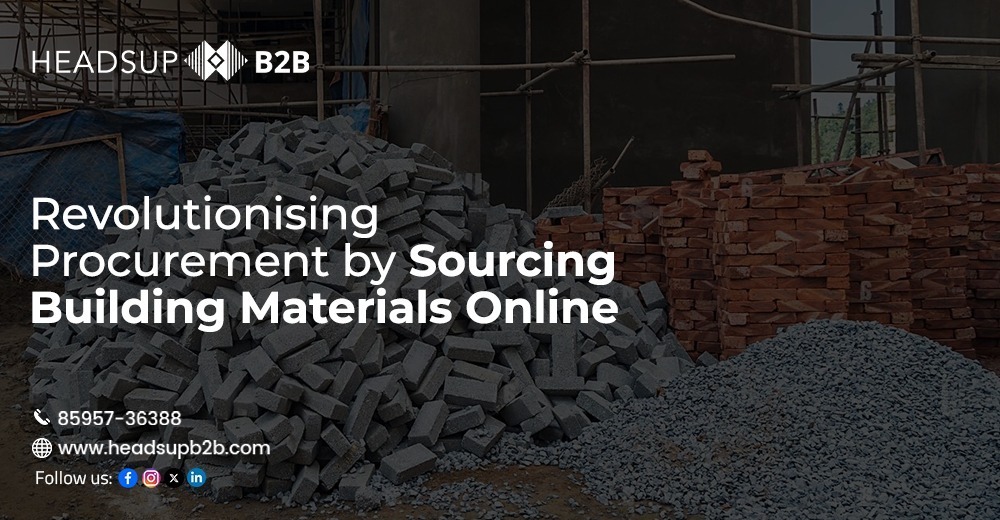
  • Revolutionising Procurement by Sourcing Building Materials Online

    Revolutionising Procurement by Sourcing Building Materials Online

    In India, where the construction market is densely populated, the demand for high-quality construction materials is ever-increasing. A good-quality construction material helps with long-term construction results and lowers the need for future building maintenance and repairs. Understanding the challenges posed by traditional procurement techniques, Headsup B2B emerges as a one-stop solution for building materials online. Recognising the pulse of the industry, our platform aims to streamline procurement services and meet our clients’ demands efficiently.

    With a proficient team renowned for its deep market understanding, effectiveness, and relentless pursuit of innovation, Headsup B2B proudly sets new standards in the digital age of construction.

    Transforming procurement services by selling building materials online

    The extensive use of traditional procurement techniques is the reason for ineffectiveness, delays, and even increased costs in the long run. Since traditional procurement methods are time-consuming and cannot meet the increasing market demands, the team at Headsup B2B is transforming the construction process by embracing the power of technology. We have created a platform where sourcing meets simplicity and construction tasks become effortless. This step in selling building materials online will surely streamline building material procurement and make the process easier and less restricted by the rules of traditional methods.

    Empowering the collaboration construction

    Headsup B2B’s method of sourcing building materials provides our clients with a platform for open communication and collaboration. The builders get access to a vast marketplace where all kinds of building materials are just a click away. As a responsible and prominent building material marketplace, Headsup B2B has robust collaborations with the most reputable manufacturing companies, and we never compromise on quality standards or pricing.

    How Headsup B2B Manages the Building Materials Online Procurement Services

    • With our team of skilled professionals, advanced technologies, and transport partners, we promise to provide the best possible client service.

    • Procuring building materials online requires proper management and expertise. Hence, we have a separate team of experienced professionals to manage this.

    • This service removes the possibility of over-budgeting and delays.

    • Headsup B2B provides premium building materials on schedule and, obviously, at a competitive price by collaborating with a wide range of construction material manufacturing companies and suppliers.

    Order Building Materials Online Effortlessly from Headsup B2B

    Ordering building materials online has never been easier with Headsup B2B. Here’s why:

    • Streamlined Selection: Browse through a vast array of construction materials tailored to your project’s needs.

    • User-Friendly Interface: Our intuitive platform makes navigating and purchasing materials a breeze.

    • Quick Delivery: Benefit from swift delivery services, ensuring your materials arrive promptly at your specified location.

    • Expert Support: Our dedicated team is on standby to address any queries and ensure a seamless ordering process.

    • Secure Transactions: Rest assured knowing that your transactions are safeguarded with our robust security measures.

    Transparency and reliability

    Headsup B2B puts transparency, reliability, and trustworthiness above all. With detailed descriptions, specifications, and customer reviews, our clients can make informed decisions. We ensure that our clients only invest in quality materials that can meet their requirements. Our focus on good service, clear communication, and meeting customer needs has made Headsup B2B a reliable name in the industry.

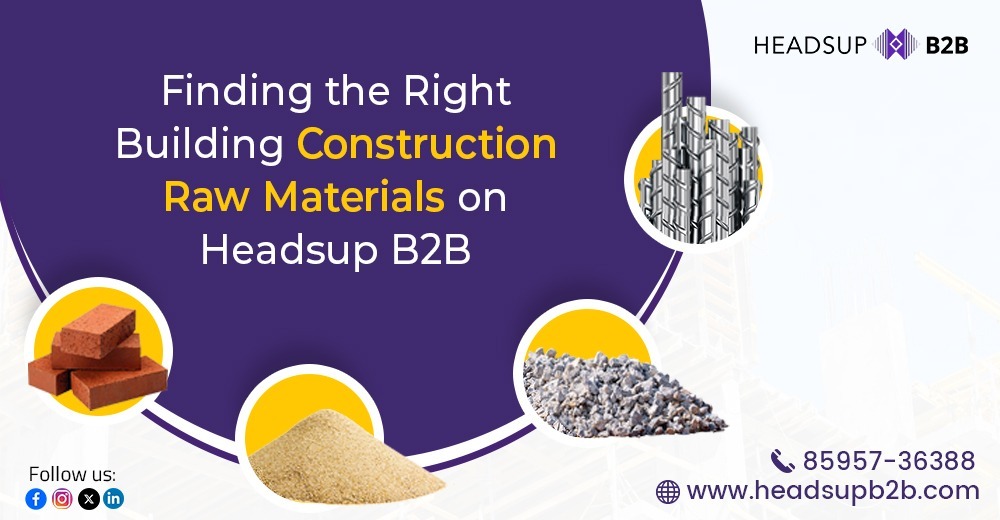
    Finding the Right Building Construction Raw Materials on Headsup B2B

    If you’re having trouble picking the right building materials, Headsup B2B has you covered. We offer a variety of top-notch building materials and can help you choose the best ones for your projects.

    So, order building materials online from Headsup B2B and ensure a hassle-free and effortless construction process.