Author: suraj

  • 550 vs 550D TMT Bars: Which Is Better for Construction?

    550 vs 550D TMT Bars: Which Is Better for Construction?

    When it comes to construction, the strength and durability of the materials used are of utmost importance. One of the most critical elements in construction is reinforcement bars, commonly known as TMT bars (Thermo-Mechanically Treated bars). These bars play a significant role in providing structural support to buildings, bridges, and other infrastructure. Among the different types of TMT bars available, 550 TMT bars and 550D TMT bars are among the most widely used for various construction projects.

    While they may seem similar at first glance, there are key differences between them. In this article, we will delve into a detailed comparison of 550 TMT bars vs 550D TMT bars and help you decide which is the better choice for your construction needs.

    What Are TMT Bars?

    Before comparing the specific types, let’s first understand what TMT bars are. TMT bars are steel bars used in construction for reinforcement. The process of thermo-mechanical treatment (TMT) involves heating the steel to high temperatures and then cooling it rapidly to increase its strength. This process improves the tensile strength and ductility of the bars, making them ideal for use in reinforced concrete structures.

    TMT bars are available in different grades, which indicate their strength and other properties. The grade number is typically followed by a letter D, which signifies the bar’s ductility. For instance, a 550D TMT bar is stronger and more ductile than a regular 550 TMT bar.

    Understanding the 550 Grade TMT Bars

    550 TMT bars are widely used in residential, commercial, and industrial construction. The 550 refers to the tensile strength of the bar, which is 550 megapascals (MPa). This makes them suitable for a variety of construction applications, as they can handle a significant amount of stress without breaking.

    Key Features of 550 TMT Bars

    • Tensile Strength: The 550 MPa tensile strength makes these bars ideal for use in most structural applications, where moderate strength is needed.

    • Ductility: While they are not as ductile as 550D bars, they still offer a fair amount of flexibility and resistance to cracking.

    • Corrosion Resistance: 550 TMT bars are designed to resist corrosion, which is crucial for structures exposed to moisture or extreme weather conditions.

    • Cost-Effective: 550 TMT bars are generally more affordable compared to their higher-strength counterparts, making them a popular choice for budget-conscious projects.

    Understanding the 550D Grade TMT Bars

    The 550D TMT bars are essentially an upgraded version of the 550 TMT bars. The addition of the D indicates higher ductility, which means that these bars can withstand more bending and stretching before breaking. This increased flexibility is critical in areas where buildings or structures may be subject to dynamic loads or seismic activity.

    Key Features of 550D TMT Bars

    • Tensile Strength: Similar to the 550 TMT bars, the 550D bars also have a 550 MPa tensile strength, making them strong and capable of handling substantial loads.

    • Higher Ductility: The D in 550D signifies its superior ductility compared to the standard 550 bars. This means that 550D bars are less likely to fail under extreme conditions that require bending or stretching.

    • Corrosion Resistance: Like the 550 bars, the 550D TMT bars are also resistant to corrosion, ensuring longevity in different environmental conditions.

    • Higher Flexibility: Due to their enhanced ductility, 550D bars are often preferred in areas prone to seismic activity, where additional flexibility is required to withstand earthquakes and ground movement.

    550 vs 550D TMT Bars: Key Differences

    Let’s break down the major differences between 550 TMT bars and 550D TMT bars:

    1. Tensile Strength

    Both 550 TMT bars and 550D TMT bars have the same tensile strength of 550 MPa. This means that both bars can withstand similar levels of stress before breaking.

    2. Ductility

    The key difference between the two types of bars is ductility:

    • 550 TMT bars: These bars offer moderate ductility, meaning they can handle some amount of bending or stretching, but they are more likely to crack under extreme conditions.

    • 550D TMT bars: The D in 550D stands for ductility, which makes these bars more flexible and resistant to cracking. They are ideal for areas prone to seismic activity or heavy dynamic loads.

    3. Use in Construction

    • 550 TMT Bars: These are suitable for residential construction, low-rise buildings, and projects that don’t experience high stress. They are also ideal for light commercial projects where the risk of dynamic stress is low.

    • 550D TMT Bars: Due to their higher ductility, these bars are better suited for high-rise buildings, industrial structures, and areas subject to high seismic activity. They are also ideal for bridges, flyovers, and highway construction where additional flexibility is required.

    4. Cost

    • 550 TMT Bars: These bars are generally more affordable compared to 550D bars due to their lower ductility. They are a great option for budget-conscious projects.

    • 550D TMT Bars: While 550D TMT bars cost more due to their superior properties, they offer better performance and long-term durability, making them worth the investment in certain high-stress applications.

    5. Durability and Performance

    • 550 TMT Bars: They perform well under normal conditions and are highly durable, especially in environments that aren’t exposed to extreme stress.

    • 550D TMT Bars: These bars excel in challenging environments, especially in areas prone to earthquakes or other seismic activities, due to their superior flexibility and ability to absorb stress.

    Which Is Better for Construction?

    The choice between 550 TMT bars and 550D TMT bars depends on the specific requirements of the construction project.

    • For Low-Rise Buildings and Residential Projects: If you are working on a residential construction project or a low-rise building, 550 TMT bars would likely be sufficient. These bars are cost-effective and provide adequate strength for such applications.

    • For High-Rise Buildings and Seismic Areas: If your project involves high-rise buildings, bridges, or structures in areas with seismic activity, 550D TMT bars would be the better choice. Their enhanced ductility makes them more suitable for withstanding dynamic loads and earthquake resistance.

    Conclusion

    Both 550 TMT bars and 550D TMT bars are excellent choices for construction, but they serve different purposes. If you need a more cost-effective option for standard buildings, 550 TMT bars should meet your needs. However, if your project requires superior flexibility and strength, especially in high-rise buildings or earthquake-prone areas, the 550D TMT bars would be the better choice.

    Understanding these key differences will help you make an informed decision about which TMT bars are best suited for your specific construction project.

    HeadsUp B2B supplies a comprehensive range of TMT products, including both 550 and 550D TMT bars, to cater to all your construction needs. Whether you’re building a residential project or working on a large-scale infrastructure project, we provide top-quality materials that ensure durability and strength. Contact us today to explore our full range of TMT products and find the perfect solution for your construction requirements.

  • Step-by-Step Guide to Installing Solar Panels

    Step-by-Step Guide to Installing Solar Panels

    As the world moves toward sustainable energy solutions, solar panels are becoming an increasingly popular choice for homeowners and businesses alike. Installing solar panels not only reduces your carbon footprint but also helps you save money on energy bills. If you’re considering solar panel installation, it’s essential to understand the steps involved to ensure a smooth and efficient process. In this step-by-step guide, we’ll walk you through everything you need to know to install solar panels in your home or business.

    Why Choose Solar Panels?

    Before diving into the installation process, let’s quickly revisit the benefits of solar panels:

    • Cost Savings: Solar panels reduce your reliance on grid electricity, leading to significant savings on energy bills.

    • Sustainability: Solar energy is clean, renewable, and helps reduce greenhouse gas emissions.

    • Increased Property Value: Homes with solar installations often see an increase in property value.

    • Energy Independence: Solar power allows you to generate your own electricity, reducing your dependence on external energy suppliers.

    Now that you understand the benefits, let’s move on to the installation process.

    Step 1: Assess Your Solar Needs and Feasibility

    Before starting the installation, it’s important to assess whether solar panels are the right choice for your property. The first step in this process involves:

    • Energy Consumption Analysis: Review your average energy usage to determine how many solar panels you will need to meet your energy requirements. Your utility bill is a good starting point.

    • Roof Condition and Size: Ensure your roof is structurally sound and has enough space to accommodate the panels. A south-facing roof with minimal shading is ideal for maximum efficiency.

    • Local Regulations and Incentives: Research any local regulations, zoning laws, or permits required for solar panel installation. Many governments offer incentives, rebates, or tax credits for residential and commercial solar installations.

    Step 2: Choose the Right Solar Panels and Components

    Not all solar panels are created equal. Choosing the right panel is crucial for ensuring that you get the best performance and value for your investment. Consider the following when selecting your solar panels:

    • Efficiency: Look for panels with high efficiency ratings, as these will generate more power per square foot.

    • Type of Solar Panels: There are three main types of solar panels:

      • Monocrystalline: Known for high efficiency and durability, but come at a higher cost.

      • Polycrystalline: Slightly less efficient than monocrystalline, but more affordable.

      • Thin-film: The least efficient but lightweight and flexible.

    • Inverter Type: The inverter converts the direct current (DC) electricity produced by the solar panels into alternating current (AC) electricity that can be used in your home. Choose between string inverters, microinverters, or power optimizers based on your needs.

    • Battery Storage: If you want to store excess energy for later use (such as during the night), consider adding a solar battery.

    Step 3: Hire a Certified Solar Installer or DIY?

    Solar panel installation is a complex task that requires electrical expertise, knowledge of safety protocols, and an understanding of building codes. While it’s possible to install solar panels as a DIY project, hiring a certified installer is usually the best choice to ensure the system is installed correctly and safely.

    If you choose to go with a professional installer, ensure that they are certified by relevant authorities, such as the North American Board of Certified Energy Practitioners (NABCEP).

    Step 4: Prepare the Installation Site

    Once you’ve decided on the solar panels and chosen an installer, the next step is to prepare the installation site. This involves:

    • Clearing the Roof: Ensure that your roof is free of debris, branches, or any other obstacles that might interfere with the installation.

    • Marking Mounting Locations: The mounting system needs to be securely fastened to your roof to support the weight of the solar panels. A proper mounting system will ensure the panels stay in place and are angled correctly to capture sunlight.

    • Electrical Wiring and Connection Points: The installer will assess your home’s electrical system to ensure it’s compatible with the solar panel setup. This may involve installing a new disconnect switch, breaker box, and conduit to connect the solar panels to your home’s electrical system.

    Step 5: Mount the Solar Panels

    With the site prepared, it’s time to install the solar panels. This involves the following steps:

    1. Install the Mounting Rails: The mounting rails are the first part of the installation. They need to be fastened securely to your roof structure.

    2. Position the Panels: The solar panels are placed onto the mounting rails and secured in place with clamps.

    3. Angle the Panels: Ensure the solar panels are angled at the optimal tilt for your location, typically between 15-40 degrees. The angle depends on your geographical location and seasonal variations.

    Step 6: Wiring and Electrical Connections

    After the panels are mounted, the next step is to wire them together. This involves connecting the solar panels to the inverter, which will convert the DC electricity into AC electricity. The wiring process involves:

    • Connecting the Solar Panels to the Inverter: The DC output from the panels is connected to the inverter.

    • Connecting the Inverter to the Electrical System: The AC output from the inverter is then connected to your home’s electrical panel, where the electricity is distributed to power your appliances.

    • Install a Battery Storage System (Optional): If you choose to add battery storage, it will be connected to the inverter to store excess energy for later use.

    Step 7: Perform the System Check and Monitoring Setup

    Once the installation is complete, your installer will conduct a series of tests to ensure the system is functioning properly:

    • Voltage and Current Testing: Ensure that the solar system is generating the correct amount of energy.

    • Inverter Functionality: Check that the inverter is properly converting DC to AC power.

    • Monitoring System Setup: Many modern solar systems come with a monitoring system that allows you to track the performance of your solar panels via an app or web portal.

    Step 8: Inspect and Finalize the Installation

    Before you can start using the solar system, you’ll need to have it inspected by your local government or utility provider to ensure it complies with all regulations. Once the system passes inspection, you’ll receive approval to switch on the system and begin generating solar power.

    Step 9: Ongoing Maintenance

    While solar panels require minimal maintenance, it’s essential to ensure they remain in top condition. Regular cleaning of the panels to remove dirt and debris, as well as annual inspections, will help maintain the system’s efficiency and longevity.

    Conclusion

    Installing solar panels is a fantastic way to reduce your carbon footprint, lower your energy bills, and take advantage of renewable energy. By following this step-by-step guide, you can ensure that the installation process goes smoothly and that your system is set up for long-term success. Whether you choose to install the panels yourself or hire a professional, remember that a well-installed solar power system can provide clean, sustainable energy for many years to come.

  • Solar Panels vs. Solar Cells: What’s the Difference?

    Solar Panels vs. Solar Cells: What’s the Difference?

    In the modern world, where sustainability is becoming increasingly important, solar technology is revolutionizing how we generate energy. Among the most common terms you’ll hear when discussing solar energy are solar panels and solar cells. While these terms are often used interchangeably, they refer to distinct components in the solar energy system. Understanding the difference between solar panels and solar cells is crucial for anyone looking to invest in renewable energy solutions.

    In this article, we’ll explore these differences, their functions, and how they contribute to the broader solar energy ecosystem.

    What Are Solar Cells?

    Solar cells, also known as photovoltaic cells (PV cells), are the fundamental building blocks of any solar energy system. These semiconductor devices convert sunlight directly into electricity through the photovoltaic effect. The basic component of a solar cell is typically made from silicon, a material that is highly efficient at absorbing sunlight.

    The Science Behind Solar Cells

    The process starts when sunlight hits the surface of a solar cell, exciting the electrons in the silicon material. This energy causes the electrons to become free, creating an electric current. The electric current generated by the solar cell is then directed to an inverter, which converts it into alternating current (AC), the form of electricity most commonly used in homes and businesses.

    The performance of a solar cell depends on several factors, including the type of material used (monocrystalline, polycrystalline, or thin-film), the efficiency of the solar cell, and the amount of sunlight it receives. Solar cells are generally small in size and produce a relatively small amount of energy individually, which is why they are typically combined to form solar panels.

    What Are Solar Panels?

    A solar panel, or solar module, is a collection of individual solar cells arranged and connected together to generate a significant amount of power. These cells are linked together within the panel to form a grid-like structure, and when combined, they provide enough electricity to power homes, businesses, and even large-scale industrial operations.

    Structure and Function of Solar Panels

    The structure of a solar panel is not just limited to the solar cells. It also includes several protective layers that ensure the longevity and efficiency of the system. These layers include:

    1. Front Glass – This layer protects the cells from environmental damage while allowing sunlight to pass through.

    2. Encapsulant Layers – These layers are designed to protect the cells and keep them in place within the panel.

    3. Back Sheet – The back sheet provides electrical insulation and further protection for the solar cells.

    4. Frame – The metal frame supports the panel and provides rigidity, making it easier to install.

    When sunlight hits the solar panel, the solar cells inside convert the energy into electricity, as described earlier. Solar panels are available in a variety of sizes and capacities, making them suitable for different applications, from small residential systems to large solar farms.

    Key Differences Between Solar Cells and Solar Panels

    While solar cells and solar panels are closely related, they serve different roles in a solar energy system. Below, we break down the key differences between these two components:

    1. Function

    • Solar Cells: The primary function of a solar cell is to convert sunlight into electricity. It is the smallest unit in a solar system.

    • Solar Panels: A solar panel is a collection of solar cells that work together to produce more electricity. It is the complete unit that generates usable energy.

    2. Size and Output

    • Solar Cells: Each solar cell is relatively small, and its output is limited. Typically, a single solar cell generates only a small amount of electricity, which is why many cells need to be connected together to meet energy demands.

    • Solar Panels: Solar panels are much larger and can produce significantly more power. A typical solar panel might contain around 60-72 solar cells and can produce anywhere from 250 watts to 400 watts of electricity, depending on its size and efficiency.

    3. Composition

    • Solar Cells: Solar cells are made from materials like silicon (monocrystalline, polycrystalline, or amorphous), which are known for their ability to absorb and convert sunlight efficiently.

    • Solar Panels: A solar panel is made up of multiple solar cells, which are interconnected and encased in a protective outer layer to ensure durability and optimal performance.

    4. Application

    • Solar Cells: These are typically used in smaller, portable applications, such as solar-powered calculators, small gadgets, or in a series to form larger arrays in residential solar systems.

    • Solar Panels: Solar panels are used for large-scale electricity generation in both residential and commercial applications. They are installed on rooftops, solar farms, and other large areas to produce significant amounts of power.

    How Solar Panels and Solar Cells Work Together

    While the solar cell is the heart of the technology, solar panels make it possible to harness and use that energy on a larger scale. Solar panels are essentially a combination of multiple solar cells working together to generate enough electricity to power a home or business. Without the solar cells, there would be no electricity generated, and without the solar panels, there would be no way to collect and use that energy in a meaningful way.

    The Role of Inverters and Batteries

    In most solar systems, the electricity generated by the solar cells within the panels is in the form of direct current (DC). However, most household appliances and electrical systems use alternating current (AC). Therefore, an inverter is used to convert the DC electricity into AC, making it suitable for everyday use. Additionally, solar batteries are often incorporated into the system to store excess energy for use during periods of low sunlight or at night.

    Choosing Between Solar Panels and Solar Cells

    For individuals or businesses interested in switching to solar power, understanding the differences between solar panels and solar cells is essential when choosing the right system. While solar panels are often the preferred choice for larger installations, solar cells are ideal for those looking for smaller, more flexible solutions. Ultimately, the choice depends on factors such as energy needs, available space, and budget.

    Benefits of Solar Panels

    • Efficiency: Solar panels are more efficient at producing electricity because they contain multiple solar cells working together.

    • Scalability: It is easier to scale a solar panel system by adding more panels as needed to meet energy demands.

    • Durability: Solar panels are designed to withstand harsh weather conditions, ensuring that they can operate for 25-30 years or more.

    Benefits of Solar Cells

    • Flexibility: Solar cells can be used in a variety of smaller applications, such as solar-powered gadgets or small-scale residential solar systems.

    • Customization: For those with unique energy needs, solar cells can be customized to create a system that meets specific requirements.

    Conclusion

    In conclusion, while solar panels and solar cells are integral to the process of harnessing solar energy, they serve different roles within the system. Solar cells are the building blocks of solar panels, which are designed to provide large-scale energy production. Understanding these components and their differences is crucial for anyone looking to adopt solar technology and make an informed decision about their energy needs. Whether you’re opting for a solar panel system to power your home or looking into specialized solar cell applications, both technologies offer a sustainable, cost-effective solution for generating clean, renewable energy.

    Headsup B2B supplies a wide range of solar products for businesses and individuals alike, providing top-quality solar panels, solar cells, and related equipment. If you’re looking to make the switch to solar or expand your existing solar infrastructure, our products are designed to meet all your energy needs. Contact us today to explore the best solar solutions tailored for your business and home.

  • Industrial Solar Panel Solutions for Factories, Warehouses, and Plants

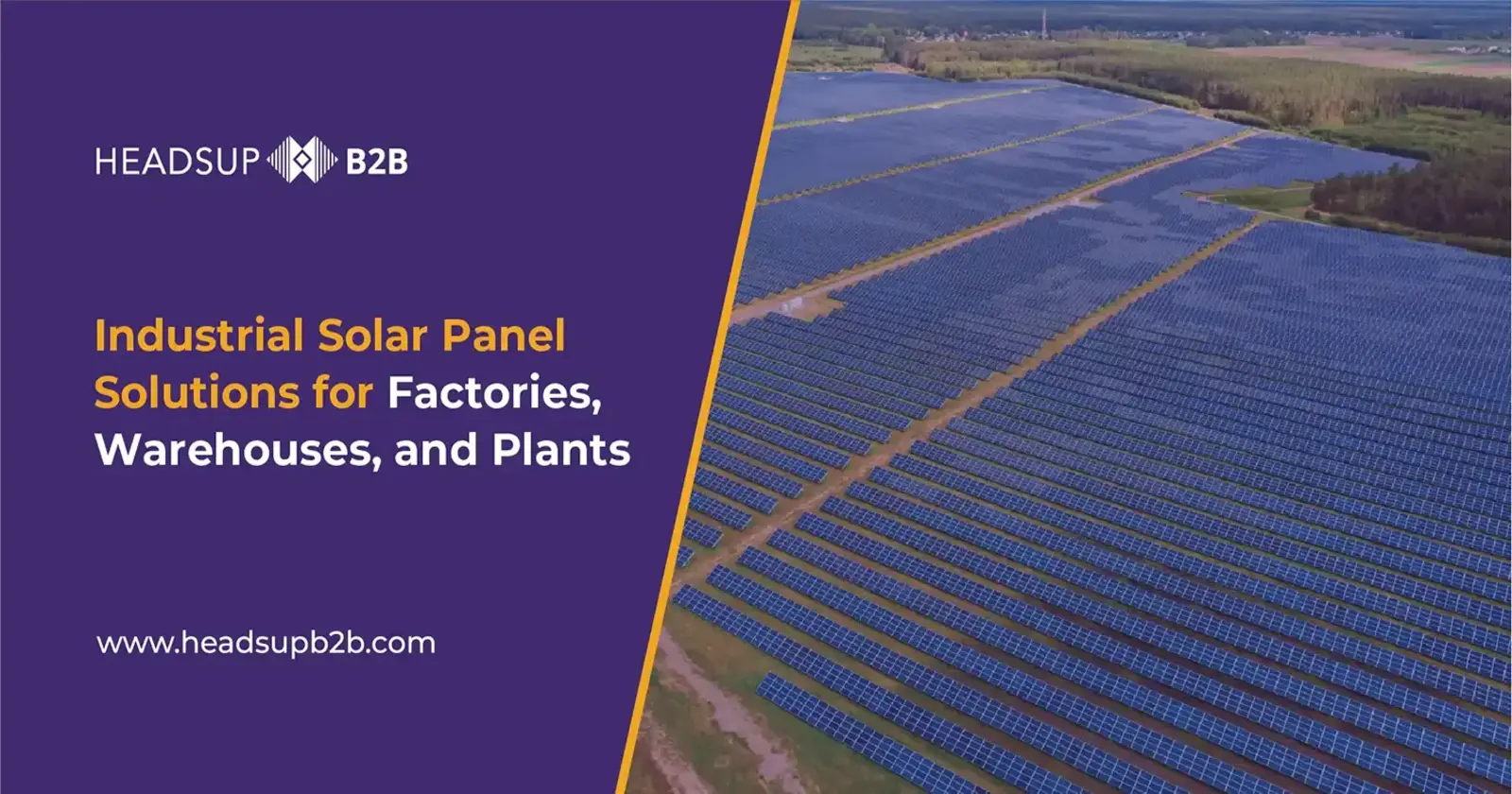
    Industrial Solar Panel Solutions for Factories, Warehouses, and Plants

    Industrial facilities face some of the highest and most complex energy demands in today’s economy. Factories, warehouses, and manufacturing plants operate long hours, rely on energy-intensive machinery, and are increasingly pressured to reduce operational costs and carbon emissions. Industrial solar panel solutions provide a scalable, reliable, and cost-efficient pathway for meeting these challenges while future-proofing industrial operations.

    This comprehensive guide explores how industrial solar power systems are designed, deployed, and optimized for factories, warehouses, and plants, delivering long-term economic and operational advantages.

    Why Industrial Facilities Are Turning to Solar Energy

    Energy expenses represent a significant portion of operating costs for industrial businesses. Solar energy enables facilities to convert unused rooftop or land space into a productive energy asset.

    Core Advantages of Industrial Solar Panels

    • Substantial reduction in electricity costs

    • Protection from utility price fluctuations

    • Improved operational resilience

    • Lower carbon footprint and emissions compliance

    • Enhanced ESG and sustainability performance

    By generating power on-site, industrial operations gain control over energy supply while stabilizing long-term costs.

    Understanding Industrial Solar Panel Systems

    Industrial solar systems are engineered for high power output, continuous operation, and long service life. These installations typically range from 100 kW to multi-megawatt (MW) capacity, depending on facility size and load profile.

    We design industrial systems to integrate seamlessly with existing electrical infrastructure while maintaining grid connectivity for reliability and compliance.

    Solar Panel Technologies for Industrial Applications

    Selecting the right solar panel technology is critical for maximizing output and ROI in industrial environments.

    Monocrystalline Solar Panels

    Monocrystalline panels offer high efficiency, compact footprint, and excellent performance in limited space, making them ideal for factory rooftops and logistics facilities with high energy density requirements.

    Bifacial Solar Panels

    Bifacial panels generate electricity from both sides, capturing reflected sunlight from concrete surfaces, rooftops, or ground installations. They are particularly effective for industrial yards, carports, and open-land plants, delivering increased energy yield.

    Thin-Film Solar Panels

    Thin-film panels are lightweight and flexible, making them suitable for large warehouse roofs with structural load limitations. They also perform well in high temperatures and diffuse light conditions.

    Advanced Cell Technologies

    Technologies such as PERC, heterojunction (HJT), and TOPCon improve efficiency, durability, and output consistency, making them increasingly popular in modern industrial installations.

    System Design for Factories and Manufacturing Plants

    Industrial solar systems must align with complex energy consumption patterns.

    Load Profiling and Energy Analysis

    We analyze production schedules, peak demand cycles, and equipment loads to design systems that offset maximum consumption during operating hours.

    Rooftop vs Ground-Mounted Systems

    • Rooftop systems utilize unused factory and warehouse roof space

    • Ground-mounted systems suit plants with available land and higher expansion potential

    Hybrid installations often deliver the best balance of scalability and performance.

    Solar Inverters and Power Distribution

    Industrial systems require robust power conversion and management.

    Central Inverters

    Central inverters handle large power volumes efficiently, making them ideal for utility-scale and heavy industrial applications.

    String Inverters

    String inverters provide flexibility, redundancy, and easier maintenance, often used in distributed rooftop systems.

    Energy Management Systems

    Advanced monitoring platforms track generation, consumption, and system health in real time, enabling performance optimization and predictive maintenance.

    Energy Storage for Industrial Solar Systems

    Battery storage significantly enhances the value of industrial solar solutions.

    Benefits of Industrial Energy Storage

    • Peak demand shaving

    • Backup power for critical operations

    • Load shifting and energy arbitrage

    • Grid support and demand response participation

    Lithium-ion battery systems dominate industrial applications due to scalability, long cycle life, and high efficiency.

    Warehouses and Logistics Centers: Ideal Solar Candidates

    Warehouses and distribution centers are particularly well-suited for solar deployment due to expansive roof surfaces and predictable energy usage.

    Key Benefits for Warehouses

    • Daytime energy alignment with solar production

    • Reduced operating costs per square meter

    • Improved sustainability credentials for supply chains

    • Enhanced energy resilience for automated systems

    Solar carports and ground arrays further increase capacity without disrupting operations.

    Financial Models for Industrial Solar Projects

    Industrial solar projects support multiple financing strategies aligned with business objectives.

    Capital Ownership (CAPEX)

    Full system ownership maximizes long-term savings and asset value.

    Power Purchase Agreements (PPAs)

    Third-party ownership allows facilities to adopt solar with minimal upfront investment while locking in predictable energy pricing.

    Solar Leasing Models

    Leasing balances cost reduction with operational flexibility.

    Operations, Maintenance, and System Longevity

    Industrial solar systems are designed for 25–30 years of operation with minimal degradation.

    O&M Best Practices

    • Regular panel cleaning

    • Thermal imaging inspections

    • Inverter and electrical audits

    • Continuous performance monitoring

    Proactive maintenance ensures optimal output and protects return on investment.

    Compliance, Safety, and Grid Integration

    Industrial solar installations must comply with electrical codes, grid interconnection standards, and safety regulations. Proper engineering and commissioning ensure safe operation and seamless integration with utility networks.

    Environmental Impact and Corporate Sustainability

    Industrial solar panel solutions significantly reduce greenhouse gas emissions and dependence on fossil fuels. These systems support corporate sustainability goals, regulatory compliance, and environmental reporting requirements.

    The Future of Industrial Solar Solutions

    Advancements in high-efficiency modules, AI-driven energy optimization, and integrated storage technologies are accelerating industrial solar adoption. As electrification increases across manufacturing sectors, solar energy will play a central role in powering next-generation industrial operations.

    Conclusion

    Industrial solar panel solutions provide factories, warehouses, and plants with a powerful tool to reduce costs, increase energy independence, and meet sustainability targets. With scalable design, advanced technology, and flexible financing, solar energy transforms industrial facilities into resilient, future-ready operations.

    By investing in industrial solar power today, businesses secure long-term operational efficiency, environmental leadership, and competitive advantage in an evolving energy landscape.

  • Commercial & Industrial Solar Panels: A Complete Scaling Guide for Businesses

    Commercial & Industrial Solar Panels: A Complete Scaling Guide for Businesses

    As energy costs rise and sustainability becomes a strategic priority, commercial and industrial (C&I) solar panels are transforming how businesses generate, manage, and scale their power consumption. From manufacturing plants and logistics hubs to office parks and data centers, solar energy offers a resilient, cost-effective, and future-ready solution. This guide provides a comprehensive, business-focused overview of commercial and industrial solar panel systems, explaining how they work, how to scale them effectively, and how organizations can maximize long-term value.

    Understanding Commercial & Industrial Solar Panel Systems

    Commercial and industrial solar systems are designed to support higher energy demands than residential installations. These systems typically range from 50 kW to several megawatts (MW) and are engineered for durability, scalability, and high operational efficiency.

    We distinguish C&I solar from residential solar by its load complexity, system size, and financial structure. These systems often integrate advanced inverters, monitoring software, and grid-interaction capabilities to align with business energy profiles.

    Why Businesses Are Scaling with Solar Energy

    Solar adoption in the commercial and industrial sector is driven by both economic and strategic advantages.

    Key Business Benefits

    • Significant reduction in electricity operating costs

    • Protection against energy price volatility

    • Improved ESG and sustainability metrics

    • Long-term return on investment (ROI)

    • Enhanced corporate brand credibility

    By generating on-site power, businesses gain greater control over energy expenses while reducing exposure to grid instability.

    Types of Commercial & Industrial Solar Panels

    Choosing the right panel technology is essential for scalable, high-performance systems.

    Monocrystalline Solar Panels

    Monocrystalline panels are the preferred choice for most C&I projects due to their high efficiency, compact footprint, and strong performance under variable conditions. They are ideal for rooftops with space constraints.

    Bifacial Solar Panels

    Bifacial panels capture sunlight from both sides, increasing total energy output. They are particularly effective in ground-mounted, carport, and high-albedo environments, making them ideal for large industrial sites.

    Thin-Film Solar Panels

    Thin-film panels offer flexibility and lighter weight, making them suitable for large commercial rooftops with structural load limitations. They perform well in high temperatures and diffuse light conditions.

    High-Efficiency PERC and HJT Panels

    Advanced cell technologies such as PERC and heterojunction (HJT) improve output and reliability, enabling higher yields without expanding system size.

    System Design for Scalable Business Growth

    Scalability is a defining advantage of commercial and industrial solar installations.

    Load Analysis and Energy Profiling

    We begin by analyzing historical energy consumption, peak demand periods, and future expansion plans. This ensures the system is sized to meet both current and anticipated needs.

    Modular System Architecture

    Commercial solar systems are designed with modular expansion capability, allowing additional panels or inverters to be integrated as energy demand increases.

    Hybrid and Grid-Tied Configurations

    Most C&I systems operate as grid-tied installations, often combined with battery storage to support peak shaving, backup power, and demand response programs.

    Solar Inverters and Power Management

    Inverters play a central role in managing large-scale solar systems.

    String Inverters

    Cost-effective and widely used in commercial applications, string inverters balance efficiency with simplified maintenance.

    Central Inverters

    Common in industrial and utility-scale projects, central inverters handle high power loads and reduce overall system complexity.

    Smart Energy Management Systems

    Advanced monitoring platforms enable real-time tracking, fault detection, and performance optimization across multiple facilities.

    Energy Storage and Peak Demand Optimization

    Battery storage enhances the value of C&I solar systems by addressing demand charges and grid instability.

    Benefits of Commercial Solar Storage

    • Peak load shaving

    • Backup power during outages

    • Improved self-consumption

    • Participation in energy markets

    Lithium-ion batteries dominate the market due to their efficiency, scalability, and long cycle life.

    Financial Models for Commercial Solar Projects

    Commercial solar projects offer flexible financing structures that align with business objectives.

    Capital Expenditure (CAPEX)

    Businesses own the system outright, capturing the full financial and energy benefits over time.

    Power Purchase Agreements (PPAs)

    Third-party providers install and maintain the system, while businesses purchase solar power at a fixed, predictable rate.

    Leasing and Hybrid Models

    Solar leases offer reduced upfront costs while still delivering operational savings.

    Regulatory Compliance and Grid Integration

    Commercial solar systems must meet strict electrical, safety, and grid interconnection standards. Proper permitting, utility coordination, and compliance ensure seamless operation and long-term reliability.

    Operations, Maintenance, and Performance Assurance

    Well-maintained systems deliver consistent returns over decades.

    O&M Best Practices

    • Routine panel cleaning

    • Thermal imaging inspections

    • Inverter performance checks

    • Real-time system monitoring

    Predictive maintenance minimizes downtime and protects long-term profitability.

    Environmental and Corporate Impact

    Commercial and industrial solar installations significantly reduce carbon emissions, helping businesses meet sustainability targets and regulatory expectations. These systems demonstrate leadership in environmental responsibility while supporting global decarbonization efforts.

    The Future of Commercial & Industrial Solar

    Advancements in AI-driven energy management, high-density solar modules, and integrated storage solutions are accelerating the scalability of C&I solar. As grid modernization progresses, businesses adopting solar today position themselves at the forefront of energy innovation.

    Conclusion

    Commercial and industrial solar panels offer businesses a powerful pathway to scalable, cost-efficient, and sustainable energy. With the right technology, system design, and financial strategy, solar energy becomes a long-term asset that strengthens operational resilience and competitive advantage.

    By investing in commercial and industrial solar solutions, businesses secure not only energy savings, but a smarter and more sustainable future.

  • The Ultimate Guide to Understanding Solar Panel Technology

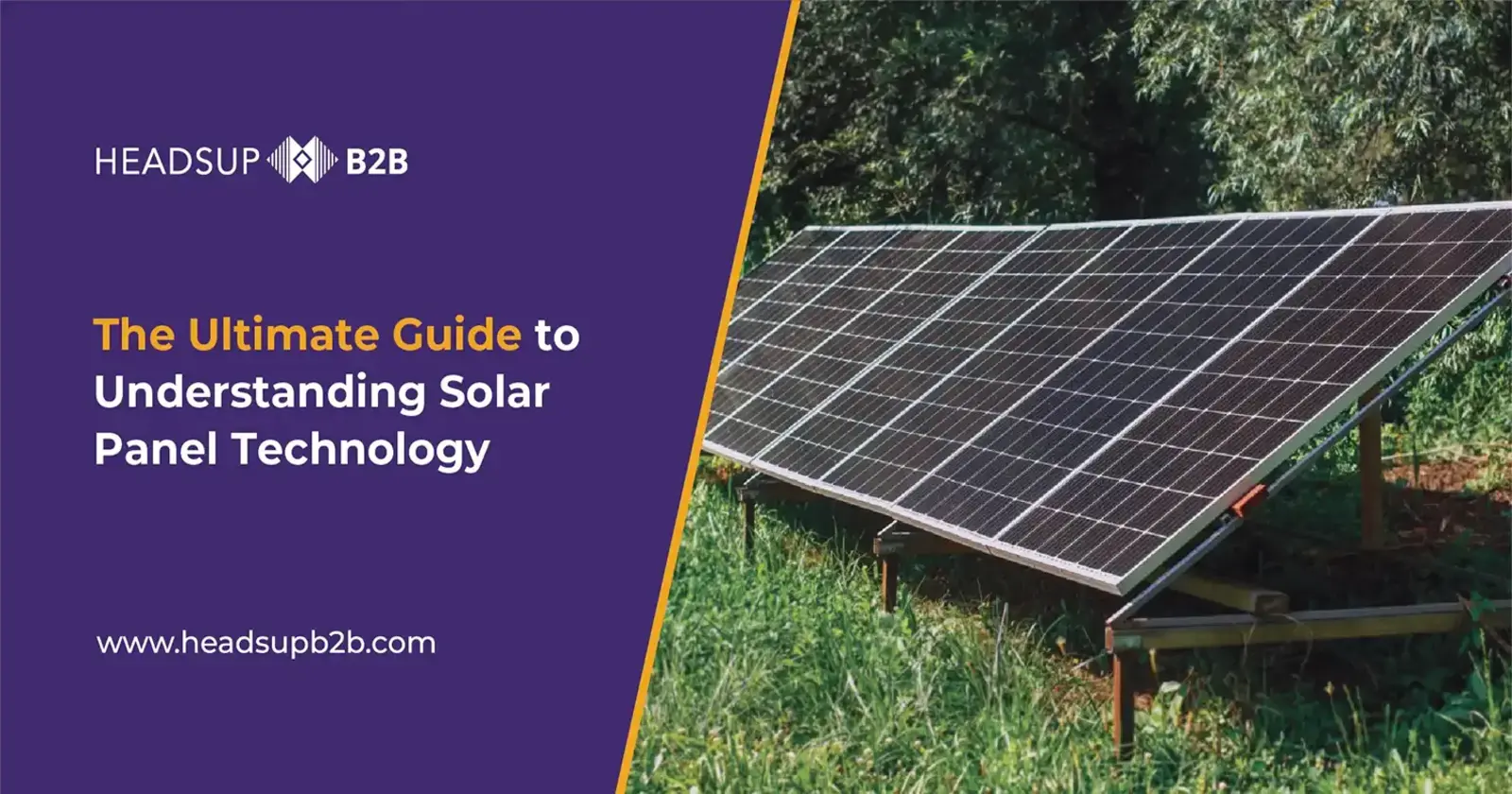
    The Ultimate Guide to Understanding Solar Panel Technology

    Solar energy has become one of the most powerful drivers of the global transition toward clean, sustainable power. As energy costs rise and environmental concerns intensify, solar panel technology continues to evolve rapidly, offering higher efficiency, smarter integration, and broader applications than ever before. In this guide, we present a clear, in-depth, and authoritative overview of how solar panel technology works, the major system components, efficiency factors, and the innovations shaping the future of solar energy.

    What Is Solar Panel Technology?

    Solar panel technology refers to the systems and materials used to convert sunlight into usable electrical energy through the photovoltaic (PV) effect. When sunlight strikes a solar cell, it excites electrons within semiconductor materials, generating a direct current (DC) of electricity. This electricity is then converted into alternating current (AC) via an inverter, making it suitable for homes, businesses, and power grids.

    We recognize solar panels as the foundation of modern renewable energy systems, enabling energy independence, cost stability, and long-term sustainability.

    How Solar Panels Work: The Photovoltaic Process

    At the core of every solar panel is a collection of photovoltaic cells, typically made from silicon-based materials. These cells are engineered with positive and negative layers that create an electric field.

    Step-by-Step Energy Conversion

    • Sunlight hits the solar cell surface

    • Photons energize electrons within the semiconductor

    • Electrons move through the electric field, generating DC electricity

    • An inverter converts DC into AC power

    • Electricity powers appliances or feeds into the grid

    This seamless process operates silently, produces zero emissions, and requires minimal ongoing maintenance.

    Key Components of a Solar Panel System

    Understanding solar panel technology requires familiarity with the complete system, not just the panels themselves.

    Solar Panels (Modules)

    These capture sunlight and initiate electricity generation. Panels are composed of multiple interconnected solar cells protected by tempered glass and durable frames.

    Solar Inverter

    The inverter converts DC electricity into grid-compatible AC power. Modern systems often use string inverters, microinverters, or hybrid inverters depending on performance and monitoring needs.

    Mounting and Racking Systems

    Mounting structures secure panels to rooftops or ground-based installations while optimizing tilt and orientation for maximum sunlight exposure.

    Energy Storage (Optional)

    Solar batteries store excess electricity for use during nighttime, outages, or peak demand periods, increasing energy independence.

    Monitoring Systems

    Advanced monitoring platforms track energy production, consumption, and system health in real time.

    Types of Solar Panel Technologies

    Solar panels are not all the same. Different technologies serve different performance goals and installation environments.

    Monocrystalline Solar Panels

    Made from a single silicon crystal, these panels deliver high efficiency, long lifespan, and superior performance in limited space. They are widely used in residential and premium commercial systems.

    Polycrystalline Solar Panels

    Manufactured from multiple silicon fragments, polycrystalline panels offer cost-effective energy production with solid durability and moderate efficiency.

    Thin-Film Solar Panels

    Thin-film technology uses ultra-thin photovoltaic layers, resulting in lightweight, flexible panels ideal for large surfaces, curved structures, and specialized applications.

    Bifacial Solar Panels

    These advanced panels generate power from both sides, capturing reflected sunlight to significantly increase total energy output.

    PERC and Advanced Cell Technologies

    PERC (Passivated Emitter and Rear Cell) panels and newer designs enhance light absorption, improving efficiency without increasing panel size.

    Solar Panel Efficiency Explained

    Solar panel efficiency measures how effectively panels convert sunlight into electricity. Higher efficiency means more power generated per square meter.

    Factors Influencing Efficiency

    • Cell material quality

    • Panel temperature

    • Sunlight intensity

    • Installation angle and orientation

    • Shading and environmental conditions

    Modern high-efficiency panels now exceed 22% efficiency, with continuous improvements driven by material science and cell architecture advancements.

    Durability, Lifespan, and Degradation

    Solar panels are engineered for long-term outdoor exposure. Most high-quality panels carry 25–30 year performance warranties, ensuring gradual and predictable output decline.

    Key Durability Features

    • Tempered glass for impact resistance

    • Corrosion-resistant aluminum frames

    • UV-resistant encapsulation materials

    • Weatherproof junction boxes

    Annual degradation rates typically range between 0.3% and 0.7%, ensuring reliable energy production for decades.

    Installation Considerations for Optimal Performance

    Proper installation is essential to fully leverage solar panel technology.

    Site Assessment

    We evaluate roof condition, structural integrity, shading patterns, and available surface area.

    Orientation and Tilt

    South-facing panels with optimized tilt angles capture the most sunlight in most regions.

    Grid Connection and Net Metering

    Grid-tied systems allow excess energy to be exported, often earning credits through net metering programs.

    The Role of Solar Panel Technology in Energy Independence

    Solar panels empower homeowners and businesses to reduce reliance on traditional power grids, stabilize energy costs, and protect against outages. When paired with battery storage and smart energy management, solar systems deliver unmatched control over energy consumption.

    Innovations Shaping the Future of Solar Technology

    Solar panel technology continues to advance rapidly, driven by global demand and research investment.

    Emerging Innovations

    • Perovskite solar cells

    • Heterojunction technology (HJT)

    • Transparent and building-integrated photovoltaics (BIPV)

    • AI-driven energy optimization

    • Recyclable and low-carbon manufacturing

    These breakthroughs promise higher efficiency, lower production costs, and broader adoption across industries.

    Why Solar Panel Technology Matters Today

    Solar energy is no longer a niche solution—it is a central pillar of global energy strategy. With declining costs, improved performance, and supportive policies, solar panel technology delivers economic resilience, environmental protection, and long-term sustainability.

    We view solar not just as an energy source, but as a strategic investment in a cleaner, more resilient future.

    Conclusion

    Understanding solar panel technology is essential for anyone seeking reliable, forward-looking energy solutions. From photovoltaic fundamentals and system components to efficiency metrics and future innovations, solar panels represent one of the most impactful technologies of our time.

    As adoption accelerates worldwide, informed decisions about solar technology will continue to shape energy independence, financial savings, and environmental progress for decades to come.

  • 5 Types of Solar Panels You Need to Know About

    5 Types of Solar Panels You Need to Know About

    The global shift toward renewable energy has made solar panels a cornerstone of modern power generation. As adoption accelerates across residential, commercial, and utility-scale projects, understanding the different types of solar panels becomes essential for making informed, future-proof decisions. We present a comprehensive, technically precise guide to the five most important types of solar panels shaping today’s solar industry. Each technology offers distinct advantages in efficiency, cost, durability, and application suitability.

    1. Monocrystalline Solar Panels: The Premium Efficiency Standard

    Monocrystalline solar panels represent the most advanced and widely recognized photovoltaic technology on the market. Manufactured from a single, high-purity silicon crystal, these panels are easily identified by their uniform dark black appearance and rounded cell edges.

    We rely on monocrystalline panels when maximum efficiency and space optimization are critical. Their streamlined crystal structure allows electrons to flow more freely, resulting in efficiency rates ranging from 20% to 24%, outperforming nearly all other commercial panel types.

    Key Performance Characteristics

    • High power output per square meter

    • Superior low-light performance

    • Extended lifespan exceeding 25–30 years

    • Minimal efficiency degradation over time

    These panels perform exceptionally well in urban environments, rooftop installations, and locations with limited surface area. While the initial investment cost is higher, the long-term energy yield and reduced space requirements often justify the premium.

    2. Polycrystalline Solar Panels: Cost-Effective and Reliable

    Polycrystalline solar panels are produced by melting multiple silicon fragments together, resulting in a distinctive blue, speckled appearance. This manufacturing process is less energy-intensive, making polycrystalline panels a more affordable solar solution.

    We recommend polycrystalline panels for projects where budget efficiency takes precedence over absolute performance. With efficiency levels typically between 15% and 18%, they deliver reliable energy output for homes and businesses with ample installation space.

    Advantages of Polycrystalline Technology

    • Lower upfront costs

    • Simplified manufacturing process

    • Solid performance in moderate climates

    • Environmentally efficient production

    Although slightly less efficient than monocrystalline panels, modern polycrystalline systems continue to improve in performance and durability, making them a practical option for large-scale installations and cost-sensitive buyers.

    3. Thin-Film Solar Panels: Lightweight and Versatile

    Thin-film solar panels are engineered by depositing ultra-thin photovoltaic layers onto substrates such as glass, metal, or plastic. This category includes technologies like amorphous silicon (a-Si), cadmium telluride (CdTe), and copper indium gallium selenide (CIGS).

    We leverage thin-film panels in applications where flexibility, weight reduction, and aesthetic integration are paramount. While their efficiency rates range from 10% to 13%, thin-film panels excel in non-traditional environments.

    Distinct Thin-Film Benefits

    • Lightweight and flexible design

    • High performance in high-temperature conditions

    • Superior shading tolerance

    • Architectural and portable applications

    Thin-film technology is particularly effective for commercial rooftops, building-integrated photovoltaics (BIPV), and mobile solar solutions. Despite requiring more surface area, their adaptability opens opportunities unavailable to rigid panel types.

    4. Bifacial Solar Panels: Dual-Sided Energy Generation

    Bifacial solar panels represent a significant evolution in photovoltaic design. Unlike conventional panels, bifacial modules generate electricity from both the front and rear surfaces, capturing reflected sunlight from surrounding surfaces such as concrete, sand, snow, or water.

    We deploy bifacial panels to maximize energy density and improve overall system yield. When installed with optimized mounting systems, bifacial technology can increase energy output by 10% to 30% compared to monofacial panels.

    Why Bifacial Panels Stand Out

    • Higher total energy production

    • Improved performance in reflective environments

    • Reduced levelized cost of electricity (LCOE)

    • Long-term operational reliability

    These panels are increasingly favored in utility-scale solar farms, ground-mounted systems, and commercial installations seeking maximum return on investment through advanced engineering.

    5. PERC Solar Panels: Enhanced Efficiency Through Innovation

    PERC solar panels (Passivated Emitter and Rear Cell) refine traditional monocrystalline technology by adding a passivation layer on the rear side of the cell. This innovation reflects unused light back into the cell, enabling additional energy absorption.

    We consider PERC technology a critical advancement for those seeking higher efficiency without increased footprint. PERC panels routinely achieve efficiency improvements of 1% to 2% over standard monocrystalline modules.

    Core Benefits of PERC Panels

    • Improved low-light and high-temperature performance

    • Reduced electron recombination losses

    • Higher output in compact installations

    • Excellent compatibility with modern inverters

    PERC panels are now a dominant force in premium residential and commercial solar markets, offering measurable performance gains with minimal additional cost.

    Choosing the Right Solar Panel Technology

    Selecting the optimal solar panel type depends on a careful evaluation of site conditions, budget parameters, energy goals, and available space. We analyze factors such as efficiency requirements, installation environment, climate conditions, and long-term performance expectations to determine the best-fit solution.

    Comparative Summary

    • Monocrystalline: Highest efficiency, premium applications

    • Polycrystalline: Cost-effective, reliable performance

    • Thin-Film: Flexible, lightweight, specialized uses

    • Bifacial: Maximum energy yield, advanced installations

    • PERC: Enhanced efficiency, next-generation technology

    By aligning the right technology with the right application, solar investments deliver superior performance, durability, and financial returns over decades of operation.

    The Future of Solar Panel Technology

    Continuous advancements in materials science, cell architecture, and manufacturing processes are rapidly improving solar panel efficiency and affordability. Emerging innovations such as heterojunction cells, perovskite integration, and smart energy systems promise to further transform the solar landscape.

    We remain committed to understanding and deploying the most effective solar technologies available, ensuring sustainable energy solutions that meet evolving global demands.

  • Future of TMT Bars in the Indian Construction Industry

    Future of TMT Bars in the Indian Construction Industry

    We stand at a transformative phase in the construction industry where strength, sustainability, and resilience define material selection. Thermo-Mechanically Treated (TMT) bars have already established themselves as the backbone of reinforced concrete structures, and their future relevance is set to expand further. As urbanization accelerates, infrastructure scales up, and safety standards become more stringent, TMT bars will continue to evolve as a critical structural component.

    Rising Demand Driven by Urbanization and Infrastructure Growth

    We observe unprecedented growth in urban housing, commercial complexes, transportation networks, and industrial infrastructure. Smart cities, metro rail projects, highways, airports, and high-rise developments demand reinforcement materials capable of handling complex load conditions. TMT bars, with their high tensile strength and ductility, are ideally positioned to meet these structural requirements, making them indispensable for future construction projects.

    Advancements in Metallurgical Technology

    We anticipate significant innovation in steel-making and thermo-mechanical treatment processes. Future TMT bars will feature enhanced microstructures, improved chemical compositions, and tighter quality controls. These advancements will lead to higher strength grades, superior elongation properties, and improved fatigue resistance, allowing structures to perform better under dynamic loads such as earthquakes, wind forces, and heavy traffic.

    Stronger Focus on Earthquake-Resistant Construction

    We foresee seismic resilience becoming a non-negotiable requirement, particularly in earthquake-prone regions. Future TMT bars will be engineered to deliver greater energy absorption and controlled deformation, supporting advanced ductile detailing practices. As building codes evolve, TMT bars will play a central role in ensuring compliance with seismic design standards while maintaining construction efficiency.

    Sustainability and Low-Carbon Construction

    We align the future of TMT bars with the global shift toward sustainable and low-carbon construction. Steel manufacturers are increasingly adopting energy-efficient furnaces, recycled raw materials, and cleaner production technologies. High-strength TMT bars reduce overall steel consumption per structure, directly lowering embodied carbon. Their long service life and corrosion resistance further minimize environmental impact by reducing repair and reconstruction needs.

    Integration with Green and Smart Buildings

    We expect TMT bars to integrate seamlessly with green building practices and smart construction systems. As buildings become more technologically advanced, reinforced concrete structures must support intelligent design without compromising strength. TMT bars will continue to enable flexible architectural layouts, optimized reinforcement detailing, and compatibility with high-performance concrete used in sustainable buildings.

    Growth of High-Rise and Mega Infrastructure Projects

    We recognize that the future skyline will feature taller buildings and larger infrastructure assets. High-rise towers, long-span bridges, and complex flyovers demand reinforcement materials that can deliver consistent performance under extreme stress. TMT bars with higher yield strength and enhanced ductility will support these mega projects while ensuring safety, durability, and cost efficiency.

    Improved Corrosion Resistance for Longevity

    We anticipate wider adoption of corrosion-resistant and alloyed TMT bars, particularly in coastal regions, industrial zones, and high-humidity environments. Enhanced corrosion resistance ensures that structures maintain their load-bearing capacity over decades, strengthening long-term performance and lifecycle value. This evolution will be crucial for infrastructure exposed to aggressive environmental conditions.

    Digitalization and Quality Assurance

    We see digital transformation influencing the future of TMT bars through automated manufacturing, real-time quality monitoring, and traceability systems. Consistent bar dimensions, uniform mechanical properties, and reliable certification will improve confidence among engineers and developers. Enhanced quality assurance will reduce construction risks and support precision-driven structural design.

    Cost Optimization without Compromising Safety

    We acknowledge that future construction must balance economic feasibility with uncompromised safety. High-strength TMT bars enable reduced reinforcement quantities, faster construction timelines, and lower labor costs. These efficiencies make advanced structural solutions accessible across residential, commercial, and public infrastructure sectors.

    Alignment with Evolving Building Codes and Regulations

    We expect continuous updates to national and international building standards focusing on safety, resilience, and sustainability. TMT bars will remain aligned with these evolving codes, supporting advanced structural analysis and performance-based design approaches. Their adaptability ensures long-term relevance in a regulated construction environment.

    Expanding Applications Beyond Conventional Construction

    We anticipate TMT bars expanding into specialized applications such as precast systems, modular construction, industrial flooring, and infrastructure retrofitting. Their predictable behavior and compatibility with modern construction techniques make them suitable for innovative building methods shaping the future industry.

    Conclusion

    We firmly recognize TMT bars as a future-ready reinforcement solution that aligns with the construction industry’s goals of safety, sustainability, and efficiency. With continuous technological advancement, growing infrastructure demand, and increasing emphasis on resilient design, TMT bars will remain at the core of construction innovation. Their evolution will not only shape stronger structures but also contribute to safer cities and sustainable development for generations to come.

  • Role of TMT Bars in Earthquake-Resistant Construction in India

    Role of TMT Bars in Earthquake-Resistant Construction in India

    We operate in a construction environment where seismic resilience is no longer optional. India’s diverse geology places a significant portion of its landmass under moderate to severe seismic zones, compelling structural systems to deliver strength, flexibility, and reliability under dynamic loads. Within this framework, Thermo-Mechanically Treated (TMT) bars have emerged as a foundational element of earthquake-resistant construction. Their engineered properties align precisely with the performance demands of modern Indian infrastructure.

    TMT Bars as the Structural Backbone of Seismic-Resistant Design

    We rely on TMT bars as the primary reinforcement material in reinforced concrete structures due to their superior tensile strength, ductility, and energy absorption capacity. These characteristics directly influence a structure’s ability to withstand seismic forces without catastrophic failure. During earthquakes, buildings experience cyclic loading, stress reversals, and lateral displacements. TMT bars accommodate these stresses through controlled deformation, preserving structural integrity and safeguarding lives.

    Advanced Metallurgical Composition for High Performance

    We integrate low-carbon steel compositions and advanced metallurgical processes in the manufacture of TMT bars to ensure optimal performance. The controlled thermo-mechanical treatment process produces a tough outer martensitic layer and a soft ferrite-pearlite core, achieving an ideal balance between strength and flexibility. This microstructural configuration enables TMT bars to resist cracking, absorb seismic energy, and redistribute loads efficiently across the structural framework.

    Superior Ductility for Earthquake Load Dissipation

    We prioritize ductility as a defining parameter in seismic design. TMT bars exhibit high elongation values, allowing reinforced concrete members to bend without sudden failure. During seismic events, this ductile behavior facilitates plastic hinge formation, enabling controlled damage and preventing progressive collapse. The ability of TMT bars to deform under extreme stress while maintaining load-bearing capacity is central to earthquake-resistant construction practices in India.

    High Yield Strength Supporting Structural Stability

    We deploy high-yield-strength TMT bars to enhance structural stability under seismic forces. Grades such as Fe 500D, Fe 550D, and Fe 600 are widely adopted in Indian construction due to their superior performance under dynamic loading. High yield strength reduces reinforcement congestion, optimizes material usage, and improves constructability while maintaining compliance with seismic design codes.

    Adherence to Indian Seismic Codes and Standards

    We align TMT bar usage with Indian Standards (IS) such as IS 1786 and IS 13920, ensuring consistent performance across seismic zones. Earthquake-resistant detailing mandates specific requirements for reinforcement anchorage, lap lengths, bendability, and confinement. TMT bars meet these criteria with precision, enabling effective implementation of ductile detailing practices essential for seismic safety.

    Enhanced Bond Strength with Concrete

    We depend on ribbed surface patterns of TMT bars to ensure superior bonding with concrete. Strong bond strength allows efficient stress transfer between steel and concrete, minimizing slippage during seismic excitation. This enhanced interaction ensures that reinforced concrete elements behave as a composite unit, improving load distribution and structural coherence during earthquakes.

    Corrosion Resistance for Long-Term Structural Reliability

    We consider corrosion resistance a critical attribute for maintaining seismic performance over the lifespan of a structure. TMT bars exhibit improved resistance to corrosion due to their dense outer layer and controlled chemical composition. In coastal regions and areas with high humidity, corrosion-resistant TMT bars preserve cross-sectional integrity, ensuring sustained strength and ductility when seismic events occur decades after construction.

    Energy Absorption and Fatigue Resistance

    We emphasize energy dissipation capacity in earthquake-resistant structures. TMT bars excel in absorbing and dissipating seismic energy through repeated stress cycles without experiencing fatigue failure. This property is particularly important for aftershocks, where structures must endure multiple seismic events without cumulative damage compromising safety.

    Optimized Structural Design for High-Rise and Infrastructure Projects

    We integrate TMT bars extensively in high-rise buildings, bridges, flyovers, metro corridors, and industrial structures across India. Their predictable stress-strain behavior supports advanced structural modeling and performance-based seismic design. Engineers rely on TMT bars to achieve optimized reinforcement layouts, ensuring both economic efficiency and seismic resilience in large-scale projects.

    Compatibility with Modern Construction Technologies

    We adopt TMT bars seamlessly with precast construction, post-tensioned systems, and high-performance concrete. Their uniform quality and dimensional accuracy enhance compatibility with mechanized construction techniques, accelerating project timelines without compromising seismic performance. This adaptability positions TMT bars as a strategic material in India’s rapidly evolving construction sector.

    Sustainability and Resource Efficiency

    We recognize the role of TMT bars in promoting sustainable construction practices. High strength-to-weight ratios reduce overall steel consumption, lowering embodied energy and carbon footprint. Their durability minimizes repair and reconstruction needs following seismic events, contributing to long-term resource efficiency and environmental responsibility.

    Economic Advantages without Compromising Safety

    We achieve cost efficiency through reduced steel quantities, simplified detailing, and lower maintenance requirements. TMT bars deliver superior seismic performance while optimizing project budgets, making earthquake-resistant construction accessible across residential, commercial, and public infrastructure developments in India.

    Contribution to National Resilience and Urban Safety

    We view TMT bars as a cornerstone of national disaster resilience. Their widespread adoption strengthens urban safety, protects critical infrastructure, and supports India’s commitment to resilient development. By integrating TMT bars into earthquake-resistant construction, we enhance the safety of millions of occupants and safeguard long-term economic stability.

    Future Outlook for Seismic-Resistant Reinforcement

    We continue to advance TMT bar technology through improved alloying techniques, quality control, and performance testing. Ongoing innovation ensures that TMT bars remain aligned with evolving seismic codes, urban densification, and infrastructure demands. Their role in earthquake-resistant construction will expand further as India prioritizes resilient and sustainable growth.

  • Impact of TMT Bars on Building Strength and Durability

    Impact of TMT Bars on Building Strength and Durability

    Modern construction isn’t just about bricks and cement anymore. It’s about smart materials that work silently behind the scenes to keep buildings standing tall for decades. Among these materials, steel reinforcement plays a starring role. And when we talk about reinforcement steel today, TMT bars dominate the conversation.

    Evolution of Reinforcement Steel

    Back in the day, mild steel was the go-to choice for construction. It did the job, but it came with limitations—low strength, poor corrosion resistance, and minimal flexibility. As buildings grew taller and designs became more ambitious, the need for stronger and smarter steel became obvious. That’s where TMT bars entered the picture, changing the construction game entirely.

    Why Steel Matters in Construction

    Think of concrete as the bones of a building and steel as the muscles. Concrete handles compression well, but it struggles under tension. Steel reinforcement balances this weakness, making the structure strong, stable, and resilient. Without quality steel like TMT bars, modern infrastructure simply wouldn’t be possible.

    What Are TMT Bars?

    TMT bars are not just steel rods; they’re engineered for performance. Designed to handle stress, strain, and environmental challenges, they are the backbone of reinforced concrete structures.

    Full Form and Meaning of TMT

    TMT stands for Thermo-Mechanically Treated. This name comes from the unique manufacturing process that gives these bars their exceptional strength and flexibility.

    Manufacturing Process of TMT Bars

    The secret sauce of TMT bars lies in how they’re made.

    Thermo-Mechanical Treatment Explained

    During production, hot steel bars are rapidly cooled using water jets. This forms a tough outer layer while the core remains softer and ductile. The result? A bar that’s strong on the outside and flexible on the inside—kind of like a warrior with a steel shield and a resilient heart.

    Key Properties of TMT Bars

    High Tensile Strength

    TMT bars can handle heavy loads without snapping. This high tensile strength allows engineers to design slimmer structures without compromising safety, saving both space and materials.

    Superior Ductility

    Ductility means the ability to bend without breaking. During events like earthquakes, this property is a lifesaver. TMT bars absorb shocks and vibrations, reducing the risk of sudden structural failure.

    Corrosion Resistance

    Thanks to their outer hardened layer and low carbon content, TMT bars resist rust better than conventional steel. This is especially important in coastal areas or regions with high humidity.

    Fire and Heat Resistance

    TMT bars can withstand high temperatures, often up to 600°C, without losing their structural integrity. In case of fire, this added resistance can buy valuable time and prevent collapse.

    Role of TMT Bars in Structural Strength

    Load-Bearing Capacity

    TMT bars distribute loads evenly across the structure. Whether it’s a residential building or a massive bridge, they ensure that weight doesn’t concentrate in weak spots.

    Earthquake Resistance

    In seismic zones, flexibility is key. TMT bars bend with the movement of the earth instead of snapping, reducing damage and increasing occupant safety.

    Flexibility Without Failure

    Imagine a tree swaying in the wind instead of resisting it rigidly. That’s how TMT bars behave under stress—they flex, adapt, and survive.

    TMT Bars vs Conventional Steel Bars

    Strength Comparison

    TMT bars are significantly stronger, allowing for better load management and slimmer structural elements.

    Durability Comparison

    Conventional bars corrode faster and lack flexibility. TMT bars outperform them in almost every environmental condition.

    Cost Efficiency Over Time

    While TMT bars may cost slightly more upfront, their long lifespan and low maintenance make them more economical in the long run.

    Grades of TMT Bars and Their Applications

    Not all TMT bars are the same.

    Fe 415, Fe 500, Fe 550, Fe 600

    Higher grades offer more strength. Fe 415 is commonly used in residential projects, while Fe 500 and above are preferred for high-rise buildings and infrastructure projects.

    Choosing the Right Grade for Construction

    The choice depends on design requirements, load conditions, and safety standards. Consulting a structural engineer is always a smart move.

    Environmental and Economic Benefits

    Strong doesn’t have to mean wasteful.

    Sustainable Construction

    TMT bars require less steel for the same strength, reducing resource consumption and environmental impact.

    Reduced Material Wastage

    Their uniform quality and strength minimize construction errors and material wastage.

    Future of TMT Bars in Construction

    Technological Advancements

    Improved manufacturing techniques are making TMT bars even stronger and more sustainable.

    Growing Demand in Smart Cities

    As urbanization grows, the demand for durable and safe construction materials like TMT bars will only increase.

    Conclusion

    Why TMT Bars Are the Backbone of Modern Buildings

    TMT bars have redefined what strength and durability mean in construction. They combine power with flexibility, safety with sustainability, and performance with economy. In a world where buildings must stand tall against time and nature, TMT bars are not just an option—they’re a necessity.

    Frequently Asked Questions (FAQs)

    1. What makes TMT bars better than normal steel bars?
    TMT bars offer higher strength, better ductility, and superior corrosion resistance compared to normal steel bars.

    2. Are TMT bars suitable for earthquake-prone areas?
    Yes, their flexibility and shock-absorbing properties make them ideal for seismic zones.

    3. Which TMT bar grade is best for house construction?
    Fe 415 and Fe 500 are commonly used for residential buildings, depending on design needs.

    4. Do TMT bars rust over time?
    They are highly resistant to corrosion, especially compared to conventional steel bars.

    5. Are TMT bars environmentally friendly?
    Yes, they support sustainable construction by reducing steel usage and material waste.