Author: suraj

  • Top 5 Must-Have Tools for Commercial Construction

    Top 5 Must-Have Tools for Commercial Construction

    The Importance of Quality Tools in Commercial Construction

    When it comes to commercial construction, the tools you use can make or break the success of your project. High-quality, reliable equipment not only increases productivity but also ensures safety on the job site. As construction projects grow in complexity, having the right tools on hand is essential for efficiency, accuracy, and timely completion.

    Choosing the Right Tools for Efficiency and Safety

    Commercial construction involves a variety of tasks, from framing and cutting to fastening and measuring. Each task requires specialized tools, and investing in the right ones will help you avoid unnecessary delays and mistakes. Let’s dive into the top 5 must-have tools for any commercial construction job.

    Tool 1 : Power Drill

    Versatility of Power Drills

    A power drill is perhaps one of the most versatile tools on a construction site. Whether you’re drilling holes in concrete, wood, or metal, a power drill can handle it all. For commercial construction, having a high-powered, reliable drill is indispensable. It can be used for tasks ranging from installing screws and anchors to creating pilot holes for larger installations.

    Types of Power Drills: Corded vs. Cordless

    Power drills come in two main types: corded and cordless. Corded drills offer unlimited power but require an electrical source, making them less portable. On the other hand, cordless drills provide excellent flexibility and mobility, making them ideal for larger construction sites where electrical outlets may be sparse.

    Key Features to Look For

    • Variable speed settings for greater control.

    • Clutch settings to prevent overdriving screws.

    • Battery life (for cordless models) for longer use without interruptions.

    • Ergonomic design for comfort during prolonged use.

    Tool 2 : Circular Saw

    Why a Circular Saw is Essential

    A circular saw is essential in commercial construction for cutting large pieces of wood, drywall, and even some metals. It’s faster and more efficient than manual saws and can cut through materials with great precision. Whether you’re framing, building, or cutting large sheets of plywood, the circular saw is a go-to tool on most job sites.

    Different Blade Sizes and Their Uses

    Circular saws come with various blade sizes, typically ranging from 5 to 7 1/4 inches in diameter. The size you choose will depend on the material you’re cutting and the depth of the cut required. A larger blade is necessary for thicker materials like plywood or 2×4 lumber, while a smaller blade can handle finer, more delicate cuts.

    Safety Features and Tips for Using a Circular Saw

    • Always ensure the blade is fully covered when not in use.

    • Wear safety goggles and hearing protection.

    • Always maintain a firm grip and steady stance when operating the saw.

    • Check the blade regularly for sharpness and replace when necessary.

    Tool 3: Laser Level

    Accuracy and Precision in Commercial Construction

    A laser level is essential for ensuring precise alignment in commercial construction projects. Whether you’re setting up walls, installing windows, or aligning pipes, a laser level helps you achieve perfectly straight lines with minimal effort. It’s much more accurate than traditional bubble levels.

    Types of Laser Levels: Rotary vs. Line Lasers

    • Rotary lasers can project horizontal and vertical lines around a room or job site, making them ideal for larger-scale commercial projects.

    • Line lasers are perfect for smaller tasks, such as framing and cabinet installation.

    Benefits of Using a Laser Level Over Traditional Methods

    Laser levels provide enhanced precision, speed, and ease of use, saving time compared to traditional plumb bobs or spirit levels. They’re particularly useful in projects requiring high accuracy, such as tile installation or layout work.

    Tool 4: Reciprocating Saw (Sawzall)

    How the Reciprocating Saw Is Used

    A reciprocating saw (often called a Sawzall) is a powerful tool that allows you to make quick, rough cuts through wood, metal, pipes, and other materials. It’s perfect for demolition work or cutting in tight spaces. If you need to remove old piping, trim door frames, or cut through nails and bolts, the reciprocating saw is your tool of choice.

    Common Applications in Commercial Construction

    • Demolition: Quickly remove walls, pipes, or electrical conduits.

    • Plumbing: Cut through pipes during installation or repair.

    • Roofing: Trim rafters, beams, or roofing materials.

    Choosing the Right Blade for the Job

    Selecting the correct blade for the material you’re cutting is crucial. Blades for wood, metal, or plastic each have different tooth patterns and construction, so ensure you have the right one for the task at hand.

    Tool 5: Impact Wrench

    What Makes an Impact Wrench a Must-Have Tool

    An impact wrench is an essential tool for commercial construction because of its ability to quickly tighten or loosen large bolts and nuts with minimal effort. It uses a hammering action to deliver high torque without causing strain on the user. Whether you’re assembling steel structures or installing heavy machinery, an impact wrench saves significant time and effort.

    Types of Impact Wrenches and Their Uses

    • Cordless impact wrenches are ideal for jobs that require mobility.

    • Pneumatic impact wrenches are more powerful and commonly used for heavy-duty tasks.

    Features to Consider When Selecting an Impact Wrench

    • Torque power for the type of jobs you’ll be handling.

    • Battery capacity (for cordless models) to ensure you have enough power for larger tasks.

    • Ergonomic grip for reduced hand strain.

    Conclusion

    Investing in Quality Tools for Long-Term Success

    Having the right tools for the job not only boosts your efficiency but also enhances safety and precision. Whether you’re working on framing, plumbing, or general construction, these top 5 tools are essential for tackling almost every task that comes your way. Explore the our Products.

    Final Thoughts: Which Tool is Right for Your Commercial Construction Projects?

    Each of these tools serves a unique purpose, so it’s essential to have them in your toolkit to tackle the wide range of tasks you’ll encounter in commercial construction. While the upfront cost of quality tools might seem high, the benefits in terms of time-saving, accuracy, and safety make them a smart investment.

    FAQs

    1. What is the most essential tool for commercial construction?

    While all the tools mentioned are essential, the power drill is arguably the most versatile and commonly used tool on a commercial construction site.

    2. Are cordless power tools as reliable as corded ones?

    Yes, cordless power tools are very reliable, especially with recent advancements in battery technology. They offer great mobility, although they may require recharging more frequently than corded versions.

    3. Can a circular saw be used for both wood and metal cutting?

    Yes, a circular saw can cut both wood and metal, but you will need to change the blade depending on the material. Use a carbide-tipped blade for metal.

    4. How do I maintain my construction tools properly?

    Regularly clean your tools, check for wear, and replace any damaged parts. Store them in a dry, secure place to prevent rust and deterioration.

    5. What safety precautions should I follow when using power tools?

    Always wear personal protective equipment (PPE) such as safety goggles, gloves, and hearing protection. Follow the manufacturer’s instructions, and make sure tools are properly maintained before each use.
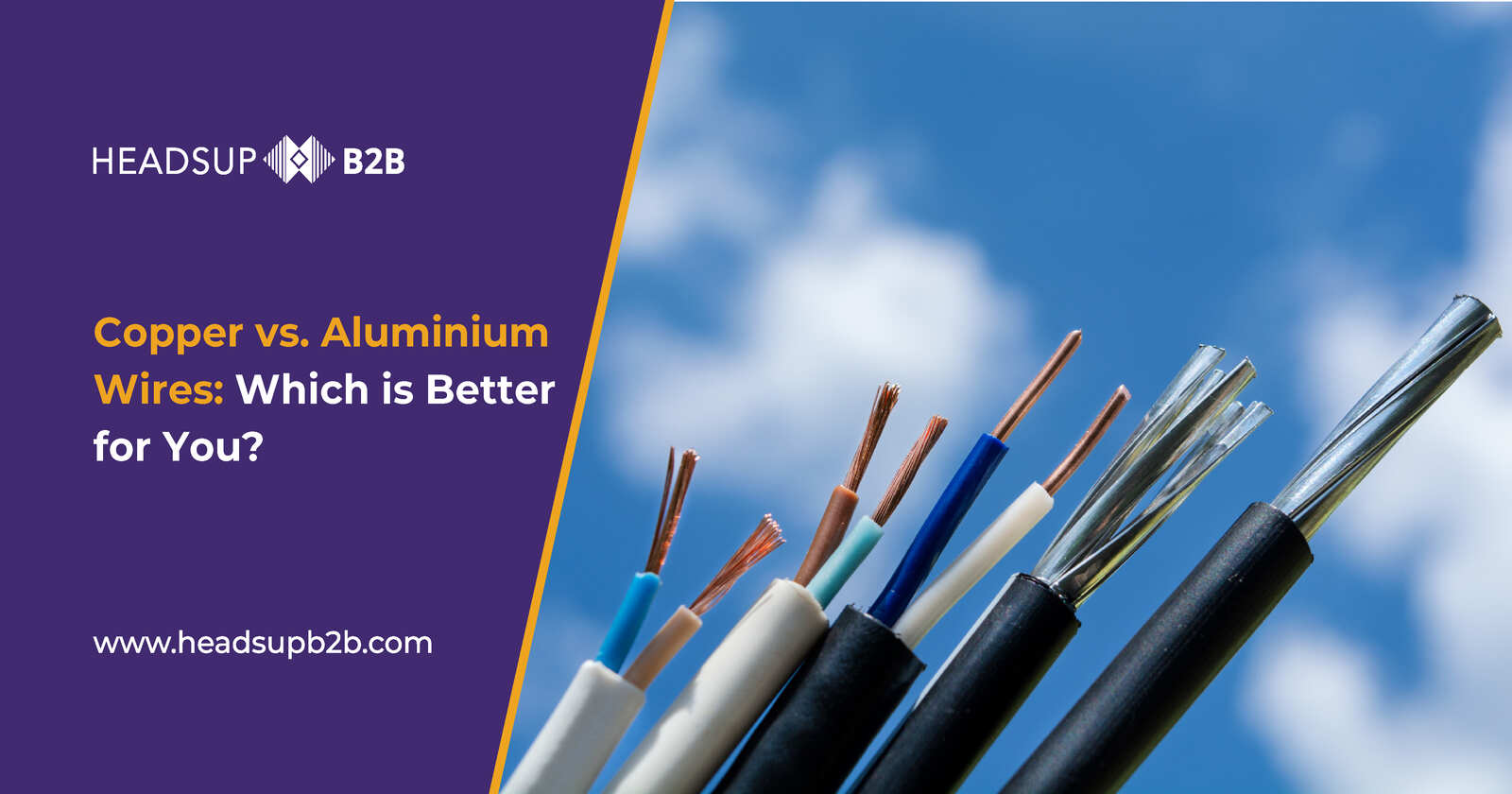
  • Copper vs. Aluminium Wires: Which is Better for You?

    Copper vs. Aluminium Wires: Which is Better for You?

    Why Wire Choice Matters in Electrical Systems

    Wiring is the silent hero of your home or building’s electrical solutions. It’s easy to overlook, but picking the right kind of wire—whether copper or aluminium—can impact everything from safety to efficiency and long-term costs.

    A Quick History of Copper and Aluminium Wiring

    Copper has been the go-to wiring material for over a century, but aluminium rose in popularity during the 1960s and 70s due to copper shortages. Today, both still see widespread use, but not always in the same ways.

    Basic Properties of Copper and Aluminum

    Electrical Conductivity

    Copper is a better conductor than aluminium. In fact, copper carries about 60% more current than aluminum of the same size. That means less energy loss and better performance.

    Thermal Conductivity

    Copper also beats aluminium in thermal conductivity. It dissipates heat more efficiently, which can help prevent overheating.

    Corrosion Resistance

    Copper develops a thin oxide layer but still remains conductive. Aluminium, on the other hand, oxidizes in a way that impedes conductivity, which can become a safety issue over time.

    Strength and Flexibility

    Copper is denser and more ductile, which means it bends without breaking. Aluminium is more brittle and can crack if bent repeatedly.

    Safety Factors

    Fire Hazards

    Aluminium wiring has been linked to house fires, especially in older homes where connections loosen over time. Copper wiring holds connections better and resists heat buildup.

    Oxidation Issues

    Aluminium reacts with air, forming an insulating oxide layer. If connections aren’t properly treated, resistance increases and so does the heat—leading to potential fire risks.

    Overheating Concerns

    Because of its lower conductivity, aluminium wires need to be larger than copper ones to carry the same current without overheating.

    Cost Comparison

    Material Costs

    Aluminium is significantly cheaper than copper—often 30-50% less per foot. That’s why it’s popular in large-scale or budget-restricted installations.

    Installation Costs

    Copper is heavier and harder to work with, increasing labor costs. However, aluminium requires special connectors and more care, which can offset those savings.

    Long-Term Maintenance

    Copper requires less maintenance over time. Aluminium systems often need periodic inspection to ensure connections haven’t degraded.

    Durability and Lifespan

    Longevity of Copper Wiring

    Copper wiring can last over 50 years with little to no issues. It’s durable, stable, and less prone to environmental damage.

    Lifespan of Aluminium Wiring

    Aluminium wiring tends to degrade faster, especially if not installed correctly. Its lifespan can be shortened by oxidation and mechanical stress.

    Ease of Installation

    Handling Copper vs Aluminium

    Aluminium is lighter and more flexible, making it easier to pull through conduit. However, it’s more fragile and prone to breaking if bent too much.

    Connector and Compatibility Issues

    You can’t just use standard connectors with aluminium. Special anti-oxidation paste and connectors are necessary to ensure safe and long-lasting joints.

    Environmental Impact

    Mining and Production Footprint

    Copper mining has a larger environmental impact due to deeper mining and energy-intensive smelting processes. Aluminium production is also energy-heavy but more abundant in raw materials.

    Recyclability and Sustainability

    Both metals are recyclable, but copper maintains higher value and is easier to recycle efficiently.

    Use Case Scenarios

    Residential Applications

    Copper is the top choice for in-home wiring. It’s safer and more durable for outlets, lighting, and switches.

    Commercial and Industrial Use

    Aluminium is often used in large-scale installations where cost is a major factor—like factories or office buildings—especially for feeder and service cables.

    Power Distribution and Utilities

    Utility companies often use aluminium for power lines due to its light weight and lower cost, which makes a difference over long distances.

    Code and Regulation Compliance

    National Electrical Code (NEC) Standards

    The NEC allows both copper and aluminium, but sets specific requirements for each—especially aluminium—to ensure safety.

    Local Building Codes

    Some regions have stricter codes or even ban aluminium wiring in residential buildings due to past fire incidents. Always check with your local authority.

    Performance in Extreme Conditions

    High Heat Environments

    Copper holds up better under heat, maintaining integrity and conductivity, while aluminium softens and degrades faster.

    Cold Weather Behavior

    Aluminium expands and contracts more with temperature changes, which can loosen connections over time. Copper remains more stable.

    Expert Opinions and Industry Preferences

    Most electricians prefer copper for residential projects because of its reliability and safety profile. Aluminium is seen as more situational—useful but needing more oversight.

    Myths and Misconceptions

    Aluminium is Dangerous?

    Not entirely true. When installed properly with approved methods, aluminium can be safe. The danger comes from poor installation and incompatible connectors.

    Copper is Always Better?

    Not always. While copper is superior in many ways, aluminium still has a place—especially when budget or weight are concerns.

    Which One Should You Choose?

    Decision-Making Checklist

    • For home wiring: Go with copper. It’s safer and more reliable.

    • For large-scale commercial use: Aluminium may be better due to lower costs.

    • For power distribution: Aluminium wins because of its light weight.

    • For critical systems or harsh environments: Copper is your best bet.

    Expert Advice Based on Needs

    If you’re working on a budget but can ensure professional installation, aluminium can be a viable option. But if safety and long-term peace of mind matter most, copper is worth the investment.

  • HT Power Cables: The Ultimate Guide for Engineers, Builders, and Tech Enthusiasts

    HT Power Cables: The Ultimate Guide for Engineers, Builders, and Tech Enthusiasts

    What are HT Power Cables?

    HT (High Tension) power cables are designed to carry electrical energy at high voltages, typically between 11kV and 132kV or even higher. These cables are the lifeline of industrial and urban infrastructure, transmitting electricity efficiently over long distances.

    Why HT Cables Matter in Modern Infrastructure?

    Without HT cables, cities would plunge into darkness, industries would grind to a halt, and transportation networks would collapse. They’re the silent workhorses making sure energy flows seamlessly — whether it’s powering a skyscraper, metro line, or manufacturing plant.

    Types of HT Power Cables

    Based on Voltage Classification

    • Medium Voltage (MV): Used for voltages between 1kV and 33kV, commonly in urban networks and industrial systems.

    • High Voltage (HV): Typically used for voltages from 33kV to 132kV, ideal for interconnecting substations and bulk power transfer.

    • Extra High Voltage (EHV): Used for voltages above 132kV. These cables are reserved for long-distance transmission and high-load applications.

    Based on Insulation Material

    • XLPE Cables (Cross-Linked Polyethylene): Known for high thermal and electrical resistance, making them ideal for modern installations.

    • PVC Cables (Polyvinyl Chloride): Cheaper, but less efficient and durable than XLPE.

    • Oil-Filled Cables: Older technology using oil as insulation; now mostly used in legacy systems.

    Key Components of HT Power Cables

    • Conductors: Usually made of aluminum or copper, the core of the cable that carries current.

    • Insulation: Surrounds the conductor, preventing electrical leakage. XLPE and PVC are the most common.

    • Metallic Shielding: Prevents electromagnetic interference (EMI) and ensures safety during faults.

    • Outer Sheath: Protects the entire cable from mechanical damage, moisture, and environmental hazards.

    Technical Specifications of HT Cables

    • Voltage Rating: Indicates the maximum voltage the cable can safely carry.

    • Current Carrying Capacity: The ampacity — or how much current the cable can safely conduct without overheating.

    • Temperature Resistance: HT cables must withstand high temperatures due to the electrical load and external environment.

    • Bending Radius: Defines the flexibility of the cable during installation. Tighter bends risk damaging the insulation.

    Applications of HT Power Cables

    • Power Generation Plants: Connect turbines and generators to the grid or transformers.

    • Substations and Distribution Networks: Serve as the veins of electrical distribution, linking major components.

    • Industrial Complexes: Support high-load machinery and processes, critical in factories and refineries.

    • Infrastructure Projects (Rail, Metro, Airports): Enable power delivery across large, energy-hungry infrastructure zones.

    Conclusion

    HT Power Cables are the unsung heroes behind the smooth, uninterrupted flow of electricity across industries, cities, and massive infrastructure. From factories to metro lines, these cables keep everything running with efficiency and safety.

    Understanding the right type of HT cable, its specifications, and safe installation practices isn’t just important — it’s essential. Whether you’re an electrical engineer designing power layouts or a builder working on large-scale infrastructure, investing time and resources in the right cable solution can save millions down the line.

  • HT Power Cables: What They Are, How They Work, and Why They Matter in 2025

    HT Power Cables: What They Are, How They Work, and Why They Matter in 2025

    HT Power cables are vital for carrying electric current. HT and LT cables are of different types and usage and can’t be used interchangeably.  Different voltage selections, insulation materials and installation costs are available. Selecting a suitable cable is crucial for operation safety and performance not just technically. This guide outlines the key differences to help you make an intelligent and informed choice.

    What Are HT and LT Cables?

    HT Cables: These cables are meant for transmitting at high voltage usually above 1.1 kV and up to 33 kV.

    HT cables are used in industrial plants, power stations, etc., due to their long-distance supply capacity.

    Low-tension cables work below 1.1 kV, which are used in residential, office, and commercial buildings.

    Applications & Advantages

    HT power cables are essential wires that find wide application in industrial zones, renewable energy setups, substations, etc.

    These cables are stress resistant and provide high performance with high current carrying capacity without damage. Their speciality of carrying current efficiently, without power loss, makes them suitable for long-distance power transmission.

    HT power cables offer multiple benefits that support their use in demanding power systems:

    • Efficient transmission over long distances

    • Reduced energy losses due to better insulation and higher voltage

    • Higher load handling capacity for heavy-duty equipment

    • Reliable performance in utility-scale and industrial setups

    How to Install HT Power Cable Safely

    Laying HT cable is a complex and meticulous task that requires extensive skill. If not installed right, it can lose energy or fail. Always involve licensed experts for safety and performance.

    Cost of HT Power Cables Per Meter in 2025

    In 2025, HT cable pricing is influenced by several key factors including:

    • Conductor material

    • Insulation type

    • Voltage rating

    Estimated Price Range: ₹450 to ₹1,200 per meter depending on specs. Price trends remain steady, with minor increases due to input costs.

    Top HT Cable Manufacturers in India

    Some of the most reliable HT cable manufacturers in India in 2025 include:

    1. Polycab

    2. KEI Industries Ltd.

    3. RR Kabel

    4. Havells India

    5. Finolex Cables

    Indian Market in 2025 and beyond

    The cable market has surged from about ₹5.25 lakh crore to ₹8.17 lakh crore in nine years. With the growth of this sector, the choice of cable type will depend on the voltage, the place of installation and the safety standards. Most High Tension (HT) cables are good for industry. Low Tension (LT) cables are good for home and commercial use.

    Conclusion

    Looking for reliable HT or LT Cables, Headsup B2B is your one-stop solution for all your cabling needs for a diverse range of infrastructure settings. Be it high-voltage industrial projects or premium residential projects, we provide certified and quality-assured cable suppliers for your every cabling need.

  • HT Power Cable Buying Guide: Everything You Need to Know

    HT Power Cable Buying Guide: Everything You Need to Know

    High Tension (HT)  power cable, also known as high-power cable, is manufactured to carry a high amount of electricity. With a large amount of voltage-carrying capacity, high insulation and robust design, these cables are deemed suitable for heavy machinery, factories, sub-stations, and large infrastructure projects.

    Key Specifications at a Glance

    In addition to high insulation, the conductors used come with high conductivity. The insulation material used ranges from Cross-linked Polyethylene (XLPE), Polyvinyl Chloride (PVC), and sometimes Ethylene Propylene Rubber (EPR), depending on the application. Let’s have a look at the key specifications of HT power cables:

    Parameter

    Options/Details

    Voltage Range

    3.3 kV – 33 kV (up to 66 kV/132 kV available)

    Conductors

    Copper / Aluminium

    Insulation

    XLPE (preferable), PVC (sometimes), EPR (less common)

    Sheath

    PVC, FRLS, HR PVC, HDPE

    Armor

    Steel/Aluminium wire or tape, or unarmored

    Temperature

    XLPE: 90°C operation, 250°C short circuit

    PVC: 70°C/160°C

    Core Configs

    Single, Three, Four-core

    Typical Ratings

    11 kV, 22 kV, 33 kV

    How to install HT power cables safely?

    Depending on the application needs, there are two types of installation – underground installation and overhead installation. These types of installation cater to a diverse range of installation needs. For instance, for ease of installation, overhead installations are used, while for aesthetics and safety, overhead installations are in focus. Safety features of underground

    HT Underground Installation – Step-by-Step

    • Before digging, check cable records for safe routing.

    • Dig to the required depth while following safe safety protocols

    • Lay out a smooth sand layer.

    • Lay down cables without tension or kinks.

    • Use Logs (bricks/slabs) and warning tape.

    • The process of backfilling involves refilling in layers while compacting each layer.

    • Conduct integrity tests post-installation.

    • Mark the cable route for future reference and safety.

    Applications & Advantages

    HT power cables are essential wires that find wide application in industrial zones, renewable energy setups, substations, etc.

    These cables are stress resistant and provide high performance with high current carrying capacity without damage. Their speciality of carrying current efficiently, without power loss, makes them suitable for long-distance power transmission.

    Supplier Checklist & Cost Insight

    Item

    Details

    Ask Suppliers

    Test certificates, delivery timelines, and customisation options

    Cost Trends 2025

    Prices are stable but volatile, influenced by metal costs and supply chain

    Price/Meter

    ₹300–₹700 (standard); up to ₹1,000+ for custom/high-spec cables; confirm with supplier for latest rates

    Top Makers

    Polycab, Havells, KEI, Finolex, RR Kabel, Universal

    Be it the underground installation of high-power tension cables or overhead high-tension cable installation, understanding of price, compliances, and alternatives is vital to project success from sourcing to installation. Be it HT cables or LT cables, Headsup B2B is your one-stop destination for all your cabling needs. We provide end-to-end fulfilment of these cables. Contact us today to know more.

  • HT Power Cables vs LT Cables: What’s the Real Difference

    HT Power Cables vs LT Cables: What’s the Real Difference

    Power cables are vital for carrying electric current. High Tension (HT) and Low Tension (LT) cables are different types of cables and cannot be used interchangeably.  They come with different voltage selections, insulation materials and installation costs.

    Choosing the right cable isn’t just technical—it’s critical for operational safety and performance. This guide breaks down the key differences to help you make an informed, smart selection.

    What Are HT and LT Cables?

    • HT Cables: Designed for high-voltage transmission (typically above 1.1 kV and up to 33 kV), HT cables are widely used in industrial plants, power stations, and infrastructure requiring long-distance supply.

    • LT Cables: Operate below 1.1 kV, making them ideal for homes, offices, and commercial spaces.

    HT Cable vs LT Cable Comparison

    Parameter

    HT Cables

    LT Cables

    Voltage Rating

    Above 1.1 kV up to 33 kV

    Up to 1.1 kV

    Insulation & Material

    XLPE, EPR – heavy-duty insulation

    PVC, XLPE – standard for low-voltage

    Cost & Installation

    Higher cost, needs a skilled setup

    More affordable and easier to install

    Current Capacity

    High-load, long-distance supply

    Moderate current for local use

    Application

    Transmission grids, industrial setups

    Domestic wiring, local grids

    How to Install HT Power Cable Safely

    Installing HT cables requires careful trenching, correct jointing, and compliance with safety codes. Improper installation can lead to energy loss or system failure. Always involve certified professionals to ensure safety and performance.

    Choosing the Right Option

    Your selection should be based on voltage requirements, installation conditions, and safety compliance.  For industrial use, HT cables are preferred, while LT cables are sufficient for homes and commercial properties.

    Conclusion

    Looking for reliable HT or LT Cables, Headsup B2B is your one-stop solution for all your cabling needs for a diverse range of infrastructure settings. Be it high-voltage industrial projects or premium residential projects, we provide certified and quality-assured cable suppliers for your every cabling need.

  • Electrical Conduit and Their Uses

    Electrical Conduit and Their Uses

    Imagine a road without a proper route, and humans with a machine without a casing, wires messy with parts vulnerable and exposed. Just as wires require proper insulation for short-circuit risk mitigation and shock prevention, wiring systems need conduits to fulfil the same purpose. Just as different types of wires require different casings, wiring systems related to various applications need different types of conduits.

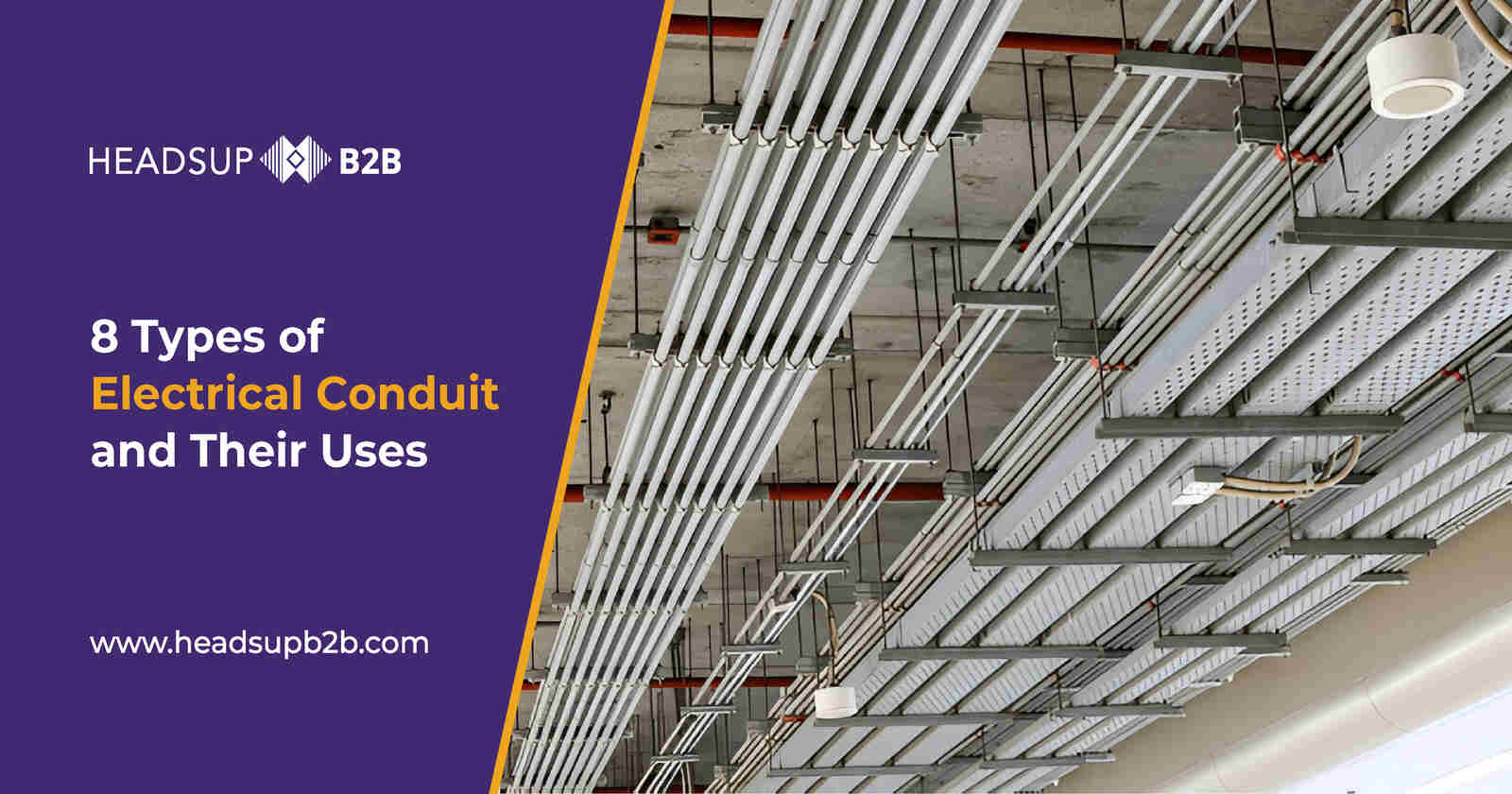
    8 Types of Electrical Conduit and Their Uses

    1. Rigid Metal Conduit

    Rigid Metal Conduit is used for maximum protection in outdoor environments and industrial settings. Their features include being thick-walled, heavy-duty, and galvanised.

    2. Intermediate Metal Conduit

    Intermediate Metal conduit fulfils moderate durability needs. In terms of materials used, they utilise lighter, steel conduits with walls thinner than RMC. They are suitable for environments that are exposed, including outdoor settings.

    3. Electrical Metallic Tubing

    Suited for residential and commercial buildings, Electrical Metallic Tubing is lightweight and thin-walled. EMT is made of aluminium for tubing, with widespread use in indoor wiring.

    4. Flexible Metal Conduit (FMC)

    Used in tight spaces and areas that are prone to vibrations, flexible metal conduit is coiled and bendable.

    5. Liquid-Tight Flexible Metal Conduit (LFMC)

    Mainly used in wet and oily environments, Liquid-Tight Flexible Metal Conduits come with a weatherproof plastic jacket. LFMC is perfect for protecting wires near pumps, motors, or outdoor equipment where moisture is common.

    6. Polyvinyl Chloride (PVC) Conduit

    Polyvinyl Chloride Conduit is a non-metallic conduit. These plastic pipes are resistant to corrosion and cheap. PVC finds applications outdoors and underground.

    7. High-Density Polyethylene (HDPE) Conduit

    High-Density Polyethylene conduit is available in a variety of telecom and power cable applications. Because of their flexibility and non-metallic nature, they are used in directional boring and trenching.

    8. Rigid Non-Metallic Conduit (RNC)

    There are applications that require the conduits to be non-corrosive in nature due to highly corrosive environments. Similar to PVC, Rigid Non-Metallic Conduits are used widely in chemical plants and are flexible in nature.

    Comparison of Electrical Conduit Types

    Conduit Type Material Key Feature Typical Use Environment
    Rigid Metal (RMC) Galvanised steel Thick-walled, heavy Outdoor, industrial Harsh, exposed
    Intermediate (IMC) Steel Lighter, thinner Exposed, outdoor Moderate durability
    EMT Aluminium/steel Lightweight, thin Indoor wiring Residential, commercial
    FMC Steel/aluminium Flexible, coiled Tight, vibrating areas Machinery, equipment
    LFMC Metal & plastic Waterproof, flexible Wet, oily locations Pumps, motors
    PVC Conduit Plastic (PVC) Non-metallic, cheap Underground, outdoor Corrosive, damp
    HDPE Conduit Polyethylene Flexible, durable Telecom, power cables Trenching, boring
    RNC Plastic Flexible, non-corrosive Chemical plants Highly corrosive

    Be it an underground application or a high-end residential setting, Electrical conduits not only act as protective shields but also make the wiring systems more presentable. Before choosing the right type of conduit, knowledge of different types of conduits is important; for the same, an expert in electrical wiring systems is important. Headsup B2B ensures your project success with the best-suited, cost-effective and durable electrical conduits. If you need for expert wiring system solution, contact us today.

  • How to Understand GI Pipes: A Complete Guide

    How to Understand GI Pipes: A Complete Guide

    Behind every reliable infrastructure, there is a sturdy structure. To support a strong structure and a foundation, the role of GI Pipes is vital.

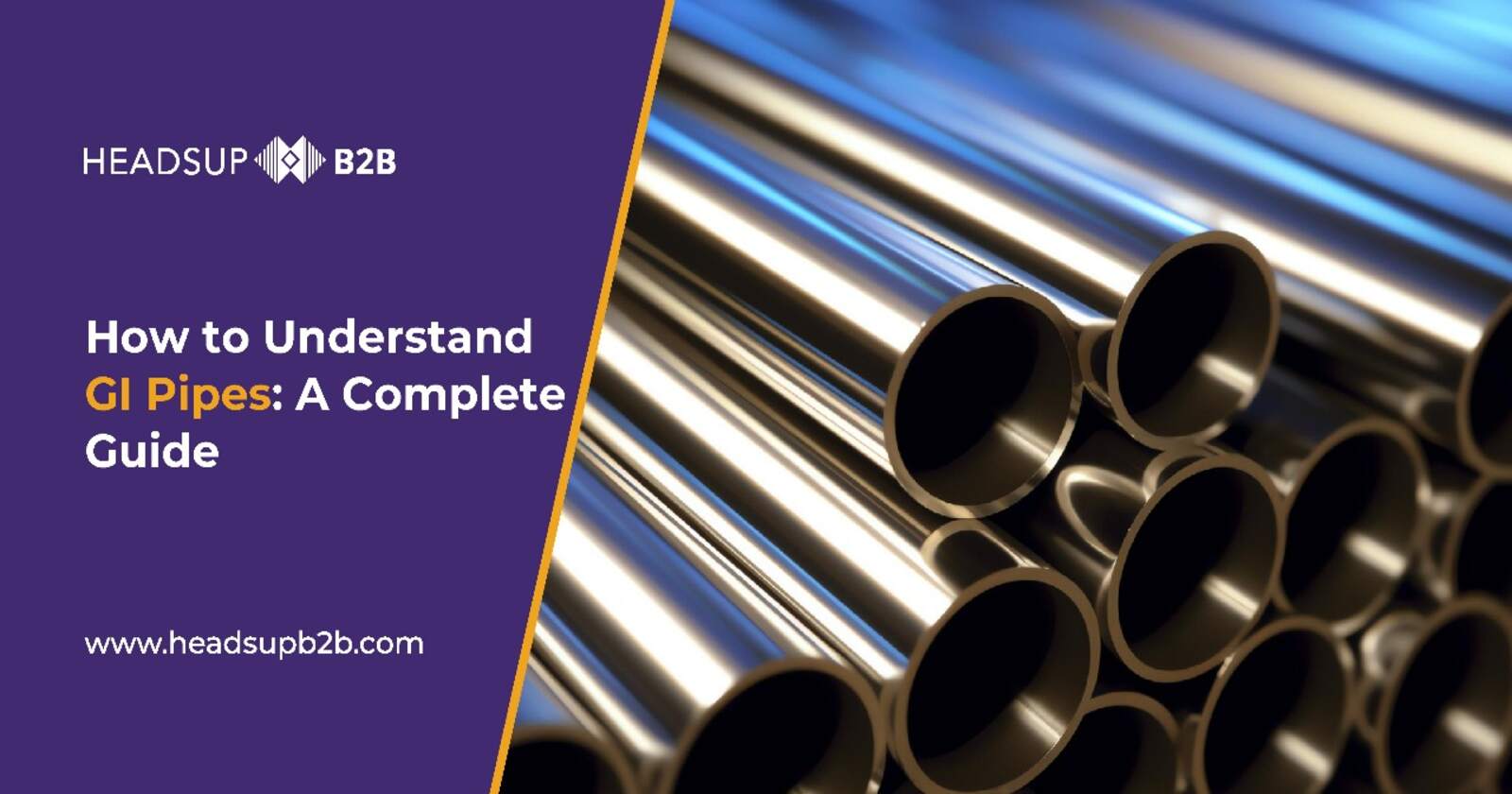
    Galvanised Iron Pipes are basic to a range of infrastructure projects, including construction and plumbing. The protective feature of these pipes is highlighted by the zinc coating, which contributes to the durability of any building.

    Enquiry Now

    What Are GI Pipes?

    GI Pipes are galvanised iron pipes known for their durability and fluid carrying system. The zinc coating prevents the risk of corrosion and rusting. The method by which the coating is done is known as hot dip galvanisation, leading to the prevention of zinc layer formation.

    Advantages

    • Corrosion Resistance: These pipes have a zinc coating, making them resistant to rust and corrosion. It makes the GI pipes ideal for wet settings.

    • Durability and Longevity: GI pipes are popular for strength, durability, and hence outlast other pipes in similar conditions.

    • Cost-Effectiveness: GI pipes are cost-effective, even after galvanisation, making them apt for large-scale projects.

    Applications

    Sector

    Applications & Uses

    Water Distribution & Plumbing

    Residential and commercial water supply systems; Sewage and drainage pipelines

    Agriculture

    Irrigation systems; Borewell and tube well casing; Sprinkler systems

    Construction

    Scaffolding, Structural support, Handrails, and fencing

    Automotive & Manufacturing

    Frame and chassis components, Exhaust systems, Industrial air or fluid lines

    Selection

    • It is important to choose the type of GI Pipe that is suitable for the application, based on pressure rating, size, and usage environment.

    • Considerations should be made, like coating thickness, threading, and IS certification, when choosing the right type of GI Pipe.

    • The quality and reliability of these pipes define the integrity of the infrastructure in a particular project. This is the reason why it is important to source from reliable suppliers.

    Maintenance and Lifespan

    • Maintenance practices to extend life with regular inspection and proper jointing should be done.

    • The expected service life in different conditions varies depending on the needs of the application, so the maintenance should be planned accordingly.

    In summary, GI pipes are a strong, corrosion-resistant, and cost-effective choice for a wide range of infrastructure and industrial applications. Businesses should be aware of their limitations regarding long-term corrosion and maintenance needs, and to understand this, reaching out to professionals and experts is pertinent. Headsup B2B is your one-stop solution for all your pipe needs, including GI pipes. Get in touch with us to know more.

  • 6 Best Practices for Electric Wire Installation

    6 Best Practices for Electric Wire Installation

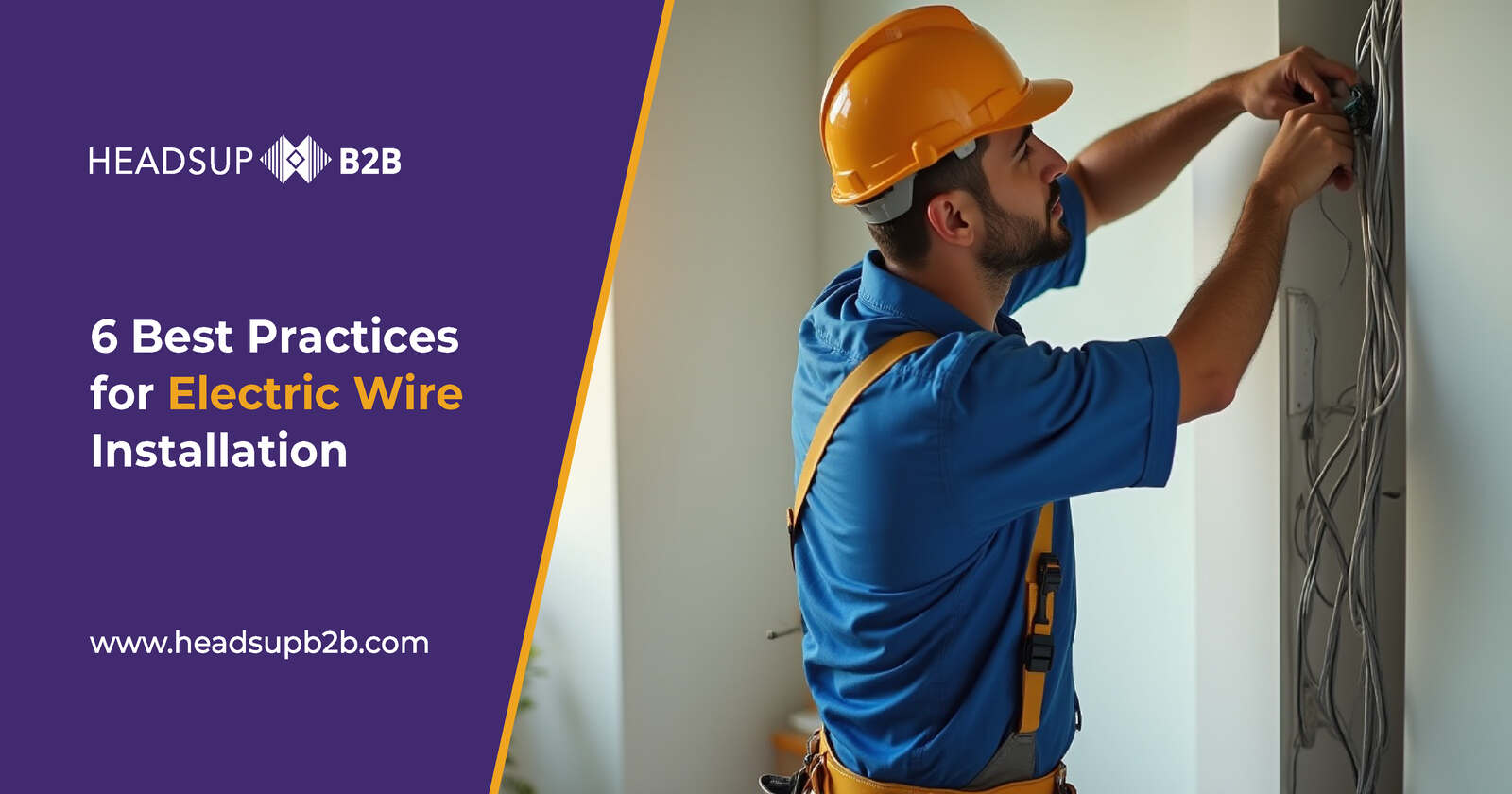
    Proper functioning of any electrical system is heavily dependent on the choice of the right wire, with the right certifications. Be it electrical house wires for home electrical systems of residential projects or high-current carrying wires in industrial setups, proper installation is vital to the functioning of the power distribution system across the infrastructure setting. In this blog, we will explore one of the most important aspects of electrical wiring installation – the best practices.

    Best Practice 1: Proper Planning and Layout

    Layout and planning are important due to different factors such as:

    • Load requirement assessment ensures that conductors, protective devices and panels are correctly installed to meet actual demand. Additionally, their core function is also to prevent overheating and voltage drop.

    • Determination of cable routes allows us to choose the most efficient, accessible paths, minimising the lengths and bends of cables and reducing voltage drops.

    • Careful planning ensures that electrical layouts do not interfere with plumbing, HVAC, or structural components. Early coordination helps avoid costly rework, space conflicts, and delays during installation.

    Best Practice 2: Correct Conductor Selection

    • An additional essential element for your wire installation is a proper wire gauge and respective insulation type and ratings.

    • The wire insulation types and levels will ensure that the wires are not exposed to a voltage which there would cause electrical stress on the wire. If these barriers are crossed, degradation of the wire may occur. However, this may also lead to more serious hazards.

    • The wires must match the environment, too. The installation site must be designed keeping the temperature in mind. For instance, the wires should be able to withstand temperature, humidity, chemicals, wear and tear, etc.

    Best Practice 3: Secure Routing and Support

    • Physical support and proper routing are important to ensure lasting wire installations. To improve accessibility, the use of conduits, trays and clamps is vital.

    • Ensuring accessibility is important, and for the same, the use of conduits, trays, and clamps helps organise and protect wires from external stress.

    • The importance of physical support is emphasised by the need for prevention of strain on the conductors to protect them from physical damage and minimise performance issues.

    Best Practice 4: Terminate and Connect for Quality

    • When stripping insulation and preparing conductors, using a proper tool which doesn’t nick or damage conductor strands is important. Moreover, the length of the strip needs to be as per the specification.

    • The use of a properly sized lug connector is important for the wire gauge. Also, a calibrated tool is important for a robust connection. Additionally, for soldering purposes, heat control needs to be done to avoid cold joints and insulation damage.

    Best Practice 5: Protection and Insulation

    • Applying cable sleeves and grommets is important for protection and insulation. Also, fire-resistant materials such as LSZH (Low Smoke Zero Halogen) cables, FRLS (Flame Retardant Low Smoke) wires, and halogen-free conduit systems need to be utilised.

    • In damp and wet environments, it is essential to use wiring and insulation materials that resist moisture ingress and chemical exposure. These materials include PVC-coated cables, XLPE insulation, corrosion-resistant conduits, and IP-rated enclosures.

    Best Practice 6: Testing, Inspection, and Documentation

    Ensuring a proper installation and safety is a prerequisite for an electrical system. To ensure that it has been carried out efficiently, there are three key steps:

    • Continuity, Insulation Resistance, and Earth Testing to check if the wires have been installed without damage, while being grounded safely.

    • Visual Inspections and Checklists to help catch loose connections, damaged insulation, or improper bends. It also enables proper labelling and record-keeping.

    Proper installation of electric wires ensures safety and compliance with rules and regulations. The given benefits of these six best practices lead to project success, be it a residential wiring project or a commercial one. Accomplishment of project success depends on professional expert intervention at each step, right from wire selection to installation, testing and documents.

  • How to Choose the Right Electric Wire for Your Project?

    How to Choose the Right Electric Wire for Your Project?

    Introduction

    Imagine a building as a human body and electric wires as the nerves of that body. Like our body, just as different kinds of nerves are responsible for transmitting various nerve impulses, electric wires are responsible for transmitting various types of electrical signals with different current ratings.

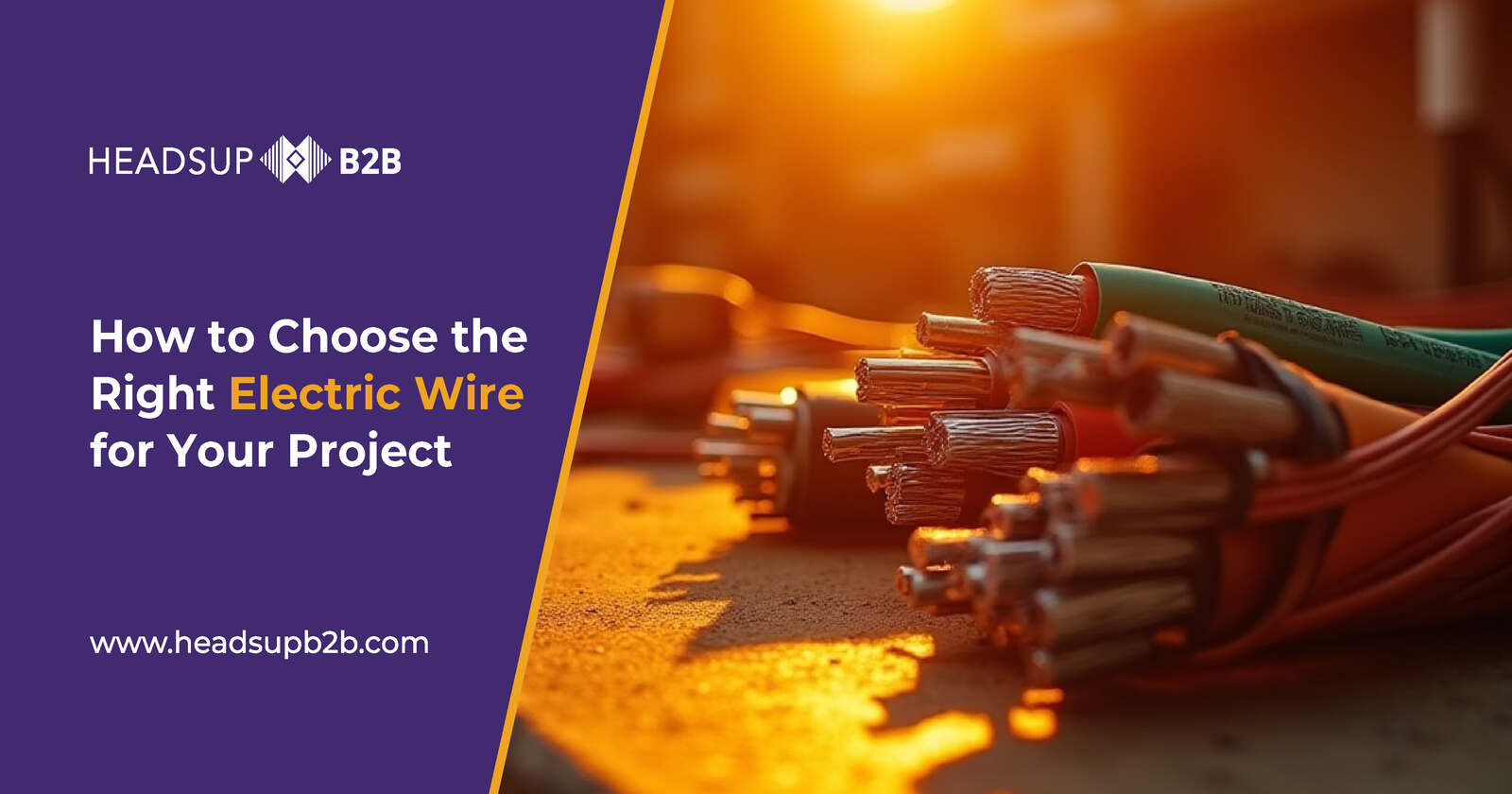
    In any kind of electrical system, the choice of the right wire with the right certifications is important. Be it electric house wires for home electrical systems of residential projects or high-current carrying wires in industrial setups, the understanding of different applications of electrical wiring is vital:

    Residential, Commercial, or Industrial

    The wiring needs to change throughout each type of project. Based on the environment of use, select light-duty or heavy-duty wires.

    Indoor vs Outdoor Use

    Cable used outdoors must be able to take heat, moisture or UV exposure. The inside wiring can be lighter, but it must still comply with flame-retardant standards.

    Load Requirements

    The size and insulation type of a wire depends on its electrical load. Using wires that are too small can cause overheating; however, using wires that are too large will add cost and bulk.

    Know the Wire Types

    Different types of wires represent different features that are vital to the functioning of distinct features. Commonly used variants include single-core, multi-core, rigid, solid, and stranded wires. In this comparison table is a summary of their distinctive features:

    Feature Single-core Multi-core Flexible Rigid Solid Stranded
    Conductor Count 1 Multiple Multiple strands Thick/single strand 1 solid wire Bundled thin wires
    Flexibility Low High Very High Low Low High
    Durability High (static) Moderate Moderate (moving) High (static) High (static) High (moving)
    Application Type Fixed wiring Complex connections Moving parts/machinery Infrastructure Internal wiring Robotics, panels
    Cost Low Higher Higher Moderate Low Moderate

    Check Voltage & Current Ratings.

    Ampacity is how much current a wire can carry without overheating.

    Choose wire gauge (AWG/SWG) that suits load, distance and application environment.

    Use case tip.

    Thicker ones suit power-intensive equipment, while thinner ones are suitable for low-voltage lighting or control.

    Insulation & Sheathing Matters.

    • Insulation type impacts our flexibility, durability and safety from PVC to XLPE & frls.

    • Select based on resistance requirements – weatherproofing, flame retardance, or chemical exposure.

    Use case tip.

    • Use FRLS in indoor commercial settings and XLPE for outdoor or underground installations

    Certifications & Compliance.

    • Look for ISI, BIS, RoHS, and similar marks that ensure safety and performance standards.

    • Certifications prevent failure, ensure compliance and confirm the safety of the assurance product

    Use case tip.

    • Always check the paper regardless of whether it is Government or Industry, or export projects.

    Match With the Right Colour Codes

    • The right colours should be matched as per the Indian colour codes – (Phase, Neutral, Earth)

    • Colour coding ensures clarity during installation and maintenance

    Consider the Length & Routing

    • It is important to estimate wire length correctly.

    • It is pertinent to plan for bends, joints and conduits.

    Cost vs Quality

    • Balancing budget and performance is important to get the perfect quality within the project budget, which leads to better project efficiency.

    • Compliant and Trusted brands and sourcing partners ensure the credibility and safety of the wires chosen for project execution.

    Need help sourcing the right wire?

    Headsup B2B ensures the right fit for your electrical needs – from specs to supply.