Author: suraj

  • Top 10 Polymers Manufacturers in India

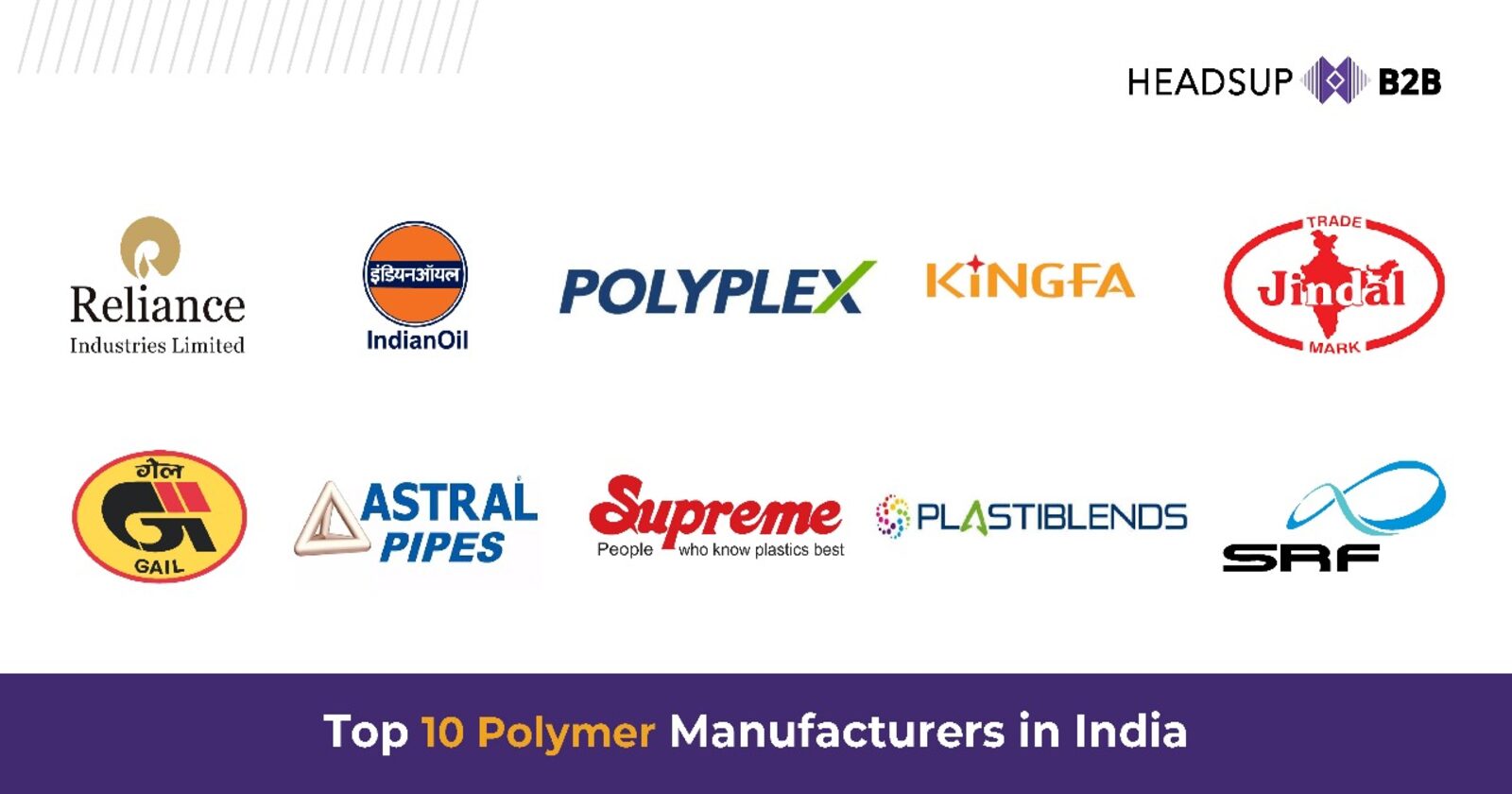
    Top 10 Polymers Manufacturers in India

    A polymer is a large molecule composed of repeated subunits, known as monomers. Polymers are an outcome of a process called polymer synthesis. These materials are used in everyday life in the form of plastics, petrochemicals and bio-based feedstocks, making for an industry worth ₹3.65 lakh crore with a CAGR projected at over 6.6%. This growth is responsible for the surge in demand, especially in sectors such as packaging, automotive, infrastructure and FMCG.

    In this blog, we will explore different manufacturers based on production capacity and impact on the polymer industry.

    Reliance Industries Ltd. (RIL)

    Reliance Industries has the world’s largest single-site refinery complex. It has a crude refining capacity of 1.4 million barrels per day. With state-of-the-art petrochemicals and polymers manufacturing units, the company leads the Indian polymer market. The company is headquartered in Mumbai and was founded in 1966. Reliance Industries is headquartered in Mumbai. It is one of India’s largest conglomerates, serving a diverse range of industries, including the polymer and oil and gas industries.

    Indian Oil Corporation Ltd. (IOCL)

    Established in 1959, Indian Oil Corporation is one of the country’s largest government-owned oil producers. The company has a refining capacity of 80.55 MMTPA and a strong polymer sector presence. Spanning the full hydrocarbon value chain—from refining to renewables —it employs over 31,600 people and is ranked 94th in the 2022 Fortune Global 500.

    GAIL (India) Ltd.

    GAIL was established in 1984 and operates around 13,700 km of natural gas pipelines. The company is a leading petrochemical offering company with its main manufacturing unit in Pata, Uttar Pradesh. Its nameplate capacity is 210,000 MT/year. GAIL markets these products under the brand names G-Lex and G-Len.

    Supreme Industries Ltd.

    Supreme Industries was established in 1942 and is headquartered in Mumbai. The company’s offerings include a wide range of industrial commodities and engineering polymers, including Polypropylene (PP), Polyvinyl Chloride (PVC) and Polystyrene (PS). It has EPE and PEX using foam and protective packaging solutions.

    Produces industrial and engineering moulded furniture, packaging films, PVC pipes and fittings, expanded polyethene foam, and disposable EPS containers. Headquartered in Mumbai, with a diversified product portfolio serving multiple sectors.

    Astral Ltd.

    Astral Ltd is a leading pipes and water management company in India, offering a diverse range of polymer products including CPVC, PVC and uPVC. The company’s total installed capacity in pipes and tanks is 334,040 MTPA, with its manufacturing units across the country, including Gujarat, Rajasthan, Tamil Nadu, Maharashtra, Assam and Uttarakhand.

    Jindal Poly Films Ltd.

    Jindal Poly Films’ flagship manufacturing plant in Nashik, recognised as the world’s largest single-location plant for the production of polyester (BOPET) and polypropylene (BOPP/OPP) films. The company has a distribution network of 40 countries, with a 95% market presence. Apart from having a significant market presence, a massive coating capacity and metallising capacity are projected at 14,000 tons per year and 71,610 tonnes per year.

    Polyplex Corporation Ltd.

    Polyplex Corporation Ltd. is a leading polyester film producer with its presence in diverse sectors, including packaging and electrical. It has a global footprint with manufacturing units in several countries. The company prioritizes innovation and sustainability in polyester film production.

    SRF Ltd.

    SRF Ltd is engaged in manufacturing chemicals, technical textiles and packaging films with a diversified business model in place. The company serves the automotive, agricultural and industrial sectors. The company has a strong emphasis on R&D and product innovation. The company has international manufacturing units in Thailand, South Africa and Hungary.

    Plastiblends India Ltd.

    Plastiblends India is a leading manufacturer in the automotive, electrical and consumer goods industries. It focuses on customised polymer solutions and technical expertise. The company has a growing presence in high-performance engineering plastics.

    Kingfa Science & Technology India Ltd.

    Kingfa Science specializes in polymer products and composites. The focus of the company is on advanced materials for automotive and industrial applications. Kingfa emphasises research and development to enhance product performance.

    Headsup B2B is your one-stop solution for your petrochemical needs, including water management and piping needs. For all your polymer products-related needs, reach out to us. Contact us to know more.

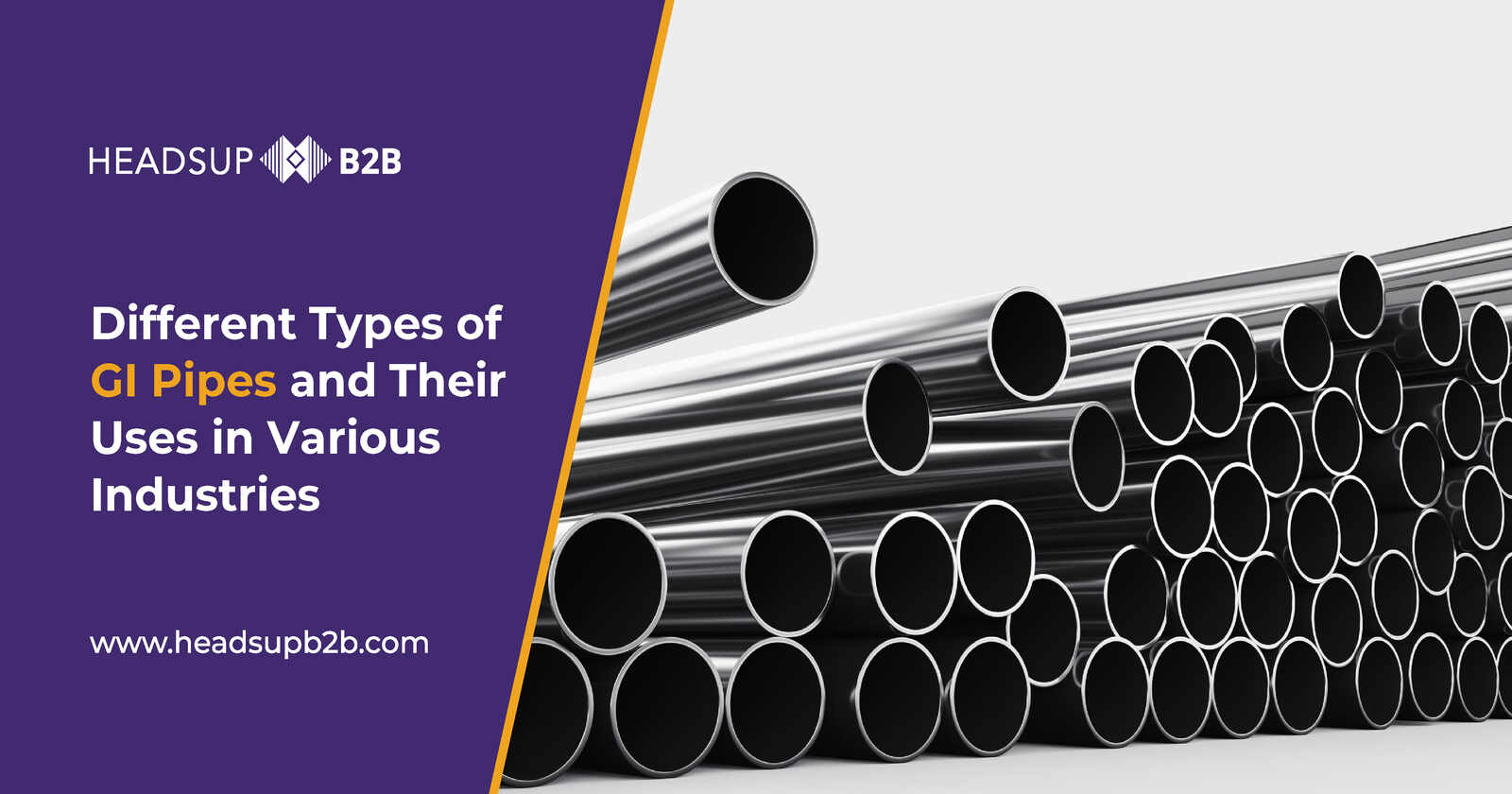
  • GI Pipes Manufacturer Company in India

    GI Pipes Manufacturer Company in India

    GI Pipes are robust, galvanised iron and steel pipes, crucial for our infrastructure due to its versatility and cost-effectiveness. These are the top five GI Pipes manufacturing companies in India producing high quality and large scale manufacturing of GI pipes.

    Top 5 GI Pipe Manufacturers in India

    1. APL Apollo Tubes Ltd.

    Established in 1986, APL Apollo Tubes Ltd has been a market leader in structural steel tubes, with about 55% of the market share in India. The company has a manufacturing capacity of over 4.2 million metric tonnes per annum (MTPA) and an additional 0.4 million tonnes capacity from the UAE. It is a pioneer in Direct Forming Technology. Lt. Sudesh Gupta, founded the company and now has a strong presence across 29 Indian cities and approximately 20 international markets.

    USP: Leading maker of structural steel tubes with wide reach and advanced forming technology and a distribution network of 900+ distributors.

    2. Jindal (India) Limited

    Jindal India was established in 1968 in New Delhi, the company’s headquarters. The company’s current manufacturing capacity is 0.6 million MT to 1.6 million MT by FY 2025-26. The company has a long and rich legacy of over 65 years in galvanised steel products.

    USP: Galvanized sheets, coils, and strong ERW pipes for key sectors like oil & gas.

    3. Tata Pipes (Tata Steel)

    Tata Pipes is a part of Tata Steel, established in Jamshedpur, Jharkhand, in 1907. Being an Industry leader and a trusted brand in the Indian steel industry, Tata Pipes has a long-standing history in manufacturing galvanised steel products, including GI pipes. The company offers a wide range of high-quality pipes that serve diverse sectors, including infrastructure, construction and industrial applications.

    USP: Trusted GI pipes from Tata Steel for construction and industrial use.

    4. Surya Roshni Ltd.

    Established in 1973, Surya Roshni is headquartered in New Delhi. Its multiple steel products include lighting products and steel pipes. The company has a significant production capacity in steel and serves urban and rural markets. The key sectors that the GI pipes of Surya Roshni serve include construction, infrastructure and agriculture.

    USP: GI pipes for construction, infrastructure, and agriculture nationwide.

    5. Hi-Tech Pipes Ltd.

    Hi-Tech Pipes is a growing player in the steel pipe industry. The company has a focus on the EPC model (Engineering, Procurement and Construction) and is involved in large-scale manufacturing. With cutting-edge technology usage, Hi-Tech Pipes Ltd serves critical technological infrastructure needs

    USP: Tech-driven steel pipes for EPC and critical infrastructure projects.

    Conclusion

    GI Pipes are pivotal for our infrastructure development; therefore, manufacturing quality GI pipes is very important. Trusted manufacturers make GI pipes quality, compliant and large-scale manufactured. GI pipes are used to enhance rural and urban infrastructure.

    The national infrastructure development is led by GI Pipe companies including APL Apollo tubes developed in superior facilities. Jindal India whose unit making pipes was set up 40 years ago is another one. Then there is Tata Pipes which is a respected non-condensing product on account of its long brand value. Headsup B2B is your one stop solution for all your piping needs. Contact now today

  • Different Types of GI Pipes and Their Uses

    Different Types of GI Pipes and Their Uses

    GI (Galvanised Iron) pipes are popular choices for versatile use, spanning low-pressure applications and heavy-duty applications due to their less corrosive and anti-rusting properties. These pipes are used in diverse industrial applications apart from water supply, construction and irrigation.

    Types of GI Pipes

    Light Grade GI Pipes

    Low-pressure applications require the use of thin-walled galvanised iron pipes. They are often used in homes for plumbing. It is a cost-effective way to get water flowing.

    Medium Grade GI Pipes

    These pipes are well-suited for use in domestic and commercial water supply networks with moderate wall thickness. These are used widely as irrigation systems and light industrial applications due to their balanced strength and durability.

    Heavy Grade GI Pipes

    Heavy-grade GI pipes have thick walls, which add strength to the pipes and prevent bursting under a header of water pressure. These are very popular among industrial systems and buildings that require massive durability.

    Pre-Galvanised vs. Hot-Dip Galvanised Pipes

    Pre-galvanised pipes are prepared before they are made. They have basic corrosion resistance. They are used for a short period for lesser exposure.

    Hot-dip galvanised pipes are made by dipping the pipes in molten zinc, which is a thicker and more durable coating that will last longer in all conditions.

    Applications Across Industries

    Construction Industry

    Used for scaffolding, fencing, and structural frameworks. Preferred for high strength and rust resistance.

    Water Supply & Plumbing

    Commonly used in municipal and residential water lines. Suitable for both underground and overhead installations.

    Agriculture

    GI Pipes are used in sprinkler systems and irrigation pipelines due to being corrosion-resistant and rust-resistant.

    Oil & Gas / Industrial Use

    Ideal for transporting non-corrosive fluids. Used in compressed air lines and fire-fighting networks.

    Telecommunication & Electric Conduits

    Protects underground and overhead cables. Ensures long-term safety and cable management

    Conclusion

    GI Pipes are versatile and low-cost. Their corrosion-resistant and anti-rust properties make them fit for wet applications such as irrigation by using sprinklers to protect underground and overhead cables in telecommunications and electric conduits. Knowledge of the right kind of GI Pipes is crucial. Headsup B2B is your one-stop solution for all your piping needs. Contact us today to know more.

  • Top 5 Benefits of Using GI Pipes in Modern Infrastructure

    Top 5 Benefits of Using GI Pipes in Modern Infrastructure

    Behind every reliable structure, there is a sturdy structure. Here, GI pipes come into play, highlighting their significant role in the entire ecosystem. The presence of GI pipes in the structures leads to reliability expanding globally and nationally.

    Galvanised iron (GI) pipes are a staple in construction and plumbing projects across industries. Known for their zinc-coated durability, these pipes offer lasting performance and value. Here are the top five reasons GI pipes remain a top choice in modern infrastructure.

    Top 5 Benefits of Using GI Pipes

    1. Corrosion Resistance

    GI pipes are made of strong building materials such as steel and iron, with corrosion resistance. The zinc coating protects these pipes from rusting. The anti-corrosion and rusting-resistant properties make them a great choice for applications like water supply systems, making them suitable for both outdoor and indoor systems. These pipes are extensively used in coastal as well as humid areas due to their durability.

    2. Durability and Strength

    Both steel and iron are structurally robust and can withstand heavy-duty applications. GI pipes, due to their strength, help withstand physical stresses from heavy-duty applications, making them suitable not only for irrigation use but also for residential and industrial applications. The stronger the structure, the better the longevity, keeping them intact for a longer duration without the need for replacement and repair.

    3. Cost-Effectiveness

    GI pipes are structurally robust, which leads to a lowered need for maintenance. It leads to a longer lifespan. The longevity of these corrosion-resistant and anti-rust properties is directly proportional to cost effectiveness.

    4. Ease of Installation and Maintenance

    One distinct feature of GI pipes is their ability to be cut on site with the help of standard equipment, which leads to lowered downtime, also reducing the need for specialised equipment.

    5. Versatile Applications

    GI pipes are robust, durable, with features such as anti-corrosive properties, leading to wide-ranging applications. Some of the common uses of GI pipes include plumbing, fencing and scaffolding. The versatility of these pipes makes them go-to materials across industries.

    GI pipes are reliable, versatile, easy to install and cost-effective, and the market for these pipes is growing at a promising rate of 5.5%. At present, the market stands at ₹64,590 crore. These pipes need to be sourced from reliable suppliers and vendors. That’s where Headsup B2B enters the picture as a one-stop solution for all your GI pipe needs. Contact us today for all your plumbing and fitting needs.

  • Everything You Need To Know About GI Pipes

    Everything You Need To Know About GI Pipes

    What Are GI Pipes?

    GI pipes stand for Galvanized Iron pipes are coated steel pipes with a zinc layer through the process of galvanization. This zinc coating protects against rust and corrosion, from damage to the pipe, extending its lifespan significantly.

    Advantages

    • Corrosion Resistance: These pipes have a zinc coating, making them resistant to rust and corrosion. It makes the GI pipes ideal for wet settings.

    • Durability and Longevity: GI pipes are popular for strength, durability, and hence outlast other pipes in similar conditions.

    • Cost-Effectiveness: GI pipes are cost-effective, even after galvanisation, making them apt for large-scale projects.

    Common Applications

    Sector Applications & Uses
    Water Distribution & Plumbing Residential and commercial water supply systems; Sewage and drainage pipelines
    Agriculture Irrigation systems; Borewell and tube well casing; Sprinkler systems
    Construction Scaffolding, Structural support, Handrails, and fencing
    Automotive & Manufacturing Frame and chassis components, Exhaust systems, Industrial air or fluid lines

    Limitations

    • Internal Corrosion Over Time: The zinc layer can eventually wear off, especially in hot water systems, leading to internal corrosion, leaks, and possible water contamination.

    • Restricted Flow and Maintenance: Build-up inside the pipes can restrict water flow, and installation requires specialized tools. They are heavier and less flexible compared to alternatives like PVC.

    Sustainability and Maintenance

    • Recyclable: GI pipes are environmentally friendly as they can be recycled after use.

    • Maintenance Tips: Regular inspection, cleaning, and occasional repainting (for added protection) can further prolong their lifespan. Professional installation is recommended to prevent future issues.

    In summary, GI pipes are a strong, corrosion-resistant, and cost-effective choice for a wide range of infrastructure and industrial applications. Businesses should be aware of their limitations regarding long-term corrosion and maintenance needs, and to understand this, reaching out to professionals and experts is pertinent. Headsup B2B is your one-stop solution for all your pipe needs, including GI pipes. Get in touch with us to know more.

  • Difference Between M Sand and P Sand in Construction

    Difference Between M Sand and P Sand in Construction

    Sand may seem simple, but in construction, it’s anything but ordinary. Sand is of different types such as fine sand to enhance workability and coarse sand for stability. Sand is used to make asphalt and serve as a base for utilities. It is widely available, cheap and versatile making it a crucial building construction material. One of its features is to improve the durability of the buildings, helping them last for a longer time. M sand and P sand are important building construction materials. Let’s discover what role these components play in this blog.

    What is M Sand?

    M Sand is manufactured by crushing granite in an artificial environment. Apart from granites, stones are also crushed to make M Sand. The process of crushing rocks into aggregates is done with the help of Vertical Shaft Impactors (VSI). It is widely used in concrete, brickwork, reinforced cement concrete (RCC), mortar, and other construction applications due to its superior strength, consistency, and durability.

    What is P Sand?

    P Sand is widely used in the construction industry as a prominent building material. P sand also known as plastering sand is a finely processed manufactured sand specifically designed for plastering and finishing works in construction.

    Key Differences Between M Sand and P Sand

    Feature

    M Sand

    P Sand

    Texture

    Coarse & angular

    Fine & smooth

    Use

    RCC, brickwork, concrete

    Internal/external plastering

    Strength

    Provides good bonding strength

    Ideal for smooth finishing

    Particle Size

    ~150 microns to 4.75 mm

    <150 microns

    Cost

    Slightly more expensive

    Generally more affordable

    Why Choosing the Right Sand Matters?

    Choosing the right type of sand is important for surface finish, structural strength and integrity. These sand types are vital to on-site performance and long term durability. Selection of the right type of sand has a direct impact on the long-term durability of a structure.

    Conclusion

    Each type of sand is suitable for a specific type of application. Knowing the difference between M Sand and P Sand helps in achieving the right outcome in any construction project. Using the right sand not only boosts performance but also supports long-term durability. To choose the right type of sand for your building construction project, consult with experienced professionals. Expert intervention ensures structural integrity and durability. Contact Headsup B2B for all your building construction material needs.

  • Top 5 Types of Electrical Wires You Need to Know

    Top 5 Types of Electrical Wires You Need to Know

    Think of the electrical systems as your building’s nervous system. Be it a residential society, a pharmaceutical business or a factory, wires keep the establishment up and running. Choosing the right type of wire ensures safety, efficiency, and long-term reliability. This blog highlights the different types of Electrical wires that you should know about.

    1. THHN (Thermoplastic High Heat-resistant Nylon-coated) Wire

    Thermoplastic Heat-resistant Nylon-coated wires are mainly used in commercial and industrial applications. THHN wires are heat-resistant and are ideal for conduits due to their high temperature ratings and abrasion resistance properties provided by an extra layer of Nylon.

    2. Braided Cable (AC)

    The first armored cables came into being during the early 1900s and evolved as Copper armoured cables for improved safety, efficiency and durability in electrical installations. These cables have a multi-layered design with conductor, insulation, filler, armouring and sheath. Copper is used as a conductor material, ensuring excellent conductivity, with the armouring made of steel, protecting against damage, and the insulation made of materials like XLPE. Copper armoured cables are used where cables are exposed to harsh environments where protection from mechanical damage and electrical conductance is required. They find uses in power distribution, and underground and outdoor installation projects.

    3. Coaxial Cable

    Coaxial cables, also known as coax cables, are specially designed for long-distance transmission without signal loss while maintaining precision and integrity. These electrical cables have three layers – a central conductor, usually made of copper or aluminium, enclosed with a dielectric insulator, purposed to prevent signal leakage. The third layer is the protective sheet to protect against electromagnetic interference, covered with a durable outer jacket. Due to their construction, coax cables are widely used to reliably transfer data signals with minimal signal loss over long distances.

    4. Single Core Flexible Cable

    Single Core Flexible Cable come with tight bending radii and can cope with stressful environments. As the name suggests, it has a single metal wire inside it, usually copper or aluminium, with insulation of rubber or PVC wrapped around it. They can cater to industrial and civil uses over long distances.

    5. NM (Non-Metallic) Cable

    NM Cables, also known as Romex, are a popular choice for residential wiring due to features such as cost-effectiveness and ease of installation. These cables are usually used in interior walls and ceilings.

    Conclusion

    Understanding the key types of electrical wires helps streamline project planning and ensures safety compliance. Whether you’re sourcing for a new build or retrofitting an existing structure, matching the wire type to its application is crucial. Need help selecting the right wires? Contact Headsup B2B to know more.

  • 5 Signs You Need to Upgrade Your Electrical Wiring

    5 Signs You Need to Upgrade Your Electrical Wiring

    In India, electrical hazards are a leading cause of downtime and hazards in industrial and commercial establishments. It is necessary to save and update the wiring in these facilities to avoid and decrease the electrical hazards in a power distribution system. The article highlights the signs which should indicate the need to upgrade the wiring system.

    Frequent Circuit Breaker Trips

    Frequent circuit breaker trips may be caused by outdated wiring, which may indicate that the current load is not handled properly by the system. Many of the newer appliances require a high load-bearing capacity of the electrical wiring in homes and commercial buildings.

    Circuit-breaking trips indicate that the system can’t handle the current load, which is leading to circuit-breaking trips. Due to this, it is vital to consider rewiring to support modern energy demands to avoid circuit breaker trips, as modern appliances may have increased loads and may not be able to support the old wiring systems.

    Dimming or Flickering Lights

    Dimming and flickering lights mean loose wiring, poor connections, or a voltage drop. Loose wiring poses a risk of unsafe working conditions, making the equipment sensitive. It is vital to run a load test and inspect internal cabling routes to determine if the wiring needs an upgrade.

    Warm or Discolored Switches/Outlets

    Sore or burnt switches symbolise that the switches or outlets may have been overheated, leading to a possibility of a significant fire hazard. To avoid the same, the ratings of these switches need to be monitored regularly.

    Outdated Wiring Materials

    When a wiring system is outdated, the building has not evolved along with it. Many buildings still use aluminum wiring or use wiring that is not grounded. As technology advances, these legacy materials are being phased out as they are not reliable in the long run. There are immense dangers of inconsistent performance and an increased risk of fire hazards.

    The latest electrical system needs new wiring solutions. Upgrading to ISI-approved flame-retardant copper wire conforming to current regulations will give you peace of mind. Upgrading to a smart electrical switch will not only safeguard your house but will also enhance its efficiency.

    Lack of Capacity for Modern Equipment

    Legacy wiring systems do not support the high capacity of digital devices, which leads to inefficiencies and potential downtimes. This leads to inefficiencies in high-capacity or digital devices, which leads to potential downtimes.

    Outdated wiring leads to safety risks and operational downtimes in modern facilities.

    Headsup B2B helps you source ISI-approved, flame-retardant wiring and smart electrical solutions. Upgrade your infrastructure today—safer, smarter, and future-ready with Headsup B2B.

  • How to Identify Different Types of Electrical Wires?

    How to Identify Different Types of Electrical Wires?

    Electrical wires are vital to power systems, and identifying the right wire is the key to successful power distribution. Consideration for factors such as safety, installations and adherence to compliance leads towards successful planning and execution. Identification of wire types during renovation, electrical fixes and new installations. Here is a quick guide to make sense of the colourful world of wires.

    Importance of Identifying Electrical Wires

    • Safety reasons: The use of the right electrical wire during construction, renovation and electrical fixes ensures the safety of a premise. Proper labelling, such as FR, FRLS, shock-proof wires, ensures minimum damage during such hazardous events.

    • Functionality: Electrical wires serve as the main conduits for electric current. Right from preventing overloads to efficient power distribution, choosing the right functionalities of the wires is important.

    • Compliance: Following electrical codes and standards ensures smooth functioning of power distribution systems, compliance and labels such as BIS ensure that the wire is safe for installation and use, while adhering to legal requirements.

    Basic Components of an Electrical Wires

    • Conductor: The conductor is usually made of copper or aluminium, chosen for their excellent electrical conductivity and durability.

    • Insulation: The insulation is typically made of PVC (polyvinyl chloride) or rubber, protecting against electrical shocks and environmental damage.

    • Color Coding: Color coding of wires differs by region. For India-specific standards, the phase wires are generally red, yellow, and blue; the neutral wire is black, and the earth wire is green. Global colour codes may vary accordingly.

    Color Coding of Electrical Wires

    Wire Type Typical Colors Notes
    Live/Hot Wires Red, Brown, Black In India: Red, Yellow, Blue (for 3-phase systems)
    Neutral Wires Blue Consistently used in both India and global standards
    Ground/Earth Wires Green, Green with Yellow Stripe Universally recognised for safety grounding
    Multi-phase / Three-phase Wires Red, Yellow, Blue (India); Brown, Black, Grey (Global) Used in industrial and commercial setups for 3-phase power distribution

    Types of Electrical Wires (Based on Usage)

    Wire Type Use
    Single-Core Wire Domestic wiring
    Multi-Core Wire Appliances, control panels
    Flexible Wire Temporary connections, gadgets
    Armoured Cable Underground or industrial installations
    Coaxial Cable TV and the internet
    Twisted Pair Cable Telephones and data transfer
    Shielded Cable Data cables in EMI-prone environments

    Pro Tips for Safe Wire Handling

    • Always turn off the power before inspecting.

    • Use insulated tools.

    • Follow local regulations or consult an electrician.

    Conclusion

    If you want your wiring solution to be efficient and safe, learn about wire color codes, types, tools and safety. Share this guide by Headsup B2B or send it to your team for easy access, and contact us for all your electrical wiring needs.

  • What Are the Different Types of Electrical Wires?

    What Are the Different Types of Electrical Wires?

    Electrical wires are vital to electrical systems. The different types of wires used for various applications, and the knowledge of these wires help with safety and proper installation.

    Classification by Use

    Different types of wires are categorized based on usage and depend on voltage capacity. Environmental exposure and flexibility. Be it power transmission or control systems, knowing the right classification ensures efficiency and compliance with industry standards.

    Common Types of Electrical Wires

    • THHN/THWN Wires: Standard building wire with heat-resistant insulation.

    • NM (Non-Metallic) Cable / Romex: The Non metallic wirings are common in residential settings. From a design perspective, it contains 2–3 conductors in one sheath.

    • UF (Underground Feeder) Cable: UF cables are waterproofing properties, suited for underground or outdoor use.

    • BX (Armoured Cable): Armoured cables have metal casing and they are used in commercial buildings.

    • Coaxial Cable: Coaxial cables are also known as coax cables, they are commonly used for cable TV and internet signal transmission and not for power transmission. The different ranges of coaxial cables like RG6, RG11 and RG59 are used for different purposes based on need.

    • Low-Voltage Wires: Low voltage wires are used for doorbells, landscape lighting, and thermostats and have low power.

    Check Now :- Best Electric Wire & Cables for Your Needs

    Based on Function & Installation Area

    • Underground Wires: Designed to handle moisture and underground pressure.

    • Building Wires: Used in walls, ceilings, and conduits.

    • Power Cables: Carry high voltage in industrial setups.

    • Communication Cables: For data, TV, and internet.

    Materials Used

    The different materials that are used depends of cost efficiency, conductivity, application and anti-corrosion properties

    • Copper: Copper is highly conductive and is widely used.

    • Aluminium: Alumnium is lightweight and cost-effective in nature.

    • Tinned Copper: Tinned copper has distinct anti corrosion properties, used in marine environments.

    Conclusion

    Selecting the right wire is key to an efficient power distribution system, residential settings and signal transmission infrastructures. Knowing the type of wire used and also the type of materials used for manufacturing and designing those wires needs to be taken into account for the selection of those wires. It is vital to take professional guidance and support to identify the best suited wire for your needs. Headsup B2B provides you with a one stop solution for all types of electrical wires and cables needs. It enables you to source the right types of wires from ensuring right sourcing to on-time delivery and post delivery support, we do it all. Contact us today for all your electrical wires needs.