Author: suraj

  • 7 Essential Electrical Solutions for Every Homeowner

    7 Essential Electrical Solutions for Every Homeowner

    Let’s be honest—most of us don’t think about our home’s electrical system until something goes wrong. A breaker trips, the lights flicker, or worse, the power goes out during a storm.

    But here’s the truth: being proactive about your electrical setup can save you money, keep your family safe, and even increase your home’s value.

    Whether you’re moving into a new house or upgrading your current one, here are 7 essential electrical solutions every homeowner should consider.

    1. Upgraded Electrical Panel

    If your home is over 20 years old, your electrical panel might not be up to the task of powering all your modern appliances and devices.

    Why It Matters

    • Prevents circuit overloads

    • Supports new additions like EV chargers or HVAC systems

    • Complies with updated safety codes

    An upgraded panel helps you future-proof your home and keeps everything running smoothly.

    2. Whole-House Surge Protection

    Power surges don’t just come from lightning—they can happen anytime, from inside or outside your home.

    Benefits

    • Protects appliances, TVs, computers, and more

    • Offers better protection than basic plug-in surge strips

    • Reduces risk of fire or equipment damage

    Think of it as insurance for your electronics—a small investment with huge potential savings.

    3. GFCI and AFCI Protection

    1. What’s GFCI?

    Ground Fault Circuit Interrupters shut off power instantly if moisture is detected—critical for bathrooms, kitchens, garages, and outdoor areas.

    2. hat’s AFCI?

    Arc Fault Circuit Interrupters detect dangerous electrical arcs that could cause fires. They’re now required in bedrooms and living areas in many building codes.

    Installing these is a must for both safety and compliance.

    4. LED Lighting and Smart Fixtures

    Energy Efficiency

    Switching to LED lighting can cut your electricity bill by up to 80%. They last longer and produce less heat.

    Smart Control Options

    Add dimmers, motion sensors, or smart switches that can:

    • Be scheduled

    • Controlled by voice (Alexa, Google)

    • Accessed remotely

    Smart lighting is a small upgrade with big lifestyle benefits.

    5. Outdoor and Security Lighting

    Outdoor lighting does more than just look good—it keeps your home safe.

    Key Features

    • Motion-sensor lights for driveways and backyards

    • Pathway lights for safe nighttime walking

    • Floodlights with cameras for extra security

    Lighting is your first line of defense against intruders and accidents.

    6. Smart Home Integration

    Ready to bring your home into the 21st century?

    Smart Electrical Upgrades Include:

    • Wi-Fi outlets and switches

    • Smart thermostats and doorbells

    • Voice control with Amazon Alexa, Google Assistant, or Apple HomeKit

    Benefits

    • Save energy by turning off devices remotely

    • Automate lighting, heating, and security

    • Monitor usage to reduce waste

    It’s convenience, efficiency, and control all rolled into one.

    7. Backup Power Solutions

    Storms, grid failures, and blackouts happen. Are you ready?

    Options to Consider

    • Portable generators for basic backup

    • Whole-house generators for full coverage

    • Battery systems paired with solar panels

    Having a backup means you can keep the fridge running, charge your devices, and stay connected when it matters most.

    Conclusion

    Your home is only as good as the system powering it.

    By investing in these 7 essential electrical solutions, you’re not just improving convenience—you’re making your home safer, smarter, and future-ready.

    Don’t wait for something to break. Start upgrading your home’s electrical foundation today and enjoy peace of mind with every flip of the switch.

  • How to Choose the Right Electrical Solutions for Your Home

    How to Choose the Right Electrical Solutions for Your Home

    Let’s face it—electricity runs your life. From the lights you turn on in the morning to the phone you charge at night, your home’s electrical system is working nonstop behind the scenes.

    But here’s the thing: not all electrical systems are built the same. And choosing the wrong one? That can lead to safety hazards, sky-high energy bills, and tech that just doesn’t work right.

    So how do you choose the right electrical solutions for your home? Let’s break it down step-by-step.

    1. Assess Your Home’s Electrical Needs

    Before calling in an electrician or hitting the hardware store, you need to know what you’re working with.

    Current Usage vs Future Needs

    Are you just lighting a small home or powering a whole smart house? Consider:

    • Number of appliances

    • HVAC systems

    • Computers, TVs, and entertainment systems

    • Future tech like EV chargers or solar panels

    Room-by-Room Planning

    Not every room has the same needs. For example:

    • Kitchens require high-power outlets

    • Bathrooms need GFCIs

    • Living rooms benefit from layered lighting

    2. Understand the Types of Electrical Systems

    Knowledge is power—literally.

    • Main Electrical Panel and Sub-Panels: Your main panel is the heart of your system. Sub-panels help distribute power across large homes or outbuildings.

    • Wiring Types and Capacity: Modern homes use non-metallic (NM) cable, while older homes may still have knob-and-tube wiring. Know the amperage capacity you need—most homes today use 200 amps.

    • Circuit Breakers vs Fuses: Breakers are resettable and standard in modern homes. Fuses are older tech and often indicate a need for upgrades.

    3. Plan for Energy Efficiency

    Why waste power—and money—when you don’t have to?

    • Use of Energy-Saving Appliances: Opt for Energy Star-rated appliances that consume less electricity without compromising performance.

    • LED Lighting and Smart Systems: LED bulbs last longer and use up to 90% less energy than incandescent bulbs. Add smart controls to adjust brightness and schedules.

    • Solar Integration Options: If you’re future-focused, now’s the time to prep for solar panels, battery storage, or hybrid systems.

    4. Choose the Right Lighting Solutions

    Lighting isn’t just about brightness—it’s about functionality and mood.

    Ambient, Task, and Accent Lighting

    Layered lighting gives you flexibility:

    • Ambient: Overall room light

    • Task: Focused for workspaces

    • Accent: Decorative touches

    Dimmers and Motion Sensors

    Save energy and set the mood with dimmers. Use motion sensors for hallways, garages, or outdoor areas.

    Outdoor Lighting Safety

    Don’t forget porch lights, security lights, and pathway lights for both aesthetics and protection.

    5. Consider Smart Home Electrical Upgrades

    Why stay basic when your home can be intelligent?

    • Smart Switches and Outlets: Control lights and devices remotely using Wi-Fi-enabled outlets and switches.

    • Home Automation and Voice Control: Systems like Amazon Alexa, Google Home, or Apple HomeKit make managing your home effortless.

    • Energy Monitoring Systems: Track your consumption and cut down on waste using real-time data.

    6. Safety First: Choose Quality and Compliance

    Your home isn’t the place to cut corners.

    Importance of Certified Materials

    Always use products with UL (Underwriters Laboratories) or CE certification to ensure safety.

    Compliance with Local Electrical Codes

    Electrical work must meet national and local codes. Non-compliant systems can be dangerous—and expensive to fix.

    Surge Protectors and GFCIs

    • Surge protectors shield against power spikes.

    • GFCIs cut power instantly if moisture is detected—crucial in kitchens and bathrooms.

    7. Hire a Qualified Electrician

    Unless you’re a licensed pro, DIY electrical work isn’t worth the risk.

    Why DIY Isn’t Always Safe

    Improper wiring can lead to shocks, fires, or code violations. It’s not worth saving a few bucks.

    What to Look for in a Professional

    • Licensed and insured

    • Good reviews and references

    • Transparent pricing

    Permits and Inspections

    Many electrical jobs require permits and must be inspected for safety. A licensed electrician will handle this for you.

    8. Budgeting for Electrical Work

    How much should you expect to spend?

    Cost Estimates by Project Type

    • Basic rewiring: $1,500–$5,000+

    • Panel upgrades: $1,000–$3,000

    • Smart home systems: $500–$2,500

    • Lighting installations: $100–$500 per fixture

    Balancing Quality with Affordability

    Always prioritize safety and efficiency. Cheap fixes now can lead to big problems later.

    9. Future-Proofing Your Electrical System

    Think long-term, not just right now.

    Allow Room for Expansion

    Don’t max out your electrical panel. Leave space for future additions like:

    • Electric vehicle chargers

    • Solar battery storage

    • Home offices or additions

    Support Modern Technology

    Make sure your system can handle:

    • High-speed internet wiring

    • Smart devices

    • Charging stations

    Conclusion

    Choosing the right electrical solutions for your home isn’t just about plugging things in—it’s about building a system that’s safe, efficient, flexible, and future-ready.

    From wiring and lighting to smart tech and energy saving, every choice you make now will shape how your home functions for years to come.

    FAQs

    1. How do I know if my home needs electrical upgrades?

    Frequent breaker trips, flickering lights, outdated fuse boxes, and insufficient outlets are all signs.

    2. Can I install smart home features myself?

    Some plug-and-play devices are DIY-friendly, but hardwiring should be done by a pro.

    3. What is the difference between a breaker and a fuse?

    Breakers can be reset after a trip; fuses must be replaced. Breakers are more common in modern homes.

    4. How often should I check my home’s electrical system?

    A full inspection is recommended every 5–10 years, or when buying/selling your home.

    5. What are the signs of a bad wiring system?

    Burning smells, warm outlets, buzzing sounds, or discolored switches are serious warning signs.

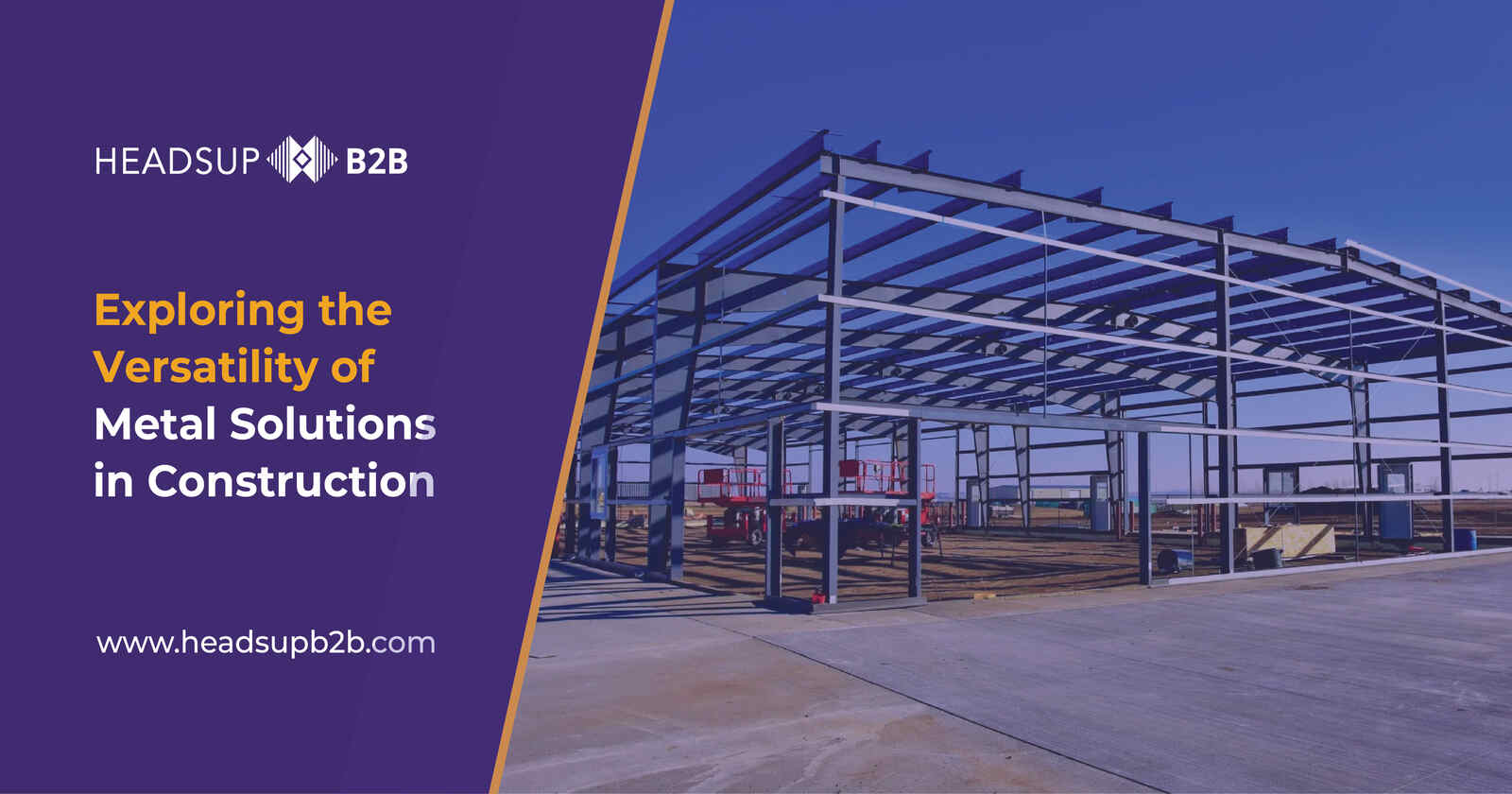
  • Exploring the Versatility of Metal Solutions in Construction

    Exploring the Versatility of Metal Solutions in Construction

    When it comes to building anything from towering skyscrapers to cozy homes, metal solutions have been a trusted choice for centuries. Their strength, flexibility, and longevity make them essential in modern construction.

    But metal isn’t just steel beams and bolts anymore. Advances in materials and fabrication have opened the door to a vast world of metal types and applications that suit almost any project.

    Let’s explore the versatility of metal solutions and why they remain a construction staple.

    1. Steel: The Backbone of Modern Construction

    Steel is probably the first metal that comes to mind when we think of construction.

    • Strength and Durability Benefits: Known for its incredible strength-to-weight ratio, steel supports massive loads while resisting deformation. It’s also fire-resistant and recyclable, making it a top choice for sustainable builds.

    • Uses in Skyscrapers, Bridges, and Infrastructure: From the framework of high-rise buildings to suspension bridges, steel offers unmatched reliability that engineers trust.

    2. Aluminum: Lightweight and Corrosion-Resistant

    Aluminum’s light weight and natural resistance to corrosion make it a favorite for many construction applications.

    • Advantages in Roofing and Façade Systems: Its ability to resist rust means less maintenance over time, perfect for roofing panels and exterior cladding.

    • Applications in Sustainable Building: Because aluminum can be recycled repeatedly without losing quality, it’s a sustainable option for green buildings.

    3. Copper: For Electrical and Plumbing Excellence

    Copper is a superstar for its excellent electrical conductivity and antimicrobial properties.

    • Superior Conductivity and Antimicrobial Properties: Copper wiring ensures efficient electricity flow, while copper pipes prevent bacterial growth, keeping water systems safe.

    • Use Cases in Wiring and Plumbing: It’s the go-to metal for electrical systems and plumbing in both residential and commercial buildings.

    4. Stainless Steel: Combining Strength with Aesthetics

    When durability meets style, stainless steel shines.

    • Resistance to Corrosion and Staining: This metal is tough against rust, staining, and weathering, ideal for environments exposed to moisture.

    • Popular Architectural Features and Finishes: Its sleek, modern look is popular for railings, countertops, and decorative facades.

    5. Metal Alloys: Tailored for Specific Needs

    Sometimes pure metals don’t cut it, and alloys step in.

    • Bronze, Brass, and Others in Decorative and Structural Roles: Alloys like bronze and brass offer unique colors, strength, and corrosion resistance suited for decorative trims, hardware, and structural supports.

    • Custom Alloy Solutions for Specialized Projects: Engineers can customize alloys to meet specific strength, flexibility, or conductivity requirements.

    6. Metal Fabrication Techniques in Construction

    The magic behind metal’s versatility often lies in how it’s fabricated.

    • Welding, Cutting, and Forming Methods: Techniques such as laser cutting, MIG welding, and CNC bending allow precise shaping and joining.

    • Impact on Precision and Efficiency: Better fabrication means faster builds and stronger structures.

    7. Sustainability and Metal Recycling in Construction

    Sustainability is no longer optional, and metal is leading the charge.

    • Environmental Benefits of Using Recycled Metals: Recycling metals saves energy and reduces waste, crucial for green building certifications.

    • Circular Economy in the Building Industry: The metal construction industry embraces circular economy principles by reusing and recycling materials wherever possible.

    8. Challenges and Considerations When Using Metals

    Even the best materials come with caveats.

    • Cost Factors and Budget Planning: High-quality metals can be pricey. Planning ahead helps balance cost with benefits.

    • Corrosion Protection and Maintenance: Even metals like steel require coatings or treatments to prevent corrosion in harsh environments.

    Conclusion

    Browse our versatile metal solutions for every construction requirement. Metal solutions in construction aren’t one-size-fits-all. Their diversity, strength, and sustainability make them invaluable across countless projects.

    Whether you’re building a skyscraper or a solar-powered home, understanding the different metals and their unique properties can help you choose the right materials that balance performance, aesthetics, and cost.

    FAQs

    1. Which metal is best for structural support?

    Steel is the most common due to its strength and durability.

    2. Can aluminum be used for roofing?

    Yes, aluminum’s corrosion resistance and light weight make it ideal for roofing.

    3. How is metal recycled in construction?

    Metals are melted down and repurposed without losing quality, minimizing environmental impact.

    4. What are the main advantages of stainless steel?

    Resistance to corrosion, strength, and a sleek finish suitable for both structural and aesthetic uses.

    5. Are metal alloys better than pure metals?

    Alloys are often tailored to enhance properties like strength, flexibility, or resistance, making them better for specific applications.

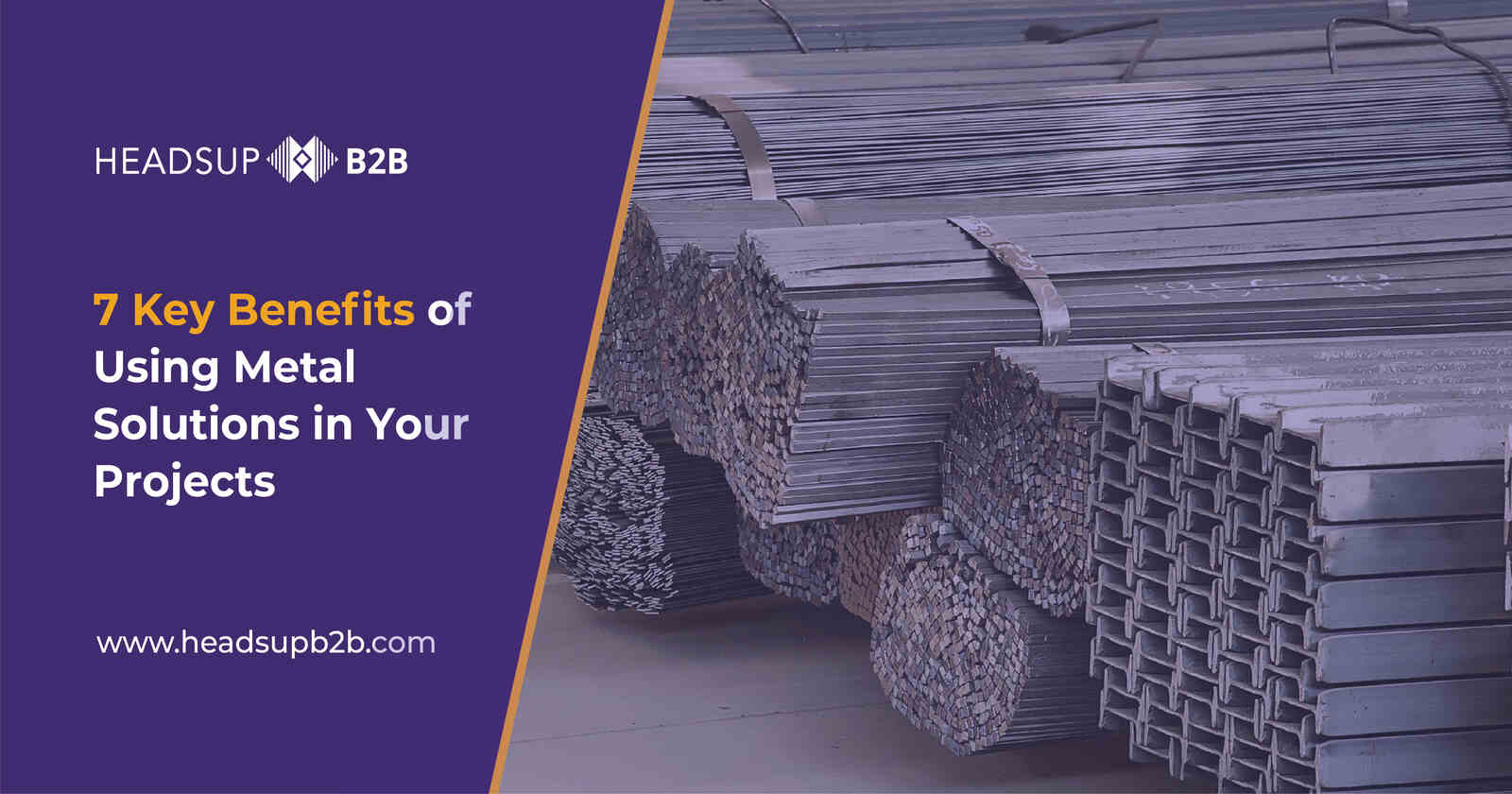
  • 7 Key Benefits of Using Metal Solutions in Your Projects

    7 Key Benefits of Using Metal Solutions in Your Projects

    Looking to make your next project stronger, faster, and more sustainable? Then you’re probably considering metal—and for good reason.

    Metal solutions are a go-to choice for modern construction, manufacturing, and infrastructure projects. Whether you’re building a skyscraper, a bridge, or a high-tech facility, using metal gives you a serious edge in strength, performance, and longevity.

    Let’s break down the 7 key benefits of using metal solutions that make them a smart investment for just about any type of project.

    1. Unmatched Strength and Durability

    When it comes to standing the test of time, metal doesn’t mess around.

    • Load-Bearing Capabilities: Metals like steel and titanium can handle massive loads without bending or cracking. That’s why they’re essential in buildings, bridges, towers, and machinery.

    • Resistance to Wear and Tear: Whether it’s heavy equipment or structural support, metals are tough against impact, abrasion, and pressure, meaning fewer replacements and repairs.

    2. Longevity with Low Maintenance

    Metal isn’t just tough—it’s built to last.

    • Outperforms Other Materials: Unlike wood that rots or plastic that warps, metals hold their form and function for decades, even in extreme environments.

    • Corrosion Resistance: Metals like stainless steel, aluminum, and galvanized steel resist rust and corrosion, especially when properly coated or treated.

    This means less time and money spent on maintenance.

    3. Versatility in Design and Function

    Need something strong and stylish? Metal delivers.

    • Customization Potential: Metals can be cut, bent, welded, stamped, and molded into virtually any shape, making them ideal for everything from industrial equipment to architectural detailing.

    Used Across Multiple Industries

    You’ll find metal in:

    • Construction

    • Transportation

    • Energy

    • Agriculture

    • Healthcare

    Few materials are this flexible.

    4. Fire and Heat Resistance

    When things get hot, metal keeps its cool.

    • Safety in High Temperatures: Metals like steel and aluminum have high melting points and can withstand extreme heat, reducing the risk of structural failure in a fire.

    • Fire-Resistant Choices: Stainless steel, titanium, and copper alloys are commonly used in fire-rated buildings and heat-exposed systems.

    5. Eco-Friendliness and Sustainability

    Going green? Metal’s got your back.

    • Highly Recyclable: Metals like steel, copper, and aluminum can be recycled again and again without losing quality.

      This reduces waste, conserves resources, and supports LEED certification for green buildings.

    • Lower Environmental Impact: Unlike concrete or wood, metal structures can often be disassembled, reused, or repurposed—a win for circular construction.

    6. Cost-Effectiveness Over Time

    While metal might cost more upfront, it pays off big in the long run.

    • Durability Means Savings: Because metal lasts longer and needs less upkeep, you spend less on repairs, replacements, and labor over time.

    • Increased Property Value: Metal buildings and components often improve resale value and can cut insurance costs due to their fire resistance and durability.

    7. Quick Installation and Ease of Fabrication

    Time is money. And metal helps you save both.

    • Prefabricated Metal Parts: Today’s metal solutions often come in pre-cut, pre-drilled, or modular systems, which are shipped to the site ready to go.

    • Faster Build Times: Projects that use metal often see shorter timelines, meaning you can launch, lease, or use your space sooner than expected.

    Best Types of Metals for Projects

    Not all metals are created equal. Here are some top picks for common needs:

    • Steel – The go-to for structural strength.

    • Aluminum – Lightweight and rust-resistant.

    • Stainless Steel – Great for hygienic and moisture-prone environments.

    • Copper – Best for electrical and aesthetic applications.

    Choose the metals that fits your budget, environment, and function.

    Conclusion

    There’s a reason metal has been used for centuries—and why it’s still at the cutting edge of modern industry. From strength and sustainability to speed and style, metal solutions give your project a major advantage. Find the right metal solutions for your next project – explore our full catalogue.

    Whether you’re designing a warehouse, building a commercial complex, or upgrading infrastructure, using metal ensures that your investment is solid, smart, and future-ready.

    FAQs

    1. What is the most durable metal for construction?

    Steel, especially structural or reinforced steel, is the most commonly used durable metal for construction due to its high tensile strength and affordability.

    2. Are metal buildings more eco-friendly?

    Yes! Metal buildings are highly recyclable, use fewer natural resources, and often comply with green building standards.

    3. How do metal solutions save time on-site?

    With prefabrication and modular systems, metal components are quicker to install, reducing overall build times.

    4. Can metals be customized for unique designs?

    Absolutely. Metals are extremely malleable and can be formed into custom shapes and finishes for creative architectural or functional needs.

    5. What metals are best for outdoor use?

    Galvanized steel, stainless steel, and aluminum are all great for outdoor environments thanks to their corrosion resistance and weather durability.

  • Top 8 Metal Solutions for Industrial Applications

    Top 8 Metal Solutions for Industrial Applications

    When you think of industries—whether it’s aerospace, automotive, construction, or electronics—one thing remains constant: metal is at the heart of it all. From the towering steel structures to the intricate wiring in a smartphone, metal solutions are what keep industries ticking.

    But not all metals are created equal.

    Each metal offers a unique set of properties that make it suitable for specific environments, functions, and demands. In this article, we’ll break down the top 8 metal solutions that dominate industrial applications and why they matter more than ever.

    1. Steel – The Backbone of Industry

    If industries were built like bodies, steel would be the skeleton.

    • Overview of Steel Types: Steel isn’t just one metal—it’s a family. Carbon metal solutions, alloy steel, stainless steel, tool steel… each one is tweaked for specific uses.

    • Applications in Construction and Infrastructure: From bridges and skyscrapers to pipelines and railroads, steel’s unmatched strength makes it the go-to for structural integrity.

    Advantages and Challenges

    • Pros: High strength, cost-effective, recyclable.

    • Cons: Susceptible to rust (unless treated), heavy.

    2. Aluminum – Lightweight and Corrosion-Resistant

    Need something light, strong, and rust-proof? Aluminum is your best friend.

    • Properties of Aluminum: It’s about one-third the weight of steel, naturally corrosion-resistant, and conducts electricity well.

    • Key Industrial Applications: Used heavily in aerospace, transportation, packaging, and electrical systems.

    • Environmental Benefits: Aluminum is 100% recyclable without losing quality. That’s a win for the planet.

    3. Copper – The Electrical Workhorse

    Ever wondered why all your electrical wires are copper? Here’s why.

    • Excellent Conductivity: Copper is second only to silver when it comes to electrical conductivity, but far more affordable.

    • Use in Electronics and Power Systems: From circuit boards to power grids, copper ensures a reliable and efficient flow of electricity.

    • Durability and Recyclability: Copper resists corrosion and is highly recyclable, making it cost-effective in the long run.

    4. Titanium – The Aerospace Power Metal

    Titanium sounds like something from a sci-fi movie—and it kind of is.

    • Strength-to-Weight Ratio: Titanium is as strong as steel but almost 50% lighter. Perfect for when weight is critical.

    • Resistance to Corrosion: It resists corrosion from saltwater and chemicals, making it ideal for marine and medical use.

    Industries Relying on Titanium

    • Aerospace

    • Medical implants

    • Military and defense systems

    5. Stainless Steel – The Rust-Free Champion

    It’s in your kitchen, it’s in hospitals, and it’s all over industries. Stainless steel is the clean metal.

    • Grades and Types: Comes in many forms like 304, 316, and duplex stainless, each with specific properties.

    • Sanitary Applications: Used where hygiene is crucial—food processing, pharmaceuticals, and water systems.

    • Industrial Durability: Tough, resistant to wear, and rust-proof. What more could you want?

    6. Nickel – The Hidden Industrial Hero

    Nickel doesn’t often steal the spotlight, but it’s a workhorse in disguise.

    • Role in Alloying: Nickel is essential in making stainless steel and other superalloys that can withstand extreme environments.

    • High-Temperature Resistance: Perfect for engines, turbines, and high-performance machinery.

    • Energy and Chemical Sectors: Used in batteries, refineries, and nuclear power plants.

    7. Zinc – The Protective Power

    Zinc’s job? Keep other metals from falling apart.

    • Galvanization and Coatings: Zinc is used to galvanize steel, forming a protective layer that stops rust in its tracks.

    • Long-Term Value in Infrastructure: Think utility poles, guardrails, and fencing—places where rust resistance is vital.

    • Anti-Corrosion Superstar: It’s like a shield for other metals, especially in harsh environments.

    8. Magnesium – The Lightweight Game-Changer

    Magnesium may be light, but it packs a punch in performance.

    • Automotive and Aerospace Use: Used to cut vehicle weight and improve fuel efficiency without compromising strength.

    • Strength vs Weight: Even lighter than aluminum, magnesium is ideal for parts that move or rotate quickly.

    • Challenges in Handling: It’s flammable at high temperatures and harder to machine, but new tech is solving that.

    Choosing the Right Metal for Your Application

    Let’s be honest—picking a metal isn’t just about what’s shiny or strong.

    • Performance vs Cost : Some metals offer top-notch performance but come at a price (looking at you, titanium).

    • Environmental Considerations: Recyclability and carbon footprint matter more than ever in modern industries.

    • Future-Proofing Your Industry: Think ahead—can this metal withstand evolving tech, regulations, and wear-and-tear?

    Innovation never stops, and neither does metallurgy.

    • Smart Alloys and Composites: Materials that adapt to stress, temperature, or pressure? That’s not science fiction—it’s in development now.

    • Recyclability and Green Innovation: Industries are shifting toward eco-friendly materials to meet sustainability goals.

    • Tech-Driven Material Development: AI and machine learning are now being used to design better, more efficient alloys.

    Conclusion

    Metal is more than just cold, hard material—it’s the unsung hero of every modern advancement. Whether you’re building a plane, powering a city, or designing the next-gen electric car, the right metal solution makes all the difference.

    With the top 8 metal solutions listed above, industries can thrive on strength, efficiency, and innovation. Pick wisely, and the results will speak for themselves.

    FAQs

    1. What metal is most used in heavy machinery?

    Steel is the top choice due to its strength, availability, and ability to handle stress and impact.

    2.Which metals are best for heat resistance?

    Nickel, titanium, and stainless steel are excellent for high-heat environments.

    3. Is aluminum better than steel?

    It depends! Aluminum is lighter and corrosion-resistant, while steel is stronger and cheaper.

    4. How do industries prevent metal corrosion?

    Through methods like galvanization, coatings, and using corrosion-resistant alloys like stainless steel.

    5. Are industrial metals environmentally friendly?

    Metals like aluminum, copper, and steel are highly recyclable, making them more eco-friendly when properly managed.

  • 8 Key Features of  Effective Industrial Warehouse Solutions

    8 Key Features of Effective Industrial Warehouse Solutions

    In today’s fast-paced industrial environment, efficient warehouse management isn’t just a nice-to-have—it’s mission-critical. Whether you’re a manufacturer, distributor, or e-commerce brand, your warehouse is the beating heart of your operations.

    But not all warehouse solutions are created equal.

    So what separates a basic warehouse setup from an effective, future-ready industrial warehouse solution? Let’s break down the eight key features that truly make a difference.

    What Makes an Industrial Warehouse Solution “Effective”?

    An effective industrial warehouse solution is one that delivers:

    • Speed and efficiency

    • Scalability for future growth

    • Seamless tech integration

    • Reduced costs and increased accuracy

    It’s not just about storing goods—it’s about streamlining your entire supply chain.

    8 Key Features of Effective Industrial Warehouse Solutions

    1. Scalability and Flexibility

    Industrial operations aren’t static—they scale with demand, seasons, and markets.

    Why it matters:

    • Modular warehouse systems can grow with your business

    • Flexibility to shift layouts, zones, and workflows without major overhauls

    Think of it like LEGO blocks for logistics—easy to add, rearrange, or optimize.

    2. Integration with Warehouse Management Systems (WMS)

    Your warehouse should talk to your business systems. A robust WMS is the brain of the warehouse.

    Key benefits:

    • Real-time inventory updates

    • Automatic order processing

    • ERP and e-commerce platform integration

    This means fewer errors, faster decisions, and a more connected supply chain.

    3. Automation and Robotics

    Manual processes are slow and error-prone. Automation changes the game.

    Includes:

    • Conveyor belts

    • Autonomous Mobile Robots (AMRs)

    • Robotic arms for picking and packing

    You get faster order fulfillment, lower labor costs, and 24/7 productivity.

    4. Efficient Layout and Space Optimization

    A smart warehouse doesn’t just hold more—it holds better.

    Techniques include:

    • Vertical storage with AS/RS (Automated Storage and Retrieval Systems)

    • Narrow aisle racking

    • Smart floor planning

    This reduces the need for expansion while maximizing every square foot.

    5. Real-Time Inventory Tracking

    Guessing is risky. With IoT-enabled solutions, you always know what’s in stock.

    Benefits:

    • Prevents overstock and stockouts

    • Improves order accuracy

    • Enables fast reordering and forecasting

    Sensors, RFID tags, and barcode scanners do the heavy lifting here.

    6. Safety and Compliance

    Industrial warehouses must meet strict safety standards—and a good solution ensures they do.

    Focus areas:

    • Ergonomic design for workers

    • Fire detection/suppression systems

    • Adherence to ISO and local compliance standards

    Safety isn’t just ethical—it protects your bottom line.

    7. Energy Efficiency and Sustainability

    Eco-friendly operations are becoming the norm.

    Green warehouse features:

    • LED lighting and energy-saving HVAC

    • Solar power integration

    • Low-energy conveyors and electric forklifts

    Not only is this good for the planet, but it also cuts operational costs.

    8. Advanced Analytics and Reporting

    What’s working and what’s not? Data tells the story.

    Capabilities:

    • Track KPIs like order accuracy, inventory turnover, and picking speed

    • Use AI to forecast demand or prevent bottlenecks

    • Improve processes continuously based on insights

    This is your roadmap to long-term efficiency and ROI.

    Technologies Behind These Features

    The magic behind effective warehousing lies in the tech stack:

    • AI & ML – Predict demand and optimize resources

    • IoT – Real-time tracking and smart alerts

    • Cloud WMS – Centralized control from anywhere

    • AMRs – Navigate and transport goods autonomously

    • Big Data Analytics – Improve decision-making

    Choosing the Right Warehouse Solution Provider

    Before you commit, ask:

    • Do they offer customization?

    • Is their tech future-proof?

    • Can they scale with your needs?

    Red flags:

    • No post-implementation support

    • Outdated software

    • Lack of integration with your systems

    Choose a partner, not just a vendor.

    Conclusion

    Industrial warehouse solutions are no longer just about racks and forklifts. In a competitive landscape, the winners are those who automate smart, track in real-time, use data for growth, and build scalable systems.

    Whether you’re starting small or expanding fast, investing in the right features today will keep your operations lean, agile, and profitable tomorrow.

    FAQs

    1. How can I make my existing warehouse more scalable?
    Start with modular racking systems and cloud-based WMS that can expand as you grow.

    2. Do I need robotics to automate my warehouse?
    Not always. Start with semi-automation like barcode scanners or conveyors if you’re on a budget.

    3. Is automation only for large-scale operations?
    No, many solutions are customizable for small and mid-sized businesses too.

    4. How much can I save with warehouse automation?
    Businesses often see 20–40% reduction in operational costs over time.

    5. What’s the lifespan of an industrial automation system?
    With proper maintenance and upgrades, most systems last 8–12 years or more.

  • Exploring the Benefits of Warehouse Automation Solutions

    Exploring the Benefits of Warehouse Automation Solutions

    Warehouses are the heart of supply chains—and they’re getting smarter every day. As customer expectations climb and delivery timelines shrink, traditional manual processes just can’t keep up. That’s where warehouse automation comes in.

    Across India and beyond, businesses are investing in automation to scale, speed up, and smarten their operations. But what exactly does automation do, and why is everyone talking about it? Let’s dive in.

    What is Warehouse Automation?

    At its core, warehouse automation is about replacing repetitive, manual tasks with technology. This can be hardware like robots and conveyor belts or software like AI and warehouse management systems (WMS).

    Types of Warehouse Automation:

    • Basic Automation: Conveyor belts, barcode scanners

    • Advanced Automation: AI, robotics, drones

    • Software Automation: Inventory management, order tracking, real-time data dashboards

    Key Benefits of Warehouse Automation

    1. Increased Operational Efficiency

    Automated systems can pick, sort, and pack items in a fraction of the time humans take. They also work around the clock, which means faster throughput without downtime.

    2. Reduced Labor Costs

    Labor is one of the largest expenses in warehouse operations. With automation:

    • You reduce the number of staff required for routine tasks

    • Human workers can shift to roles requiring creativity or decision-making

    3. Improved Accuracy and Fewer Errors

    Ever had the wrong product shipped to a customer?
    With robotics and barcode scanning, such errors are drastically reduced. Automation brings precision to every step of the process.

    4. Enhanced Safety and Ergonomics

    Machines can handle heavy lifting, dangerous environments, or repetitive tasks—keeping human workers safer. This leads to fewer workplace injuries and lower insurance costs.

    5. Real-Time Inventory Visibility

    Thanks to IoT devices and WMS integration, businesses now have up-to-the-minute visibility on stock levels, order status, and shelf life. No more guesswork.

    6. Scalability and Flexibility

    Need to ramp up for the holiday season or handle unexpected spikes in orders?
    Modular automation systems grow with your needs—no need to rebuild your entire warehouse.

    7. Better Space Utilization

    Automation enables vertical stacking and efficient aisle planning. With AS/RS systems, even tight spaces can hold massive inventory, freeing up real estate costs.

    8. Faster Order Fulfillment

    In the age of same-day delivery, speed is king. Automation ensures:

    • Shorter order-to-dispatch time

    • Minimal picking/packing delays

    9. Data-Driven Decision Making

    Automated systems collect and analyze data on every movement in the warehouse. Use this data to:

    • Optimize workflows

    • Predict demand

    • Reduce waste

    10. Competitive Advantage

    Brands that automate stay ahead of the curve—delivering faster, better, and more consistently than their manual competitors.

    Technologies Powering These Benefits

    • Warehouse Management Systems (WMS): Manages inventory, order processing, shipping, and storage zones. Often integrated with ERP systems.

    • Autonomous Mobile Robots (AMRs): Move inventory from one point to another—no human intervention needed.

    • Conveyor & Sorting Systems: Efficiently transport and route products to the correct packing stations.

    • Internet of Things (IoT): Tracks temperature, humidity, product location, and machine status in real time.

    Challenges and Considerations

    • Upfront Investment: Automation requires a significant initial spend. However, the ROI often justifies the cost within 2–3 years.

    • Workforce Training: Shifting from manual to automated workflows requires proper training, change management, and sometimes a cultural shift in operations.

    • Integration with Legacy Systems: Old ERP systems might not “talk” well with modern automation tools. Ensuring seamless integration is key to success.

    Is Warehouse Automation Right for Your Business?

    If your operations involve:

    • Repetitive tasks

    • High error rates

    • Seasonal volume spikes

    • Pressure to reduce costs

    Conclusion

    Warehouse automation isn’t a trend—it’s a transformation. With tangible benefits like speed, accuracy, safety, and cost-efficiency, it’s becoming the cornerstone of modern logistics.

    Whether you’re a small startup or a large enterprise, adopting warehouse automation solutions can put you ahead of the curve, delight your customers, and future-proof your business.

    FAQs

    1. What’s the ROI timeline for warehouse automation?
    Most businesses see ROI within 2–3 years, depending on the scale of investment.

    2. Is automation only for large enterprises?
    Not at all. Many solutions are modular and scalable, making them accessible to SMEs.

    3. What skills are needed to manage automated warehouses?
    Basic tech knowledge, training on WMS software, and some understanding of robotics or IoT tools.

    4. Can automation reduce product damages?
    Yes. Precision handling by robots and sensors minimizes human-related damages.

    5. What’s the first step toward warehouse automation?
    Start by assessing your current pain points, then explore entry-level solutions like WMS or barcode scanning.

  • Top Automated Industrial Warehouse Solutions in India

    Top Automated Industrial Warehouse Solutions in India

    Warehouse automation in India is no longer a futuristic dream—it’s here, growing, and redefining how businesses operate. From bustling e-commerce giants like Flipkart to traditional manufacturers transitioning into smart factories, automation is fueling efficiency, accuracy, and profitability.

    With India’s industrial sectors expanding rapidly, the need for scalable, intelligent, and cost-effective warehousing solutions has skyrocketed. Let’s explore the top players, the tech behind it, and why automated warehousing is the future of logistics in India.

    What is Warehouse Automation?

    Warehouse automation refers to the use of technology—like robotics, AI, and software systems—to perform tasks traditionally done by humans. These tasks range from inventory tracking to picking, packing, transporting, and storing goods.

    Types of Warehouse Automation:

    • Basic Automation – Conveyors, sorting systems

    • Advanced Automation – Robotics, AS/RS, autonomous vehicles

    • Software Automation – WMS, AI algorithms, predictive analytics

    Benefits of Automated Warehouse Solutions

    Why are Indian industries racing toward automation?

    • Boosted Efficiency – Robots don’t tire, and AI never sleeps.

    • Lower Operational Costs – Reduced dependency on manual labor.

    • Better Accuracy – Minimized human errors in picking and shipping.

    • Real-time Inventory Management – Always know what’s in stock.

    Key Drivers of Automation in India

    • E-commerce Boom – Same-day delivery is impossible without automation.

    • Rising Expectations – Consumers demand speed and accuracy.

    • Labor Challenges – High attrition rates and training costs.

    • Make in India – Push for modernization of infrastructure and logistics.

    Top Automated Warehouse Solutions in India

    1. Grey Orange

    Grey Orange is a pioneer in warehouse robotics, offering intelligent systems that integrate robots with AI. Their Butler robots and Grey Matter™ software form a flexible solution that adapts to real-time demands.

    2. Addverb Technologies

    This Noida-based company builds innovative robotics-based solutions like Dynamo (AMRs), Quadron (Carton shuttles), and Veloce (pallet shuttles).

    3. Godrej Consoveyo

    A division of Godrej & Boyce, this company provides comprehensive automation for warehouses with a focus on AS/RS, cranes, and conveyor solutions.

    4. Falcon Autotech

    Falcon Autotech designs highly modular and scalable sorting and scanning systems. Their DWS (Dimension, Weigh, Scan) solutions are widely used by e-commerce firms.

    5. Mahindra Logistics

    Mahindra is moving beyond trucks and warehouses to build automated fulfillment centers, leveraging AGVs (automated guided vehicles), IoT, and AI tools.

    6. Gati-KWE

    With Japanese logistics partner Kintetsu, Gati has introduced cutting-edge warehouse systems using robotics, automated storage, and real-time tracking.

    Technologies Powering Warehouse Automation in India

    🧠 Artificial Intelligence (AI) & Machine Learning

    AI helps warehouses predict order patterns, optimize routes, and even reassign robots in real time for max efficiency.

    📡 Internet of Things (IoT)

    From smart sensors that track package conditions to real-time equipment diagnostics, IoT is the digital backbone of modern warehouses.

    🤖 Robotics

    Robots—whether they’re AMRs, AGVs, or robotic arms—are the workhorses of the automated warehouse, handling tasks with speed and precision.

    🏗️ Automated Storage and Retrieval Systems (AS/RS)

    These are mechanized systems for automatically placing and retrieving loads. They’re fast, accurate, and save massive floor space.

    🧾 Warehouse Management Systems (WMS)

    WMS software manages everything from stock locations to order tracking, helping businesses keep tight control over operations.

    ⚠️ Challenges in Implementing Warehouse Automation

    💰 High Initial Costs

    Robots and AI systems are expensive upfront, even if they pay off in the long run.

    👷 Skill Gap

    Many workers are unfamiliar with the new tech, and retraining takes time and money.

    🧩 Legacy System Integration

    Not all older warehouses are ready for smart tech. Integrating old and new systems can be a nightmare.

    🔮 Future of Warehouse Automation in India

    India’s warehousing future is smart, sustainable,

    and software-driven. Expect the integration of 5G, blockchain for secure supply chains, and green automation to dominate in the coming years.

    Also, look out for the rise of micro-fulfillment centers in urban areas for faster last-mile delivery.

    ✅ Conclusion

    Warehouse automation is no longer a luxury—it’s a necessity. With rising demand, complex supply chains, and fierce competition, businesses in India are increasingly turning to automation to stay ahead. Whether it’s AI-driven robots or IoT-connected systems, the future belongs to those who automate smart and scale fast.

    FAQs

    1. What is the cost of setting up an automated warehouse in India?
    Costs vary widely based on scale and technology but can range from ₹1 crore to ₹50 crores or more for large enterprises.

    2. Can small businesses in India afford warehouse automation?
    Yes, with modular solutions and SaaS-based WMS, even SMEs can automate gradually and affordably.

    3. Which industries benefit most from warehouse automation?
    E-commerce, FMCG, pharmaceuticals, automotive, and electronics are top beneficiaries.

    4. How long does it take to implement a warehouse automation system?
    Implementation can take 3–12 months depending on complexity, infrastructure, and integration needs.

    5. Are there government incentives for warehouse automation in India?
    Indirectly, yes. Initiatives like “Make in India” and PLI schemes support modernization and automation efforts.

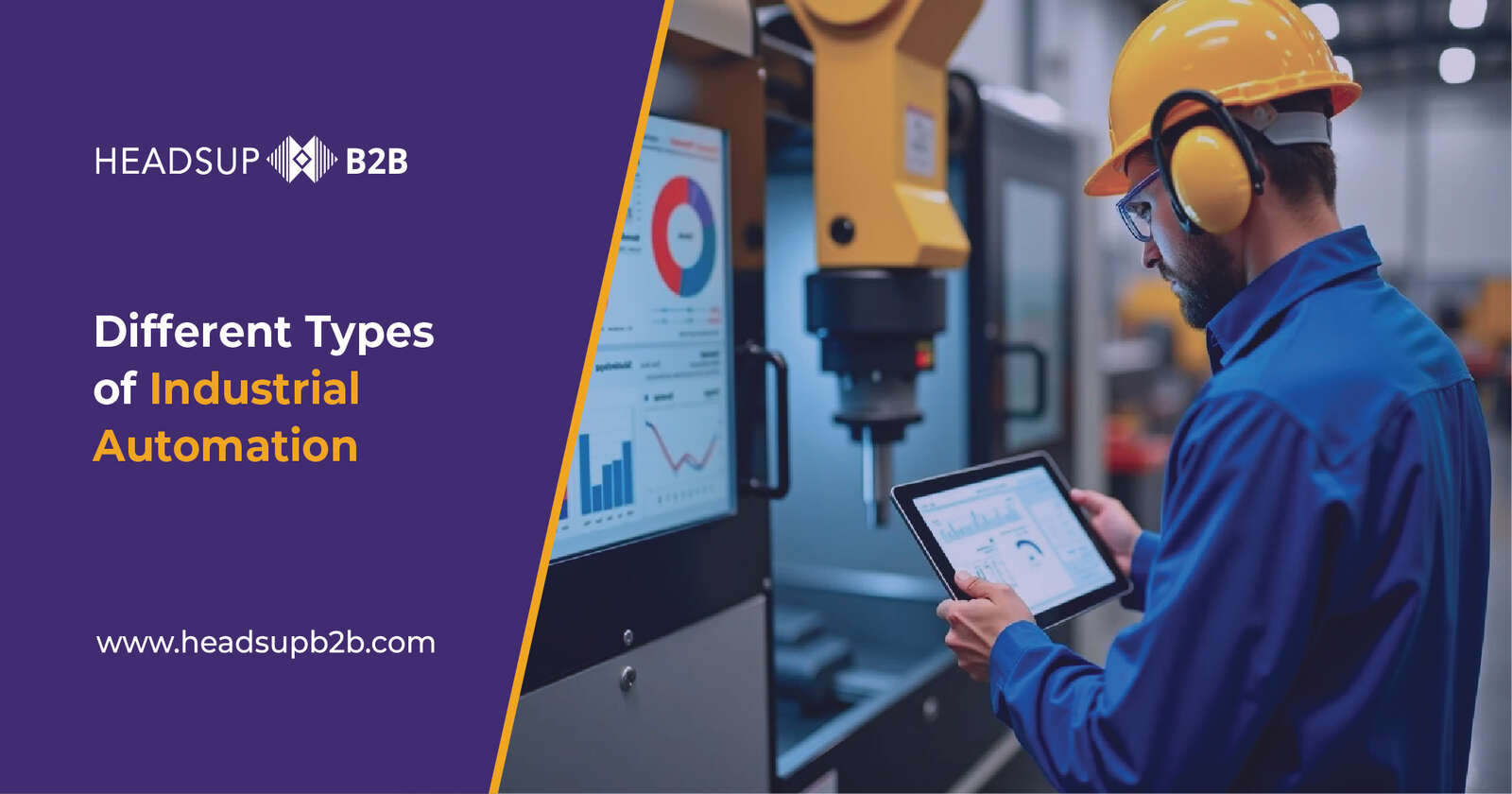
  • Different Types of Industrial Automation

    Different Types of Industrial Automation

    Ever wondered how factories keep producing at lightning speed without missing a beat? The answer lies in industrial automation. But here’s the twist—it’s not a one-size-fits-all solution. There are different types of industrial automation, each designed to suit specific production needs.

    Whether you’re in manufacturing, food processing, or any industry that runs on machines, understanding these types will help you choose the best path for scaling up. Let’s break it all down.

    What is Industrial Automation?

    Before diving into the types, here’s a quick refresher:
    Industrial automation refers to using machines, control systems, and software to handle industrial processes—minimizing or eliminating human involvement.

    The main goals? Boost productivity, reduce error, cut costs, and improve safety.

    Why Understanding the Types Matters?

    Choosing the wrong type of automation is like using a bulldozer to crack a walnut—it’s overkill and costly. Knowing the different types helps you:

    • Select the right solution for your business

    • Optimize efficiency and cost

    • Stay competitive and scalable

    The Four Main Types of Industrial Automation

    1. Fixed (Hard) Automation

    What Is It?

    Also known as hard automation, this type is designed for high-volume, repetitive tasks. The setup is rigid and tailored for one specific process.

    Common Applications:

    • Automotive assembly lines

    • Bottling and packaging in food production

    • Metal stamping

    Pros:

    • Super-fast production

    • Low per-unit cost (after setup)

    • Consistent output quality

    Cons:

    • Zero flexibility

    • High initial cost

    • Time-consuming to reprogram or reconfigure

    Best For:

    Companies that mass-produce a single product for a long period.

    2. Programmable Automation

    What Is It?

    As the name suggests, programmable automation can be reprogrammed for different tasks. It’s ideal for batch production—where one product is made for a time and then the system switches to another.

    Common Applications:

    • Electronics assembly

    • Textile manufacturing

    • Injection molding

    Pros:

    • More flexible than fixed automation

    • Suitable for varying product types

    • Medium-volume production capabilities

    Cons:

    • Changeovers take time and planning

    • Higher cost per unit than fixed automation

    Best For:

    Businesses producing multiple product models in batches.

    3. Flexible (Soft) Automation

    What Is It?

    Flexible automation is the next level of programmable automation. It allows for quick and easy changeovers, often automatically, making it ideal for dynamic production environments.

    Common Applications:

    • Custom manufacturing

    • Advanced robotics systems

    • Consumer electronics

    Pros:

    • Extremely adaptable

    • Fast product changeovers

    • Reduces downtime

    Cons:

    • High cost to implement

    • Requires skilled personnel

    Best For:

    Industries needing frequent design changes and low to medium batch sizes.

    4. Integrated Automation

    What Is It?

    This refers to a fully integrated system where machines, software, sensors, and control systems work seamlessly together. It’s a smart factory model, often associated with Industry 4.0.

    Common Applications:

    • Smart manufacturing

    • Continuous production systems

    • High-tech industries

    Pros:

    • Full automation and connectivity

    • Real-time data and monitoring

    • Optimized efficiency and quality control

    Cons:

    • High upfront cost

    • Complex to implement and maintain

    Best For:

    Large, tech-savvy companies ready to invest in long-term gains and full digital transformation.

    Bonus: Emerging Types of Automation

    Technology doesn’t stand still, and neither does automation. Here are two emerging types to keep an eye on:

    Collaborative Automation (Cobots)

    Cobots are designed to work safely alongside humans, assisting in tasks like material handling, inspection, and light assembly. They offer flexibility and cost-efficiency for small to medium enterprises.

    Hyperautomation

    This is a broader concept that combines AI, ML, robotic process automation (RPA), and more to automate everything possible across an organization—not just the shop floor.

    Comparison Table: Types of Industrial Automation

    Type

    Flexibility

    Volume

    Cost

    Changeover Time

    Best For

    Fixed Automation

    Low

    High

    High

    Long

    Mass production

    Programmable

    Medium

    Medium

    Medium

    Moderate

    Batch production

    Flexible

    High

    Low-Medium

    High

    Fast

    Custom manufacturing

    Integrated

    Very High

    High

    Very High

    Real-time

    Smart, connected factories

    How to Choose the Right Type

    Ask yourself:

    • What’s your production volume?

    • How often do you change product designs?

    • What’s your budget and technical capacity?

    • Do you need real-time data and smart systems?

    Understanding your unique business needs is key to selecting the right automation strategy.

    Conclusion

    Industrial automation isn’t just about machines doing the work—it’s about choosing the right kind of machines, systems, and software for your specific needs.

    From fixed automation for high-volume production to flexible and integrated systems for dynamic operations, each type offers unique advantages. By understanding them, you can future-proof your operations and unlock new levels of productivity, safety, and efficiency.

    FAQs

    1. What type of automation is best for mass production?

    Fixed (hard) automation is the most efficient for large-scale, repetitive production lines.

    2. Can small businesses use flexible automation?

    Yes, especially with modern robotics and software platforms becoming more affordable and scalable.

    3. What’s the difference between programmable and flexible automation?

    Programmable automation requires manual reprogramming for each task change, while flexible automation can switch tasks with minimal or no manual intervention.

    4. Is integrated automation only for big companies?

    While it’s more common in large enterprises, small and mid-sized businesses can gradually adopt integrated solutions with modular systems.

    5. Are cobots considered a type of automation?

    Yes! Cobots are part of collaborative automation and are becoming increasingly popular due to their safety and ease of use.

  • 10 Must-Have Road Safety Equipment Items Every Driver Should Own

    10 Must-Have Road Safety Equipment Items Every Driver Should Own

    Let’s face it — no one plans to break down on a deserted highway in the middle of the night. But guess what? It happens. Whether you’re heading out for a long road trip or just running errands, being prepared can be the difference between a minor inconvenience and a full-blown disaster. That’s why every driver should have a set of road safety essentials in their vehicle — no excuses.

    So what exactly should you be keeping in your trunk or glove compartment? Let’s break it down.

    The Top 10 Must-Have Road Safety Items

    1. First Aid Kit

    Think of this as your mobile medical cabinet. Cuts, scrapes, burns — you never know when someone might need a quick patch-up.

    What to include:

    • Bandages and gauze

    • Antiseptic wipes

    • Pain relievers

    • Tweezers and scissors

    • Gloves and a CPR mask

    Why it matters: A first aid kit can be a literal lifesaver, especially in remote areas or before medical help arrives.

    2. Reflective Warning Triangles

    If your car breaks down, these little guys alert other drivers of your presence — especially in low visibility conditions.

    How to use: Set up one 50 to 100 feet behind your car. If you’re on a highway, place one in front as well.

    Pro Tip: Some countries actually require them by law. Better safe than sorry!

    3. High-Visibility Safety Vest

    Ever tried flagging down help at night wearing dark clothes? Not a good idea.

    Why you need one: It ensures you’re visible to other drivers — especially important if you have to step out on a busy road.

    4. Jumper Cables or a Portable Jump Starter

    Batteries die. It’s a fact of life. But being stranded because of one doesn’t have to be.

    What’s the difference?

    • Jumper cables need another vehicle.

    • Jump starters don’t — they come with built-in power.

    Pick your fighter depending on how often you drive solo.

    5. Fire Extinguisher

    Sounds dramatic? Maybe. But car fires happen more than you’d think — especially with overheating or electrical issues.

    Choose a type:
    Look for a Class B or C extinguisher, which is ideal for flammable liquids and electrical fires.

    Keep it accessible, not buried under your golf clubs.

    6. Tire Repair Kit and Inflator

    Flat tire with no spare? You’ll thank yourself for packing this.

    What’s inside?

    • Sealant to temporarily patch the hole

    • A portable inflator to reinflate your tire

    Note: It’s a temporary fix — just enough to get you to a repair shop.

    7. Flashlight with Extra Batteries

    Your phone’s flashlight won’t cut it forever — especially if your battery’s dying.

    Go LED: They’re brighter, last longer, and are more energy-efficient.

    Bonus Tip: Store it where you can reach it without getting out of the car.

    8. Seatbelt Cutter and Window Breaker

    Ever seen a car submerged in water in the movies? It’s real — and terrifying.

    This tool can save your life if your seatbelt gets jammed or the doors won’t open.

    Compact and cheap, there’s no excuse not to have one.

    9. Emergency Blanket

    Looks like a shiny piece of foil, but don’t underestimate it.

    Purpose: Keeps you warm if you’re stuck in cold weather — like a space-age sleeping bag.

    Lightweight, cheap, and folds up small. Just do it.

    10. Multi-tool or Car Emergency Tool Kit

    Think of it as the Swiss Army knife of the road.

    Typical features:

    • Pliers

    • Screwdrivers

    • Wire cutters

    • Glass breaker

    • Knife

    Why it rocks: One tool, many uses. Perfect for quick fixes on the go.

    Additional Safety Essentials Worth Considering

    Beyond the essentials, here are a few extras you’ll be glad you packed:

    • Portable power bank or car charger

    • Bottled water and non-perishable snacks

    • Printed road maps (because tech fails too)

    • Rain poncho or umbrella

    • Towel or rag

    These might not save your life, but they sure can save your day.

    How to Properly Store Your Safety Equipment

    Having the gear is one thing. Being able to find it when needed is another.

    • Use a dedicated storage box in your trunk

    • Keep essential items like flashlights and tools within arm’s reach

    • Avoid clutter — only keep what you truly need

    In some regions, certain items are legally required, like reflective triangles and vests.

    Insurance tip:
    Being well-equipped shows responsibility. It can even help during claims — especially if your preparedness reduced damages or injuries.

    Tips for Keeping Your Road Safety Kit Up to Date

    Don’t just toss it in your trunk and forget about it.

    • Check every 6 months

    • Replace expired items like meds and batteries

    • Test tools like your flashlight or jump starter

    Make it a habit — like your oil change or tire rotation.

    Real-Life Roadside Emergency Scenarios

    Let’s get real — these aren’t just “what ifs.” Here’s how having the right gear made a difference:

    • Flat tire at midnight? Tire inflator to the rescue.

    • Battery dead in the mall parking lot? Jump starter saved the day.

    • Stuck in a blizzard? Emergency blanket and snacks = lifesaver.

    Bottom line? These aren’t just tools — they’re peace of mind.

    Conclusion

    Being prepared isn’t paranoid — it’s smart. Whether you’re a new driver or a seasoned road warrior, these 10 must-have road safety items can turn a potential disaster into a manageable hiccup. Don’t wait for something to go wrong. Load up, pack smart, and drive safe.

    FAQs

    1. How often should I replace items in my road safety kit?

    At least every 6–12 months. Replace expired items and test electronics regularly.

    2. Are safety kits legally required?

    In many countries, yes — especially reflective triangles and vests. Always check local laws.

    3. What’s the difference between a tire inflator and a compressor?

    Both inflate tires, but inflators are portable and made for emergency use, while compressors are usually more powerful and bulky.

    4. Can I assemble my own safety kit instead of buying one?

    Absolutely. In fact, it’s often better because you get to tailor it to your needs.

    5. Where should I keep my emergency tools in the car?

    Store them in your trunk or under a seat — just make sure they’re easy to reach when needed.