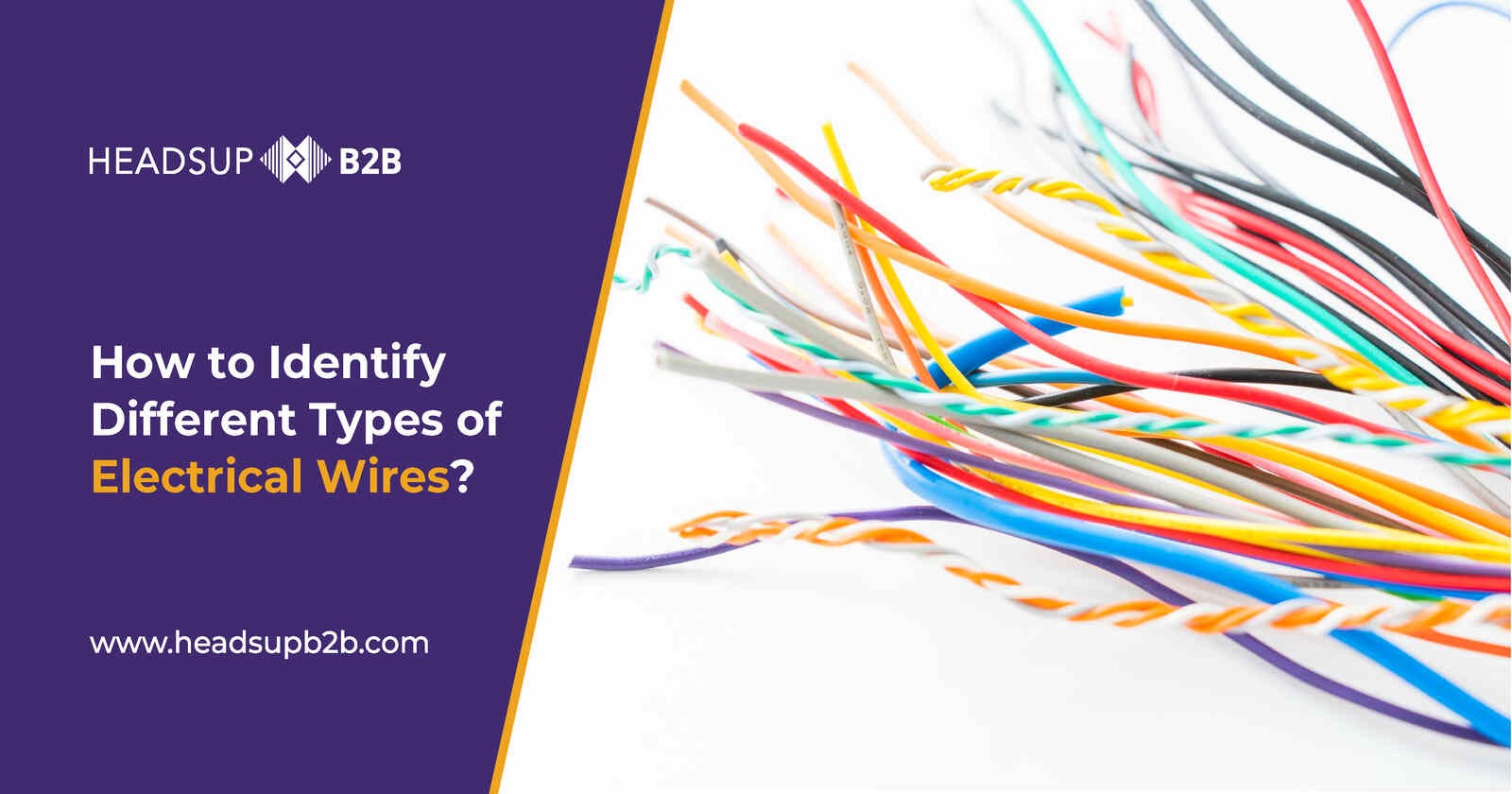
Electrical wires are vital to power systems, and identifying the right wire is the key to successful power distribution. Consideration for factors such as safety, installations and adherence to compliance leads towards successful planning and execution. Identification of wire types during renovation, electrical fixes and new installations. Here is a quick guide to make sense of the colourful world of wires.
Importance of Identifying Electrical Wires
-
Safety reasons: The use of the right electrical wire during construction, renovation and electrical fixes ensures the safety of a premise. Proper labelling, such as FR, FRLS, shock-proof wires, ensures minimum damage during such hazardous events.
-
Functionality: Electrical wires serve as the main conduits for electric current. Right from preventing overloads to efficient power distribution, choosing the right functionalities of the wires is important.
-
Compliance: Following electrical codes and standards ensures smooth functioning of power distribution systems, compliance and labels such as BIS ensure that the wire is safe for installation and use, while adhering to legal requirements.
Basic Components of an Electrical Wires
-
Conductor: The conductor is usually made of copper or aluminium, chosen for their excellent electrical conductivity and durability.
-
Insulation: The insulation is typically made of PVC (polyvinyl chloride) or rubber, protecting against electrical shocks and environmental damage.
-
Color Coding: Color coding of wires differs by region. For India-specific standards, the phase wires are generally red, yellow, and blue; the neutral wire is black, and the earth wire is green. Global colour codes may vary accordingly.
Color Coding of Electrical Wires
| Wire Type | Typical Colors | Notes |
| Live/Hot Wires | Red, Brown, Black | In India: Red, Yellow, Blue (for 3-phase systems) |
| Neutral Wires | Blue | Consistently used in both India and global standards |
| Ground/Earth Wires | Green, Green with Yellow Stripe | Universally recognised for safety grounding |
| Multi-phase / Three-phase Wires | Red, Yellow, Blue (India); Brown, Black, Grey (Global) | Used in industrial and commercial setups for 3-phase power distribution |
Types of Electrical Wires (Based on Usage)
| Wire Type | Use |
| Single-Core Wire | Domestic wiring |
| Multi-Core Wire | Appliances, control panels |
| Flexible Wire | Temporary connections, gadgets |
| Armoured Cable | Underground or industrial installations |
| Coaxial Cable | TV and the internet |
| Twisted Pair Cable | Telephones and data transfer |
| Shielded Cable | Data cables in EMI-prone environments |
Pro Tips for Safe Wire Handling
-
Always turn off the power before inspecting.
-
Use insulated tools.
-
Follow local regulations or consult an electrician.
Conclusion
If you want your wiring solution to be efficient and safe, learn about wire color codes, types, tools and safety. Share this guide by Headsup B2B or send it to your team for easy access, and contact us for all your electrical wiring needs.
Leave a Reply