Tag: Electric Wire

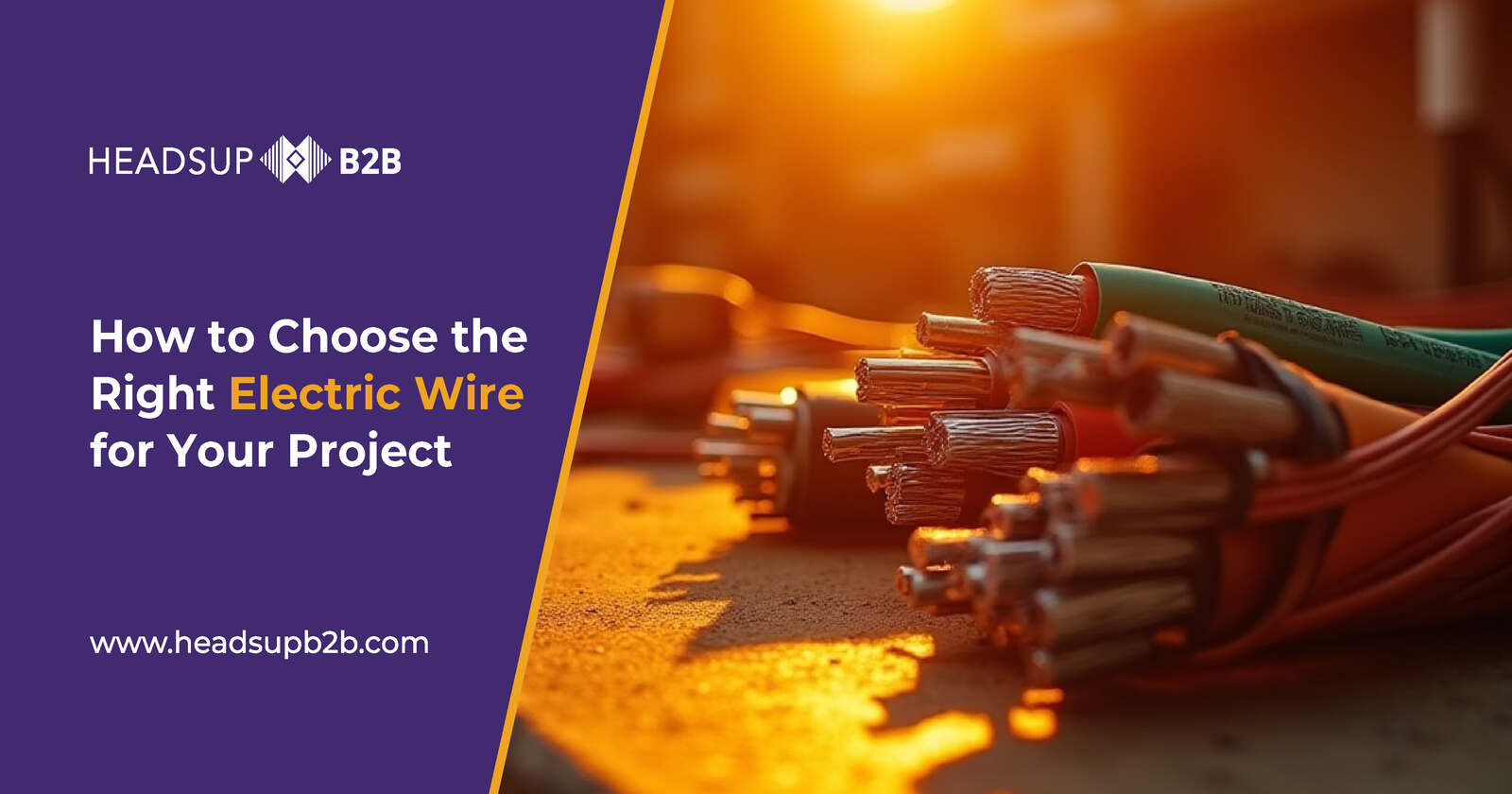
  • How to Choose the Right Electric Wire for Your Project?

    How to Choose the Right Electric Wire for Your Project?

    Introduction

    Imagine a building as a human body and electric wires as the nerves of that body. Like our body, just as different kinds of nerves are responsible for transmitting various nerve impulses, electric wires are responsible for transmitting various types of electrical signals with different current ratings.

    In any kind of electrical system, the choice of the right wire with the right certifications is important. Be it electric house wires for home electrical systems of residential projects or high-current carrying wires in industrial setups, the understanding of different applications of electrical wiring is vital:

    Residential, Commercial, or Industrial

    The wiring needs to change throughout each type of project. Based on the environment of use, select light-duty or heavy-duty wires.

    Indoor vs Outdoor Use

    Cable used outdoors must be able to take heat, moisture or UV exposure. The inside wiring can be lighter, but it must still comply with flame-retardant standards.

    Load Requirements

    The size and insulation type of a wire depends on its electrical load. Using wires that are too small can cause overheating; however, using wires that are too large will add cost and bulk.

    Know the Wire Types

    Different types of wires represent different features that are vital to the functioning of distinct features. Commonly used variants include single-core, multi-core, rigid, solid, and stranded wires. In this comparison table is a summary of their distinctive features:

    Feature Single-core Multi-core Flexible Rigid Solid Stranded
    Conductor Count 1 Multiple Multiple strands Thick/single strand 1 solid wire Bundled thin wires
    Flexibility Low High Very High Low Low High
    Durability High (static) Moderate Moderate (moving) High (static) High (static) High (moving)
    Application Type Fixed wiring Complex connections Moving parts/machinery Infrastructure Internal wiring Robotics, panels
    Cost Low Higher Higher Moderate Low Moderate

    Check Voltage & Current Ratings.

    Ampacity is how much current a wire can carry without overheating.

    Choose wire gauge (AWG/SWG) that suits load, distance and application environment.

    Use case tip.

    Thicker ones suit power-intensive equipment, while thinner ones are suitable for low-voltage lighting or control.

    Insulation & Sheathing Matters.

    • Insulation type impacts our flexibility, durability and safety from PVC to XLPE & frls.

    • Select based on resistance requirements – weatherproofing, flame retardance, or chemical exposure.

    Use case tip.

    • Use FRLS in indoor commercial settings and XLPE for outdoor or underground installations

    Certifications & Compliance.

    • Look for ISI, BIS, RoHS, and similar marks that ensure safety and performance standards.

    • Certifications prevent failure, ensure compliance and confirm the safety of the assurance product

    Use case tip.

    • Always check the paper regardless of whether it is Government or Industry, or export projects.

    Match With the Right Colour Codes

    • The right colours should be matched as per the Indian colour codes – (Phase, Neutral, Earth)

    • Colour coding ensures clarity during installation and maintenance

    Consider the Length & Routing

    • It is important to estimate wire length correctly.

    • It is pertinent to plan for bends, joints and conduits.

    Cost vs Quality

    • Balancing budget and performance is important to get the perfect quality within the project budget, which leads to better project efficiency.

    • Compliant and Trusted brands and sourcing partners ensure the credibility and safety of the wires chosen for project execution.

    Need help sourcing the right wire?

    Headsup B2B ensures the right fit for your electrical needs – from specs to supply.
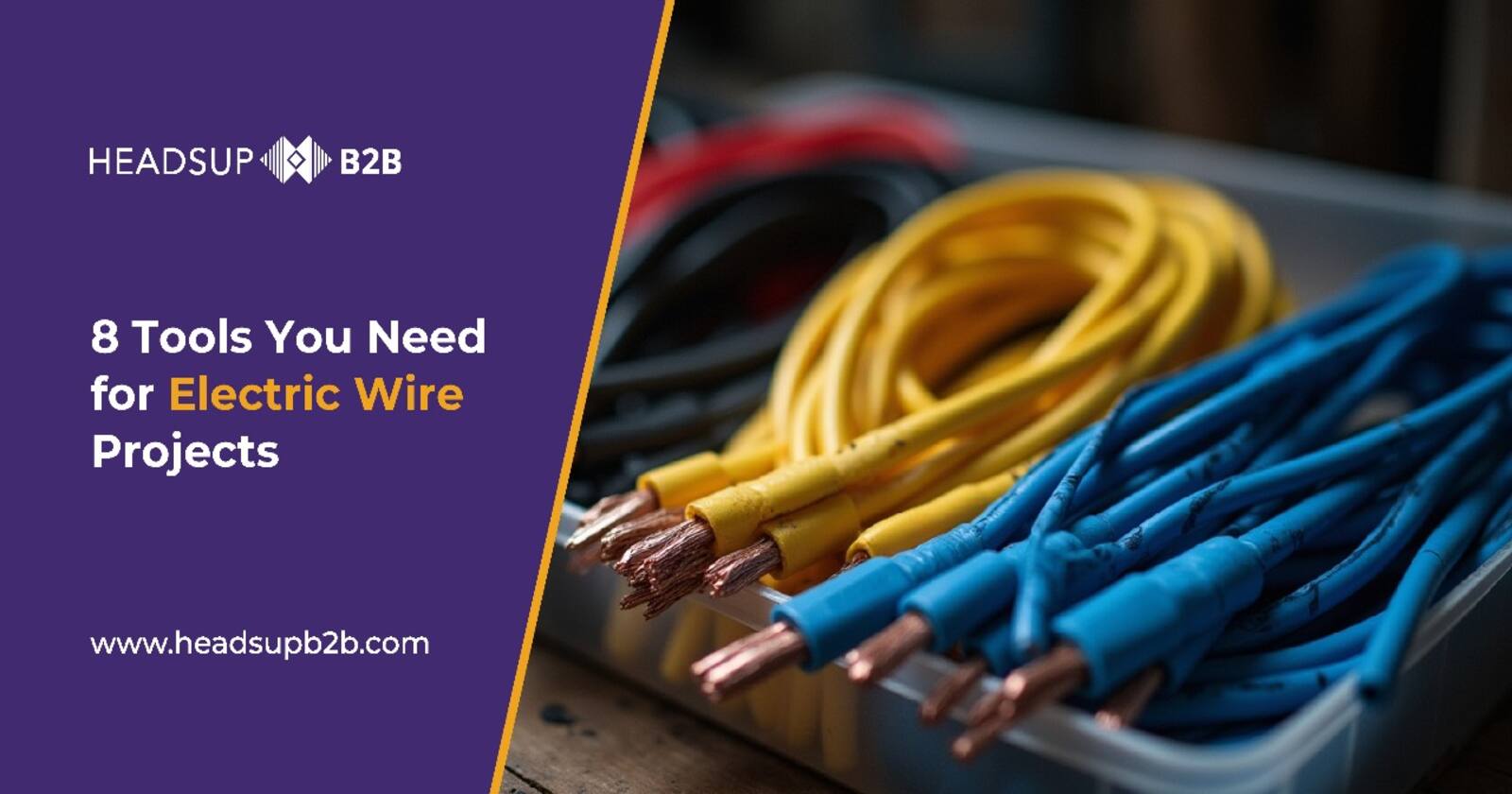
  • 8 Tools You Need for Electric Wire Projects

    8 Tools You Need for Electric Wire Projects

    Electrical wires and cables are vital to the functioning of any premise, be it an industrial establishment or a high-end residential project. Whether it is a routine cabling task or choosing a coaxial cable for an IT infrastructure, using a compliant and safe electrical wire is essential for any electrical wire project.

    Tools That Make Electric Wire Projects Easier and Safer

    Cable Cutter

    Cable cutters are tools that are responsible for cutting wires and cables on a need basis, without crushing the internal strands or fraying them. These tools are critical for precise cutting near installations to ensure they are done neatly while preventing damage to wires.

    • Pro use-case: Ratchet or electric cable cutters make cutting thick cables easier and less tiring

    Multimeter

    Multimeters troubleshoot wiring issues, verify circuit integrity and ensure safety. The mechanism followed to accomplish the same is measurement of voltage, current, resistance and continuity in electrical circuits.

    • Safety tip: Always disconnect power before testing and wear insulated gloves to avoid shocks.

    Crimping Tool

    Crimping tools, as the name suggests, compress the wires to attach them correctly to the connectors by compressing them securely. They are vital due to their robustness and durability of electrical joints, necessary for reliable connections. They ensure the attachment is done safely when steady pressure is applied.

    • Safety tip: Apply steady pressure and use the correct tool for the connector type to avoid damage

    Fish Tape

    Fish tape helps pull wires through walls, tight spaces and conduits during installation. It plays an important role in making routing wires through complex or hidden pathways that are efficient as well as damage-free.

    • Pro use-case: Use electrical tape to firmly attach wires to the fish tape end for smooth pulling

    Insulation Tape

    Insulation tapes protect exposed wires and electrical connections, and it is important to prevent electrical shorts and shocks. These safety features enhance the longevity of the wiring.

    • Safety tip: Use high-quality electrical tape rated for voltage and temperature for best protection

    Screwdrivers (Insulated)

    Insulated Screwdrivers tighten or loosen the screws on terminals and panels safely. The insulation on the handles acts as a protective layer against shocks during live work.

    • Safety tip: Always verify the insulation rating matches the voltage of the circuit you’re working on.

    Voltage Tester

    Sometimes it is necessary to identify if a wire is live with electric current, to identify it tools like Voltage testers come into play. Voltage testing is an important first step while working on all kinds of electrical wiring in order to avoid electrical shock.

    • Safety tip: Test the tester on a known live source before and after use to ensure it’s working properly.

    Wire Stripper

    Wire Stripper is a tool that removes insulation from wires without damaging the core, and they are responsible for clean stripping, reliability in electrical connections by exposing the conductor properly.

    • Pro tip: It is important to use the right wire stripper to mitigate the risk of slipping and cutting, further ensuring process safety.

    At Headsup B2B, we streamline your procurement journey — from essential hand tools to high-spec wiring components — with trusted vendors, certified products, and expert support. Looking for premium-grade electrical tools or wires? Headsup B2B ensures reliable sourcing from verified manufacturers.

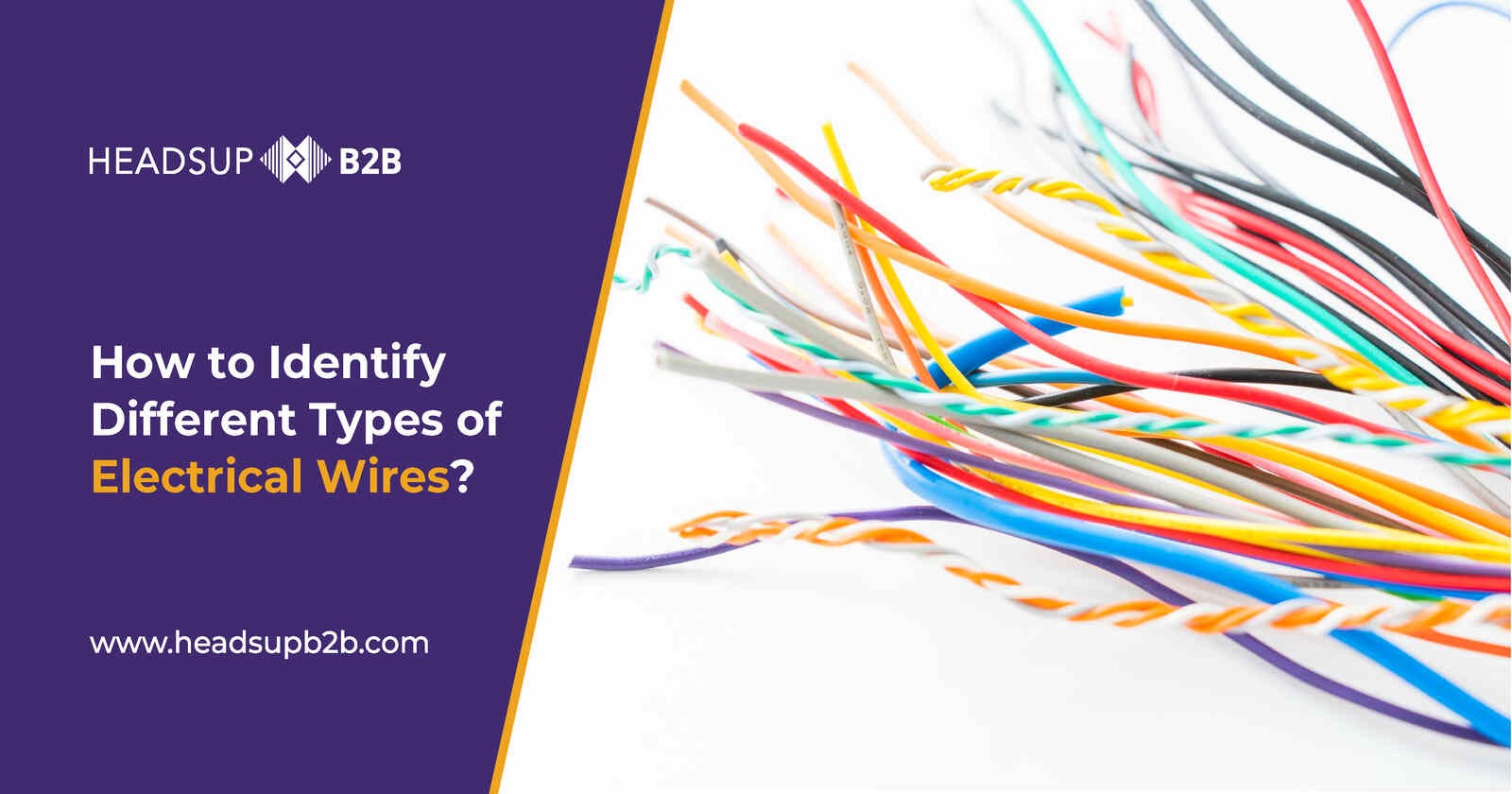
  • How to Identify Different Types of Electrical Wires?

    How to Identify Different Types of Electrical Wires?

    Electrical wires are vital to power systems, and identifying the right wire is the key to successful power distribution. Consideration for factors such as safety, installations and adherence to compliance leads towards successful planning and execution. Identification of wire types during renovation, electrical fixes and new installations. Here is a quick guide to make sense of the colourful world of wires.

    Importance of Identifying Electrical Wires

    • Safety reasons: The use of the right electrical wire during construction, renovation and electrical fixes ensures the safety of a premise. Proper labelling, such as FR, FRLS, shock-proof wires, ensures minimum damage during such hazardous events.

    • Functionality: Electrical wires serve as the main conduits for electric current. Right from preventing overloads to efficient power distribution, choosing the right functionalities of the wires is important.

    • Compliance: Following electrical codes and standards ensures smooth functioning of power distribution systems, compliance and labels such as BIS ensure that the wire is safe for installation and use, while adhering to legal requirements.

    Basic Components of an Electrical Wires

    • Conductor: The conductor is usually made of copper or aluminium, chosen for their excellent electrical conductivity and durability.

    • Insulation: The insulation is typically made of PVC (polyvinyl chloride) or rubber, protecting against electrical shocks and environmental damage.

    • Color Coding: Color coding of wires differs by region. For India-specific standards, the phase wires are generally red, yellow, and blue; the neutral wire is black, and the earth wire is green. Global colour codes may vary accordingly.

    Color Coding of Electrical Wires

    Wire Type Typical Colors Notes
    Live/Hot Wires Red, Brown, Black In India: Red, Yellow, Blue (for 3-phase systems)
    Neutral Wires Blue Consistently used in both India and global standards
    Ground/Earth Wires Green, Green with Yellow Stripe Universally recognised for safety grounding
    Multi-phase / Three-phase Wires Red, Yellow, Blue (India); Brown, Black, Grey (Global) Used in industrial and commercial setups for 3-phase power distribution

    Types of Electrical Wires (Based on Usage)

    Wire Type Use
    Single-Core Wire Domestic wiring
    Multi-Core Wire Appliances, control panels
    Flexible Wire Temporary connections, gadgets
    Armoured Cable Underground or industrial installations
    Coaxial Cable TV and the internet
    Twisted Pair Cable Telephones and data transfer
    Shielded Cable Data cables in EMI-prone environments

    Pro Tips for Safe Wire Handling

    • Always turn off the power before inspecting.

    • Use insulated tools.

    • Follow local regulations or consult an electrician.

    Conclusion

    If you want your wiring solution to be efficient and safe, learn about wire color codes, types, tools and safety. Share this guide by Headsup B2B or send it to your team for easy access, and contact us for all your electrical wiring needs.

  • What Do Different Colors of Electrical Wires Mean?

    What Do Different Colors of Electrical Wires Mean?

    The purpose of the color of wires may be connected with aesthetic appeal through a generic frame of reference, but it is not for show. The color wires symbolise different types of applications, and the main purpose is to avoid accidents and confusion during electrical hazards. The colors are the main differentiating factors. In this blog, we will run through different uses linked to the wires’ color.

    Why Wire Colors Matter?

    Electrical wiring uses color codes that are helpful to ensure safety measures in the electrical system. The wire carrying the current is black or brown, or even red. The wire that returns the current is called the neutral wire. It is mostly blue, white or grey. The green wire is the earth wire (or yellow-green). With no errors or non-compliance, easier to maintain, and most importantly, safe.

    Common Electrical Wire Colours & Their Meanings

    Black Wires – Live/Hot Wire

    Typically used for the power supply in all circuits. Carries current from the power source to the device7. Black wires are the primary hot wires in a circuit, delivering electricity to outlets, switches, and appliances

    Red Wires – Secondary Live Wires

    Used in 220-volt circuits or switch legs. Smoke detectors can also be connected to interconnected systems. Red wires serve as secondary hot wires in multi-wire branch circuits, three-way switches, and are often used to connect multiple switches to a single fixture or provide separate control for devices like ceiling fans.

    Read More Blog:- Choose the Right Electric Wires and Cables

    Blue & Yellow Wires – Live Wires in Conduits

    Blue is often used for travelers in three- or four-way switches, and yellow is used in switch legs and fan/light kits. Blue wires may also function as traveler wires in multi-way switch setups, while yellow wires are commonly used as switch legs in lighting circuits or as live conductors in conduit installations.

    White or Grey Wires – Neutral Wires

    Return path for current. Typically grounded at the main electrical panel. These wires complete the circuit by carrying current back to the source and are essential for the safe operation of electrical systems

    Safety Tips and Final Thoughts

    Electrical work should only be carried out by professionals and under professional guidance. Even with colour codes, there is a need for verification of wires using tools. Consistent labelling and following regulations and compliances ensure that there is a decrease in the occurrence of electrical safety hazards. Electrical wires find extensive use in both home as well as commercial applications. Contact Headsup B2B for all your electrical wire needs, it is your one-stop solution for electrical applications.