Author: suraj

  • Maintenance Tips for Extending the Life of Your Welding Machine

    Maintenance Tips for Extending the Life of Your Welding Machine

    Understanding the Importance of Welding Machine Maintenance

    Welding machines are very important tools in many industries and to have them for the longest time possible you have to make sure that they are well maintained. Preventative maintenance is a cost effective way of avoiding expensive repair bills, time off for repairs and equipment life span preservation for welding equipment. In the following detailed document, the daily maintenance of the welding machine and precautions from operation will be introduced.

    1. Regular Cleaning

    One of the simplest yet most effective ways to maintain your welding machine is through regular cleaning. Dust, dirt, and metal shavings can accumulate in the machine, causing blockages and overheating.

    • Exterior Cleaning: Clean the outside of the machine with a clean cloth, taking a little care here is important as well. For difficult to remove dirt, use a brush in scrubbing the surface of the products.

    • Vent Cleaning: Make sure that the vents are clean with no accumulation of dust or any other obstruction with a view of preventing cases of overheating.

    • Cable Cleaning: Check and wipe the cables and the connectors frequently for a good contact from the electrical joint.

    2. Inspection and Tightening of Connections

    Loose connections can lead to poor performance and potential hazards. Regularly inspect all connections and tighten them as needed.

    • Electrical Connections: To inspect the wiring, look for cables that have loose wires or whose insulation has worn out or has frayed. Secure all connections to the circuit to avoid circulation of electrical currents.

    • Mechanical Connections: Ensure that all nuts, bolts, and screws are securely tightened.

    3. Check and Replace Consumables

    Welding machines use various consumables that need to be regularly checked and replaced. These include electrodes, nozzles, and tips.

    • Electrode Inspection: Inspect the electrodes for wear and replace them as needed to ensure a clean and efficient weld.

    • Nozzle and Tip Replacement: Regularly check the nozzles and tips for any signs of wear or damage. Replace them to maintain optimal performance.

    4. Cooling System Maintenance

    The cooling system is vital for preventing the welding machine from overheating. Regular maintenance of the cooling system can significantly extend the life of your equipment.

    • Coolant Levels: Regularly check the coolant levels and top them up as needed.

    • Coolant Quality: Ensure that the coolant is clean and free of contaminants. Replace the coolant if it appears dirty or degraded.

    • Cooling Fans: Inspect the cooling fans for dust buildup and clean them regularly to ensure proper airflow.

    5. Calibrate and Test Regularly

    Regular calibration and testing can help identify any potential issues before they become major problems.

    • Voltage and Amperage Testing: Regularly test the voltage and amperage output to ensure they are within the specified range.

    • Calibration: Periodically calibrate the machine to maintain accuracy and consistency in your welds.

    6. Store Properly

    Proper storage of your welding machine can prevent unnecessary wear and damage.

    • Dry Environment: Store the machine in a dry environment to prevent rust and corrosion.

    • Covered Storage: Use a cover to protect the machine from dust and debris when not in use.

    • Safe Positioning: Store the machine in a stable and secure position to prevent it from tipping over or being knocked around.

    7. Follow Manufacturer’s Guidelines

    Always follow the manufacturer’s guidelines for maintenance and operation. These guidelines are designed to ensure the safe and efficient operation of your welding machine.

    • Manual Reference: Keep the user manual handy and refer to it for any maintenance procedures.

    • Service Intervals: Adhere to the recommended service intervals provided by the manufacturer.

    Troubleshooting Common Issues

    Despite regular maintenance, you may still encounter issues with your welding machine. Here are some common problems and their potential solutions:

    • Inconsistent Arc: Check the electrode and ensure it is clean and properly positioned. Verify that the connections are tight and the machine is properly calibrated.

    • Overheating: Ensure that the cooling system is functioning correctly. Check for blocked vents and clean the cooling fans.

    • Poor Weld Quality: Inspect the consumables and replace any that are worn or damaged. Verify that the machine settings are correct for the material you are welding.

    Conclusion

    Proper maintenance of your welding machine is crucial for ensuring its longevity and optimal performance. By following these tips, you can extend the life of your welding equipment, reduce downtime, and improve the quality of your welds. Regular cleaning, inspection, and adherence to the manufacturer’s guidelines are essential practices that every welding machine operator should follow. Invest in the care of your welding machine, and it will continue to serve you reliably for years to come.

    Remember, preventative maintenance is always more cost-effective than reactive repairs. Take the time to care for your welding machine, and it will reward you with consistent, high-quality performance.

    FAQs on Welding Machine Maintenance

    1. How often should I clean my welding machine?

    Regular cleaning is crucial for welding machine maintenance. Daily cleaning of the exterior, vents, and cables is recommended to prevent dust, dirt, and metal shavings buildup. More thorough cleaning, including internal components, can be done weekly or monthly depending on usage.

    2. What are the signs of a failing welding machine?

    Signs of a failing welding machine include inconsistent arc, overheating, poor weld quality, and unusual noises. If you notice any of these issues, it’s important to inspect the machine for problems and perform necessary maintenance or repairs.

    3. How can I extend the life of my welding machine consumables?

    To extend the life of consumables like electrodes, nozzles, and tips, ensure they are properly stored, cleaned after use, and replaced when worn. Following the manufacturer’s recommendations for consumable selection and usage is also essential.

    4. What is the importance of cooling system maintenance in a welding machine?

    The cooling system prevents overheating, which can damage internal components. Regularly check coolant levels, ensure coolant quality, and clean cooling fans to maintain optimal performance and extend the life of your welding machine.

    5. When should I call for professional welding machine service?

    If you encounter complex issues, regular maintenance is neglected, or the machine is out of warranty, it’s best to contact a professional welder for service. They have the expertise to diagnose and repair problems effectively.

  • The Future of Solar Panels in India

    The Future of Solar Panels in India

    India is emerging as a global leader in renewable energy, particularly solar power. With ambitious targets and supportive government policies, the country is poised to become a hub for solar innovation and adoption. As we move into 2024, several key developments and trends in solar panel technology are set to shape India’s energy landscape. This blog explores these innovations and trends, focusing on their relevance and impact in India.

    Emerging Technologies

    Bifacial Solar Panels

    Bifacial solar panels, which capture sunlight from both sides, are becoming increasingly popular in India. These panels are particularly effective in areas with high reflectivity, such as deserts and snow-covered regions in the Himalayas. By utilizing the reflective properties of these environments, bifacial panels can significantly boost energy production, making them an ideal choice for various parts of India.

    Perovskite Solar Cells

    Perovskite solar cells, known for their high efficiency and low production costs, are another promising technology. Researchers in India are actively exploring the potential of perovskite cells, which can be integrated into building facades and windows, providing a versatile solution for urban environments. As the technology matures, perovskite solar cells could offer a cost-effective alternative to traditional silicon-based panels, helping to drive widespread adoption in India.

    Floating Solar Farms

    Floating solar farms, or floatovoltaics, are gaining traction in India due to their ability to utilize water bodies, such as lakes and reservoirs, for solar installations. This innovative approach addresses land scarcity issues and benefits from the cooling effect of water, which enhances panel efficiency. Notable projects, such as the floating solar plant on the Banasura Sagar Dam in Kerala, highlight the potential of this technology in India.

    Efficiency Improvements

    High-Efficiency Panels

    India is witnessing significant advancements in high-efficiency solar panels. Technologies like heterojunction with intrinsic thin-layer (HIT) cells and tandem cells are achieving record-breaking efficiencies. These high-efficiency panels are particularly beneficial for residential and commercial installations in densely populated urban areas, where space is limited.

    Integration with Smart Technology

    Smart Solar Panels and Home Energy Management

    The integration of solar panels with smart technology is an exciting trend in India. Smart solar panels equipped with sensors and IoT devices can optimize energy production and monitor performance in real-time. Homeowners can use smart home energy management systems to maximize the benefits of solar power, adjusting energy usage based on weather patterns, electricity prices, and personal preferences. Companies like Tata Power Solar are already offering smart solar solutions to Indian consumers.

    Sustainability and Environmental Impact

    Recycling Old Panels

    As solar installations increase, the need for sustainable end-of-life management of solar panels becomes critical. India is developing efficient recycling processes to reclaim valuable materials like silicon, silver, and aluminum from old panels. This approach reduces waste and the environmental footprint of solar technology, making solar power even more eco-friendly.

    Eco-Friendly Production Methods

    Indian manufacturers are adopting eco-friendly production methods to reduce the carbon footprint of solar panel production. Some companies are using renewable energy sources to power their factories, while advances in material science are leading to the development of panels with longer lifespans and lower degradation rates. These efforts align with India’s commitment to sustainability and environmental protection.

    Learn More:How To Choose The Best Solar Panels For Your Home

    Growth Projections

    The Indian solar market is poised for significant growth in 2024. With ambitious targets, such as achieving 450 GW of renewable energy capacity by 2030, solar power is a key component of India’s energy strategy. The cost of solar panels continues to decline, making solar energy more accessible to homeowners, businesses, and communities. The International Solar Alliance (ISA), headquartered in India, is also playing a crucial role in promoting solar energy adoption worldwide.

    Government Incentives

    Government incentives and policies are crucial in promoting solar energy adoption in India. In 2024, several initiatives are expected to boost the solar sector. The Indian government offers various incentives, including tax credits, rebates, and subsidies for solar installations. Programs like the Pradhan Mantri Kisan Urja Suraksha evam Utthaan Mahabhiyan (PM-KUSUM) aim to support farmers in setting up solar pumps and grid-connected solar power plants. These incentives make solar installations more affordable and encourage investment in solar technology.

    Case Studies

    Residential Success Stories

    Indian homeowners are increasingly adopting solar power to reduce energy bills and their carbon footprint. For instance, a family in Gujarat installed bifacial solar panels on their rooftop and saw a 20% increase in energy production compared to traditional panels. Their experience highlights the potential of new technologies to enhance the benefits of solar power in residential settings.

    Commercial and Industrial Applications

    Businesses in India are also leveraging solar technology to achieve sustainability goals and reduce operational costs. A large-scale floating solar farm on the Narmada River is providing clean energy to thousands of households while minimizing land use. Such projects demonstrate the versatility and scalability of solar power solutions in India.

    Conclusion

    The future of solar panels in India is bright, with numerous innovations and trends set to transform the industry in 2024. From bifacial and perovskite solar cells to floating solar farms and smart technology integration, the advancements in solar technology promise increased efficiency, sustainability, and accessibility. As market growth continues and government incentives support adoption, solar energy will play an increasingly vital role in India’s transition to renewable energy.

    Call to Action

    Stay informed about the latest developments in solar technology and consider how solar energy can benefit your home or business. The future of solar panels is here, and now is the time to embrace this clean, sustainable energy source in India.

    FAQs on Solar Panels in India

    1. What are bifacial solar panels, and why are they becoming popular in India?

    Bifacial solar panels can capture sunlight from both sides, increasing energy production. They are ideal for India due to its high reflectivity in certain regions, maximizing solar energy generation.

    2. How might perovskite solar cells impact the Indian solar market?

    Perovskite solar cells offer high efficiency at a lower cost, making them a potential game-changer. They can be integrated into buildings, expanding solar energy applications in India’s urban areas.

    3. What is the significance of floating solar farms in India?

    Floating solar farms utilize water bodies for installation, addressing land scarcity. They also benefit from the cooling effect of water, enhancing panel efficiency. India has immense potential for such projects.

    4. How do government incentives drive the growth of solar energy in India?

    The Indian government offers various incentives like tax credits, subsidies, and programs like PM-KUSUM to make solar power affordable. These initiatives are accelerating solar adoption across the country.

    5. How long does it take to install solar panels?

    The installation time for solar panels typically ranges from one to three days, depending on the system size and complexity of the roof. Factors such as weather conditions and permit approvals can also impact the installation timeline.

  • Exploring Biomass Pellets | Everything You Need to Know

    Exploring Biomass Pellets | Everything You Need to Know

    Biomass pellets are a type of renewable energy source made from organic materials such as wood, agricultural residues, and other biological substances. They are used as a sustainable alternative to fossil fuels for heating and power generation. Here are some key points about biomass pellets:

    1. Production: Biomass pellets are produced by compressing organic materials into small, dense pellets. This process involves drying the raw materials, grinding them into a fine powder, and then compressing them under high pressure.

    2. Types of Biomass: Common materials used for biomass pellets include wood chips, sawdust, agricultural residues like straw and corn stalks, and even some types of grasses.

    3. Benefits: Biomass pellets are considered carbon-neutral because the carbon dioxide released during combustion is roughly equal to the amount absorbed by the plants during their growth. They are also more efficient and cleaner-burning than raw biomass.

    4. Applications: Biomass pellets are used in residential heating, industrial boilers, and power plants. They can be used in pellet stoves and boilers designed specifically for pellet fuel.

    5. Environmental Impact: Using biomass pellets can reduce reliance on fossil fuels and decrease greenhouse gas emissions. However, sustainable sourcing and production practices are crucial to minimize environmental impact.

    6. Market and Trends: The demand for biomass pellets is growing globally, driven by policies promoting renewable energy and the need for sustainable energy solutions.

    Understanding these aspects of biomass pellets can help in making informed decisions about their use and potential benefits in energy production.

    Read More:- Biomass Pellets Manufacturers in India

    FAQs

    1. What is a biomass pellet?

    A biomass pellet is a compressed form of organic material, typically made from agricultural residues, wood, or other renewable biomass sources, used as fuel for energy production.

    1. What is the scope of biomass pellets in India?

    In India, biomass pellets have significant potential as a renewable energy source for heating, power generation, and reducing reliance on fossil fuels, especially in rural areas.

    1. What is the cost of a biomass pellet project?

    The cost of a biomass pellet project varies depending on capacity and scale, ranging from ₹5 to ₹25 crore (\(0.6 to \)3 million), including machinery, raw material, and operational expenses.

    1. What are the raw materials for biomass pellets?

    Raw materials for biomass pellets include agricultural residues like rice husks, wheat straw, sugarcane bagasse, sawdust, and forestry waste.

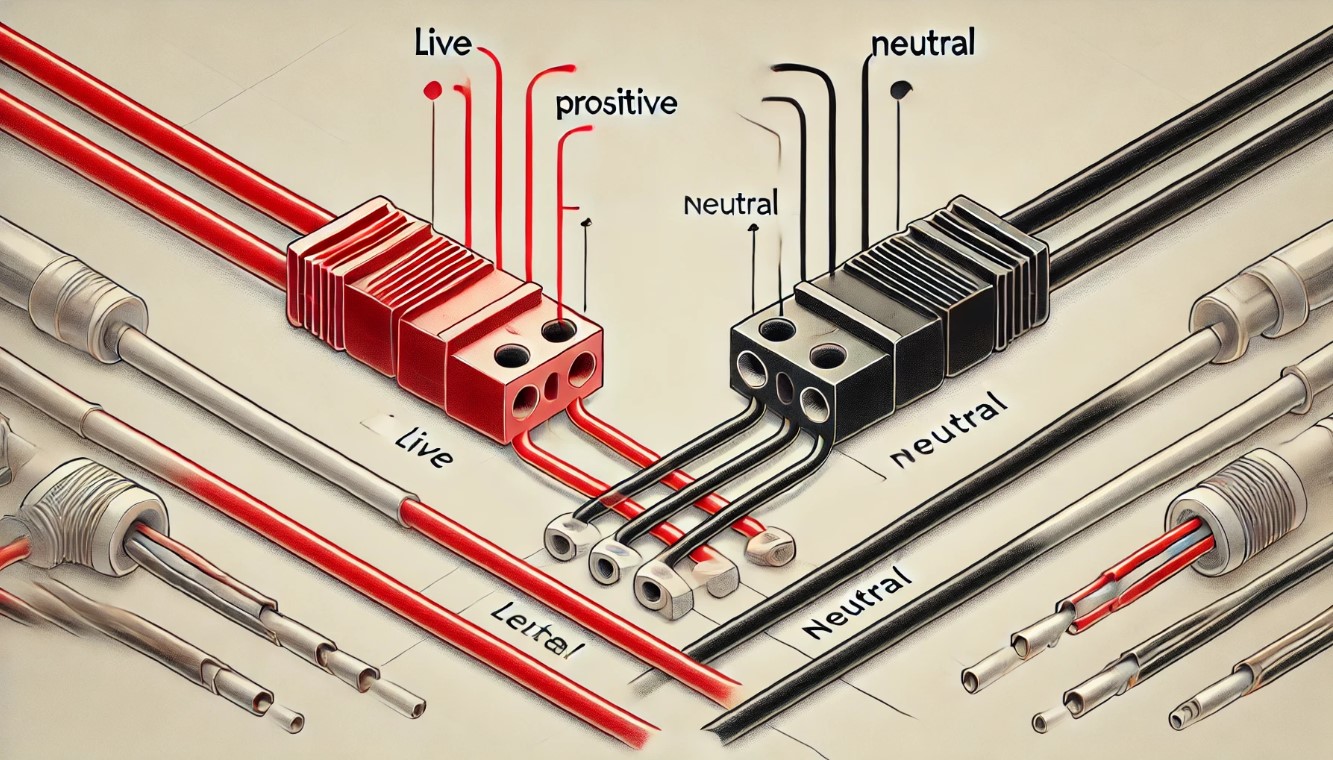
  • What is the Difference Between a Red Wire and a Black Wire in an Electrical System?

    What is the Difference Between a Red Wire and a Black Wire in an Electrical System?

    If you’ve ever peeked inside an electrical panel or opened up a wall outlet, you’ve likely noticed wires in a variety of colors. Two of the most commonly seen wires are red and black, but do you know what they do? Understanding the difference between these wires is essential for anyone working with electrical solutions. In this article, we’ll explain the functions, differences, and applications of red and black wires in residential and commercial settings.

    Need Professional Electrical Solutions? Our experts can handle your wiring safely and efficiently.
    Get Free Consultation →

    Why Wire Colors Matter in Electrical Systems

    The colors of electrical wires are not random—they’re part of a standard code designed to ensure safety. Different colors are used to represent different functions in a circuit, helping electricians identify them at a glance. Understanding the purpose of each wire reduces the risk of accidents like short circuits, shocks, or even fires.

    Overview of Electrical Wiring Colors

    Every color in an electrical system serves a distinct function. Black and red are both used for “hot” or live wires, which carry electricity from the breaker panel to a device or outlet. However, other colors are also important:

    • White is typically used for neutral wires.

    • Green or bare copper is used for grounding. Each of these wires plays a specific role in safely delivering and controlling electrical currents.

    The Role of Red Wires in Electrical Systems

    Function of Red Wires

    In most electrical systems, red wires are secondary hot wires. They carry live electrical currents, just like black wires, but are often used in specific types of circuits. For example, red wires might be used in a circuit that requires a second hot connection, like in three-way light switches.

    Typical Applications of Red Wires

    You’re likely to find red wires in places where two hot wires are needed. These include light switches, ceiling fans, and sometimes even outlets that have multiple connections. They’re also common in certain appliance installations, such as ovens or water heaters.

    Special Uses of Red Wires

    In addition to basic electrical circuits, red wires are frequently used in more complex installations. A good example is a three-way switch, where two switches control the same light fixture. Red wires allow the current to travel between the two switches, making this configuration possible.

    If you’re planning a new installation or want to upgrade your electrical system, our Electrical Solutions team can help. Book a Free Site Assessment →

    The Role of Black Wires in Electrical Systems

    Function of Black Wires

    Black wires are the most common hot wires. They’re responsible for delivering electricity from the power source to outlets and devices in your home. In nearly every case, if you see a black wire, it’s carrying live current.

    Typical Applications of Black Wires

    Black wires are used in almost every electrical device in your home. You’ll find them in outlets, switches, and major appliances like refrigerators or dishwashers. Any time electricity needs to be delivered from the main power source, black wires are involved.

    Special Uses of Black Wires

    In addition to their everyday use in powering outlets and appliances, black wires are often used in more advanced electrical setups, such as in commercial or industrial environments where larger amounts of power are required.

    Key Differences Between Red and Black Wires

    Primary vs. Secondary Functions

    The most significant difference between red and black wires is their role. Black wires are almost always the primary hot wire in a circuit, while red wires typically serve as a secondary hot wire in more complex setups.

    Compatibility and Interchangeability

    Although both red and black wires carry current, they aren’t always interchangeable. In some circuits, especially those with multiple hot connections, using the correct wire color is crucial to the circuit’s operation and safety.

    Red vs. Black Wires in Different Voltage Systems

    In most standard household wiring, black and red wires function similarly in terms of voltage. However, in more specialized systems, such as industrial environments or smart home setups, their roles can differ, making it essential to understand how each wire fits into the overall system.

    Safety Considerations When Working With Red and Black Wires

    Importance of Turning Off Power

    Before handling any electrical wires, the most critical safety step is to turn off the power. This precaution protects you from electrical shocks, which can be fatal in some cases.

    Understanding Circuit Diagrams and Labels

    When working with electrical systems, it’s vital to understand the wiring diagram for the system you’re working on. Proper labeling of red and black wires helps ensure you know which wire does what, avoiding dangerous mistakes.

    Tools for Safe Electrical Work

    There are several tools designed to help you work safely with electricity, including voltage testers, wire strippers, and insulated tools. Always ensure you have the right equipment before starting any electrical work.

    What Happens if You Mix Up Red and Black Wires?

    Mixing up red and black wires can lead to various problems, including short circuits, malfunctioning devices, or even electrical fires. Always double-check your wiring before turning the power back on.

    Red and Black Wires in Smart Homes and Modern Systems

    How Technology Changes Wiring Needs

    Smart home technology has changed the way we think about wiring. Many newer systems have more complex setups that require specific wiring configurations. As technology advances, it’s crucial to stay updated on wiring standards.

    Color Coding in Modern Electrical Systems

    As systems evolve, so do the standards for wire colors. Modern systems might use different coding, but red and black wires will likely continue to play significant roles in most homes.

    Conclusion

    In conclusion, understanding the difference between red and black wires in an electrical system is key to working safely and effectively with electricity. While both are hot wires, they serve different purposes in a circuit, and knowing how to use them correctly can help prevent accidents.

    Now that you know the difference between red and black wires, ensure your installation is done safely.
    Contact our experts today for a full electrical solution.

    Read More:- Choose the Right Wires and Cables

    FAQs

    Can I use a red wire instead of a black wire?

    In some cases, yes, but it’s essential to understand the circuit before making substitutions.

    Is it safe to touch a red or black wire?

    No, both wires carry live electricity and should only be handled when the power is off.

    What should I do if I find wires with different colors?

    Consult a wiring diagram or a professional electrician to ensure you’re wiring correctly.

    Why is my black wire not live?

    It could be due to a tripped breaker, a loose connection, or a wiring issue.

    How can I identify which wire is hot?

    Use a voltage tester to safely check which wire carries current.

  • How To Choose The Best Solar Panels For Home?

    How To Choose The Best Solar Panels For Home?

    To convert to solar energy is therefore a major decision for homeowners; a decision that has long term payback and environmental implications. However, with so many choices, one may find it daunting to decide on what specific type of solar panels to get for the home. In this guide I will be describing the top solar panel brands, explaining what the efficiency ratings of the solar means, the categories of the solar panels, and some points to consider when purchasing a solar panel. We also describe how solar panels are installed to assist you in making the right choice.

    Best Solar Panels Brands for Home Use

    In terms of selecting the best brands of the solar panels one has to make a selection based on factors such as reputation, performance, warranty, and customer service. Some of the top brands in the market include,

    1. SunPower

    These are some of the known features at SunPower inclusively the high efficiency of the solar panels and the strength of the warranty offered. Their panels are rather sturdy and efficient, which has led them to be the go-to choice for many homeowners.

    2. LG Solar

    LG Solar is among the most trusted solar modules companies renowned for providing their clients with solar panels having greater efficacies. Their panels are stylish, and the company accompanies them with a proper warranty, thus satisfying customers.

    3. Panasonic

    Panasonic is another solar company brand .It has quality solar panels that are efficient and can be relied on. They are durable as their panels’ principal aim is to produce energy irrespective of the climate.

    4. Canadian Solar

    Canadian Solar offers accessible and effective solar panels but not necessarily cheap ones but relatively expensive ones for the given quality. Their panels deliver fairly good performance as they also come with fairly standard warranty packages.

    5. Trina Solar

    The key allowance made in this regard is that Trina Solar is known to offer high quality products in the form of solar panels, along with other state of the art features. There is a variety of panels to choose from depending on the type of project and your pocket.

    Solar Panel Efficiency Rating

    The efficiency rating of a solar panel is without a doubt, one very important factor to consider. It expresses the extent to which the panel can harness the sunlight and turn it into utilizable electricity. More efficiency panels produce more power within a particular area thus are more suitable for homeowners with small roof areas.

    Factors Affecting Efficiency

    • Material: The monocrystalline panels are usually more efficient in energy conversion than polycrystalline, and thin film solar panels.

    • Quality: That is why build quality and the technology used in the course of developing the panels determine the efficiency.

    • Age: The efficiency of these solar panels may decrease as time goes by; therefore, newer planes will execute their functions better.

    Types of Solar Panels

    There are three main types of solar panels available in the market: There are three main types of solar panels available in the market,

    1. Monocrystalline Solar Panels

    They offer the highest conversion rates and are made of a single silicon crystal source. They are also compact and more durable than some of the traditional monetary types. However, they usually are relatively expensive.

    2. Polycrystalline Solar Panels

    Polycrystalline panels are composed of several-crystal formations and are not half as efficient as monocrystalline ones. They are cheaper and have relatively less durability but can provide decent output.

    3. Thin-Film Solar Panels

    Thin-film panels can be easily installed due to the fact that they are light and can be bent somewhat. They possess the lowest efficiency rates, however, they become cheap in case of some uses. It is less sensitive to shading and high temperature compared to their abilities.

    Factors to Consider When Buying Solar Panels

    Therefore, there are several aspects to think of while choosing the solar panels to install on your home.

    1. Efficiency

    As discussed earlier, the efficiency rating of the solar panels is crucial. Higher efficiency panels will generate more electricity, especially if you have limited roof space.

    2. Cost

    Pricing of such a solar panel cannot be fixed and is usually dependent on such factors as the brand, its efficiency level, and kind. The two main requirements that have to be met are cost, which has to be moderate and need to be covered by result, and round the clock durability.

    3. Warranty

    Warranty is an expectation of the manufacturer towards the product they have put in the market. Include warranty of at least 10 years which will cover the performance and the defects of the panels.

    4. Durability

    Pay attention to the sturdiness of the panels, particularly when residing in an environment characterized by storms. Non-corrosive metallic panels for instance will guarantee the device’s performance irrespective of the climate experienced in the area.

    5. Aesthetics

    Another aspect that refers to the aesthetics is the look that panels give to your home. Some of them are explicitly created to match the appearance of your roof and may look better than other kinds of panels.

    6. Installation and Maintenance

    Other factors include ease of installation and also the ease of maintaining the system. Some panels are easier to install and are less demanding in terms of maintenance and overall costs will therefore be lower.

    Installing Solar Panels

    Having decided on the top solar panels to buy for your home, the next question is – how to install these systems. Installation plays a very important role when it comes to the performance and the durability of the solar system.

    1. Hire a Professional

    Even though you may have plans to install the solar units on your own, it is advisable to hire the services of a professional solar installer. They are outfitted with the experience and equipment necessary to put these panels in optimally and securely.

    2. Site Assessment

    The expert on installation will need to inspect the area to establish the most appropriate location of the panels in consideration to the orientation of the roof, shade and tilt angle.

    3. Permits and Paperwork

    All the permits and related paperwork that are needed for the installation will be undertaken by the installer. This involves acquiring county permits, as well as making sure that the system adheres to the locally determined requirements.

    4. Installation Process

    This usually consists of fixing the panels to your roof, connecting the panels to an inverter and the electrical part. The installer will also tie the system into the grid or into the electrical system of the house.

    5. Inspection and Activation

    Subsequently there is normally an inspection which is done to determine whether the system is compliant with safety and performance standards. When approved, your solar system can be switched on and indeed, the value of switching to solar is evident.

    Take the Next Step Towards Solar Energy with HeadsUp B2B

    Choosing the right solar panels is crucial for maximizing your energy savings and reducing your environmental impact. At HeadsUp b2b, we connect you with top-quality raw materials and trusted suppliers to ensure you get the best solar solutions for your needs.

    Ready to find the best solar panels for your home? Visit HeadsUp B2B today to explore our extensive marketplace of raw materials and start your journey towards sustainable energy.

    Contact us now to discover how HeadsUp b2b can help you make the right choice for your solar system needs!

    FAQ’s

    1. What factors should I consider when choosing solar panels for my home?

    When selecting solar panels, prioritize factors like solar panel efficiency rating, types of solar panels (monocrystalline, polycrystalline, or thin-film), and best solar panel brands known for reliability and performance. Additionally, consider your budget, roof space, local climate, and government incentives.

    2. How do I determine the best solar panel efficiency for my home?

    Solar panel efficiency measures how effectively a panel converts sunlight into electricity. Higher efficiency panels generate more power, making them ideal for homes with limited roof space. However, they often come with a higher price tag. Consider your energy needs and available roof area to find the optimal efficiency level for your home.

    3. What is the difference between monocrystalline, polycrystalline, and thin-film solar panels?

    • Monocrystalline solar panels offer the highest efficiency but are generally more expensive.

    • Polycrystalline solar panels are less efficient but more affordable.

    • Thin-film solar panels are the most flexible and lightweight but have the lowest efficiency.

    Choose the type that best suits your budget, energy needs, and available roof space.

    4. How much does it cost to install solar panels?

    The cost of installing solar panels varies based on factors such as solar panel efficiency, system size, installation location, and government incentives. It’s essential to obtain quotes from multiple solar installers to compare prices and packages. Consider the long-term savings on electricity bills when evaluating the upfront cost.

    5. How long does it take to install solar panels?

    The installation time for solar panels typically ranges from one to three days, depending on the system size and complexity of the roof. Factors such as weather conditions and permit approvals can also impact the installation timeline.

  • Top 10 Best TMT Bars in India

    Top 10 Best TMT Bars in India

    TMT (Thermo Mechanically Treated) bars are the backbone of any concrete structure. Their quality and strength play a crucial role in the overall stability and durability of a building. With numerous brands available in the Indian market, choosing the right one can be overwhelming. To simplify your decision-making process, we’ve compiled a list of the top 10 Best TMT bars in India, known for their quality, reliability, and customer trust.

    Understanding TMT Bars

    Before we delve into the brands, let’s understand what TMT bars are. These steel reinforcements are subjected to a special heat treatment process that enhances their strength, ductility, and resistance to corrosion. They are widely used in the construction industry for their superior performance compared to traditional mild steel bars.

    Top 10 TMT Bar Brands in India

    1. Tata Tiscon: A leading brand renowned for its exceptional ductility and strength. It is particularly preferred for high-rise buildings and structures in seismic zones.

    2. JSW Steel: Known for its consistent quality and wide range of products, JSW Steel is a trusted name in the construction industry.

    3. SAIL: A government-owned enterprise, SAIL produces high-quality TMT bars at competitive prices.

    4. Shri Ram EPC: Offers innovative TMT bars with superior strength and elongation properties.

    5. Kamdhenu: Known for its wide range of products and strong distribution network, Kamdhenu is a popular choice for builders.

    6. Visakha Steel: Produces high-quality TMT bars with a focus on environmental sustainability.

    7. Usha Martin: Offers a wide range of TMT bars for various construction applications.

    8. Maheshwari Steel: Known for its consistent quality and adherence to industry standards.

    9. Ratnakar Steel: A reliable brand offering TMT bars at competitive prices.

    10. Everest Steel: A growing brand with a focus on innovation and customer satisfaction.

    Factors to Consider When Choosing a TMT Bar Brand

    While the above list highlights some of the top TMT bar brands in India, it’s essential to consider several factors before making a final decision:

    • Grade of Steel: Choose the appropriate grade based on the project’s requirements (Fe 415, Fe 500, Fe 550, etc.).

    • Diameter: Select the correct diameter based on design calculations.

    • Ductility: Ensure the TMT bars have good ductility to withstand seismic loads and bending stresses.

    • Strength: The TMT bars should possess adequate strength to support the building’s load.

    • Corrosion Resistance: Look for TMT bars with good corrosion resistance for long-term durability.

    • Price: Compare prices from different brands without compromising on quality.

    • Availability: Ensure the chosen brand has a strong distribution network in your area.

    The Importance of Consulting a Structural Engineer

    It is highly recommended to consult with a structural engineer to determine the most suitable TMT bar for your specific project. They can provide expert advice based on load calculations, soil conditions, and other relevant factors.

    By carefully considering these factors and selecting a reputable TMT bar brand, you can ensure the structural integrity and safety of your building.

    Disclaimer: This blog post is intended to provide general information and does not constitute professional advice. It’s essential to conduct thorough research and consider your specific project requirements before making a final decision

    FAQs

    1. What is the difference between Fe 415, Fe 500, and Fe 550 TMT bars?

      The numbers indicate the minimum yield strength of the steel in Newtons per square millimeter (N/mm²). Fe 415 has a minimum yield strength of 415 N/mm², Fe 500 has 500 N/mm², and Fe 550 has 550 N/mm². Higher grades are generally stronger but less ductile.

    2. How do I choose the right diameter of TMT bar for my construction project?

      The diameter of the TMT bar is determined by structural engineers based on load calculations and design considerations. It’s crucial to consult with a professional to ensure the correct diameter is used.

    3. Can I use TMT bars for all types of construction?

      Yes, TMT bars are used in various construction projects, from residential buildings to commercial complexes and industrial structures. However, the specific grade and diameter will vary based on the project’s requirements.

    4. How can I ensure the quality of the TMT bars I purchase?

      Purchase TMT bars from reputable brands and authorized dealers. Check for certifications and quality marks. Additionally, consider conducting laboratory tests on the bars for added assurance.

    5. What is the lifespan of TMT bars?

      The lifespan of TMT bars depends on various factors, including the quality of the steel, the construction environment, and proper maintenance. When used correctly and protected from corrosion, TMT bars can last for several decades.

  • Biomass Pellets Manufacturers in India

    Biomass Pellets Manufacturers in India

    India, a country rich in agricultural and forestry residues, has been exploring alternative energy sources to meet its growing energy demands. Among these, biomass energy has emerged as a significant player in the renewable energy sector. Biomass pellets, compacted energy-rich fuel derived from organic materials, are gaining popularity due to their eco-friendly and sustainable nature.

    What are Biomass Pellets?

    Biomass pellets are small, cylindrical pieces of organic matter that are used as a source of renewable energy. They are made by compressing biomass materials such as agricultural residues, wood waste, and other organic by-products into high-density fuel. This process makes it easier to store, transport, and use biomass for energy production.

    How Biomass Pellets are Made?

    The process of manufacturing biomass pellets involves several steps:

    1. Raw Material Collection: Gathering materials like agricultural waste, sawdust, and other organic residues.

    2. Grinding: The materials are ground into fine particles.

    3. Drying: Excess moisture is removed to improve pellet quality.

    4. Pelletizing: The dried material is fed into a pellet mill where it is compressed under high pressure.

    5. Cooling: The pellets are cooled and hardened for storage and use.

    Types of Raw Materials Used

    Biomass pellets can be made from a variety of materials, including:

    • Agricultural residues: Like rice husks, wheat straw, and coconut shells.

    • Forestry waste: Such as wood chips and sawdust.

    • Energy crops: Like switchgrass or miscanthus.

    The Role of Biomass Pellets in Sustainable Energy

    Biomass pellets are not just an alternative energy source; they are part of the solution to the global energy crisis. Using biomass pellets reduces the reliance on fossil fuels and lowers greenhouse gas emissions. These pellets are carbon neutral, meaning they release the same amount of carbon dioxide during combustion as was absorbed by the plants during their growth, contributing to cleaner energy production.

    Overview of the Biomass Pellets Industry in India

    India’s biomass pellet industry has seen tremendous growth in recent years. With the rising demand for renewable energy and supportive government policies, biomass pellet production is on the rise.

    Growth Trends and Market Statistics

    • India produces approximately 120-150 million metric tons of biomass annually.

    • The biomass power capacity in India is over 10 GW, with significant contributions from biomass pellets.

    • The market is expected to grow further with increasing awareness and investments in clean energy.

    Key Biomass Pellets Manufacturers in India

    1. GreenFuel Energy Solutions: A leading player in the biomass pellet market, specializing in agricultural residues.

    2. Punjab Renewable Energy Systems: A major supplier with a focus on large-scale industrial production.

    3. Pellex Bio Energy: Known for high-quality wood pellets used in both domestic and industrial applications.

    Case Study: Success Stories of Biomass Pellet Manufacturers

    Pellex Bio Energy has made significant contributions to the biomass sector by establishing efficient production facilities and creating employment opportunities in rural areas. Their success lies in their commitment to quality and sustainability, providing eco-friendly energy solutions for industries and households alike.

    Biomass Pellets Manufacturing Process

    The manufacturing process involves:

    1. Raw Material Sourcing: Biomass residues are collected from farms, sawmills, and forests.

    2. Pre-Processing: The raw materials are cleaned, dried, and ground.

    3. Pelletizing: The material is fed into machines that compress it into pellets.

    4. Cooling and Packaging: After cooling, the pellets are packed for distribution.

    Raw Materials for Biomass Pellets in India

    India has abundant raw materials for biomass production, primarily agricultural and forestry waste. Regions like Punjab, Haryana, and Uttar Pradesh contribute significant amounts of agricultural residues such as rice husks and wheat straw, making them key areas for biomass pellet production.

    Benefits of Using Biomass Pellets

    Biomass pellets offer several benefits:

    • Economic: They provide a cost-effective alternative to fossil fuels.

    • Environmental: Biomass is a renewable resource, and its use reduces carbon emissions.

    • Versatile Use: Biomass pellets can be used in power generation, industrial heating, and even home heating systems.

    Challenges Faced by Biomass Pellets Manufacturers

    Despite the benefits, manufacturers face challenges such as:

    • Raw Material Availability: Seasonal availability of biomass can create supply chain issues.

    • Technological Barriers: Many manufacturers still use outdated machinery that reduces efficiency.

    • Regulatory Issues: Navigating complex government regulations can be difficult, especially for small-scale producers.

    Government Support for Biomass Pellet Industry

    India’s government has introduced several schemes to support biomass energy:

    • National Bioenergy Mission: Aims to promote the use of biomass in energy production.

    • Subsidies and Incentives: Financial aid for biomass power plants and manufacturers.

    • Clean Energy Initiatives: Policies encouraging the transition to renewable energy sources.

    Future Prospects for Biomass Pellets in India

    With the increasing focus on sustainability, the biomass pellet industry is poised for significant growth. Technological advancements and government support are likely to propel the sector forward. The adoption of modern pellet-making technologies will improve efficiency and lower production costs.

    Why Biomass Pellets are the Future of Renewable Energy in India

    As India continues to strive for cleaner energy, biomass pellets are emerging as a viable alternative to coal and other fossil fuels. Their ability to provide a sustainable, renewable source of energy makes them an essential part of the country’s renewable energy portfolio.

    How to Choose the Right Biomass Pellets Manufacturer

    When selecting a manufacturer, consider:

    • Production Capacity: Ensure they can meet your supply needs.

    • Quality Certifications: Look for certifications like ISO or BIS to ensure product quality.

    • Sustainability Practices: Choose a manufacturer committed to sustainable production methods.

    Conclusion

    The biomass pellet industry in India is rapidly growing, driven by the need for renewable energy solutions. With abundant raw materials, supportive government policies, and increasing demand, biomass pellets are set to play a key role in India’s energy future. Manufacturers, both large and small, will need to adapt to new technologies and overcome challenges to meet the growing demand for sustainable energy.

  • Fiber Optic Wires: The Backbone of High-Speed Internet

    Fiber Optic Wires: The Backbone of High-Speed Internet

    In today’s world where everything is time-sensitive, the internet speed has to be faster. Entertainment and commerce are just two sectors that the significant use of the Internet. fibre optic cable plays a crucial role in the huge data. In this blog of Headsup B2B, we’ll discuss the basics of fibre optic cable and why they have become the primary structure of high-speed internet.

    Introduction

    Consequently, high-speed internet is a necessity in today’s world. Whether it is watching series online, doing office work, or scrolling through the website, we need proper internet connectivity. But what enables such a result? The answer is somewhere in fiber optic cable. They are minute, thin and highly pliable cables made of glass or plastic. Perhaps the most underrated but indispensable component of the modern world due to their capacity to transfer humongous data at remarkable speed. Let’s learn about what fiber optic cable are, and their working principle and importance in today’s high-speed internet connection.

    Fiber Optic Cable

    Definition and Basic Structure

    Fibre optic cables are thin wires, made of either glass or plastic and are identified as carrying data through lights. Other cables that have often been used are copper cables, which also convey data by electrical signals. But fiber optic cables use light in the form of pulses, giving greater efficiency in passing data. These cables consist of a primary conductive core in which the light travels while the outer cover is called cladding. Cladding helps to reflect light to the core without much socket loss. This construction allows fiber optic cable to carry all kinds of data to and from terminals and stations over even at enormous distances.

    How They Differ from Traditional Copper Cables?

    Fiber optic cables are different from copper cables which use wires made of metals for conducting electrical signals; on the other hand fiber optic cables provide signals through optical fibers made of glass or plastic. This fundamental difference gives fiber optics several advantages:

    • they can cover larger distances without fading,

    • they are not easily affected by electromagnetic interference,

    • They, therefore, allow much higher speeds, which is a requirement by today’s web and telecommunication networks.

    How Fiber Optic Cables Work?

    The Science Behind Light Transmission

    Fiber optic cables work on Total internal reflection (TIR). In this, the light signals change their directions along the walls of the glass or plastic core. This process makes the light ‘stay in the core’ and go for broad distances without signal decay. It says light moves through the core in the form of pulses. Each pulse relays a binary string of data bits 0s and 1s.

    The Role of Glass or Plastic Fibers in Fiber Optic Cable

    The element of a fiber optic cable often consists of either glass or plastic fibers in the middle of the cable. Glass fibers are used for long-distance transmissions because it experiences a lesser amount of attenuation as compared to plastic fibers. While plastic fibers are a bit more flexible and can be more useful in the shorter distances of fiber optic communications. Both type of fibers help in transmitting the light signals through the cable. The cladding layer in this structure prevents the light from crossing the core through TIR.

    Advantages of Fiber Optic Cables

    • Higher Speed and Bandwidth

    Fiber optic cables in the practices allow data rates far higher than the other cables commonly regarded as copper. This is made possible through light signals and speeds that go as high as gigabits per second (Gbps) and above to suit the current generation most especially with applications that require a large portion of data such as VoIP, video streaming, cloud computing, and online gaming.

    • Greater Reliability and Less Signal Loss

    Because of the transmission and path of light signals, the fiber optic cables undergo slow signal depreciation over great distances. This reliability makes it possible to have stable internet for streaming and better communication making fiber optic important for areas like health, and business among others which require a stable reliable internet.

    • Enhanced Security and Resistance to Interference

    However, while using the copper cables, distortion may occur because the cables are sensitive to electromagnetic interference (EMI) that emanates from nearby electrical equipment. The Fiber optic cables are not affected by EMI. This implicit security characteristic of the fiber optic cables makes the media suitable for securing data. It is mostly used where data ought to be guarded like governmental and military communication as well as company networks.

    • Longevity and Durability

    Fiber optic cables are amazingly resistant to environments such as moisture, temperature variations, and physical force. This longevity implies more service time and fewer instances of maintenance as compared to copper cables; thereby proving that fiber optics is an economical solution in the long run to the providers of telecommunication services and developers of communication infrastructures.

    Fiber Optic Cable in Everyday Use

    Examples of Applications in Homes, Businesses, and Public Infrastructure

    • Homes: Fiber optics enable high-speed internet access, supporting seamless streaming, gaming, and video conferencing without lag or buffering issues.

    • Businesses: Many enterprises rely on fiber optic networks for secure and fast data transmission, enhancing productivity through cloud computing, remote collaboration, and robust cybersecurity measures.

    • Public Infrastructure: Fiber optics play a crucial role in smart city initiatives, facilitating efficient public services like traffic management, surveillance systems, and emergency response networks.

    Impact on Communication, Entertainment, and Commerce:

    • Communication: Faster internet speeds and reliable connections enable real-time communication through video calls, instant messaging, and VoIP services, fostering global connectivity and collaboration.

    • Entertainment: Streaming services deliver high-definition content seamlessly, catering to consumer demand for quality entertainment experiences on multiple devices simultaneously.

    • Commerce: E-commerce platforms benefit from secure transactions and rapid data processing, ensuring smooth online shopping experiences and enabling businesses to reach global markets efficiently.

    The Future of Fiber Optics

    Upcoming Advancements and Innovations

    • Increased Speeds: Current research and development focus on the improvement of the speeds of the fiber optic transmission. Beyond the mentioned capabilities, with planned improvements, it can reach Tbps and over.
    • Advanced Materials: There are usually advancements in the materials sciences that could lead to the creation of better fiber optic cables such as those that would experience minor signal attenuation and interference.
    • Integration with 5G: Fiber optic networks are therefore expected to be instrumental in realizing 5G since they are required in the backhaul infrastructure required by such a superior wireless system.

    Potential Impact on Future Internet Speeds and Connectivity

    • Enhanced Connectivity: Fiber optics is going to further extend the internet connectivity, to the previously disconnected regions and make an even greater impact on global internet connections than ever before.
    • Scalability: Thus, fiber optic networks are capable of meeting the demands as the usage of data increases shortly, and have provisions for new applications like augmented reality, virtual reality, and IoT.
    • Economic Growth: Internet connection is expected to open up latent demand for economic needs such as innovation, entrepreneurialism as well as Internet-based business models across the economies.

    Headsup B2B: A Reliable Platform for Fiber Optic Cable

    Headsup B2B is well know and trustworthy online platform for buying fiber optic cable. We have a variety of products from world-class manufacturers and trusted suppliers. Our team helps the customers in making the right choice and assist them throughout the procurement process. You can place your order, make easy payments, and even track the procurement procedure through our user-friendly platform. So, visit today and place your order now!

  • Top 10 Treadmill for Your Home Gym: A Comprehensive Guide

    Top 10 Treadmill for Your Home Gym: A Comprehensive Guide

    It is possible to have your workout in the comfort of your home through a home gym. When establishing a home gym, a treadmill is one of the best investments you can make. Selecting the right one can be challenging. In this article of Headsup B2B, you will learn the basics about home treadmills, and their advantages, and assist you in choosing the right model among the 10 top home treadmills.

    Introduction

    It is advisable to have a home gym where several exercises can be done without necessarily going out. A treadmill is opted for probably because it means that you can walk, jog, or run at any time without having to factor in weather conditions. However, the choices are vast, so defining which model is most suitable can be challenging. Below we will discuss features to consider when buying a treadmill, the benefits of having one at your home, and our list of the ten top home treadmills. Whether you are a professional runner or a fitness novice, this comprehensive guide will assist you in making a more informed decision among the 10 top home treadmills.

    Top 10 Treadmills For Home In India

    • Overall: NordicTrack Commercial 1750 Treadmill

    • Best Value: Sunny Health & Fitness SF-T7603 Treadmill

    • Best Value With Smart Features: Pro-Form Carbon TLX Treadmill

    • Good for Streaming Classes: Horizon Fitness 7.0 AT Treadmill

    • Classic Display: Sole F80 Treadmill

    • Mid-Range: NordicTrack EXP 10i Treadmill

    • Best Walking Pad: GoYouth 2-in-1 Under-Desk Treadmill

    • Easiest to Store: ProForm City L6 Folding Treadmill

    Key Features to Consider

    Motor Power

    Selecting a treadmill should incorporate the issue of the strength of the motor as a main consideration. Strong motor allows you to keep the pace set without any stops offering a continuous and non-intermittent performance. Further, a durable motor influences the treadmill’s sturdiness because it can withstand increased usage for a longer period.

    • Walking: This entails a treadmill that has a motor with at least 2.0 CHP (continuous horsepower). It is appropriate for simple walking.

    • Jogging: For all forms of jogging choose a treadmill with a motor of 2. 5 to 3. 0 CHP.

    • Running: That is why it is preferable to purchase a treadmill with a motor that is at least 3. 0 CHP or higher if you want to run, particularly fast or for some time.

    Running Surface

    To be safe and at the same time comfortable, the measurement of the running part of the treadmill is a critical factor. A longer and wider surface makes it easier not to step off the sides; thus, it affords more natural movement. Cushioning works to reduce the amount of pressure they exert on our joints hence reducing the instances of injuries.

    • Size: For walkers, it is preferred that a running area of not less than 55 inches in length and 20 inches in width is used. If you jog, you might need one that is even longer, say up to 60 inches or more.

    • Cushioning: Select a treadmill that has great shock absorption to reduce the effects on the knees and joints of running.

    Impact on Joints and Running Experience

    Apart from cushioning the impact on our joints, the right cushioning makes jogging more enjoyable. It also benefits you in that you can run more frequently and for longer periods than you can pain your feet.

    Incline and Decline

    Likewise, you can mimic uphill running using a variable slope, which enhances the levels of training and concentrates on specific muscles. Also, some treadmills have a negative incline, which raises and lowers the deck just like jogging up or downhill.

    How It Affects Workout Intensity

    • Incline: This makes your workout to be even more challenging and helps you lose more calories as well as build up your muscles. This also lowers the forces that go to your legs as feel compared to running on level ground.

    • Decline: By running on a decline, you can learn proper techniques of downhill running and involve different muscles. It can also provide a cool-down process after one has had a very rigorous exercise session.

    Benefits of Having a Treadmill at Home

    Convenience of Indoor Workouts

    The convenience that a treadmill at home provides is one of its main benefits. Without having to worry about travelling or the hours of the gym, you can work out whenever you want, day or night. This helps you maintain consistency in your fitness programme by making it easier for you to integrate exercise into your hectic schedule.

    Year-Round Exercise Regardless of Weather

    With a home treadmill, you can exercise at any time of the year since you are not limited by the weather conditions outside. If exercising at home your exercise regimens will not be interfered with by rain, snow, extreme heat, or cold temperatures. You can run in your compound and still be able to meet your fitness needs as desired.

    Personalized Workout Routines

    With a home treadmill, one can create individual programs depending on the individual’s fitness goals. You have the flexibility of choosing the length of time, gradient, and speed that meets your needs. In today’s models, options for programming and apps are integrated into most treadmills to achieve the best results.

    Family Fitness Opportunities

    However, a home treadmill benefits your entire family and not only you. It is for the use of every member of the house hence promoting healthy living standards of all. They can help each other achieve healthy lifestyles, be motivated by common goals of being fit, and enjoy exercising together.

    Tips for Maintaining Your Treadmill

    Regular Cleaning and Upkeep

    Treadmills must be cleaned regularly for it affects its general performance if not well maintained. This makes the belt and motor vulnerable to possible problems due to the build-up of dust and dirt. It is also important to clean the treadmill after each use to remove dirt and perspiration. To minimize the presence of dust, vacuum the floor and surrounding areas of the treadmill regularly.

    Lubricating the Belt

    Good operation is maintained by regular lubing of the treadmill belt to reduce wear and friction. Belt lubrication should ideally be done as often as the manufacturer recommends which is normally after a few months. Utilise a lubricant that is designed for treadmill usage and apply it as instructed in the packaging.

    Checking and Adjusting Tension

    Belt tension influences the efficiency and safety of using the treadmill. If the belt is too loose, it may slip when in use, while if it is too tight, it can put too much pressure on rollers and motors. For the best performance, ensure that you pull the belt frequently and adjust it according to the manufacturer’s recommendations.

    Ensuring Electrical Safety

    The treadmill machines are electrically powered; therefore, the proper conduction of electricity and safety are vital. Although the 10 top home treadmills have electrical safety, one should ensure that everything is in order when installing the treadmill at home.

    Conclusion

    Considering the above factors, choose the right treadmill from the 10 top home treadmills. If you are looking for a home treadmill the Headsup B2B is here to help you with the best quality treadmills at competitive prices. The Headsup B2B is an online platform for home treadmills.

    We offer Best treadmill for home gym from the most prominent manufacturers. Headsup B2B is not just a procurement platform but we also offer expert guidance during the selection process. We guide you to in choosing the right treadmills from the 10 top home treadmills. So, visit Headsup B2B and place your order today.

  • Electrical Wiring in Older Homes: Challenges and Solutions

    Electrical Wiring in Older Homes: Challenges and Solutions

    Headsup B2B is a prominent online platform that provides the best electrical cable, switchboards, and other types of equipment. We know the importance of electrical devices and their safety. So, concerning this, we are here with a blog post to discuss the electrical issues in older homes and their solutions. Let’s start with a short introduction.

    Introduction

    Without a doubt, electricity is now a necessity for living in today’s world. It is undeniable that consumption is the focal point of our world. The majority of people never spend a day without using electrical devices. Most of our indispensable home appliances, such as our laptops, heating, ventilating, air conditioning systems, and telephones, rely on electricity. It is crucial; at the same time, it is hardly possible to imagine how societies could have existed without it way back in the past.

    Common Electrical Issues in Older Homes

    Some of the electrical problems that may occur especially in old homes, may be attributed to wiring problems. Electrical cables, equipment, and systems age quickly, while being useful and convenient. These are some ways to signal that you might have electrical problems in your old houses.

    Inadequate Power in Electrical Cable

    If one resides in an antique home, there is a high possibility of experiencing a common issue, which is the lack of electrical currents in a modern home. This is because the old house has outdated technology as it relates to the wiring systems of the house

    The house did not have as many electrical appliances when it was first constructed. Restructuring and replacing the current electrical system with one that can provide enough power to modern devices is the only approach to resolving this problem.

    Bad DIY Project Experiences

    Homeowners frequently handle basic electrical cable and system issues and repairs on their own.

    Almost all homeowners attempt to modify the electrical system to suit their requirements, which can result in a malfunctioning network. Make immediate contact with the top local electrician in Connecticut to get your old house’s power fixed to prevent a more serious problem.

    Outlets that aren’t working

    Especially in the modern world, electrical outlets are one of the most important features of any home. Over time, the popularity of electrical devices and household appliances has only increased.

    Dead outlets are one of the most common problems you could have in an older home, and they can be very bothersome. Simply call a local Connecticut electrician if you have outlets that stop working, and they will come out and install new outlets with working wires.

    Old Wiring

    A well-built home’s electrical system of wires can frequently endure for two to three decades. Electrical wires can corrode quickly if they are left unprotected or exposed to dampness. Runaway rodents or pests in the house can damage the wiring.

    If the insulation is damaged, the exposed electrical wires could be extremely dangerous for every member of the household. An electrical fire is, as previously said, the greatest risk provided by exposed cables.

    An excessive number of extension cords

    Due to the limited number of outlets in many older homes, power strips and extension cords are required. There is a maximum amount of capacity that power strips can store. Overloading this load capacity may result in electrical problems.

    Additionally, extension cords are easily damaged and sliced. You might be having electrical problems if your home has a lot of extension cords or power strips.

    Wiring for Knobs and Tubes

    If your home is an ancient one, built before World War II, the electrical cable wiring is probably made of knobs and tubes running through the walls. In addition to being outdated and possibly unsafe, this style of electrical wiring is ugly in homes.

    An electrical fire could break out at any time due to the exposed old wiring within the tube. Therefore, get in touch with our staff and have this antiquated network replaced with a current one to guarantee the safety of everyone in your house.

    Frequent trips due to circuit-breaking

    If circuit breakers often trip, this is a clue that the electrical cable and boards of your house are overloaded. For wiring, they should hire a licenced electrician to allow the wiring to handle the fixtures and appliances used at home daily.

    Moreover, the electrician will advise on how to avoid overloading circuits, such as removing any item in a power outlet that is not in use.

    Improper Grounding

    Another common electrical problem that appears on the properties is insufficient earthing. Modern electrical devices consume a lot of power as compared to earlier times, and this has resulted in poor grounding of the old stock. This may cause the fuse to pop.

    The easiest way out of this is to ensure that your electrical system at home is well-grounded. To make yet another choice, it could be possible to acquire a much more reputable and BLIS thoroughly inspected fuse box replacement. You’ll need to get in touch with a reliable local electrician to accomplish this.

    The Flickering Lights

    Light flickering is a clear indicator of another prevalent electrical problem in older homes. Light flickering is an alert that should not be disregarded. This implies that the exposed or faulty wiring could be the reason, as observed in the given instance.

    This is also a very good indication that maybe there is an electrical fire. Contact our staff if you have realised that your lights are blinking. We shall visit your home as soon as we can to provide you with a fix which will meet all your demands and return your home to normality.

    Electrical Cable and System Upgrades for Older Homes

    Electrical cable and equipment upgrades are essential for old homes because they usually have outdated wiring, outlets, and fuse boxes, which can barely suffice for the available electrical demand. That is a widespread question when contemporary houses range from 100 to 200 amps, and older houses may have only 30 amps.

    While smart appliances are fashionable and convenient, an older home’s electrical system may not accommodate them without future upgrades. But thanks to the cords that soon require a recharge. A qualified electrical contractor can install new electrical solutions, which consists of the main electrical cable, meter, and panel. Although the upgrade may cause a few hours of power outages, it ultimately leads to a safer and more efficient home without tripping circuit breakers or blowing outdated fuses.

    Electrical Cable and Other Equipment Safety Tips for Homeowners

    • Make sure you only use lightbulbs that have the same wattage or less than what is suggested for your lamps and lighting fixtures.

    • Avoid overloading wires by using numerous gadgets.

    • Use extension cords only when necessary.

    • To prevent overloading a single circuit, place multiple charging stations for rechargeable electronics.

    • An item with frayed or damaged wire should never be used.

    • Although electricity facilitates our lives, there is a risk associated with it. Call a qualified electrician if you think you may have an electrical issue, so they can safely diagnose and resolve it.

    Solutions for Fixing the Electrical Cable and Other Equipment in Older Homes

    • The best solution for this problem of obsolete wiring is to have your home inspected by a licensed electrician so that he can rectify the electrical system. For the protection of the family, conduct a rewiring of the home with new electrical cable and also conduct an electrical audit.

    • Hire an electrician to install additional outlets strategically in your home at appropriate sections. This effectively does away with having to use very likely hazardous extension cords and power strips and having to change plugs all the time. Another creative solution is to incorporate more USB outlets; they are to be mounted as supplements to the traditional sockets.

    • Contact an electrician to fix any loose connections or wiring issues, or replace old and outdated lighting fixtures if there is a problem with flickering lights. Regarding the possible risks, it is crucial to note that it is necessary to respond without delay.

    • A skilled electrician can assist you in changing your electrical cable and panel to a new circuit breaker system. It will ensure that your house is capable of serving the electrical demands of the twenty-first century and, at the same time be safe by doing the following.

    • Consult an electrician so that you can have a better grounding for your house. For safety, they may apply outlets with the ground wire and ground rod.

    • Receptacles or plugs that have three, grounded connections should replace those with two connections. Your outlets may be altered by an electrician, who will also ensure that your outlets meet maximum safety standards.

    • Current styles of light fixtures can be changed to newer, more efficient ones to minimise accidents and energy waste. This improvement, however, can be helped by an electrician.

    Why Choose Headsup B2B for Sourcing Electrical Cable and Other Equipment?

    For the highest quality electrical cable and wire, go with Headsup B2B. We are an online marketplace providing the easiest and most reliable way to source electrical cable and devices Headsup B2B facilitates easy procurement at competitive pricing by putting prospective customers in contact with reputable and well-known electrical cable and other equipment manufacturers and suppliers.

    In addition to providing the highest caliber products, we help clients choose the appropriate materials for their projects. Visit Headsup B2B today to take advantage of several deals and a hassle-free electrical cable purchase process.