Author: suraj

  • Top 7 Metal Beam Crash Barrier Companies in India

    Top 7 Metal Beam Crash Barrier Companies in India

    The crash barrier market in India has been experiencing significant growth, driven by increased infrastructure development and a focus on road safety. As of 2023, the market was valued at approximately USD 1.2 billion, with projections indicating a compound annual growth rate (CAGR) of around 5% over the next five years. This growth is attributed to government initiatives aimed at reducing road accidents and enhancing safety measures on highways and urban roads.

    The demand for various types of crash barriers, including metal beam, concrete, and cable barriers, is expected to rise, supported by ongoing and upcoming infrastructure projects across the country. The upward trend is evident as 10,000 tenders for metal beam barriers were issued in 2024 alone.

    we are committed to help make our roads and highways safer. Through our streamlined procurement process, we can provide the highest quality metal beam crash barriers, to meet your business and construction needs.

    Here are the top companies leading the charge to bridge the gap between the demand and supply for crash barrier:

    Top Crash Barrier Manufacturers Companies in India

    1. G R Infra Projects Limited

    Established in 1995, G R Infra Projects Limited (GRIL) is a leading metal beam crash barrier manufacturer in India. The company has a state of the art manufacturing plant for crash barriers in Ahmedabad, with a manufacturing capacity of 3000 MT per month for metal beam crash barriers. GRIL works extensively with NHAI across India, including in the states of Bihar, UP, Odisha, Maharashtra, Andhra Pradesh, Telangana, Karnataka, Punjab, and Gujarat.

    Product range

    They work extensively with

    • NHAI

    • MoRTH

    • Public Works Departments (PWD)

    • Government of Rajasthan

    • Rajasthan State Road Development Corporation

    Certifications :

    • American (AASHTO M180),

    • Euro norm (EN 1317-1 & 2)

    2. Utkarsh India Limited

    Established in the year 1986, Utkarsh India Limited is headquartered at Kolkata. The company has a robust manufacturing capability for metal beam crash barriers producing 48,000 metric tons annually.

    Product range

    They work extensively with

    • NHAI

    • L&T

    • JUSCO

    • ESSEL Group

    • HCC

    • DBL

    • BSCPL

    Certifications

    • American (AASHTO M180),

    • Euro norm (EN 1317-1 & 2)

    • Indian Road Congress (IRC) standards

    3. JINDAL India Ltd

    Jindal India Ltd (JIL) is one of the largest metal beam barrier manufacturers with an annual production capacity of 65,000 MT (metric tonne). The company prioritises high quality standards of crash barriers with the aid of rigorous testing. JIL offers a comprehensive range of crash barriers, guard rails and spares.

    Product Range:

    They work extensively with

    • MORTH (Ministry of Road Transport & Highways)

    • MOST (Ministry of Surface Transport)

    • Larsen & Toubro Limited

    • Punj Loyd

    • HG Infra

    • HCC Construction Company

    • MKC Infrastructure

    Certifications

    • EN-1317-1&2

    • AASHTO 180

    • ISO 9001:2015 standards

    4. ASEBAL Safety First

    Headquartered in Delhi, ASEBAL Safety First provides safety solutions for transport infrastructure for roads and airports. The company has an extensive safety products range including Metal Beam Crash Barriers. Safety First has installed 1000 km of ASEBAL Crash Tested Systems in 35 NHAI and MORTH Projects in India.

    Products

    • W Beam crash barriers

    • THREI Beam Crash barriers

    • Median Barriers

    Certifications

    • European EN-1317

    • American NCHRP:350

    They work mainly with –

    • NHAI

    • MoRTH

    5. Aarneel Technocrafts Pvt. Ltd.

    Aaraneel Technocraft was established in 2012 in Pithampur, Madhya Pradesh. They specialise in metal beam crash barriers, along with other road safety products like retro-reflective signage, and octagonal street light poles.

    Product range

    • W Beam

    • THREI Beam

    Certification

    • MORTH Clause 811.3

    • IRC: SP: 84, 87, 99, 119, and 5

    • European Standard EN 1317-2

    They work extensively with

    • NHAI

    • Dilip Buildcon Limited (DBL)

    • MoRTH

    6. HI-Tech Pipes Ltd

    HI-Tech Pipes Ltd is a leading manufacturer of metal beam crash barriers, specialising both in W Beam and THREI beam. The company has a crash barrier manufacturing plant at Sikandrabad, U.P, with a capacity of 2,55,000 TPA.

    Product Range –

    • W-shaped

    • THREI beam

    Certifications

    • EN 1317 (1&2)

    • ISO 9001 Registered

    Key Projects:

    • Delhi Mumbai Expressway

    7. VINFAB ENGINEERS INDIA LTD

    Headquartered in Mumbai, Vinfab Engineers India Ltd was established in the year 1982. It is a leading manufacturer and exporter of a large range of industrial productions including metal crash barriers. Vinfab has invested in research and development with the help of state-of-the-art laboratories to support innovation to produce high quality, new age products, including metal beam crash barriers.

    Product range

    • W Beam

    • Single THREI Beam

    • Steel Beam Barrier

    • Highway W Beam Barrier

  • Types of Crash Barriers: Ensuring Road Safety

    Types of Crash Barriers: Ensuring Road Safety

    Road safety is a paramount concern for governments and organizations worldwide. One of the critical components in enhancing road safety is the implementation of effective crash barriers. These structures are designed to prevent vehicles from veering off the road, reduce the severity of crashes, and protect pedestrians and infrastructure. In this article, we will delve into the various types of crash barriers, their functionalities, and their applications.

    Types of Crash Barriers In India

    1. W-Beam Guardrails

    The W-Beam Guardrail is one of the most commonly used types of crash barriers. It consists of a steel beam with a distinctive “W” shape, mounted on posts at regular intervals. The design allows it to absorb and dissipate energy during a collision, minimizing the impact on the vehicle occupants. W-Beam Guardrails are typically used on highways, rural roads, and bridge approaches. Their ease of installation and cost-effectiveness make them a popular choice for road safety.

    Advantages of W-Beam Guardrails:

    • Cost-effective: Relatively low installation and maintenance costs.

    • Versatile: Suitable for various road types and conditions.

    • Efficient energy absorption: Reduces the force of impact during a collision.

    2. Thrie-Beam Guardrails

    • Thrie-Beam Guardrails are an enhanced version of the W-Beam Guardrails, offering additional strength and impact resistance. They feature a triple-wave design, which provides greater rigidity and stability.

    Advantages of Thrie-Beam Guardrails:

    • Enhanced durability: Greater resistance to impacts and environmental factors.

    • Higher impact resistance: Better suited for high-speed and high-traffic areas.

    • Improved safety: Provides increased protection for vehicle occupants.

    3. Cable Barriers

    Cable Barriers are flexible systems consisting of steel cables mounted on posts. These barriers are designed to catch and redirect vehicles during a crash, preventing them from crossing into oncoming traffic or leaving the roadway. The flexibility of Cable Barriers allows them to absorb and dissipate impact energy effectively.

    Advantages of Cable Barriers:

    • Flexibility: Can be used in various road configurations and terrains.

    • Energy absorption: Effective in reducing crash severity.

    • Cost-efficient: Lower installation and maintenance costs compared to rigid barriers.

    4. Concrete Barriers

    Concrete Barriers are rigid, heavy-duty barriers commonly used in high-risk areas such as highways, bridge parapets, and urban roads. They are designed to withstand significant impact forces and prevent vehicles from crossing into opposing lanes or leaving the road. Concrete Barriers provide a high level of protection and are highly durable.

    Advantages of Concrete Barriers:

    • High impact resistance: Can withstand severe collisions.

    • Durability: Long-lasting and resistant to environmental factors.

    • Safety: Provides robust protection for both vehicles and pedestrians.

    5. Crash Cushions

    Crash Cushions, also known as impact attenuators, are designed to absorb the kinetic energy of a colliding vehicle, reducing the severity of the crash. They are typically used in areas where vehicles are likely to impact a fixed object, such as the end of a guardrail or a median barrier. Crash Cushions come in various designs, including sand barrels, water-filled barriers, and energy-absorbing materials.

    Advantages of Crash Cushions:

    • Energy absorption: Reduces the force of impact during a collision.

    • Versatility: Can be used in various road configurations and applications.

    • Enhanced safety: Minimizes damage to vehicles and reduces injury risk to occupants.

    6. Bridge Barriers

    Bridge Barriers are specially designed to provide protection on bridges and elevated roadways. They prevent vehicles from leaving the bridge deck and protect pedestrians and cyclists. Bridge Barriers are typically made of concrete or steel and are designed to withstand significant impact forces.

    Advantages of Bridge Barriers:

    • High impact resistance: Can withstand severe collisions on bridges.

    • Safety: Provides robust protection for vehicles, pedestrians, and cyclists.

    • Durability: Long-lasting and resistant to environmental factors.

    7. Median Barriers

    Median Barriers are placed in the center of divided highways to prevent vehicles from crossing into oncoming traffic. They can be made of concrete, steel, or cable and are designed to redirect vehicles back into their lanes during a collision. Median Barriers play a crucial role in reducing head-on collisions and enhancing road safety.

    Advantages of Median Barriers:

    • Prevents crossover accidents: Reduces the risk of head-on collisions.

    • Versatility: Can be used in various road configurations and materials.

    • Safety: Enhances overall road safety by keeping vehicles within their lanes.

    Conclusion

    In conclusion, crash barriers are vital components in ensuring road safety. The different types of crash barriers, including W-Beam Guardrails, Thrie-Beam Guardrails, Cable Barriers, Concrete Barriers, Crash Cushions, Bridge Barriers, and Median Barriers, each offer unique benefits and applications. By understanding the characteristics and advantages of each type, we can make informed decisions on implementing the most effective barriers for specific road conditions and traffic volumes. Ensuring the proper use of crash barriers is crucial in reducing the severity of accidents and protecting the lives of road users.

    Why Choose Headsup as Your B2B Procurement Partner for Road Safety Solutions?

    Choosing the right procurement partner is crucial for ensuring safety, compliance, and operational efficiency. Headsup stands out as a trusted B2B procurement partner for road safety solutions. because we combine quality products, expert guidance, and seamless supply-chain support designed for businesses of all sizes.

  • Highway Crash Barriers : A Lifeline on the Road

    Highway Crash Barriers : A Lifeline on the Road

    Highway crash barriers, often overlooked in the grand scheme of road infrastructure, play a pivotal role in safeguarding lives. These unsung heroes of road safety are meticulously designed and engineered to absorb the impact of a vehicle collision, redirecting it safely and preventing catastrophic consequences.

    The Crucial Role of Crash Barriers

    At the heart of highway safety lies the concept of mitigating impact. Crash barriers are the first line of defense when a vehicle veers off course. By strategically positioning these barriers along high-risk sections of the road, such as curves, bridges, and medians, engineers can significantly reduce the severity of accidents.

    These barriers are not merely static obstacles. They are meticulously engineered structures, often composed of steel or concrete, designed to deform upon impact, absorbing energy and redirecting the vehicle in a controlled manner. This controlled redirection prevents the vehicle from careening into dangerous obstacles like trees, poles, or oncoming traffic.

    Types of Crash Barriers

    Several types of crash barriers cater to different road conditions and traffic volumes.

    • W-Beam Barriers: These are the most common type, characterized by their distinctive W-shape. They are effective in absorbing impact and redirecting vehicles.

    • Thrie-Beam Barriers: Similar to W-beam barriers, but with a slightly different profile, Thrie-beam barriers are also widely used.

    • Cable Barriers: Composed of high-tensile steel cables, these barriers are often used in mountainous regions or areas with limited space.

    • Concrete Barriers: While less common, concrete barriers offer exceptional durability and are suitable for high-traffic areas.

    Beyond Physical Barriers

    The effectiveness of crash barriers extends beyond their physical attributes. Proper installation, maintenance, and regular inspections are crucial to ensure their optimal performance. Any damage or deterioration can compromise their ability to protect lives.

    Moreover, advancements in technology have led to the development of intelligent crash barriers. These barriers can communicate with vehicles, providing real-time warnings and potentially mitigating accidents before they occur.

    The Economic Impact

    While the primary focus of crash barriers is safety, their economic implications are undeniable. By preventing accidents and reducing their severity, these barriers contribute to significant cost savings in terms of healthcare, property damage, and lost productivity.

    Call to Action

    The importance of highway safety cannot be overstated. As we strive for safer roads, it is imperative to invest in cutting-edge crash barrier technologies. HeadsUp b2b, a leading provider of innovative safety solutions, offers a comprehensive range of crash barriers designed to meet the highest standards.

    By partnering with HeadsUp b2b, road authorities and infrastructure developers can access state-of-the-art products and expert guidance to create safer highways for everyone.

  • Top 10 High Quality AAC Block Manufacturers in India

    Top 10 High Quality AAC Block Manufacturers in India

    In India, Autoclaved Aerated Concrete (AAC) blocks are transforming the construction industry by offering a lightweight, eco-friendly, and cost-effective alternative to traditional building materials. Their impressive fire resistance, thermal insulation, and soundproofing qualities make them the preferred choice for architects, builders, and homeowners alike. Here, we present the top 10 AAC block manufacturers in India who stand out for their high-quality products, innovation, and commitment to sustainable construction.

    1. Magicrete Building Solutions

    Magicrete Building Solutions is a leading name in the AAC block industry in India, known for its commitment to quality and sustainability. Headquartered in Gujarat, Magicrete produces blocks that offer superior strength and durability, suitable for both residential and commercial projects. Their products are manufactured in modern facilities with state-of-the-art technology, ensuring consistent quality and performance. Magicrete also provides other eco-friendly construction materials like wall panels and construction chemicals.

    Key Highlights:

    • ISO-certified manufacturing facilities

    • Strong distribution network across India

    • Customizable blocks for various applications

    2. Ultratech Cement Ltd. (Birla AAC Block)

    Ultratech Cement, part of the Aditya Birla Group, is a trusted leader in India’s construction material industry. The Ultratech Birla AAC blocks are lightweight, thermally efficient, and made from eco-friendly materials. The company’s commitment to sustainable development is evident through its green building materials and energy-efficient manufacturing processes. Ultratech AAC blocks are known for their exceptional thermal insulation and soundproofing qualities.

    Key Highlights:

    • Environmentally friendly AAC blocks with high compressive strength

    • Strong distribution network for prompt supply

    • Tailored solutions for large-scale projects

    3. Biltech Building Elements Ltd.

    Biltech Building Elements is a pioneer in the AAC block sector in India, offering high-quality, cost-effective, and environmentally safe building materials. Known for their innovative approach, Biltech uses advanced German technology to produce AAC blocks with precision and durability. Their products are highly recommended for seismic zones due to their lightweight nature, which reduces building load significantly.

    Key Highlights:

    • Use of cutting-edge technology for precise manufacturing

    • High strength-to-weight ratio suitable for earthquake-prone areas

    • Comprehensive quality checks for every batch

    4. Siporex India (AAC Blocks)

    Siporex India, part of the Indian conglomerate YTONG, is one of the oldest and most respected AAC block manufacturers globally. Their AAC blocks are made from fine silica sand and are widely regarded for their durability, thermal efficiency, and fire resistance properties. The company emphasizes sustainable practices and continuously invests in innovation to improve the quality and environmental impact of its products.

    Key Highlights:

    • Fire-resistant AAC blocks suitable for high-rise buildings

    • Excellent thermal insulation, reducing energy costs

    • Advanced production facilities with strict quality control

    5. JK Lakshmi Cement (JK Smartblox)

    JK Lakshmi Cement, known for its top-tier building materials, manufactures JK Smartblox AAC blocks. Their products provide a high degree of thermal insulation, which keeps interiors cool in summer and warm in winter. JK Lakshmi Cement is also known for its focus on customer satisfaction, ensuring a smooth supply chain and technical support for users.

    Key Highlights:

    • High thermal efficiency reducing energy consumption

    • Lightweight yet robust blocks for various constructions

    • Effective soundproofing properties

    6. ECO-CARE Building Products Pvt. Ltd.

    ECO-CARE Building Products specializes in sustainable building materials, including high-quality AAC blocks. The company focuses on environmentally friendly production practices and delivers blocks that meet the rigorous standards of LEED and IGBC certifications. ECO-CARE is ideal for projects that prioritize green construction and energy efficiency.

    Key Highlights:

    • Environmentally certified production processes

    • High durability and compressive strength

    • Available in various dimensions for customized building requirements

    7. Renacon AAC Blocks

    Renacon, based in Tamil Nadu, is a prominent AAC block manufacturer in southern India. Their AAC blocks are recognized for their superior strength-to-weight ratio, excellent sound insulation, and resistance to water absorption. Renacon’s AAC blocks are manufactured in a facility equipped with the latest machinery, and the company provides efficient after-sales support, ensuring customer satisfaction.

    Key Highlights:

    • Advanced technology for high-quality AAC blocks

    • Water-resistant and mold-resistant properties

    • Strong network across South India

    8. Buildmate Projects Pvt. Ltd.

    Buildmate Projects manufactures AAC blocks under strict quality standards, using high-grade building materials for durability and performance. With a focus on customer needs, Buildmate provides customized AAC blocks for different building applications. The company also emphasizes the energy efficiency of its products, making them suitable for green buildings.

    Key Highlights:

    • High compressive strength blocks ideal for load-bearing walls

    • Customizable sizes to suit project requirements

    • Focused on sustainable and green construction solutions

    9. Godrej Construction (AAC Blocks)

    Godrej Construction, a part of the renowned Godrej Group, manufactures high-quality AAC blocks as part of its sustainable building solutions portfolio. Godrej AAC blocks are lightweight, durable, and provide high thermal insulation, making them suitable for eco-conscious projects. The company is committed to innovation and uses cutting-edge technology to produce blocks that are consistent in quality.

    Key Highlights:

    • Lightweight and thermally efficient blocks

    • Suitable for both commercial and residential applications

    • Strong brand reputation and customer trust

    10. Prime AAC Blocks

    Prime AAC Blocks is known for producing AAC blocks that offer high compressive strength and excellent water resistance. Located in Telangana, Prime AAC Blocks provides a reliable product suitable for large-scale projects. Their AAC blocks are cost-effective and widely used in both high-rise buildings and independent houses.

    Key Highlights:

    • Cost-effective solution for all types of construction

    • High resistance to water absorption

    • Strong and lightweight, reducing structural load

    Build Smarter with Trusted Building Materials
    Headsup B2B supports builders, contractors, and developers with top-grade AAC Blocks and complete construction material solutions.
    👉 Request Bulk Pricing
  • TMT Steel Bar Weight – 8mm, 10mm, 12mm & 16mm Steel Bars

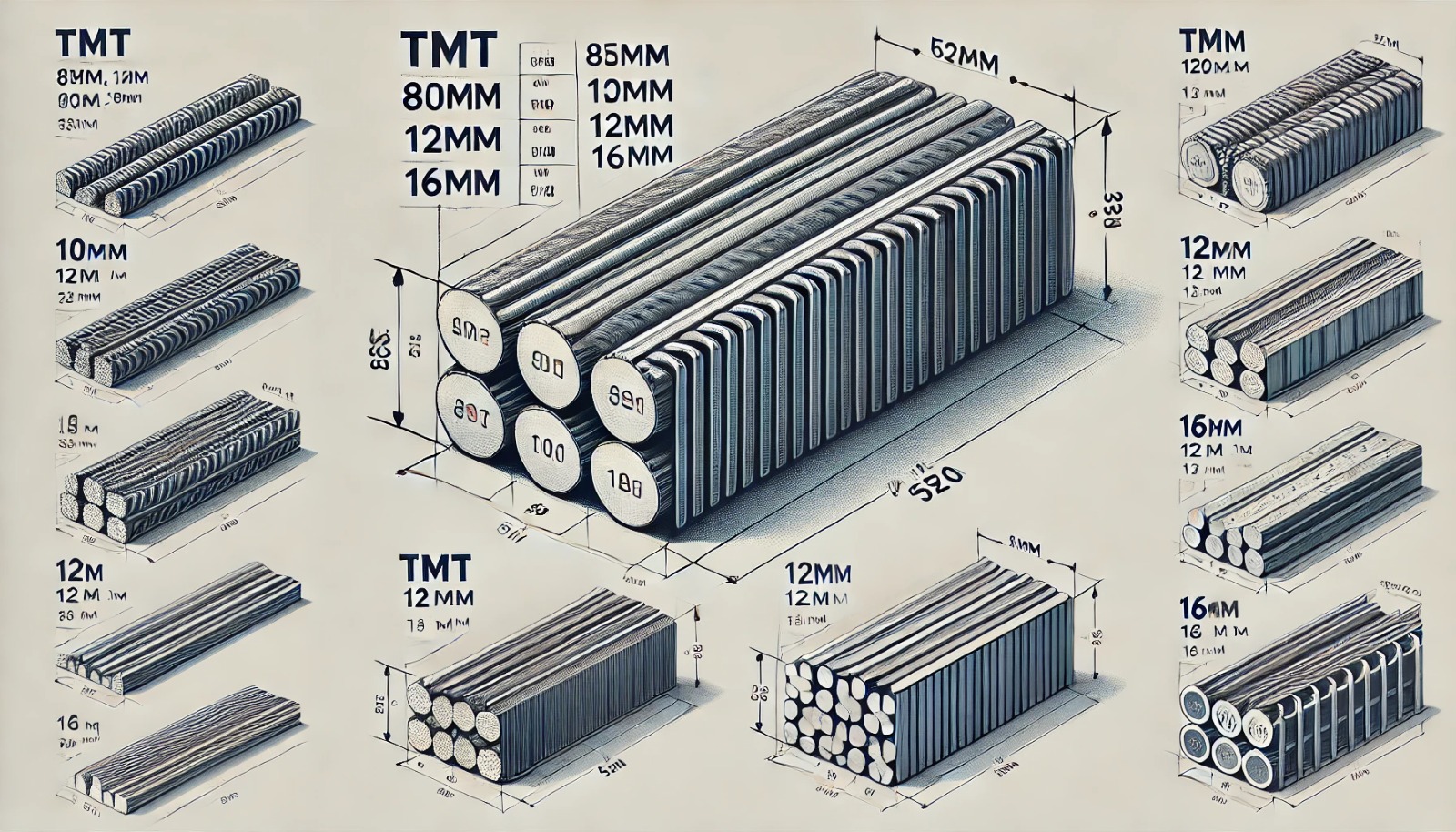
    TMT Steel Bar Weight – 8mm, 10mm, 12mm & 16mm Steel Bars

    TMT (Thermo Mechanically Treated) steel bars are essential components in the construction industry, known for their strength, flexibility, and durability. TMT bars, with varying diameters and weights, are widely used in concrete reinforcement, ensuring that structures can withstand high stress and environmental conditions. Below, we provide an in-depth guide on the weights, uses, and specifications of 8mm, 10mm, 12mm, and 16mm TMT steel bars, helping you make informed decisions for your construction projects.

    Understanding TMT Steel Bars: Types and Benefits

    TMT bars are manufactured using a highly specialized process involving quenching, self-tempering, and annealing, which imparts strength and ductility to the steel. This makes TMT bars ideal for construction projects requiring high structural integrity. They provide earthquake resistance, fire resistance, and superior bonding strength with concrete, making them the first choice for construction projects worldwide.

    Calculating TMT Steel Bar Weight

    The weight of TMT steel bars is crucial to determine the load-bearing capacity and overall strength they bring to a structure. Knowing the weight of TMT bars of different diameters is essential for calculating materials, costs, and the structural load. TMT bars typically follow a formula for weight calculation:

    Formula: Weight per meter (in kg) = (D^2 / 162)
    Where D is the diameter of the bar in millimeters.

    Using this formula, we can quickly calculate the weights of 8mm, 10mm, 12mm, and 16mm TMT bars. Here’s a breakdown of the individual weights:

    1. 8mm TMT Steel Bar Weight

    Diameter: 8mm
    Weight per meter: Calculated as (8^2 / 162) ≈ 0.395 kg/m.

    The 8mm TMT steel bars are primarily used in areas requiring lesser load-bearing capacity, like small residential buildings, floor slabs, and columns. The lightweight nature of the 8mm bar makes it ideal for secondary reinforcement in beams and concrete slabs.

    2. 10mm TMT Steel Bar Weight

    Diameter: 10mm
    Weight per meter: Calculated as (10^2 / 162) ≈ 0.617 kg/m.

    10mm TMT bars offer higher strength than 8mm bars and are often used in residential and commercial buildings. They are suitable for use in columns and in the primary framework where moderate structural strength is required. These bars also provide additional stability in earthquake-prone areas due to their flexibility.

    3. 12mm TMT Steel Bar Weight

    Diameter: 12mm
    Weight per meter: Calculated as (12^2 / 162) ≈ 0.888 kg/m.

    12mm TMT bars are commonly used in larger structures, such as commercial complexes, bridges, and high-rise buildings. Their weight and strength make them suitable for heavy-load areas, including columns and beams. These bars contribute significantly to the overall strength and resilience of a structure, especially in multi-story buildings.

    4. 16mm TMT Steel Bar Weight

    Diameter: 16mm
    Weight per meter: Calculated as (16^2 / 162) ≈ 1.580 kg/m.

    The 16mm TMT steel bar is one of the heaviest and strongest bars available, used in the main load-bearing components of large construction projects. Its high weight per meter allows it to support massive structures and withstand high-stress levels. Often employed in columns, beams, and structural foundations, the 16mm TMT bar provides exceptional stability and robustness to the building structure.

    Comparison of TMT Steel Bar Weights

    Diameter (mm)

    Weight per Meter (kg)

    Primary Uses

    8mm

    0.395 kg/m

    Small residential buildings, floor slabs

    10mm

    0.617 kg/m

    Columns, moderate structural load-bearing

    12mm

    0.888 kg/m

    Commercial buildings, bridges, multi-story

    16mm

    1.580 kg/m

    Large structures, beams, structural columns

    The above table provides a quick reference for the weight and uses of different TMT bar diameters. Choosing the appropriate diameter depends on the requirements of load-bearing capacity and structural stability.

    Key Features and Advantages of TMT Bars

    1. High Strength and Flexibility

    TMT bars are known for their high tensile strength combined with flexibility. The unique manufacturing process enhances their elasticity, enabling them to withstand bending and other stress without breaking.

    2. Corrosion and Fire Resistance

    TMT bars have a protective coating that resists corrosion, even in high-humidity environments. Their thermal stability allows them to withstand high temperatures, making them suitable for structures where fire resistance is essential.

    3. Earthquake Resistance

    TMT bars are designed to absorb energy, providing resistance to earthquakes and other seismic activities. This ductility prevents structural failures, ensuring the safety of buildings and inhabitants.

    4. Cost-Effectiveness

    With their strength and longevity, TMT bars require less maintenance and provide long-term cost savings. Additionally, because of their lightweight nature, these bars reduce transportation costs.

    How to Choose the Right TMT Bar for Your Project

    When selecting TMT bars, consider the following factors:

    • Project Scale and Load Requirements: Choose smaller diameters like 8mm or 10mm for smaller structures, and larger diameters like 12mm and 16mm for more significant projects.

    • Seismic and Environmental Conditions: For projects in earthquake-prone areas, ensure TMT bars with high ductility and earthquake resistance.

    • Grade of Steel: TMT bars are available in different grades (Fe-415, Fe-500, Fe-550, etc.). Higher grades offer greater tensile strength and are suitable for heavy-duty applications.

    • Compliance with Standards: Verify that the TMT bars meet industry standards like IS 1786 in India, which ensures the quality and performance of the steel.

    Advantages of Using TMT Bars in Modern Construction

    TMT bars have revolutionized construction with their reliability, strength, and adaptability to various construction needs. They are especially valuable in:

    • Reinforced Concrete Construction: Enhancing the load-bearing capacity of concrete structures.

    • Infrastructure Projects: High durability and load-bearing capacity make TMT bars suitable for bridges, flyovers, and dams.

    • Sustainable Building Practices: TMT bars are recyclable, aligning with green construction practices aimed at reducing waste.

    Conclusion

    Selecting the correct TMT bar diameter and weight is essential for constructing durable, safe, and cost-effective structures. The varying weights of 8mm, 10mm, 12mm, and 16mm TMT steel bars make them suitable for a range of applications, from small residential buildings to massive infrastructure projects. With their high tensile strength, corrosion resistance, and earthquake resilience, TMT bars offer a robust solution for modern construction needs.

  • W Beam Crash Barrier : Your Road to Safety

    W Beam Crash Barrier : Your Road to Safety

    Understanding W Beam Crash Barrier

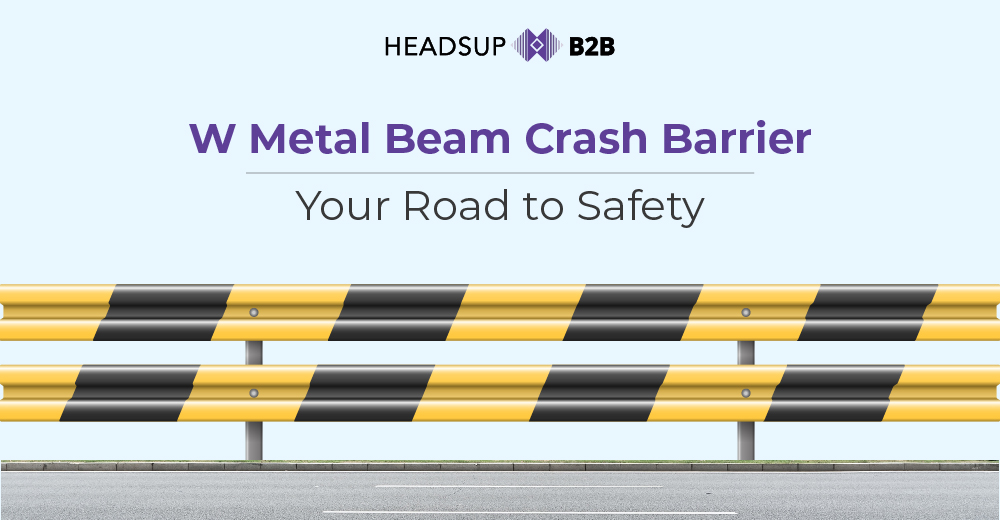
    A W beam crash barrier is a crucial safety component on highways and roads. Designed to protect vehicles and their occupants from severe accidents, these barriers have become an indispensable part of modern road infrastructure.

    What is a Crash Wall?

    Often used interchangeably with crash barriers, a crash wall is a specific type of barrier that is typically rigid and designed to withstand high-impact collisions. While W metal beam barriers are semi-rigid, they are often used in conjunction with crash walls for enhanced protection in specific areas like bridge ends or steep embankments.

    The Importance of W Beam Crash Barrier

    • Absorbing Impact: The unique W-shaped design of the beam allows it to absorb the energy of a collision, reducing the severity of impact on the vehicle.

    • Redirecting Vehicles: In the event of a collision, the barrier helps to redirect the vehicle back onto the road, preventing it from leaving the roadway and potentially causing secondary accidents.

    • Preventing Rollover: The barrier’s design also helps to prevent vehicles from rolling over, significantly reducing the risk of injuries.

    • Improved Visibility: Many W metal beam barriers are equipped with reflective materials to enhance visibility, especially in low-light conditions.

    W Beam Crash Barrier Specifications

    The specifications of a W beam crash barrier vary depending on factors such as road type, traffic volume, and design standards. However, some common specifications include:

    • Material: High-strength steel

    • Beam Shape: W-shaped profile

    • Height: Typically ranges from 800mm to 1100mm

    • Post Spacing: Varies based on design requirements

    • Crash Test Rating: Must meet specific crash test standards for safety

    W Beam Crash Barrier Price

    The price of a W beam barrier is influenced by several factors, including:

    • Length of the barrier: The total length of the barrier required for the project.

    • Material quality: The type of steel used and its grade.

    • Installation complexity: The terrain and conditions of the installation site.

    • Additional features: Any extra components or finishes, such as reflective markings or coatings.

    It’s crucial to obtain quotes from multiple suppliers to compare prices and ensure you’re getting the best value for your investment.

    W Beam Crash Barrier Installation

    Installing a W metal beam crash barrier is a specialized task that requires expertise and adherence to safety guidelines. The process typically involves the following steps:

    1. Site Preparation: Clearing the area, excavating for post holes, and leveling the ground.

    2. Post Installation: Installing the steel posts at specified intervals and ensuring they are securely anchored.

    3. Beam Attachment: Attaching the W-shaped beams to the posts using clamps or bolts.

    4. End Terminals: Installing end terminals to provide additional protection at the ends of the barrier.

    5. Reflective Markings: Applying reflective markings to enhance visibility.

    Note: It’s essential to hire a qualified contractor with experience in crash barrier installation to ensure the project is completed safely and efficiently.

    Conclusion

    W beam crash barriers are essential safety features that can save lives and prevent injuries. By understanding their benefits, specifications, and installation process, you can make informed decisions when selecting and implementing these barriers for your road project.

    FAQ

    1. What is the lifespan of a W beam crash barrier?

    The lifespan of a W metal beam crash barrier depends on several factors, including the quality of materials, installation, maintenance, and traffic conditions. Typically, with proper maintenance, a W beam crash barrier can last for several decades. Regular inspections and repairs are crucial to ensure its continued effectiveness.

    2. Are W beam crash barriers eco-friendly?

    Yes, W metal beam crash barriers are considered environmentally friendly. They are primarily made from steel, a recyclable material. Additionally, they help to prevent accidents, which reduces the environmental impact caused by vehicle damage and potential oil spills.

    3. Can W beam crash barriers be used in all road conditions?

    While W metal beam crash barriers are highly versatile, their suitability depends on specific road conditions. Factors such as traffic volume, speed limits, and terrain must be considered. In extreme weather conditions or mountainous areas, additional safety measures may be required.

    4. How often should W beam crash barriers be inspected?

    Regular inspections are essential to ensure the safety and effectiveness of W metal beam crash barriers. The frequency of inspections depends on factors such as traffic volume and environmental conditions. However, it is generally recommended to inspect the barriers at least twice a year.

    5. What is the difference between a W beam crash barrier and a concrete crash barrier?

    W metal beam crash barrier are typically more flexible and absorb impact better than concrete barriers. They are also generally lighter and easier to install. However, concrete barriers may be more suitable in certain high-impact areas or for specific design requirements.

  • Top 10 Wire Companies in India | Powering the Nation

    Top 10 Wire Companies in India | Powering the Nation

    India’s burgeoning economy has led to a significant increase in demand for electricity, consequently driving the growth of the wire and cable industry. Several companies have emerged as leaders in this sector, offering a wide range of products for residential, commercial, and industrial applications.

    Let’s explore the Top 10 Electric wire companies in India that have made a substantial impact.

    The Powerhouses of the Indian Wire Brands Industry

    1. Polycab India Limited: A household name in India, Polycab is renowned for its extensive product range, including wires, cables, switches, and electricals. With a strong focus on innovation and quality, Polycab has established a dominant position in the market.

    2. Havells India Ltd: A diversified conglomerate, Havells has a significant presence in the wire and cable segment. The company is known for its robust products, wide distribution network, and commitment to safety standards.

    3. Finolex Cables Ltd: A pioneer in the industry, Finolex is synonymous with quality and durability. The company offers a comprehensive range of Electric wires and cables for various applications, catering to both domestic and industrial customers.

    4. KEI Industries Limited: With a strong focus on research and development, KEI Industries has emerged as a leading player in the wire and cable industry. The company is known for its technologically advanced products and its commitment to sustainable practices.

    5. Sterlite Technologies Ltd: While primarily known for its optical fiber cables, Sterlite Technologies also has a significant presence in the copper wire and cable segment. The company’s focus on cutting-edge technology and global expansion has contributed to its growth.

    6. RR Kabel: A rapidly growing company, RR Kabel has gained popularity for its innovative products and competitive pricing. The company offers a wide range of wires and cables for various applications, including residential, commercial, and industrial.

    7. V-Guard Industries Ltd: Primarily known for its water heaters, V-Guard has a substantial presence in the wire and cable industry. The company offers high-quality products with a focus on safety and durability.

    8. Birla Cable Ltd: A part of the Aditya Birla Group, Birla Cable has a strong foothold in the wire and cable market. The company offers a wide range of products, catering to both domestic and export markets.

    9. Apar Industries Ltd: With a focus on aluminum conductors, Apar Industries is a major player in the wire and cable industry. The company has a strong presence in the power transmission and distribution segment.

    10. Universal Cables Ltd: A leading manufacturer of copper and aluminum conductors, Universal Cables has a wide customer base across India. The company offers a diverse product range, catering to various industries.

    Factors to Consider When Choosing The Best Wire in India

    • Quality: Look for companies with a strong reputation for producing high-quality wires and cables.

    • Safety Standards: Ensure that the products comply with relevant safety standards and certifications.

    • Product Range: Choose a company that offers a wide range of products to suit your specific needs.

    • Price: Compare prices from different companies to get the best value for your money.

    Warranty: Consider the warranty offered by the company for its products.

  • Top 10 CPVC Pipe Brands in India 2024

    Top 10 CPVC Pipe Brands in India 2024

    The top 10 CPVC pipe brands in India for 2024 are recognized for their quality, durability, and innovation in plumbing solutions.

    1. Supreme Industries Limited

    Known for a wide range of products, including pipes for drinking water, irrigation, and drainage systems. Supreme has a strong market presence and multiple manufacturing plants across India.

    2. Astral Pipes

    Established in 1996, Astral is renowned for its innovative CPVC plumbing systems. The company has modern production facilities and is committed to high-quality standards.

    3. Prince Pipes and Fittings Limited

    A prominent player since 1987, Prince Pipes offers a variety of CPVC products known for their strength and durability, suitable for both residential and industrial applications.

    4. Ashirvad Pipes Pvt. Ltd.

    Founded in 1998, Ashirvad specializes in CPVC pipes and has a global presence. The brand is noted for its robust manufacturing processes and quality assurance.

    5. Finolex Industries Limited

    One of the oldest manufacturers in the industry, Finolex is recognized for its high-quality CPVC pipes that are flexible and resistant to temperature variations.

    6. Apollo Pipes Limited

    Apollo provides a diverse range of CPVC products suitable for various applications, including plumbing and agricultural uses. The company emphasizes quality and customer satisfaction.

    7. Jain Irrigation Systems Limited

    Jain Irrigation is known for its energy-efficient piping solutions that cater to agriculture and water management systems

    8. Skipper Limited

    Skipper offers CPVC pipes with good insulation properties, making them suitable for various plumbing needs.

    9. Kisan Mouldings Limited

    Kisan specializes in producing pipes with excellent chemical resistance, making them ideal for industrial applications.

    10. Ajay Industrial Corporation Limited

    Known for its corrosion-resistant pipes that are free from scaling, Ajay Industrial focuses on providing reliable plumbing solutions.

    These brands are recognized not only for their product quality but also for their commitment to innovation and sustainability in the piping industry.

  • Top 7 HT Strand Brands Approved by NHAI for Your Next Construction Project

    Top 7 HT Strand Brands Approved by NHAI for Your Next Construction Project

    When it comes to large-scale construction projects, High Tensile (HT) strands play a crucial role in providing structural integrity, particularly in bridges, highways, and other infrastructure projects. With the increasing demand for reliable construction materials, it is important to select high-quality HT strand brands that meet the standards set by the National Highways Authority of India (NHAI).

    In this article, we will explore the top 7 HT strand brands approved by NHAI for your next construction project. These brands have a strong reputation for producing durable and high-performance materials that ensure the safety and longevity of infrastructure projects.

    1. Usha Martin Ltd

    One of the most well-known names in the steel industry, Usha Martin Ltd. is a leading manufacturer of HT strands. The company’s products are known for their superior quality and adherence to international standards. NHAI-approved HT strands from Usha Martin are designed to withstand high loads, making them ideal for use in bridges, flyovers, and other large-scale infrastructure projects.

    Their prestressed concrete strands (PC strands) are popular due to their high tensile strength, corrosion resistance, and long life, ensuring the durability and resilience of the structures in which they are used. With manufacturing units located across India, Usha Martin ensures quick delivery to project sites, making them a top choice for timely construction requirements.

    2. Bharat Wire Ropes Ltd

    Bharat Wire Ropes Ltd. is another major player in the HT strand market, known for producing high-quality prestressed concrete strands that meet NHAI’s rigorous standards. Bharat Wire Ropes is known for its precision manufacturing processes, which guarantee high performance and durability in even the most demanding construction environments.

    Their HT strands are used extensively in highway construction, bridge-building, and railway infrastructure projects. Their wide range of wire ropes and strands are known for their superior mechanical properties, including excellent fatigue resistance and load-bearing capacity, ensuring long-lasting performance under extreme conditions.

    3. Tata Steel Ltd.

    Tata Steel Ltd., one of India’s largest steel producers, has been at the forefront of innovation in the steel industry for decades. Their HT strands, approved by NHAI, are engineered to meet the specific needs of modern infrastructure projects, delivering exceptional performance, durability, and reliability.

    Tata Steel’s prestressed concrete strands are known for their high tensile strength, precision engineering, and consistency in quality, making them ideal for large-scale infrastructure projects such as bridges and highways. The company’s global expertise in steel production ensures that their HT strands are always at the cutting edge of technology, offering unparalleled performance in the field.

    4. Sterlite Technologies Ltd.

    Sterlite Technologies Ltd. is a leading manufacturer of HT strands with a focus on high-performance materials designed for infrastructure projects that require superior strength and longevity. Their prestressed concrete strands are corrosion-resistant, providing long-term reliability and safety in even the most challenging environments.

    Sterlite Technologies’ products are NHAI-approved and widely used in bridge construction, highway projects, and high-tension applications. Their reputation for delivering high-quality strands with consistent performance makes them a trusted name in the industry, particularly for projects that demand the highest level of safety and structural integrity.

    5. Steel Authority of India Ltd. (SAIL)

    Steel Authority of India Ltd. (SAIL) is one of India’s largest state-owned steel producers, known for its high-quality steel products including HT strands. SAIL’s HT strands meet the stringent quality standards set by NHAI, ensuring that they can withstand the rigorous demands of infrastructure projects.

    SAIL’s prestressed concrete strands are highly sought after for their high tensile strength and superior load-bearing capacity. Their products are widely used in road construction, bridges, and other infrastructure projects where strength and durability are key factors. With a strong presence across India, SAIL ensures consistent supply and support for large-scale construction projects.

    6. Indian Steel Corporation Ltd.

    Indian Steel Corporation Ltd. is known for its precision-engineered HT strands that meet NHAI’s strict quality requirements. The company’s products are widely used in bridges, highways, and other infrastructure projects due to their corrosion resistance, high tensile strength, and ability to handle high loads.

    Their HT strands are manufactured using advanced technology, ensuring consistency in quality and performance across all batches. Indian Steel Corporation’s dedication to innovation and quality control has made them a preferred choice for NHAI-approved infrastructure projects.

    7. JSW Steel Ltd.

    As one of India’s leading steel manufacturers, JSW Steel Ltd. produces prestressed concrete strands that are NHAI-approved for use in highway and bridge construction. JSW’s HT strands are known for their exceptional tensile strength, corrosion resistance, and high load-bearing capacity, ensuring the long-term durability of the structures they are used in.

    JSW Steel’s HT strands are engineered to deliver optimal performance in the most demanding construction environments. Their consistent quality control and adherence to international standards make them a top choice for large-scale infrastructure projects in India.

    Why Choose NHAI-Approved HT Strands?

    The NHAI approval ensures that the HT strands you select for your construction projects meet stringent quality and safety standards. Using NHAI-approved brands not only guarantees the reliability and performance of the materials but also ensures that your project complies with national regulations.

    These brands have established themselves as leaders in the prestressed concrete strand industry, offering superior strength, durability, and resistance to environmental factors like corrosion and fatigue. By choosing NHAI-approved HT strands, you can be confident in the longevity and safety of your infrastructure projects.

    Conclusion

    Selecting the right HT strand for your next construction project is crucial to ensuring the safety, durability, and longevity of your infrastructure. The top 7 NHAI-approved brands listed above—including Metal Solutions provide a range of high-quality, high-performance options that meet the evolving demands of modern infrastructure projects. Known for its commitment to quality, strength, and compliance with industry standards, Metal Solutions stands alongside other trusted manufacturers in delivering reliable HT strands for highways, bridges, and large-scale developments. By choosing one of these trusted brands, you can ensure that your project is built to last.

  • How Many Types of Sand Used in Construction?

    How Many Types of Sand Used in Construction?

    Sand is a crucial material in the construction industry, playing an essential role in building foundations, creating concrete, and ensuring the durability of structures. The type of sand used can significantly affect the strength, stability, and overall quality of a construction project. In this comprehensive article, we explore the different types of sand used in construction, their specific purposes, and why choosing the right sand is vital for every building project.

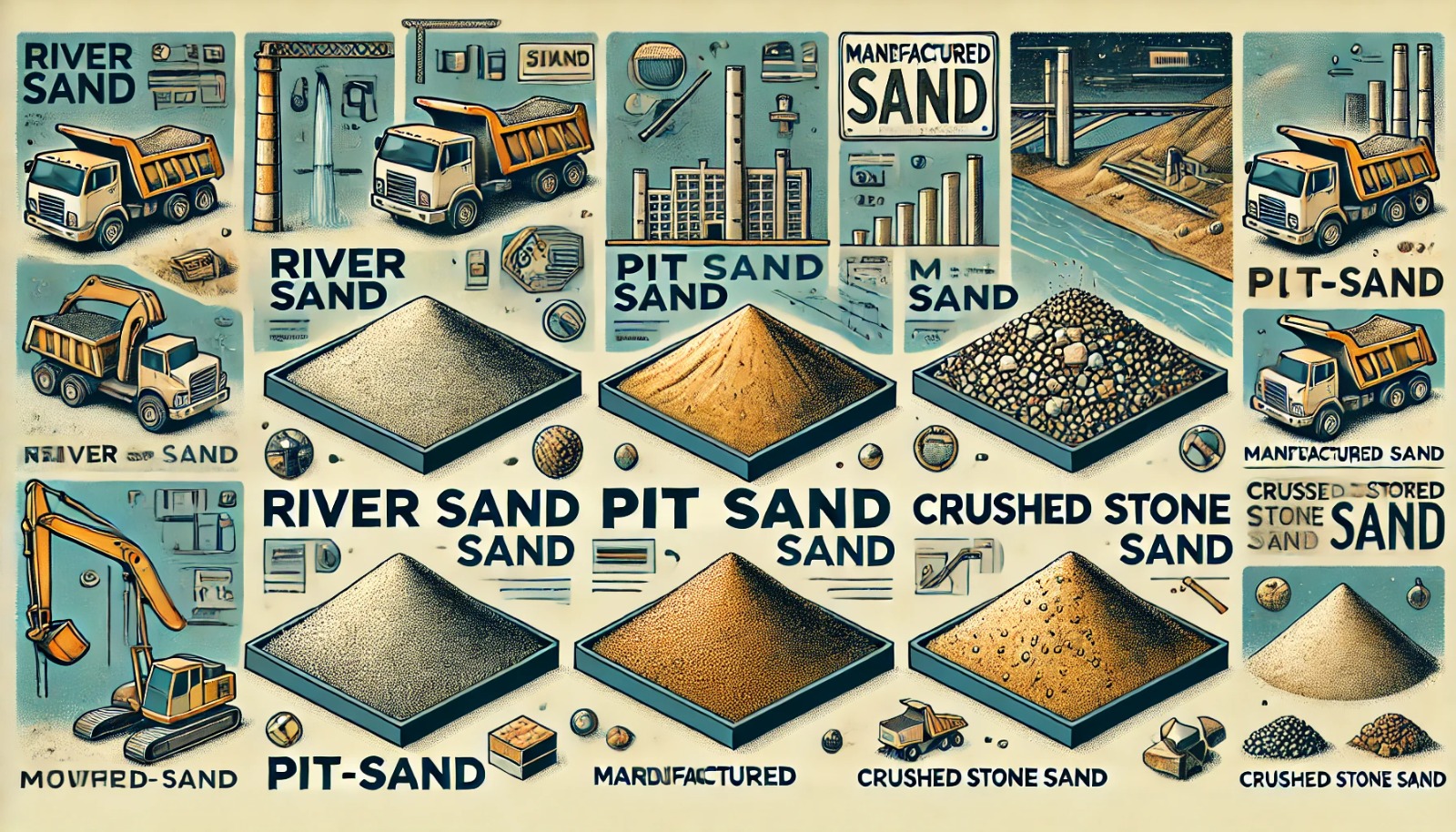
    7 Types of Sand Used in Construction and Their Uses

    1. River Sand

    River sand is one of the most commonly used types of sand in construction. Sourced from riverbeds, this sand has a smooth texture, fine grains, and is typically free of impurities. It is well-suited for plastering and masonry work due to its high quality and smooth consistency. River sand’s natural properties also make it ideal for concrete production, providing strength and a solid finish to structures.

    Advantages of River Sand

    • High-quality texture: Ensures smooth finishes in plastering and brickwork.

    • Naturally occurring: Readily available from riverbeds.

    • Cost-effective: Commonly used and affordable.

    However, excessive extraction of river sand can lead to environmental concerns, such as erosion and disruption of aquatic ecosystems, prompting the search for alternative sand sources.

    2. P Sand

    P sand is extracted from deep pits in the ground, usually from sandy soils located far from rivers and streams. It is coarse and angular, making it suitable for concrete production where strength is required. Its rough texture allows for a better bond with other materials, like cement and gravel, which enhances the durability of reinforced concrete structures.

    Advantages of Pit Sand

    • Angular particles: Provide better bonding in concrete mixes.

    • Free from salts: Prevents the risk of corrosion in reinforcement bars.

    • High strength: Suitable for structural applications.

    Due to its coarse nature, pit sand is not suitable for plastering work, as it can produce a rough finish.

    3. Manufactured Sand (M-Sand)

    Manufactured sand (M-sand) is an artificially created type of sand, made by crushing hard granite stones. It has become a popular alternative to natural sand, especially in areas where river or pit sand is not readily available. M-sand is used extensively in concrete production and other construction applications, and it offers several benefits over natural sand types.

    Advantages of Manufactured Sand (M Sand)

    • Consistent quality: M-sand is manufactured to specific standards, ensuring uniform grain size and purity.

    • Environmental sustainability: Reduces the need for river sand extraction.

    • Improved strength: Enhances the strength of concrete due to its angular and rough texture.

    M-sand is also less prone to impurities, such as silt and clay, which can weaken the concrete mixture.

    4. Sea Sand

    Sea sand is sourced from coastal areas and beaches. Although abundant, sea sand is less commonly used in construction due to its high salt content, which can cause corrosion of steel reinforcement in concrete. However, when properly treated and washed, sea sand can be used in certain applications where the risk of corrosion is minimized.

    Advantages of Sea Sand

    • Abundance: Easily available in coastal areas.

    • Cost-effective: Generally cheaper than river or pit sand.

    Despite its availability, the high salt content of sea sand limits its usage in most construction projects unless it undergoes thorough desalination and cleaning processes.

    5. Desert Sand

    Desert sand is abundant in arid regions, but it is rarely used in construction due to its fine grain size and smooth texture, which makes it unsuitable for concrete. Desert sand particles are too fine to bind properly with cement, leading to weak concrete mixtures. Although recent innovations in construction materials have explored ways to use desert sand, its use remains limited.

    Challenges of Using Desert Sand

    • Fine texture: Does not provide adequate bonding in concrete.

    • Smooth surface: Reduces the overall strength of the material.

    As of now, desert sand is primarily considered a last resort or experimental material for specialized construction projects.

    6. Quarry Dust

    Quarry dust is a byproduct of stone crushing and is often used as a replacement for sand in construction. It is coarser than typical sand but can be used in various construction applications, including paving, concrete blocks, and road construction. Quarry dust is highly valued for its cost-effectiveness and availability, especially in areas where traditional sand sources are scarce.

    Advantages of Quarry Dust

    • Affordable: A byproduct that reduces waste from stone quarries.

    • Improved strength: Can enhance the strength of concrete mixtures.

    • Widely available: Readily accessible in quarrying areas.

    Quarry dust’s coarse texture limits its use in fine plastering work, but it is an excellent option for filling material and road construction.

    7. Crushed Stone Sand

    Crushed stone sand is made by mechanically crushing rocks into small particles. Like manufactured sand, it provides an alternative to natural sand in construction, offering good binding properties and strength. Crushed stone sand is especially useful in concrete mixes and masonry work, as it can improve the durability and stability of structures.

    Advantages of Crushed Stone Sand

    • High strength: Suitable for structural applications.

    • Cost-effective: A practical substitute for natural sand in many regions.

    • Versatility: Can be used in concrete, mortar, and other construction materials.

    Choosing the Right Sand for Next Construction Projects

    Types of sand used in construction plays a critical role in the strength, durability, and overall success of any construction projects. Each sand has specific properties that make it suitable for different applications, from river sand’s smooth texture for plastering to pit sand’s coarse grains for concrete. With the growing emphasis on sustainability and the limited availability of natural sand, alternatives like manufactured sand and quarry dust are becoming increasingly popular.

    By understanding the properties and best uses of each type of sand, construction professionals can make informed decisions that optimize project outcomes, enhance structural integrity, and minimize environmental impacts.