Category: Uncategorized

  • Understanding the Importance of Structured Steel in Industrial Applications

    Understanding the Importance of Structured Steel in Industrial Applications

    Steel is a fundamental component that acts as a backbone for the development of modern industries. It is everywhere in the urban world, from the skyscrapers that constitute our city skylines to the man-made machines working in factories In today’s blog, we will dive deep into the world of steel structures, considering their meaning, application, and benefits in industrial surroundings. By the end of this article, you will understand why structured steel is the material of choice for a wide range of projects and how HeadsUp B2B, a leading B2B platform, simplifies the process of buying steel online.

    What is Steel and its Types?

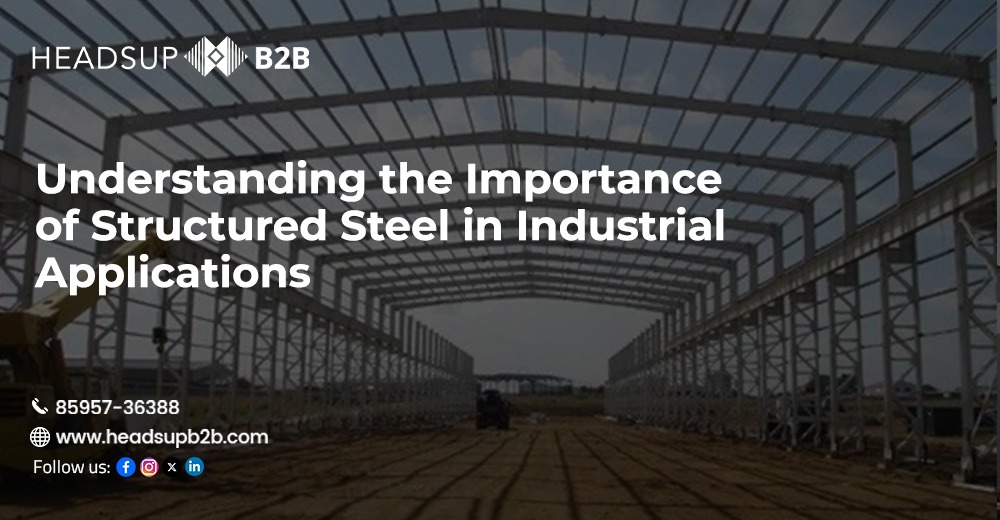
    Steel that is utilised in a variety of forms as a building material is called structural steel. These forms frequently have particular cross-sectional profiles that resemble beams that are extended.

    Structural steel is designed with specific shapes and sizes for various projects including buildings, roads, bridges, and other structures. This kind of material may be fabricated using a variety of techniques, including sophisticated welding, bending, hot and cold rolling, etc.

    Types of Steel:

    There are four major types of structural steel:

    • Carbon Steel

    • High steel Low-Alloy Steel

    • Forged Steel

    • Quenched and Tempered Alloy steel

    Understanding Applications of Steel:

    • Construction: Steel is the backbone of the construction industry. It is used for constructing frames, pillars, and girders that form strong, enduring monuments. Structured steel of various sizes, ranging from office buildings to large-scale warehouses, is one of the key elements that can support these.

    • Bridges and Highways: Steel is also essential for building robust bridges that can withstand heavy traffic and extreme loads. It is also used in highway construction for guardrails, signposts, and overpasses, ensuring safety and longevity.

    • Automotive and Transportation: The strength and durability of structured steel make it ideal for automotive frames, ensuring vehicle safety. Furthermore, it is commonly used in railroad tracks, which supply a stable and prolonged base for transport systems.

    • Energy Infrastructure: Structured steel is an essential element of all power transmission towers, wind turbine support structures, and platforms for oil and gas production. It can function in extreme conditions like extreme cold or extreme heat without losing its efficiency. This makes it an ideal source of energy to reduce unreliability in energy distribution and production.

    • Manufacturing: In the manufacturing sector, steel is used for machinery frames, production equipment, and conveyor systems. Its strength and precision enable efficient and reliable production processes.

    Importance of Steel in Industrial Applications

    Metallic steel isn’t just a material; it is a game changer for all industries. Here’s why it’s so crucial:

    • Enhanced Structural Integrity: From strength from its ability to support machinery to its robust nature, steel delivers unrivalled reliability and safety.

    • Boosted Efficiency: With structured steel, manufacturing processes become smoother and more efficient, minimising downtime and maximising productivity.

    • Longevity and Sustainability: Steel isn’t just firm; it’s built to last. Its resistance to environmental factors and corrosion ensures longevity, making it a sustainable choice for businesses looking to reduce their ecological footprint.

    • Cost-effectiveness: Although it has premium qualities, steel is still the most cost-effective alternative for businesses. Such a solution brings them long-term values that overshadow the initial investment costs.

    • Testimonials Speak Volumes: Don’t just take our word for it; industry leaders across various sectors swear by the transformative power of structured steel. From automotive giants to aerospace innovators, steel has left an indelible mark on industrial landscapes worldwide.

    Strength of Steel:

    Yield Strength:

    Since yield strength serves as the foundation for the majority of the guidelines provided in design codes, it is the most frequently required attribute for designers. The yield strength is the principal identifier used in European Standards for structural carbon steels (including weathering steel). For example, S355 steel is a structural steel that has a minimum yield strength of 355 N/mm².

    The allowed range of values for the ultimate tensile strength (UTS) is also specified in the product standards. There are design factors that are pertinent to the minimum UTS.

    Tensile Strength:

    The steel’s tensile strength indicates the maximum tensile stress that the material can bear before failing in either a brittle or ductile manner.

    Consider ductile failure to be the initial phase of failure, occurring when the material is forced past the yield point and into irreversible deformation.

    The last step at which the tensile strength is measured is brittle failure.

    Tensile strength is essentially determined by the highest stress that steel can bear before breaking when it is stretched or pulled.

    Buy Steel Online: Convenience and Efficiency

    When it comes to procurement, HeadsUp B2B offers a seamless and reliable platform to buy steel online. Here’s why it’s advantageous:

    • Supplier Network: HeadsUp B2B connects you with a vast network of reputable steel suppliers and manufacturers. This ensures competitive pricing, high-quality products, and access to specialised steel grades.

    • Streamlined Procurement: When you buy steel online, it simplifies the procurement process. With just a few clicks, you can source structured steel from trusted suppliers, saving time and resources.

    Quality Assurance: HeadsUp B2B prioritises quality. Our platform ensures that suppliers provide detailed product specifications, allowing buyers to make informed decisions. We also facilitate direct communication between buyers and suppliers, ensuring your structured steel meets your exact requirements.
  • Finding Steel Suppliers Near Me: City-centric Strategies and Benefits Unveiled

    Finding Steel Suppliers Near Me: City-centric Strategies and Benefits Unveiled

    With unending construction projects all over the world, businesses require reliable steel suppliers nearby. The search for great-quality steel materials at low prices can be simplified by the use of local suppliers if you are working on a building or manufacturing project.

    However, the quest for the right steel suppliers near me can often feel like searching for a needle in a haystack, especially when considering factors like transportation costs, logistics, and project timelines. But fear not, because, in this guide, we will discuss how to identify the types of steel products required and research suitable suppliers locally.

    Understanding the Need for Local Steel Suppliers

    • Challenges of Distance: Sourcing steel from distant suppliers introduces a myriad of challenges, from inflated transportation costs to prolonged lead times. Such challenges can affect project timelines, thereby imposing fiscal strains on contracted foreign suppliers; hence, local suppliers become an attractive alternative.

    • Impact of Transportation Costs: Every mile adds to the cost of transporting steel, impacting your bottom line. Through local sourcing, you can cut your transportation costs significantly; hence, the saved capital can be used for other imperative aspects of your project.

    • Timely Deliveries: In the world of construction and manufacturing, time is of the essence. The steel delivery delays can sequentially turn into project miscalculations, which might disrupt time schedules and budgets. Partnering with local suppliers ensures timely deliveries, keeping your projects on track.

    • Risk Mitigation: Local supplier partnerships offer a level of risk mitigation that is unparalleled. Being in proximity serves to address issues quickly, help avert supply chain hazards, and produce a feeling of safety and trust.

    City-centric Strategies for Finding Steel Suppliers Near Me

    • Utilising Local Resources: Tap into local business directories, trade associations, and chambers of commerce to discover a wealth of steel suppliers in your vicinity. These resources are priceless, and they go a long way in forging economic links in your industrial space.

    • Harnessing Online Platforms: Leverage the power of online search engines and B2B platforms like Headsup B2B to streamline your supplier search. Modern platforms have advanced search and filter features. These portals make it simple for individuals to spot genuine steel suppliers.

    • Networking within Industrial Clusters: Engage with industry peers and participate in trade events and networking sessions within your city’s industrial clusters. These meetings provide networks for partnerships as well as know-how for local procurement vendors.

    • Seeking Referrals: Don’t underestimate the power of word-of-mouth recommendations. Reach out to colleagues, suppliers, and contractors for referrals to trusted steel suppliers in your area. The credibility of personal endorsements is crucial to the choice of supplier.

    Benefits of Partnering with Steel Suppliers Near Me

    • Reduced Transportation Costs: By sourcing steel locally, you can slash transportation costs and optimise your procurement budget. This cost-saving measure directly contributes to the overall profitability of your projects.

    • Enhanced Communication: Proximity fosters better communication and collaboration between you and your steel suppliers. Visiting the sites, starting real-life dialogues, and understanding all possible demands from the clients is the best way to gain a broader insight into the project. This helps to achieve better results.

    • Improved Flexibility: Local suppliers offer greater flexibility and responsiveness to your project’s evolving needs. Whether it’s adjusting order quantities or accommodating last-minute changes, local suppliers can adapt quickly to keep your project moving forward.

    • Community Engagement: Partnering with local suppliers not only benefits your business but also contributes to the growth and prosperity of your community. Buying goods and services from local industries significantly strengthens the local economy. It also improves the lives of people in the community.

    How Headsup B2B Facilitates Finding Steel Suppliers Near Me

    • Advanced Search Functionality: Headsup B2B’s intuitive search and filter features help businesses find steel suppliers that meet their specific needs.The platform ensures precise matches based on location, product specifications, or industry certifications.

    • Testimonials and Case Studies: Hear firsthand accounts from businesses that have successfully found local steel suppliers through Headsup B2B. Real-life testimonials and case studies highlight the platform’s effectiveness in creating meaningful supplier partnerships.

  • Belts: Essential Components of Conveyor Systems

    Belts: Essential Components of Conveyor Systems

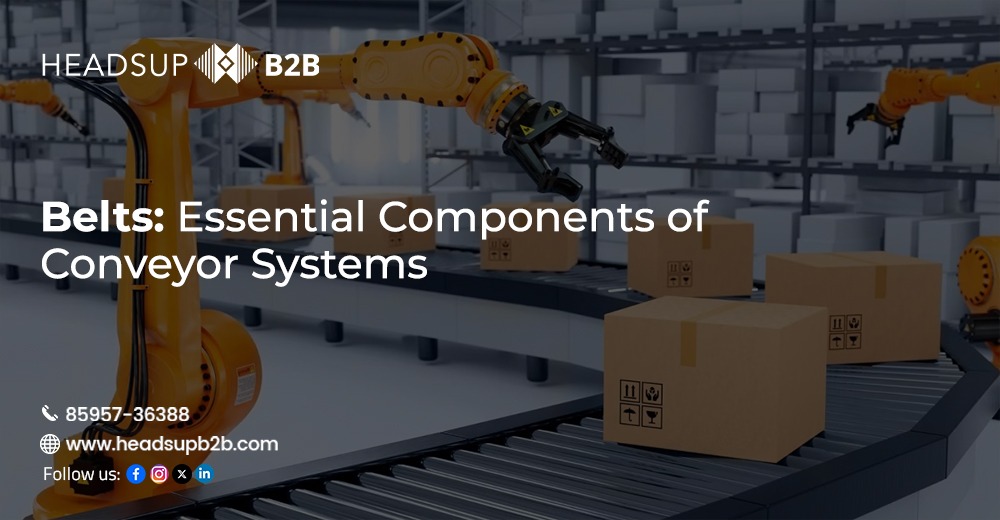
    Every day, millions of tonnes of raw materials and finished goods flow from one point to another inside manufacturing facilities worldwide. While these goods may be transported over short or long distances, there’s no denying that they all rely on one common piece of equipment – industrial conveyor belts. But what makes them so critical? And why should manufacturers invest their time and resources into upgrading their existing systems or purchasing new ones? This blog post is going to answer these questions and it gives information about industrial conveyor belts, their use in modern manufacturing operations, and so on.

    Understanding Industrial Conveyor Belts

    Industrial conveyor belts are diverse, and tailored for specific applications and environments. Here’s a breakdown:

    1. Flat belts (tension belts): These handle horizontal movement well, commonly used in mining and quarrying for transporting heavy materials.

    2. Chain belts: Featuring metal chains on rubber surfaces, they excel at carrying heavier loads at higher speeds without wearing out quickly.

    3. Flexible conveyor belts: These adapt to uneven surfaces and different widths, frequently found in the packaging, food processing, and pharmaceutical industries.

    4. Polyurethane conveyor belts: Offering excellent abrasion resistance and flexibility, they’re preferred in the chemical and sanitary conveyance industries.

    Understanding these distinctions helps manufacturers choose the most suitable belt for their needs.

    Benefits of Using Industrial Conveyor Belts

    When designing and implementing conveyor systems, several variables must be considered:

    • Operating Speed: This varies based on the product and its destination.

    • Capacity: Refers to the maximum volume of goods a conveyor can handle at once. Selecting appropriately sized belts ensures smooth integration with existing operations.

    • Material Type and Weight: Knowing the exact materials being carried allows engineers to choose the right combination of belt thickness, strength, and loading capacity.

    • Environmental Conditions: Factors such as temperature changes, moisture exposure, and dust accumulation must be considered during the design phase.

    • Safety Standards: Compliance requires protective features like covers and guardrails to prevent accidents caused by foreign objects entering the conveyor or employees interacting with moving parts.

    Investing in thorough research upfront leads to increased productivity, reduced downtime, and lower maintenance costs in the long run.

    Importance of Quality Control and Maintenance Practices

    Quality control is an important factor in preserving industrial conveyor belts’ durability and dependability. Routinely checking and testing equipment allows operators to identify flaws early on. This prevents delays and unnecessary costs caused by repairs. The cleaning and maintenance schedule is an integral part of mitigating wear and tear from soiling, dust, and dirt, as well as buildup from the trash. Proper alignment means that the belt travels along a straight line, which reduces friction, consumes less energy, and extends the belt’s life.

    Select suppliers with rigorous quality controls to guarantee superior performance and exceptional customer service throughout your system’s lifespan. Continuous monitoring aids in identifying potential issues in advance, ensuring timely resolution, and ultimately enhancing productivity.

    Staying Ahead: The Strategic Importance of Investing in Advanced Industrial Conveyor Belts Technology

    Manufacturing units striving for a competitive edge cannot afford to ignore developments in conveyor belt innovation. Thus, they must invest strategically in this technology as it continues to evolve. Working with dependable vendors proficient in delivering state-of-the-art industrial conveyor belts brings numerous benefits to companies. It enables them to remain successful even during times of constant economic adjustment. Headsup B2B is your reliable partner for connecting with suppliers who understand the importance of reliable belts and accessories. Contact us now to explore the benefits of our extensive partner network and exceptional customer service.

  • 10 Tips for Choosing the Right Wire and Cable

    10 Tips for Choosing the Right Wire and Cable

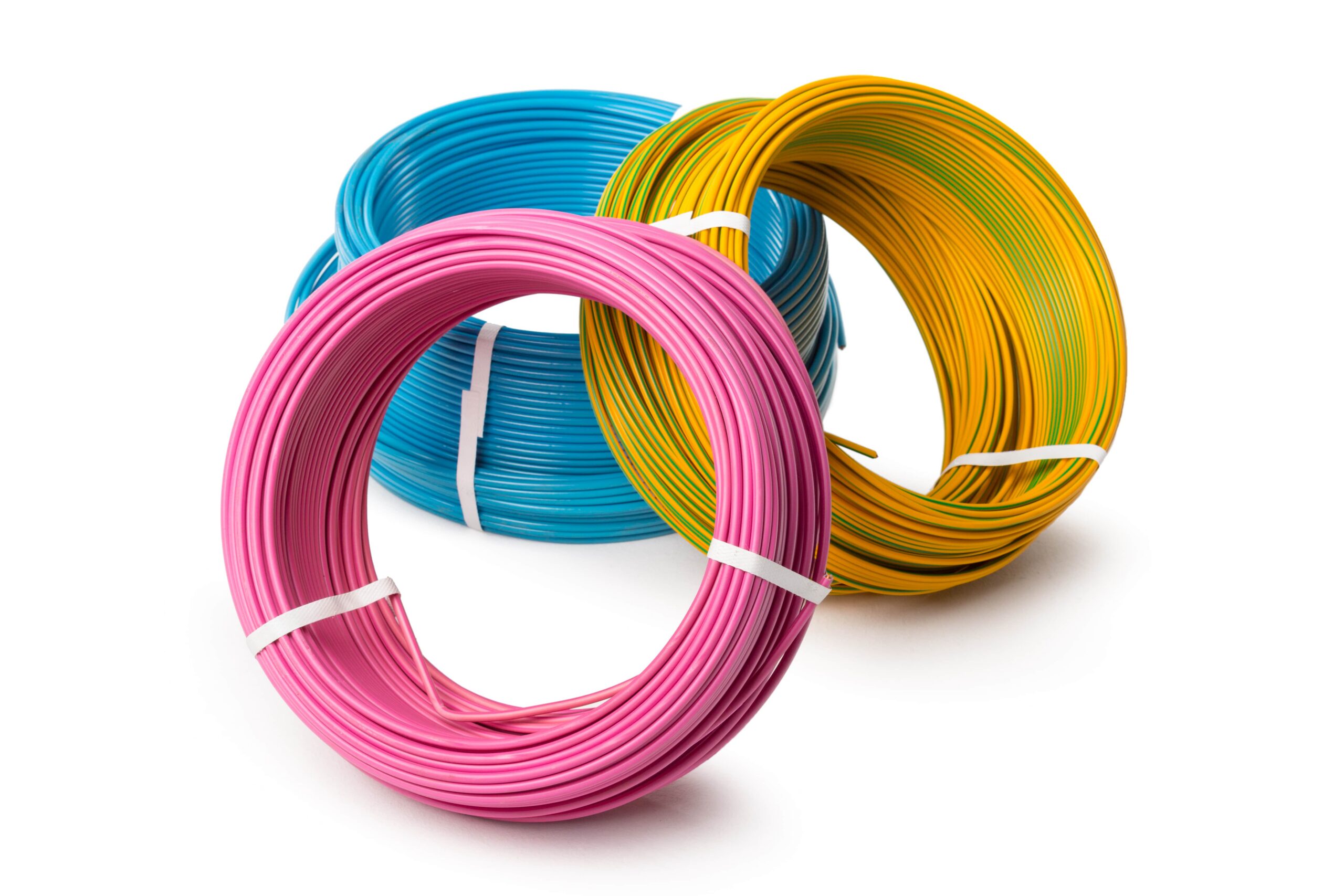
    Choosing the right wire and cable is crucial for the safety and efficiency of any electrical system. Whether you’re working on a home project, industrial installation, or commercial application, selecting the correct wire and cable ensures optimal performance and reduces the risk of electrical hazards. Here are ten essential tips to help you make the right choice.

    1. Understand Your Requirements

    Before you start shopping for wires and cables, it’s important to understand your specific needs. Consider the type of application, the amount of power required, and the environment in which the cables will be used. Knowing these details will help you narrow down your options and select the most suitable wire and cable.

    2. Check the Voltage Rating

    Each wire and cable comes with a voltage rating, indicating the maximum voltage it can safely carry. Ensure that the voltage rating of the wire matches or exceeds the voltage of your application to prevent overheating and potential electrical failures.

    3. Consider the Current-Carrying Capacity

    The current-carrying capacity, or ampacity, is the maximum amount of current a wire can carry without overheating. Choose a wire with an ampacity that matches or exceeds the current requirements of your application. Using a wire with insufficient ampacity can lead to overheating and fire hazards.

    4. Select the Right Wire Gauge

    Wire gauge refers to the thickness of the wire, with lower numbers indicating thicker wires. Thicker wires can carry more current and are less prone to voltage drops. For long-distance applications, choose a thicker wire to minimize energy loss and ensure efficient power transmission.

    5. Consider the Environmental Factors

    Environmental conditions play a significant role in wire and cable selection. Factors such as temperature, humidity, exposure to chemicals, and mechanical stress can affect the performance and longevity of the cables. Choose wires and cables with appropriate insulation and jacket materials to withstand the specific environmental conditions of your application.

    6. Evaluate Flexibility and Bend Radius

    Some applications require wires and cables to be flexible and capable of bending without damage. Consider the flexibility and bend radius of the cable, especially if it will be routed through tight spaces or subjected to frequent movement.

    7. Check for Certifications and Standards

    Ensure that the wires and cables you choose meet industry standards and certifications. Look for markings such as UL (Underwriters Laboratories), CSA (Canadian Standards Association), or IEC (International Electrotechnical Commission). These certifications guarantee that the cables meet safety and performance standards.

    8. Determine Shielding Requirements

    In environments with high electromagnetic interference (EMI), such as industrial settings or areas with heavy machinery, using shielded cables can prevent signal degradation and ensure reliable performance. Determine if your application requires shielding and choose the appropriate type of shielded cable.

    9. Plan for Future Expansion

    When selecting wires and cables, consider potential future expansion. Choosing cables with higher capacity than currently needed can save time and money in the long run by accommodating future upgrades without the need for rewiring.

    10. Consult with a Professional

    If you’re unsure about the right wire and cable for your application, consult with a professional electrician or a cable supplier. They can provide expert advice and help you make an informed decision based on your specific requirements.

    Conclusion

    Choosing the right wire and cable is essential for the safety, efficiency, and reliability of any electrical solutions. By considering factors such as voltage rating, current-carrying capacity, environmental conditions, and industry certifications, you can ensure that your wire and cable selections meet your needs and provide long-lasting performance. Always prioritise safety and consult with professionals when in doubt.

  • Tips for Selecting the Right Spare Parts for Industrial Machinery

    Tips for Selecting the Right Spare Parts for Industrial Machinery

    Did you know that unplanned downtime costs industrial manufacturers an estimated billion annually in the United States alone? Every single second of incessant machine malfunction is equivalent to unproductivity, missed deadlines, and ultimately, a notable loss in profitability. In such a high-stakes environment, selecting the right spare parts for your industrial machinery is not just a matter of convenience – it’s a strategic imperative. Fortunately, with the proliferation of online platforms like Headsup B2B, the process has become more accessible than ever. Let’s start a journey where together we will discover how to procure the best spare parts online that will save the best efficiency in industrial machines.

    Understanding Your Machinery Needs

    Before proceeding with spare parts procurement, always ensure you have enough knowledge about your machinery’s function and purpose. Conducting a careful estimation of your equipment, identifying vital elements, and being aware of their specifications is the first level of this activity. By assessing frequency replacement schedules and maintenance schedules as well, you will be able to pinpoint the spare parts used to keep your operations running smoothly.

    Researching Spare Parts Online

    Recently, B2B marketplaces with the option to buy spare parts online have spread widely. Through this utilisation of these resources, businesses get hold of a huge supply chain, which includes suppliers of the stuff they need. Reputation evaluation and reliability are mounting issues which must be preserved while you do supplier research. In the search for a suitable vendor, you should pick one with a history of delivering quality products and excellent service to clients. Moreover, inquire about the variety of spare parts stocked on the premises to meet your unique requirements.

    Ensuring Compatibility and Quality

    One of the biggest worries when choosing spare parts online is whether they are compatible with your equipment. The only way to stay clear of expensive mistakes and downtimes is to always match the spares’ specifications to your equipment’s needs. On the other hand, authenticity verification and quality certifications of spare parts must be confirmed to contribute to the machinery’s optimal functioning and durability. Although OEM parts might be expensive compared to the aftermarket ones, they still can make a great cost-efficient substitute and do not trade-off with quality.

    Cost-effectiveness and Value

    Ensuring the right balance between the price and the quality and reliability of the parts is a balancing act in spare parts sourcing. It is definitely more appealing to look in the direction of the cheapest option on the market, but in the long run, that is not worthwhile if we keep in mind maintenance and operational costs. A constant review of prices offered by many suppliers and a total cost of ownership analysis is essential to the business. It helps the business to make a well-informed decision that adds value without compromising on quality.

    Maximise Your Machinery’s Potential: Simplify Spare Parts Sourcing with Headsup B2B

    In today’s cutthroat environment, where every component counts, choosing the right spare parts online for machinery is vital. With the help of platforms like Headsup B2B, businesses can instantly simplify the procedure of sourcing spare parts online. With the knowledge of machinery peculiarities, supplier research, ensuring compatibility and quality, cost factor prioritisation, process simplification, and support for after-sales, businesses can confidently face multiple hurdles in spare parts procurement. Let online sourcing work for you and make your industrial performance effortlessly more robust.

  • Helmet Safety Standards: Ensuring Head Protection in Work Environments

    Helmet Safety Standards: Ensuring Head Protection in Work Environments

    Did you know that between 2017 and 2020, India reported an average of 1,109 deaths and more than 4,000 injuries each year in registered factories? Amidst the entire industrial activity and construction zone, the risk of head injuries reaches a great threshold, and safety helmets become the best companions in the process of creating a safe working environment. At Headsup B2B, where connections between suppliers and businesses flourish, we understand the critical importance of helmet safety standards in preserving lives and livelihoods. In this blog, we delve into the world of safety helmets, exploring how they ensure head protection in diverse work environments while shedding light on factors influencing safety helmet prices.

    Understanding Safety Helmets Standards

    Safety is not an angle where one size is supposed to fit everything, and that’s true, especially if you are talking about helmets. Safety rules around the world are constantly monitored by installing various helmet design, construction, and performance guidelines. From the Indian Standard codes(ISC) to 32 ISO codes and OSH codes each standard sets forth rigorous criteria and testing methods aimed at guaranteeing optimal head protection.

    Such standards describe a broad range of factors, from impact resistance and penetration resistance to electrical insulation and visibility even in low-light conditions. Implementing these rules is not an end in itself but represents verification of a safety helmet’s power as it withstands harsh environments and ensures workers don’t get into danger.

    Factors Affecting Safety Helmets Prices

    When it comes to safety helmets, quality and price often go hand in hand. What’s vital is the material—strong and robust polymers and fibreglass that persist in durability under shocks and impacts. Helmets feature advanced safety designs that have passed stringent testing and are, therefore, certified as premium pieces of safety gear.

    Furthermore, functionalities like adjustable belts, ventilation systems, and nowadays, headlights are becoming the subject of pricing. However, while cost is a consideration, it should never compromise safety. Investing in certified helmets may incur upfront expenses, but the long-term benefits of injury prevention far outweigh the initial outlay.

    Balancing Cost and Safety

    For businesses navigating the delicate balance between budget constraints and safety imperatives, optimising helmet procurement is paramount. Calculating the total cost of ownership (TCO) involves estimating all direct and indirect costs associated with owning and operating an asset. This process can help elucidate the true cost of helmets over their lifespan, factoring in maintenance expenses.

    Strategies such as bulk purchasing, negotiating with suppliers, and leveraging technology platforms like Headsup B2B can help businesses optimise procurement costs without compromising safety standards. After all, the price of a helmet pales in comparison to the cost of a workplace injury.

    The Role of Headsup B2B in Safety Helmets Procurement

    At Headsup B2B, we pride ourselves on bridging the gap between suppliers and businesses in the safety equipment industry. We facilitate the sourcing process by linking businesses with trustworthy suppliers who provide safety helmets of recognised quality at a favourable cost.

    Headsup B2B, as an online platform, allows businesses to navigate through various kinds of helmets, set prices and feature comparisons, and buy them with confidence to ensure the safety of their workers. We create a stress-free trading and reliable delivery environment through which businesses can prevent disruptions while not compromising their safety.

  • Choosing the Right Safety Shoes for Different Work Environments

    Choosing the Right Safety Shoes for Different Work Environments

    Did you know that every seven seconds, a worker is injured on the job in the United States alone? That’s a staggering statistic, underscoring the critical importance of workplace safety. At the heart of any comprehensive safety programme lies one often overlooked yet indispensable component: work boots. From construction sites to healthcare facilities, the right pair of safety shoes can mean the difference between a minor inconvenience and a life-altering injury. Headsup B2B, an online B2B marketplace, invites you to this blog to explore the complicated role best work boots play in hazardous work environments.

    Understanding Work Environments

    First things first, let’s understand the unique hazards present in various work environments. For instance, construction sites pose risks from heavy objects and sharp materials, necessitating safety shoes with steel toes and slip-resistant soles. Manufacturing facilities, on the other hand, expose workers to machinery and chemicals, calling for shoes with electrical hazard protection and chemical resistance. Healthcare facilities prioritise protection against biohazards and slips, requiring shoes made of antimicrobial materials and providing a comfortable fit. And for those braving the elements outdoors, waterproofing and traction are non-negotiable.

    Evaluating Work Boots Price

    Now that we’ve identified the hazards, it’s time to delve into the key considerations when selecting safety shoes. While price is undoubtedly a factor, it shouldn’t be the sole determinant. Quality materials and compliance with safety standards should take precedence. After all, investing in the well-being of your workforce is an investment in the success of your business. Comfort and fit are equally vital, as ill-fitting shoes can lead to discomfort and even injury. And let’s not forget durability and longevity—a pair of safety shoes that withstand the test of time is worth its weight in gold.

    Tips for Purchasing Best Work Boots

    Feeling overwhelmed by the plethora of choices? Do not fret, because we are up with a couple of strategies to make the decision-making process much easier. Firstly, consult with the safety professionals to ensure that you are making decisions based on clear judgement. Subsequently, don’t be afraid to test various brand names and types to get a precise fit. Customer reviews, among other things, are an essential part of knowing how well different safety shoes perform. Last but not least, consider utilising B2B platforms like Headsup B2B to streamline the purchasing process and connect with reputable suppliers.

    Empower Your Workforce: Ethics Education and Best Work Boots Selection Made Easy

    Choosing the best work boots for different work environments is a task not to be taken lightly. Through the development of a professional code of ethics and the inclusion of company values, ethics education can raise awareness and encourage individuals to make informed decisions that align with their beliefs. So step into safety; your employees will thank you for it.

    With safety at the forefront, businesses can stride confidently into the future, knowing that they’ve equipped their workforce with the tools they need to thrive. So invest wisely, prioritise safety, and remember: when it comes to choosing safety shoes, there’s no room for compromise.

  • Innovative Uses of PVC Pipes in Various Construction Projects

    Innovative Uses of PVC Pipes in Various Construction Projects

    From plumbing to playground equipment, PVC pipes have long been a staple in construction. However, the variety of applications of this material is not limited to traditional usages only.

    This blog focuses on providing you with a deep understanding of the innovative uses of PVC pipes in modern construction applications. Learn about the remarkable impact these modest tubes are having on sustainable building methods and imaginative architectural concepts. Let us together discover the unexplored power of PVC pipes and their contribution to the ever-changing modern construction approach.

    Welcome to a world where innovation meets functionality, brought to you by Headsup B2B one of the most trusted PVC Pipes marketplace.

    Advantages of PVC Pipes in Construction

    Before moving on to their uses, one should first understand the general advantages of PVC pipes in construction.

    The PVC pipes are well-known for their durability and longevity, and they are also resistant to corrosion and several chemicals.

    Their lightweight design has multiple advantages, like ease of use and less labour required, which eventually lead to low construction costs and time.

    That aside, PVC pipes are more cost-effective than metal and concrete, which makes them a desirable choice for contractors looking to streamline their budget while not compromising on quality.

    Explore Innovative Applications of PVC Pipes with Headsup B2B PVC Pipes Marketplace

    Underground Drainage Systems: One of the most common applications of PVC pipes in construction is in underground drainage systems. PVC pipes offer several advantages over traditional materials such as concrete or clay, including superior resistance to corrosion and ease of installation. Furthermore, PVC pipes are relatively lighter, which makes them the best option for these installations since heavy operations are bulky and difficult to handle.

    Sustainable Water Management: In the era of sustainability, PVC pipes are playing a crucial role in water management systems. PVC pipes are a versatile and cost-effective irrigation solution, whether it is for rainwater harvesting or green space irrigation systems. Their durable structure works for continuous services, and their chemical-resistant materials are competent enough to be applied across varied water treatment processes.

    Structural Support: PVC pipes are not just limited to carrying fluids; they can also provide structural support in construction projects. Whether it is the use of foundation reinforcement for underground structures, PVC pipes provide an alternative which is lightweight, durable, and easily transportable. Their versatility permits original designs in conjunction with robust resistance against dangers.

    Creative Architectural Designs: Innovative architects are pushing the boundaries of design by incorporating PVC pipes into their projects. From art installations to contemporary design elements in modern architecture, PVC pipes have an infinite amount of usage scope. Such versatility gives an architect a chance to develop a distinct and invigorating design that will certainly be an eye-grabbing element in an urban setting.

    Looking ahead, the future of PVC pipes in construction is bright with promise. Emerging technologies and materials hold the potential to further enhance the capabilities of PVC pipes, while integration with digital construction platforms promises greater efficiency and precision in project execution.

    Transforming Construction

    Shop with Headsup B2B PVC Pipes Marketplace

    Innovation knows no bounds, and PVC pipes exemplify this truth in the realm of construction. From structural support to creative design elements and sustainable initiatives, the possibilities are endless. As we embrace the innovative potential of PVC pipes, let’s seize the opportunity to revolutionise construction projects and shape a brighter future for the industry. Shop now at Headsup B2B PVC Pipes Marketplace, where collaboration sparks innovation and propels us toward a new era of construction excellence.

  • Understanding Welding Electrodes: Types and Applications

    Understanding Welding Electrodes: Types and Applications

    In the areas of the manufacture of construction, welding electrodes are normally the most unacknowledged ingredients that contribute to strong and precise welds. Here is your guide to welding electrodes and their significant part in manufacturing processes.

    Headsup B2B, a platform connecting businesses with quality suppliers, presents this comprehensive overview.

    We’ll analyse the functions and differences between consumable and non-consumable types of electrodes, and we’ll talk about the impact of the coating and how to choose the best coating.

    Whether you are searching for welding electrodes online or through traditional buying methods, this guide will walk you through the necessary knowledge so that your welding decisions are better informed.

    What are Welding Electrodes?

    Electrodes used in welding, often called simply as the “rods” , are consumable items that are used in a variety of welding processes. Primarily, they do the job of electricity conduction, which heats the base metal and the electrodes in the weld. With this molten metal, they create a weld bead that ultimately bonds the two pieces together.

    4 Types of Welding Electrodes

    Classification Based on Coating

    1. Shielded Metal Arc Welding (SMAW)

      • SMAW electrodes are coated with flux, which serves multiple purposes. It protects the molten metal from atmospheric contamination, creates a shielding gas, and forms a slag to cover the weld bead.

      • Subtypes include Rutile, Cellulose, and Basic electrodes, each with unique characteristics suited for different applications.

    2. Gas Metal Arc Welding (GMAW)

      • GMAW electrodes, commonly known as MIG (Metal Inert Gas) welding wire, come in two main types: Solid and Flux-cored. Solid wire uses an external shielding gas, while Flux-cored wire has a core filled with flux, providing its own shielding.
    3. Flux-Cored Arc Welding (FCAW)

      • FCAW electrodes are tubular wires filled with flux, eliminating the need for an external shielding gas in some applications.

      • Varieties include Gas-shielded and Self-shielded, offering flexibility in different welding environments.

    4. Submerged Arc Welding (SAW)

      • SAW electrodes consist of a bare wire without any coating, combined with a granular flux that is fed separately.

      • This method is known for its high deposition rates and is commonly used in mass-production settings.

    Classification Based on Material

    1. Carbon Steel Electrodes

      • These electrodes are suitable for welding low to medium-carbon steels, commonly used in construction and fabrication.
    2. Stainless Steel Electrodes

      • Designed for welding stainless steel, these electrodes come in various types, such as 308, 309, and 316, each suited for different grades of stainless steel.
    3. Cast Iron Electrodes

      • Formulated for repairing or joining cast iron parts, cast iron electrodes are commonly used in machinery and automotive repairs.
    4. Aluminium Electrodes

      • Used in welding aluminium and its alloys, aluminium electrodes produce welds known for their strength and corrosion resistance.
    5. Nickel Electrodes

      • Nickel electrodes are used for welding nickel and nickel alloys, offering excellent resistance to corrosion and high-temperature applications.

    Selection Factors for Welding Electrodes Online

    When choosing the right welding electrode, several factors come into play:

    • Amperage and Polarity: Matching the electrode to the power source’s capabilities.

    • Electrode Diameter: Impact on welding speed and penetration.

    • Coating Types: Influence on slag formation and weld quality.

    • Material Compatibility: Ensuring the electrode matches the base metal for optimal results.

    Applications of Different Welding Electrodes

    • Construction and Fabrication: Carbon steel electrodes are commonly used for welding structural steel in construction projects.

    • Pipeline Welding: Low hydrogen electrodes are crucial for maintaining the integrity of welded pipelines.

    • Maintenance and Repair: Cast iron electrodes are essential for repairing heavy machinery and equipment.

    • Aerospace and Automotive: Aluminium electrodes play a vital role in the fabrication of aircraft and automotive components.

    • Shipbuilding: Stainless steel electrodes are preferred for welding in marine environments due to their corrosion resistance.

    Transforming Welding Supply Procurement

    Explore the Range of Welding Electrodes Online Today with Headsup B2B

    Lastly, knowing the welding electrode types and the fields of welding electrodes applications is invaluable for companies in search of welding supplies. Whether it’s constructing a building, repairing heavy machinery, or fabricating aerospace components, choosing the right electrode can make all the difference. With a diverse range of options available online, businesses can now conveniently access welding electrodes online.

    With a user-friendly interface and a vast network of suppliers, Headsup B2B simplifies the procurement process for businesses across industries. Visit our platform today to discover a comprehensive selection of welding electrodes online.

  • Introduction to GI (Galvanised Iron) Products: Applications and Benefits

    Introduction to GI (Galvanised Iron) Products: Applications and Benefits

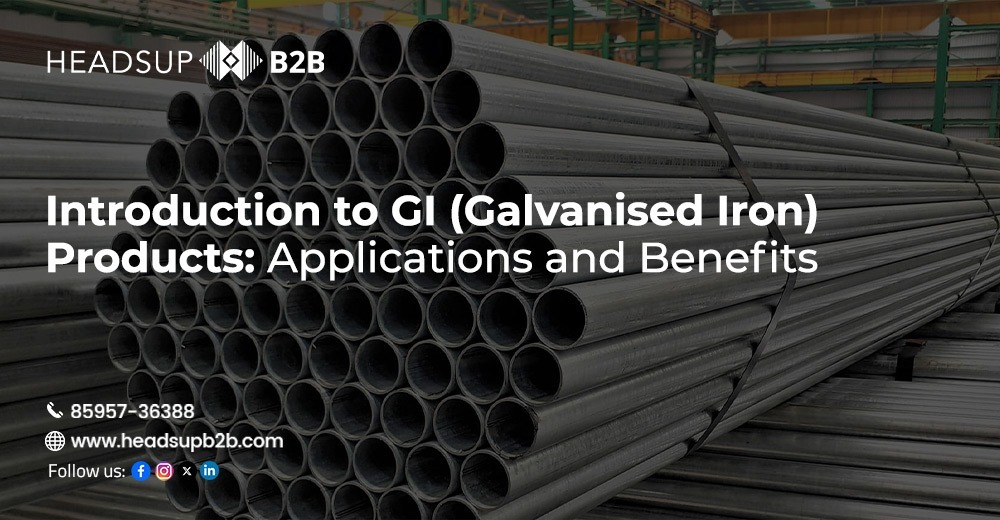
    Galvanised iron, usually abbreviated as G.I., is a type of steel that has its surface coated with zinc (by a process known as galvanization). It serves as an anti-rust armour that protects GI items against rust and corrosion, and thus the products become durable with a long life span. GI products can be seen everywhere, with their applications being broad and ranging from the industries of building, automotive, agriculture, and manufacturing.

    What are G.I. Products?

    G.I. items should be understood as products made out of galvanised iron, which refers to a steel type coated with a thin zinc layer to act as a barrier against rust and corrosion. Zinc provides cathodic shielding due to its sacrificial nature by getting corroded preferentially, thus preventing the rusting of the steel underneath. As a result of the galvanization, which is associated with a drastic increase in the durability and life expectancy of such products.

    The galvanization procedure can be utilised in the manufacture of boards, coils, pipes, and cables. Consequently, there are quite many GI products available in the market since different manufacturers will have different items they specialise in. This material not only has the strength and formability of steel but also zinc’s corrosion resistance for multiple application purposes.

    Applications of GI in Various Industries

    Construction Industry

    The construction industry heavily depends on GI for the projects that are built to withstand the test of time. Whether it’s for roofs that protect from the weather or fences that offer security, GI is a reliable option. Its resistance to corrosion makes it a well-liked option among architects and builders.

    Automobile Industry

    The automotive industry is also one of the major users of GI; from chassis to exhaust systems, it is a major component in vehicle manufacturing. Manufacturers rely on galvanized iron to enhance the lifespan and reliability of vehicles on the road.

    Connectivity

    Whether it is data transmission or powering households, GI gives the provision of smooth connectivity as well as the ability to withstand nature’s tests.

    Agriculture

    The GI is the foundation for everything that farmers use, from fencing to irrigation systems. Due to its strength and affordability, it’s no wonder that the agricultural sector makes use of it in its demanding environment and continuous workload.

    Benefits of GI Products

    • Corrosion Resistance
      Galvanization gives a sheath of protection from rust, extending the life of GI products outdoors as well as in industrial settings when compared with untreated ones.

    • Longevity and Low Maintenance
      Investing in GI is undoubtedly investing in our future. GI products have low maintenance requirements and a long lifespan that make them more cost-effective over their lifespan.

    • Versatility:
      GI products are designed to fit any situation, from the smallest fastener to the biggest structural beam. They are tailored to suit various applications in different industries.

    • Sustainability

    As businesses prioritise sustainability, GI stands out as a recyclable material. Its eco-friendly properties make it a responsible choice for environmentally conscious projects.

    Choosing the Right GI Products on Headsup B2B

    Headsup B2B helps you find expert B2B suppliers selling a wide range of GI products. Whether you are in construction, automotive, agriculture, or utilities, our platform connects you with the right suppliers for your requirements. Check out our listings, compare alternatives, and choose what fits your business best.

    Headsup B2B: Your Gateway to Industrial GI Excellence

    As we draw the curtains on this journey of GI (galvanised iron), it’s clear that their importance goes beyond construction. They reflect resilience, innovation, and sustainability in the face of the ever-changing industrial landscape.

    Our mission at Headsup B2B is to provide businesses with all the necessary tools for them to conveniently source from the desired industrial GI suppliers and materials. So, whether you’re building skyscrapers, revolutionising transportation, or cultivating the land, remember that GI products stand ready to support your vision for a stronger, more sustainable future. Join us at Headsup B2B and unlock the boundless potential of GI for your next endeavor.