Author: suraj

  • What is the difference between various grades of steel TMT bars used in construction?

    What is the difference between various grades of steel TMT bars used in construction?

    Steel TMT bars are categorized into different grades based on their tensile strength, which affects their ability to withstand stress. Fe 415, Fe 500, Fe 500D, Fe 550, and Fe 550D are commonly used grades, each offering varying levels of strength, ductility, and corrosion resistance. Higher-grade bars provide greater strength and are suitable for more demanding construction projects, while grades with a “D” denote increased ductility for better flexibility and stress resistance. Choosing the right grade depends on factors like required strength, project type, and environmental conditions.

    Steel TMT bars are classified into different grades based on their strength and ability to withstand various stresses. The main difference between these grades lies in their tensile strength, which determines how much load a bar can bear before breaking. Here’s a breakdown of the various grades of Structural Steel TMT bars commonly used in construction:

    1. Fe 415 TMT Bars

    • Tensile Strength: 415 MPa (Mega Pascal)

    • Use: Fe 415 bars are suitable for medium-strength constructions, like residential buildings, and are the most commonly used TMT bars in India.

    • Characteristics: They are cost-effective and offer good ductility and bendability. However, they are not suitable for high-stress applications, such as high-rise buildings or large industrial projects.

    2. Fe 500 TMT Bars

    • Tensile Strength: 500 MPa

    • Use: Fe 500 bars are used for structures that require higher strength and durability, such as bridges, highways, and multi-story buildings.

    • Characteristics: They offer improved tensile strength compared to Fe 415 and are more resistant to corrosion. Fe 500 bars also have better seismic resistance and can withstand higher stress loads.

    3. Fe 500D TMT Bars

    • Tensile Strength: 500 MPa

    • Use: Fe 500D bars are generally used for earthquake-resistant structures and high-strength construction projects, such as high-rise buildings, dams, and industrial structures.

    • Characteristics: The “D” in Fe 500D stands for “ductility,” meaning these bars have superior bendability and better ability to absorb energy during seismic events. They are more flexible than regular Fe 500 bars and are highly resistant to cracking under stress.

    4. Fe 550 TMT Bars

    • Tensile Strength: 550 MPa

    • Use: Fe 550 bars are suitable for very high-strength applications, such as large commercial or industrial constructions, including bridges and skyscrapers.

    • Characteristics: Fe 550 bars provide excellent strength, corrosion resistance, and seismic performance. They are more expensive than Fe 415 and Fe 500 bars but are necessary for heavy-duty applications.

    5. Fe 550D TMT Bars

    • Tensile Strength: 550 MPa

    • Use: These bars are ideal for projects that need superior strength and flexibility, including high-rise buildings and major infrastructure projects.

    • Characteristics: Like Fe 500D, Fe 550D bars offer increased ductility along with enhanced strength. They are capable of withstanding more extreme stress and are particularly useful in earthquake-prone areas due to their energy-absorbing qualities.

    Summary of Key Differences:

    • Tensile Strength: As the grade increases (Fe 415, Fe 500, Fe 550), the tensile strength also increases, meaning the bars can bear more load.

    • Ductility: Grades with “D” (e.g., Fe 500D, Fe 550D) offer higher ductility, making them more flexible and resistant to cracking under stress.

    • Corrosion Resistance: Higher-grade TMT bars (Fe 500 and above) tend to have better corrosion resistance, which is important for constructions in harsh environments.

    • Cost: Higher-strength bars like Fe 550 and Fe 550D are more expensive than Fe 415 or Fe 500 but are necessary for critical infrastructure.

    In general, when selecting the grade of Metal Solutions for a project, the construction’s requirements—such as strength, location, and type of load it will bear—should guide your decision.

  • What Are the Best Steel TMT Bars Available in the Indian Market?

    What Are the Best Steel TMT Bars Available in the Indian Market?

    Choosing the right steel TMT (Thermo-Mechanically Treated) bars for construction is crucial for ensuring the structural integrity and durability of a building or infrastructure. With various brands offering different qualities of TMT bars, making an informed choice can be challenging. This article will help you understand the best steel TMT bars available in the Indian market and provide insight into factors you should consider before making your purchase.

    What Are TMT Bars?

    TMT bars are a type of steel bar that undergoes a specialized manufacturing process called Thermo-Mechanical Treatment. This process involves heating the steel at high temperatures and then rapidly cooling it in water. The result is a stronger, more durable steel bar with enhanced flexibility and resistance to corrosion. TMT bars are essential for construction projects, providing support to buildings, bridges, and other infrastructure.

    Key Features to Look for in TMT Bars

    Before selecting TMT bars for your project, it’s important to consider a few key features:

    1. Strength and Durability: High-strength TMT bars are essential for the structural integrity of your construction. Look for bars with high yield strength, which can withstand heavy loads without bending or breaking.

    2. Corrosion Resistance: TMT bars should have resistance to corrosion, which is important for projects in areas with high humidity or exposure to chemicals.

    3. Bendability: TMT bars should be flexible enough to bend without breaking. This feature makes them easier to work with during construction.

    4. Cost-Effectiveness: While you want quality TMT bars, it’s also essential to find bars that fit your budget. Always strike a balance between price and quality.

    Top Brands of Steel TMT Bars in India

    Several brands in the Indian market manufacture high-quality TMT bars. Let’s explore some of the top brands that have earned a reputation for providing reliable and durable TMT bars:

    1. Tata Tiscon

    2. JSW Neosteel

    3. SAIL TMT Bars

    4. UltraTech TMT Bars

    5. Kamdhenu TMT Bars

    6. Shree TMT Bars

    Tata Tiscon TMT Bars

    Tata Tiscon is one of the most trusted names in the TMT bar industry. Known for its high-quality products, Tata Tiscon TMT bars are widely used in residential, commercial, and industrial projects. These bars are manufactured with advanced technology and have excellent strength, ductility, and resistance to earthquakes and corrosion.

    • Advantages:

      • High strength and durability

      • Enhanced corrosion resistance

      • Trusted brand with a strong reputation

    • Applications:

      • Residential buildings

      • Bridges

      • Industrial projects

    JSW Neosteel TMT Bars

    JSW Neosteel is another well-known brand offering high-quality TMT bars. These bars are manufactured using advanced technology and are known for their superior strength and resistance to corrosion. JSW Neosteel TMT bars are used in a variety of construction projects across the country.

    • Advantages:

      • High strength

      • Advanced manufacturing technology

      • Resistant to seismic activity

    • Applications:

      • High-rise buildings

      • Roads and bridges

      • Industrial constructions

    SAIL TMT Bars

    SAIL (Steel Authority of India Limited) is one of the largest steel manufacturers in India, and their TMT bars are widely used across the construction industry. These bars offer superior strength, flexibility, and corrosion resistance, making them ideal for all types of construction.

    • Advantages:

      • High-quality steel

      • Flexible and easy to use

      • Resistance to corrosion and seismic forces

    • Applications:

      • Residential and commercial buildings

      • Infrastructure projects

    UltraTech TMT Bars

    UltraTech Cement, one of India’s largest cement manufacturers, also produces high-quality TMT bars. These bars are known for their superior strength, durability, and resistance to rust and corrosion.

    • Advantages:

      • Excellent strength

      • Rust and corrosion-resistant

      • Wide availability

    • Applications:

      • Residential buildings

      • Commercial infrastructure

      • Industrial construction

    Kamdhenu TMT Bars

    Kamdhenu TMT bars are manufactured using state-of-the-art technology, offering high strength and resistance to corrosion. Kamdhenu has established a strong presence in the Indian market by providing reliable and cost-effective TMT bars.

    • Advantages:

      • High strength

      • Affordable pricing

      • Corrosion-resistant

    • Applications:

      • Residential buildings

      • Commercial and industrial projects

    Shree TMT Bars

    Shree TMT Bars are known for their superior quality and strength. These bars are made with a special thermo-mechanical treatment process that makes them highly durable and resistant to corrosion. They are ideal for a variety of construction projects.

    • Advantages:

      • High tensile strength

      • Resistance to corrosion

      • Bendable and durable

    • Applications:

      • Commercial construction

      • Residential complexes

      • Infrastructure projects

    How to Choose the Best TMT Bars for Your Project

    When selecting TMT bars for your construction project, consider the following:

    1. Price: Quality doesn’t always come cheap, but avoid opting for the cheapest option unless you’re sure of the quality.

    2. Brand Reputation: A well-known brand with a strong reputation is more likely to provide durable and reliable products.

    3. Quality Standards: Check whether the TMT bars meet quality standards set by the Bureau of Indian Standards (BIS).

    4. Tensile Strength: Choose bars with high tensile strength to ensure the structure’s integrity.

    Price Comparison of Top TMT Bar Brands

    Price is an important factor when purchasing TMT bars, but the cost should be balanced with quality. Here’s a general comparison of prices for some top brands:

    • Tata Tiscon: Premium pricing but excellent quality

    • JSW Neosteel: Moderate to premium pricing, depending on the grade

    • SAIL: Affordable with good quality

    • UltraTech: Slightly higher but reliable

    • Kamdhenu: Budget-friendly with good quality

    • Shree: Competitive pricing with decent quality

    Advantages of Using High-Quality TMT Bars

    Investing in high-quality TMT bars pays off in the long term. They ensure:

    • Durability: High-quality bars can withstand natural calamities like earthquakes and storms.

    • Safety: Superior strength ensures structural integrity and safety.

    • Sustainability: Quality TMT bars are more eco-friendly, requiring less maintenance over time.

    Common Mistakes to Avoid When Choosing TMT Bars

    1. Ignoring Quality Standards: Always check the quality standards before buying.

    2. Overlooking Corrosion Resistance: In humid or coastal areas, corrosion resistance is a must.

    3. Not Considering the Project Requirements: Not all projects need the same grade of TMT bars. Choose wisely.

    Conclusion

    Choosing the best steel TMT bars in the Indian market is crucial for ensuring the durability and safety of your construction project. Tata Tiscon, JSW Neosteel, SAIL, UltraTech, Kamdhenu, and Shree all offer excellent options, each with its unique features and advantages. Make sure to compare their qualities, prices, and reputation before making your decision.

  • Eco-Friendly Building Materials in Delhi: What Contractors Should Source This Season

    Eco-Friendly Building Materials in Delhi: What Contractors Should Source This Season

    As Delhi continues to grow at a rapid pace, the demand for sustainable and eco-friendly construction has never been higher. With increasing environmental concerns, government green mandates, and a shift in builder mindset, contractors across the city are turning toward materials that minimize environmental impact while maximizing performance and durability. This season offers the perfect opportunity for contractors to rethink their procurement strategies and source greener alternatives that benefit both the environment and long-term project viability.

    Why Eco-Friendly Materials Are Growing in Delhi

    Delhi’s construction ecosystem is evolving quickly, driven by rising pollution levels, climate concerns, and stricter sustainability regulations. Builders are now more aware of the ecological footprint of traditional materials like cement, bricks, and synthetic chemicals.
    Additionally, Delhi’s push toward green infrastructure—especially in sectors like residential housing, commercial spaces, and public projects—has led to a noticeable shift toward eco-certified materials.

    Beyond regulations, the market itself is maturing. Clients, especially in urban and upscale areas, increasingly prefer buildings designed with lower carbon impact and better indoor air quality. Eco-friendly materials deliver these benefits, making them a smart investment for both contractors and property owners.

    Top Eco-Friendly Materials Contractors Should Source This Season

    1. Fly Ash Bricks

    These lightweight, energy-efficient bricks are ideal for Delhi’s climate and help repurpose industrial waste. They provide excellent insulation, reduce dead load, and are widely accepted in modern construction.

    2. Recycled Aggregates

    Made from crushed concrete and reclaimed materials, recycled aggregates reduce the demand for natural stone mining—an important environmental step. They’re cost-effective and suitable for roads, pavements, and general construction work.

    3. Bamboo and Other Natural Alternatives

    Bamboo is gaining traction in Delhi for interior structures, temporary frameworks, and modular designs. Its strength, affordability, and natural renewability make it an attractive low-impact material.

    4. Lime-Based Products

    Lime plaster and lime mortar are re-emerging as sustainable alternatives due to their breathability, longevity, and non-toxic properties. They also perform well in Delhi’s shifting humidity levels.

    5. Organic Paints and Finishes

    VOC-free, natural paints are essential for improving indoor air quality. They are safer for workers and occupants, and help contractors meet sustainability benchmarks.

    Seasonal Factors That Affect Material Choice

    Delhi’s current season brings fluctuating temperatures, high dust levels, and varying humidity—conditions that can significantly influence material performance.

    • Eco-friendly materials like fly ash bricks and bamboo withstand temperature changes better than many conventional alternatives.

    • Lime-based materials help regulate indoor temperature, which is particularly valuable during Delhi’s transitional weather phases.

    • Organic finishes reduce chemical odors and toxins, especially needed when ventilation becomes limited due to seasonal air quality issues.

    Choosing the right materials for the season ensures better workability, reduced waste, and longer structural durability.

    How Headsup B2B Supports Sustainable Procurement

    As one of Delhi’s emerging building materials suppliers, Headsup B2B is committed to supporting the city’s shift toward sustainable construction. The company ensures:

    Access to Verified Eco-Friendly Suppliers

    All materials are sourced from trusted vendors who follow strict quality and environmental standards.

    Bulk Procurement at Competitive Prices

    Contractors benefit from cost savings through consolidated, high-volume supply orders.

    Quality Checks and Material Testing

    Every product is verified to meet both industry benchmarks and sustainability requirements.

    Reliable and On-Time Deliveries Across Delhi

    With well-managed supply chains, Headsup B2B ensures construction projects run without delays.

    By simplifying the procurement process, Headsup B2B empowers contractors to make sustainable choices without compromising on project timelines or budgets.

    Conclusion

    Eco-friendly construction isn’t just a trend in Delhi—it’s becoming an essential part of modern building practices. This season offers an excellent opportunity for contractors to upgrade their material choices with greener, more durable alternatives. From recycled aggregates to organic paints, the shift toward sustainability benefits the environment, the end user, and the long-term structural value of every project.

    To explore eco-friendly building materials or request a procurement consultation, connect with Headsup B2B today.

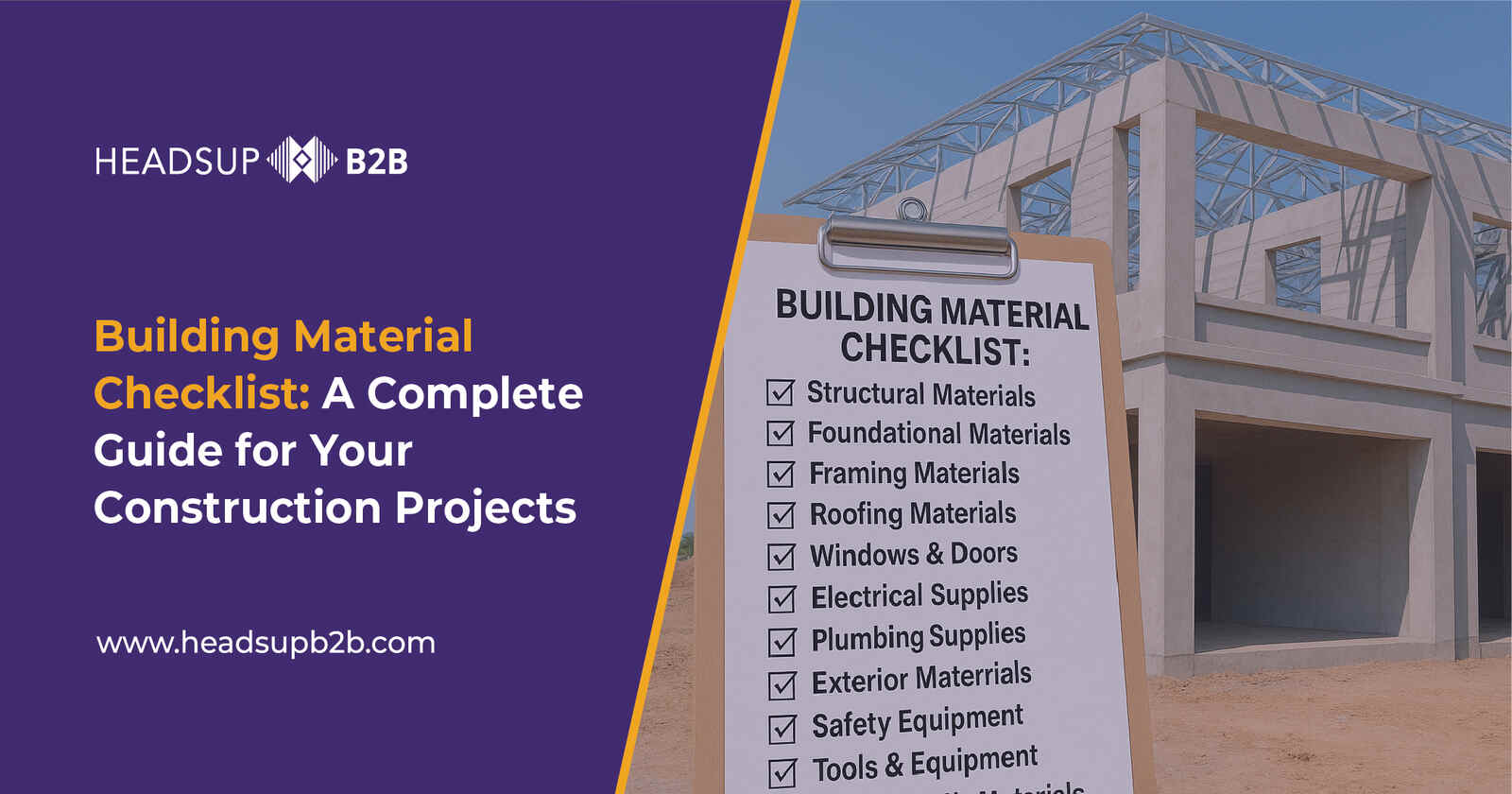
  • Building Material Checklist: A Complete Guide for Your Construction Projects

    Building Material Checklist: A Complete Guide for Your Construction Projects

    Building a structure, whether it’s a home, office, or a larger commercial project, requires thorough planning, especially when it comes to materials. The right materials not only ensure the longevity and safety of the building, but they also play a significant role in the overall design, comfort, and aesthetic appeal. A well-organized building material checklist is an essential tool for any builder or homeowner to stay on track throughout the construction process.

    1. Importance of a Building Material Checklist

    A building materials checklist is a comprehensive list of all the materials you’ll need for a construction project. It serves as a roadmap to guide you through purchasing, delivery, and inventory management. Without a clear checklist, it’s easy to overlook critical supplies, which can lead to delays, added costs, and even safety issues.

    How a Checklist Improves Project Efficiency

    An organized checklist saves time by helping you order materials in the right sequence. It prevents last-minute rushes to the store and ensures everything is available when needed. Additionally, it helps you track your budget by allowing you to compare prices for materials and make informed decisions.

    2. Basic Categories of Building Materials

    Before diving into specifics, it’s essential to understand the broad categories of materials involved in construction. These categories help structure your checklist and ensure you cover all the necessary aspects of your project.

    • Structural Materials: These are the materials that form the skeleton of the building, ensuring its strength and stability. Examples include concrete, steel, and wood.

    • Finishing Materials: These materials are used for the decorative and functional finishing touches. Paint, tiles, and flooring materials are examples.

    • Specialty Materials: These materials may not be required in all construction projects but are necessary for specific purposes like insulation, soundproofing, or fire resistance.

    3. Essential Structural Materials

    • Concrete and Cement: Concrete and cement are the backbone of any construction project. Concrete is used for pouring foundations, floors, and driveways, while cement is the key binding agent that holds concrete together.

    • Steel and Rebar: Steel bars (rebar) are used to reinforce concrete structures, providing additional strength to support heavy loads.

    • Wood and Lumber: Wood is commonly used in framing walls, floors, and roofs. It’s essential for creating structural support for your building.

    • Foundations and Footings: These materials are vital for securing the building to the ground, ensuring it remains stable and durable.

    4. Foundational Materials

    • Gravel and Sand: Gravel and sand are often used as a base for foundations, ensuring proper drainage and support for concrete.

    • Concrete Blocks and Bricks: Concrete blocks and bricks are used in the construction of walls, particularly for exterior construction.

    • Waterproofing Materials: Waterproofing is essential to prevent moisture damage to the foundation. Materials like sealants, membranes, and coatings are commonly used.

    5. Materials for Framing

    • Lumber for Walls and Roofs: Wood is the traditional material for framing, offering flexibility, strength, and ease of use.

    • Steel Beams and Columns: For larger projects, steel framing is often used for added strength and durability.

    • Insulation Materials: Insulation is crucial for temperature control and energy efficiency. Materials like fiberglass, foam, and cellulose are common choices.

    6. Roofing Materials

    • Asphalt Shingles: Asphalt shingles are one of the most popular roofing materials due to their affordability and durability.

    • Metal Roofing: Metal roofing offers long-term durability and energy efficiency, making it a great choice for many projects.

    • Tiles and Slates: Tiles and slates are often chosen for their aesthetic appeal and weather resistance.

    7. Windows and Doors

    • Types of Windows (Double Glazed, Casement, etc.): Windows come in many forms, from energy-efficient double-glazed options to traditional casement windows.

    • Wooden, Steel, and Glass Doors: Your choice of doors should align with the aesthetic and functional requirements of your project.

    • Seals and Weather Stripping: Proper seals and weather stripping prevent drafts and moisture, enhancing comfort and energy efficiency.

    8. Electrical and Plumbing Supplies

    • Wiring and Electrical Cables: Ensure that you use quality electrical wiring and cables to meet safety codes and power requirements.

    • Pipes and Fittings: Plumbing pipes, fittings, and connectors are vital for the water supply and waste management systems.

    • Fixtures (Lights, Sockets, etc.): Lighting fixtures, switches, and electrical outlets are all key elements of a completed build.

    9. Flooring Materials

    • Hardwood, Laminate, and Tiles: The right flooring material adds both beauty and functionality to a space. Consider options like hardwood, laminate, and tile.

    • Carpets and Rugs: For a more comfortable interior, carpets and rugs are common choices.

    • Concrete Floors: Concrete is a durable and cost-effective option for floors, particularly in industrial or modern designs.

    10. Wall Finishing Materials

    • Drywall and Plaster: Drywall is the most common material for interior walls, while plaster offers a smoother, more finished look.

    • Paint and Wallpaper: For aesthetics and protection, paint and wallpaper are used to finish the walls.

    • Tiling and Stonework: For kitchens and bathrooms, tile or stone is a popular finishing option.

    Conclusion

    A building material checklist is an indispensable tool for anyone involved in construction. By breaking down materials into categories and listing everything you need for your project, you can save time, reduce costs, and ensure the success of your build. Whether you’re working on a residential or commercial project, staying organized is key to a smooth process from start to finish.

    FAQs

    1. How do I create a building material checklist?

    Start by listing all major categories of materials, such as structural, finishing, and specialty materials. Then, break them down into more specific items as needed.

    2. Can I use recycled materials for construction?

    Yes! Recycled materials are not only eco-friendly but also cost-effective. Many construction projects incorporate recycled wood, metal, and other materials.

    3. What are the most common mistakes during material selection?

    The most common mistakes include underestimating material quantities, choosing poor-quality materials, and not accounting for delivery delays.

    4. How do I estimate the quantity of materials?

    Accurate measurement and calculations based on blueprints or plans are essential. You can also consult with professionals for more precise estimates.

    5. Should I hire a professional to help with material selection?

    If you’re not familiar with construction materials, it’s a good idea to hire a professional to help you choose the right materials that suit your budget and project needs.

  • Understanding TMT Steel Grades in Delhi NCR – A Buyer’s Guide

    Understanding TMT Steel Grades in Delhi NCR – A Buyer’s Guide

    TMT Steel bars are critical in the construction industry, providing strength and durability to buildings, bridges, and other structures. But not all TMT Steel is the same. The quality and strength of TMT Steel bars vary based on their grades, which play a crucial role in ensuring the structural integrity of any construction project. In the Delhi NCR region, where the demand for high-quality building materials is on the rise, understanding the different TMT Steel grades is essential for homeowners, builders, and contractors.

    This guide will walk you through the various TMT Steel grades available in Delhi NCR, helping you make an informed decision when purchasing this crucial building material.

    What Are TMT Steel Grades?

    TMT Steel grades refer to the classification of steel bars based on their strength and quality. The grade of TMT Steel is indicated by a number, such as Fe 415, Fe 500, and Fe 550. These numbers refer to the minimum yield strength of the steel in megapascals (MPa). For example, Fe 500 has a minimum yield strength of 500 MPa, meaning it can withstand higher loads and stresses compared to lower grades like Fe 415.

    The higher the grade, the stronger the steel, which is essential for different construction projects depending on their size, type, and location.

    How TMT Steel Grades Impact Construction Projects

    The choice of TMT Steel grade directly impacts the strength and durability of a building or structure. Stronger grades, such as Fe 500 and Fe 550, are typically used in larger or more critical projects, where the structure is expected to bear heavy loads or face seismic activity. On the other hand, Fe 415 may be sufficient for smaller residential projects or less demanding structures.

    Using the right grade ensures that the construction can withstand the required stress, be it due to load-bearing, weather conditions, or seismic activity.

    In Delhi NCR, several TMT Steel grades are commonly used, with Fe 415, Fe 500, and Fe 550 being the most popular. Here’s a brief overview of each:

    • Fe 415: This is a basic grade with a minimum yield strength of 415 MPa. It’s commonly used for residential buildings and non-critical structures.

    • Fe 500: Offering higher strength (500 MPa), this grade is widely used for medium to large-scale construction projects, including both residential and commercial buildings.

    • Fe 550: This grade is the strongest among the three, with a yield strength of 550 MPa. It’s ideal for high-rise buildings, bridges, and other infrastructure that require exceptional durability.

    TMT Steel Grade Fe 415: Features and Applications

    Fe 415 TMT Steel is often used in residential projects and smaller structures. With a yield strength of 415 MPa, it offers a balance of strength and flexibility. The grade is ideal for projects where cost-effectiveness is a priority but the need for high tensile strength is moderate.

    Common applications for Fe 415 include:

    • Residential buildings

    • Small commercial projects

    • Non-seismic regions

    TMT Steel Grade Fe 500: Features and Benefits

    Fe 500 is the most commonly used grade for both residential and commercial construction in Delhi NCR. Its higher strength (500 MPa) makes it ideal for medium to large buildings, where structural integrity is crucial.

    Benefits of Fe 500:

    • Higher strength and better ductility

    • Suitable for a wider range of projects, including high-rise buildings

    • More resistant to environmental factors like corrosion

    TMT Steel Grade Fe 550: Features and Benefits

    Fe 550 is the top choice for high-load and high-stress projects due to its exceptional strength. It offers 550 MPa of yield strength, making it the most durable option available.

    Benefits of Fe 550:

    • Excellent resistance to extreme weather conditions

    • Ideal for commercial buildings, high-rise structures, and bridges

    • Superior earthquake resistance

    Comparing TMT Steel Grades: Fe 415 vs. Fe 500 vs. Fe 550

    While Fe 415, Fe 500, and Fe 550 all serve distinct purposes, the choice between them depends on the project requirements. Here’s a quick comparison:

    • Fe 415: Cost-effective, best for small residential projects, low load-bearing requirements.

    • Fe 500: Versatile, used for medium to large buildings, better strength and ductility.

    • Fe 550: Ideal for critical infrastructure, high-rise buildings, and projects requiring superior strength.

    How to Choose the Right TMT Steel Grade for Your Project

    When selecting the right grade, consider the following factors:

    • Load-bearing requirements: Higher grades are necessary for projects with heavy load-bearing needs.

    • Environmental conditions: Projects in areas prone to earthquakes or extreme weather may require higher-grade steel.

    • Cost constraints: Fe 415 is a more affordable option, but Fe 500 and Fe 550 provide better long-term value.

    The Role of TMT Steel Grades in Earthquake Resistance

    In earthquake-prone regions like Delhi NCR, selecting the right TMT Steel grade is critical for ensuring the safety and stability of buildings. Higher grades such as Fe 500 and Fe 550 offer enhanced earthquake resistance due to their higher strength and flexibility, reducing the risk of structural failure during seismic activity.

    TMT Steel Grades and Pricing in Delhi NCR

    TMT Steel prices vary depending on the grade and brand. While Fe 415 is the most affordable, Fe 500 and Fe 550 come at a higher cost due to their superior strength and applications. However, the cost difference is often justified by the enhanced performance and durability of the higher-grade steels.

    Quality Assurance in TMT Steel Grades

    Ensure that the TMT Steel you purchase meets quality standards by checking for certifications like ISI marking, which confirms that the product meets Indian Standard specifications. It’s essential to buy from reputable suppliers in Delhi NCR to avoid counterfeit products.

    Environmental Impact of TMT Steel Production

    As the demand for construction materials grows, the environmental impact of their production becomes more critical. Many TMT Steel manufacturers in Delhi NCR are adopting greener manufacturing practices, such as using recycled materials and reducing energy consumption in the production process.

    Future Trends in TMT Steel Grades in Delhi NCR

    The TMT Steel market in Delhi NCR is evolving with advancements in steel production technology and increasing demand for high-strength materials. Future trends include innovations in eco-friendly production methods and the introduction of new steel grades with enhanced properties for demanding projects.

    Conclusion

    Choosing the right TMT Steel grade is crucial for the success of your construction project. Whether you need Fe 415 for a residential home or Fe 550 for a high-rise building, understanding the differences between the grades will help you make the best choice. Always consider the load-bearing capacity, environmental conditions, and long-term durability of the material.

    FAQs

    1. What is the best TMT Steel grade for residential buildings?
      Fe 415 is often the most suitable choice for residential buildings due to its cost-effectiveness.

    2. Can Fe 500 be used for high-rise buildings?
      Yes, Fe 500 is a common choice for high-rise buildings because of its strength and flexibility.

    3. How does TMT Steel contribute to earthquake resistance?
      TMT Steel’s flexibility and higher strength grades make it more resistant to seismic activity.

    4. Is TMT Steel eco-friendly?
      Many manufacturers are adopting eco-friendly practices, including using recycled materials in TMT Steel production.

    5. How do I know if the TMT Steel is of good quality?
      Always check for ISI certification and purchase from reputable suppliers to ensure quality.

  • TMT Steel Reviews in Delhi NCR – What Customers Are Saying

    TMT Steel Reviews in Delhi NCR – What Customers Are Saying

    TMT Steel bars are integral to modern construction projects, offering superior strength and flexibility for building durable structures. In the fast-growing Delhi NCR (National Capital Region) area, TMT Steel has gained prominence in both residential and commercial construction. As the demand for high-quality building materials increases in this bustling region, TMT Steel continues to be a popular choice among builders and homeowners alike.

    In this article, we will explore customer reviews and feedback regarding TMT Steel products in Delhi NCR. Are they truly the reliable choice they are marketed to be? Let’s find out what customers have to say.

    TMT Steel’s Popularity in Delhi NCR

    Delhi NCR is one of India’s most rapidly developing regions, with a booming real estate market and a significant demand for reliable construction materials. Builders, contractors, and homeowners have increasingly turned to TMT Steel because of its remarkable qualities. From residential homes to massive commercial complexes, TMT Steel is being used extensively in various projects.

    The increased demand for this material can be attributed to the high quality it offers at competitive prices. Moreover, the vast number of suppliers in Delhi NCR ensures that the material is always within reach for those in need.

    Customer Reviews: A Snapshot

    When it comes to TMT Steel, Delhi NCR customers generally express positive sentiments. Many customers appreciate the strength and durability of TMT Steel, which ensures that their buildings are safe and robust. The material’s ability to withstand seismic activity is often mentioned as a key reason for choosing TMT Steel over traditional steel.

    However, there are also some criticisms regarding delivery times and pricing fluctuations. While many customers are satisfied with the overall quality, some have raised concerns about the availability of certain sizes and types of TMT Steel bars during peak construction seasons.

    Key Benefits of TMT Steel According to Customers

    1. Durability and Strength
      TMT Steel is praised for its remarkable tensile strength, making it highly resistant to corrosion and wear. Customers often report that their buildings remain strong and intact even after years of use, which gives them peace of mind in terms of structural integrity.

    2. Cost-Effectiveness and Value for Money
      Many customers feel that TMT Steel offers excellent value for money, especially when compared to other steel options available in the market. The affordability of TMT bars allows builders to stay within their budgets without compromising on quality.

    Common Issues Mentioned by Customers

    Despite the positive reviews, some customers in Delhi NCR have highlighted a few concerns. These include:

    • Delivery Delays: Some customers complain about delays in receiving their steel orders, particularly during high-demand periods. These delays can hinder construction schedules and cause frustration among builders.

    • Price Fluctuations: The price of TMT Steel can fluctuate, and some customers feel that the cost is not always predictable. With rising material costs in the construction industry, price variations may make it difficult for builders to stick to their budgets.

    TMT Steel Brands in Delhi NCR

    There are several notable TMT Steel brands operating in the Delhi NCR region, each offering different levels of quality and service. Leading brands such as Tata Tiscon, Jindal Panther, and SAIL are well-regarded for their consistent quality and performance in the market.

    When comparing these brands, customers often mention that Tata Tiscon offers the best combination of strength and affordability, while Jindal Panther is recognized for its premium quality. SAIL, on the other hand, is known for its wide distribution network, ensuring accessibility in remote parts of the NCR.

    Customer Experiences: Specific Testimonials

    One customer shared their experience with Tata Tiscon TMT bars used in a residential project. They noted how the bars provided excellent reinforcement, making the house structurally sound even in harsh weather conditions. Another builder using Jindal Panther for a commercial project praised the ease of handling and flexibility of the TMT bars, which made the construction process smoother.

    While most reviews are positive, a few customers have reported issues with the uniformity of bar sizes and the occasional presence of defects. However, these seem to be isolated incidents.

    TMT Steel in Residential Projects

    For homeowners in Delhi NCR, TMT Steel is often the material of choice for constructing homes that are not only strong but also resistant to external wear and tear. Many customers have shared that their homes have remained secure and solid even under extreme weather conditions, thanks to the high-quality TMT Steel used in the foundation and structure.

    TMT Steel in Commercial Construction

    In commercial construction, the importance of using high-quality steel cannot be overstated. TMT Steel’s superior tensile strength makes it an excellent choice for building commercial properties such as office buildings, shopping malls, and industrial complexes. Contractors working on large-scale projects in Delhi NCR often cite TMT Steel as the key to ensuring stability and longevity.

    How TMT Steel Prices Compare to Competitors

    TMT Steel is often seen as more cost-effective than traditional mild steel. While other steel bars may be cheaper upfront, TMT Steel’s superior quality and longer-lasting nature often make it a more economical choice in the long run. As customers compare the prices of different brands, TMT Steel remains a competitive option in terms of both price and performance.

    Environmental Impact of TMT Steel

    Sustainability is a growing concern in the construction industry, and TMT Steel brands are increasingly adopting eco-friendly production methods. Many customers appreciate that TMT Steel is made using advanced technologies that reduce energy consumption and minimize environmental impact. Some customers are actively seeking brands that prioritize sustainable practices.

    The Future of TMT Steel in Delhi NCR

    As the demand for robust construction materials continues to grow in Delhi NCR, the popularity of TMT Steel is expected to rise. With continued advancements in production techniques and increasing awareness of the material’s benefits, TMT Steel will likely remain the go-to choice for construction in the region.

    Why Choose TMT Steel?

    TMT Steel offers unparalleled advantages, including strength, flexibility, durability, and cost-effectiveness. Whether you are building a home, a commercial property, or a bridge, TMT Steel is a wise investment. It’s no wonder that it has become a trusted choice for construction projects in Delhi NCR.

    Conclusion

    Customer reviews for TMT Steel in Delhi NCR reflect a generally positive sentiment. Builders and homeowners alike appreciate the material’s strength, durability, and cost-effectiveness. While there are occasional concerns about delivery times and price fluctuations, TMT Steel remains a top contender for those seeking high-quality construction materials.

    FAQs

    1. Is TMT Steel more durable than traditional steel?
      Yes, TMT Steel is stronger and more flexible, making it more durable than traditional steel.

    2. How do I choose the best TMT Steel brand?
      Look for trusted brands like Tata Tiscon, Jindal Panther, and SAIL. Read customer reviews and compare prices.

    3. Can TMT Steel withstand earthquakes?
      Yes, TMT Steel is designed to be flexible and can withstand seismic activity, making it ideal for earthquake-prone areas.

    4. Is TMT Steel environmentally friendly?
      Many TMT Steel brands focus on sustainable production methods, making it a more eco-friendly option than traditional steel.

    5. What is the cost of TMT Steel in Delhi NCR?
      Prices vary based on brand and quantity. Generally, TMT Steel offers a cost-effective solution compared to other steel products.

  • Different Types of TMT Steel in Delhi NCR – Which One to Choose?

    Different Types of TMT Steel in Delhi NCR – Which One to Choose?

    TMT steel is a vital component in the construction industry, offering essential strength and durability to any structure. Choosing the right type of TMT steel is crucial, especially for construction projects in Delhi NCR, where both residential and commercial developments are on the rise. In this article, we will explore the different types of TMT steel available in Delhi NCR, helping you make the best choice based on your specific needs.

    Types of TMT Steel Available in Delhi NCR

    In Delhi NCR, various types of TMT steel are available, each designed for different construction needs. The most common grades are:

    • Fe 415

    • Fe 500

    • Fe 550

    • Fe 600

    How to Choose the Right TMT Steel for Your Construction Project

    Choosing the right TMT steel involves evaluating your project’s specific requirements:

    1. Assess the Size and Scope of Your Project: Smaller projects may only require Fe 415, while larger, more complex projects will benefit from Fe 500, Fe 550, or Fe 600.

    2. Consider Local Conditions: If you are in an area with high seismic activity or harsh weather, opt for a higher grade like Fe 550 or Fe 600.

    3. Consult with Experts: Always consult with your structural engineer or construction manager to select the most suitable grade for your specific needs.

    TMT Steel Manufacturers in Delhi NCR

    Delhi NCR boasts several leading manufacturers and suppliers of TMT steel. Choosing a reputable supplier ensures that you are getting high-quality, certified steel. Some top names include:

    • JSW Steel

    • Tata TMT

    • SAIL TMT

    • Bhushan Steel

    When choosing a supplier, consider factors like their reputation, delivery timelines, and customer support.

    Conclusion

    Choosing the right type of TMT steel is a critical decision that can affect the safety, durability, and cost of your construction project. Whether you go with Fe 415 for a budget-friendly option or Fe 600 for the highest strength, always assess the specific needs of your project. Make sure to work with reputable suppliers and consult experts to ensure the best choice for your construction needs.

    FAQs

    1. What is the most common type of TMT steel used in Delhi NCR?
      Fe 500 is the most commonly used TMT steel in Delhi NCR due to its balanced strength and cost.

    2. How can I check the quality of TMT steel before purchasing?
      You can check for certifications, conduct physical tests, or purchase from reputed manufacturers.

    3. What is the difference between Fe 500 and Fe 550 TMT steel?
      Fe 550 offers higher strength and is more suitable for projects requiring greater durability and load-bearing capacity.

    4. Can TMT steel be used for both residential and commercial projects?
      Yes, TMT steel is versatile and can be used in both residential and commercial construction, with the type of steel chosen depending on the project requirements.

    5. Is it necessary to go for higher-grade TMT steel for every project?
      No, higher-grade steel is only necessary for projects with heavy load-bearing requirements or in areas with specific environmental conditions.

  • How to Choose the Right TMT Steel for Your Construction Project: A Comprehensive Guide

    How to Choose the Right TMT Steel for Your Construction Project: A Comprehensive Guide

    When undertaking any construction project, whether it’s a residential building, commercial structure, or large infrastructure, selecting the right materials is crucial. Among the most vital materials for construction is TMT (Thermo-Mechanically Treated) steel. It plays a significant role in ensuring the strength, durability, and safety of your structure. But with various grades and types of TMT steel available in the market, how do you choose the right one for your project?

    In this article, we’ll guide you through the process of selecting the appropriate TMT steel based on your construction needs, location, and budget.

    Why is Choosing the Right TMT Steel Important?

    Choosing the right TMT steel is essential for the longevity and stability of your project. The wrong choice could lead to structural failures, increased maintenance costs, or premature wear and tear. Here are the factors that make selecting the right TMT steel critical:

    • Strength: Different grades of TMT steel offer varying levels of strength to withstand the loads and pressures that your building will face.

    • Durability: The right steel will help prevent rust and corrosion, ensuring a long-lasting structure.

    • Seismic Resistance: For areas prone to earthquakes, flexibility in steel is crucial to prevent structural damage during seismic activities.

    • Cost-Effectiveness: While high-strength steel might be ideal for heavy-duty construction, it could be overkill for smaller projects, making it important to balance strength and cost.

    Factors to Consider When Choosing TMT Steel for Your Project

    1. Project Type and Requirements

    The type of project you’re working on will largely dictate the grade and strength of the TMT steel you need:

    • Residential Projects: For small residential buildings or low-rise structures, TMT steel grades like Fe 415 or Fe 500 are often sufficient.

    • Commercial Projects: For mid-rise or commercial buildings, Fe 500 or Fe 550 TMT steel is recommended, as these grades offer higher strength and durability.

    • High-Rise and Industrial Projects: If you’re building tall structures or industrial complexes, Fe 550 or Fe 600 steel bars are ideal because they offer exceptional tensile strength and can withstand heavy loads.

    2. Corrosion Resistance

    In regions with high humidity or exposure to moisture, corrosion can weaken the steel over time. Look for TMT steel with enhanced corrosion resistance for such environments. The Fe 500D and Fe 550D grades come with better resistance to rust, making them ideal for coastal areas or areas prone to moisture.

    3. Seismic Considerations

    In earthquake-prone regions, flexibility is a critical factor for construction materials. TMT steel is known for its ductility, which allows it to absorb stress during seismic events. Always check for grades like Fe 500D or higher, as they are designed to handle seismic forces better due to their improved bendability.

    4. Price vs. Quality

    While high-grade TMT steel offers superior strength and longevity, it also comes with a higher price tag. For smaller residential projects, opting for Fe 415 might be more cost-effective. However, for commercial and industrial projects, investing in higher grades like Fe 500 or Fe 600 is essential to ensure the safety and longevity of the building.

    5. Supplier Reputation

    It’s important to source your TMT steel from a reputable supplier to ensure you’re getting the right grade and quality of material. Check whether the supplier provides BIS certification, which guarantees that the steel adheres to national quality standards.

    How to Choose the Right TMT Steel Supplier?

    When purchasing TMT steel for your construction project, you need to ensure that you’re dealing with a reliable supplier. Here’s what to look for:

    • Certification: Ensure that the TMT steel comes with a Bureau of Indian Standards (BIS) certification.

    • Delivery and Lead Times: Choose suppliers who can deliver on time to avoid project delays.

    • Customer Service: Opt for a supplier that provides good customer support and can assist you in choosing the right grade and type of steel for your project.

    • Price Transparency: Ensure that the supplier offers clear and transparent pricing to avoid hidden charges.

    Conclusion

    Choosing the right TMT steel is a critical decision that affects the strength, durability, and safety of your construction project. By understanding your project requirements, considering factors like corrosion resistance, seismic performance, and strength, and selecting a reputable supplier, you can make an informed decision that ensures the long-term success of your project.

    If you’re ready to select the best TMT steel for your construction needs, contact trusted suppliers in your area for detailed quotes, availability, and recommendations. Make sure to choose wisely to ensure the safety and durability of your structure.

  • Top TMT Steel Bar Suppliers in Delhi NCR

    Top TMT Steel Bar Suppliers in Delhi NCR

    When it comes to construction in Delhi NCR, one of the most critical materials required is TMT (Thermo-Mechanically Treated) steel. Whether you’re working on a residential project, a commercial building, or a large infrastructure project, selecting a reliable TMT steel supplier is crucial to ensure quality, strength, and durability in your structure. In this guide, we’ll highlight some of the top TMT steel suppliers in Delhi NCR, providing you with insights into their offerings, benefits, and how to make an informed choice for your next project.

    Why Choose the Right TMT Steel Supplier?

    Selecting the right TMT steel supplier can directly impact the quality and integrity of your construction project. A reputable supplier ensures you get:

    • High-Quality Steel: Durable, strong, and corrosion-resistant TMT steel.

    • Timely Delivery: On-time deliveries to avoid project delays.

    • Competitive Pricing: Value-for-money pricing without compromising on quality.

    • Customer Service: Support to help you select the right grade and size of TMT steel bars.

    Top TMT Steel Suppliers in Delhi NCR

    1. Shri Rathi Group

    Shri Rathi Group is one of the leading TMT steel suppliers in Delhi NCR, offering high-strength steel bars for all types of construction projects. Their product range includes various grades of TMT steel, including the premium Fe 600 grade.

    2. Metro TMT (Metro Corp)

    Metro TMT, a well-known supplier in Delhi NCR, provides a wide variety of TMT steel bars, including grades Fe 500 and Fe 550. They are known for their robust supply chain and manufacturing process.

    3. Tata Steel Limited (TISCON)

    Tata Steel is a globally recognized brand, and their TISCON division offers TMT bars of high quality for various construction applications. Known for its superior strength, Tata TISCON is one of the most trusted brands for TMT steel.

    4. SAIL (Steel Authority of India Limited)

    SAIL is another reputed name in the Indian steel industry that provides high-quality TMT steel to the Delhi NCR region. Known for their Fe 500D grade TMT bars, SAIL steel offers strength and resilience, making it a popular choice for major construction projects.

    Headsup B2B is a leading TMT steel supplier in Delhi, offering high-quality TMT bars known for their exceptional strength and durability. These TMT bars are widely trusted in the construction industry for their reliability and performance in various applications, making them a top choice for builders and contractors.

    How to Choose the Right TMT Steel Supplier for Your Project?

    When selecting a TMT steel supplier in Delhi NCR, consider these key factors:

    1. Quality Certifications: Always choose suppliers who provide certified TMT steel bars, ensuring that the steel meets industry standards.

    2. Product Range: Ensure that the supplier offers the right grades of steel (Fe 415, Fe 500, Fe 550, Fe 600) suited to your project requirements.

    3. Pricing: Compare the prices from different suppliers to find the best deal while ensuring the quality is not compromised.

    4. Customer Support: A reliable supplier should offer excellent customer service, including prompt responses to queries and issues.

    5. Delivery Efficiency: Timely delivery is essential to avoid project delays. Always check delivery timelines before placing an order.

    Conclusion

    Choosing the right TMT steel supplier is crucial for the success of any construction project in Delhi NCR. Whether you’re working on a residential building, a commercial structure, or large infrastructure, suppliers like Shri Rathi Group, Metro TMT, Tata Steel, and SAIL are all reputable options to consider. Each offers high-quality products with varying grades to match your project requirements.

    Headsup B2B is a leading TMT steel supplier in Delhi, offering high-quality TMT bars from trusted brands like Kamdhenu, SRMB Steel, and JSW Neosteel. These TMT bars are known for their exceptional strength, durability, and reliability, making them ideal for various construction applications. Builders and contractors prefer these brands for their superior performance and quality.

    If you’re ready to begin your construction project, contact one of these top TMT steel suppliers in Delhi NCR to get the best deals and ensure the strength and durability of your structure.

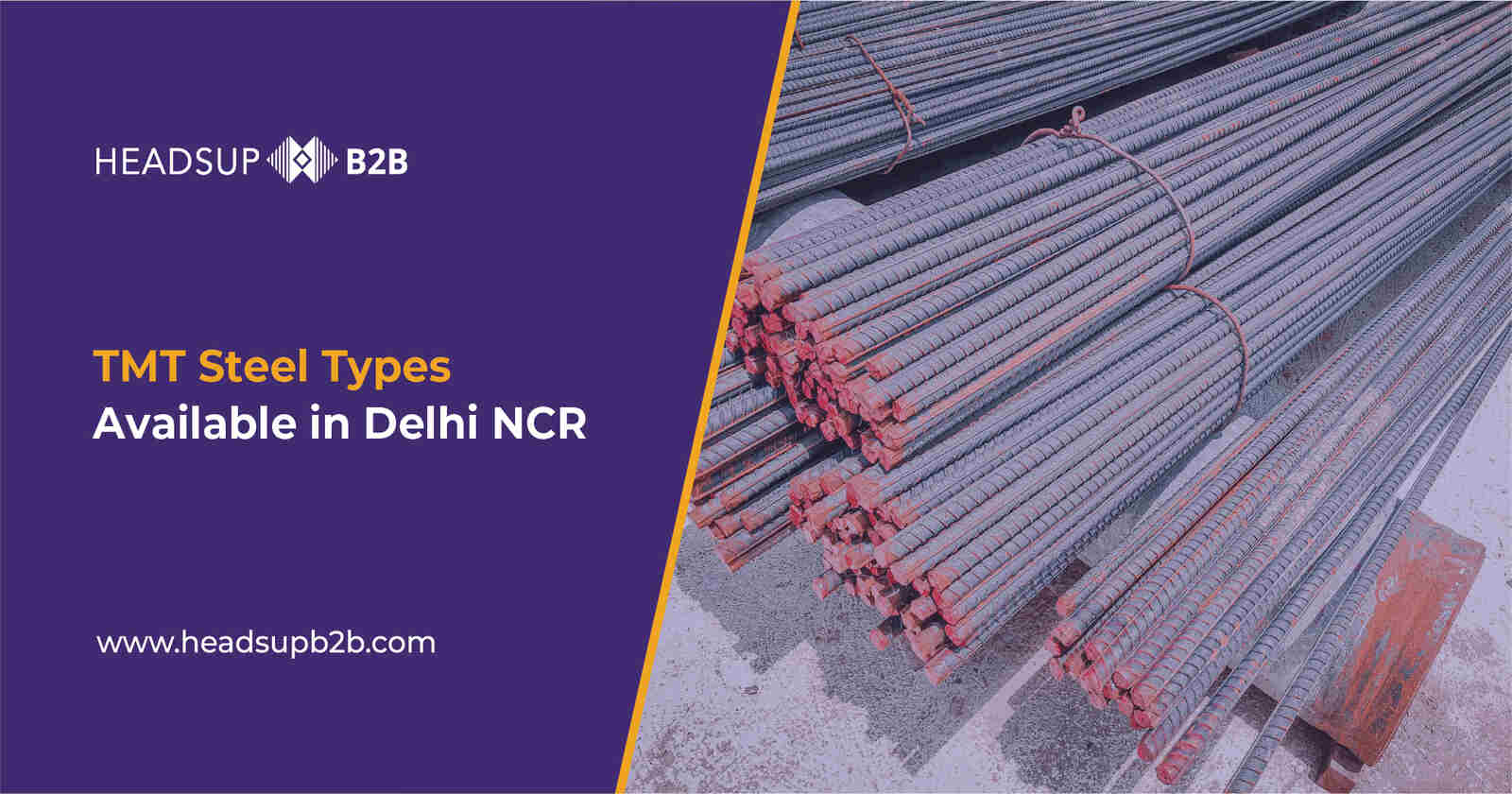
  • TMT Steel Types Available in Delhi NCR: A Complete Guide for Construction Projects

    TMT Steel Types Available in Delhi NCR: A Complete Guide for Construction Projects

    When it comes to construction projects, selecting the right material is critical for ensuring the durability and strength of the structure. One of the most essential materials used in construction is TMT (Thermo-Mechanically Treated) steel. Available in various types and grades, TMT steel provides the strength and flexibility required for everything from residential buildings to large-scale industrial projects.

    In this guide, we’ll explore the different types of TMT steel available in Delhi NCR and help you understand how to choose the best option for your construction needs.

    What is TMT Steel?

    TMT steel is a high-strength steel bar widely used in the construction industry. It undergoes a special manufacturing process where the steel is subjected to a combination of heat treatment and mechanical deformation. This process makes the steel both tough and flexible, ideal for reinforcing concrete in buildings and infrastructure projects. TMT steel is known for its superior strength, corrosion resistance, and earthquake-resistant properties.

    Types of TMT Steel Available in Delhi NCR

    In Delhi NCR, the market offers several types of TMT steel, each suited to different construction requirements. Here’s a breakdown of the most common types:

    1. Fe 415 TMT Steel

    Fe 415 is one of the most commonly used types of TMT steel in construction. The number “415” refers to the minimum yield strength of the steel, which is 415 MPa (Mega Pascal).

    • Usage: Fe 415 is ideal for residential buildings, low-rise structures, and small-scale projects.

    • Strength: Offers moderate strength, making it suitable for less demanding applications.

    • Benefits: It is cost-effective and widely available in Delhi NCR.

    2. Fe 500 TMT Steel

    Fe 500 TMT steel is one of the most popular choices for medium to large construction projects. With a yield strength of 500 MPa, it provides higher tensile strength and durability than Fe 415.

    • Usage: Fe 500 is often used in the construction of multi-storey buildings, bridges, and highways.

    • Strength: Higher strength compared to Fe 415, making it suitable for structures requiring greater resistance to stress.

    • Benefits: Fe 500 offers better resistance to corrosion and higher bendability, making it ideal for more complex construction designs.

    3. Fe 550 TMT Steel

    Fe 550 TMT steel has an even higher yield strength of 550 MPa, offering superior strength and performance for demanding applications.

    • Usage: Fe 550 is commonly used in high-rise buildings, industrial structures, and major infrastructure projects like dams and bridges.

    • Strength: Fe 550 TMT steel provides enhanced seismic resistance and is ideal for heavy-duty construction projects.

    • Benefits: With its high strength, Fe 550 is capable of handling larger loads and stresses, making it perfect for critical structural elements.

    4. Fe 600 TMT Steel

    Fe 600 TMT steel is the highest grade of TMT steel available in the market, offering a yield strength of 600 MPa. This grade is designed for the most critical and demanding construction applications.

    • Usage: It is typically used for large-scale industrial projects, bridges, flyovers, and high-end commercial buildings.

    • Strength: Fe 600 provides the highest strength and is resistant to high stress and heavy load conditions.

    • Benefits: This type of steel offers excellent corrosion resistance and high durability, making it ideal for challenging environments.

    How to Choose the Right TMT Steel for Your Project?

    Selecting the right type of TMT steel depends on several factors, such as the nature of your project, the building’s design, the location, and the budget. Here are some guidelines to help you choose the right TMT steel:

    • For Residential Projects: If you are constructing a single-family home or a low-rise building, Fe 415 or Fe 500 TMT steel is typically sufficient.

    • For Commercial Buildings: For multi-storey commercial buildings or malls, Fe 500 or Fe 550 TMT steel is recommended, as these types can withstand higher stress.

    • For High-Rise Buildings and Infrastructure: For high-rise buildings or large infrastructure projects like bridges, dams, and flyovers, Fe 550 or Fe 600 TMT steel should be your choice due to their exceptional strength and seismic resistance.

    • Environmental Factors: Consider the local environmental conditions, such as corrosion risks due to humidity or exposure to salts, which may require you to opt for higher-grade TMT steel for durability.

    Why TMT Steel is the Best Choice for Construction in Delhi NCR?

    Delhi NCR’s humid climate, pollution, and seismic activity make it necessary to choose high-quality materials for construction. TMT steel provides several advantages that make it perfect for the region:

    1. Corrosion Resistance: TMT steel has a corrosion-resistant outer surface, making it ideal for areas with high humidity and pollution, which are common in Delhi NCR.

    2. Earthquake Resistance: The flexibility of TMT steel makes it highly resistant to seismic activity, an important consideration in a seismically active region.

    3. Higher Durability: TMT steel’s higher strength and bendability make it more durable and long-lasting, providing better value for money in construction projects.

    Conclusion

    When planning a construction project in Delhi NCR, choosing the right type of TMT steel is essential for ensuring the structure’s strength, durability, and safety. Fe 415, Fe 500, Fe 550, and Fe 600 are the most common types of TMT steel available, each offering unique benefits suited to different construction needs.

    Make sure to assess your project requirements carefully and consult with a trusted supplier or contractor to choose the best TMT steel for your construction project. With the right TMT steel, you can ensure that your building is built to last and withstand the test of time.

    If you’re looking for high-quality TMT steel in Delhi NCR, contact us today to learn more about our offerings and get a free quote for your construction project!