Preface
your go-to online platform for all things related to welding electrodes. Welding is important in many industries like construction, steel, machine manufacturing etc.
However, handling the welding electrodes is quite challenging and needs proper care to ensure safety and efficiency. This blog will guide you through the safety measures. We’ll provide an insightful information and educate peoples for better handling and safety.
Introduction
Welding is one of the major components in construction and other industries. However, working with welding electrodes can be dangerous if not handled properly.
Safety is the most important part of welding, protecting the worker and the workspace. In this blog, our professionals will discuss the key safety measures you should follow while handling welding electrodes.
Personal Protective Equipment (PPE)
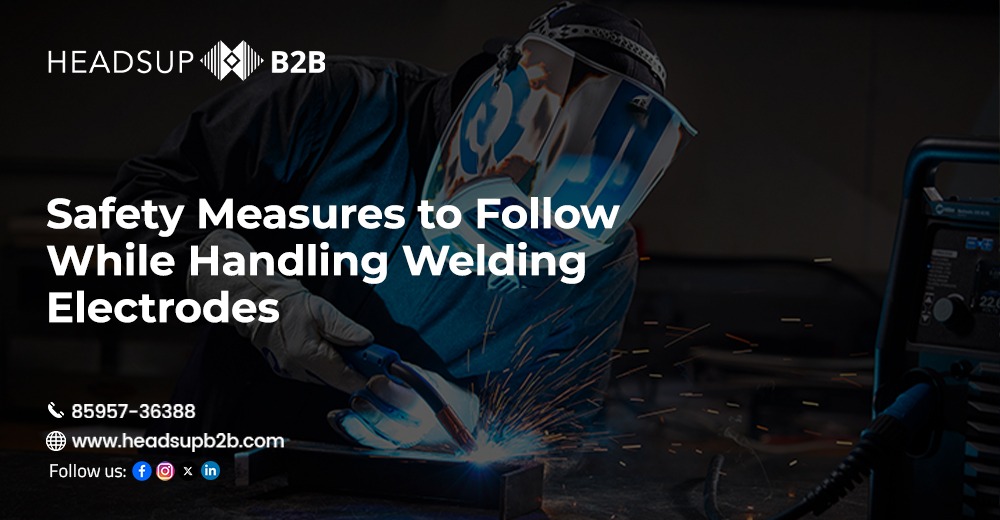
Using the right Personal Protective Equipment (PPE) is vital for anyone working with welding electrodes. Here’s a look at the essential PPE items every welder should use:
Welding Helmet
A welding helmet protects your face and eyes from the intense light and sparks produced during welding. It also shields you from harmful UV and infrared rays, preventing eye damage and burns.
Safety Goggles
Safety goggles are crucial for protecting your eyes from flying debris and particles that can occur while welding. They provide an additional layer of protection under the welding helmet.
Protective Gloves
Welding gloves are made from fire-resistant materials and protect your hands from burns, cuts, and electric shocks. They also offer a good grip, making it easier to handle welding tools and materials safely.
Fire-Resistant Clothing
Fire-resistant clothing, such as a welding jacket and pants, protects your body from sparks, heat, and molten metal. These clothes are designed to resist catching fire and minimize burns.
Steel-Toe Boots
Steel-toe boots safeguard your feet from heavy objects that might fall during welding. They also protect against burns from hot metal and offer a firm grip on potentially slippery surfaces.
Importance of Each PPE Item
Each piece of PPE plays a critical role in keeping welders safe. A welding helmet and safety goggles protect your eyes and face, while gloves shield your hands. Fire-resistant clothing covers your body, and steel-toe boots keep your feet safe.
Together, they ensure comprehensive protection, allowing you to focus on your work without risking injury. Always wear the proper PPE to stay safe and perform your best while welding.
Work Environment Safety
Creating a safe work environment is crucial when handling welding electrodes. Here are some key points to ensure your workspace is safe:
-
Proper Ventilation
Good ventilation is essential in a welding area. Welding produces fumes and gases that can be harmful if inhaled. Ensure that your workspace has enough ventilation to keep the air clean. Use exhaust fans or ventilation systems to remove toxic fumes and provide a steady supply of fresh air.
-
Fire Safety Measures
Welding involves high temperatures and sparks, which can easily start a fire. Always have fire safety equipment, like extinguishers and fire blankets, readily available. Keep flammable materials away from the welding area and make sure there are no loose wires or leaks that could cause a fire hazard.
-
Adequate Lighting
Proper lighting is important for precision and safety in welding. Make sure your workspace is well-lit to avoid mistakes and accidents. Use bright, focused lights to clearly see your work area and reduce the risk of injury.
-
Keeping the Workspace Clean and Organized
A clean and organized workspace can prevent accidents. Keep your tools and materials neatly arranged and avoid clutter. Regularly clean the area to remove any debris or hazardous materials that could cause slips, trips, or other accidents.
By following these steps, you can create a safer work environment, reducing risks and improving the quality of your welding projects.
Handling and Storage of Welding Electrodes
Proper storage and handling of welding electrodes are crucial for safety and efficiency. Here are some key points to consider:
-
Proper Storage Conditions (Temperature, Humidity)
-
Store welding electrodes in a dry, cool place to maintain their quality. High humidity and fluctuating temperatures can damage the electrodes, making them less effective.
-
Use sealed containers or electrode ovens to keep them dry and at a consistent temperature.
-
-
Importance of Keeping Electrodes Dry
-
Moisture can cause welding defects like porosity, leading to weak welds. Always keep electrodes dry to ensure strong, reliable welds.
-
If electrodes get damp, dry them according to the manufacturer’s instructions before use.
-
-
Correct Handling Techniques to Avoid Contamination
-
Handle electrodes with clean, dry hands or gloves to prevent contamination. Oil, grease, and dirt can affect the welding process.
-
Avoid touching the flux coating of the electrode as it is crucial for proper welding.
-
-
Safe Disposal of Used and Damaged Electrodes
-
Dispose of used and damaged electrodes properly. They can be sharp and pose a risk if left lying around.
-
Follow local regulations for disposing of welding waste to ensure environmental safety.
-
By following these storage and handling tips, you can maintain the quality of your welding electrodes and ensure a safer working environment.
Chemical Safety
When welding, it’s important to be aware of the fumes and gases that are produced. These can be harmful if inhaled. To protect yourself, always use the right respiratory protection, such as masks or respirators, to filter out dangerous substances.
Ensuring proper ventilation in your workspace is crucial. This helps to keep the air clean and reduces the risk of breathing in harmful fumes. Use fans, exhaust systems, or welds in open areas to improve air circulation.
Handling and storing chemicals safely is another key aspect of chemical safety. Keep all welding-related chemicals in labelled containers and store them in a cool, dry place. Make sure to follow the manufacturer’s instructions for both use and storage to prevent accidents.
How Headsup B2B is a Reliable Platform for Sourcing Welding Electrodes
When it comes to sourcing welding electrodes, reliability is key. Headsup B2B stands out as a trusted platform for all your welding needs. Here’s why:
-
Quality Assurance: Headsup B2B partners with reputable manufacturers to ensure you get top-quality welding electrodes. Every product goes through rigorous testing to meet industry standards.
-
Wide Selection: Whether you need electrodes for stainless steel, aluminum, or any other material, Headsup B2B offers a wide variety to choose from. This makes it easy to find exactly what you need for any project.
-
Competitive Pricing: We understand the importance of cost-effectiveness. Headsup B2B provides competitive prices without compromising on quality, ensuring you get the best value for your money.
-
User-Friendly Platform: Our website is designed for easy navigation, making it simple to find and order the products you need. Detailed product descriptions and customer reviews help you make informed decisions.
-
Reliable Delivery: Timely delivery is crucial for any business. Headsup B2B ensures fast and reliable shipping, so you get your welding electrodes when you need them.
-
Excellent Customer Support: Our dedicated customer support team is always ready to assist you with any questions or concerns. We are committed to providing a seamless shopping experience.
By choosing Headsup B2B, you can trust that you are getting high-quality welding electrodes from a reliable and customer-focused platform.
