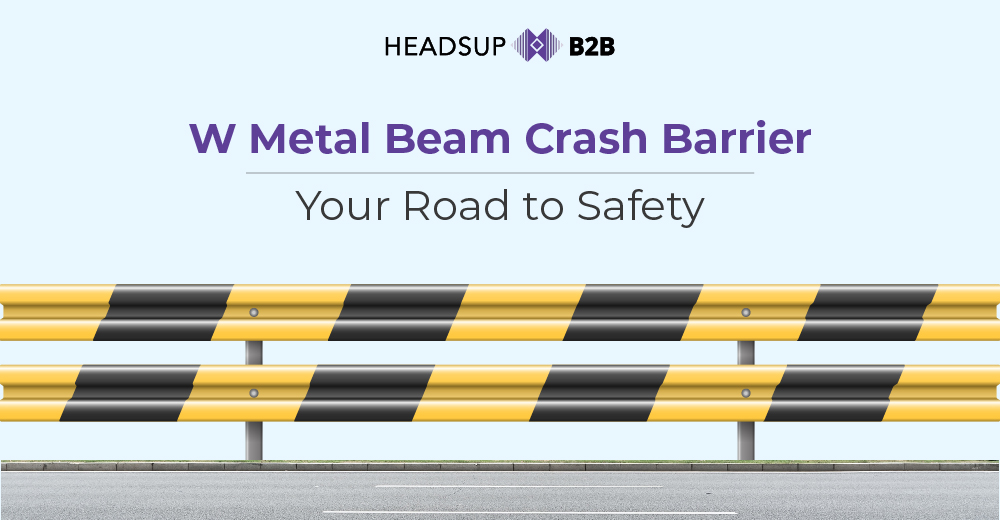
Understanding W Beam Crash Barrier
A W beam crash barrier is a crucial safety component on highways and roads. Designed to protect vehicles and their occupants from severe accidents, these barriers have become an indispensable part of modern road infrastructure.
What is a Crash Wall?
Often used interchangeably with crash barriers, a crash wall is a specific type of barrier that is typically rigid and designed to withstand high-impact collisions. While W metal beam barriers are semi-rigid, they are often used in conjunction with crash walls for enhanced protection in specific areas like bridge ends or steep embankments.
The Importance of W Beam Crash Barrier
-
Absorbing Impact: The unique W-shaped design of the beam allows it to absorb the energy of a collision, reducing the severity of impact on the vehicle.
-
Redirecting Vehicles: In the event of a collision, the barrier helps to redirect the vehicle back onto the road, preventing it from leaving the roadway and potentially causing secondary accidents.
-
Preventing Rollover: The barrier’s design also helps to prevent vehicles from rolling over, significantly reducing the risk of injuries.
-
Improved Visibility: Many W metal beam barriers are equipped with reflective materials to enhance visibility, especially in low-light conditions.
W Beam Crash Barrier Specifications
The specifications of a W beam crash barrier vary depending on factors such as road type, traffic volume, and design standards. However, some common specifications include:
-
Material: High-strength steel
-
Beam Shape: W-shaped profile
-
Height: Typically ranges from 800mm to 1100mm
-
Post Spacing: Varies based on design requirements
-
Crash Test Rating: Must meet specific crash test standards for safety
W Beam Crash Barrier Price
The price of a W beam barrier is influenced by several factors, including:
-
Length of the barrier: The total length of the barrier required for the project.
-
Material quality: The type of steel used and its grade.
-
Installation complexity: The terrain and conditions of the installation site.
-
Additional features: Any extra components or finishes, such as reflective markings or coatings.
It’s crucial to obtain quotes from multiple suppliers to compare prices and ensure you’re getting the best value for your investment.
W Beam Crash Barrier Installation
Installing a W metal beam crash barrier is a specialized task that requires expertise and adherence to safety guidelines. The process typically involves the following steps:
-
Site Preparation: Clearing the area, excavating for post holes, and leveling the ground.
-
Post Installation: Installing the steel posts at specified intervals and ensuring they are securely anchored.
-
Beam Attachment: Attaching the W-shaped beams to the posts using clamps or bolts.
-
End Terminals: Installing end terminals to provide additional protection at the ends of the barrier.
-
Reflective Markings: Applying reflective markings to enhance visibility.
Note: It’s essential to hire a qualified contractor with experience in crash barrier installation to ensure the project is completed safely and efficiently.
Conclusion
W beam crash barriers are essential safety features that can save lives and prevent injuries. By understanding their benefits, specifications, and installation process, you can make informed decisions when selecting and implementing these barriers for your road project.
FAQ
1. What is the lifespan of a W beam crash barrier?
The lifespan of a W metal beam crash barrier depends on several factors, including the quality of materials, installation, maintenance, and traffic conditions. Typically, with proper maintenance, a W beam crash barrier can last for several decades. Regular inspections and repairs are crucial to ensure its continued effectiveness.
2. Are W beam crash barriers eco-friendly?
Yes, W metal beam crash barriers are considered environmentally friendly. They are primarily made from steel, a recyclable material. Additionally, they help to prevent accidents, which reduces the environmental impact caused by vehicle damage and potential oil spills.
3. Can W beam crash barriers be used in all road conditions?
While W metal beam crash barriers are highly versatile, their suitability depends on specific road conditions. Factors such as traffic volume, speed limits, and terrain must be considered. In extreme weather conditions or mountainous areas, additional safety measures may be required.
4. How often should W beam crash barriers be inspected?
Regular inspections are essential to ensure the safety and effectiveness of W metal beam crash barriers. The frequency of inspections depends on factors such as traffic volume and environmental conditions. However, it is generally recommended to inspect the barriers at least twice a year.
5. What is the difference between a W beam crash barrier and a concrete crash barrier?
W metal beam crash barrier are typically more flexible and absorb impact better than concrete barriers. They are also generally lighter and easier to install. However, concrete barriers may be more suitable in certain high-impact areas or for specific design requirements.