Tag: Traffic safety

  • Road Safety Solutions: Your Guide to Safer Travels

    Road Safety Solutions: Your Guide to Safer Travels

    Traveling—whether it’s a short commute or a long road trip—shouldn’t feel like a gamble. But every day, accidents, poor road conditions, and distractions put millions at risk. The good news? We’re not powerless.

    This guide will walk you through road safety solutions that actually work—some high-tech, others surprisingly simple—all aimed at helping you, your family, and everyone on the road travel safer.

    1. The Power of Planning Ahead

    Ever heard the saying “Failing to plan is planning to fail”? It’s true on the road. Safe travel starts before you even buckle up.

    • Check weather and road conditions

    • Ensure your vehicle is roadworthy (tires, brakes, lights)

    • Plan routes with safer, well-lit roads

    • Avoid driving during fatigue-prone hours

    Think of it like pre-flight checks—but for your car.

    2. Defensive Driving Techniques

    Being a defensive driver means:

    • Expecting the unexpected

    • Keeping a safe distance from other vehicles

    • Watching for erratic drivers

    • Avoiding distractions (yes, that means your phone)

    🧠 Stay alert. Stay alive.

    3. Seat Belts: Still the MVP of Safety

    Simple? Yes. But seat belts reduce the risk of fatal injury by 45–60%, depending on the vehicle. Make it a non-negotiable rule—for everyone in the car, every time.

    Even in the back seat.

    4. Smart Vehicle Features That Help

    Modern cars are full of built-in safety tech. Some top examples:

    • Automatic emergency braking

    • Lane departure warnings

    • Blind spot detection

    • Rear cross-traffic alerts

    Don’t just drive—let your car help you drive smarter.

    5. Motorcycle & Bike Safety Measures

    Two-wheelers are more vulnerable. Key safety practices include:

    • Wearing proper helmets (DOT-certified)

    • Using reflective gear

    • Riding in visible lanes

    • Keeping headlights on, even during the day

    🚲 Visibility = survival.

    6. Safer Roads Start with Better Infrastructure

    Governments and city planners have a role too. Effective solutions include:

    • Clearly marked pedestrian crossings

    • Speed bumps in residential zones

    • Roundabouts to reduce collision points

    • Lighting in high-risk areas

    📍 You can drive perfectly and still be at risk if roads aren’t designed for safety.

    7. Smart Traffic Management Systems

    Traffic control has gotten a tech upgrade. Cities now use:

    • AI-based traffic signal timing

    • Real-time road alerts and updates

    • Smart cameras to enforce traffic rules

    • Digital speed display signs to nudge drivers

    🌐 Tech that adapts to traffic makes roads safer for everyone.

    8. Pedestrian Awareness Campaigns

    We often talk about drivers—but pedestrians need guidance too. Road safety education for walkers and cyclists includes:

    • Teaching safe crossing habits

    • Encouraging phone-free walking

    • Highlighting nighttime visibility tips

    🦺 Road safety is everyone’s job.

    9. Vehicle Maintenance = Accident Prevention

    A poorly maintained vehicle is a hazard. Routine checks prevent:

    • Brake failures

    • Tire blowouts

    • Headlight malfunctions

    • Steering issues

    🚗 Treat your car like you treat your health—routine checkups save lives.

    10. Emergency Preparedness While on the Road

    Sometimes, things still go wrong. Are you ready?

    Keep in your vehicle:

    • A first-aid kit

    • Reflective triangles or flares

    • A flashlight

    • Phone charger and emergency contacts

    🔦 When minutes matter, being prepared can make all the difference.

    Conclusion

    Whether you’re walking, driving, or cycling—safety is never someone else’s problem. It’s something we create together, through better habits, smarter tools, and a deeper awareness of the risks.

    Use this guide not just for yourself, but to inspire your family, friends, and community. Because the best journey is the one where everyone arrives safely.

    FAQs

    1. What’s the #1 cause of road accidents?
    Distracted driving—especially from phone use—is currently the top cause worldwide.

    2. Are smart cars really safer?
    Yes. Features like automatic braking and lane assist significantly reduce accident risk.

    3. How often should I check my car’s safety features?
    Do a quick monthly check on lights, tires, and fluids. A full inspection every 6–12 months is ideal.

    4. What are the most dangerous times to drive?
    Late nights (10 p.m.–2 a.m.), rush hour, and bad weather conditions top the list.

    5. Can infrastructure changes really improve safety?
    Absolutely. Better signage, lighting, and road design can dramatically reduce collisions and fatalities.
  • Thermoplastic Paint: Marking Road for Safety and Clarity

    Thermoplastic Paint: Marking Road for Safety and Clarity

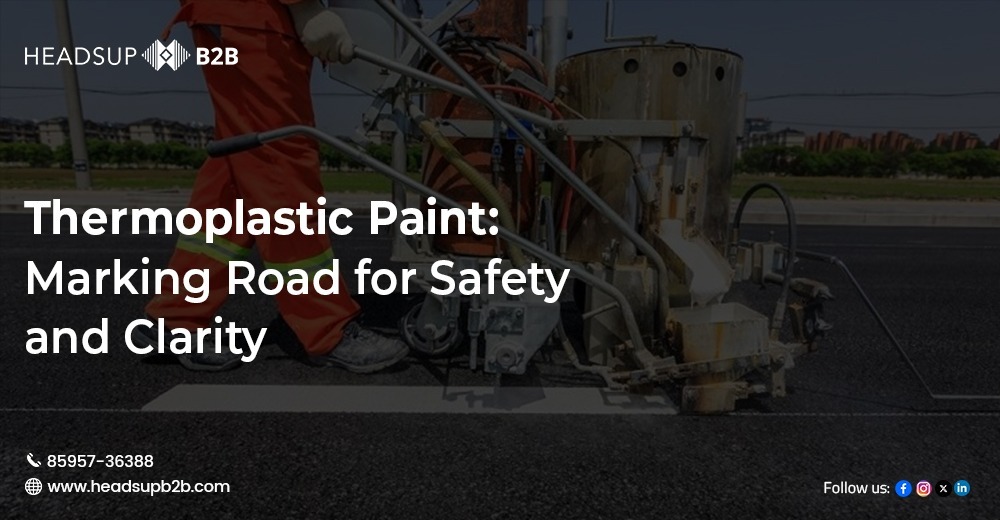
    Thermoplastic Road Markings Paint are like silent guardians, guiding us safely through the chaos of traffic. To draw the attention of drivers, thermoplastic paint is used to draw these road marks. Imagine driving down a road without markings; it would be like navigating a maze blindfolded! Thermoplastic paint is the magic potion that makes these markings easily visible and durable. As the saying goes, “Good roads lead to good destinations.” Thermoplastic paints ensure those roads stay safe and clear for all travelers.

    Headsup B2B is an online platform that guarantees the easy procurement of thermoplastic paints. Our platform has the most reputable supplier, who provides the highest quality thermoplastic paint at the most reasonable price.

    Most people don’t have a clear idea of what this thermoplastic paint is. So, we, the team of Headsup B2B, are here with this blog post to make people aware of these road safety essentials. So, let’s start!

    What is Thermoplastic Paint?

    The ingredients for Thermoplastic Paint (TP) include hydrocarbon, pre-mixed glass beads, and synthetic resin. This increases the thermoplastic paint’s dependability and resilience to adverse weather conditions and wear and tear. The reflecting quality of TP paint gives it a glossy, shining appearance. Because of its reflecting qualities, paint is coated and allowed to remain on pavement and roadways for a long time.

    Benefits of Using Thermoplastic Paint?

    Durability

    Because of its exceptional longevity, it is a great option for road marking. It can withstand adverse weather, high traffic, and other environmental elements. It needs low maintenance and is durable.

    Reflectivity

    Thermoplastic paint is visible even in low light because it contains light-reflecting glass particles. This is important for road markings since it increases pedestrian and vehicle safety. In addition, crosswalks, bike lanes, and airport markers are painted with reflective thermoplastic paint.

    Cost-effective

    For road marking, thermoplastic paint is an affordable option. It takes little care and is strong and long-lasting. Furthermore, it is simple and quick to use, which lowers labour costs and lessens traffic interruptions.

    Environment-friendly

    It’s an eco-friendly way to mark and highlight the roads. Recycling thermoplastic paints helps reduce the garbage produced during the construction of roads.

    Easy to maintain

    Road marking with thermoplastic paint is a low-maintenance option since it requires less upkeep. It doesn’t need to be painted as often as other kinds of road markings and is simply washed with water.

    What is the Importance of Road Markings for Safety?

    Road markings might seem like simple lines on the pavement, but they play a crucial role in keeping us safe on the roads. Here’s why they matter:

    Enhance Visibility

    Road markings act like beacons, especially during dim light or bad weather. They draw our attention, guide us along the right path, and help to prevent confusion and potential accidents.

    Guiding Traffic Flow

    In traffic chaos, road markings, like arrows and lanes, keep traffic organised, ensuring everyone moves smoothly and in the right direction.

    Prevents Accident

    Think of road markings as silent guardians, warning us of potential dangers. By clearly indicating where to stop, yield, or merge, it decreases the chances of mishaps.

    Application of Thermoplastic Paint

    The thermoplastic paints are used widely for different purposes, such as:

    Road Marking

    The most common use of thermoplastic paint is for marking roads. Whether it’s drawing lanes, arrows, or crosswalks, thermoplastic paint ensures these markings stay visible and durable, even under heavy traffic and harsh weather conditions.

    Parking Lots

    Thermoplastic paints are also used to draw bright lines and symbols in parking lots. By clearly outlining the parking spaces, pedestrian walkways, and loading zones, they help prevent parking chaos and keep everyone moving smoothly.

    On Airport Runways

    Even airports rely on thermoplastic paint to keep their runways safe and organised. With precise markings for taxiways, runway thresholds, and aircraft parking areas, thermoplastic paint ensures pilots can confidently navigate even in low-visibility conditions.

    Role of Headsup B2B in Making the Procurement Process of Thermoplastic Paint Easy

    Streamlined Procurement Process

    Headsup B2B simplifies the procurement process, allowing you to browse, compare, and purchase thermoplastic paints with just a few clicks. It’s like shopping online, but for industrial-grade paint!

    Wide Selection of Suppliers

    Headsup B2B provides access to a diverse marketplace of authentic suppliers Our team also guides buyers and helps them select the perfect match for their thermoplastic paint needs. ​

    Transparent Pricing

    No more guesswork or hidden costs. Headsup B2B provides transparent pricing and detailed product specifications, so you know exactly what you’re getting and how much it’ll cost.

    Dedicated Team for Customer Support

    Headsup B2B’s dedicated customer support team is here for you. Whether it’s assistance with placing an order or resolving an issue, they’re just a click or call away. It’s like having a personal assistant for all your procurement needs!

    So, visit Headsup B2B and place your order right now!

  • Unveiling the Advantages of W- Beam Barriers

    Unveiling the Advantages of W- Beam Barriers

    In the realm of road safety, W beam barriers stand as stalwart guardians, offering a myriad of benefits that fortify the security of motorists and pedestrians alike. As a leading authority in highway infrastructure, we delve deep into the myriad advantages that W-beam barriers bring to the table, showcasing their indispensable role in modern transportation networks.

    Enhanced Safety Protocols

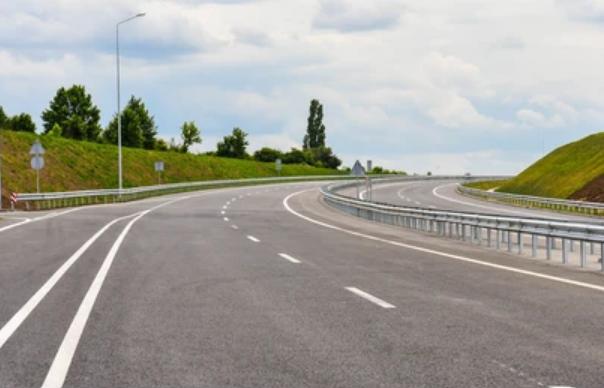
    W Metal Beam Crash Barriers are quintessential elements of road safety infrastructure, meticulously engineered to mitigate the impact of vehicular collisions. Crafted from durable materials such as galvanized steel, these barriers boast remarkable resilience, effectively containing errant vehicles and averting potential accidents. Their strategic installation along highways and thoroughfares serves as a formidable deterrent against hazardous road conditions, ensuring the smooth flow of traffic while safeguarding lives.

    Superior Performance in Diverse Conditions

    Versatility lies at the core of W-beam barriers, as they exhibit unparalleled performance across a spectrum of environmental conditions. From bustling urban avenues to remote rural landscapes, these barriers remain steadfast guardians, steadfastly defending against the perils of vehicular mishaps. Their modular design allows for seamless integration into diverse terrains, guaranteeing optimal functionality regardless of topographical challenges or weather fluctuations.

    Cost-Effective Solutions for Infrastructure Development

    In the realm of infrastructure development, cost-efficiency is paramount, and W beam barriers emerge as frontrunners in this regard. Their robust construction coupled with streamlined installation processes translates to significant savings in both material and labor expenses. Moreover, the long-term durability of these barriers ensures minimal maintenance requirements, further bolstering their appeal as cost-effective solutions for roadway enhancement projects.

    Compliance with Stringent Regulatory Standards

    The proliferation of W-beam barriers underscores a steadfast commitment to regulatory compliance, as these safety implements adhere to stringent industry standards and specifications. From crash testing protocols to material composition guidelines, every facet of barrier design is meticulously scrutinized to ensure maximum efficacy in safeguarding public thoroughfares. By aligning with established regulations, W-beam barriers epitomize a steadfast dedication to excellence in road safety initiatives.

    Environmental Sustainability Initiatives

    Beyond their primary function as guardians of road safety, W-beam barriers contribute to broader environmental sustainability initiatives within the transportation sector. With an emphasis on recyclable materials and eco-friendly manufacturing processes, these barriers minimize their ecological footprint while maximizing their societal impact. By championing sustainability principles, W-beam barriers pave the way for a greener, more resilient future in roadway infrastructure development.

    Conclusion

    The myriad benefits of W-beam crash barriers underscore their indispensable role in modern transportation networks. From enhanced safety protocols to cost-effective infrastructure solutions, these barriers exemplify excellence in road safety engineering. As we continue to prioritize the well-being of motorists and pedestrians alike, W-beam barriers stand as steadfast sentinels, ensuring the smooth flow of traffic and safeguarding lives with unwavering dedication.