Tag: tmt bars

  • TMT Bars Length and Weight Chart: Complete Overview

    TMT Bars Length and Weight Chart: Complete Overview

    uWhen working on a construction project, it’s essential to know the dimensions and weight of the materials you’re working with. One of the most commonly used materials in construction is TMT bars (Thermo-Mechanically Treated bars), which are critical for reinforcing concrete structures. Having an understanding of TMT bar lengths and weights allows you to optimize your material calculations and make your procurement process smoother and more efficient.

    In this complete overview of TMT bars, we’ll provide a TMT bar length and weight chart that will help construction professionals, engineers, and project managers accurately determine how many bars they need and their total weight for construction projects.

    Why Knowing the Length and Weight of TMT Bars Is Important

    The weight and length of TMT bars are crucial for:

    • Material procurement: Knowing the weight helps with ordering the correct number of rods for the project.

    • Cost estimation: Accurate weight measurements help in calculating the total cost of the material.

    • Storage and transportation: Knowing the weight and size helps manage logistics effectively.

    • Construction planning: The right dimensions help in calculating the required quantities of steel for your project and ensure proper load distribution.

    Now, let’s take a look at the TMT bars length and weight chart.

    TMT Bar Length and Weight Chart

    Below is a detailed TMT bar length and weight chart for the most commonly used diameters. The data reflects the approximate weight of each bar and bundle, making it easier for you to calculate the required material for your construction project.

    Diameter of TMT Rod Weight of 1 Rod (Approx) Weight of 1 Bundle (Approx) Weight of 1 Ton (Approx)
    8 MM 4.6 Kgs 45-46 Kgs Approx 22 Bundles
    10 MM 7.1 Kgs 49-50 Kgs Approx 20 Bundles
    12 MM 10.4 Kgs 51-52 Kgs Approx 20 Bundles
    16 MM 18.3 Kgs 54-56 Kgs Approx 18 Bundles
    20 MM 30 Kgs 58-60 Kgs Approx 17 Bundles
    25 MM 46-48 Kgs 46-48 Kgs Approx 22 Bundles
    32 MM 75-78 Kgs 75-78 Kgs Approx 14 Bundles

    Example Calculations

    Let’s break down how to calculate the weight of a TMT bar based on the chart:

    1. For a 16mm TMT bar:

      • Weight of 1 Rod = 18.3 Kgs

      • Weight of 1 Bundle = 54-56 Kgs (for approximately 3 rods)

      • Weight of 1 Ton = Approx 18 Bundles

    2. For a 25mm TMT bar:

      • Weight of 1 Rod = 46-48 Kgs

      • Weight of 1 Bundle = 46-48 Kgs

      • Weight of 1 Ton = Approx 22 Bundles

    These values can be used to calculate the total weight of TMT bars required for your construction, helping you with material procurement and project planning.

    How to Use TMT Bar Weight Information

      • Material Procurement: Accurate weight calculations ensure that you buy the correct number of TMT bars for your project.

        • Cost Estimation: Knowing the weight helps in calculating the total cost of the material, considering the cost per kilogram of TMT bars.

        • Transportation: Knowing the weight of a bundle and how many bundles make up one ton helps with organizing transportation logistics.

        • Project Planning: Efficiently calculate the steel reinforcement needed for your project.

    Why Choose Headsup B2B for TMT Products

    At Headsup B2B, we offer a comprehensive range of TMT products, including various grades and diameters, to meet your construction needs. Our TMT bars are known for their strength, ductility, and corrosion resistance, making them ideal for a variety of construction applications.

    Contact us today to explore our wide range of TMT bars and find the right product for your project. Whether you’re building a high-rise structure or a residential project, we’ve got the right TMT products to ensure durability and strength.

  • 550 vs 550D TMT Bars: Which Is Better for Construction?

    550 vs 550D TMT Bars: Which Is Better for Construction?

    When it comes to construction, the strength and durability of the materials used are of utmost importance. One of the most critical elements in construction is reinforcement bars, commonly known as TMT bars (Thermo-Mechanically Treated bars). These bars play a significant role in providing structural support to buildings, bridges, and other infrastructure. Among the different types of TMT bars available, 550 TMT bars and 550D TMT bars are among the most widely used for various construction projects.

    While they may seem similar at first glance, there are key differences between them. In this article, we will delve into a detailed comparison of 550 TMT bars vs 550D TMT bars and help you decide which is the better choice for your construction needs.

    What Are TMT Bars?

    Before comparing the specific types, let’s first understand what TMT bars are. TMT bars are steel bars used in construction for reinforcement. The process of thermo-mechanical treatment (TMT) involves heating the steel to high temperatures and then cooling it rapidly to increase its strength. This process improves the tensile strength and ductility of the bars, making them ideal for use in reinforced concrete structures.

    TMT bars are available in different grades, which indicate their strength and other properties. The grade number is typically followed by a letter D, which signifies the bar’s ductility. For instance, a 550D TMT bar is stronger and more ductile than a regular 550 TMT bar.

    Understanding the 550 Grade TMT Bars

    550 TMT bars are widely used in residential, commercial, and industrial construction. The 550 refers to the tensile strength of the bar, which is 550 megapascals (MPa). This makes them suitable for a variety of construction applications, as they can handle a significant amount of stress without breaking.

    Key Features of 550 TMT Bars

    • Tensile Strength: The 550 MPa tensile strength makes these bars ideal for use in most structural applications, where moderate strength is needed.

    • Ductility: While they are not as ductile as 550D bars, they still offer a fair amount of flexibility and resistance to cracking.

    • Corrosion Resistance: 550 TMT bars are designed to resist corrosion, which is crucial for structures exposed to moisture or extreme weather conditions.

    • Cost-Effective: 550 TMT bars are generally more affordable compared to their higher-strength counterparts, making them a popular choice for budget-conscious projects.

    Understanding the 550D Grade TMT Bars

    The 550D TMT bars are essentially an upgraded version of the 550 TMT bars. The addition of the D indicates higher ductility, which means that these bars can withstand more bending and stretching before breaking. This increased flexibility is critical in areas where buildings or structures may be subject to dynamic loads or seismic activity.

    Key Features of 550D TMT Bars

    • Tensile Strength: Similar to the 550 TMT bars, the 550D bars also have a 550 MPa tensile strength, making them strong and capable of handling substantial loads.

    • Higher Ductility: The D in 550D signifies its superior ductility compared to the standard 550 bars. This means that 550D bars are less likely to fail under extreme conditions that require bending or stretching.

    • Corrosion Resistance: Like the 550 bars, the 550D TMT bars are also resistant to corrosion, ensuring longevity in different environmental conditions.

    • Higher Flexibility: Due to their enhanced ductility, 550D bars are often preferred in areas prone to seismic activity, where additional flexibility is required to withstand earthquakes and ground movement.

    550 vs 550D TMT Bars: Key Differences

    Let’s break down the major differences between 550 TMT bars and 550D TMT bars:

    1. Tensile Strength

    Both 550 TMT bars and 550D TMT bars have the same tensile strength of 550 MPa. This means that both bars can withstand similar levels of stress before breaking.

    2. Ductility

    The key difference between the two types of bars is ductility:

    • 550 TMT bars: These bars offer moderate ductility, meaning they can handle some amount of bending or stretching, but they are more likely to crack under extreme conditions.

    • 550D TMT bars: The D in 550D stands for ductility, which makes these bars more flexible and resistant to cracking. They are ideal for areas prone to seismic activity or heavy dynamic loads.

    3. Use in Construction

    • 550 TMT Bars: These are suitable for residential construction, low-rise buildings, and projects that don’t experience high stress. They are also ideal for light commercial projects where the risk of dynamic stress is low.

    • 550D TMT Bars: Due to their higher ductility, these bars are better suited for high-rise buildings, industrial structures, and areas subject to high seismic activity. They are also ideal for bridges, flyovers, and highway construction where additional flexibility is required.

    4. Cost

    • 550 TMT Bars: These bars are generally more affordable compared to 550D bars due to their lower ductility. They are a great option for budget-conscious projects.

    • 550D TMT Bars: While 550D TMT bars cost more due to their superior properties, they offer better performance and long-term durability, making them worth the investment in certain high-stress applications.

    5. Durability and Performance

    • 550 TMT Bars: They perform well under normal conditions and are highly durable, especially in environments that aren’t exposed to extreme stress.

    • 550D TMT Bars: These bars excel in challenging environments, especially in areas prone to earthquakes or other seismic activities, due to their superior flexibility and ability to absorb stress.

    Which Is Better for Construction?

    The choice between 550 TMT bars and 550D TMT bars depends on the specific requirements of the construction project.

    • For Low-Rise Buildings and Residential Projects: If you are working on a residential construction project or a low-rise building, 550 TMT bars would likely be sufficient. These bars are cost-effective and provide adequate strength for such applications.

    • For High-Rise Buildings and Seismic Areas: If your project involves high-rise buildings, bridges, or structures in areas with seismic activity, 550D TMT bars would be the better choice. Their enhanced ductility makes them more suitable for withstanding dynamic loads and earthquake resistance.

    Conclusion

    Both 550 TMT bars and 550D TMT bars are excellent choices for construction, but they serve different purposes. If you need a more cost-effective option for standard buildings, 550 TMT bars should meet your needs. However, if your project requires superior flexibility and strength, especially in high-rise buildings or earthquake-prone areas, the 550D TMT bars would be the better choice.

    Understanding these key differences will help you make an informed decision about which TMT bars are best suited for your specific construction project.

    HeadsUp B2B supplies a comprehensive range of TMT products, including both 550 and 550D TMT bars, to cater to all your construction needs. Whether you’re building a residential project or working on a large-scale infrastructure project, we provide top-quality materials that ensure durability and strength. Contact us today to explore our full range of TMT products and find the perfect solution for your construction requirements.

  • Importance of TMT Bars in the Indian Construction Industry

    Importance of TMT Bars in the Indian Construction Industry

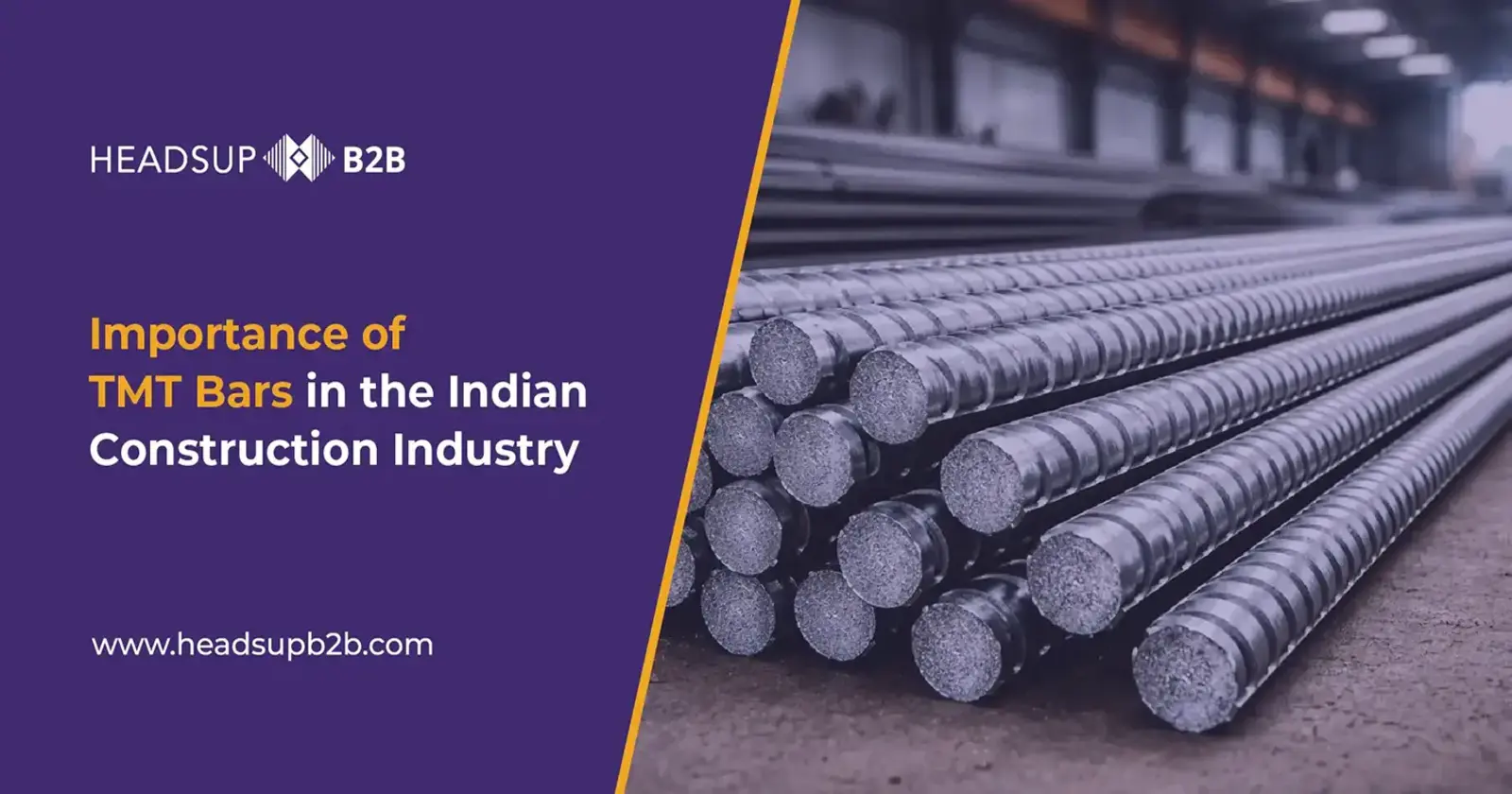
    In the rapidly expanding Indian construction industry, the materials used play a pivotal role in determining the safety, durability, and overall performance of structures. Among the most essential materials for reinforcing concrete is TMT bars (Thermo-Mechanically Treated bars), a crucial component that ensures structural integrity and long-term strength. Whether you’re building a skyscraper, bridge, highway, or residential complex, TMT bars form the backbone of any construction project.

    But why are TMT bars so critical, and how do they contribute to the safety and longevity of Indian infrastructure? Let’s take a deeper look.

    What Are TMT Bars?

    TMT bars are reinforcing steel rods used in concrete to handle tension forces. These bars are made through a specialized process where hot steel is rapidly cooled, resulting in a hardened outer surface and a ductile inner core. The outer layer provides high strength, while the inner core offers flexibility, making TMT bars capable of handling high-stress situations without cracking or breaking.

    The manufacturing process behind TMT bars involves two critical stages: Thermo Treatment and Mechanical Treatment. The steel is first heated and then quenched, which hardens the outer layer while keeping the core soft. This unique combination ensures that TMT bars are not only strong but also able to withstand significant tension, making them ideal for reinforcement in concrete structures.

    Why Are TMT Bars Crucial for the Indian Construction Industry?

    1) Earthquake Resistance

    India is a seismically active country, and several regions lie in high seismic zones. In these areas, buildings and infrastructure must be designed to resist earthquake forces. TMT bars offer excellent ductility, meaning they can absorb energy during seismic events without fracturing. This makes them indispensable for buildings, bridges, and other structures in earthquake-prone regions.

    2) High Strength and Durability

    TMT bars, especially grades like Fe500 and Fe550, provide superior strength and durability, which are essential for high-rise buildings, industrial structures, and infrastructure projects. These bars offer higher tensile strength, ensuring that they can carry heavy loads and withstand extreme weather conditions, giving a longer lifespan to the structure.

    3) Corrosion Resistance

    In coastal areas and regions with high humidity, steel reinforcement in concrete is at risk of corrosion. TMT bars are manufactured with higher resistance to corrosion compared to traditional steel bars. The outer layer of the bar, created through thermo-mechanical treatment, forms a protective barrier against rust, making TMT bars an ideal choice for buildings in coastal and humid environments.

    4) Better Workability

    Another critical benefit of TMT bars is their workability. They are easier to cut, bend, and install during construction due to their ductile nature. This reduces construction time and minimizes the chances of error or rework. Moreover, this workability is key for builders to fabricate stirrups, hooks, and reinforcement cages that are integral to the structural framework.

    5) Enhanced Safety

    Structural integrity is paramount in any construction, and TMT bars contribute significantly to the safety of buildings and infrastructure. Thanks to their high strength, flexibility, and corrosion resistance, TMT bars help ensure that structures can withstand the stresses of daily use, as well as extreme conditions such as earthquakes, high winds, and heavy rainfall. This leads to safer living conditions and reduced risk of failure over time.

    6) Cost-Efficiency in the Long Run

    Although the initial cost of TMT bars may be slightly higher than traditional steel bars, the long-term savings they offer are immense. TMT bars require less material for the same load-bearing capacity, thus reducing overall material costs in construction. Moreover, their corrosion resistance and durability lead to lower maintenance costs over time.

    The Role of TMT Bar Grades in Construction

    TMT bars are available in various grades, each suited to different types of construction. The most commonly used grades in India are:

    • Fe415: Typically used in low-cost construction and general-purpose use.

    • Fe500: This is one of the most popular grades used for residential buildings and infrastructure projects due to its balance of strength and ductility.

    • Fe550: Known for its high strength, it is ideal for high-rise buildings, bridges, and heavy-duty applications.

    Choosing the right grade of TMT bars depends on factors like the load-bearing capacity, the design requirements, and the environment in which the structure is being built.

    Why Choose Headsup B2B for TMT Bars in India?

    When it comes to sourcing high-quality TMT bars for your construction needs, Headsup B2B is your trusted partner. We are a leading supplier of TMT bars across India, offering top-grade products to meet the requirements of all types of construction projects. Whether you’re building residential homes, commercial buildings, or large-scale infrastructure projects, we provide Fe500, Fe500D, Fe550, and other high-strength TMT bars that guarantee durability, safety, and performance.

    With a nationwide distribution network, Headsup B2B ensures timely delivery of TMT bars to your project site, no matter where you are located. We prioritize quality, reliability, and affordability, making us the preferred choice for contractors, builders, and developers across India.

    Headsup B2B for Your TMT Bar Needs

    Looking for high-quality TMT bars for your next construction project? Headsup B2B provides TMT bars of all grades delivered to locations across India. Our products meet the highest industry standards, ensuring that your projects stand the test of time. Get in touch with us today to get a quote or learn more about our offerings.

    Call us now at 8595736388 or email us at info@headsupb2b.com to place your order and experience the best in TMT bars.

  • What Are TMT Bars and Why Are They Critical in the Indian Construction Industry?

    What Are TMT Bars and Why Are They Critical in the Indian Construction Industry?

    TMT bars are steel reinforcement rods used inside concrete to make buildings, bridges, flyovers, and other structures strong and safe. TMT stands for Thermo-Mechanically Treated. These bars go through a controlled process of heating and rapid cooling that creates a tough outer layer and a more ductile inner core. That combination is what makes them so widely used in construction across India.

    What TMT Bars Are Made For?

    Concrete is strong in compression but weak in tension. When a structure faces tension from loads, wind, traffic, or ground movement, concrete alone can crack. TMT reinforcement bars handle that tension and help the concrete hold together. In simple terms, concrete carries the weight and pressure, and TMT bars provide the pulling strength that prevents failure.

    How TMT Bars Are Manufactured (Simple View)

    The steel rod is first rolled at high temperature, then quenched with water to cool the surface quickly. After that, the inner heat tempers the core. This creates:

    • a hard outer layer for strength and wear resistance

    • a soft, ductile core for bending and energy absorption

    This structure helps TMT bars perform well under normal loads and sudden forces like earthquakes.

    Why TMT Bars Are Critical in the Indian Construction Industry

    1) Earthquake resistance matters in India

    Many Indian cities fall under seismic zones (Zone III, IV, and V). Structures need reinforcement that can flex without snapping. TMT bars offer high ductility, meaning they can bend and absorb energy during tremors instead of breaking suddenly. This property is essential for multi-storey buildings, bridges, and metro structures.

    2) High strength supports modern design

    Urban construction in India is moving toward high-rises, longer spans, and faster project execution. High-strength TMT bars (like Fe500 and Fe550 grades) allow engineers to use less steel for the same load capacity, which can reduce overall reinforcement weight and help with cost efficiency and structural performance.

    3) Better corrosion resistance for Indian conditions

    India has coastal belts, humid climates, and polluted urban environments where steel can corrode faster. Many manufacturers offer corrosion-resistant TMT variants (often branded as CRS or similar). Lower corrosion risk improves structural life and reduces repair costs, especially in coastal states and high-moisture regions.

    4) Workability helps speed on-site execution

    Construction sites need bars that are easy to cut, bend, and place without cracking. TMT bars have good bendability, which helps with fast fabrication of stirrups, hooks, and complex reinforcement cages. This reduces wastage and rework.

    5) Fire safety and heat performance

    In fire events, steel strength drops as temperature rises. TMT bars generally offer better performance than ordinary mild steel, and many premium grades are designed to meet higher safety expectations. This matters in dense Indian cities where fire risk and evacuation challenges are real.

    6) They support India’s infrastructure push

    India’s infrastructure growth includes highways, expressways, ports, airports, rail corridors, metro projects, and smart cities. These projects demand reinforcement steel with consistent quality, high strength, and dependable mechanical properties. TMT bars meet these requirements at scale, which is why they are the default reinforcement choice across most major projects.

    Common Grades Used in India

    The most common grades you’ll see are:

    • Fe415: used in smaller or conventional projects

    • Fe500 / Fe500D: widely used in residential and commercial buildings

    • Fe550 / Fe550D: used in high-load and infrastructure projects

    The “D” variants generally indicate higher ductility, which is a big plus for seismic performance.

    Key Takeaway

    TMT bars are critical in Indian construction because they combine strength, ductility, corrosion resistance, and on-site workability, which directly impacts safety, durability, and long-term structural performance. For India’s seismic zones, varied climate conditions, and rapid infrastructure growth, TMT reinforcement bars are not optional—they are fundamental.

  • Difference Between Fe 500 and Fe 550D TMT Bars in Construction

    Difference Between Fe 500 and Fe 550D TMT Bars in Construction

    Dreams of strong skyscrapers, bridges, and homes start with a strong and resilient foundation. TMT bars have revolutionized construction since the mid-20th century. The features like high tensile strength, durability, and flexibility make TMT bars the backbone of any construction project. Selecting the right one may be daunting—with many options available. Among the popular choices, FE 500 and FE 550D stand out. To help you navigate this decision, we will break down the key differences between these two grades of TMT Bars, empowering you to make informed choices that fit your construction choice and the building needs.

    What are TMT Bars?

    TMT Bars are engineered marvels of modern construction. They use high-strength reinforcement, resulting in a unique microstructure with a hard outer layer encapsulating a soft core. They are manufactured through rigorous thermomechanical treatment. With superior strength, ductility, and corrosion resistance, TMT bars are the backbone of countless residential, commercial, and infrastructure projects worldwide.

    Understanding Fe 500 and Fe 550D

    The decision to choose a TMT bar for construction is a vital one, owing to its role in the resilience of the construction during times of natural calamities such as floods, earthquakes, flood, and fire.

    TMT bars are categorized by their yield strength, which measures their resistance to deformation. Fe 500 TMT bars, with a minimum yield strength of 500 N/mm², are versatile and suitable for a wide range of construction projects.

    Fe 550D TMT bars, on the other hand, offer superior strength and ductility. The “D” signifies enhanced ductility, making these bars ideal for structures that require greater flexibility and resistance to stress. This higher grade is often used in high-rise buildings, bridges, and other complex infrastructure projects.

    Key Difference of Fe 500 and Fe 550D

    Aspect Fe 500 Fe 550D
    Yield Strength 500 N/mm² 550 N/mm²
    Ductility Moderate High
    Elongation Lower compared to Fe 550D Higher elongation percentage
    Applications General-purpose construction projects High-stress structures like bridges
    Flexibility More flexible Slightly less flexible
    Cost Comparatively lower Slightly higher
    Corrosion Resistance Standard Enhanced
    Earthquake Resistance Adequate for low seismic zones Suitable for high seismic zones

    Detailed Comparison

    1. Yield Strength:

      • Fe 500 bars have a yield strength of 500 N/mm², making them suitable for general-purpose construction. On the other hand, Fe 550D has a higher yield strength of 550 N/mm², offering better load-bearing capacity.
    2. Ductility and Elongation:

      • While both grades are strong, Fe 550D excels in ductility due to the “D” grade. This property makes it ideal for structures that require greater flexibility, such as high-rise buildings and structures in earthquake-prone areas.
    3. Applications:

      • Fe 500 is often used for residential buildings and small to medium-sized structures. Fe 550D, with its enhanced properties, is preferred for infrastructure projects like dams, bridges, and industrial structures that experience higher stress.
    4. Cost:

      • Fe 550D bars are slightly more expensive than Fe 500 due to their superior properties. However, the cost difference is often justified by the added strength and durability they bring to critical projects.
    5. Corrosion Resistance:

      • Both grades offer good resistance to corrosion, but Fe 550D’s enhanced ductility often translates into better performance in corrosive environments.
    6. Earthquake Resistance:

      • Fe 550D’s high ductility makes it more effective in absorbing energy during seismic activities, reducing the risk of structural failure in high earthquake zones.

    Which One Should You Choose?

    The choice between Fe 500 and Fe 550D TMT bars depends on the specific requirements of your project:

    • Fe 500:

      • Ideal for residential buildings, small commercial structures, and other low to medium-load bearing projects.

      • Cost-effective and widely available.

    • Fe 550D:

      • Suitable for high-stress projects such as bridges, dams, and industrial buildings.

      • Recommended for regions with high seismic activity due to its superior ductility.

      • The added cost is justified for critical infrastructure projects.

    Conclusion

    Are you deciding between Fe 500 and Fe 550 D TMT Bars? Your final decision depends on performance parameters, specifications, budget, and construction needs. For general construction, Fe 500 is the perfect combination of cost efficiency and versatility. For constructions in seismic zones and high-stress environments, Fe 550 D TMT Bars are your way to go.

    Both the building materials are exceptional, but it’s important to keep your project requirements, design environmental conditions, and budget in mind while selecting the right TMT bars. While the factors hesitate to consult experts like structural engineers to find the right grade for your construction needs.

  • Top 10 Best TMT Bars in India

    Top 10 Best TMT Bars in India

    TMT (Thermo Mechanically Treated) bars are the backbone of any concrete structure. Their quality and strength play a crucial role in the overall stability and durability of a building. With numerous brands available in the Indian market, choosing the right one can be overwhelming. To simplify your decision-making process, we’ve compiled a list of the top 10 Best TMT bars in India, known for their quality, reliability, and customer trust.

    Understanding TMT Bars

    Before we delve into the brands, let’s understand what TMT bars are. These steel reinforcements are subjected to a special heat treatment process that enhances their strength, ductility, and resistance to corrosion. They are widely used in the construction industry for their superior performance compared to traditional mild steel bars.

    Top 10 TMT Bar Brands in India

    1. Tata Tiscon: A leading brand renowned for its exceptional ductility and strength. It is particularly preferred for high-rise buildings and structures in seismic zones.

    2. JSW Steel: Known for its consistent quality and wide range of products, JSW Steel is a trusted name in the construction industry.

    3. SAIL: A government-owned enterprise, SAIL produces high-quality TMT bars at competitive prices.

    4. Shri Ram EPC: Offers innovative TMT bars with superior strength and elongation properties.

    5. Kamdhenu: Known for its wide range of products and strong distribution network, Kamdhenu is a popular choice for builders.

    6. Visakha Steel: Produces high-quality TMT bars with a focus on environmental sustainability.

    7. Usha Martin: Offers a wide range of TMT bars for various construction applications.

    8. Maheshwari Steel: Known for its consistent quality and adherence to industry standards.

    9. Ratnakar Steel: A reliable brand offering TMT bars at competitive prices.

    10. Everest Steel: A growing brand with a focus on innovation and customer satisfaction.

    Factors to Consider When Choosing a TMT Bar Brand

    While the above list highlights some of the top TMT bar brands in India, it’s essential to consider several factors before making a final decision:

    • Grade of Steel: Choose the appropriate grade based on the project’s requirements (Fe 415, Fe 500, Fe 550, etc.).

    • Diameter: Select the correct diameter based on design calculations.

    • Ductility: Ensure the TMT bars have good ductility to withstand seismic loads and bending stresses.

    • Strength: The TMT bars should possess adequate strength to support the building’s load.

    • Corrosion Resistance: Look for TMT bars with good corrosion resistance for long-term durability.

    • Price: Compare prices from different brands without compromising on quality.

    • Availability: Ensure the chosen brand has a strong distribution network in your area.

    The Importance of Consulting a Structural Engineer

    It is highly recommended to consult with a structural engineer to determine the most suitable TMT bar for your specific project. They can provide expert advice based on load calculations, soil conditions, and other relevant factors.

    By carefully considering these factors and selecting a reputable TMT bar brand, you can ensure the structural integrity and safety of your building.

    Disclaimer: This blog post is intended to provide general information and does not constitute professional advice. It’s essential to conduct thorough research and consider your specific project requirements before making a final decision

    FAQs

    1. What is the difference between Fe 415, Fe 500, and Fe 550 TMT bars?

      The numbers indicate the minimum yield strength of the steel in Newtons per square millimeter (N/mm²). Fe 415 has a minimum yield strength of 415 N/mm², Fe 500 has 500 N/mm², and Fe 550 has 550 N/mm². Higher grades are generally stronger but less ductile.

    2. How do I choose the right diameter of TMT bar for my construction project?

      The diameter of the TMT bar is determined by structural engineers based on load calculations and design considerations. It’s crucial to consult with a professional to ensure the correct diameter is used.

    3. Can I use TMT bars for all types of construction?

      Yes, TMT bars are used in various construction projects, from residential buildings to commercial complexes and industrial structures. However, the specific grade and diameter will vary based on the project’s requirements.

    4. How can I ensure the quality of the TMT bars I purchase?

      Purchase TMT bars from reputable brands and authorized dealers. Check for certifications and quality marks. Additionally, consider conducting laboratory tests on the bars for added assurance.

    5. What is the lifespan of TMT bars?

      The lifespan of TMT bars depends on various factors, including the quality of the steel, the construction environment, and proper maintenance. When used correctly and protected from corrosion, TMT bars can last for several decades.

  • TMT Bars vs. Traditional Steel: A Comparative Analysis

    TMT Bars vs. Traditional Steel: A Comparative Analysis

    It almost seems impossible to construct anything without steel and steel rebar. Classical rebars, or iron rods, are dependable building components that continue to withstand the test of time in old, robust structures. Headsup B2B – a B2B marketplace providing TMT steel bars and other construction materials knows the value of these materials for your project. In this blog post, the important points that distinguish TMT steel bars from conventional ones will be highlighted with a brief on why TMT is a preferred option for the modern construction.

    Introduction

    Advancements in technology over the course of the twentieth century introduced many changes to construction. Among the most significant is the use of TMT steel bars as the most recommended construction steel bar. These bars are used for reinforcement of concrete structures and are supplementary reinforcements other than steel bars. Interested in why such a difference? The key differences lie in the raw materials and the manufacturing process. Let’s look at how TMT steel bars differ from conventional steel bars and why TMT bars are usually preferred.

    Understanding TMT Steel Bars and Traditional Steel Bars

    TMT Steel Bars?

    TMT bars are reckoned as the modern generation of construction materials that are characterised by high strength and durability. This is made possible by heat treatment followed by rapid cooling, something that reduces the impurities by using virgin iron ore.

    Traditional Steel Bars?

    Conventional bars are the foundation of traditional construction and are usually mild steel. They receive no treatment and can’t brag about any design advantages.

    Learn More:- 10 Steps to Finding the Best TMT Bars in India

    Manufacturing Process

    TMT Steel Bars: Manufacturing Process

    High-strength reinforcement bars are called thermo-mechanically treated, or TMT, bars. TMT bars are manufactured using rolling, water quenching, atmospheric cooling, and self-tempering techniques. These processes are critical to producing high-quality TMT bars. The quality of rolling mills, quenching systems, tempering processes, and raw materials all contribute significantly to the quality assurance of TMT bars. The top producers of TMT bars give careful consideration to these phases and elements to create exceptional, unrivalled goods.

    Traditional Bars: Manufacturing Process

    High Yielding Strength Deformed TMT steel bars. After heat treatment, these conventionally used steels are manufactured via a cold twisting technique. The TMT steel bars acquire physical imperfections as a result of the cold twisting procedure. There are various benefits to these deformations.

    Difference Between TMT Steel Bars and Traditional Bars

    Strength

    TMT steel bars significantly increase strength, which makes them perfect for the structural demands of today. Even though they are dependable, traditional bars might not be as strong. Although steel TMT bars remain the only material used in modern buildings, the newer grades are making it even more practical and aesthetically pleasing.

    Flexibility

    Like a skillfully performed dance, TMT steel bars give flexibility in addition to strength. In the construction of bridges, tunnels, coastal buildings, and marine projects, TMT bars are the preferred choice, meeting all requirements effectively. Available in various sizes and weights, they offer tailored solutions, and their superior concrete adhesion, as seen in VRKP’s dual-ribbed design, instills confidence in engineers.

    More simplistic applications might be better served by traditional bars, which are robust but less agile.

    Ductility

    Any material’s ductility is its capacity to undergo deformation without collapsing, even after it has reached its breaking point. When it comes to preventing structural collapse in construction constructions, TMT steel bars are more ductile than TOR Steel. TMT steel bars also contribute to a building structure’s increased strength because of their exceptional strength.

    Elongation

    Any material’s ability to extend before failing is known as elongation. This component is crucial in determining any bar’s ductility. The more the elongation, the greater the ductility and, consequently, the reduced likelihood of any structural structure being damaged. TMT steel bars improve the safety of your projects because they are longer than traditional bars.

    Fire-Resistance

    Low thermal stability makes traditional steel bars incapable of withstanding high temperatures. However, TMT bars’ greater thermal stability allows them to hold onto almost 80% of the surrounding temperature, assisting in the safety and security of construction projects in the event of a fire.

    Corrosion Resistance

    TMT bars include an edge that is naturally resistant to corrosion. Longevity is ensured by the protective layer formed during the treatment procedure, particularly in demanding situations. When purchasing building materials, one should take into account exposure to dampness, water seepage, and salt water. Because of the unique chemical treatments, steel TMT bars are your best option, but typical bars in construction need a little extra care to prevent rust.

    Which TMT steel or traditional bars are best for your project depends on its particular requirements. TMT steel bars improve green buildings by using environmentally friendly procedures. While classic bars offer unparalleled dependability, they add a contemporary twist with their strength, flexibility, and resistance to corrosion.

    Headsup B2B is an online platform for the best TMT steel bars. We provide TMT bars from trustworthy suppliers and manufacturers. We also offer expert assistance and a wide range of TMT steel bars that can cater for your specific projects. So, visit Headsup B2B and place your order now!

  • How to Assess the Best TMT Bar in India for Your Project

    How to Assess the Best TMT Bar in India for Your Project

    Construction materials, especially Best TMT bars, are critical to the strength and durability of a building. With a wide range of options available, selecting the right TMT bar can be overwhelming.

    Headsup B2B pride ourselves on providing the finest materials and best TMT bars to guarantee the success and longevity of your construction projects. Keep reading to find out how to select the right TMT bars for your needs.

    Introduction

    TMT bars are vital for construction projects. Choosing a reputable TMT bar manufacturer in India is essential for achieving sturdy and durable buildings. Known for their strength and longevity, TMT bars are extensively used in construction. However, the abundance of manufacturers means that finding the best one demands effort and time.

    Therefore, to assist you and make sure your construction project is constructed on a firm foundation, this article provides instructions and advice for choosing the finest TMT bars manufacturer in India.

    What are TMT Bars?

    Thermo Mechanical Treatment, or TMT for short, is a thermomechanical technique. TMT steel bars are typically used in construction as a material to increase resistance to earthquakes and other natural calamities. TMT steel bars should be corrosion-resistant to guarantee the safety of your project and to extend its lifespan.

    Types of TMT bars and their uses

    TMT bars are primarily classified into four categories: Fe 415, Fe 500, Fe 550, and Fe 600.

    We go into great depth on the applications for these specific bars below.

    Grade Fe 415

    Because of its ductility and cost-effectiveness, Fe 415 TMT is utilised in small-scale building projects. Because it is easily bent into even the most intricate shapes, it is ideal for minor load buildings.

    Applications: – Fe415 is used to reinforce houses, apartments, and other small-scale constructions. These kinds of bars can be utilised in seismically active areas due to their consistent elongation feature.

    Fe 500 classification

    Fe500 grade is widely known as the industry standard for a variety of building projects. Fe 500D and Fe 500S variations, which provide more seismic stability and ductility, are other well-liked options.

    Use: Fe 500 bars offer higher tensile strength and more ductility than Fe 415, which is specifically made to give stability to high-rise buildings while resisting load better. They may be utilised in a variety of residential, commercial, and multi-story constructions.

    These bars are main component in construction in regions with frequent earthquakes and strong loads.

    Fe 550 classification

    Fe 550-grade bars have a higher tensile strength, which makes them suitable for use in a variety of big projects.

    Applications: The F550 has an important role in the development of large-format infrastructure projects, such as brides, industrial projects, and buildings with substantial load-bearing capacity.

    These bars have a particularly strong effect in subterranean, marine, and coastal settings.

    Fe 600 classification

    One of the strongest TMT grades utilised in the construction of marine facilities, bridges, and other heavy-duty infrastructure projects is Fe 600. They ensure reduced steel congestion inside the reinforcement, lower overall consumption, and give higher tensile strength.

    Uses: Fe 600 is employed in the building of skyscrapers, plants, highways, metro projects, commercial buildings and industrial zones. often employed in large-scale projects where load carrying, durability, and corrosion resistance are given priority.

    Advantages of the TMT bars

    Increased strength

    The bars are the perfect material to use in conjunction with concrete to strengthen constructions. By strengthening their connection with concrete, the TMT bars’ distinctive ribbed design adds even more strength. The TMT bars’ ductility makes them simpler to work with, and the ability to create pre-welded meshes off-site shortens the time needed for construction as a whole.

    Corrosion-resistant

    The TMT production process gives the bars anti-rust qualities. During the water-cooling phase, the prevention of the accumulation of coarse carbides occurs, which are the primary cause of corrosion in steel. Consequently, TMT steel constructions are stronger.

    Fire-resistant

    The best TMT bars can tolerate temperatures between 400 and 600 degrees Celsius because of their great thermal stability. This safeguards the structure of the building in the event of a fire.

    Earthquake-proof

    The high degree of elasticity imparted by the soft core of TMT bars gives the structures constructed with TMT greater flexibility to withstand seismic and dynamic loads.

    Cost-effective

    The best TMT bars use less steel to produce a certain quantity of structure since they have higher tensile strength and superior elongation values. This lowers the cost of raw materials in addition to saving money on storage and shipping. Additionally, because TMT steel bars require less time to manage on-site, there are further cost savings.

    Key factors to consider before selecting Steel TMT Bars

    Certifications and standards

    Check for TMT bars certified by both ISO and Bureau of Indian Standards (BIS) to ensure they meet the necessary quality and safety standards.

    Grade of the TMT bars

    The TMT grade dictates their strength and flexibility. For projects that require enhanced durability, such as high-rise buildings, bridges, and infrastructure, higher-grade TMT bars are the preferred option. Select the grade that best addresses your project’s unique requirements.

    Quality testing

    Not all TMT bar manufacturers offer the same quality. Opt for a manufacturer renowned for producing TMT bars with consistent mechanical properties and precise chemical control. Comprehensive quality testing is necessary to verify the strength and longevity of TMT bars, following BIS guidelines.

    Manufacturing process

    Knowing the ins and outs of the production process aids in gauging the performance and quality of TMT bars. Seek out brands that prioritise regulated production processes and leverage state-of-the-art technologies. This ensures the TMT bars are defect-free and meet the necessary standards.

    Corrosion resistance

    Corrosion is a process that poses a lot of risks to the durability of a building, and, more so its structural integrity. Choose TMT bars with high degrees of corrosion resistance in terms of chemical properties such as the presence of protective oxide films on the bar surface. It will also ensure that the structure remains strong to support the building’s users for a long time and prevent formation of rust.

    Strength and ductility

    The ductility and strength of TMT are important considerations in your selecting method. It is important to strike a balance between these two qualities since never compromise on ductility to achieve high strength. TMT steel bar with a high yield strength is appropriate for heavy-duty applications. However, medium-strength TMT with outstanding ductility could be a wiser option for some applications, such as bridges and areas that are prone to earthquakes.

    Brand reputation and support

    Consider what consumers give importance to, which includes the TMT brand image and help with things after the purchase. A reliable brand will provide documents, consultation and assistance in terms of technicalities in constructing the house. This may go quite a long way in making sure that the right TMT rebar is being used.

    Why TMT Steel bars over other steel bars?

    To make sure every material is of the highest calibre, it is your responsibility as a buyer to choose the top producers of TMT bars.

    Take a look at the points below to see why TMT bars are a superior choice for building than other types of traditional steel bars:

    Flexibility

    TMT steel bars offer superior flexibility and bendability compared to conventional steel bars due to their pearlite and ferrite combo, making them highly weldable without reducing strength. They are ideal for major constructions and maintain structural integrity, making them preferred for intricate designs.

    Corrosion-resistance

    TMT steel bars, produced through a unique quenching, self-tempering, and atmospheric cooling process, are highly corrosion-resistant. This is due to their protective layer during quenching, which prevents corrosive substances from reaching the surface, resulting in longer lifespans and lower maintenance costs.

    Ductility and strength

    TMT steel bars, known for their unique combination of ductility and strength, offer enhanced stress resilience and flexibility without compromising their flexibility. Builders and engineers increasingly choose TMT bars for their strength and adaptability, with Adukia Industries providing high-quality products at competitive rates.

    Cost efficiency

    TMT bars, despite their initial cost, offer long-term benefits due to their longevity and low maintenance requirements, making them a cost-effective alternative for structures.

    Environmental impact and sustainability

    TMT bars are eco-friendly, using less energy and reducing carbon footprint compared to conventional steel bars. Their durability eliminates frequent repairs, further reducing environmental impact.

    How Headsup B2B Provides the Best TMT Bars for Construction

    Headsup B2B understand that using the best TMT bars is crucial for the strength and safety of any construction project. That’s why we are dedicated to providing only the highest quality TMT bars to our customers.

    Stringent Quality Checks

    We ensure that every TMT bar meets the strictest industry standards. Our bars undergo rigorous testing for strength, flexibility, and corrosion resistance, ensuring they are suitable for various construction needs, including earthquake-prone areas.

    Trusted Brands

    We source our TMT bars from the most reputable manufacturers known for their commitment to quality. By partnering with these top brands, we guarantee that our customers receive only the best TMT bars available in the market.

    Expert Assistance

    Our team of experts is always ready to help you choose the right TMT bars for your specific project. Whether you need advice on the best grade or want to understand more about the properties of TMT bars, we are here to provide all the information you need.

    Seamless Purchasing Experience

    With our easy-to-navigate online platform, finding and purchasing the best TMT bars is simple and hassle-free. Browse our extensive range of products, compare options, and make informed decisions with just a few clicks.

    Choose Headsup B2B for your construction needs and ensure quality and reliability in all construction processes.

  • 10 Steps to Finding the Best TMT Bars in India

    10 Steps to Finding the Best TMT Bars in India

    1. Introduction

    Importance of TMT Bars in Construction

    Thermo-Mechanically Treated (TMT) bars are integral to modern construction, providing essential strength and durability to structures. As the backbone of reinforced concrete construction, TMT bars ensure safety and longevity, making them a critical choice for builders.

    Overview of TMT Bars in the Indian Market

    India, with its booming construction industry, has seen a significant demand for high-quality TMT bars. The market is flooded with various brands and grades, making it crucial for buyers to make informed decisions to ensure the structural integrity of their projects.

    2. Understanding TMT Bars

    Definition and Features

    TMT bars are high-strength reinforcement bars with a tough outer core and a softer inner core. They are designed to withstand high stress and strain, ensuring the structural stability of buildings and infrastructures.

    Manufacturing Process

    The manufacturing process of TMT bars involves three main steps: quenching, self-tempering, and atmospheric cooling. This process imparts the characteristic strength and flexibility to the bars, making them ideal for various construction needs.

    3. Types of TMT Bars

    Grade Classification (Fe 415, Fe 500, Fe 550, Fe 600)

    TMT bars are classified into different grades based on their tensile strength:

    Fe 415: Suitable for small-scale construction and residential buildings.

    Fe 500: Commonly used for commercial and high-rise buildings.

    Fe 550: Preferred for industrial and infrastructure projects.

    Fe 600: Used in heavy-duty construction requiring superior strength.

    Applications Based on Grades

    Each grade of TMT bar serves specific construction needs, ensuring the right balance between strength and flexibility for different types of projects.

    4. Benefits of Using TMT Bars

    Strength and Durability

    TMT bars offer exceptional strength and durability, ensuring that structures can withstand various loads and stresses over time.

    Earthquake Resistance

    The superior ductility of TMT bars allows them to absorb and dissipate energy during seismic events, reducing the risk of structural failure.

    Corrosion Resistance

    Specially treated to resist corrosion, TMT bars maintain their integrity in harsh environmental conditions, ensuring long-term durability.

    Cost-Effectiveness

    While TMT bars might have a higher upfront cost, their longevity and reduced maintenance needs make them a cost-effective choice in the long run.

    5. Key Factors to Consider When Choosing TMT Bars

    Quality Standards and Certifications

    Ensuring that TMT bars meet national and international quality standards is crucial. Certifications from bodies like BIS (Bureau of Indian Standards) guarantee the bars’ quality and performance.

    Brand Reputation

    Reputable brands are more likely to adhere to stringent manufacturing standards, providing reliable and consistent quality.

    Cost and Budget Considerations

    Balancing cost with quality is essential. It’s important to evaluate the cost-effectiveness of TMT bars in relation to their performance and longevity.

    Availability and Supply Chain

    Reliable supply chains ensure timely delivery of materials, preventing construction delays and cost overruns.

    6. Step-by-Step Guide to Finding the Best TMT Bars

    Step 1: Determine Your Construction Needs

    Identify the specific requirements of your construction project to select the appropriate grade and type of TMT bars.

    Step 2: Research and Shortlist Reputable Brands

    Look for brands with a proven track record of quality and reliability in the market.

    Step 3: Verify Quality Standards and Certifications

    Ensure the TMT bars meet relevant quality standards and certifications for safety and performance.

    Step 4: Compare Prices and Cost-Effectiveness

    Evaluate different brands based on their pricing and the value they offer in terms of durability and strength.

    Step 5: Check for Earthquake and Corrosion Resistance

    Select TMT bars that offer excellent resistance to seismic activity and corrosion for long-term reliability.

    Step 6: Assess Availability and Supply Chain Reliability

    Ensure the chosen brand can provide consistent supply to avoid project delays.

    Step 7: Read Reviews and Testimonials

    Look for feedback from other builders and contractors to gauge the performance of different TMT bars.

    Step 8: Consult with Construction Experts

    Seek advice from structural engineers and construction experts to make an informed decision.

    Step 9: Conduct a Physical Inspection

    Inspect the TMT bars for any physical defects and ensure they meet your quality standards.

    Step 10: Make an Informed Purchase Decision

    Based on your research and expert consultations, choose the best TMT bars that meet all your project requirements.

    7. Common Mistakes to Avoid When Choosing TMT Bars

    Ignoring Quality for Price

    Compromising on quality to save costs can lead to long-term issues and higher expenses due to repairs and maintenance.

    Overlooking Certification and Standards

    Always ensure the TMT bars are certified to meet quality standards to ensure structural safety.

    Neglecting Expert Consultation

    Failing to seek expert advice can result in poor material choices that affect the overall quality and safety of the construction.

    8. Top 5 Brands of TMT Bars in India

    Some of the top TMT bar brands in India include

    1. Tata Tiscon

    2. JSW Neosteel

    3. SAIL TMT

    4. Shyam Steel

    5. Vizag Steel

    Comparative Analysis

    Comparing the features, quality, and pricing of these brands can help in selecting the best option for specific construction needs.

    9. Case Studies: Successful Construction Projects Using TMT Bars

    Project 1: High-Rise Building in Mumbai

    The use of Fe 500 grade TMT bars ensured the structural integrity and earthquake resistance of this 50-story skyscraper.

    Project 2: Bridge Construction in Kerala

    Fe 550 grade TMT bars were chosen for their high tensile strength, providing the necessary support for the bridge’s heavy load capacity.

    Project 3: Residential Complex in Delhi

    The use of corrosion-resistant TMT bars extended the lifespan of this large residential complex, reducing maintenance costs over time.

    10. Expert Insights on Choosing the Best TMT Bars

    Interviews with Industry Experts

    Insights from structural engineers and construction professionals highlight the importance of selecting high-quality TMT bars for safety and durability.

    Tips and Recommendations

    Experts recommend prioritizing quality and certifications, consulting with professionals, and choosing brands with a strong market reputation.

    1. Future Trends in TMT Bar Manufacturing

    Technological Innovations

    Advancements in manufacturing technology are leading to the production of even stronger and more durable TMT bars.

    Sustainable Practices

    Eco-friendly manufacturing practices are becoming more prevalent, with a focus on reducing the environmental impact of TMT bar production.

    Learn About :- Best Tmt/Sariya for Constructions

    Conclusion

    Recap of Key Points

    Selecting the best TMT bars involves understanding their types and benefits, considering key factors like quality standards and brand reputation, and following a systematic approach to ensure the best choice.

    Final Recommendations

    By prioritizing quality, consulting with experts, and conducting thorough research, builders can ensure the structural integrity and longevity of their construction projects.