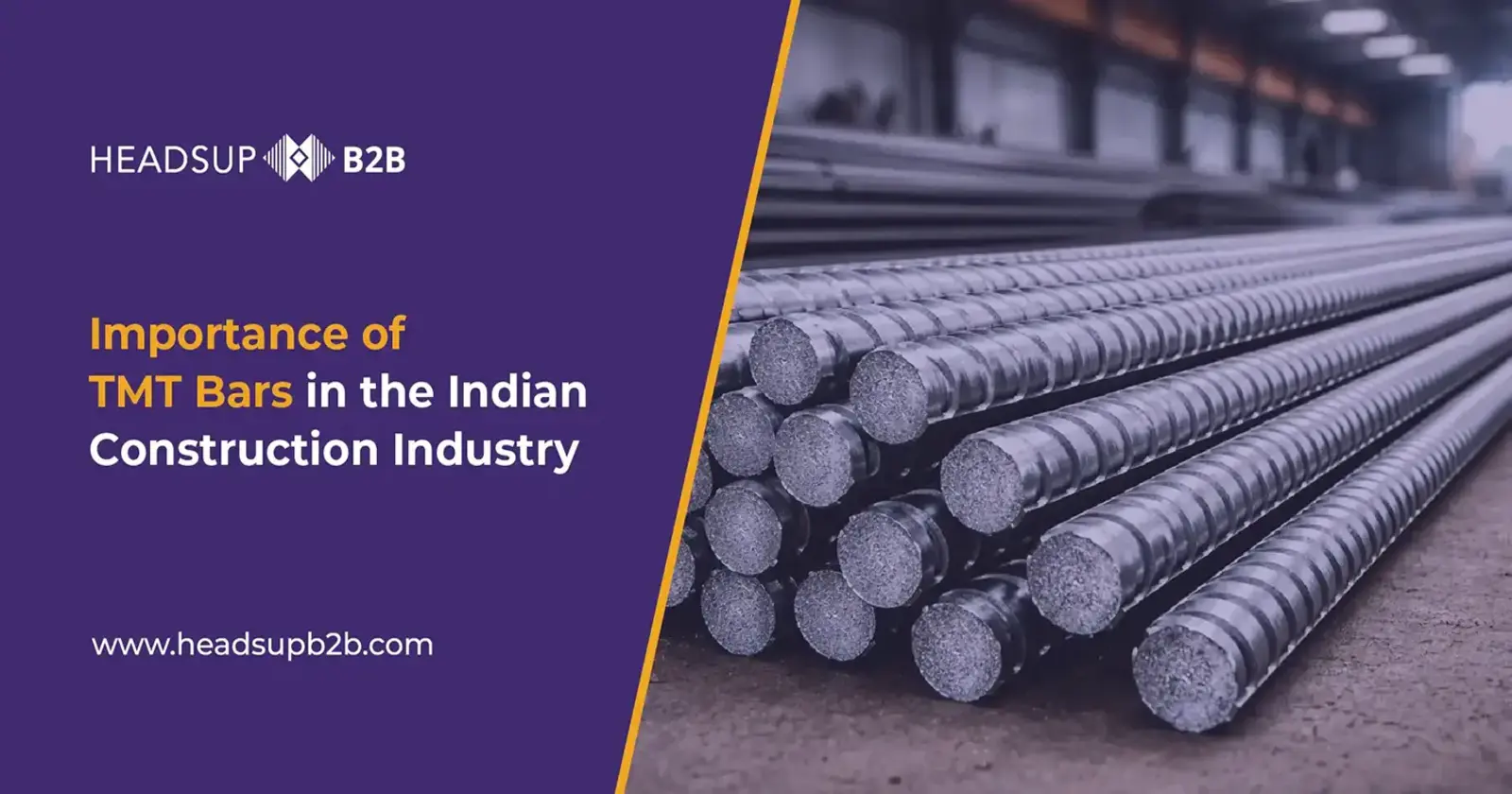
When it comes to construction, the strength and durability of the materials used are of utmost importance. One of the most critical elements in construction is reinforcement bars, commonly known as TMT bars (Thermo-Mechanically Treated bars). These bars play a significant role in providing structural support to buildings, bridges, and other infrastructure. Among the different types of TMT bars available, 550 TMT bars and 550D TMT bars are among the most widely used for various construction projects.
While they may seem similar at first glance, there are key differences between them. In this article, we will delve into a detailed comparison of 550 TMT bars vs 550D TMT bars and help you decide which is the better choice for your construction needs.
What Are TMT Bars?
Before comparing the specific types, let’s first understand what TMT bars are. TMT bars are steel bars used in construction for reinforcement. The process of thermo-mechanical treatment (TMT) involves heating the steel to high temperatures and then cooling it rapidly to increase its strength. This process improves the tensile strength and ductility of the bars, making them ideal for use in reinforced concrete structures.
TMT bars are available in different grades, which indicate their strength and other properties. The grade number is typically followed by a letter D, which signifies the bar’s ductility. For instance, a 550D TMT bar is stronger and more ductile than a regular 550 TMT bar.
Understanding the 550 Grade TMT Bars
550 TMT bars are widely used in residential, commercial, and industrial construction. The 550 refers to the tensile strength of the bar, which is 550 megapascals (MPa). This makes them suitable for a variety of construction applications, as they can handle a significant amount of stress without breaking.
Key Features of 550 TMT Bars
- Tensile Strength: The 550 MPa tensile strength makes these bars ideal for use in most structural applications, where moderate strength is needed.
- Ductility: While they are not as ductile as 550D bars, they still offer a fair amount of flexibility and resistance to cracking.
- Corrosion Resistance: 550 TMT bars are designed to resist corrosion, which is crucial for structures exposed to moisture or extreme weather conditions.
- Cost-Effective: 550 TMT bars are generally more affordable compared to their higher-strength counterparts, making them a popular choice for budget-conscious projects.
Understanding the 550D Grade TMT Bars
The 550D TMT bars are essentially an upgraded version of the 550 TMT bars. The addition of the D indicates higher ductility, which means that these bars can withstand more bending and stretching before breaking. This increased flexibility is critical in areas where buildings or structures may be subject to dynamic loads or seismic activity.
Key Features of 550D TMT Bars
- Tensile Strength: Similar to the 550 TMT bars, the 550D bars also have a 550 MPa tensile strength, making them strong and capable of handling substantial loads.
- Higher Ductility: The D in 550D signifies its superior ductility compared to the standard 550 bars. This means that 550D bars are less likely to fail under extreme conditions that require bending or stretching.
- Corrosion Resistance: Like the 550 bars, the 550D TMT bars are also resistant to corrosion, ensuring longevity in different environmental conditions.
- Higher Flexibility: Due to their enhanced ductility, 550D bars are often preferred in areas prone to seismic activity, where additional flexibility is required to withstand earthquakes and ground movement.
550 vs 550D TMT Bars: Key Differences
Let’s break down the major differences between 550 TMT bars and 550D TMT bars:
1. Tensile Strength
Both 550 TMT bars and 550D TMT bars have the same tensile strength of 550 MPa. This means that both bars can withstand similar levels of stress before breaking.
2. Ductility
The key difference between the two types of bars is ductility:
- 550 TMT bars: These bars offer moderate ductility, meaning they can handle some amount of bending or stretching, but they are more likely to crack under extreme conditions.
- 550D TMT bars: The D in 550D stands for ductility, which makes these bars more flexible and resistant to cracking. They are ideal for areas prone to seismic activity or heavy dynamic loads.
3. Use in Construction
- 550 TMT Bars: These are suitable for residential construction, low-rise buildings, and projects that don’t experience high stress. They are also ideal for light commercial projects where the risk of dynamic stress is low.
- 550D TMT Bars: Due to their higher ductility, these bars are better suited for high-rise buildings, industrial structures, and areas subject to high seismic activity. They are also ideal for bridges, flyovers, and highway construction where additional flexibility is required.
4. Cost
- 550 TMT Bars: These bars are generally more affordable compared to 550D bars due to their lower ductility. They are a great option for budget-conscious projects.
- 550D TMT Bars: While 550D TMT bars cost more due to their superior properties, they offer better performance and long-term durability, making them worth the investment in certain high-stress applications.
5. Durability and Performance
- 550 TMT Bars: They perform well under normal conditions and are highly durable, especially in environments that aren’t exposed to extreme stress.
- 550D TMT Bars: These bars excel in challenging environments, especially in areas prone to earthquakes or other seismic activities, due to their superior flexibility and ability to absorb stress.
Which Is Better for Construction?
The choice between 550 TMT bars and 550D TMT bars depends on the specific requirements of the construction project.
- For Low-Rise Buildings and Residential Projects: If you are working on a residential construction project or a low-rise building, 550 TMT bars would likely be sufficient. These bars are cost-effective and provide adequate strength for such applications.
- For High-Rise Buildings and Seismic Areas: If your project involves high-rise buildings, bridges, or structures in areas with seismic activity, 550D TMT bars would be the better choice. Their enhanced ductility makes them more suitable for withstanding dynamic loads and earthquake resistance.
Conclusion
Both 550 TMT bars and 550D TMT bars are excellent choices for construction, but they serve different purposes. If you need a more cost-effective option for standard buildings, 550 TMT bars should meet your needs. However, if your project requires superior flexibility and strength, especially in high-rise buildings or earthquake-prone areas, the 550D TMT bars would be the better choice.
Understanding these key differences will help you make an informed decision about which TMT bars are best suited for your specific construction project.
HeadsUp B2B supplies a comprehensive range of TMT products, including both 550 and 550D TMT bars, to cater to all your construction needs. Whether you’re building a residential project or working on a large-scale infrastructure project, we provide top-quality materials that ensure durability and strength. Contact us today to explore our full range of TMT products and find the perfect solution for your construction requirements.