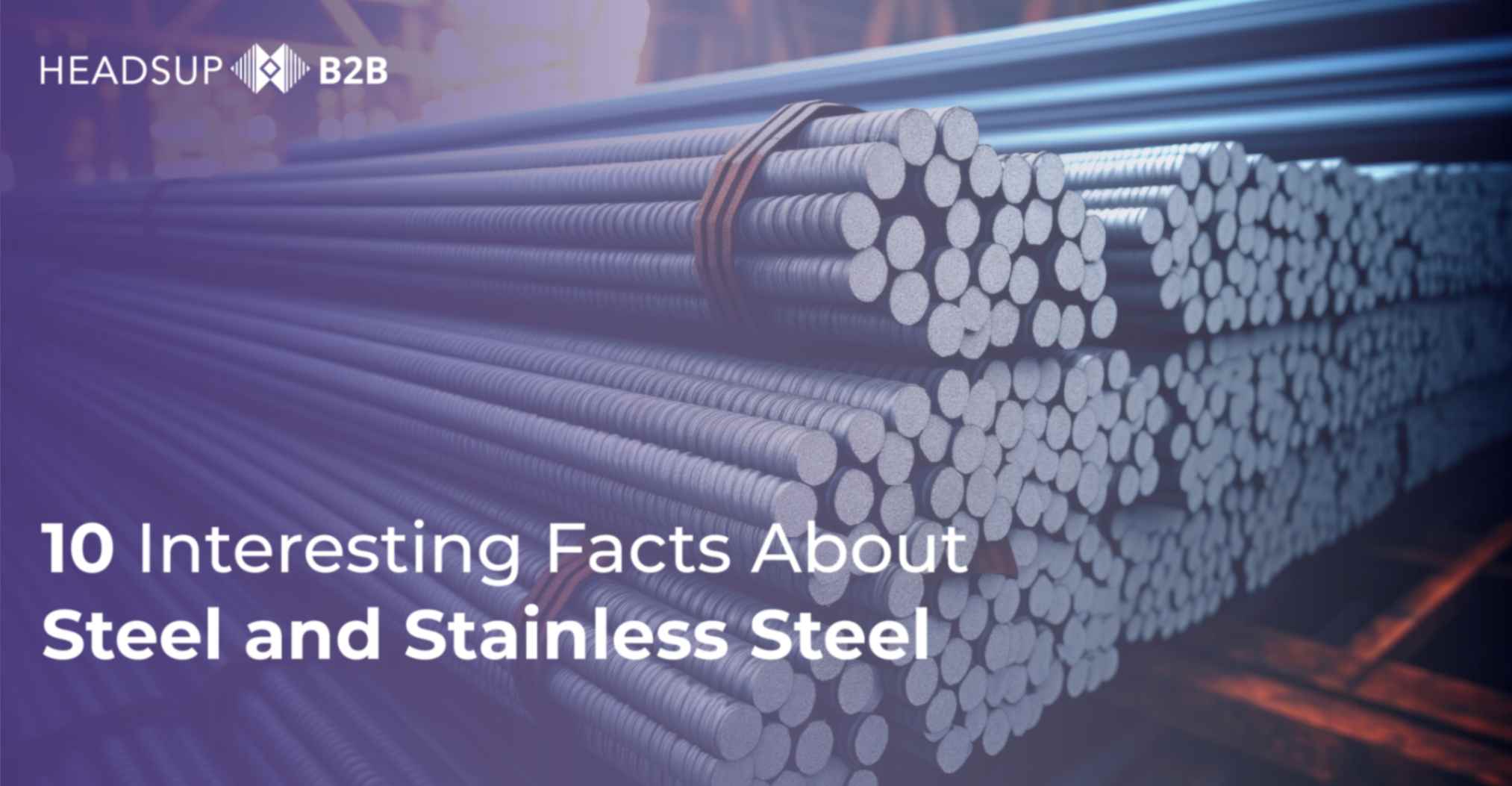
Steel and stainless steel are not just materials; they are pillars of modern industry and innovation. Understanding their properties, history, and applications unveils a world of fascinating facts. In this article, we delve into 10 intriguing aspects of structural steel and stainless steel that showcase their importance and versatility.
The Origin and Evolution of Steel
Steel, a fundamental alloy composed primarily of iron and carbon, has a rich history dating back thousands of years. Its discovery revolutionized human civilization by enabling the production of stronger and more durable tools and weapons. Over time, advancements in metallurgy led to the development of various steel grades tailored for specific applications, from construction to transportation.
Properties That Define Steel
Steel is renowned for its exceptional strength, durability, and versatility. Unlike iron, steel can be alloyed with various elements such as manganese, chromium, and nickel to enhance specific properties like corrosion resistance and hardness. This versatility allows for the creation of alloys that serve critical roles in infrastructure, automotive manufacturing, aerospace engineering, and everyday consumer products.
The Birth of Stainless Steel
Stainless steel, a type of steel alloy with added chromium and often nickel, was developed in the early 20th century. Its resistance to corrosion and staining quickly made it a preferred material in applications where hygiene, aesthetics, and durability are paramount. Today, stainless steel is ubiquitous in kitchens, medical environments, architecture, and even art installations due to its timeless appeal and functional benefits.
Applications Across Industries
The applications of steel and stainless steel span virtually every industry imaginable. In construction, steel is the backbone of skyscrapers, bridges, and infrastructure projects due to its high strength-to-weight ratio and durability against environmental elements. In automotive manufacturing, advanced high-strength steels contribute to lighter, safer vehicles. Meanwhile, stainless steel finds use in surgical instruments, food processing equipment, and chemical processing plants where hygiene and corrosion resistance are critical.
Environmental Impact and Sustainability
Contrary to popular belief, steel and stainless steel are highly sustainable materials. Steel is among the most recycled materials globally, with a recycling rate exceeding 85%. Recycling steel not only conserves natural resources but also reduces energy consumption and greenhouse gas emissions associated with primary steel production. Additionally, stainless steel’s longevity and recyclability contribute to its eco-friendly credentials, making it a preferred choice for green building certifications and sustainable design projects.
Innovations and Future Trends
Innovation continues to drive the evolution of steel and stainless steel. Advanced manufacturing techniques, such as additive manufacturing (3D printing), enable the creation of complex steel structures previously unimaginable. Moreover, ongoing research focuses on developing new alloys with enhanced properties, from ultra-high-strength steels for lightweighting applications to super-austenitic stainless steels for extreme environments. These innovations promise to further expand the applications and sustainability of steel in the coming decades.
Iconic Examples in History
Throughout history, steel has played pivotal roles in shaping iconic structures and landmarks. The Eiffel Tower, a marvel of 19th-century engineering, stands as a testament to the strength and versatility of wrought iron, a precursor to modern steel alloys. Similarly, stainless steel’s use in architectural landmarks like the Chrysler Building in New York City exemplifies its enduring appeal and ability to withstand the test of time and environmental challenges.
Challenges and Solutions in Steel Production
Despite its advantages, steel production faces challenges related to energy consumption and carbon emissions. However, ongoing efforts within the industry focus on reducing environmental impacts through technological advancements such as electric arc furnaces powered by renewable energy sources and carbon capture and storage initiatives. These innovations aim to mitigate steel’s carbon footprint while maintaining its essential role in global infrastructure and economic development.
Cultural Significance and Symbolism
Steel and stainless steel have transcended their practical applications to become symbols of strength, resilience, and progress in various cultures worldwide. From the skyscrapers that define modern city skylines to the ceremonial swords that embody honor and tradition, these materials evoke a sense of endurance and innovation ingrained in human history and societal advancement.
The Role of Steel in Modern Society
In contemporary society, steel and stainless steel continue to underpin technological advancements and everyday conveniences. From the smartphones we use to communicate globally to the renewable energy infrastructure powering sustainable development, steel’s contributions are integral to shaping a more connected and resilient world. As industries evolve and consumer demands grow, steel remains essential in driving innovation and supporting economic growth on a global scale.
Frequently Asked Questions
-
What is the difference between steel and stainless steel?
Steel is primarily composed of iron and carbon, while stainless steel contains chromium and often nickel. Stainless steel is resistant to corrosion, making it ideal for environments where rust prevention is crucial.
-
How is steel recycled?
Steel is one of the most recycled materials globally. It is collected, sorted, and processed in recycling facilities where it is melted down in electric arc furnaces. Recycled steel is then used to make new products, reducing the need for raw materials and energy consumption.
-
What are some common applications of stainless steel?
Stainless steel is widely used in kitchen appliances, medical instruments, automotive parts, construction materials, and architectural structures. Its durability, corrosion resistance, and aesthetic appeal make it suitable for a variety of industries.
-
Why is steel important in construction?
Steel’s high strength-to-weight ratio and durability make it indispensable in construction. It is used to build skyscrapers, bridges, stadiums, and residential buildings. Steel structures can withstand harsh weather conditions and provide long-term stability.
-
What are the environmental benefits of using steel?
Steel is highly sustainable due to its recyclability. Recycling steel reduces energy consumption, greenhouse gas emissions, and the demand for raw materials. Additionally, steel’s durability contributes to sustainable building practices and infrastructure development.