Tag: solar panels

  • Residential Renewable Energy Solutions Every Homeowner Should Know

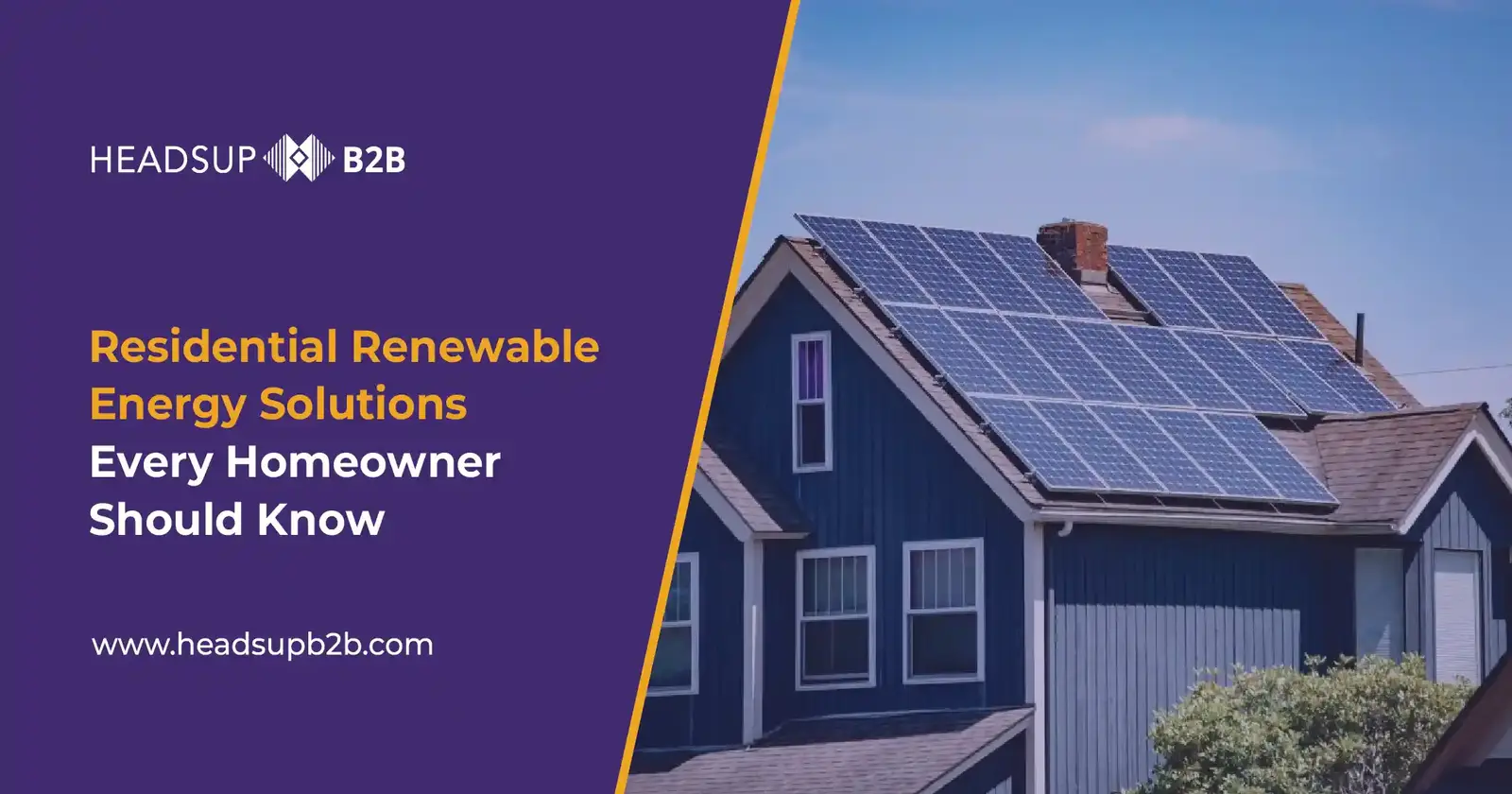
    Residential Renewable Energy Solutions Every Homeowner Should Know

    Rising electricity costs and energy independence

    If you’ve noticed your electricity bills creeping up every year, you’re not alone. Energy costs have been steadily increasing, and homeowners are starting to feel the pressure. Now think about this: what if your home could generate its own power instead of depending entirely on the grid? That idea is no longer futuristic—it’s already happening in many households.

    Residential renewable energy solutions give homeowners a sense of control. Instead of being affected by fluctuating tariffs or outages, you create a more predictable and stable energy setup. It’s similar to owning a water tank during supply cuts. You’re not waiting on someone else—you’ve got your own system.

    There’s also the advantage of long-term savings. While the initial setup cost can feel significant, many homeowners recover that investment over time through reduced electricity bills. In some cases, surplus energy can even be sold back to the grid, creating an additional income stream. That’s a shift from being just a consumer to becoming a producer.

    Environmental impact and sustainability goals

    Energy consumption at the household level may seem small, but collectively it adds up to a massive environmental footprint. Homes contribute significantly to carbon emissions through electricity use, heating, and cooling systems. Switching to renewable energy directly reduces this impact.

    Many homeowners today are more conscious about sustainability. It’s not just about saving money; it’s about making responsible choices. Installing renewable energy systems is one of the most practical steps a household can take.

    There’s also a growing sense of accountability. When you generate clean energy, you know exactly where your power comes from. It’s a simple yet powerful shift—from passive consumption to active participation in sustainability.

    What Are Residential Renewable Energy Solutions

    Key types of renewable energy systems for homes

    Residential renewable energy solutions refer to systems that allow homes to generate, store, and manage energy using natural resources like sunlight, wind, and heat. These solutions are designed to reduce dependence on traditional electricity sources while improving efficiency.

    The most common options include:

    • Solar panels for electricity generation
    • Solar water heaters for heating needs
    • Battery storage systems
    • Small wind turbines
    • Hybrid systems combining multiple sources

    Each of these solutions serves a specific purpose. Some focus on generation, others on storage, and some on optimizing usage. The real benefit comes when these systems work together.

    How smart technology enhances efficiency

    Adding renewable energy is just one part of the equation. Managing it efficiently is what makes the difference. That’s where smart technology comes in.

    Modern systems use sensors and software to track energy production and consumption in real time. This allows homeowners to make better decisions. For example, running heavy appliances when solar generation is at its peak.

    Automation also plays a role. Systems can adjust usage based on patterns, reducing waste without requiring constant manual input. It’s like having an intelligent assistant managing your home’s energy behind the scenes.

    Solar Power for Homes

    Rooftop solar panels

    Solar energy is the most popular choice for homeowners, and for good reason. It’s widely accessible, relatively easy to install, and works well in most regions. Rooftop solar panels convert sunlight into electricity, which can power your home directly.

    What makes solar appealing is its scalability. You can start small and expand your system over time. Even partial installation can significantly reduce your electricity bills.

    Another advantage is low maintenance. Once installed, solar panels require minimal upkeep. Most systems last 20–25 years, making them a long-term investment.

    Solar water heating systems

    While most people focus on electricity, heating water also consumes a significant amount of energy. Solar water heaters provide a simple and effective way to reduce this load.

    These systems use sunlight to heat water directly, which is then stored for use throughout the day. They are often more affordable than full solar panel setups and deliver faster returns on investment.

    Home Energy Storage Systems

    Battery storage basics

    One of the biggest concerns with renewable energy is inconsistency. Solar panels don’t generate power at night, and cloudy days can reduce output. That’s where battery storage becomes essential.

    Battery systems store excess energy generated during the day and make it available when needed. This ensures a continuous power supply even when generation drops.

    Benefits of storing excess energy

    Energy storage gives homeowners flexibility. Instead of sending unused energy back to the grid, you can use it later. This reduces reliance on external power sources.

    It also provides backup during outages. In areas with unstable electricity supply, this can be a major advantage. Your home continues running smoothly even when the grid goes down.

    Wind Energy for Residential Use

    Small wind turbines

    Wind energy isn’t as common as solar in residential settings, but it can be effective in the right conditions. Small wind turbines can generate electricity by harnessing wind flow.

    These systems work best in open areas with consistent wind speeds. Urban environments may not always be ideal, but suburban or rural homes can benefit significantly.

    When wind energy makes sense

    Before installing a wind system, it’s important to assess your location. Wind speed, surrounding structures, and available space all play a role.

    When conditions are suitable, wind energy can complement solar power. Together, they create a more balanced energy system.

    Hybrid Renewable Systems for Homes

    Solar + battery combinations

    Combining solar panels with battery storage is one of the most effective setups for residential use. It ensures that energy is both generated and stored efficiently.

    This setup reduces dependency on the grid and maximizes the use of renewable energy.

    Solar + wind integration

    For homes with suitable conditions, combining solar and wind can provide a more consistent energy supply. When one source underperforms, the other can compensate.

    Hybrid systems offer greater reliability and flexibility compared to single-source setups.

    Smart Home Energy Management Systems

    Monitoring and automation tools

    Smart systems allow homeowners to track energy usage in real time. This visibility helps identify areas where energy is being wasted.

    Optimizing energy consumption

    Automation takes things further by adjusting energy usage based on patterns. This reduces unnecessary consumption and improves efficiency.

    Cost, Savings, and ROI

    Investing in renewable energy may seem expensive at first, but the long-term benefits often outweigh the costs. Many homeowners see significant reductions in their electricity bills.

    Here’s a quick comparison:

    System Initial Cost Savings Potential Payback Period
    Solar Panels Medium to High High 4–7 years
    Solar Water Heater Low to Medium Medium 2–4 years
    Battery Storage Medium Medium to High 5–8 years

    Savings depend on factors like location, energy usage, and system size.

    Challenges Homeowners Should Consider

    While renewable energy offers many benefits, there are challenges to keep in mind. Initial investment costs can be a barrier for some homeowners.

    Space constraints may also limit installation options, especially in smaller properties. Additionally, not all locations are suitable for every type of renewable energy system.

    Understanding these factors helps in making informed decisions.

    Conclusion

    Residential renewable energy solutions are no longer a niche concept. They’re becoming a practical choice for homeowners looking to reduce costs and gain control over their energy usage. From solar panels to smart energy systems, the options available today make it easier than ever to transition toward cleaner energy.

    The shift doesn’t have to happen all at once. Even small steps can lead to meaningful changes over time. What matters is getting started and building a system that works for your home.

    FAQs

    1. What is the best renewable energy option for homes?

    Solar power is the most widely used and accessible option for residential properties.

    2. How much does it cost to install solar panels?

    Costs vary depending on system size and location, but prices have become more affordable in recent years.

    3. Can I store solar energy for later use?

    Yes, battery storage systems allow you to store excess energy and use it when needed.

    4. Are renewable energy systems suitable for all homes?

    Most homes can benefit from at least one type of renewable energy solution, though suitability depends on location and space.

    5. How long does it take to recover the investment?

    Payback periods typically range from 3 to 7 years, depending on the system and usage.

  • Solar Panels vs. Solar Cells: What’s the Difference?

    Solar Panels vs. Solar Cells: What’s the Difference?

    In the modern world, where sustainability is becoming increasingly important, solar technology is revolutionizing how we generate energy. Among the most common terms you’ll hear when discussing solar energy are solar panels and solar cells. While these terms are often used interchangeably, they refer to distinct components in the solar energy system. Understanding the difference between solar panels and solar cells is crucial for anyone looking to invest in renewable energy solutions.

    In this article, we’ll explore these differences, their functions, and how they contribute to the broader solar energy ecosystem.

    What Are Solar Cells?

    Solar cells, also known as photovoltaic cells (PV cells), are the fundamental building blocks of any solar energy system. These semiconductor devices convert sunlight directly into electricity through the photovoltaic effect. The basic component of a solar cell is typically made from silicon, a material that is highly efficient at absorbing sunlight.

    The Science Behind Solar Cells

    The process starts when sunlight hits the surface of a solar cell, exciting the electrons in the silicon material. This energy causes the electrons to become free, creating an electric current. The electric current generated by the solar cell is then directed to an inverter, which converts it into alternating current (AC), the form of electricity most commonly used in homes and businesses.

    The performance of a solar cell depends on several factors, including the type of material used (monocrystalline, polycrystalline, or thin-film), the efficiency of the solar cell, and the amount of sunlight it receives. Solar cells are generally small in size and produce a relatively small amount of energy individually, which is why they are typically combined to form solar panels.

    What Are Solar Panels?

    A solar panel, or solar module, is a collection of individual solar cells arranged and connected together to generate a significant amount of power. These cells are linked together within the panel to form a grid-like structure, and when combined, they provide enough electricity to power homes, businesses, and even large-scale industrial operations.

    Structure and Function of Solar Panels

    The structure of a solar panel is not just limited to the solar cells. It also includes several protective layers that ensure the longevity and efficiency of the system. These layers include:

    1. Front Glass – This layer protects the cells from environmental damage while allowing sunlight to pass through.

    2. Encapsulant Layers – These layers are designed to protect the cells and keep them in place within the panel.

    3. Back Sheet – The back sheet provides electrical insulation and further protection for the solar cells.

    4. Frame – The metal frame supports the panel and provides rigidity, making it easier to install.

    When sunlight hits the solar panel, the solar cells inside convert the energy into electricity, as described earlier. Solar panels are available in a variety of sizes and capacities, making them suitable for different applications, from small residential systems to large solar farms.

    Key Differences Between Solar Cells and Solar Panels

    While solar cells and solar panels are closely related, they serve different roles in a solar energy system. Below, we break down the key differences between these two components:

    1. Function

    • Solar Cells: The primary function of a solar cell is to convert sunlight into electricity. It is the smallest unit in a solar system.

    • Solar Panels: A solar panel is a collection of solar cells that work together to produce more electricity. It is the complete unit that generates usable energy.

    2. Size and Output

    • Solar Cells: Each solar cell is relatively small, and its output is limited. Typically, a single solar cell generates only a small amount of electricity, which is why many cells need to be connected together to meet energy demands.

    • Solar Panels: Solar panels are much larger and can produce significantly more power. A typical solar panel might contain around 60-72 solar cells and can produce anywhere from 250 watts to 400 watts of electricity, depending on its size and efficiency.

    3. Composition

    • Solar Cells: Solar cells are made from materials like silicon (monocrystalline, polycrystalline, or amorphous), which are known for their ability to absorb and convert sunlight efficiently.

    • Solar Panels: A solar panel is made up of multiple solar cells, which are interconnected and encased in a protective outer layer to ensure durability and optimal performance.

    4. Application

    • Solar Cells: These are typically used in smaller, portable applications, such as solar-powered calculators, small gadgets, or in a series to form larger arrays in residential solar systems.

    • Solar Panels: Solar panels are used for large-scale electricity generation in both residential and commercial applications. They are installed on rooftops, solar farms, and other large areas to produce significant amounts of power.

    How Solar Panels and Solar Cells Work Together

    While the solar cell is the heart of the technology, solar panels make it possible to harness and use that energy on a larger scale. Solar panels are essentially a combination of multiple solar cells working together to generate enough electricity to power a home or business. Without the solar cells, there would be no electricity generated, and without the solar panels, there would be no way to collect and use that energy in a meaningful way.

    The Role of Inverters and Batteries

    In most solar systems, the electricity generated by the solar cells within the panels is in the form of direct current (DC). However, most household appliances and electrical systems use alternating current (AC). Therefore, an inverter is used to convert the DC electricity into AC, making it suitable for everyday use. Additionally, solar batteries are often incorporated into the system to store excess energy for use during periods of low sunlight or at night.

    Choosing Between Solar Panels and Solar Cells

    For individuals or businesses interested in switching to solar power, understanding the differences between solar panels and solar cells is essential when choosing the right system. While solar panels are often the preferred choice for larger installations, solar cells are ideal for those looking for smaller, more flexible solutions. Ultimately, the choice depends on factors such as energy needs, available space, and budget.

    Benefits of Solar Panels

    • Efficiency: Solar panels are more efficient at producing electricity because they contain multiple solar cells working together.

    • Scalability: It is easier to scale a solar panel system by adding more panels as needed to meet energy demands.

    • Durability: Solar panels are designed to withstand harsh weather conditions, ensuring that they can operate for 25-30 years or more.

    Benefits of Solar Cells

    • Flexibility: Solar cells can be used in a variety of smaller applications, such as solar-powered gadgets or small-scale residential solar systems.

    • Customization: For those with unique energy needs, solar cells can be customized to create a system that meets specific requirements.

    Conclusion

    In conclusion, while solar panels and solar cells are integral to the process of harnessing solar energy, they serve different roles within the system. Solar cells are the building blocks of solar panels, which are designed to provide large-scale energy production. Understanding these components and their differences is crucial for anyone looking to adopt solar technology and make an informed decision about their energy needs. Whether you’re opting for a solar panel system to power your home or looking into specialized solar cell applications, both technologies offer a sustainable, cost-effective solution for generating clean, renewable energy.

    Headsup B2B supplies a wide range of solar products for businesses and individuals alike, providing top-quality solar panels, solar cells, and related equipment. If you’re looking to make the switch to solar or expand your existing solar infrastructure, our products are designed to meet all your energy needs. Contact us today to explore the best solar solutions tailored for your business and home.

  • Commercial & Industrial Solar Panels: A Complete Scaling Guide for Businesses

    Commercial & Industrial Solar Panels: A Complete Scaling Guide for Businesses

    As energy costs rise and sustainability becomes a strategic priority, commercial and industrial (C&I) solar panels are transforming how businesses generate, manage, and scale their power consumption. From manufacturing plants and logistics hubs to office parks and data centers, solar energy offers a resilient, cost-effective, and future-ready solution. This guide provides a comprehensive, business-focused overview of commercial and industrial solar panel systems, explaining how they work, how to scale them effectively, and how organizations can maximize long-term value.

    Understanding Commercial & Industrial Solar Panel Systems

    Commercial and industrial solar systems are designed to support higher energy demands than residential installations. These systems typically range from 50 kW to several megawatts (MW) and are engineered for durability, scalability, and high operational efficiency.

    We distinguish C&I solar from residential solar by its load complexity, system size, and financial structure. These systems often integrate advanced inverters, monitoring software, and grid-interaction capabilities to align with business energy profiles.

    Why Businesses Are Scaling with Solar Energy

    Solar adoption in the commercial and industrial sector is driven by both economic and strategic advantages.

    Key Business Benefits

    • Significant reduction in electricity operating costs

    • Protection against energy price volatility

    • Improved ESG and sustainability metrics

    • Long-term return on investment (ROI)

    • Enhanced corporate brand credibility

    By generating on-site power, businesses gain greater control over energy expenses while reducing exposure to grid instability.

    Types of Commercial & Industrial Solar Panels

    Choosing the right panel technology is essential for scalable, high-performance systems.

    Monocrystalline Solar Panels

    Monocrystalline panels are the preferred choice for most C&I projects due to their high efficiency, compact footprint, and strong performance under variable conditions. They are ideal for rooftops with space constraints.

    Bifacial Solar Panels

    Bifacial panels capture sunlight from both sides, increasing total energy output. They are particularly effective in ground-mounted, carport, and high-albedo environments, making them ideal for large industrial sites.

    Thin-Film Solar Panels

    Thin-film panels offer flexibility and lighter weight, making them suitable for large commercial rooftops with structural load limitations. They perform well in high temperatures and diffuse light conditions.

    High-Efficiency PERC and HJT Panels

    Advanced cell technologies such as PERC and heterojunction (HJT) improve output and reliability, enabling higher yields without expanding system size.

    System Design for Scalable Business Growth

    Scalability is a defining advantage of commercial and industrial solar installations.

    Load Analysis and Energy Profiling

    We begin by analyzing historical energy consumption, peak demand periods, and future expansion plans. This ensures the system is sized to meet both current and anticipated needs.

    Modular System Architecture

    Commercial solar systems are designed with modular expansion capability, allowing additional panels or inverters to be integrated as energy demand increases.

    Hybrid and Grid-Tied Configurations

    Most C&I systems operate as grid-tied installations, often combined with battery storage to support peak shaving, backup power, and demand response programs.

    Solar Inverters and Power Management

    Inverters play a central role in managing large-scale solar systems.

    String Inverters

    Cost-effective and widely used in commercial applications, string inverters balance efficiency with simplified maintenance.

    Central Inverters

    Common in industrial and utility-scale projects, central inverters handle high power loads and reduce overall system complexity.

    Smart Energy Management Systems

    Advanced monitoring platforms enable real-time tracking, fault detection, and performance optimization across multiple facilities.

    Energy Storage and Peak Demand Optimization

    Battery storage enhances the value of C&I solar systems by addressing demand charges and grid instability.

    Benefits of Commercial Solar Storage

    • Peak load shaving

    • Backup power during outages

    • Improved self-consumption

    • Participation in energy markets

    Lithium-ion batteries dominate the market due to their efficiency, scalability, and long cycle life.

    Financial Models for Commercial Solar Projects

    Commercial solar projects offer flexible financing structures that align with business objectives.

    Capital Expenditure (CAPEX)

    Businesses own the system outright, capturing the full financial and energy benefits over time.

    Power Purchase Agreements (PPAs)

    Third-party providers install and maintain the system, while businesses purchase solar power at a fixed, predictable rate.

    Leasing and Hybrid Models

    Solar leases offer reduced upfront costs while still delivering operational savings.

    Regulatory Compliance and Grid Integration

    Commercial solar systems must meet strict electrical, safety, and grid interconnection standards. Proper permitting, utility coordination, and compliance ensure seamless operation and long-term reliability.

    Operations, Maintenance, and Performance Assurance

    Well-maintained systems deliver consistent returns over decades.

    O&M Best Practices

    • Routine panel cleaning

    • Thermal imaging inspections

    • Inverter performance checks

    • Real-time system monitoring

    Predictive maintenance minimizes downtime and protects long-term profitability.

    Environmental and Corporate Impact

    Commercial and industrial solar installations significantly reduce carbon emissions, helping businesses meet sustainability targets and regulatory expectations. These systems demonstrate leadership in environmental responsibility while supporting global decarbonization efforts.

    The Future of Commercial & Industrial Solar

    Advancements in AI-driven energy management, high-density solar modules, and integrated storage solutions are accelerating the scalability of C&I solar. As grid modernization progresses, businesses adopting solar today position themselves at the forefront of energy innovation.

    Conclusion

    Commercial and industrial solar panels offer businesses a powerful pathway to scalable, cost-efficient, and sustainable energy. With the right technology, system design, and financial strategy, solar energy becomes a long-term asset that strengthens operational resilience and competitive advantage.

    By investing in commercial and industrial solar solutions, businesses secure not only energy savings, but a smarter and more sustainable future.

  • The Ultimate Guide to Understanding Solar Panel Technology

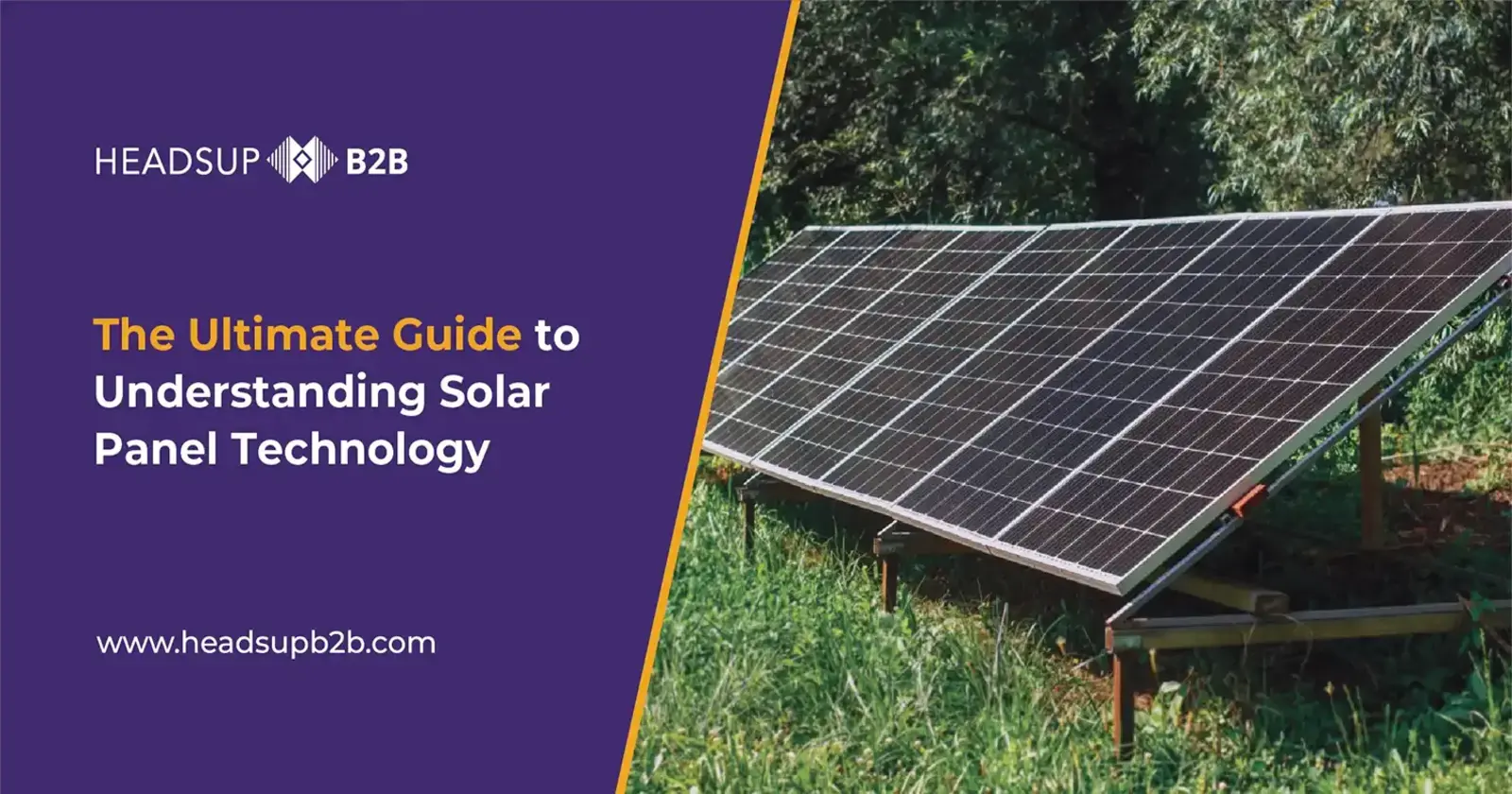
    The Ultimate Guide to Understanding Solar Panel Technology

    Solar energy has become one of the most powerful drivers of the global transition toward clean, sustainable power. As energy costs rise and environmental concerns intensify, solar panel technology continues to evolve rapidly, offering higher efficiency, smarter integration, and broader applications than ever before. In this guide, we present a clear, in-depth, and authoritative overview of how solar panel technology works, the major system components, efficiency factors, and the innovations shaping the future of solar energy.

    What Is Solar Panel Technology?

    Solar panel technology refers to the systems and materials used to convert sunlight into usable electrical energy through the photovoltaic (PV) effect. When sunlight strikes a solar cell, it excites electrons within semiconductor materials, generating a direct current (DC) of electricity. This electricity is then converted into alternating current (AC) via an inverter, making it suitable for homes, businesses, and power grids.

    We recognize solar panels as the foundation of modern renewable energy systems, enabling energy independence, cost stability, and long-term sustainability.

    How Solar Panels Work: The Photovoltaic Process

    At the core of every solar panel is a collection of photovoltaic cells, typically made from silicon-based materials. These cells are engineered with positive and negative layers that create an electric field.

    Step-by-Step Energy Conversion

    • Sunlight hits the solar cell surface

    • Photons energize electrons within the semiconductor

    • Electrons move through the electric field, generating DC electricity

    • An inverter converts DC into AC power

    • Electricity powers appliances or feeds into the grid

    This seamless process operates silently, produces zero emissions, and requires minimal ongoing maintenance.

    Key Components of a Solar Panel System

    Understanding solar panel technology requires familiarity with the complete system, not just the panels themselves.

    Solar Panels (Modules)

    These capture sunlight and initiate electricity generation. Panels are composed of multiple interconnected solar cells protected by tempered glass and durable frames.

    Solar Inverter

    The inverter converts DC electricity into grid-compatible AC power. Modern systems often use string inverters, microinverters, or hybrid inverters depending on performance and monitoring needs.

    Mounting and Racking Systems

    Mounting structures secure panels to rooftops or ground-based installations while optimizing tilt and orientation for maximum sunlight exposure.

    Energy Storage (Optional)

    Solar batteries store excess electricity for use during nighttime, outages, or peak demand periods, increasing energy independence.

    Monitoring Systems

    Advanced monitoring platforms track energy production, consumption, and system health in real time.

    Types of Solar Panel Technologies

    Solar panels are not all the same. Different technologies serve different performance goals and installation environments.

    Monocrystalline Solar Panels

    Made from a single silicon crystal, these panels deliver high efficiency, long lifespan, and superior performance in limited space. They are widely used in residential and premium commercial systems.

    Polycrystalline Solar Panels

    Manufactured from multiple silicon fragments, polycrystalline panels offer cost-effective energy production with solid durability and moderate efficiency.

    Thin-Film Solar Panels

    Thin-film technology uses ultra-thin photovoltaic layers, resulting in lightweight, flexible panels ideal for large surfaces, curved structures, and specialized applications.

    Bifacial Solar Panels

    These advanced panels generate power from both sides, capturing reflected sunlight to significantly increase total energy output.

    PERC and Advanced Cell Technologies

    PERC (Passivated Emitter and Rear Cell) panels and newer designs enhance light absorption, improving efficiency without increasing panel size.

    Solar Panel Efficiency Explained

    Solar panel efficiency measures how effectively panels convert sunlight into electricity. Higher efficiency means more power generated per square meter.

    Factors Influencing Efficiency

    • Cell material quality

    • Panel temperature

    • Sunlight intensity

    • Installation angle and orientation

    • Shading and environmental conditions

    Modern high-efficiency panels now exceed 22% efficiency, with continuous improvements driven by material science and cell architecture advancements.

    Durability, Lifespan, and Degradation

    Solar panels are engineered for long-term outdoor exposure. Most high-quality panels carry 25–30 year performance warranties, ensuring gradual and predictable output decline.

    Key Durability Features

    • Tempered glass for impact resistance

    • Corrosion-resistant aluminum frames

    • UV-resistant encapsulation materials

    • Weatherproof junction boxes

    Annual degradation rates typically range between 0.3% and 0.7%, ensuring reliable energy production for decades.

    Installation Considerations for Optimal Performance

    Proper installation is essential to fully leverage solar panel technology.

    Site Assessment

    We evaluate roof condition, structural integrity, shading patterns, and available surface area.

    Orientation and Tilt

    South-facing panels with optimized tilt angles capture the most sunlight in most regions.

    Grid Connection and Net Metering

    Grid-tied systems allow excess energy to be exported, often earning credits through net metering programs.

    The Role of Solar Panel Technology in Energy Independence

    Solar panels empower homeowners and businesses to reduce reliance on traditional power grids, stabilize energy costs, and protect against outages. When paired with battery storage and smart energy management, solar systems deliver unmatched control over energy consumption.

    Innovations Shaping the Future of Solar Technology

    Solar panel technology continues to advance rapidly, driven by global demand and research investment.

    Emerging Innovations

    • Perovskite solar cells

    • Heterojunction technology (HJT)

    • Transparent and building-integrated photovoltaics (BIPV)

    • AI-driven energy optimization

    • Recyclable and low-carbon manufacturing

    These breakthroughs promise higher efficiency, lower production costs, and broader adoption across industries.

    Why Solar Panel Technology Matters Today

    Solar energy is no longer a niche solution—it is a central pillar of global energy strategy. With declining costs, improved performance, and supportive policies, solar panel technology delivers economic resilience, environmental protection, and long-term sustainability.

    We view solar not just as an energy source, but as a strategic investment in a cleaner, more resilient future.

    Conclusion

    Understanding solar panel technology is essential for anyone seeking reliable, forward-looking energy solutions. From photovoltaic fundamentals and system components to efficiency metrics and future innovations, solar panels represent one of the most impactful technologies of our time.

    As adoption accelerates worldwide, informed decisions about solar technology will continue to shape energy independence, financial savings, and environmental progress for decades to come.

  • 5 Types of Solar Panels You Need to Know About

    5 Types of Solar Panels You Need to Know About

    The global shift toward renewable energy has made solar panels a cornerstone of modern power generation. As adoption accelerates across residential, commercial, and utility-scale projects, understanding the different types of solar panels becomes essential for making informed, future-proof decisions. We present a comprehensive, technically precise guide to the five most important types of solar panels shaping today’s solar industry. Each technology offers distinct advantages in efficiency, cost, durability, and application suitability.

    1. Monocrystalline Solar Panels: The Premium Efficiency Standard

    Monocrystalline solar panels represent the most advanced and widely recognized photovoltaic technology on the market. Manufactured from a single, high-purity silicon crystal, these panels are easily identified by their uniform dark black appearance and rounded cell edges.

    We rely on monocrystalline panels when maximum efficiency and space optimization are critical. Their streamlined crystal structure allows electrons to flow more freely, resulting in efficiency rates ranging from 20% to 24%, outperforming nearly all other commercial panel types.

    Key Performance Characteristics

    • High power output per square meter

    • Superior low-light performance

    • Extended lifespan exceeding 25–30 years

    • Minimal efficiency degradation over time

    These panels perform exceptionally well in urban environments, rooftop installations, and locations with limited surface area. While the initial investment cost is higher, the long-term energy yield and reduced space requirements often justify the premium.

    2. Polycrystalline Solar Panels: Cost-Effective and Reliable

    Polycrystalline solar panels are produced by melting multiple silicon fragments together, resulting in a distinctive blue, speckled appearance. This manufacturing process is less energy-intensive, making polycrystalline panels a more affordable solar solution.

    We recommend polycrystalline panels for projects where budget efficiency takes precedence over absolute performance. With efficiency levels typically between 15% and 18%, they deliver reliable energy output for homes and businesses with ample installation space.

    Advantages of Polycrystalline Technology

    • Lower upfront costs

    • Simplified manufacturing process

    • Solid performance in moderate climates

    • Environmentally efficient production

    Although slightly less efficient than monocrystalline panels, modern polycrystalline systems continue to improve in performance and durability, making them a practical option for large-scale installations and cost-sensitive buyers.

    3. Thin-Film Solar Panels: Lightweight and Versatile

    Thin-film solar panels are engineered by depositing ultra-thin photovoltaic layers onto substrates such as glass, metal, or plastic. This category includes technologies like amorphous silicon (a-Si), cadmium telluride (CdTe), and copper indium gallium selenide (CIGS).

    We leverage thin-film panels in applications where flexibility, weight reduction, and aesthetic integration are paramount. While their efficiency rates range from 10% to 13%, thin-film panels excel in non-traditional environments.

    Distinct Thin-Film Benefits

    • Lightweight and flexible design

    • High performance in high-temperature conditions

    • Superior shading tolerance

    • Architectural and portable applications

    Thin-film technology is particularly effective for commercial rooftops, building-integrated photovoltaics (BIPV), and mobile solar solutions. Despite requiring more surface area, their adaptability opens opportunities unavailable to rigid panel types.

    4. Bifacial Solar Panels: Dual-Sided Energy Generation

    Bifacial solar panels represent a significant evolution in photovoltaic design. Unlike conventional panels, bifacial modules generate electricity from both the front and rear surfaces, capturing reflected sunlight from surrounding surfaces such as concrete, sand, snow, or water.

    We deploy bifacial panels to maximize energy density and improve overall system yield. When installed with optimized mounting systems, bifacial technology can increase energy output by 10% to 30% compared to monofacial panels.

    Why Bifacial Panels Stand Out

    • Higher total energy production

    • Improved performance in reflective environments

    • Reduced levelized cost of electricity (LCOE)

    • Long-term operational reliability

    These panels are increasingly favored in utility-scale solar farms, ground-mounted systems, and commercial installations seeking maximum return on investment through advanced engineering.

    5. PERC Solar Panels: Enhanced Efficiency Through Innovation

    PERC solar panels (Passivated Emitter and Rear Cell) refine traditional monocrystalline technology by adding a passivation layer on the rear side of the cell. This innovation reflects unused light back into the cell, enabling additional energy absorption.

    We consider PERC technology a critical advancement for those seeking higher efficiency without increased footprint. PERC panels routinely achieve efficiency improvements of 1% to 2% over standard monocrystalline modules.

    Core Benefits of PERC Panels

    • Improved low-light and high-temperature performance

    • Reduced electron recombination losses

    • Higher output in compact installations

    • Excellent compatibility with modern inverters

    PERC panels are now a dominant force in premium residential and commercial solar markets, offering measurable performance gains with minimal additional cost.

    Choosing the Right Solar Panel Technology

    Selecting the optimal solar panel type depends on a careful evaluation of site conditions, budget parameters, energy goals, and available space. We analyze factors such as efficiency requirements, installation environment, climate conditions, and long-term performance expectations to determine the best-fit solution.

    Comparative Summary

    • Monocrystalline: Highest efficiency, premium applications

    • Polycrystalline: Cost-effective, reliable performance

    • Thin-Film: Flexible, lightweight, specialized uses

    • Bifacial: Maximum energy yield, advanced installations

    • PERC: Enhanced efficiency, next-generation technology

    By aligning the right technology with the right application, solar investments deliver superior performance, durability, and financial returns over decades of operation.

    The Future of Solar Panel Technology

    Continuous advancements in materials science, cell architecture, and manufacturing processes are rapidly improving solar panel efficiency and affordability. Emerging innovations such as heterojunction cells, perovskite integration, and smart energy systems promise to further transform the solar landscape.

    We remain committed to understanding and deploying the most effective solar technologies available, ensuring sustainable energy solutions that meet evolving global demands.

  • The Future of Solar Panels in India

    The Future of Solar Panels in India

    India is emerging as a global leader in renewable energy, particularly solar power. With ambitious targets and supportive government policies, the country is poised to become a hub for solar innovation and adoption. As we move into 2024, several key developments and trends in solar panel technology are set to shape India’s energy landscape. This blog explores these innovations and trends, focusing on their relevance and impact in India.

    Emerging Technologies

    Bifacial Solar Panels

    Bifacial solar panels, which capture sunlight from both sides, are becoming increasingly popular in India. These panels are particularly effective in areas with high reflectivity, such as deserts and snow-covered regions in the Himalayas. By utilizing the reflective properties of these environments, bifacial panels can significantly boost energy production, making them an ideal choice for various parts of India.

    Perovskite Solar Cells

    Perovskite solar cells, known for their high efficiency and low production costs, are another promising technology. Researchers in India are actively exploring the potential of perovskite cells, which can be integrated into building facades and windows, providing a versatile solution for urban environments. As the technology matures, perovskite solar cells could offer a cost-effective alternative to traditional silicon-based panels, helping to drive widespread adoption in India.

    Floating Solar Farms

    Floating solar farms, or floatovoltaics, are gaining traction in India due to their ability to utilize water bodies, such as lakes and reservoirs, for solar installations. This innovative approach addresses land scarcity issues and benefits from the cooling effect of water, which enhances panel efficiency. Notable projects, such as the floating solar plant on the Banasura Sagar Dam in Kerala, highlight the potential of this technology in India.

    Efficiency Improvements

    High-Efficiency Panels

    India is witnessing significant advancements in high-efficiency solar panels. Technologies like heterojunction with intrinsic thin-layer (HIT) cells and tandem cells are achieving record-breaking efficiencies. These high-efficiency panels are particularly beneficial for residential and commercial installations in densely populated urban areas, where space is limited.

    Integration with Smart Technology

    Smart Solar Panels and Home Energy Management

    The integration of solar panels with smart technology is an exciting trend in India. Smart solar panels equipped with sensors and IoT devices can optimize energy production and monitor performance in real-time. Homeowners can use smart home energy management systems to maximize the benefits of solar power, adjusting energy usage based on weather patterns, electricity prices, and personal preferences. Companies like Tata Power Solar are already offering smart solar solutions to Indian consumers.

    Sustainability and Environmental Impact

    Recycling Old Panels

    As solar installations increase, the need for sustainable end-of-life management of solar panels becomes critical. India is developing efficient recycling processes to reclaim valuable materials like silicon, silver, and aluminum from old panels. This approach reduces waste and the environmental footprint of solar technology, making solar power even more eco-friendly.

    Eco-Friendly Production Methods

    Indian manufacturers are adopting eco-friendly production methods to reduce the carbon footprint of solar panel production. Some companies are using renewable energy sources to power their factories, while advances in material science are leading to the development of panels with longer lifespans and lower degradation rates. These efforts align with India’s commitment to sustainability and environmental protection.

    Learn More:How To Choose The Best Solar Panels For Your Home

    Growth Projections

    The Indian solar market is poised for significant growth in 2024. With ambitious targets, such as achieving 450 GW of renewable energy capacity by 2030, solar power is a key component of India’s energy strategy. The cost of solar panels continues to decline, making solar energy more accessible to homeowners, businesses, and communities. The International Solar Alliance (ISA), headquartered in India, is also playing a crucial role in promoting solar energy adoption worldwide.

    Government Incentives

    Government incentives and policies are crucial in promoting solar energy adoption in India. In 2024, several initiatives are expected to boost the solar sector. The Indian government offers various incentives, including tax credits, rebates, and subsidies for solar installations. Programs like the Pradhan Mantri Kisan Urja Suraksha evam Utthaan Mahabhiyan (PM-KUSUM) aim to support farmers in setting up solar pumps and grid-connected solar power plants. These incentives make solar installations more affordable and encourage investment in solar technology.

    Case Studies

    Residential Success Stories

    Indian homeowners are increasingly adopting solar power to reduce energy bills and their carbon footprint. For instance, a family in Gujarat installed bifacial solar panels on their rooftop and saw a 20% increase in energy production compared to traditional panels. Their experience highlights the potential of new technologies to enhance the benefits of solar power in residential settings.

    Commercial and Industrial Applications

    Businesses in India are also leveraging solar technology to achieve sustainability goals and reduce operational costs. A large-scale floating solar farm on the Narmada River is providing clean energy to thousands of households while minimizing land use. Such projects demonstrate the versatility and scalability of solar power solutions in India.

    Conclusion

    The future of solar panels in India is bright, with numerous innovations and trends set to transform the industry in 2024. From bifacial and perovskite solar cells to floating solar farms and smart technology integration, the advancements in solar technology promise increased efficiency, sustainability, and accessibility. As market growth continues and government incentives support adoption, solar energy will play an increasingly vital role in India’s transition to renewable energy.

    Call to Action

    Stay informed about the latest developments in solar technology and consider how solar energy can benefit your home or business. The future of solar panels is here, and now is the time to embrace this clean, sustainable energy source in India.

    FAQs on Solar Panels in India

    1. What are bifacial solar panels, and why are they becoming popular in India?

    Bifacial solar panels can capture sunlight from both sides, increasing energy production. They are ideal for India due to its high reflectivity in certain regions, maximizing solar energy generation.

    2. How might perovskite solar cells impact the Indian solar market?

    Perovskite solar cells offer high efficiency at a lower cost, making them a potential game-changer. They can be integrated into buildings, expanding solar energy applications in India’s urban areas.

    3. What is the significance of floating solar farms in India?

    Floating solar farms utilize water bodies for installation, addressing land scarcity. They also benefit from the cooling effect of water, enhancing panel efficiency. India has immense potential for such projects.

    4. How do government incentives drive the growth of solar energy in India?

    The Indian government offers various incentives like tax credits, subsidies, and programs like PM-KUSUM to make solar power affordable. These initiatives are accelerating solar adoption across the country.

    5. How long does it take to install solar panels?

    The installation time for solar panels typically ranges from one to three days, depending on the system size and complexity of the roof. Factors such as weather conditions and permit approvals can also impact the installation timeline.