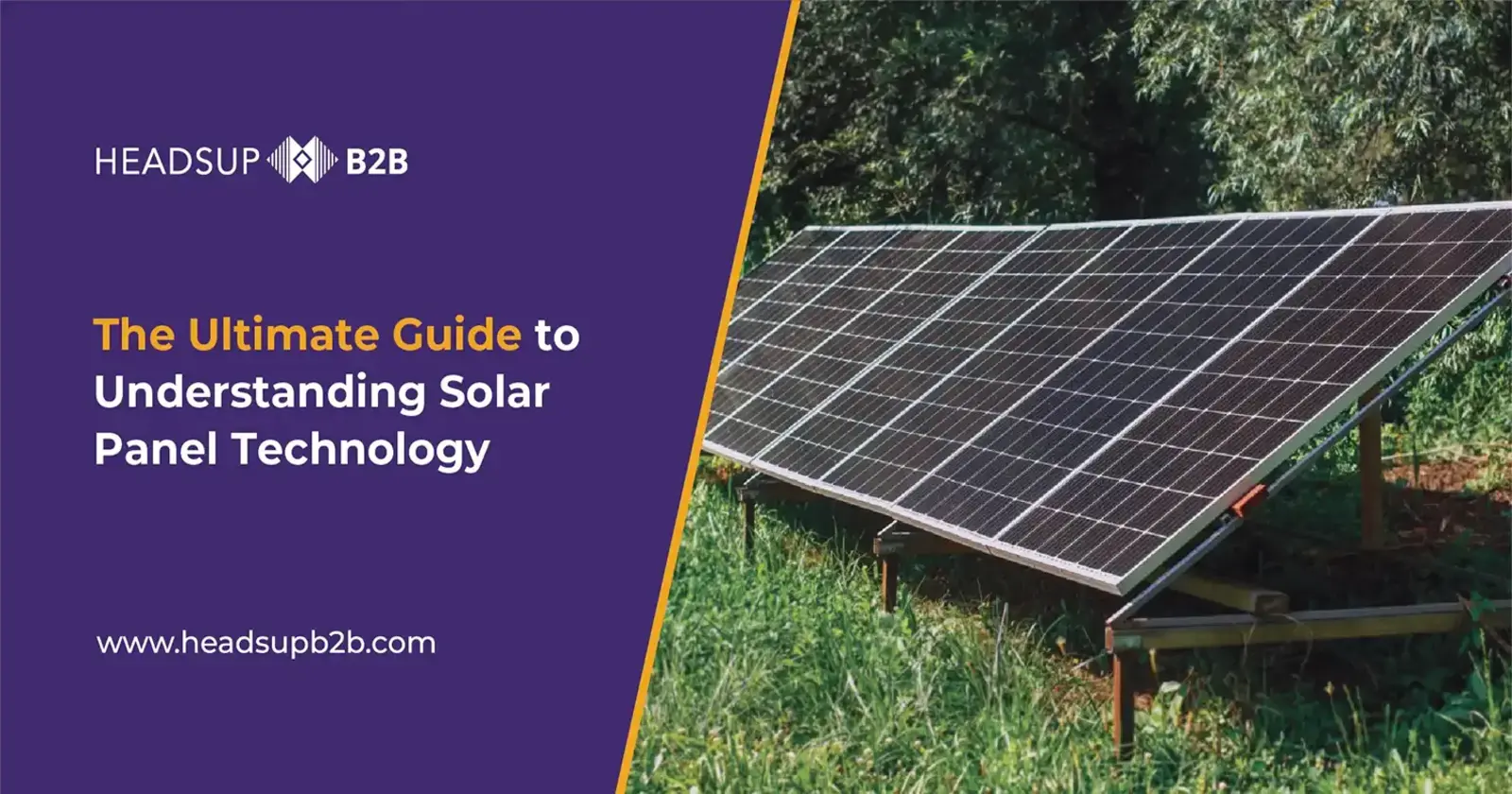
Solar energy has become one of the most powerful drivers of the global transition toward clean, sustainable power. As energy costs rise and environmental concerns intensify, solar panel technology continues to evolve rapidly, offering higher efficiency, smarter integration, and broader applications than ever before. In this guide, we present a clear, in-depth, and authoritative overview of how solar panel technology works, the major system components, efficiency factors, and the innovations shaping the future of solar energy.
What Is Solar Panel Technology?
Solar panel technology refers to the systems and materials used to convert sunlight into usable electrical energy through the photovoltaic (PV) effect. When sunlight strikes a solar cell, it excites electrons within semiconductor materials, generating a direct current (DC) of electricity. This electricity is then converted into alternating current (AC) via an inverter, making it suitable for homes, businesses, and power grids.
We recognize solar panels as the foundation of modern renewable energy systems, enabling energy independence, cost stability, and long-term sustainability.
How Solar Panels Work: The Photovoltaic Process
At the core of every solar panel is a collection of photovoltaic cells, typically made from silicon-based materials. These cells are engineered with positive and negative layers that create an electric field.
Step-by-Step Energy Conversion
-
Sunlight hits the solar cell surface
-
Photons energize electrons within the semiconductor
-
Electrons move through the electric field, generating DC electricity
-
An inverter converts DC into AC power
-
Electricity powers appliances or feeds into the grid
This seamless process operates silently, produces zero emissions, and requires minimal ongoing maintenance.
Key Components of a Solar Panel System
Understanding solar panel technology requires familiarity with the complete system, not just the panels themselves.
Solar Panels (Modules)
These capture sunlight and initiate electricity generation. Panels are composed of multiple interconnected solar cells protected by tempered glass and durable frames.
Solar Inverter
The inverter converts DC electricity into grid-compatible AC power. Modern systems often use string inverters, microinverters, or hybrid inverters depending on performance and monitoring needs.
Mounting and Racking Systems
Mounting structures secure panels to rooftops or ground-based installations while optimizing tilt and orientation for maximum sunlight exposure.
Energy Storage (Optional)
Solar batteries store excess electricity for use during nighttime, outages, or peak demand periods, increasing energy independence.
Monitoring Systems
Advanced monitoring platforms track energy production, consumption, and system health in real time.
Types of Solar Panel Technologies
Solar panels are not all the same. Different technologies serve different performance goals and installation environments.
Monocrystalline Solar Panels
Made from a single silicon crystal, these panels deliver high efficiency, long lifespan, and superior performance in limited space. They are widely used in residential and premium commercial systems.
Polycrystalline Solar Panels
Manufactured from multiple silicon fragments, polycrystalline panels offer cost-effective energy production with solid durability and moderate efficiency.
Thin-Film Solar Panels
Thin-film technology uses ultra-thin photovoltaic layers, resulting in lightweight, flexible panels ideal for large surfaces, curved structures, and specialized applications.
Bifacial Solar Panels
These advanced panels generate power from both sides, capturing reflected sunlight to significantly increase total energy output.
PERC and Advanced Cell Technologies
PERC (Passivated Emitter and Rear Cell) panels and newer designs enhance light absorption, improving efficiency without increasing panel size.
Solar Panel Efficiency Explained
Solar panel efficiency measures how effectively panels convert sunlight into electricity. Higher efficiency means more power generated per square meter.
Factors Influencing Efficiency
-
Cell material quality
-
Panel temperature
-
Sunlight intensity
-
Installation angle and orientation
-
Shading and environmental conditions
Modern high-efficiency panels now exceed 22% efficiency, with continuous improvements driven by material science and cell architecture advancements.
Durability, Lifespan, and Degradation
Solar panels are engineered for long-term outdoor exposure. Most high-quality panels carry 25–30 year performance warranties, ensuring gradual and predictable output decline.
Key Durability Features
-
Tempered glass for impact resistance
-
Corrosion-resistant aluminum frames
-
UV-resistant encapsulation materials
-
Weatherproof junction boxes
Annual degradation rates typically range between 0.3% and 0.7%, ensuring reliable energy production for decades.
Installation Considerations for Optimal Performance
Proper installation is essential to fully leverage solar panel technology.
Site Assessment
We evaluate roof condition, structural integrity, shading patterns, and available surface area.
Orientation and Tilt
South-facing panels with optimized tilt angles capture the most sunlight in most regions.
Grid Connection and Net Metering
Grid-tied systems allow excess energy to be exported, often earning credits through net metering programs.
The Role of Solar Panel Technology in Energy Independence
Solar panels empower homeowners and businesses to reduce reliance on traditional power grids, stabilize energy costs, and protect against outages. When paired with battery storage and smart energy management, solar systems deliver unmatched control over energy consumption.
Innovations Shaping the Future of Solar Technology
Solar panel technology continues to advance rapidly, driven by global demand and research investment.
Emerging Innovations
-
Perovskite solar cells
-
Heterojunction technology (HJT)
-
Transparent and building-integrated photovoltaics (BIPV)
-
AI-driven energy optimization
-
Recyclable and low-carbon manufacturing
These breakthroughs promise higher efficiency, lower production costs, and broader adoption across industries.
Why Solar Panel Technology Matters Today
Solar energy is no longer a niche solution—it is a central pillar of global energy strategy. With declining costs, improved performance, and supportive policies, solar panel technology delivers economic resilience, environmental protection, and long-term sustainability.
We view solar not just as an energy source, but as a strategic investment in a cleaner, more resilient future.
Conclusion
Understanding solar panel technology is essential for anyone seeking reliable, forward-looking energy solutions. From photovoltaic fundamentals and system components to efficiency metrics and future innovations, solar panels represent one of the most impactful technologies of our time.
As adoption accelerates worldwide, informed decisions about solar technology will continue to shape energy independence, financial savings, and environmental progress for decades to come.
