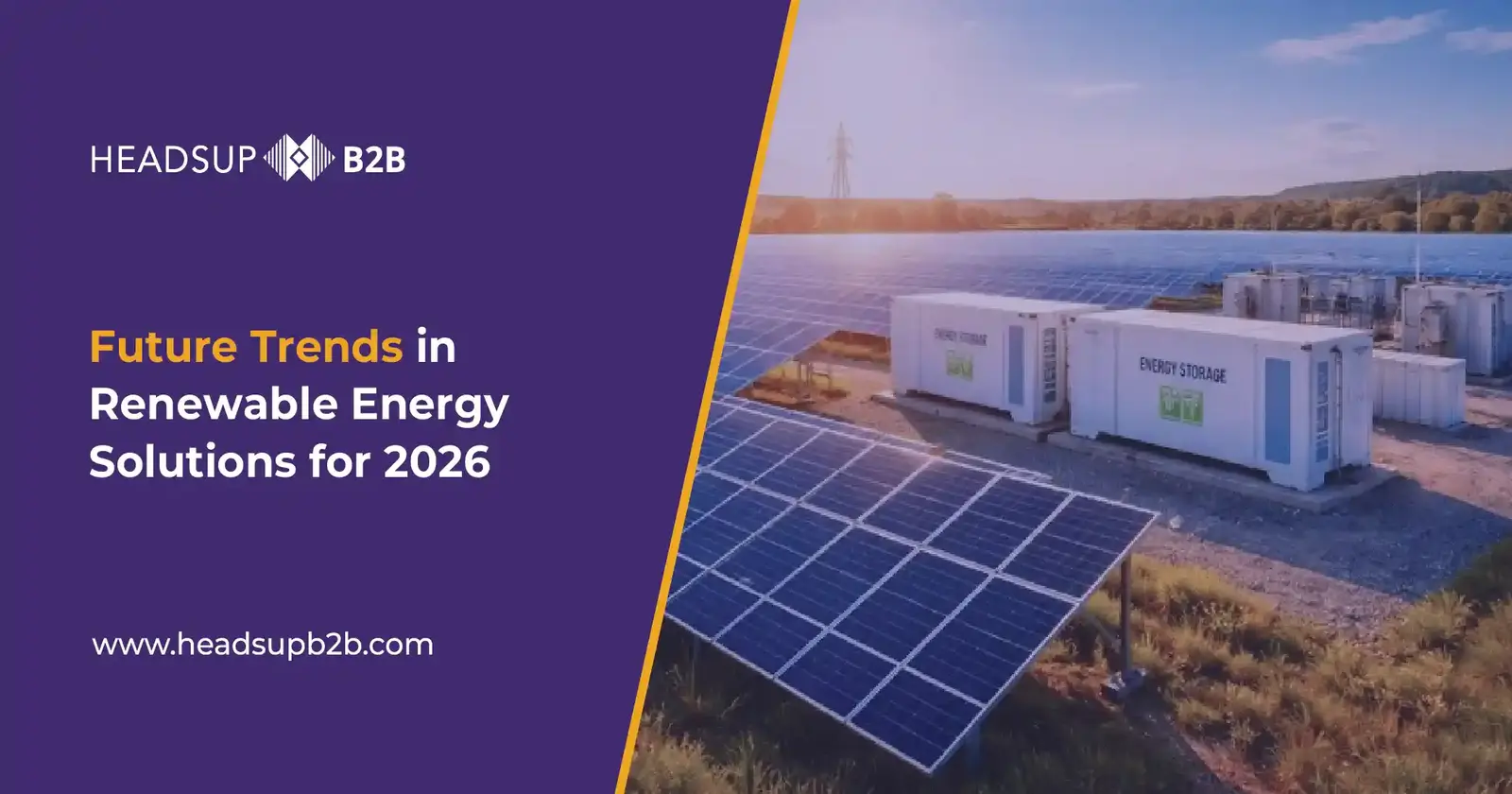
Tag: solar energy

  • Future Trends in Renewable Energy Solutions for 2026

    Future Trends in Renewable Energy Solutions for 2026

    Global energy demand and transition pressure

    Take a look at how energy consumption is evolving globally, and one thing becomes clear: demand isn’t slowing down. Cities are expanding, industries are scaling, and technology is becoming more energy-intensive by the day. By 2026, the pressure on energy systems will be significantly higher than what we see today. But here’s the catch—traditional energy systems are struggling to keep up without creating environmental damage.

    That’s why renewable energy is stepping into the spotlight. It’s not just an alternative anymore; it’s becoming a necessity. Governments, businesses, and even individual consumers are realizing that continuing with fossil fuels isn’t sustainable in the long run. The shift is happening because it has to happen, not just because it’s a trend.

    Another factor driving this change is resilience. Energy systems need to be more flexible and capable of handling disruptions. Renewable energy, combined with smart technologies, offers exactly that. Instead of relying on a few centralized power plants, energy can be generated and managed across multiple points.

    Policy push and investments

    Policies and investments are accelerating the shift faster than ever. Governments across the world are setting aggressive targets for renewable energy adoption. Financial institutions are also redirecting funds toward clean energy projects.

    In India, for example, the push toward renewable capacity expansion is massive, with ambitious targets that are reshaping the energy landscape. These investments are not just about building capacity; they’re about creating smarter, more efficient systems.

    Private companies are also playing a major role. From tech giants to manufacturing firms, many are committing to renewable energy usage. This combined effort is creating momentum that will define the energy sector in 2026.

    Rapid Growth of Solar Energy Technologies

    High-efficiency solar panels

    Solar energy continues to dominate the renewable space, and 2026 will see even more advanced technologies entering the market. One of the biggest trends is the development of high-efficiency solar panels.

    These panels can generate more electricity from the same amount of sunlight, making them ideal for space-constrained areas like urban homes and commercial buildings. Innovations in materials and design are pushing efficiency levels higher than ever before.

    This means homeowners and businesses can get more output without increasing installation size. It’s a simple improvement with a huge impact.

    Building-integrated solar solutions

    Solar technology is no longer limited to rooftops. In 2026, you’ll see more buildings integrating solar directly into their structure. Facades, windows, and even roofs will double as energy generators.

    This approach solves the problem of space while also enhancing aesthetics. Instead of adding panels separately, energy generation becomes part of the building itself.

    Breakthroughs in Energy Storage Systems

    Next-gen battery technologies

    Energy storage is one of the most critical areas of innovation. Without effective storage, renewable energy cannot reach its full potential. In 2026, battery technology will see major advancements.

    New battery chemistries are being developed to improve capacity, lifespan, and safety. These improvements will make storage systems more affordable and reliable.

    Long-duration storage solutions

    Another major trend is long-duration energy storage. These systems can store energy for extended periods, sometimes even days.

    This is crucial for balancing supply and demand, especially during periods of low generation. It also reduces dependency on backup fossil fuel systems.

    Rise of Smart Grids and Decentralized Energy

    Intelligent energy distribution

    Smart grids are transforming how energy is distributed. Instead of a one-way flow, energy moves dynamically based on demand and supply.

    This allows for better integration of renewable sources and improves overall efficiency.

    Microgrids and local energy systems

    Microgrids are gaining popularity as localized energy systems. They can operate independently or alongside the main grid.

    This makes them ideal for improving energy resilience, especially in areas prone to outages.

    Expansion of Electric Mobility Integration

    EV charging powered by renewables

    Electric vehicles are becoming more common, and their integration with renewable energy is a major trend for 2026.

    Charging stations powered by solar or wind energy reduce the environmental impact of transportation.

    Vehicle-to-grid systems

    Vehicle-to-grid technology allows EVs to act as energy storage units. They can supply power back to the grid when needed.

    This creates a more flexible and efficient energy ecosystem.

    Green Hydrogen as an Emerging Energy Source

    Hydrogen production advancements

    Green hydrogen is gaining attention as a clean energy source. It is produced using renewable energy and has the potential to replace fossil fuels in various sectors.

    Industrial and transport applications

    Industries and heavy transport systems are exploring hydrogen as an alternative fuel. This could significantly reduce emissions in sectors that are difficult to electrify.

    AI-Driven Energy Optimization

    Predictive energy management

    Advanced analytics is helping predict energy demand and optimize usage. This improves efficiency and reduces waste.

    Automation in energy systems

    Automation ensures that energy systems operate at peak efficiency without constant manual intervention.

    Offshore and Urban Wind Energy Innovations

    Floating wind farms

    Floating wind farms are opening up new possibilities for energy generation. They can be installed in deeper waters where wind speeds are higher.

    Micro wind solutions

    Urban wind solutions are becoming more practical, allowing smaller installations in city environments.

    Challenges That Will Shape the Future

    Despite rapid progress, challenges remain. High costs, infrastructure limitations, and regulatory complexities can slow adoption.

    Addressing these challenges will be critical for ensuring continued growth.

    Conclusion

    Renewable energy is entering a new phase of growth and innovation. By 2026, the focus will shift from adoption to optimization. Technologies will become smarter, more efficient, and better integrated into everyday life.

    The future of energy isn’t just about generating power—it’s about managing it intelligently.

    FAQs

    1. What are the biggest renewable energy trends for 2026?

    Solar advancements, energy storage, smart grids, and green hydrogen are among the key trends.

    2. Why is energy storage important?

    It ensures energy availability when renewable sources are not generating power.

    3. What is green hydrogen?

    It is hydrogen produced using renewable energy, making it a clean fuel alternative.

    4. How do smart grids improve energy systems?

    They optimize energy distribution using real-time data and automation.

    5. Will renewable energy replace traditional energy?

    Renewable energy will play a dominant role, but integration with existing systems will continue.
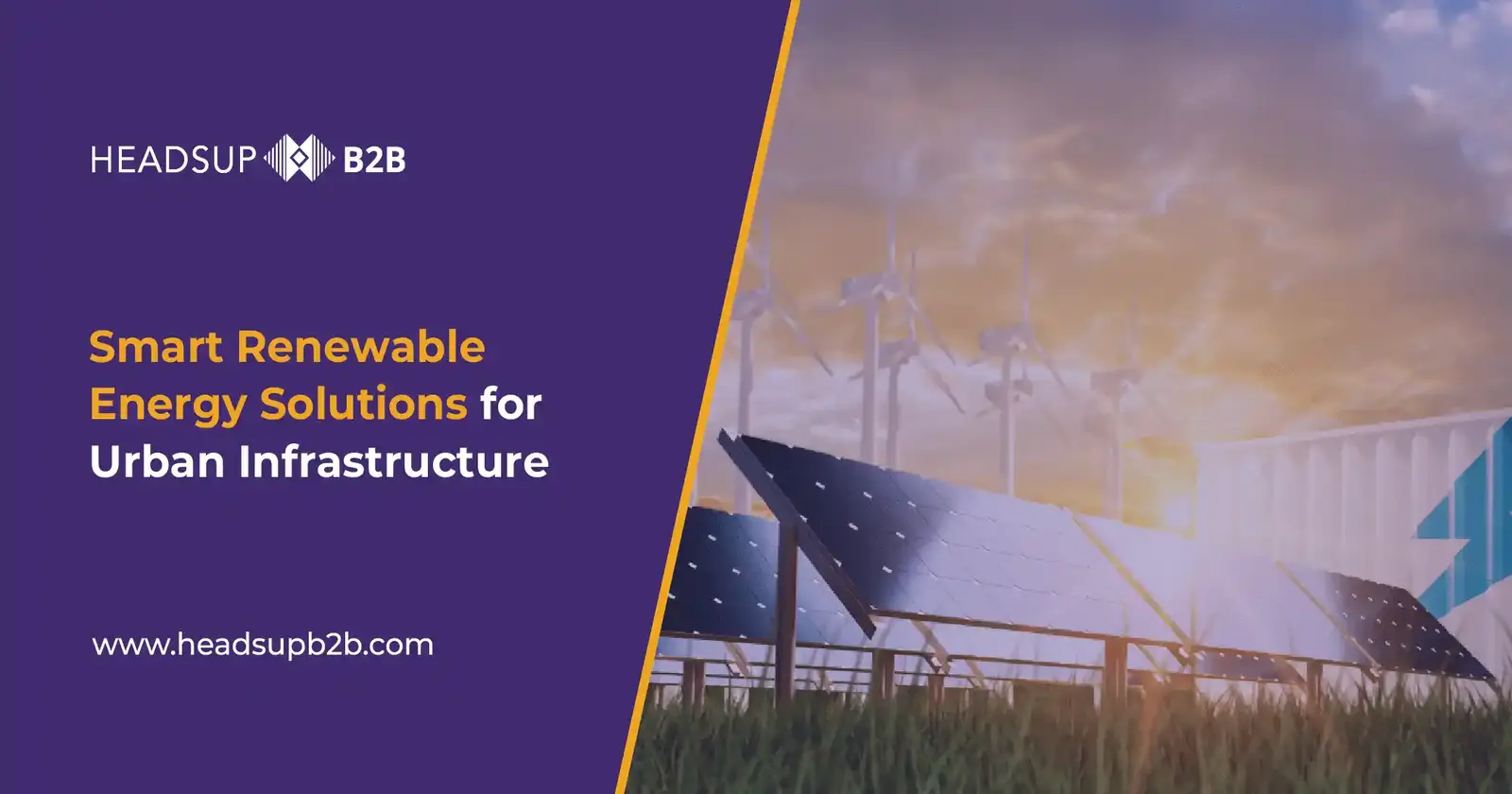
  • Smart Renewable Energy Solutions for Urban Infrastructure

    Smart Renewable Energy Solutions for Urban Infrastructure

    Rising urban population and energy demand

    Cities are growing at a pace that’s hard to ignore. Right now, urban areas already consume nearly 75% of global energy and produce around 80% of carbon emissions (ScienceDirect). That alone explains why energy systems built decades ago are starting to struggle. Now add projections that nearly 68% of the global population will live in cities by 2050, and you begin to see the scale of the challenge.

    Think about it like this. Every new apartment, metro line, data center, and shopping complex adds pressure to the same grid. Traditional infrastructure wasn’t designed for this kind of density or demand spikes. It’s not just about producing more electricity; it’s about managing it intelligently.

    What makes things even more complicated is the shift in how energy is used. Cities now rely heavily on tech-driven services like cloud computing, electric mobility, and connected devices. These aren’t constant loads. They fluctuate wildly throughout the day. That’s where smart renewable systems come into play. They don’t just supply energy; they adapt, predict, and respond in real time.

    Environmental and economic pressures

    Urban infrastructure isn’t just dealing with demand. It’s also under pressure to cut emissions and control costs. Governments and businesses are facing stricter sustainability targets, and energy prices are becoming unpredictable due to global market fluctuations.

    At the same time, renewable energy is no longer just an environmental choice. It’s becoming economically viable. In India alone, renewable capacity has crossed 200+ GW and continues to grow rapidly toward a 500 GW target by 2030 (– Result Oriented | Service Driven). That shift is changing how cities plan infrastructure investments.

    Smart renewable solutions offer a way to hit both goals. They reduce dependency on fossil fuels while improving efficiency. Instead of wasting energy during low-demand periods or facing shortages during peaks, cities can balance supply and demand using real-time data. That’s the difference between a reactive system and an intelligent one.

    What Defines Smart Renewable Energy

    Integration of renewables with intelligent systems

    Renewable energy on its own isn’t enough. Solar panels and wind turbines generate power, but they don’t solve the problem of unpredictability. What makes energy “smart” is the integration of these sources with advanced control systems.

    A smart renewable setup connects energy generation, distribution, and consumption into one coordinated network. It uses sensors, analytics, and automation to ensure energy flows where it’s needed most. Instead of a one-way system where power moves from plant to consumer, you get a dynamic, two-way interaction.

    For example, a building with solar panels can generate excess electricity during the day and feed it back into the grid. At night, it can draw power when needed. Multiply this across thousands of buildings, and you get a decentralized energy ecosystem that’s far more resilient than traditional grids.

    Role of IoT, data, and automation

    The real engine behind smart energy systems is data. Sensors embedded across infrastructure track everything from energy usage patterns to weather conditions. These insights allow systems to make decisions in real time.

    Imagine a city where streetlights dim automatically when there’s no traffic, or where HVAC systems adjust based on occupancy. That’s not futuristic anymore. It’s already happening in smart cities.

    According to recent projections, the global smart cities market is expected to reach over $1.4 trillion by 2030, driven largely by data-driven infrastructure (MarketsandMarkets). This growth shows how critical automation and connectivity have become.

    Core Technologies Powering Smart Energy Infrastructure

    Smart grids and decentralized energy networks

    Traditional grids operate like a one-way highway. Energy flows from centralized power plants to consumers. Smart grids flip this model. They allow energy to move in multiple directions, integrating renewable sources at every level.

    This means households, businesses, and even vehicles can act as both consumers and producers. These systems continuously monitor demand and adjust supply accordingly. If one area experiences a spike, the grid redistributes energy instantly.

    Smart grids also improve reliability. Instead of large-scale outages, issues can be isolated and resolved quickly. That’s a massive advantage in dense urban environments where downtime can disrupt entire economies.

    Energy storage innovations

    Renewable energy has one big limitation: it’s not always available. Solar doesn’t work at night, and wind isn’t constant. That’s why storage is a critical piece of the puzzle.

    Recent developments in battery technology are changing the game. In 2025 alone, global battery storage deployment saw record growth, with tens of gigawatt-hours added to support renewable integration (Reuters).

    Beyond traditional lithium-ion batteries, newer solutions like flow batteries and iron-air systems are emerging. These can store energy for longer periods, making it possible to balance supply over days rather than hours.

    Solar Energy in Urban Ecosystems

    Rooftop solar and building-integrated systems

    Walk through any modern city, and you’ll start noticing solar panels popping up everywhere. Rooftop solar has become one of the most accessible renewable solutions for urban areas.

    But it’s not just about placing panels on roofs anymore. Building-integrated photovoltaics (BIPV) are turning entire structures into energy generators. Windows, facades, and even shading systems can now produce electricity.

    This approach solves one of the biggest challenges in cities: space. Instead of requiring large land areas, energy generation becomes part of existing infrastructure.

    Solar-powered public infrastructure

    Cities are also embedding solar into public systems. Streetlights, bus stops, traffic signals, and even surveillance systems are being powered by solar energy.

    This reduces dependency on centralized grids and ensures critical services remain operational even during outages. It also cuts operational costs significantly over time.

    Wind and Hybrid Renewable Systems in Cities

    Micro wind turbines

    While large wind farms are usually located outside cities, smaller turbines are finding their way into urban settings. These micro turbines can be installed on rooftops or integrated into buildings.

    They work well in areas with consistent wind flow, such as coastal cities or high-rise clusters. While they don’t generate as much power as large turbines, they contribute to localized energy production.

    Hybrid solar-wind systems

    Combining solar and wind creates a more balanced energy system. When one source underperforms, the other can compensate. This reduces dependency on storage and improves reliability.

    Hybrid systems are particularly useful for critical infrastructure like hospitals, data centers, and transportation hubs.

    Role of Energy Storage in Smart Cities

    Battery storage systems

    Battery systems act as a buffer between energy generation and consumption. They store excess energy during low-demand periods and release it when needed.

    This helps smooth out fluctuations and ensures a steady supply. It also allows cities to reduce reliance on backup fossil fuel generators.

    Long-duration energy storage

    A newer trend gaining traction is long-duration energy storage. These systems can store energy for extended periods, sometimes even days.

    This is crucial for maintaining stability during prolonged low-generation periods. It also supports the transition to fully renewable grids by reducing dependency on conventional power sources.

    Electric Mobility and Renewable Integration

    EV charging infrastructure

    Electric vehicles are becoming a core part of urban mobility. But charging them sustainably requires integrating renewable energy into the system.

    Smart charging stations can adjust charging speeds based on grid conditions. They can also use stored renewable energy to reduce peak load pressure.

    Smart transport energy systems

    Urban transport systems are also evolving. Electric buses, metro systems, and even roads with embedded charging technology are being tested.

    These systems don’t just consume energy; they interact with the grid. For example, parked EVs can feed energy back into the system during peak demand.

    Smart Buildings and Energy Efficiency

    Green building design

    Buildings account for a significant portion of urban energy consumption. Smart designs focus on reducing this demand through better insulation, natural lighting, and efficient materials.

    These designs minimize the need for artificial heating and cooling, cutting energy usage significantly.

    Automated energy management

    Automation takes efficiency a step further. Smart systems monitor usage patterns and adjust energy consumption in real time.

    This ensures energy is used only when needed, reducing waste and lowering costs.

    Benefits of Smart Renewable Infrastructure

    Smart renewable systems offer multiple advantages:

    Benefit Impact
    Energy efficiency Reduces waste and optimizes usage
    Cost savings Lower operational expenses over time
    Sustainability Cuts emissions significantly
    Reliability Minimizes outages and disruptions
    Scalability Adapts to growing urban demands

    Cities adopting these solutions are seeing improvements not just in energy performance but also in overall quality of life.

    Challenges and Future Outlook

    Despite the progress, challenges remain. High initial costs, regulatory complexities, and infrastructure limitations can slow adoption. Integrating multiple technologies into existing systems isn’t always straightforward.

    However, the momentum is strong. The smart infrastructure market is projected to reach over $1.5 trillion by 2030, showing how rapidly this space is evolving (Yahoo Finance).

    Looking ahead, the focus will shift toward more decentralized and resilient systems. Cities will rely less on centralized power plants and more on distributed energy networks. Technologies like digital twins, predictive analytics, and advanced storage will play a major role.

    Conclusion

    Urban infrastructure is at a turning point. The traditional way of generating and distributing energy is no longer sufficient for modern cities. Smart renewable solutions offer a practical path forward by combining sustainability with efficiency.

    Instead of treating energy as a static resource, cities are starting to manage it as a dynamic system. This shift is what will define the next generation of urban development. The cities that adopt these systems early will be better equipped to handle future challenges, both environmental and economic.

    1. What is smart renewable energy infrastructure?

    It refers to systems that combine renewable energy sources with advanced technologies like sensors, automation, and data analytics to optimize energy production and consumption.

    2. Why is renewable energy important for cities?

    Cities consume the majority of global energy and produce high emissions. Renewable energy helps reduce environmental impact and improve sustainability.

    3. How do smart grids work?

    Smart grids use real-time data to manage electricity flow efficiently, allowing two-way communication between energy providers and consumers.

    4. What role does storage play in renewable energy?

    Storage systems ensure energy availability when renewable sources like solar and wind are not generating power.

    5. What are the biggest challenges in adopting smart energy systems?

    Key challenges include high costs, infrastructure upgrades, and regulatory hurdles.

  • Solar Panels vs. Solar Cells: What’s the Difference?

    Solar Panels vs. Solar Cells: What’s the Difference?

    In the modern world, where sustainability is becoming increasingly important, solar technology is revolutionizing how we generate energy. Among the most common terms you’ll hear when discussing solar energy are solar panels and solar cells. While these terms are often used interchangeably, they refer to distinct components in the solar energy system. Understanding the difference between solar panels and solar cells is crucial for anyone looking to invest in renewable energy solutions.

    In this article, we’ll explore these differences, their functions, and how they contribute to the broader solar energy ecosystem.

    What Are Solar Cells?

    Solar cells, also known as photovoltaic cells (PV cells), are the fundamental building blocks of any solar energy system. These semiconductor devices convert sunlight directly into electricity through the photovoltaic effect. The basic component of a solar cell is typically made from silicon, a material that is highly efficient at absorbing sunlight.

    The Science Behind Solar Cells

    The process starts when sunlight hits the surface of a solar cell, exciting the electrons in the silicon material. This energy causes the electrons to become free, creating an electric current. The electric current generated by the solar cell is then directed to an inverter, which converts it into alternating current (AC), the form of electricity most commonly used in homes and businesses.

    The performance of a solar cell depends on several factors, including the type of material used (monocrystalline, polycrystalline, or thin-film), the efficiency of the solar cell, and the amount of sunlight it receives. Solar cells are generally small in size and produce a relatively small amount of energy individually, which is why they are typically combined to form solar panels.

    What Are Solar Panels?

    A solar panel, or solar module, is a collection of individual solar cells arranged and connected together to generate a significant amount of power. These cells are linked together within the panel to form a grid-like structure, and when combined, they provide enough electricity to power homes, businesses, and even large-scale industrial operations.

    Structure and Function of Solar Panels

    The structure of a solar panel is not just limited to the solar cells. It also includes several protective layers that ensure the longevity and efficiency of the system. These layers include:

    1. Front Glass – This layer protects the cells from environmental damage while allowing sunlight to pass through.

    2. Encapsulant Layers – These layers are designed to protect the cells and keep them in place within the panel.

    3. Back Sheet – The back sheet provides electrical insulation and further protection for the solar cells.

    4. Frame – The metal frame supports the panel and provides rigidity, making it easier to install.

    When sunlight hits the solar panel, the solar cells inside convert the energy into electricity, as described earlier. Solar panels are available in a variety of sizes and capacities, making them suitable for different applications, from small residential systems to large solar farms.

    Key Differences Between Solar Cells and Solar Panels

    While solar cells and solar panels are closely related, they serve different roles in a solar energy system. Below, we break down the key differences between these two components:

    1. Function

    • Solar Cells: The primary function of a solar cell is to convert sunlight into electricity. It is the smallest unit in a solar system.

    • Solar Panels: A solar panel is a collection of solar cells that work together to produce more electricity. It is the complete unit that generates usable energy.

    2. Size and Output

    • Solar Cells: Each solar cell is relatively small, and its output is limited. Typically, a single solar cell generates only a small amount of electricity, which is why many cells need to be connected together to meet energy demands.

    • Solar Panels: Solar panels are much larger and can produce significantly more power. A typical solar panel might contain around 60-72 solar cells and can produce anywhere from 250 watts to 400 watts of electricity, depending on its size and efficiency.

    3. Composition

    • Solar Cells: Solar cells are made from materials like silicon (monocrystalline, polycrystalline, or amorphous), which are known for their ability to absorb and convert sunlight efficiently.

    • Solar Panels: A solar panel is made up of multiple solar cells, which are interconnected and encased in a protective outer layer to ensure durability and optimal performance.

    4. Application

    • Solar Cells: These are typically used in smaller, portable applications, such as solar-powered calculators, small gadgets, or in a series to form larger arrays in residential solar systems.

    • Solar Panels: Solar panels are used for large-scale electricity generation in both residential and commercial applications. They are installed on rooftops, solar farms, and other large areas to produce significant amounts of power.

    How Solar Panels and Solar Cells Work Together

    While the solar cell is the heart of the technology, solar panels make it possible to harness and use that energy on a larger scale. Solar panels are essentially a combination of multiple solar cells working together to generate enough electricity to power a home or business. Without the solar cells, there would be no electricity generated, and without the solar panels, there would be no way to collect and use that energy in a meaningful way.

    The Role of Inverters and Batteries

    In most solar systems, the electricity generated by the solar cells within the panels is in the form of direct current (DC). However, most household appliances and electrical systems use alternating current (AC). Therefore, an inverter is used to convert the DC electricity into AC, making it suitable for everyday use. Additionally, solar batteries are often incorporated into the system to store excess energy for use during periods of low sunlight or at night.

    Choosing Between Solar Panels and Solar Cells

    For individuals or businesses interested in switching to solar power, understanding the differences between solar panels and solar cells is essential when choosing the right system. While solar panels are often the preferred choice for larger installations, solar cells are ideal for those looking for smaller, more flexible solutions. Ultimately, the choice depends on factors such as energy needs, available space, and budget.

    Benefits of Solar Panels

    • Efficiency: Solar panels are more efficient at producing electricity because they contain multiple solar cells working together.

    • Scalability: It is easier to scale a solar panel system by adding more panels as needed to meet energy demands.

    • Durability: Solar panels are designed to withstand harsh weather conditions, ensuring that they can operate for 25-30 years or more.

    Benefits of Solar Cells

    • Flexibility: Solar cells can be used in a variety of smaller applications, such as solar-powered gadgets or small-scale residential solar systems.

    • Customization: For those with unique energy needs, solar cells can be customized to create a system that meets specific requirements.

    Conclusion

    In conclusion, while solar panels and solar cells are integral to the process of harnessing solar energy, they serve different roles within the system. Solar cells are the building blocks of solar panels, which are designed to provide large-scale energy production. Understanding these components and their differences is crucial for anyone looking to adopt solar technology and make an informed decision about their energy needs. Whether you’re opting for a solar panel system to power your home or looking into specialized solar cell applications, both technologies offer a sustainable, cost-effective solution for generating clean, renewable energy.

    Headsup B2B supplies a wide range of solar products for businesses and individuals alike, providing top-quality solar panels, solar cells, and related equipment. If you’re looking to make the switch to solar or expand your existing solar infrastructure, our products are designed to meet all your energy needs. Contact us today to explore the best solar solutions tailored for your business and home.

  • The True Value of Solar: Unlocking High ROI

    The True Value of Solar: Unlocking High ROI

    Solar energy continues to grow as a popular and sustainable solution for reducing energy costs, but how do you ensure you’re getting the most out of your investment? Maximizing your solar ROI (Return on Investment) is the key to making solar power a financially sound decision. With the right strategy, solar systems can offer long-term savings, increased home value, and environmental benefits.

    In this guide, we’ll explore how to unlock the true value of solar by maximizing ROI, leveraging government incentives, and selecting the best solar technology. Whether you’re a homeowner or business owner, understanding these factors will help you make an informed investment in solar energy in 2025.

    What is ROI in Solar Energy?

    Understanding Solar ROI: ROI, or Return on Investment, refers to the profitability of your solar energy system. Simply put, it’s the amount of money you save by switching to solar power compared to the amount you spent on installation. A high ROI means that you’re saving a significant amount on your electricity bills relative to your upfront investment.

    Why Solar is a Smart Investment in 2025

    • Technological Advancements in Solar: 2025 brings cutting-edge advancements in solar technology, with more efficient panels, solar shingles, and energy storage systems available. These innovations allow for increased energy generation and lower costs per watt, making solar even more lucrative. The improved efficiency of modern solar panels means you can generate more power with fewer panels, further reducing your upfront costs and boosting your ROI.

    • Government Incentives and Rebates: Government incentives continue to make solar more accessible. In 2025, federal tax credits and state-specific rebates are available, allowing you to reduce your initial investment. These incentives can cover a significant portion of the costs, shortening the payback period and increasing ROI. By taking advantage of these programs, you can get a greater return on your investment sooner.

    Factors that Influence Solar ROI

    • Initial Installation Costs: The upfront costs of installing solar panels can be high, but the savings over time usually outweigh the initial investment. Solar systems typically cost between $10,000 and $30,000 depending on the size, equipment, and installation. Financing options like solar loans, leases, or PPAs can help reduce these upfront costs, making it easier to maximize your ROI.

    • Solar Exposure and Location: The geographical location of your property significantly impacts your solar ROI. Areas with more sunlight will naturally generate more energy, resulting in a faster return on investment. If you live in a region with frequent cloud cover or seasonal weather changes, it may take longer to recoup your initial investment.

    • Efficiency of Solar Panels: Higher-efficiency solar panels capture more sunlight and convert it into usable electricity. Although premium panels come with a higher price tag, their increased efficiency often results in quicker payback periods and higher long-term ROI.

    Maximizing Your Solar ROI in 2025

    • Choosing the Right Solar Equipment: When selecting solar panels, make sure you choose high-quality, efficient models. Research top manufacturers and opt for panels with long warranties (typically 25 years). Also, consider investing in energy storage solutions like solar batteries to store excess energy for later use. This helps increase your ROI by reducing reliance on the grid.

    • Monitoring Your Energy Usage: Tracking your energy consumption is vital to maximizing savings. With a smart solar system, you can monitor how much energy you’re using and adjust your habits to reduce wastage. Over time, this can lead to significant savings and improve your ROI.

    • Maintenance Tips for Long-Term Savings: Solar systems require minimal maintenance, but keeping panels clean and checking for damage can ensure they operate at peak efficiency. Regular inspections can extend the lifespan of your solar panels and maximize their financial return.

    Choosing the Best Financing Option

    The best financing option depends on your budget and long-term energy goals. Consider all available options and consult with a solar expert to determine which choice will provide the highest ROI for your specific needs.

    How Solar Increases Property Value?

    • Real Estate Benefits of Solar Installation: Installing solar panels can increase your home’s resale value. A study by the National Renewable Energy Laboratory found that homes with solar systems sell for more than those without. The energy savings and sustainability features appeal to potential buyers, leading to a higher market value.

    • Impact on Home Resale Value: The average increase in home value can vary by location, but a typical range is between 4-6% higher than non-solar homes. This means that, in addition to saving on energy costs, your solar system could provide a substantial return when you decide to sell.

    Advanced Solar Technologies to Boost ROI

    • Smart Solar Systems: Incorporating smart home technology with your solar system can help you monitor energy use, optimize solar output, and further improve ROI. These systems use real-time data to adjust energy consumption patterns for maximum savings.

    • Solar Batteries and Storage Solutions: Solar batteries store excess energy generated during the day for use at night or during cloudy periods. By having a backup energy supply, you reduce your reliance on the grid and ensure higher returns over the long run.

    The Environmental Benefits of Solar

    • Reducing Your Carbon Footprint: One of the most significant benefits of solar energy is its environmental impact. By switching to solar, you help reduce carbon emissions and contribute to a more sustainable future.

    • Contributing to Sustainable Energy: Investing in solar also helps promote renewable energy sources, reducing reliance on fossil fuels and supporting global sustainability goals.

    Conclusion:

    2025 is more achievable than ever, thanks to technological advancements, government incentives, and smart financing options. By carefully selecting equipment, monitoring energy usage, and leveraging available incentives, you can make solar energy a profitable and environmentally friendly investment.

    FAQs

    1. How long does it take to get ROI from solar?
    On average, solar systems pay for themselves in 6-8 years. After that, the savings are pure profit.

    2. Are solar batteries worth the investment?
    Yes, especially if you live in areas with unreliable power. Solar batteries help you store excess energy, increasing your ROI.

    3. Can solar increase property value?
    Yes, homes with solar installations typically sell for more than those without, offering a significant ROI when you sell.

    4. What are the best ways to finance solar panels?
    Options include solar loans, leases, and Power Purchase Agreements (PPAs). Each has its pros and cons, so it’s important to choose the right one for your situation.

    5. What incentives are available for solar in 2025?
    Incentives include the federal solar tax credit, state rebates, and local programs that can lower installation costs and improve ROI.

  • Generating 1 GW of Solar Power: A Roadmap to Successful Solar Projects

    Generating 1 GW of Solar Power: A Roadmap to Successful Solar Projects

    Imagine a world that runs on clean energy, powering millions of households and commercial setups and healing the planet by combating climate change. How do we ensure this happens? How does 1 GW of solar power generation establishment sound? Developing such a large-scale solar project requires strategic planning, innovation, and collaboration.

    The Importance of Scaling Solar Power

    1 GW of solar power has the transformative potential of not only lighting homes with clean energy but also proceeding towards reducing greenhouse gas emissions. 1 GW of solar power converts to one billion joules of energy per second. This enormous amount of energy can power 75,000 homes and reduce greenhouse emissions by 2 million metric tons. It is vital to scale up solar power to 1 GW to achieve the sustainable development goals, equivalent to removing approximately 435,000 cars from the road for a year.

    7 Key Steps : Guide Developing a 1 GW Solar Project

    1. Site Selection

    When developing a solar project, site selection sets the foundation for success. The site selection needs careful consideration of multiple factors such as solar radiation, availability of sunlight, availability of land, and the outcome of the Environmental Impact Assessment (EIA). With ample sunlight availability, sufficient land is needed to set up a 1 GW solar power project. For setting up a plant for generating 1 GW of power, about 3,000 acres of land is needed.

    2. Feasibility Studies

    A feasibility study of various locations for solar energy generation potential includes studying solar radiation, calculating the levelized cost of energy, and evaluating the long-term project viability.

    3. Securing Permits and Approvals

    Before setting up any solar power projects in India, it is mandatory to get the required approval from DISCOM and ensure that land use approvals have been obtained. ISO certification assures the quality of service.

    4. Technology

    Technology plays an important role, and choosing the right photovoltaic panel depends on the cost and efficiency. For 1 GW of solar energy, 3.125 million panels may be required to be installed if one panel is a standard 320 watts.

    5. Financing the Project

    For financing a solar power project, it is vital to outline funding strategies such as equity, government subsidies, green bonds, and Power Purchase Agreements (PPAs). The cost of a 1MW solar power plant in India is Rs 4–5 crores, including the costs of solar panels, solar inverters, combiners & junction boxes, protective gear arrangements, SCADA & data logger systems, land banks, and the cost of erection systems.

    6. Project Execution

    The importance of efficient logistics cannot be emphasised adequately. From sourcing the right materials to installation, commissioning, and post-commissioning maintenance support, every phase depends on timely and successful project execution. An efficient execution requires a seamless end-to-end process and streamlined, real-time monitoring followed by rigorous post-installation testing.

    7. Grid Integration and Maintenance

    Integrating solar power into the electrical grid is a multifaceted process that includes assessment of grid capacities, installation of suitable inverter technologies, adoption of power electronics, utilization of smart meters, incorporation of energy storage solutions, and securing necessary permits, which is followed by maintenance considerations such as regular inspections, performance monitoring, upgrades and retrofitting, and grid resilience planning to ensure safety from harsh weather conditions and other emergencies.

    The Bottom Line

    Developing 1 GW of solar power projects is a challenging yet rewarding endeavour. With innovation and collaboration, solar energy can fuel sustainable growth. Solar power costs 18% less than coal-fired electricity and stands at ₹4.34 per kWh, proving to be a viable alternative that is cost-efficient and sustainable.

    Solar power is the future of energy. Power the future with 1 GW of solar energy—sustainability starts with smart execution. Partner with Headsup B2B for seamless procurement and coordination in your solar projects, ensuring reliable, efficient, and scalable solutions for a cleaner tomorrow.