Tag: Road Safety Equipment

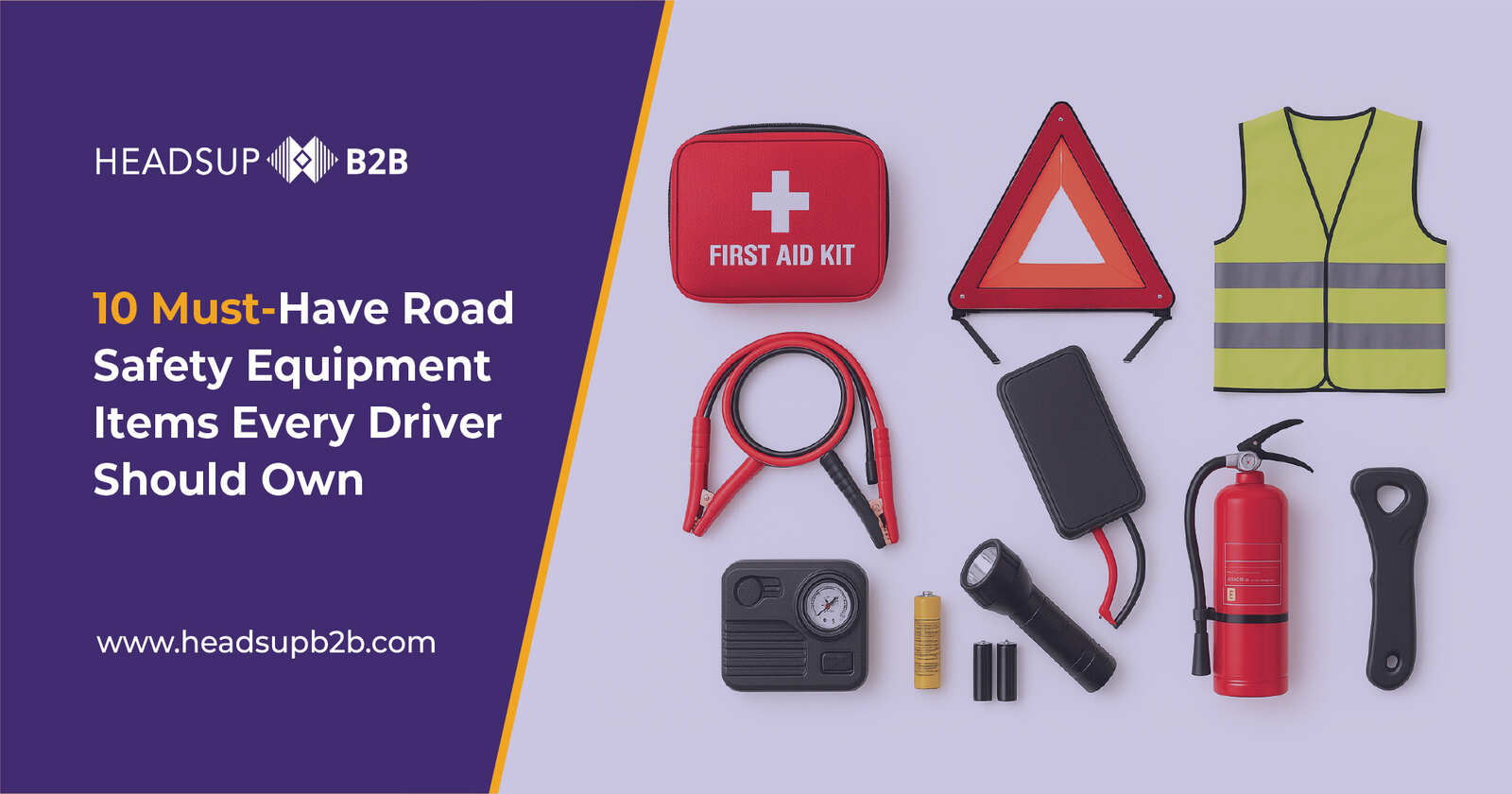
  • 10 Must-Have Road Safety Equipment Items Every Driver Should Own

    10 Must-Have Road Safety Equipment Items Every Driver Should Own

    Let’s face it — no one plans to break down on a deserted highway in the middle of the night. But guess what? It happens. Whether you’re heading out for a long road trip or just running errands, being prepared can be the difference between a minor inconvenience and a full-blown disaster. That’s why every driver should have a set of road safety essentials in their vehicle — no excuses.

    So what exactly should you be keeping in your trunk or glove compartment? Let’s break it down.

    The Top 10 Must-Have Road Safety Items

    1. First Aid Kit

    Think of this as your mobile medical cabinet. Cuts, scrapes, burns — you never know when someone might need a quick patch-up.

    What to include:

    • Bandages and gauze

    • Antiseptic wipes

    • Pain relievers

    • Tweezers and scissors

    • Gloves and a CPR mask

    Why it matters: A first aid kit can be a literal lifesaver, especially in remote areas or before medical help arrives.

    2. Reflective Warning Triangles

    If your car breaks down, these little guys alert other drivers of your presence — especially in low visibility conditions.

    How to use: Set up one 50 to 100 feet behind your car. If you’re on a highway, place one in front as well.

    Pro Tip: Some countries actually require them by law. Better safe than sorry!

    3. High-Visibility Safety Vest

    Ever tried flagging down help at night wearing dark clothes? Not a good idea.

    Why you need one: It ensures you’re visible to other drivers — especially important if you have to step out on a busy road.

    4. Jumper Cables or a Portable Jump Starter

    Batteries die. It’s a fact of life. But being stranded because of one doesn’t have to be.

    What’s the difference?

    • Jumper cables need another vehicle.

    • Jump starters don’t — they come with built-in power.

    Pick your fighter depending on how often you drive solo.

    5. Fire Extinguisher

    Sounds dramatic? Maybe. But car fires happen more than you’d think — especially with overheating or electrical issues.

    Choose a type:
    Look for a Class B or C extinguisher, which is ideal for flammable liquids and electrical fires.

    Keep it accessible, not buried under your golf clubs.

    6. Tire Repair Kit and Inflator

    Flat tire with no spare? You’ll thank yourself for packing this.

    What’s inside?

    • Sealant to temporarily patch the hole

    • A portable inflator to reinflate your tire

    Note: It’s a temporary fix — just enough to get you to a repair shop.

    7. Flashlight with Extra Batteries

    Your phone’s flashlight won’t cut it forever — especially if your battery’s dying.

    Go LED: They’re brighter, last longer, and are more energy-efficient.

    Bonus Tip: Store it where you can reach it without getting out of the car.

    8. Seatbelt Cutter and Window Breaker

    Ever seen a car submerged in water in the movies? It’s real — and terrifying.

    This tool can save your life if your seatbelt gets jammed or the doors won’t open.

    Compact and cheap, there’s no excuse not to have one.

    9. Emergency Blanket

    Looks like a shiny piece of foil, but don’t underestimate it.

    Purpose: Keeps you warm if you’re stuck in cold weather — like a space-age sleeping bag.

    Lightweight, cheap, and folds up small. Just do it.

    10. Multi-tool or Car Emergency Tool Kit

    Think of it as the Swiss Army knife of the road.

    Typical features:

    • Pliers

    • Screwdrivers

    • Wire cutters

    • Glass breaker

    • Knife

    Why it rocks: One tool, many uses. Perfect for quick fixes on the go.

    Additional Safety Essentials Worth Considering

    Beyond the essentials, here are a few extras you’ll be glad you packed:

    • Portable power bank or car charger

    • Bottled water and non-perishable snacks

    • Printed road maps (because tech fails too)

    • Rain poncho or umbrella

    • Towel or rag

    These might not save your life, but they sure can save your day.

    How to Properly Store Your Safety Equipment

    Having the gear is one thing. Being able to find it when needed is another.

    • Use a dedicated storage box in your trunk

    • Keep essential items like flashlights and tools within arm’s reach

    • Avoid clutter — only keep what you truly need

    In some regions, certain items are legally required, like reflective triangles and vests.

    Insurance tip:
    Being well-equipped shows responsibility. It can even help during claims — especially if your preparedness reduced damages or injuries.

    Tips for Keeping Your Road Safety Kit Up to Date

    Don’t just toss it in your trunk and forget about it.

    • Check every 6 months

    • Replace expired items like meds and batteries

    • Test tools like your flashlight or jump starter

    Make it a habit — like your oil change or tire rotation.

    Real-Life Roadside Emergency Scenarios

    Let’s get real — these aren’t just “what ifs.” Here’s how having the right gear made a difference:

    • Flat tire at midnight? Tire inflator to the rescue.

    • Battery dead in the mall parking lot? Jump starter saved the day.

    • Stuck in a blizzard? Emergency blanket and snacks = lifesaver.

    Bottom line? These aren’t just tools — they’re peace of mind.

    Conclusion

    Being prepared isn’t paranoid — it’s smart. Whether you’re a new driver or a seasoned road warrior, these 10 must-have road safety items can turn a potential disaster into a manageable hiccup. Don’t wait for something to go wrong. Load up, pack smart, and drive safe.

    FAQs

    1. How often should I replace items in my road safety kit?

    At least every 6–12 months. Replace expired items and test electronics regularly.

    2. Are safety kits legally required?

    In many countries, yes — especially reflective triangles and vests. Always check local laws.

    3. What’s the difference between a tire inflator and a compressor?

    Both inflate tires, but inflators are portable and made for emergency use, while compressors are usually more powerful and bulky.

    4. Can I assemble my own safety kit instead of buying one?

    Absolutely. In fact, it’s often better because you get to tailor it to your needs.

    5. Where should I keep my emergency tools in the car?

    Store them in your trunk or under a seat — just make sure they’re easy to reach when needed.

  • Where to Buy High-Quality Road Safety Equipment for Your Business

    Where to Buy High-Quality Road Safety Equipment for Your Business

    When it comes to running a business that involves transportation, construction, or any kind of outdoor work, road safety equipment isn’t just a luxury—it’s an absolute necessity. Whether you’re managing a small construction crew or a large logistics company, having the right gear can mean the difference between a safe operation and a costly accident.

    But here’s the tricky part—where do you actually buy high-quality road safety equipment? Let’s walk through everything you need to know.

    Understanding Road Safety Equipment

    What Falls Under Road Safety Equipment?

    Road safety gear includes a variety of tools and devices such as traffic cones, barriers, safety signs, reflective vests, road studs, speed bumps, warning lights, and more. Each serves a specific purpose in keeping both drivers and workers safe.

    Industries That Use Road Safety Gear

    From construction companies and event organizers to government agencies and logistics providers, any business that operates on or near roads requires these tools.

    Governments and local authorities often enforce strict regulations regarding safety standards. Non-compliance can lead to heavy fines, revoked licenses, or worse—accidents that harm people and ruin reputations.

    Key Features of High-Quality Road Safety Equipment

    • Durability: You want something that can survive daily use in harsh environments—rain, sun, wind, or even accidental impact.

    • Visibility and Reflective Materials: The best equipment uses high-intensity reflective material, especially for night use or poor weather conditions.

    • Weather Resistance: From scorching sun to freezing rain, your gear should be built to withstand extreme weather without degrading quickly.

    • Certification and Standards Compliance: Always look for gear that meets national or international safety standards like ANSI, OSHA, or EN certifications.

    Top Categories of Road Safety Equipment

    • Traffic Cones and Delineators: Essential for marking off danger zones or guiding traffic. Look for ones with weighted bases and reflective collars.

    • Safety Barriers and Barricades: Used to control pedestrian and vehicle movement. Options include water-filled barriers, metal barricades, and expandable fences.

    • Speed Bumps and Rumble Strips: Slow down traffic in high-risk areas. Ideal for school zones, worksites, or private roads.

    • Road Signs and Signal Boards: Directional and warning signs keep both workers and drivers informed. LED boards are perfect for visibility in low light.

    • Personal Safety Gear (Helmets, Vests, Gloves): Protect your workers. Bright vests with reflective tape, high-impact helmets, and cut-resistant gloves are non-negotiable.

    Where to Buy High-Quality Road Safety Equipment

    • Local Industrial Safety Equipment Stores: Great for inspecting the gear in person and discussing options with experts.

    • Specialized Road Safety Suppliers: These companies focus solely on traffic and road safety. They offer a wide range and better warranties.

    • Online Marketplaces (headsup b2b): Convenient and often cheaper, but be cautious—not all sellers offer certified gear.

    • Manufacturer Direct Purchases: Going straight to the manufacturer often means better bulk pricing and the latest product innovations.

    What to Look for in a Supplier

    • Product Variety: A good supplier offers everything from cones to LED signs—saving you time and shipping costs.

    • Customer Reviews and Testimonials: Don’t skip the reviews. Past customer experiences can reveal a lot about product quality and service.

    • Return and Warranty Policies: If something doesn’t meet your expectations, a solid return policy gives you peace of mind.

    • Delivery Options and Speed: Especially if you’re on a deadline, fast and reliable shipping is crucial.

    • After-Sales Support: Can you reach out if something goes wrong? Responsive customer service is a must.

    • ULINE: Known for fast delivery and broad inventory.

    • Seton: Offers customizable signage and a wide range of safety products.

    Traffic Safety Store

    A go-to for traffic cones, speed bumps, and signage. Trusted by professionals.

    Headsup B2B: Convenient for bulk purchases with business-level discounts and shipping.

    Mistakes to Avoid When Purchasing

    • Ignoring Certifications: Cheap equipment without certifications can get you in legal trouble—and isn’t safe.

    • Prioritizing Cost Over Quality: Budgeting is smart, but never at the cost of safety. One accident can cost far more.

    • Not Verifying Supplier Credentials: Always check if the supplier is licensed, reviewed, and respected in the industry.

    Maintaining and Inspecting Road Safety Equipment

    • Regular Checks: Inspect for wear and tear weekly, especially after heavy use.

    • Cleaning and Storage Tips: Store items in dry, shaded areas to prevent fading or damage.

    • When to Replace Damaged Items: If reflectors no longer shine, or materials are cracked or torn—it’s time for a replacement.

    Conclusion

    Investing in high-quality road safety equipment isn’t just a smart business move—it’s a legal and ethical responsibility. From knowing what to buy, where to get it, and how to maintain it, this guide gives you a clear path toward making safer choices for your business and team.

    choose the right suppliers and equipment, you’re not just buying products—you’re buying peace of mind.