Tag: road safety barriers

  • Steel Crash Barriers: Strength & Durability

    Steel Crash Barriers: Strength & Durability

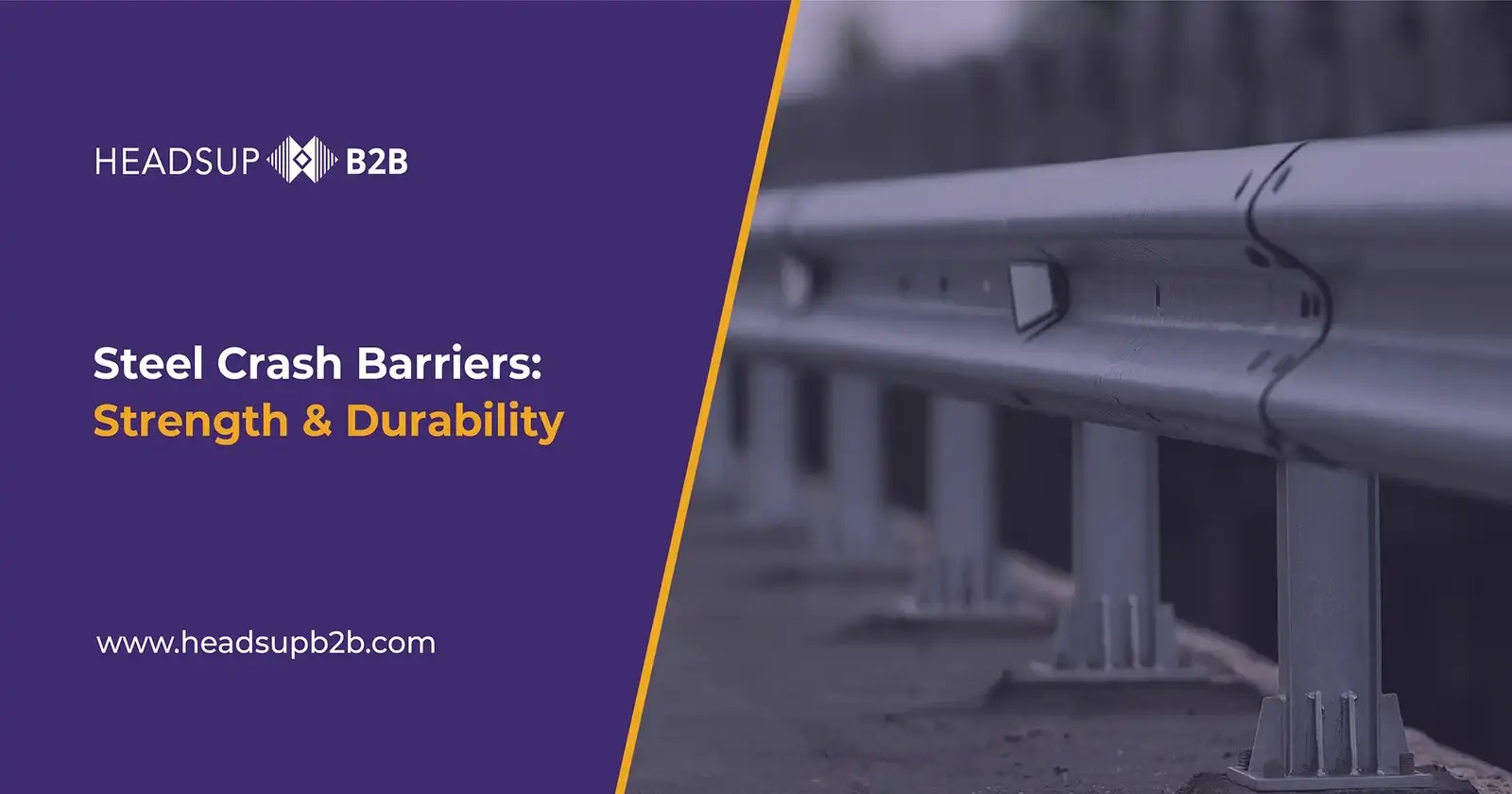
    Steel crash barriers are crucial safety components that protect vehicles by redirecting them from hazards, thus preventing accidents. This article discusses their strength, types (permanent and temporary), potential damage signs, causes, diagnostic tests, treatment, and preventive maintenance. Regular inspections, coatings, and timely repairs enhance their durability and effectiveness, making them vital for road safety.

    Steel crash barriers are essential safety components used in various infrastructure projects worldwide. They provide critical protection by redirecting vehicles away from hazards, thereby preventing accidents and minimizing damage. This article explores the strength and durability of steel crash barriers, highlighting their importance, types, installation, and maintenance practices.

    Types and Categories

    • Permanent Steel Crash Barriers: Permanent barriers are installed along highways and roads to provide long-term protection. They are typically made from galvanized steel and designed to withstand impact and weather conditions.

    • Temporary Steel Crash Barriers: Temporary barriers are used in construction zones or events to create a safe environment for workers and the public. They are often portable and can be quickly installed or moved as needed.

    Symptoms and Signs

    • Visible Damage: Signs of damage include dents, bends, or rust spots on the barrier surface, indicating potential structural compromise.

    • Misalignment: If the barrier is no longer straight or aligned properly, it may not effectively redirect vehicles in the event of an accident.

    Causes and Risk Factors

    • Vehicle Collisions: High-speed impacts from vehicles can severely damage steel crash barriers, necessitating replacement or repair.

    • Corrosion: Exposure to moisture and environmental elements can lead to rust and corrosion, weakening the barrier over time.

    Diagnosis and Tests

    • Visual Inspection: Regular visual checks help identify surface damage or alignment issues that require immediate attention.

    • Impact Testing: Testing the barrier’s resilience through controlled impacts simulates real-world collision scenarios and evaluates its effectiveness.

    Treatment Options

    • Repair and Replacement: Damaged sections of the barrier can be cut out and replaced with new components to restore its integrity.

    • Coating and Painting: Applying protective coatings or paints can enhance the barrier’s resistance to corrosion and extend its lifespan.

    Preventive Measures

    • Regular Maintenance: Scheduled inspections and maintenance routines ensure early detection of issues and prompt repairs.

    • Weather Protection: Using weather-resistant coatings and treatments helps mitigate the effects of rain, snow, and UV exposure.

    Conclusion

    steel crash barriers are indispensable safety features that enhance road safety and protect lives. Regular maintenance, timely repairs, and strategic installations are vital to ensuring their effectiveness and longevity.

    Contact Headsup B2B today to source all your crash barrier and road safety equipment needs.
  • Essential Safety Features of Crash Barriers

    Essential Safety Features of Crash Barriers

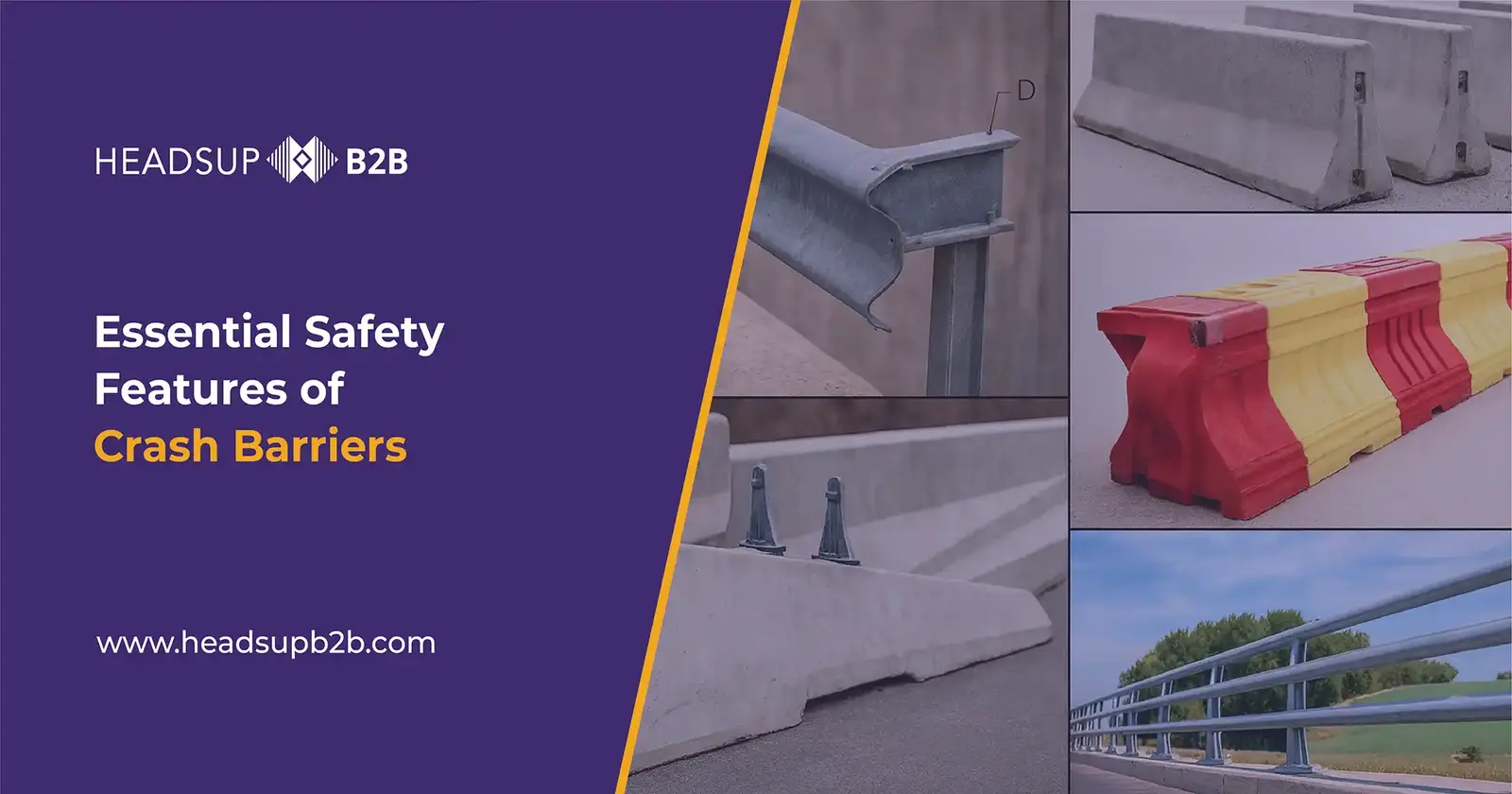
    Crash barriers play a critical role in modern road safety, preventing vehicles from leaving the roadway and reducing the severity of collisions. From flexible wire rope systems to rigid concrete walls, each type is engineered to absorb impact energy and protect drivers, pedestrians, and infrastructure. Understanding the essential safety features of crash barriers helps road agencies, contractors, and engineers choose the right system for each environment. For certified and reliable crash barrier solutions, Headsup B2B provides trusted procurement support for infrastructure projects of all sizes.

    Crash barriers act as the final shield between a simple driving error and a life-threatening accident. Whether caused by driver distraction, bad weather, or a tyre failure, a vehicle can veer off course within seconds. In that critical moment, a crash barrier’s purpose is simple but vital: transform a severe crash into a survivable one.

    But a crash barrier is far more than metal or concrete. It’s an engineered safety system built to absorb energy, guide vehicles, and reduce the risk of fatal injuries for both occupants and those nearby.

    This guide explores the key safety features that make crash barriers effective—and what engineers consider when selecting the right system for each road.

    Types of Crash Barriers

    1. Flexible Barriers (Wire Rope Systems)

    Wire rope barriers flex significantly on impact, spreading crash forces over distance and greatly reducing severity.
    Benefits:

    • High energy absorption

    • Excellent for preventing cross-median crashes

    • Ideal for wide medians on high-speed roads

    • Require adequate clearance behind for safe deflection

    2. Semi-Rigid Barriers (Steel Beam Guardrails)

    The common W-beam or thrie-beam guardrails provide a balance between flexibility and rigidity.
    Advantages:

    • Strong containment with controlled deflection

    • Adjustable through post spacing and rail design

    • Damaged components are easy to replace

    3. Rigid Barriers (Concrete Walls and Parapets)

    These barriers barely deflect and instead redirect vehicles using their shape.
    Used When:

    • There is no room for barrier movement (bridges, tunnels)

    • Cross-over crashes would be severe

    • Maintenance access is limited

    Key Safety Objectives of Crash Barriers

    1. Prevent Vehicles from Leaving the Road

    Crash barriers stop vehicles from:

    • Rolling down embankments

    • Striking rigid roadside objects

    • Falling off bridges

    2. Protect People and Infrastructure

    Barriers safeguard:

    • Pedestrians and cyclists

    • Utilities, buildings, and roadside assets

    • Oncoming traffic in medians

    3. Minimize Injury to Vehicle Occupants

    A safe barrier should:

    • Control deceleration forces

    • Guide vehicles without violent spinning

    • Reduce rollover risk

    Structural Features That Improve Safety

    Posts and Foundations

    Correct post spacing, embedment depth, and soil conditions directly affect strength and performance.

    Rail Shape and Height

    • Height prevents vehicles from vaulting or underriding

    • W-beam and thrie-beam shapes distribute forces

    • Smooth transitions avoid snag points

    Energy Absorption and Impact Control

    Crash barriers act like large-scale shock absorbers. They work by:

    • Bending posts

    • Stretching rails

    • Yielding or shearing connectors

    This controlled deformation lowers the force on vehicle occupants and helps keep the vehicle upright.

    Redirection vs. Containment:

    • Redirection: Guides the vehicle along the barrier

    • Containment: Prevents crossovers into dangerous zones

    A safe barrier balances both.

    End Terminals and Impact Attenuators

    Barrier ends are high-risk points and must be treated.

    Energy-Absorbing Terminals:

    • Collapse or deform to absorb frontal impact

    • Prevent spearing and penetration

    • Are crash-tested independently

    **Crash Cushions & Sand Barrels:
    **Placed near isolated hazards (bridge piers, gantries), they slow vehicles gradually during impact.

    Safety Features by Road Location

    Medians on High-Speed Highways

    • Require strong containment

    • Must account for trucks and buses

    • Common systems: wire rope, concrete

    Road Edges & Embankments

    • Prevent vehicles from rolling off slopes

    • Require careful working width analysis

    Bridges and Rigid Hazards

    • Use concrete or stiff barriers due to limited space

    • Include specialized transitions for safety

    Work Zones

    • Temporary barriers protect workers

    • Clear reflectors and markings guide drivers safely

    Visibility and Driver Guidance

    Drivers must easily see and interpret barriers.
    Key features include:

    • Reflectors and delineators

    • High-contrast paint or chevrons

    • Retroreflective materials for night visibility

    These help drivers judge curves, lane positions, and approaching hazards.

    Durability and Corrosion Protection

    Long-term reliability matters.
    Materials:

    • Steel for guardrails

    • Concrete for rigid sections

    • Composites for corrosion resistance

    Protection:

    • Galvanizing and coatings prevent rust

    • Drainage and sealing extend lifespan

    Standards, Crash Testing, and Certification

    Crash barriers undergo strict tests covering:

    • Vehicle sizes and weights

    • Impact speeds and angles

    • Occupant safety performance

    A tested and certified system ensures predictable real-world behavior.

    Why Installation Quality Matters

    Even the best system fails with poor installation. Common issues include:

    • Incorrect post spacing or depth

    • Improper wire rope tension

    • Missing bolts or hardware

    Transitions between barrier types are especially critical for preventing snagging.

    Inspection, Maintenance, and Repair

    Routine inspections check for:

    • Impact damage

    • Corrosion or loose fittings

    • Changing road conditions

    Damaged barriers must be repaired quickly to restore performance.

    • Smart barriers with impact sensors

    • Advanced composites and modular designs

    • Data-driven improvements from real-world crash analytics

    Choosing the Right Barrier System

    Engineers evaluate:

    • Traffic speed and volume

    • Hazard types and road geometry

    • Budget and long-term maintenance plans

    There is no universal barrier—only the right one for the right location.

    Conclusion

    Crash barriers might seem simple, but they’re the result of decades of engineering and rigorous testing. A properly designed, installed, and maintained barrier doesn’t just stop a vehicle—it manages impact energy, protects lives, and prevents catastrophic outcomes.

    Every detail matters: barrier type, rail height, terminal design, post spacing, installation quality, and ongoing inspection. When all these elements work together, a single strip of steel or concrete becomes a lifesaving system.

    Need Reliable Crash Barriers or Road Safety Equipment?

    Procure Your Requirements with Headsup B2B

    Whether you’re a contractor, government agency, or infrastructure developer, Headsup B2B connects you with verified manufacturers and high-quality crash barrier systems tailored to your project specifications.

    ✔ Bulk procurement of guardrails, wire rope systems, and terminals
    ✔ Certified products that meet global safety standards
    ✔ Reliable supply chain for infrastructure and highway projects

    👉 Contact Headsup B2B today to source all your crash barrier and road safety equipment needs.
  • Types of Crash Barriers: Ensuring Road Safety

    Types of Crash Barriers: Ensuring Road Safety

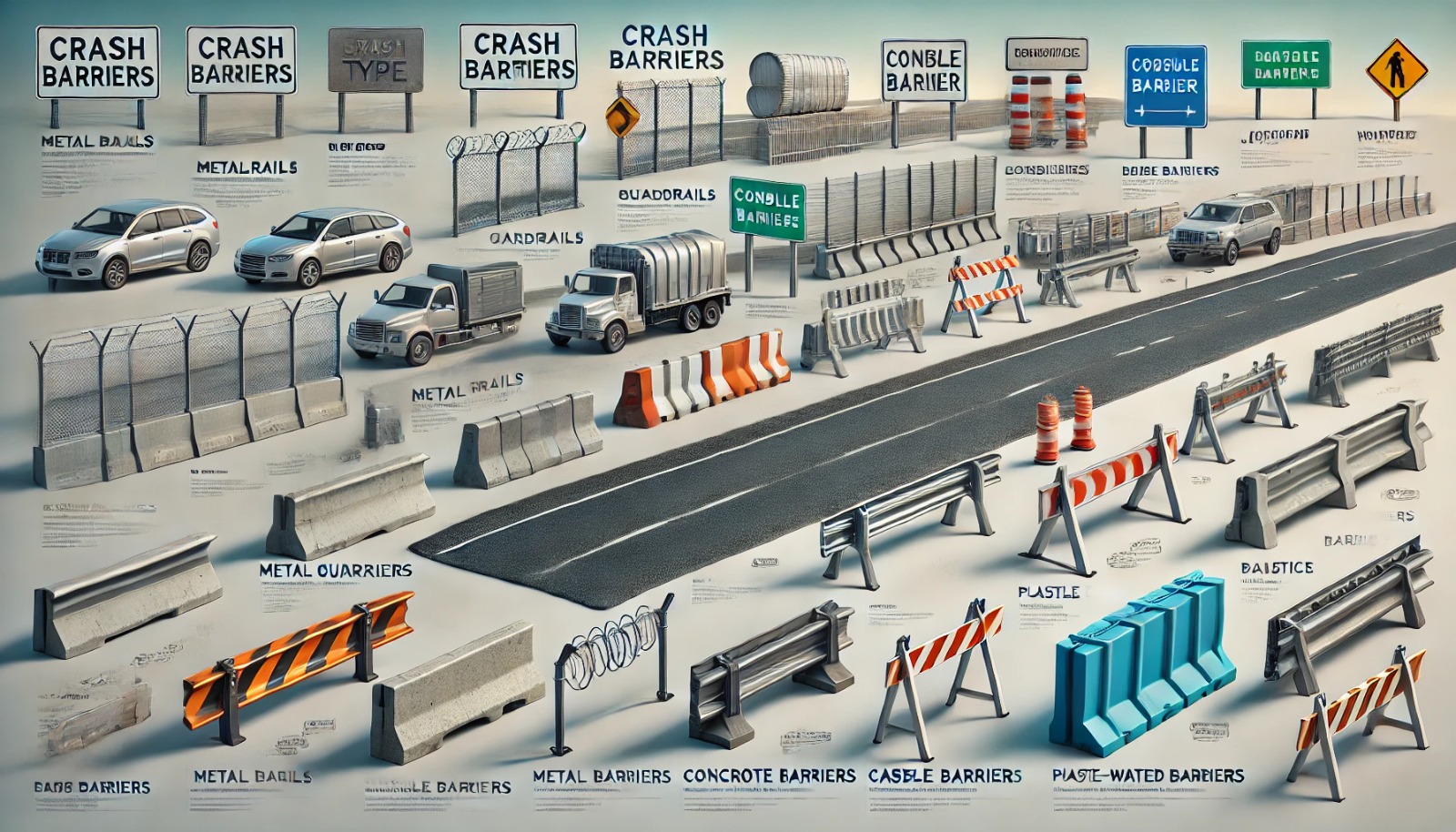
    Road safety is a paramount concern for governments and organizations worldwide. One of the critical components in enhancing road safety is the implementation of effective crash barriers. These structures are designed to prevent vehicles from veering off the road, reduce the severity of crashes, and protect pedestrians and infrastructure. In this article, we will delve into the various types of crash barriers, their functionalities, and their applications.

    Types of Crash Barriers In India

    1. W-Beam Guardrails

    The W-Beam Guardrail is one of the most commonly used types of crash barriers. It consists of a steel beam with a distinctive “W” shape, mounted on posts at regular intervals. The design allows it to absorb and dissipate energy during a collision, minimizing the impact on the vehicle occupants. W-Beam Guardrails are typically used on highways, rural roads, and bridge approaches. Their ease of installation and cost-effectiveness make them a popular choice for road safety.

    Advantages of W-Beam Guardrails:

    • Cost-effective: Relatively low installation and maintenance costs.

    • Versatile: Suitable for various road types and conditions.

    • Efficient energy absorption: Reduces the force of impact during a collision.

    2. Thrie-Beam Guardrails

    • Thrie-Beam Guardrails are an enhanced version of the W-Beam Guardrails, offering additional strength and impact resistance. They feature a triple-wave design, which provides greater rigidity and stability.

    Advantages of Thrie-Beam Guardrails:

    • Enhanced durability: Greater resistance to impacts and environmental factors.

    • Higher impact resistance: Better suited for high-speed and high-traffic areas.

    • Improved safety: Provides increased protection for vehicle occupants.

    3. Cable Barriers

    Cable Barriers are flexible systems consisting of steel cables mounted on posts. These barriers are designed to catch and redirect vehicles during a crash, preventing them from crossing into oncoming traffic or leaving the roadway. The flexibility of Cable Barriers allows them to absorb and dissipate impact energy effectively.

    Advantages of Cable Barriers:

    • Flexibility: Can be used in various road configurations and terrains.

    • Energy absorption: Effective in reducing crash severity.

    • Cost-efficient: Lower installation and maintenance costs compared to rigid barriers.

    4. Concrete Barriers

    Concrete Barriers are rigid, heavy-duty barriers commonly used in high-risk areas such as highways, bridge parapets, and urban roads. They are designed to withstand significant impact forces and prevent vehicles from crossing into opposing lanes or leaving the road. Concrete Barriers provide a high level of protection and are highly durable.

    Advantages of Concrete Barriers:

    • High impact resistance: Can withstand severe collisions.

    • Durability: Long-lasting and resistant to environmental factors.

    • Safety: Provides robust protection for both vehicles and pedestrians.

    5. Crash Cushions

    Crash Cushions, also known as impact attenuators, are designed to absorb the kinetic energy of a colliding vehicle, reducing the severity of the crash. They are typically used in areas where vehicles are likely to impact a fixed object, such as the end of a guardrail or a median barrier. Crash Cushions come in various designs, including sand barrels, water-filled barriers, and energy-absorbing materials.

    Advantages of Crash Cushions:

    • Energy absorption: Reduces the force of impact during a collision.

    • Versatility: Can be used in various road configurations and applications.

    • Enhanced safety: Minimizes damage to vehicles and reduces injury risk to occupants.

    6. Bridge Barriers

    Bridge Barriers are specially designed to provide protection on bridges and elevated roadways. They prevent vehicles from leaving the bridge deck and protect pedestrians and cyclists. Bridge Barriers are typically made of concrete or steel and are designed to withstand significant impact forces.

    Advantages of Bridge Barriers:

    • High impact resistance: Can withstand severe collisions on bridges.

    • Safety: Provides robust protection for vehicles, pedestrians, and cyclists.

    • Durability: Long-lasting and resistant to environmental factors.

    7. Median Barriers

    Median Barriers are placed in the center of divided highways to prevent vehicles from crossing into oncoming traffic. They can be made of concrete, steel, or cable and are designed to redirect vehicles back into their lanes during a collision. Median Barriers play a crucial role in reducing head-on collisions and enhancing road safety.

    Advantages of Median Barriers:

    • Prevents crossover accidents: Reduces the risk of head-on collisions.

    • Versatility: Can be used in various road configurations and materials.

    • Safety: Enhances overall road safety by keeping vehicles within their lanes.

    Conclusion

    In conclusion, crash barriers are vital components in ensuring road safety. The different types of crash barriers, including W-Beam Guardrails, Thrie-Beam Guardrails, Cable Barriers, Concrete Barriers, Crash Cushions, Bridge Barriers, and Median Barriers, each offer unique benefits and applications. By understanding the characteristics and advantages of each type, we can make informed decisions on implementing the most effective barriers for specific road conditions and traffic volumes. Ensuring the proper use of crash barriers is crucial in reducing the severity of accidents and protecting the lives of road users.

    Why Choose Headsup as Your B2B Procurement Partner for Road Safety Solutions?

    Choosing the right procurement partner is crucial for ensuring safety, compliance, and operational efficiency. Headsup stands out as a trusted B2B procurement partner for road safety solutions. because we combine quality products, expert guidance, and seamless supply-chain support designed for businesses of all sizes.