Tag: renewable-energy

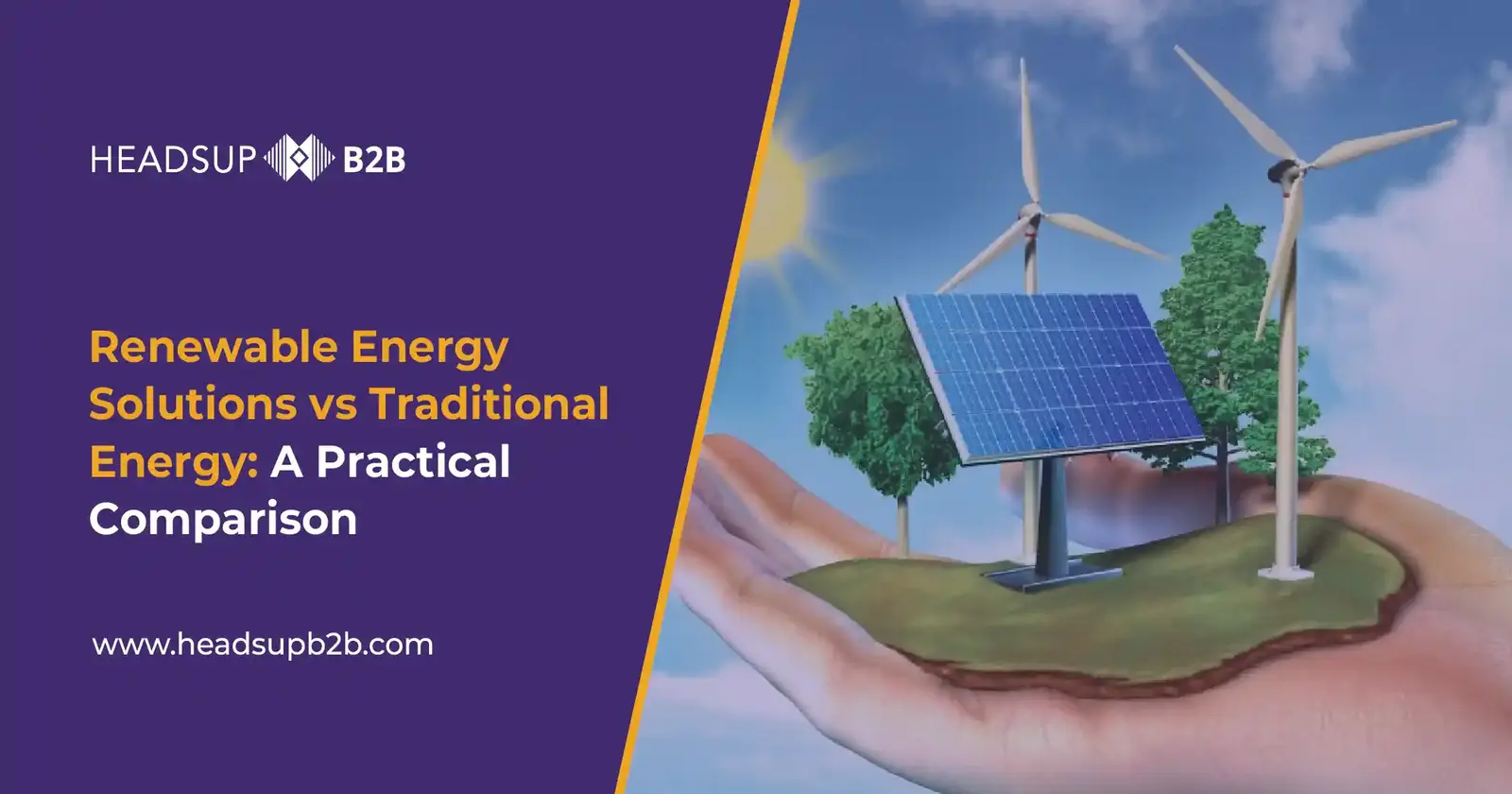
  • Renewable Energy Solutions vs Traditional Energy: A Practical Comparison

    Renewable Energy Solutions vs Traditional Energy: A Practical Comparison

    What are renewable energy solutions

    Let’s start with the basics. Renewable energy solutions are systems that generate power using natural resources that don’t run out—like sunlight, wind, water, and geothermal heat. These sources replenish themselves naturally, which means you’re not depleting anything when you use them.

    Think of solar panels on a rooftop or wind turbines on a coastline. They’re tapping into energy that’s already there, available every day. The idea is simple: use what nature gives continuously instead of extracting limited resources.

    What makes renewable energy even more interesting today is how it’s evolving. It’s no longer just about generating electricity. It’s about managing it smartly—storing excess power, distributing it efficiently, and integrating it into everyday systems like homes, transport, and buildings.

    What is traditional energy

    Traditional energy, on the other hand, mainly comes from fossil fuels like coal, oil, and natural gas. These resources have powered industries, cities, and economies for decades.

    The system is straightforward. Fuel is extracted, burned, and converted into electricity. It’s reliable, consistent, and has been the backbone of global infrastructure.

    But here’s the catch. These resources are finite. Once used, they’re gone. Plus, burning them releases greenhouse gases, which contributes to environmental issues. That’s why the conversation around energy is shifting.

    Key Differences at a Glance

    Source, sustainability, and availability

    The most obvious difference lies in where the energy comes from. Renewable sources are naturally replenished, while traditional sources depend on extraction.

    Renewables are sustainable by design. Sunlight and wind aren’t going anywhere. Fossil fuels, however, are limited and subject to depletion.

    Availability is another factor. Traditional energy can be generated anytime as long as fuel is available. Renewable energy depends on natural conditions, which can vary.

    Infrastructure and scalability

    Traditional energy systems rely on large, centralized power plants and extensive grid networks. Scaling them often requires massive investments and time.

    Renewable systems are more flexible. You can install solar panels on a single home or build large-scale solar farms. This scalability makes them suitable for both small and large applications.

    Cost Comparison: Short-Term vs Long-Term

    Initial investment differences

    One of the biggest concerns people have is cost. Renewable energy systems usually require a higher upfront investment. Installing solar panels, batteries, or wind systems isn’t cheap.

    Traditional energy, in contrast, has lower initial costs for consumers because infrastructure is already in place. You just connect to the grid and start using electricity.

    Lifetime cost and ROI

    Here’s where things shift. Over time, renewable energy often turns out to be more economical. Once installed, systems like solar panels have minimal operating costs.

    Traditional energy involves continuous expenses—fuel costs, maintenance, and rising tariffs. So while it may seem cheaper initially, the long-term costs add up.

    Environmental Impact and Sustainability

    Carbon emissions and pollution

    This is where the difference becomes hard to ignore. Traditional energy sources are major contributors to carbon emissions. Burning fossil fuels releases pollutants that affect air quality and climate.

    Renewable energy produces little to no emissions during operation. Solar and wind systems generate electricity without burning anything, making them much cleaner.

    Resource depletion vs renewability

    Fossil fuels are finite. Once reserves are exhausted, they cannot be replaced within a human timescale. Renewable energy doesn’t have this limitation.

    Using renewable sources is like living off interest rather than spending your savings. You’re using what’s continuously generated rather than exhausting a limited reserve.

    Reliability and Energy Stability

    Consistency of traditional energy

    Traditional energy systems are known for their reliability. Power plants can generate electricity continuously, regardless of weather conditions.

    This consistency has made them the default choice for decades, especially for industries that require uninterrupted power.

    Variability in renewable energy

    Renewable energy can be unpredictable. Solar depends on sunlight, and wind depends on wind conditions. This variability can affect energy supply.

    However, advancements in storage and smart grids are addressing this issue. Batteries and hybrid systems help balance supply and demand, making renewable energy more reliable than before.

    Efficiency and Technological Advancements

    Efficiency of fossil fuel systems

    Fossil fuel systems have been optimized over many years. They’re efficient at converting fuel into electricity, but they also waste a significant amount of energy as heat.

    Smart renewable technologies

    Renewable energy is rapidly improving. Modern solar panels are more efficient than ever, and smart systems optimize energy usage in real time.

    Technology is also making integration easier. Homes and cities can now manage energy dynamically, reducing waste and improving performance.

    Infrastructure and Maintenance

    Complexity of traditional grids

    Traditional energy infrastructure is complex and expensive to maintain. Large power plants, transmission lines, and distribution networks require constant upkeep.

    Decentralized renewable systems

    Renewable systems are more decentralized. Energy can be generated closer to where it’s used, reducing transmission losses and infrastructure dependency.

    Maintenance is generally lower, especially for solar systems, which have fewer moving parts.

    Real-World Use Cases and Applications

    Residential and urban use

    In homes and cities, renewable energy is becoming increasingly popular. Rooftop solar, battery storage, and smart systems are transforming how energy is consumed.

    Traditional energy still plays a role, especially in areas where renewable adoption is limited.

    Industrial and large-scale use

    Industries often rely on traditional energy due to high and consistent power demands. However, large-scale renewable projects are gaining traction.

    Hybrid systems combining renewable and traditional sources are becoming more common in industrial applications.

    Challenges and Limitations of Both Systems

    Both energy systems have their challenges. Renewable energy faces issues like initial cost, space requirements, and variability. Traditional energy deals with environmental concerns, resource depletion, and rising costs.

    Understanding these limitations helps in making balanced decisions.

    Future Outlook: Which One Will Lead

    The future of energy isn’t about choosing one over the other. It’s about integration. Renewable energy is expected to play a larger role as technology improves and costs decrease.

    Traditional energy will likely continue to exist, but its dominance is gradually declining. The focus is shifting toward cleaner and more efficient systems.

    Conclusion

    Renewable energy and traditional energy each have their strengths and limitations. Traditional systems offer reliability and established infrastructure, while renewable solutions provide sustainability and long-term cost benefits.

    The real opportunity lies in combining the best of both. By integrating renewable energy into existing systems, we can create a more balanced and resilient energy future.

    FAQs

    1. Which is cheaper: renewable or traditional energy?

    Renewable energy has higher upfront costs but lower long-term expenses compared to traditional energy.

    2. Is renewable energy reliable enough?

    With advancements in storage and smart grids, renewable energy is becoming increasingly reliable.

    3. Can renewable energy replace traditional energy completely?

    Not immediately. A hybrid approach is currently more practical.

    4. What is the biggest disadvantage of renewable energy?

    Variability in energy generation due to dependence on natural conditions.

    5. Why is traditional energy still widely used?
    It offers consistent power supply and has established infrastructure.
  • Smart Renewable Energy Solutions for Urban Infrastructure

    Smart Renewable Energy Solutions for Urban Infrastructure

    Rising urban population and energy demand

    Cities are growing at a pace that’s hard to ignore. Right now, urban areas already consume nearly 75% of global energy and produce around 80% of carbon emissions (ScienceDirect). That alone explains why energy systems built decades ago are starting to struggle. Now add projections that nearly 68% of the global population will live in cities by 2050, and you begin to see the scale of the challenge.

    Think about it like this. Every new apartment, metro line, data center, and shopping complex adds pressure to the same grid. Traditional infrastructure wasn’t designed for this kind of density or demand spikes. It’s not just about producing more electricity; it’s about managing it intelligently.

    What makes things even more complicated is the shift in how energy is used. Cities now rely heavily on tech-driven services like cloud computing, electric mobility, and connected devices. These aren’t constant loads. They fluctuate wildly throughout the day. That’s where smart renewable systems come into play. They don’t just supply energy; they adapt, predict, and respond in real time.

    Environmental and economic pressures

    Urban infrastructure isn’t just dealing with demand. It’s also under pressure to cut emissions and control costs. Governments and businesses are facing stricter sustainability targets, and energy prices are becoming unpredictable due to global market fluctuations.

    At the same time, renewable energy is no longer just an environmental choice. It’s becoming economically viable. In India alone, renewable capacity has crossed 200+ GW and continues to grow rapidly toward a 500 GW target by 2030 (– Result Oriented | Service Driven). That shift is changing how cities plan infrastructure investments.

    Smart renewable solutions offer a way to hit both goals. They reduce dependency on fossil fuels while improving efficiency. Instead of wasting energy during low-demand periods or facing shortages during peaks, cities can balance supply and demand using real-time data. That’s the difference between a reactive system and an intelligent one.

    What Defines Smart Renewable Energy

    Integration of renewables with intelligent systems

    Renewable energy on its own isn’t enough. Solar panels and wind turbines generate power, but they don’t solve the problem of unpredictability. What makes energy “smart” is the integration of these sources with advanced control systems.

    A smart renewable setup connects energy generation, distribution, and consumption into one coordinated network. It uses sensors, analytics, and automation to ensure energy flows where it’s needed most. Instead of a one-way system where power moves from plant to consumer, you get a dynamic, two-way interaction.

    For example, a building with solar panels can generate excess electricity during the day and feed it back into the grid. At night, it can draw power when needed. Multiply this across thousands of buildings, and you get a decentralized energy ecosystem that’s far more resilient than traditional grids.

    Role of IoT, data, and automation

    The real engine behind smart energy systems is data. Sensors embedded across infrastructure track everything from energy usage patterns to weather conditions. These insights allow systems to make decisions in real time.

    Imagine a city where streetlights dim automatically when there’s no traffic, or where HVAC systems adjust based on occupancy. That’s not futuristic anymore. It’s already happening in smart cities.

    According to recent projections, the global smart cities market is expected to reach over $1.4 trillion by 2030, driven largely by data-driven infrastructure (MarketsandMarkets). This growth shows how critical automation and connectivity have become.

    Core Technologies Powering Smart Energy Infrastructure

    Smart grids and decentralized energy networks

    Traditional grids operate like a one-way highway. Energy flows from centralized power plants to consumers. Smart grids flip this model. They allow energy to move in multiple directions, integrating renewable sources at every level.

    This means households, businesses, and even vehicles can act as both consumers and producers. These systems continuously monitor demand and adjust supply accordingly. If one area experiences a spike, the grid redistributes energy instantly.

    Smart grids also improve reliability. Instead of large-scale outages, issues can be isolated and resolved quickly. That’s a massive advantage in dense urban environments where downtime can disrupt entire economies.

    Energy storage innovations

    Renewable energy has one big limitation: it’s not always available. Solar doesn’t work at night, and wind isn’t constant. That’s why storage is a critical piece of the puzzle.

    Recent developments in battery technology are changing the game. In 2025 alone, global battery storage deployment saw record growth, with tens of gigawatt-hours added to support renewable integration (Reuters).

    Beyond traditional lithium-ion batteries, newer solutions like flow batteries and iron-air systems are emerging. These can store energy for longer periods, making it possible to balance supply over days rather than hours.

    Solar Energy in Urban Ecosystems

    Rooftop solar and building-integrated systems

    Walk through any modern city, and you’ll start noticing solar panels popping up everywhere. Rooftop solar has become one of the most accessible renewable solutions for urban areas.

    But it’s not just about placing panels on roofs anymore. Building-integrated photovoltaics (BIPV) are turning entire structures into energy generators. Windows, facades, and even shading systems can now produce electricity.

    This approach solves one of the biggest challenges in cities: space. Instead of requiring large land areas, energy generation becomes part of existing infrastructure.

    Solar-powered public infrastructure

    Cities are also embedding solar into public systems. Streetlights, bus stops, traffic signals, and even surveillance systems are being powered by solar energy.

    This reduces dependency on centralized grids and ensures critical services remain operational even during outages. It also cuts operational costs significantly over time.

    Wind and Hybrid Renewable Systems in Cities

    Micro wind turbines

    While large wind farms are usually located outside cities, smaller turbines are finding their way into urban settings. These micro turbines can be installed on rooftops or integrated into buildings.

    They work well in areas with consistent wind flow, such as coastal cities or high-rise clusters. While they don’t generate as much power as large turbines, they contribute to localized energy production.

    Hybrid solar-wind systems

    Combining solar and wind creates a more balanced energy system. When one source underperforms, the other can compensate. This reduces dependency on storage and improves reliability.

    Hybrid systems are particularly useful for critical infrastructure like hospitals, data centers, and transportation hubs.

    Role of Energy Storage in Smart Cities

    Battery storage systems

    Battery systems act as a buffer between energy generation and consumption. They store excess energy during low-demand periods and release it when needed.

    This helps smooth out fluctuations and ensures a steady supply. It also allows cities to reduce reliance on backup fossil fuel generators.

    Long-duration energy storage

    A newer trend gaining traction is long-duration energy storage. These systems can store energy for extended periods, sometimes even days.

    This is crucial for maintaining stability during prolonged low-generation periods. It also supports the transition to fully renewable grids by reducing dependency on conventional power sources.

    Electric Mobility and Renewable Integration

    EV charging infrastructure

    Electric vehicles are becoming a core part of urban mobility. But charging them sustainably requires integrating renewable energy into the system.

    Smart charging stations can adjust charging speeds based on grid conditions. They can also use stored renewable energy to reduce peak load pressure.

    Smart transport energy systems

    Urban transport systems are also evolving. Electric buses, metro systems, and even roads with embedded charging technology are being tested.

    These systems don’t just consume energy; they interact with the grid. For example, parked EVs can feed energy back into the system during peak demand.

    Smart Buildings and Energy Efficiency

    Green building design

    Buildings account for a significant portion of urban energy consumption. Smart designs focus on reducing this demand through better insulation, natural lighting, and efficient materials.

    These designs minimize the need for artificial heating and cooling, cutting energy usage significantly.

    Automated energy management

    Automation takes efficiency a step further. Smart systems monitor usage patterns and adjust energy consumption in real time.

    This ensures energy is used only when needed, reducing waste and lowering costs.

    Benefits of Smart Renewable Infrastructure

    Smart renewable systems offer multiple advantages:

    Benefit Impact
    Energy efficiency Reduces waste and optimizes usage
    Cost savings Lower operational expenses over time
    Sustainability Cuts emissions significantly
    Reliability Minimizes outages and disruptions
    Scalability Adapts to growing urban demands

    Cities adopting these solutions are seeing improvements not just in energy performance but also in overall quality of life.

    Challenges and Future Outlook

    Despite the progress, challenges remain. High initial costs, regulatory complexities, and infrastructure limitations can slow adoption. Integrating multiple technologies into existing systems isn’t always straightforward.

    However, the momentum is strong. The smart infrastructure market is projected to reach over $1.5 trillion by 2030, showing how rapidly this space is evolving (Yahoo Finance).

    Looking ahead, the focus will shift toward more decentralized and resilient systems. Cities will rely less on centralized power plants and more on distributed energy networks. Technologies like digital twins, predictive analytics, and advanced storage will play a major role.

    Conclusion

    Urban infrastructure is at a turning point. The traditional way of generating and distributing energy is no longer sufficient for modern cities. Smart renewable solutions offer a practical path forward by combining sustainability with efficiency.

    Instead of treating energy as a static resource, cities are starting to manage it as a dynamic system. This shift is what will define the next generation of urban development. The cities that adopt these systems early will be better equipped to handle future challenges, both environmental and economic.

    1. What is smart renewable energy infrastructure?

    It refers to systems that combine renewable energy sources with advanced technologies like sensors, automation, and data analytics to optimize energy production and consumption.

    2. Why is renewable energy important for cities?

    Cities consume the majority of global energy and produce high emissions. Renewable energy helps reduce environmental impact and improve sustainability.

    3. How do smart grids work?

    Smart grids use real-time data to manage electricity flow efficiently, allowing two-way communication between energy providers and consumers.

    4. What role does storage play in renewable energy?

    Storage systems ensure energy availability when renewable sources like solar and wind are not generating power.

    5. What are the biggest challenges in adopting smart energy systems?

    Key challenges include high costs, infrastructure upgrades, and regulatory hurdles.

  • Solar Panels vs. Solar Cells: What’s the Difference?

    Solar Panels vs. Solar Cells: What’s the Difference?

    In the modern world, where sustainability is becoming increasingly important, solar technology is revolutionizing how we generate energy. Among the most common terms you’ll hear when discussing solar energy are solar panels and solar cells. While these terms are often used interchangeably, they refer to distinct components in the solar energy system. Understanding the difference between solar panels and solar cells is crucial for anyone looking to invest in renewable energy solutions.

    In this article, we’ll explore these differences, their functions, and how they contribute to the broader solar energy ecosystem.

    What Are Solar Cells?

    Solar cells, also known as photovoltaic cells (PV cells), are the fundamental building blocks of any solar energy system. These semiconductor devices convert sunlight directly into electricity through the photovoltaic effect. The basic component of a solar cell is typically made from silicon, a material that is highly efficient at absorbing sunlight.

    The Science Behind Solar Cells

    The process starts when sunlight hits the surface of a solar cell, exciting the electrons in the silicon material. This energy causes the electrons to become free, creating an electric current. The electric current generated by the solar cell is then directed to an inverter, which converts it into alternating current (AC), the form of electricity most commonly used in homes and businesses.

    The performance of a solar cell depends on several factors, including the type of material used (monocrystalline, polycrystalline, or thin-film), the efficiency of the solar cell, and the amount of sunlight it receives. Solar cells are generally small in size and produce a relatively small amount of energy individually, which is why they are typically combined to form solar panels.

    What Are Solar Panels?

    A solar panel, or solar module, is a collection of individual solar cells arranged and connected together to generate a significant amount of power. These cells are linked together within the panel to form a grid-like structure, and when combined, they provide enough electricity to power homes, businesses, and even large-scale industrial operations.

    Structure and Function of Solar Panels

    The structure of a solar panel is not just limited to the solar cells. It also includes several protective layers that ensure the longevity and efficiency of the system. These layers include:

    1. Front Glass – This layer protects the cells from environmental damage while allowing sunlight to pass through.

    2. Encapsulant Layers – These layers are designed to protect the cells and keep them in place within the panel.

    3. Back Sheet – The back sheet provides electrical insulation and further protection for the solar cells.

    4. Frame – The metal frame supports the panel and provides rigidity, making it easier to install.

    When sunlight hits the solar panel, the solar cells inside convert the energy into electricity, as described earlier. Solar panels are available in a variety of sizes and capacities, making them suitable for different applications, from small residential systems to large solar farms.

    Key Differences Between Solar Cells and Solar Panels

    While solar cells and solar panels are closely related, they serve different roles in a solar energy system. Below, we break down the key differences between these two components:

    1. Function

    • Solar Cells: The primary function of a solar cell is to convert sunlight into electricity. It is the smallest unit in a solar system.

    • Solar Panels: A solar panel is a collection of solar cells that work together to produce more electricity. It is the complete unit that generates usable energy.

    2. Size and Output

    • Solar Cells: Each solar cell is relatively small, and its output is limited. Typically, a single solar cell generates only a small amount of electricity, which is why many cells need to be connected together to meet energy demands.

    • Solar Panels: Solar panels are much larger and can produce significantly more power. A typical solar panel might contain around 60-72 solar cells and can produce anywhere from 250 watts to 400 watts of electricity, depending on its size and efficiency.

    3. Composition

    • Solar Cells: Solar cells are made from materials like silicon (monocrystalline, polycrystalline, or amorphous), which are known for their ability to absorb and convert sunlight efficiently.

    • Solar Panels: A solar panel is made up of multiple solar cells, which are interconnected and encased in a protective outer layer to ensure durability and optimal performance.

    4. Application

    • Solar Cells: These are typically used in smaller, portable applications, such as solar-powered calculators, small gadgets, or in a series to form larger arrays in residential solar systems.

    • Solar Panels: Solar panels are used for large-scale electricity generation in both residential and commercial applications. They are installed on rooftops, solar farms, and other large areas to produce significant amounts of power.

    How Solar Panels and Solar Cells Work Together

    While the solar cell is the heart of the technology, solar panels make it possible to harness and use that energy on a larger scale. Solar panels are essentially a combination of multiple solar cells working together to generate enough electricity to power a home or business. Without the solar cells, there would be no electricity generated, and without the solar panels, there would be no way to collect and use that energy in a meaningful way.

    The Role of Inverters and Batteries

    In most solar systems, the electricity generated by the solar cells within the panels is in the form of direct current (DC). However, most household appliances and electrical systems use alternating current (AC). Therefore, an inverter is used to convert the DC electricity into AC, making it suitable for everyday use. Additionally, solar batteries are often incorporated into the system to store excess energy for use during periods of low sunlight or at night.

    Choosing Between Solar Panels and Solar Cells

    For individuals or businesses interested in switching to solar power, understanding the differences between solar panels and solar cells is essential when choosing the right system. While solar panels are often the preferred choice for larger installations, solar cells are ideal for those looking for smaller, more flexible solutions. Ultimately, the choice depends on factors such as energy needs, available space, and budget.

    Benefits of Solar Panels

    • Efficiency: Solar panels are more efficient at producing electricity because they contain multiple solar cells working together.

    • Scalability: It is easier to scale a solar panel system by adding more panels as needed to meet energy demands.

    • Durability: Solar panels are designed to withstand harsh weather conditions, ensuring that they can operate for 25-30 years or more.

    Benefits of Solar Cells

    • Flexibility: Solar cells can be used in a variety of smaller applications, such as solar-powered gadgets or small-scale residential solar systems.

    • Customization: For those with unique energy needs, solar cells can be customized to create a system that meets specific requirements.

    Conclusion

    In conclusion, while solar panels and solar cells are integral to the process of harnessing solar energy, they serve different roles within the system. Solar cells are the building blocks of solar panels, which are designed to provide large-scale energy production. Understanding these components and their differences is crucial for anyone looking to adopt solar technology and make an informed decision about their energy needs. Whether you’re opting for a solar panel system to power your home or looking into specialized solar cell applications, both technologies offer a sustainable, cost-effective solution for generating clean, renewable energy.

    Headsup B2B supplies a wide range of solar products for businesses and individuals alike, providing top-quality solar panels, solar cells, and related equipment. If you’re looking to make the switch to solar or expand your existing solar infrastructure, our products are designed to meet all your energy needs. Contact us today to explore the best solar solutions tailored for your business and home.

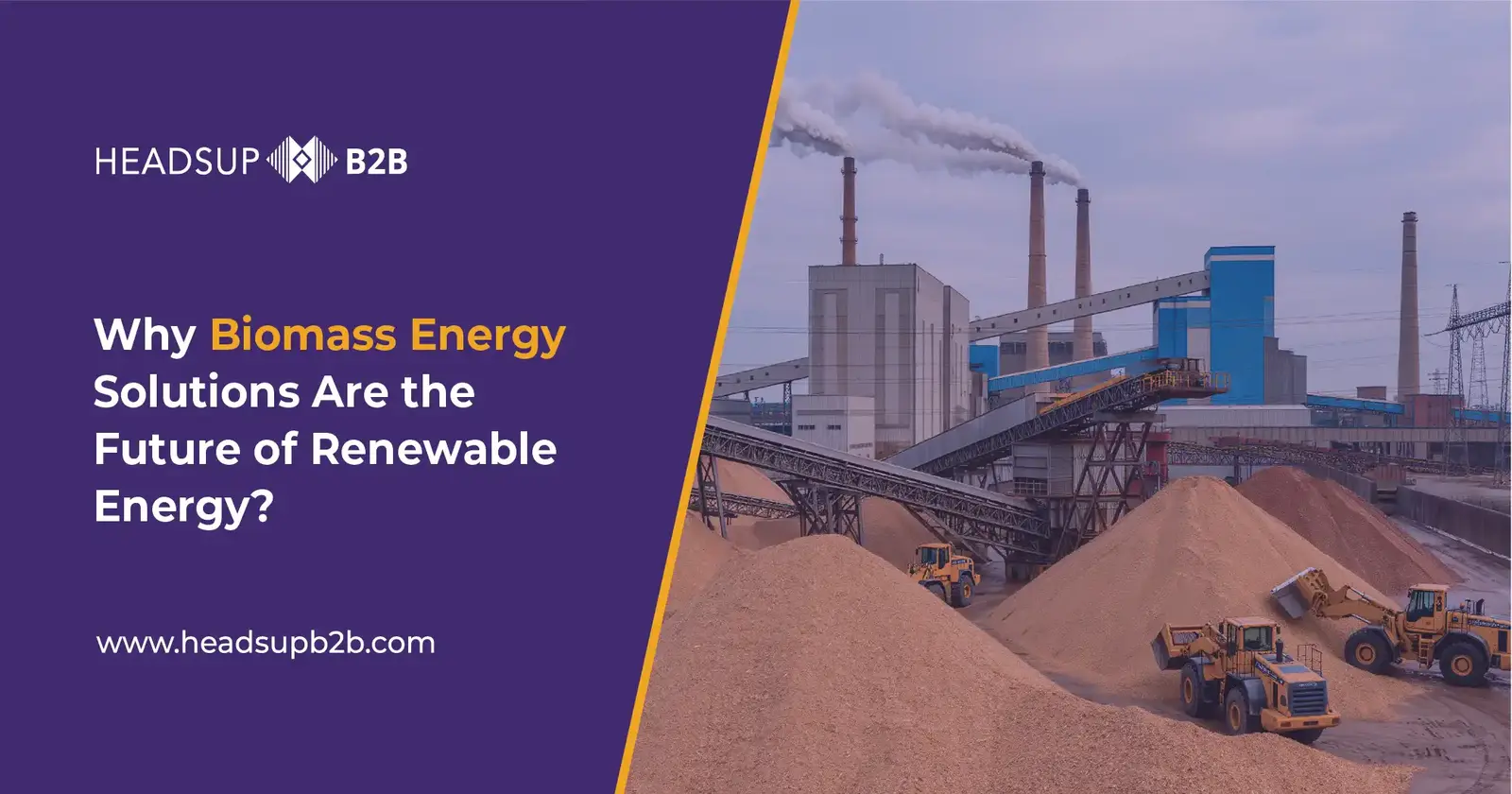
  • Why Biomass Energy Solutions Are the Future of Renewable Energy?

    Why Biomass Energy Solutions Are the Future of Renewable Energy?

    Biomass energy, derived from organic materials like plants, wood, and agricultural waste, is rapidly emerging as one of the most promising solutions for a sustainable future. In an era where the world is seeking cleaner and more reliable energy sources, biomass energy stands out as a vital player in the renewable energy space.

    What is Biomass Energy?

    Simply put, biomass energy refers to energy produced from organic matter. This includes everything from wood and crop residues to animal manure and even algae. When these materials are burned or processed, they release energy that can be used to produce electricity, heat, and even biofuels.

    How Biomass Energy Works?

    Biomass energy works by converting organic materials into usable fuel. Through processes like combustion, fermentation, or anaerobic digestion, biomass is transformed into bioenergy that can be harnessed for various needs. For instance, in power plants, biomass is burned to generate heat, which then produces steam to drive turbines and generate electricity.

    The Growing Demand for Renewable Energy

    As fossil fuels become increasingly scarce and their environmental impacts grow more evident, the world is looking to renewable energy sources like solar, wind, and biomass to meet its energy needs.

    • Global Shift Towards Sustainable Energy: Governments and organizations worldwide are setting ambitious targets to reduce their carbon footprints and shift towards clean energy. Biomass, with its versatility and availability, is poised to be a key player in this shift.

    • Benefits of Renewable Energy: Renewable energy sources, including biomass, offer a range of benefits such as reducing greenhouse gas emissions, decreasing air pollution, and providing energy security. Biomass, in particular, helps reduce reliance on fossil fuels while making use of agricultural and industrial byproducts that would otherwise go to waste.

    Biomass Energy vs. Other Renewable Sources

    While solar, wind, and hydropower have garnered much attention in the renewable energy conversation, biomass offers some unique advantages that set it apart.

    • Comparing Biomass to Solar, Wind, and Hydropower: Solar and wind are intermittent energy sources that depend on weather conditions, making them less reliable in some areas. Biomass, however, can be produced and used consistently, providing a stable energy source that can be utilized even when the sun isn’t shining or the wind isn’t blowing.

    • Unique Advantages of Biomass: One of the standout benefits of biomass is its ability to be used in existing power infrastructure. Unlike other renewable sources, biomass can be used in traditional coal power plants with little modification. This makes the transition to greener energy more achievable and cost-effective.

    Environmental Benefits of Biomass Energy

    Biomass energy is often touted as a more environmentally friendly alternative to fossil fuels. But what makes it so eco-friendly?

    • Reducing Carbon Emissions: When biomass is burned, it releases carbon dioxide, but this is part of a natural cycle. The carbon released is equal to the amount the plants absorbed during their growth, creating a balance that is not present with fossil fuels. Additionally, advanced biomass conversion technologies reduce carbon emissions further.

    • Minimizing Waste: One of the key environmental benefits of biomass energy is that it can be made from waste materials. Agricultural waste, forest residues, and even food scraps can be turned into bioenergy, reducing landfill waste and promoting a circular economy.

    How Biomass Contributes to a Circular Economy

    Biomass plays a crucial role in the circular economy, where waste is minimized, and resources are reused.

    • Waste-to-Energy Solutions: By converting agricultural and industrial waste into energy, biomass helps close the loop in a circular economy. This process not only generates renewable energy but also reduces waste and promotes sustainability.

    • Sustainable Production and Consumption: Biomass energy promotes sustainable production by using renewable resources. Unlike fossil fuels, which take millions of years to form, biomass can be regenerated annually, ensuring a continuous supply of energy.

    Technological Innovations in Biomass Energy

    As technology continues to advance, biomass energy solutions are becoming more efficient and sustainable.

    • Advanced Biomass Conversion Technologies: New technologies, such as gasification and pyrolysis, are improving biomass’s efficiency by converting it into biofuels and bioelectricity with fewer emissions and greater energy yield.

    • Future Trends in Biomass Energy: The future of biomass energy looks promising, with developments in algae-based biofuels, waste-to-energy systems, and more efficient conversion technologies. These innovations will help biomass become even more viable and competitive in the energy market.

    Challenges and Limitations of Biomass Energy

    While biomass energy offers numerous advantages, it’s not without its challenges.

    • Land Use and Sustainability Concerns: Growing biomass crops requires land, water, and nutrients, which could compete with food production. There’s also concern about deforestation, as the demand for biomass energy increases.

    • Cost and Efficiency Issues: Although biomass energy is a sustainable option, it can be expensive to produce and less efficient than other renewable sources like wind and solar. Overcoming these economic barriers will be crucial to scaling up biomass use.

    The Future of Biomass Energy

    Despite the challenges, the future of biomass energy looks bright.

    • Scaling Up Biomass Production: As more efficient technologies are developed and the biomass industry scales up, the cost of production will likely decrease, making it a more competitive energy source.

    • Integration into the Global Energy Mix: Biomass will play an increasingly important role in the global energy mix, especially in countries where agricultural waste is abundant and where there is a need for reliable, renewable energy sources.

    Conclusion

    Biomass energy solutions are rapidly becoming a cornerstone of the renewable energy future. They offer a reliable, sustainable, and environmentally friendly energy source that can contribute significantly to global energy needs. With ongoing technological advancements and growing demand for renewable solutions, biomass energy is poised to be a key player in the transition to a greener future.

    FAQs

    1. What is biomass energy and how is it produced?
      Biomass energy is produced from organic materials like wood, agricultural waste, and even algae. These materials are converted into biofuels or used directly in power plants to generate heat and electricity.

    2. How does biomass energy help the environment?
      Biomass energy helps reduce carbon emissions and minimizes waste by using materials that would otherwise end up in landfills.

    3. Is biomass energy cost-effective?
      Biomass energy can be more expensive to produce than other renewable sources like wind or solar, but technological advancements are making it more affordable over time.

    4. What are the main challenges of biomass energy?
      Biomass energy faces challenges related to land use, sustainability, and cost efficiency. However, ongoing research is addressing these issues.

    5. Can biomass energy replace fossil fuels?
      While biomass energy cannot fully replace fossil fuels, it can play a significant role in reducing reliance on fossil fuels by providing a renewable, reliable alternative.

  • Why Solar Power is the Key to a Sustainable Future

    Why Solar Power is the Key to a Sustainable Future

    We’re at a crossroads. Climate change, rising energy costs, and depleting fossil fuels are forcing us to rethink how we power our lives. Enter solar power—the shining star of renewable energy. But what makes it so special? Why is it more than just a trend?

    Let’s break down exactly why solar power is the key to a sustainable future and how it might just save the planet.

    What is Solar Power?

    Solar power is the energy we capture from the sun and convert into electricity or heat. It’s clean, abundant, and freely available.

    How It Works (Photovoltaic & Thermal)

    There are two main types:

    • Photovoltaic (PV): Converts sunlight directly into electricity using solar panels.

    • Solar Thermal: Uses mirrors or panels to collect sunlight and heat water or air.

    Why Solar Power is Considered Sustainable

    • Unlimited Resource: The sun isn’t going anywhere for another 5 billion years. Unlike fossil fuels, it’s not running out anytime soon.

    • Minimal Environmental Impact: No air pollution. No water contamination. Solar energy is one of the most eco-friendly options we have.

    • Renewable and Clean: Once the infrastructure is built, it provides energy without emitting harmful gases or depleting resources.

    Benefits of Solar Energy

    • Reduces Greenhouse Gas Emissions: By replacing coal or gas power, solar drastically cuts down carbon emissions—helping slow global warming.

    • Lowers Electricity Bills: Homeowners and businesses can generate their own power and reduce or even eliminate monthly bills.

    • Energy Independence: Countries and individuals can rely less on imported fossil fuels and unstable markets.

    Low Maintenance and Long-Term Savings

    Solar systems typically last 25–30 years with minimal upkeep, making them a smart long-term investment.

    Solar Power vs Fossil Fuels

    Emissions Comparison

    • Solar: Virtually zero emissions.

    • Fossil Fuels: Major contributor to pollution and climate change.

    Solar Technology Advancements

    • More Efficient Panels: New materials like perovskite are pushing solar panel efficiency to new heights.

    • Energy Storage Solutions: Lithium-ion and other batteries are making it easier to store solar energy for use at night or during bad weather.

    • Smart Solar Grids: Smart technology helps balance supply and demand, making solar more stable and reliable.

    • Solar in Urban Design: Solar windows, solar roofing tiles, and even solar roads are changing how cities are powered.

    Solar Power and Developing Countries

    • Off-Grid Solutions: In places without electricity, small solar systems offer light, phone charging, and more—without the need for a grid.

    • Empowering Rural Communities: Solar helps power schools, clinics, and small businesses in remote areas, improving quality of life.

    • Affordable Infrastructure: Instead of building massive fossil fuel plants, developing nations can leapfrog straight to renewables.

    Challenges to Solar Energy Adoption

    • High Initial Costs: Solar panels and installation still require significant upfront investment.

    • Intermittency (Night & Weather): Solar doesn’t work at night and is less effective on cloudy days—creating reliability challenges.

    • Storage and Distribution Limitations: Energy needs to be stored and transported efficiently, which isn’t always easy or cheap.

    Future of Solar Power

    • Innovations on the Horizon: Think solar paint, flexible panels, and satellite solar farms—yes, really!

    • Global Energy Shift: Experts believe solar will become the world’s #1 energy source within decades.

    • Vision for a Solar-Powered World: A world where clean, reliable, and affordable energy is a basic human right—solar makes that possible.

    Conclusion

    Solar power isn’t just another energy source—it’s the energy source of the future. Clean, abundant, and increasingly affordable, it holds the promise of a world powered without pollution or waste. As technology grows and awareness spreads, solar is set to lead the charge toward a truly sustainable future. The sun rises every day—why not rise with it?

    FAQs

    1. How efficient is solar power today?

    Most modern panels convert around 18–22% of sunlight into electricity, with new tech pushing those numbers higher.

    2. Can solar energy power an entire home?

    Yes! With enough panels and

    proper storage, many homes run 100% on solar.

    3. What happens when it’s cloudy or nighttime?

    Solar doesn’t produce power then, but batteries or grid backup systems can supply energy when needed.

    4. Is solar energy really affordable?

    Upfront costs can be high, but tax credits and falling prices make solar more affordable than ever—plus it saves money over time.

    5. How long do solar panels last?

    Most panels come with 25–30 year warranties, and many still perform well after that.

  • Renewable Energy Companies in India

    Renewable Energy Companies in India

    India’s renewable energy market has witnessed rapid growth. It is presently valued at over USD 21 Billion and growing at a CAGR of 8.77%. The country’s renewable energy capacity stands at 201.45 Gigawatts (GW) with a portfolio of 47.71 GW of Wind power, 92.12 GW of Solar power, and 56.96 GW of Hydropower. India’s ambitious target of 500 GW of renewable solutions offers substantial market opportunities in clean energy.

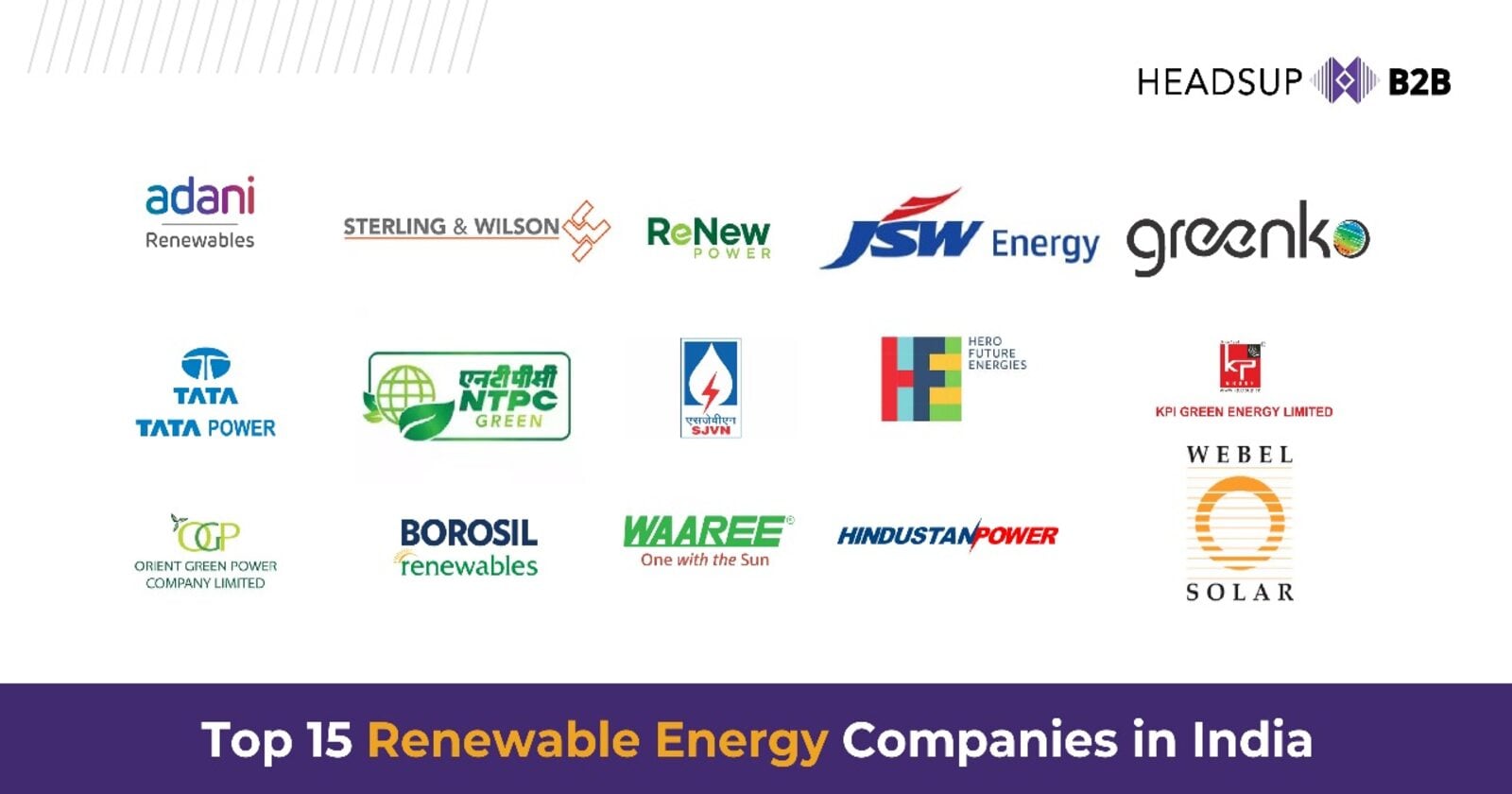
    Top 15 Renewable Energy Companies in India

    1. Adani Green Energy Limited

    Adani Green Energy Ltd (AGEL) is India’s largest renewable energy company with a portfolio of 20,434 MW. The company operates in solar power, wind power, hybrid renewable energy, and energy storage solutions, with a presence in 7 Indian states. AGEL aims to reach a 50 GW renewable energy portfolio, supported by a long-term power purchase agreement with the government for 25 years. The company is also committed to sustainable growth, with water-positive plants having a capacity of 200 MW. AGEL is credited with commissioning the world’s largest Wind Solar Hybrid Power Cluster in Jaisalmer, Rajasthan, with a capacity of 2140 MW.

    2. Sterling & Wilson

    Sterling & Wilson is a global leader in renewable energy solutions, with a presence in 28 countries, including India, the United States, Africa, and Latin America. The company has successfully executed 268 projects worldwide, ranging from 1 MWp to 1177 MWp. A notable project is the 1000 MWhH standalone BESS project in Rajasthan, which is scheduled for completion by 2025.

    3. ReNew Power

    ReNew Power is India’s leading decarbonization company with a portfolio of 15.6 GW of renewable energy, including 4.7 GW of wind energy (10% of India’s total wind capacity). The company has mitigated 16 million tons of carbon emissions in the last two years and has a presence in 9 Indian states. ReNew’s commissioned capacity stands at approximately 10.1 GW, lighting up 14 million homes and comprising 1% of India’s electricity demand. ReNew is also spearheading a Round-the-Clock (RTC) renewable energy project in Rajasthan, Karnataka, and Maharashtra.

    4. JSW Energy

    JSW Energy has a generation portfolio of 10 GW, with 61% of its capacity coming from renewable sources. The company aims to grow to 20 GW by 2030, with operations in several states, including Andhra Pradesh, Maharashtra, and Karnataka. JSW’s portfolio includes 675 MW of solar power, 675 MW of wind energy, and 1391 MW of hydropower. The company has already commissioned India’s largest standalone wind project with a capacity of 810 MW and has adopted green technologies at its Vijaynagar plant, including a reed bed-based sewage treatment system.

    5. Greenko Group

    Founded in 2006, Greenko operates with a mission to digitize, decarbonize, and decentralize India’s energy sector. With a renewable energy portfolio of 7.5 GW across solar, wind, and hydropower, Greenko is present in 15 Indian states. The company has commissioned two integrated renewable energy storage projects, including the Saundatti Integrated Renewable Energy Storage Project, a 2.66 GW project with 1.26 GW of pumped storage, 1.0 GW of solar, and 0.4 GW of wind energy.

    6 Tata Power Renewable Energy Limited

    Tata Power Renewable Energy Ltd (TPREL), a subsidiary of Tata Power, was established in 2007. The company has a portfolio of over 12.8 GW of renewable energy, including 2 GW of rooftop solar systems and more than 100,000 solar water pumps. TPREL’s wind energy portfolio stands at 1,030 MW, and it operates in several Indian states, including Maharashtra, Gujarat, and Tamil Nadu. The company’s Dholera solar facility in Gujarat is India’s largest solar tracker system, with a capacity of 300 MW, and the Kayamkulam floating solar project in Kerala is India’s largest with a capacity of 101.6 MWp.

    7. NTPC Renewable Energy Limited

    NTPC Renewable Energy Ltd (NTPCREL), established in 2020, has a portfolio of 4048 MW in solar, wind, and hybrid projects. The company aims to achieve a total installed capacity of 60 GW by 2032. NTPCREL has a presence in several states, including Rajasthan, Gujarat, Tamil Nadu, and Uttar Pradesh, and is implementing projects under the Indian government’s Ultra Mega Renewable Energy Power Park scheme.

    8. SJVN Green Energy

    SJVN Green Energy, a subsidiary of Satluj Jal Vidyut Nigam Ltd. (SJVN), has a total capacity of 2,466.50 MW, including 1,972 MW of hydropower, 97.6 MW of wind, and 156.9 MW of solar. The company’s largest project is the 90 MW Omkareshwar Floating Solar Project in Madhya Pradesh, which is North and Central India’s largest solar floating project.

    9. Hero Future Energy

    Hero Future Energies (HFE), established in 2012, has a global portfolio of 6 GW of renewable energy assets across India, the UK, Bangladesh, Ukraine, and Vietnam. The company operates in 7 Indian states, including Rajasthan, Maharashtra, and Tamil Nadu. HFE commissioned India’s first Wind Solar hybrid project (87 MW) at Manvi, Karnataka.

    10. KPI Green Energy

    KPI Green Energy, established in 2008, has a presence in Gujarat, Uttarakhand, and Maharashtra. The company offers commercial solutions as a Captive Power Producer (CPP) and Independent Power Producer (IPP) under its ‘Solarism’ brand. The company operates solar plants in Gujarat with a total capacity of 66 KV and 11 KV transmission lines.

    11. Orient Green Power

    Orient Green Power, established in 2006 and headquartered in Chennai, operates a wind power portfolio of 402.3 MW, with plans to expand to 1000 MW. The company is present in Gujarat, Tamil Nadu, Andhra Pradesh, and Karnataka.

    12. Borosil Renewables

    Borosil Renewables, established in 1962 and headquartered in Mumbai, is a global leader in solar glass manufacturing. The company’s state-of-the-art facility in Gujarat has a production capacity of 1000 tons per day, translating to 6.5 GW annually. Notable products include Selene (anti-glare solar glass) and Shakti (high-efficiency solar glass).

    13. Waaree Energies

    Founded in 1990, Waaree Energies is headquartered in Mumbai and has an installed capacity of 12 GW. The company operates at 388 locations across India, with manufacturing facilities in Gujarat, Uttar Pradesh, and Noida. It also has the country’s largest PV Module manufacturing capacity and offers a range of solar products designed for durability and performance.

    14. Hindustan Power Projects

    Founded in 2008, Hindustan Powerprojects has a portfolio of 4 GW in thermal and solar energy. The company has commissioned a 50 MW solar capacity in Punjab and a 30 MW solar farm in the state. Additionally, it operates the Anuppur Thermal Power Plant, with a total capacity of 2,520 MW.

    15. Websol Energy Systems

    Websol Energy Systems, established in 1994 and headquartered in Kolkata, specializes in manufacturing Mono PERC solar cells and modules. With an annual production capacity of 600 MW for solar cells and 550 MW for modules, Websol’s products are designed to maximize energy output and efficiency.

    Conclusion

    India’s renewable energy market is rapidly growing, with key players like Adani Green Energy, ReNew Power, and JSW Energy at the forefront.  We at Headsup B2B can help streamline your renewable solutions sourcing and procurement. Contact us today to know more.

  • The Future of Solar Panels in India

    The Future of Solar Panels in India

    India is emerging as a global leader in renewable energy, particularly solar power. With ambitious targets and supportive government policies, the country is poised to become a hub for solar innovation and adoption. As we move into 2024, several key developments and trends in solar panel technology are set to shape India’s energy landscape. This blog explores these innovations and trends, focusing on their relevance and impact in India.

    Emerging Technologies

    Bifacial Solar Panels

    Bifacial solar panels, which capture sunlight from both sides, are becoming increasingly popular in India. These panels are particularly effective in areas with high reflectivity, such as deserts and snow-covered regions in the Himalayas. By utilizing the reflective properties of these environments, bifacial panels can significantly boost energy production, making them an ideal choice for various parts of India.

    Perovskite Solar Cells

    Perovskite solar cells, known for their high efficiency and low production costs, are another promising technology. Researchers in India are actively exploring the potential of perovskite cells, which can be integrated into building facades and windows, providing a versatile solution for urban environments. As the technology matures, perovskite solar cells could offer a cost-effective alternative to traditional silicon-based panels, helping to drive widespread adoption in India.

    Floating Solar Farms

    Floating solar farms, or floatovoltaics, are gaining traction in India due to their ability to utilize water bodies, such as lakes and reservoirs, for solar installations. This innovative approach addresses land scarcity issues and benefits from the cooling effect of water, which enhances panel efficiency. Notable projects, such as the floating solar plant on the Banasura Sagar Dam in Kerala, highlight the potential of this technology in India.

    Efficiency Improvements

    High-Efficiency Panels

    India is witnessing significant advancements in high-efficiency solar panels. Technologies like heterojunction with intrinsic thin-layer (HIT) cells and tandem cells are achieving record-breaking efficiencies. These high-efficiency panels are particularly beneficial for residential and commercial installations in densely populated urban areas, where space is limited.

    Integration with Smart Technology

    Smart Solar Panels and Home Energy Management

    The integration of solar panels with smart technology is an exciting trend in India. Smart solar panels equipped with sensors and IoT devices can optimize energy production and monitor performance in real-time. Homeowners can use smart home energy management systems to maximize the benefits of solar power, adjusting energy usage based on weather patterns, electricity prices, and personal preferences. Companies like Tata Power Solar are already offering smart solar solutions to Indian consumers.

    Sustainability and Environmental Impact

    Recycling Old Panels

    As solar installations increase, the need for sustainable end-of-life management of solar panels becomes critical. India is developing efficient recycling processes to reclaim valuable materials like silicon, silver, and aluminum from old panels. This approach reduces waste and the environmental footprint of solar technology, making solar power even more eco-friendly.

    Eco-Friendly Production Methods

    Indian manufacturers are adopting eco-friendly production methods to reduce the carbon footprint of solar panel production. Some companies are using renewable energy sources to power their factories, while advances in material science are leading to the development of panels with longer lifespans and lower degradation rates. These efforts align with India’s commitment to sustainability and environmental protection.

    Learn More:How To Choose The Best Solar Panels For Your Home

    Growth Projections

    The Indian solar market is poised for significant growth in 2024. With ambitious targets, such as achieving 450 GW of renewable energy capacity by 2030, solar power is a key component of India’s energy strategy. The cost of solar panels continues to decline, making solar energy more accessible to homeowners, businesses, and communities. The International Solar Alliance (ISA), headquartered in India, is also playing a crucial role in promoting solar energy adoption worldwide.

    Government Incentives

    Government incentives and policies are crucial in promoting solar energy adoption in India. In 2024, several initiatives are expected to boost the solar sector. The Indian government offers various incentives, including tax credits, rebates, and subsidies for solar installations. Programs like the Pradhan Mantri Kisan Urja Suraksha evam Utthaan Mahabhiyan (PM-KUSUM) aim to support farmers in setting up solar pumps and grid-connected solar power plants. These incentives make solar installations more affordable and encourage investment in solar technology.

    Case Studies

    Residential Success Stories

    Indian homeowners are increasingly adopting solar power to reduce energy bills and their carbon footprint. For instance, a family in Gujarat installed bifacial solar panels on their rooftop and saw a 20% increase in energy production compared to traditional panels. Their experience highlights the potential of new technologies to enhance the benefits of solar power in residential settings.

    Commercial and Industrial Applications

    Businesses in India are also leveraging solar technology to achieve sustainability goals and reduce operational costs. A large-scale floating solar farm on the Narmada River is providing clean energy to thousands of households while minimizing land use. Such projects demonstrate the versatility and scalability of solar power solutions in India.

    Conclusion

    The future of solar panels in India is bright, with numerous innovations and trends set to transform the industry in 2024. From bifacial and perovskite solar cells to floating solar farms and smart technology integration, the advancements in solar technology promise increased efficiency, sustainability, and accessibility. As market growth continues and government incentives support adoption, solar energy will play an increasingly vital role in India’s transition to renewable energy.

    Call to Action

    Stay informed about the latest developments in solar technology and consider how solar energy can benefit your home or business. The future of solar panels is here, and now is the time to embrace this clean, sustainable energy source in India.

    FAQs on Solar Panels in India

    1. What are bifacial solar panels, and why are they becoming popular in India?

    Bifacial solar panels can capture sunlight from both sides, increasing energy production. They are ideal for India due to its high reflectivity in certain regions, maximizing solar energy generation.

    2. How might perovskite solar cells impact the Indian solar market?

    Perovskite solar cells offer high efficiency at a lower cost, making them a potential game-changer. They can be integrated into buildings, expanding solar energy applications in India’s urban areas.

    3. What is the significance of floating solar farms in India?

    Floating solar farms utilize water bodies for installation, addressing land scarcity. They also benefit from the cooling effect of water, enhancing panel efficiency. India has immense potential for such projects.

    4. How do government incentives drive the growth of solar energy in India?

    The Indian government offers various incentives like tax credits, subsidies, and programs like PM-KUSUM to make solar power affordable. These initiatives are accelerating solar adoption across the country.

    5. How long does it take to install solar panels?

    The installation time for solar panels typically ranges from one to three days, depending on the system size and complexity of the roof. Factors such as weather conditions and permit approvals can also impact the installation timeline.

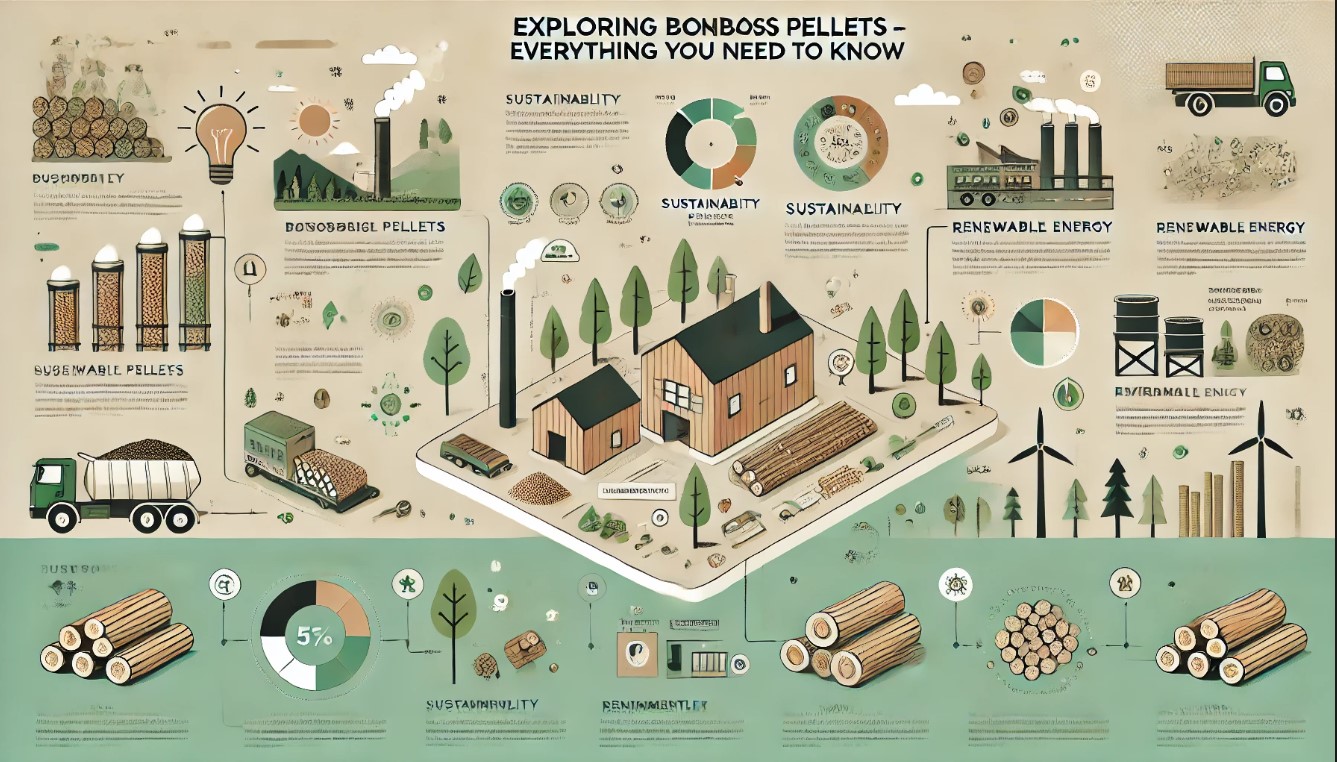
  • Exploring Biomass Pellets | Everything You Need to Know

    Exploring Biomass Pellets | Everything You Need to Know

    Biomass pellets are a type of renewable energy source made from organic materials such as wood, agricultural residues, and other biological substances. They are used as a sustainable alternative to fossil fuels for heating and power generation. Here are some key points about biomass pellets:

    1. Production: Biomass pellets are produced by compressing organic materials into small, dense pellets. This process involves drying the raw materials, grinding them into a fine powder, and then compressing them under high pressure.

    2. Types of Biomass: Common materials used for biomass pellets include wood chips, sawdust, agricultural residues like straw and corn stalks, and even some types of grasses.

    3. Benefits: Biomass pellets are considered carbon-neutral because the carbon dioxide released during combustion is roughly equal to the amount absorbed by the plants during their growth. They are also more efficient and cleaner-burning than raw biomass.

    4. Applications: Biomass pellets are used in residential heating, industrial boilers, and power plants. They can be used in pellet stoves and boilers designed specifically for pellet fuel.

    5. Environmental Impact: Using biomass pellets can reduce reliance on fossil fuels and decrease greenhouse gas emissions. However, sustainable sourcing and production practices are crucial to minimize environmental impact.

    6. Market and Trends: The demand for biomass pellets is growing globally, driven by policies promoting renewable energy and the need for sustainable energy solutions.

    Understanding these aspects of biomass pellets can help in making informed decisions about their use and potential benefits in energy production.

    Read More:- Biomass Pellets Manufacturers in India

    FAQs

    1. What is a biomass pellet?

    A biomass pellet is a compressed form of organic material, typically made from agricultural residues, wood, or other renewable biomass sources, used as fuel for energy production.

    1. What is the scope of biomass pellets in India?

    In India, biomass pellets have significant potential as a renewable energy source for heating, power generation, and reducing reliance on fossil fuels, especially in rural areas.

    1. What is the cost of a biomass pellet project?

    The cost of a biomass pellet project varies depending on capacity and scale, ranging from ₹5 to ₹25 crore (\(0.6 to \)3 million), including machinery, raw material, and operational expenses.

    1. What are the raw materials for biomass pellets?

    Raw materials for biomass pellets include agricultural residues like rice husks, wheat straw, sugarcane bagasse, sawdust, and forestry waste.

  • Biomass Pellets Manufacturers in India

    Biomass Pellets Manufacturers in India

    India, a country rich in agricultural and forestry residues, has been exploring alternative energy sources to meet its growing energy demands. Among these, biomass energy has emerged as a significant player in the renewable energy sector. Biomass pellets, compacted energy-rich fuel derived from organic materials, are gaining popularity due to their eco-friendly and sustainable nature.

    What are Biomass Pellets?

    Biomass pellets are small, cylindrical pieces of organic matter that are used as a source of renewable energy. They are made by compressing biomass materials such as agricultural residues, wood waste, and other organic by-products into high-density fuel. This process makes it easier to store, transport, and use biomass for energy production.

    How Biomass Pellets are Made?

    The process of manufacturing biomass pellets involves several steps:

    1. Raw Material Collection: Gathering materials like agricultural waste, sawdust, and other organic residues.

    2. Grinding: The materials are ground into fine particles.

    3. Drying: Excess moisture is removed to improve pellet quality.

    4. Pelletizing: The dried material is fed into a pellet mill where it is compressed under high pressure.

    5. Cooling: The pellets are cooled and hardened for storage and use.

    Types of Raw Materials Used

    Biomass pellets can be made from a variety of materials, including:

    • Agricultural residues: Like rice husks, wheat straw, and coconut shells.

    • Forestry waste: Such as wood chips and sawdust.

    • Energy crops: Like switchgrass or miscanthus.

    The Role of Biomass Pellets in Sustainable Energy

    Biomass pellets are not just an alternative energy source; they are part of the solution to the global energy crisis. Using biomass pellets reduces the reliance on fossil fuels and lowers greenhouse gas emissions. These pellets are carbon neutral, meaning they release the same amount of carbon dioxide during combustion as was absorbed by the plants during their growth, contributing to cleaner energy production.

    Overview of the Biomass Pellets Industry in India

    India’s biomass pellet industry has seen tremendous growth in recent years. With the rising demand for renewable energy and supportive government policies, biomass pellet production is on the rise.

    Growth Trends and Market Statistics

    • India produces approximately 120-150 million metric tons of biomass annually.

    • The biomass power capacity in India is over 10 GW, with significant contributions from biomass pellets.

    • The market is expected to grow further with increasing awareness and investments in clean energy.

    Key Biomass Pellets Manufacturers in India

    1. GreenFuel Energy Solutions: A leading player in the biomass pellet market, specializing in agricultural residues.

    2. Punjab Renewable Energy Systems: A major supplier with a focus on large-scale industrial production.

    3. Pellex Bio Energy: Known for high-quality wood pellets used in both domestic and industrial applications.

    Case Study: Success Stories of Biomass Pellet Manufacturers

    Pellex Bio Energy has made significant contributions to the biomass sector by establishing efficient production facilities and creating employment opportunities in rural areas. Their success lies in their commitment to quality and sustainability, providing eco-friendly energy solutions for industries and households alike.

    Biomass Pellets Manufacturing Process

    The manufacturing process involves:

    1. Raw Material Sourcing: Biomass residues are collected from farms, sawmills, and forests.

    2. Pre-Processing: The raw materials are cleaned, dried, and ground.

    3. Pelletizing: The material is fed into machines that compress it into pellets.

    4. Cooling and Packaging: After cooling, the pellets are packed for distribution.

    Raw Materials for Biomass Pellets in India

    India has abundant raw materials for biomass production, primarily agricultural and forestry waste. Regions like Punjab, Haryana, and Uttar Pradesh contribute significant amounts of agricultural residues such as rice husks and wheat straw, making them key areas for biomass pellet production.

    Benefits of Using Biomass Pellets

    Biomass pellets offer several benefits:

    • Economic: They provide a cost-effective alternative to fossil fuels.

    • Environmental: Biomass is a renewable resource, and its use reduces carbon emissions.

    • Versatile Use: Biomass pellets can be used in power generation, industrial heating, and even home heating systems.

    Challenges Faced by Biomass Pellets Manufacturers

    Despite the benefits, manufacturers face challenges such as:

    • Raw Material Availability: Seasonal availability of biomass can create supply chain issues.

    • Technological Barriers: Many manufacturers still use outdated machinery that reduces efficiency.

    • Regulatory Issues: Navigating complex government regulations can be difficult, especially for small-scale producers.

    Government Support for Biomass Pellet Industry

    India’s government has introduced several schemes to support biomass energy:

    • National Bioenergy Mission: Aims to promote the use of biomass in energy production.

    • Subsidies and Incentives: Financial aid for biomass power plants and manufacturers.

    • Clean Energy Initiatives: Policies encouraging the transition to renewable energy sources.

    Future Prospects for Biomass Pellets in India

    With the increasing focus on sustainability, the biomass pellet industry is poised for significant growth. Technological advancements and government support are likely to propel the sector forward. The adoption of modern pellet-making technologies will improve efficiency and lower production costs.

    Why Biomass Pellets are the Future of Renewable Energy in India

    As India continues to strive for cleaner energy, biomass pellets are emerging as a viable alternative to coal and other fossil fuels. Their ability to provide a sustainable, renewable source of energy makes them an essential part of the country’s renewable energy portfolio.

    How to Choose the Right Biomass Pellets Manufacturer

    When selecting a manufacturer, consider:

    • Production Capacity: Ensure they can meet your supply needs.

    • Quality Certifications: Look for certifications like ISO or BIS to ensure product quality.

    • Sustainability Practices: Choose a manufacturer committed to sustainable production methods.

    Conclusion

    The biomass pellet industry in India is rapidly growing, driven by the need for renewable energy solutions. With abundant raw materials, supportive government policies, and increasing demand, biomass pellets are set to play a key role in India’s energy future. Manufacturers, both large and small, will need to adapt to new technologies and overcome challenges to meet the growing demand for sustainable energy.

  • Solar Panel Technology : Harnessing Sunlight for Sustainable Energy

    Solar Panel Technology : Harnessing Sunlight for Sustainable Energy

    Solar panel technology is the most creative and resourceful technique for generating electricity using solar energy. This is not about electricity generation but is a great step towards a sustainable future. In today’s increasing climate crisis, we must go towards renewable energy sources like solar power.

    But this shift is not easy. We need a reliable partner, and that’s where Solar Suppliers and Headsup B2B, an online platform for solar panel procurement, come into play. Headsup B2B connects customers with authentic solar panel suppliers on a vast scale and helps buyers choose the right solar panels according to their needs. The installation of each solar panel is a step towards lowering pollution and promoting a brighter future. So, in this blog, we will cover various aspects of solar panel technology and the role of Headsup B2B in promoting sustainable energy usage.

    About the Solar Panel from the Solar Panel Suppliers

    How It Works?

    Photovoltaic technology is commonly used in solar panels to generate energy. The photovoltaic cells within a solar panel absorb solar radiation when exposed to sunlight. This energy produces electrical charges that travel in reaction to the cell’s internal electrical field, resulting in the flow of electricity. Another technology used in generating energy from solar panels is thermal power; this technique is mostly used in large power plants.

    Types of solar panels

    There are three main types of solar panels, which are:

    Monocrystalline Solar Panels: are long-lasting, occupy less space, and have the highest power output. That naturally implies that they are also costly. Another considerable benefit is their tendency to have somewhat less impact at elevated temperatures than polycrystalline panels.

    Polycrystalline Solar Panels: Polycrystalline solar cells are cheaper to make because silicon fragments are melted and poured into square moulds with little waste. So, they are budget-friendly. But they’re not as efficient as monocrystalline panels and don’t handle heat well. Hence, polycrystalline solar panels are not efficient for high-temperature areas.

    Thin-film Panels: They’re super flexible and versatile, made from materials like copper, indium gallium selenide, cadmium telluride, and amorphous silicon. Instead of bulky silicon, they’re ultra-thin and come in sleek black or blue. Just look for their slim frames, and you’ll spot them easily.

    Advantages of Solar Panel Technology

    Environmental Benefits

    • Solar panels produce clean, renewable energy, reducing our reliance on fossil fuels and cutting down harmful emissions.

    • Helps in lowering pollution and saving biodiversity and natural habitats

    • Water conservation: Unlike traditional power plants, solar panels don’t require water for cooling, helping to conserve this precious resource.

    Economic Benefits

    • After installation, solar panels can significantly reduce or even eliminate electricity bills, saving households and businesses money in the long run.

    • The solar industry needs human resources for manufacturing, installation, maintenance, etc. Hence, this industry also creates jobs and significantly contributes to the economic growth and stability of a nation.

    • By generating electricity on their own, individuals and communities can become less dependent on external energy sources, increasing resilience and autonomy.

    Social Benefits

    • Solar panel technology provides electricity in remote areas and significantly improves the quality of life of people living in remote areas.

    • By reducing air and water pollution, it ensures a better and healthier life.

    Headsup B2B Promotes Solar Technology by Bridging the Gap Between Solar Panel Suppliers and Clients

    Easy Procurement Process

    By connecting potential buyers with authentic solar suppliers through online platforms, we have revolutionised the procurement process. The easy and authentic availability of solar panels makes the process easier, and people take an interest in switching to solar energy. Our team has made this process as convenient as online shopping for clothes and groceries.

    An Innovative Platform for Solar Panel Suppliers

    With its online platform, Headsup B2B has provided solar panel suppliers with invaluable support. We have offered them a centralised marketplace to showcase their product and reach a wide range of customers. With our online platform, solar suppliers can increase their sales and promote the adoption of solar panel technology.

    Expert’s Guidance

    Headsup B2B provides expert guidance to its customers for choosing the right and authentic solar panels. Our professionals are always ready to address your queries and help you find the right solar panel. So, visit Headsup B2B to place your order and contribute to a sustainable future.