Tag: Metal Solutions in Your Projects

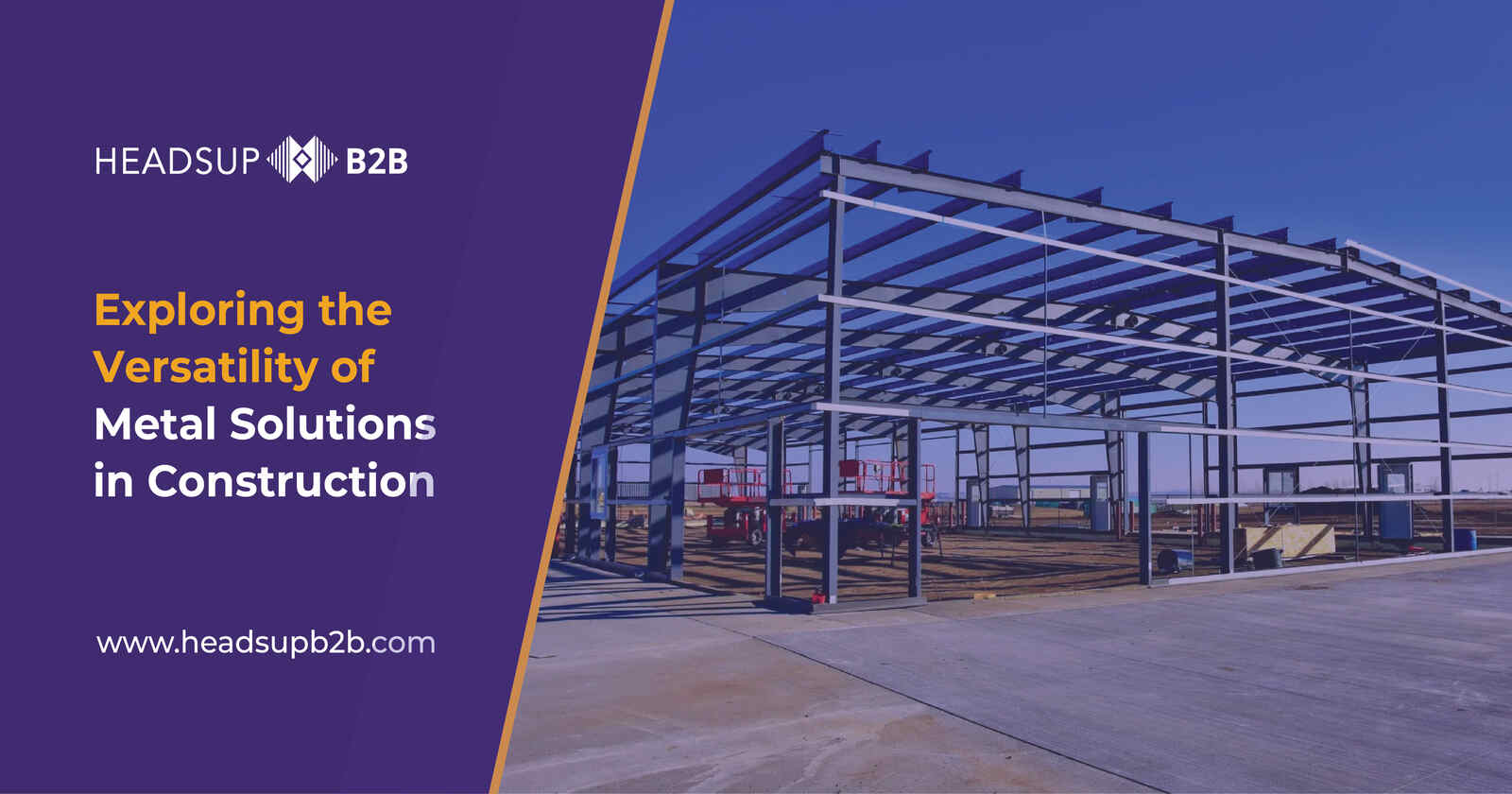
  • Exploring the Versatility of Metal Solutions in Construction

    Exploring the Versatility of Metal Solutions in Construction

    When it comes to building anything from towering skyscrapers to cozy homes, metal solutions have been a trusted choice for centuries. Their strength, flexibility, and longevity make them essential in modern construction.

    But metal isn’t just steel beams and bolts anymore. Advances in materials and fabrication have opened the door to a vast world of metal types and applications that suit almost any project.

    Let’s explore the versatility of metal solutions and why they remain a construction staple.

    1. Steel: The Backbone of Modern Construction

    Steel is probably the first metal that comes to mind when we think of construction.

    • Strength and Durability Benefits: Known for its incredible strength-to-weight ratio, steel supports massive loads while resisting deformation. It’s also fire-resistant and recyclable, making it a top choice for sustainable builds.

    • Uses in Skyscrapers, Bridges, and Infrastructure: From the framework of high-rise buildings to suspension bridges, steel offers unmatched reliability that engineers trust.

    2. Aluminum: Lightweight and Corrosion-Resistant

    Aluminum’s light weight and natural resistance to corrosion make it a favorite for many construction applications.

    • Advantages in Roofing and Façade Systems: Its ability to resist rust means less maintenance over time, perfect for roofing panels and exterior cladding.

    • Applications in Sustainable Building: Because aluminum can be recycled repeatedly without losing quality, it’s a sustainable option for green buildings.

    3. Copper: For Electrical and Plumbing Excellence

    Copper is a superstar for its excellent electrical conductivity and antimicrobial properties.

    • Superior Conductivity and Antimicrobial Properties: Copper wiring ensures efficient electricity flow, while copper pipes prevent bacterial growth, keeping water systems safe.

    • Use Cases in Wiring and Plumbing: It’s the go-to metal for electrical systems and plumbing in both residential and commercial buildings.

    4. Stainless Steel: Combining Strength with Aesthetics

    When durability meets style, stainless steel shines.

    • Resistance to Corrosion and Staining: This metal is tough against rust, staining, and weathering, ideal for environments exposed to moisture.

    • Popular Architectural Features and Finishes: Its sleek, modern look is popular for railings, countertops, and decorative facades.

    5. Metal Alloys: Tailored for Specific Needs

    Sometimes pure metals don’t cut it, and alloys step in.

    • Bronze, Brass, and Others in Decorative and Structural Roles: Alloys like bronze and brass offer unique colors, strength, and corrosion resistance suited for decorative trims, hardware, and structural supports.

    • Custom Alloy Solutions for Specialized Projects: Engineers can customize alloys to meet specific strength, flexibility, or conductivity requirements.

    6. Metal Fabrication Techniques in Construction

    The magic behind metal’s versatility often lies in how it’s fabricated.

    • Welding, Cutting, and Forming Methods: Techniques such as laser cutting, MIG welding, and CNC bending allow precise shaping and joining.

    • Impact on Precision and Efficiency: Better fabrication means faster builds and stronger structures.

    7. Sustainability and Metal Recycling in Construction

    Sustainability is no longer optional, and metal is leading the charge.

    • Environmental Benefits of Using Recycled Metals: Recycling metals saves energy and reduces waste, crucial for green building certifications.

    • Circular Economy in the Building Industry: The metal construction industry embraces circular economy principles by reusing and recycling materials wherever possible.

    8. Challenges and Considerations When Using Metals

    Even the best materials come with caveats.

    • Cost Factors and Budget Planning: High-quality metals can be pricey. Planning ahead helps balance cost with benefits.

    • Corrosion Protection and Maintenance: Even metals like steel require coatings or treatments to prevent corrosion in harsh environments.

    Conclusion

    Browse our versatile metal solutions for every construction requirement. Metal solutions in construction aren’t one-size-fits-all. Their diversity, strength, and sustainability make them invaluable across countless projects.

    Whether you’re building a skyscraper or a solar-powered home, understanding the different metals and their unique properties can help you choose the right materials that balance performance, aesthetics, and cost.

    FAQs

    1. Which metal is best for structural support?

    Steel is the most common due to its strength and durability.

    2. Can aluminum be used for roofing?

    Yes, aluminum’s corrosion resistance and light weight make it ideal for roofing.

    3. How is metal recycled in construction?

    Metals are melted down and repurposed without losing quality, minimizing environmental impact.

    4. What are the main advantages of stainless steel?

    Resistance to corrosion, strength, and a sleek finish suitable for both structural and aesthetic uses.

    5. Are metal alloys better than pure metals?

    Alloys are often tailored to enhance properties like strength, flexibility, or resistance, making them better for specific applications.
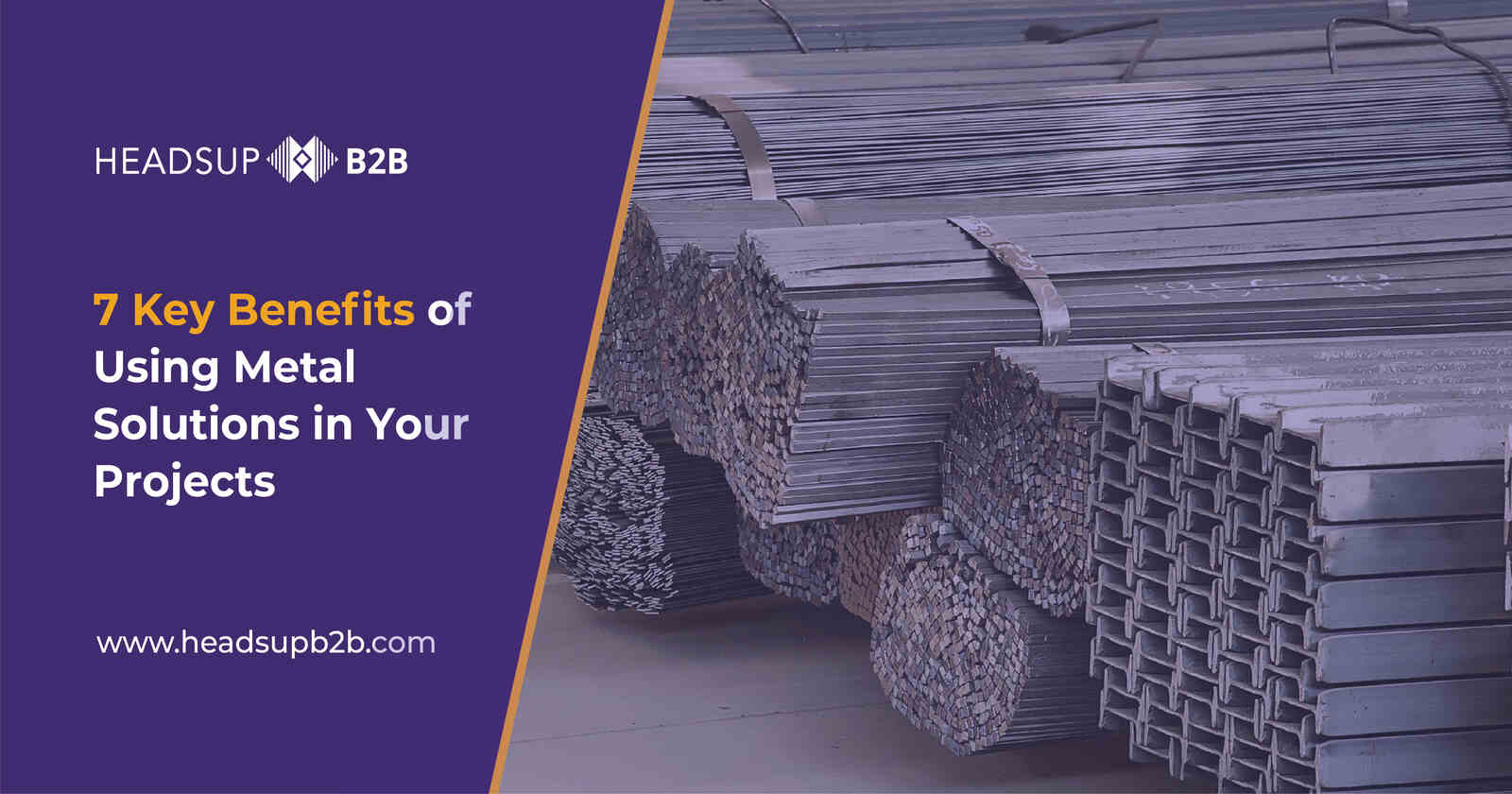
  • 7 Key Benefits of Using Metal Solutions in Your Projects

    7 Key Benefits of Using Metal Solutions in Your Projects

    Looking to make your next project stronger, faster, and more sustainable? Then you’re probably considering metal—and for good reason.

    Metal solutions are a go-to choice for modern construction, manufacturing, and infrastructure projects. Whether you’re building a skyscraper, a bridge, or a high-tech facility, using metal gives you a serious edge in strength, performance, and longevity.

    Let’s break down the 7 key benefits of using metal solutions that make them a smart investment for just about any type of project.

    1. Unmatched Strength and Durability

    When it comes to standing the test of time, metal doesn’t mess around.

    • Load-Bearing Capabilities: Metals like steel and titanium can handle massive loads without bending or cracking. That’s why they’re essential in buildings, bridges, towers, and machinery.

    • Resistance to Wear and Tear: Whether it’s heavy equipment or structural support, metals are tough against impact, abrasion, and pressure, meaning fewer replacements and repairs.

    2. Longevity with Low Maintenance

    Metal isn’t just tough—it’s built to last.

    • Outperforms Other Materials: Unlike wood that rots or plastic that warps, metals hold their form and function for decades, even in extreme environments.

    • Corrosion Resistance: Metals like stainless steel, aluminum, and galvanized steel resist rust and corrosion, especially when properly coated or treated.

    This means less time and money spent on maintenance.

    3. Versatility in Design and Function

    Need something strong and stylish? Metal delivers.

    • Customization Potential: Metals can be cut, bent, welded, stamped, and molded into virtually any shape, making them ideal for everything from industrial equipment to architectural detailing.

    Used Across Multiple Industries

    You’ll find metal in:

    • Construction

    • Transportation

    • Energy

    • Agriculture

    • Healthcare

    Few materials are this flexible.

    4. Fire and Heat Resistance

    When things get hot, metal keeps its cool.

    • Safety in High Temperatures: Metals like steel and aluminum have high melting points and can withstand extreme heat, reducing the risk of structural failure in a fire.

    • Fire-Resistant Choices: Stainless steel, titanium, and copper alloys are commonly used in fire-rated buildings and heat-exposed systems.

    5. Eco-Friendliness and Sustainability

    Going green? Metal’s got your back.

    • Highly Recyclable: Metals like steel, copper, and aluminum can be recycled again and again without losing quality.

      This reduces waste, conserves resources, and supports LEED certification for green buildings.

    • Lower Environmental Impact: Unlike concrete or wood, metal structures can often be disassembled, reused, or repurposed—a win for circular construction.

    6. Cost-Effectiveness Over Time

    While metal might cost more upfront, it pays off big in the long run.

    • Durability Means Savings: Because metal lasts longer and needs less upkeep, you spend less on repairs, replacements, and labor over time.

    • Increased Property Value: Metal buildings and components often improve resale value and can cut insurance costs due to their fire resistance and durability.

    7. Quick Installation and Ease of Fabrication

    Time is money. And metal helps you save both.

    • Prefabricated Metal Parts: Today’s metal solutions often come in pre-cut, pre-drilled, or modular systems, which are shipped to the site ready to go.

    • Faster Build Times: Projects that use metal often see shorter timelines, meaning you can launch, lease, or use your space sooner than expected.

    Best Types of Metals for Projects

    Not all metals are created equal. Here are some top picks for common needs:

    • Steel – The go-to for structural strength.

    • Aluminum – Lightweight and rust-resistant.

    • Stainless Steel – Great for hygienic and moisture-prone environments.

    • Copper – Best for electrical and aesthetic applications.

    Choose the metals that fits your budget, environment, and function.

    Conclusion

    There’s a reason metal has been used for centuries—and why it’s still at the cutting edge of modern industry. From strength and sustainability to speed and style, metal solutions give your project a major advantage. Find the right metal solutions for your next project – explore our full catalogue.

    Whether you’re designing a warehouse, building a commercial complex, or upgrading infrastructure, using metal ensures that your investment is solid, smart, and future-ready.

    FAQs

    1. What is the most durable metal for construction?

    Steel, especially structural or reinforced steel, is the most commonly used durable metal for construction due to its high tensile strength and affordability.

    2. Are metal buildings more eco-friendly?

    Yes! Metal buildings are highly recyclable, use fewer natural resources, and often comply with green building standards.

    3. How do metal solutions save time on-site?

    With prefabrication and modular systems, metal components are quicker to install, reducing overall build times.

    4. Can metals be customized for unique designs?

    Absolutely. Metals are extremely malleable and can be formed into custom shapes and finishes for creative architectural or functional needs.

    5. What metals are best for outdoor use?

    Galvanized steel, stainless steel, and aluminum are all great for outdoor environments thanks to their corrosion resistance and weather durability.