Tag: metal beam

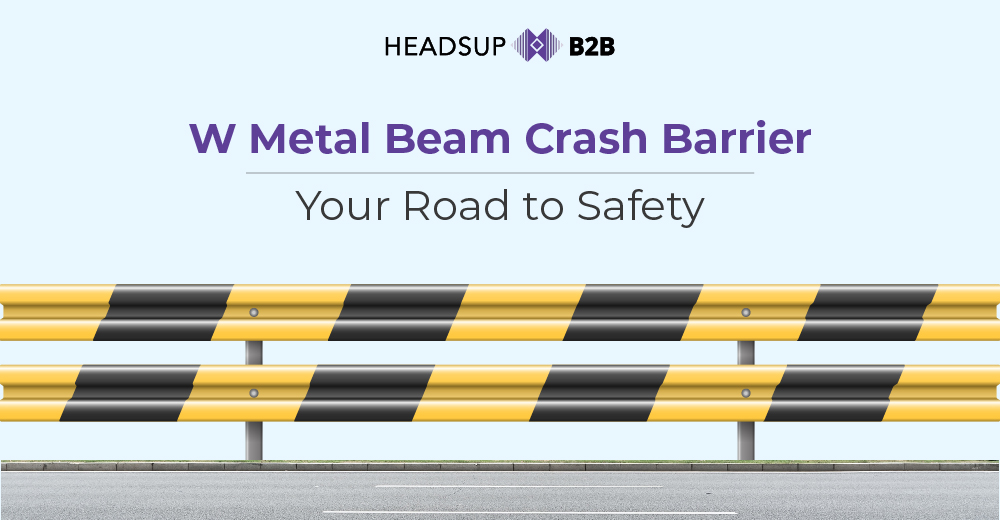
  • W Beam Crash Barrier : Your Road to Safety

    W Beam Crash Barrier : Your Road to Safety

    Understanding W Beam Crash Barrier

    A W beam crash barrier is a crucial safety component on highways and roads. Designed to protect vehicles and their occupants from severe accidents, these barriers have become an indispensable part of modern road infrastructure.

    What is a Crash Wall?

    Often used interchangeably with crash barriers, a crash wall is a specific type of barrier that is typically rigid and designed to withstand high-impact collisions. While W metal beam barriers are semi-rigid, they are often used in conjunction with crash walls for enhanced protection in specific areas like bridge ends or steep embankments.

    The Importance of W Beam Crash Barrier

    • Absorbing Impact: The unique W-shaped design of the beam allows it to absorb the energy of a collision, reducing the severity of impact on the vehicle.

    • Redirecting Vehicles: In the event of a collision, the barrier helps to redirect the vehicle back onto the road, preventing it from leaving the roadway and potentially causing secondary accidents.

    • Preventing Rollover: The barrier’s design also helps to prevent vehicles from rolling over, significantly reducing the risk of injuries.

    • Improved Visibility: Many W metal beam barriers are equipped with reflective materials to enhance visibility, especially in low-light conditions.

    W Beam Crash Barrier Specifications

    The specifications of a W beam crash barrier vary depending on factors such as road type, traffic volume, and design standards. However, some common specifications include:

    • Material: High-strength steel

    • Beam Shape: W-shaped profile

    • Height: Typically ranges from 800mm to 1100mm

    • Post Spacing: Varies based on design requirements

    • Crash Test Rating: Must meet specific crash test standards for safety

    W Beam Crash Barrier Price

    The price of a W beam barrier is influenced by several factors, including:

    • Length of the barrier: The total length of the barrier required for the project.

    • Material quality: The type of steel used and its grade.

    • Installation complexity: The terrain and conditions of the installation site.

    • Additional features: Any extra components or finishes, such as reflective markings or coatings.

    It’s crucial to obtain quotes from multiple suppliers to compare prices and ensure you’re getting the best value for your investment.

    W Beam Crash Barrier Installation

    Installing a W metal beam crash barrier is a specialized task that requires expertise and adherence to safety guidelines. The process typically involves the following steps:

    1. Site Preparation: Clearing the area, excavating for post holes, and leveling the ground.

    2. Post Installation: Installing the steel posts at specified intervals and ensuring they are securely anchored.

    3. Beam Attachment: Attaching the W-shaped beams to the posts using clamps or bolts.

    4. End Terminals: Installing end terminals to provide additional protection at the ends of the barrier.

    5. Reflective Markings: Applying reflective markings to enhance visibility.

    Note: It’s essential to hire a qualified contractor with experience in crash barrier installation to ensure the project is completed safely and efficiently.

    Conclusion

    W beam crash barriers are essential safety features that can save lives and prevent injuries. By understanding their benefits, specifications, and installation process, you can make informed decisions when selecting and implementing these barriers for your road project.

    FAQ

    1. What is the lifespan of a W beam crash barrier?

    The lifespan of a W metal beam crash barrier depends on several factors, including the quality of materials, installation, maintenance, and traffic conditions. Typically, with proper maintenance, a W beam crash barrier can last for several decades. Regular inspections and repairs are crucial to ensure its continued effectiveness.

    2. Are W beam crash barriers eco-friendly?

    Yes, W metal beam crash barriers are considered environmentally friendly. They are primarily made from steel, a recyclable material. Additionally, they help to prevent accidents, which reduces the environmental impact caused by vehicle damage and potential oil spills.

    3. Can W beam crash barriers be used in all road conditions?

    While W metal beam crash barriers are highly versatile, their suitability depends on specific road conditions. Factors such as traffic volume, speed limits, and terrain must be considered. In extreme weather conditions or mountainous areas, additional safety measures may be required.

    4. How often should W beam crash barriers be inspected?

    Regular inspections are essential to ensure the safety and effectiveness of W metal beam crash barriers. The frequency of inspections depends on factors such as traffic volume and environmental conditions. However, it is generally recommended to inspect the barriers at least twice a year.

    5. What is the difference between a W beam crash barrier and a concrete crash barrier?

    W metal beam crash barrier are typically more flexible and absorb impact better than concrete barriers. They are also generally lighter and easier to install. However, concrete barriers may be more suitable in certain high-impact areas or for specific design requirements.

  • Choosing the Perfect Crash Barrier: A Comprehensive Safety Guide

    Choosing the Perfect Crash Barrier: A Comprehensive Safety Guide

    Crash Barrier stand as silent sentinels, offering protection and security to drivers, passengers, and pedestrians alike. These unassuming structures serve as the first line of defense, mitigating the impact of vehicular accidents and safeguarding lives.

    However, not all crash barriers are created equal, and selecting the right one for your specific needs requires careful consideration. In this comprehensive guide, we delve into the intricacies of crash barrier, equipping you with the knowledge needed to make an informed choice that prioritizes safety above all else.

    Understanding the Crash Barriers

    Before delving into the selection process, it’s essential to grasp the fundamental purpose and types of crash barriers. Essentially, crash barrier, also known as guardrails or safety barriers, are physical barriers installed along roadsides, medians, and bridges to redirect or absorb the kinetic energy of vehicles during collisions. By doing so, they prevent vehicles from veering off the road or crossing into opposing lanes, thereby reducing the severity of accidents and potential injuries.

    The selection of crash barriers depends on various factors, including the roadway’s speed limit, traffic volume, surrounding environment, and the types of vehicles expected to traverse the area. Broadly categorized, crash barriers fall into three main types: rigid, semi-rigid, and flexible.

    Rigid barriers, typically made of concrete or steel, offer maximum resistance to vehicle impacts but lack flexibility, which can lead to severe damage to vehicles and occupants. Semi-rigid barriers, constructed from materials like cable, offer a balance between rigidity and flexibility, effectively absorbing impact energy while minimizing vehicle damage. Flexible barriers, often composed of wire ropes or plastic elements, provide the greatest flexibility and energy absorption, ideal for low-speed environments and areas with frequent minor collisions.

    Key Considerations for Selecting Crash Barriers

    Choosing the right crash barriers involves a systematic evaluation of various factors to ensure optimal performance and cost-effectiveness. Here are key considerations to guide your decision-making process:

    1. Roadway Characteristics: Assess the road’s speed limit, curvature, grade, and surrounding terrain to determine the appropriate barrier type and placement. High-speed highways may require more robust barriers capable of withstanding significant impact forces, while urban streets may benefit from flexible barriers designed to minimize collateral damage.

    2. Crash Severity: Consider the potential severity of collisions based on historical accident data and traffic patterns. Areas prone to high-speed collisions or heavy commercial traffic may necessitate stronger barriers with greater impact resistance to mitigate the risk of catastrophic accidents.

    3. Barrier Length and Height: Determine the optimal length and height of the barrier based on the road’s alignment, sightlines, and potential hazards. Longer barriers provide continuous protection along vulnerable stretches of road, while taller barriers effectively contain larger vehicles and prevent rollovers.

    4. Installation and Maintenance: Evaluate the ease of installation and ongoing maintenance requirements associated with different barrier systems. Modular barriers with simple installation procedures and minimal upkeep offer long-term cost savings and operational efficiency.

    5. Aesthetic Considerations: Balance safety considerations with aesthetic preferences to ensure that crash barriers complement the surrounding environment and architectural landscape. Choose barrier designs and finishes that blend seamlessly with the roadway aesthetics without compromising safety standards.

    6. Regulatory Compliance: Familiarize yourself with local, state, and federal regulations governing crash barrier specifications, performance standards, and installation requirements. Ensure that selected barriers comply with applicable safety standards and undergo rigorous testing to verify their efficacy in real-world crash scenarios.

    Steps to Select the Right Crash Barriers

    Armed with a thorough understanding of crash barrier fundamentals and key decision-making criteria, it’s time to select the right barrier for your specific application. Here’s a step-by-step guide to help you navigate the selection process:

    1. Conduct a Site Assessment: Begin by conducting a comprehensive site assessment to identify potential hazards, traffic patterns, and environmental factors that may influence barrier selection. Gather relevant data on roadway characteristics, accident history, and existing infrastructure to inform your decision-making process.

    2. Define Performance Requirements: Determine the desired performance characteristics and objectives for the crash barrier based on the site assessment findings. Consider factors such as impact resistance, deflection capacity, vehicle containment, and compatibility with existing infrastructure to establish clear performance criteria.

    3. Evaluate Barrier Options: Research available crash barrier options and consult with industry experts to identify suitable candidates that meet your performance requirements and budget constraints. Consider factors such as material durability, design flexibility, and compatibility with surrounding landscape to narrow down your options.

    4. Perform Cost-Benefit Analysis: Conduct a cost-benefit analysis to assess the long-term economic viability of each barrier option, taking into account initial procurement costs, installation expenses, and ongoing maintenance requirements. Compare the total cost of ownership for each option to identify the most cost-effective solution.

    5. Seek Stakeholder Input: Engage relevant stakeholders, including transportation agencies, local authorities, and community members, to solicit input and feedback on proposed barrier options. Consider stakeholder preferences, concerns, and priorities to ensure consensus and buy-in throughout the decision-making process.

    6. Select and Implement Barrier Solution: Based on the findings of your evaluation and stakeholder consultations, select the most suitable crash barrier solution that aligns with your performance requirements, budgetary constraints, and regulatory compliance obligations. Coordinate with qualified contractors to oversee the installation process and ensure adherence to safety standards and specifications.

    7. Monitor and Evaluate Performance: Establish a system for monitoring and evaluating the performance of installed crash barriers over time to identify any issues or deficiencies that may arise. Implement routine inspections, maintenance protocols, and performance assessments to ensure continued effectiveness and compliance with safety standards.

    Conclusion

    Choosing the right crash barrier is a critical aspect of road safety planning and infrastructure development.

    By understanding the basic principles of crash barrier design, evaluating important decision-making criteria, and following a clear selection process, transportation agencies, engineers, and policymakers can effectively reduce the risk of vehicle accidents and save lives on our roads. Remember, safety should always be the top priority when choosing crash barriers, as every decision helps achieve the shared goal of building safer and more resilient transportation networks for everyone.