Tag: Industrial Electrical Solutions

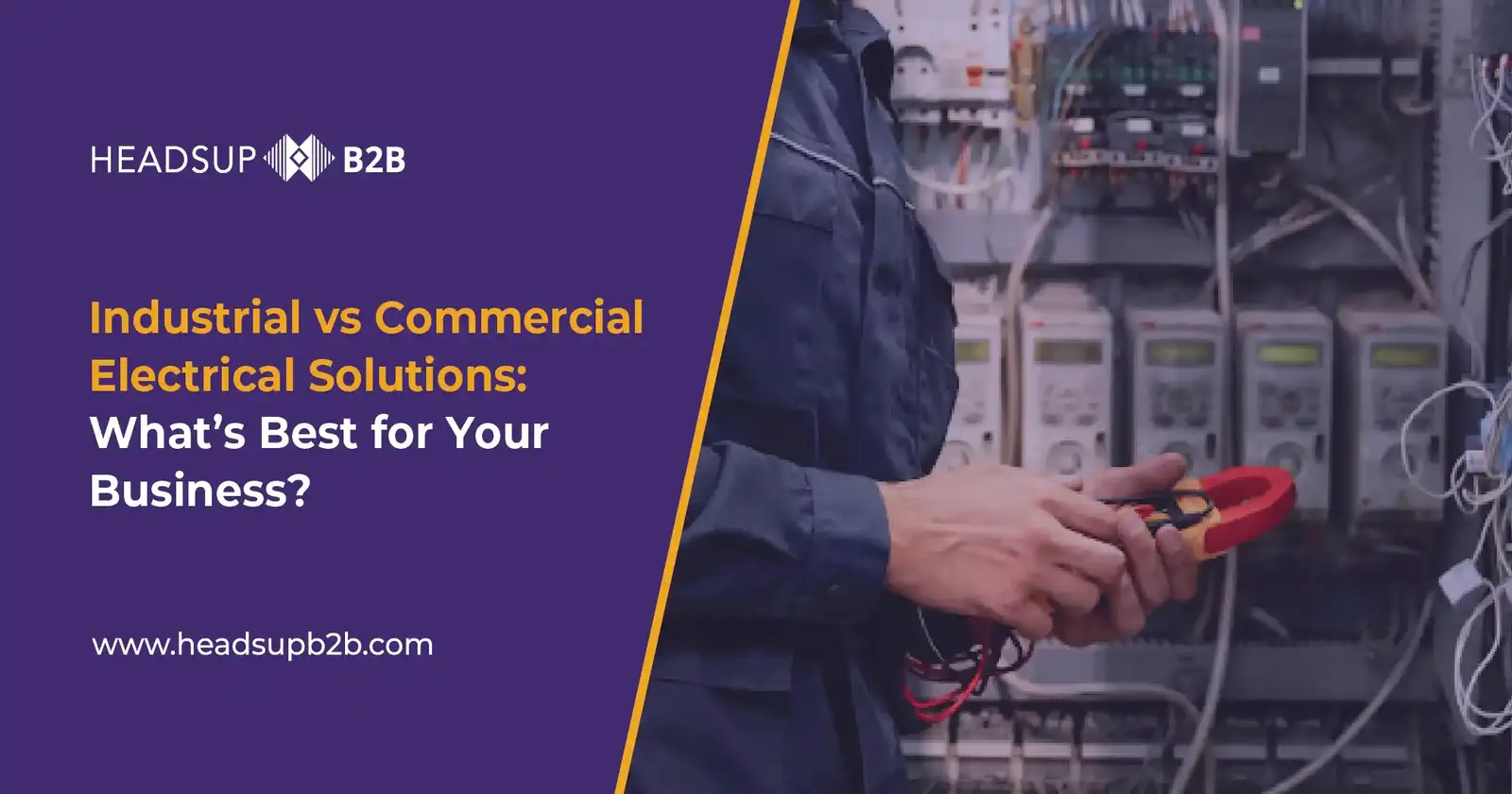
  • Industrial vs Commercial Electrical Solutions: What’s Best for Your Business?

    Industrial vs Commercial Electrical Solutions: What’s Best for Your Business?

    When it comes to powering your business, choosing the right electrical system is essential. Whether you’re operating in an industrial or commercial space, understanding the differences between these two electrical solutions can help you make the best choice for your operations. In this article, we’ll break down the key differences and guide you toward selecting the best solution for your needs.

    Understanding Industrial Electrical Solutions

    Industrial electrical systems are designed for heavy-duty operations. These systems are used in manufacturing plants, factories, and other large-scale industrial environments. Industrial electrical solutions are built to handle high-voltage, large equipment, and complex machinery. They are usually designed for continuous operations, with high load capacities and specialized power distribution.

    In industrial settings, the electrical systems must be able to support large motors, heavy machinery, and equipment that demand a significant amount of power. As a result, the infrastructure is more robust, with advanced safety measures to prevent potential hazards.

    Understanding Commercial Electrical Solutions

    Commercial electrical systems, on the other hand, are tailored for businesses such as office buildings, retail stores, restaurants, and small to medium-sized commercial spaces. These systems focus on the power needs for everyday operations, including lighting, heating, and smaller appliances.

    Commercial electrical solutions generally require lower power loads compared to industrial systems. They are designed for more straightforward, efficient use and focus on providing reliable electrical service for lighting, HVAC systems, and office equipment. These systems also have to meet safety and regulatory standards but are less complex than industrial setups.

    Key Differences Between Industrial and Commercial Electrical Systems

    Load Capacity

    Industrial electrical systems are designed to handle a higher load capacity than commercial systems. This is due to the demands of heavy machinery and equipment in industrial operations. The electrical systems need to provide more power, ensuring smooth operation without overloads or interruptions.

    Commercial electrical solutions, in contrast, are built for smaller, lighter equipment that requires less power. Offices and retail spaces typically have a lower demand for electricity, which makes commercial electrical systems more streamlined and easier to maintain.

    Safety Requirements

    Safety is a top priority in both industrial and commercial electrical systems, but the requirements can vary significantly. Industrial settings require advanced safety measures due to the risk of high-voltage equipment, hazardous environments, and heavy machinery. Specialized equipment such as circuit breakers, emergency shutoff systems, and regular inspections are common in industrial electrical setups.

    Commercial electrical systems also require safety measures, but they tend to be less complex. Standard safety equipment such as circuit breakers, fuses, and grounding systems are typically sufficient for smaller-scale operations. However, commercial systems still need to meet regulatory codes and standards to ensure the safety of workers and customers.

    Product Types

    In an industrial environment, electrical systems need to support specialized equipment such as industrial-grade motors, transformers, and control panels. These systems are designed to integrate with high-power tools and production machinery.

    Commercial electrical solutions are typically used to power more standard equipment, including lights, computers, and HVAC systems. The products used in commercial electrical setups tend to be off-the-shelf components that are easier to install and maintain.

    How to Choose the Right Electrical Solution for Your Business

    When deciding between industrial and commercial electrical solutions, it’s important to consider the specific needs of your business. Do you need to power large machinery and heavy equipment, or are you primarily concerned with lighting and office equipment?

    If your business involves manufacturing, production, or other heavy operations, an industrial electrical solution will likely be the best choice. These systems are designed to meet the high power demands and safety standards required for such environments. On the other hand, if you run an office, retail store, or small business with lower power needs, a commercial electrical system will be more than adequate.

    Always consult with a licensed electrical contractor or expert to assess your requirements and ensure that your electrical system is designed to meet both your current and future needs.

    Talk to Our Experts to Choose the Right Electrical Solutions

    Choosing the right electrical system for your business is crucial for long-term efficiency and safety. Contact our team of experts today to help you decide between industrial and commercial electrical solutions based on your unique business needs.
  • What are Electrical Solutions?

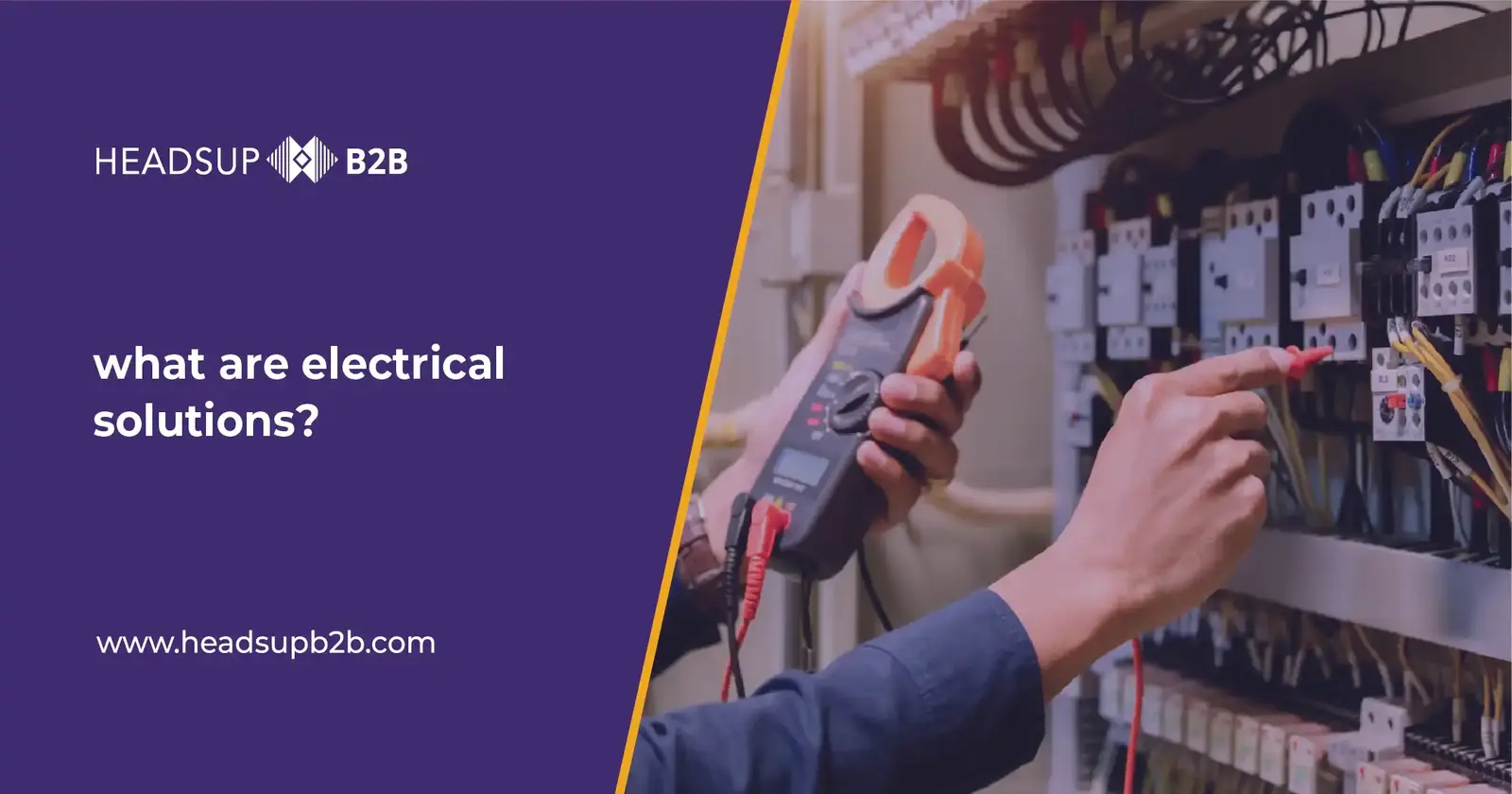
    What are Electrical Solutions?

    When we talk about electrical solutions, we’re referring to the wide range of services, systems, and products designed to meet our electrical needs. Whether it’s powering a light bulb in your home or managing large-scale power distribution in an industrial complex, electrical solutions are crucial for our daily lives. They cover everything from wiring and circuit systems to energy-efficient technologies and smart electrical systems.

    Why Electrical Solutions Matter

    Electrical solutions aren’t just about keeping the lights on; they impact safety, efficiency, and convenience. In homes, businesses, and factories, well-designed electrical systems ensure smooth operations and prevent potential hazards. The quality and reliability of these solutions are essential for maintaining an environment that’s both functional and secure.

    Types of Electrical Solutions

    Electrical solutions vary based on the setting—whether it’s a home, a business, or an industrial facility. Here are the main categories:

    • Residential Electrical Solutions: This involves the electrical systems in homes, from wiring and lighting to electrical appliances and safety measures.

    • Commercial Electrical Solutions: Commercial electrical services are tailored for office buildings, retail stores, and other business locations. This includes specialized lighting, backup power systems, and HVAC systems.

    • Industrial Electrical Solutions: Industrial electrical systems are designed for large-scale operations, including factories and warehouses. These systems often deal with high voltage and require advanced control systems.

    Key Components of Electrical Solutions

    Electrical systems, regardless of their scale, rely on several key components:

    • Wiring Systems: Wiring connects all electrical devices in a system. It’s vital to ensure proper insulation and placement to avoid short circuits or fire hazards.

    • Circuit Breakers and Fuses: These devices protect electrical systems by cutting off power when there is an overload or fault, preventing damage to equipment and reducing fire risks.

    • Electrical Panels: Electrical panels serve as the control center for the entire electrical system. They distribute power to various parts of a building and house the circuit breakers.

    Residential Electrical Solutions

    • Home Wiring and Outlets: Proper wiring is the backbone of a safe and functional home electrical system. It’s important to have sufficient outlets, properly grounded circuits, and modern wiring to support your devices.

    • Lighting Installations: Whether it’s ambient, task, or accent lighting, effective lighting is key in every home. Installing energy-efficient lighting, such as LED bulbs, is not only cost-effective but also contributes to sustainability.

    • Electrical Safety and Maintenance: Home electrical systems need regular maintenance to ensure safety. This includes checking for outdated wiring, inspecting outlets, and updating circuit breakers as necessary.

    Commercial Electrical Solutions

    • Office and Retail Lighting: Commercial spaces need efficient, durable lighting solutions that cater to both aesthetic and functional needs. Modern lighting systems help businesses reduce energy costs and improve the atmosphere.

    • HVAC Electrical Needs: The heating, ventilation, and air conditioning (HVAC) systems in commercial buildings require specialized electrical systems to function effectively. This includes connecting systems to power sources and ensuring proper energy distribution.

    • Backup Power Systems: In case of power failure, having backup solutions like generators or uninterruptible power supplies (UPS) is critical to keep businesses running smoothly.

    Industrial Electrical Solutions

    • High Voltage Systems: Industries often require high voltage systems to power large machines or equipment. These systems are built with special care due to the immense amount of energy they handle.

    • Power Distribution: Efficient power distribution systems ensure that energy is distributed evenly across industrial equipment and machines. These systems are designed to minimize energy loss.

    • Automation and Control Systems: Automation is becoming a standard in industries to improve efficiency. Control systems that manage machinery, robotics, and other automated processes are key electrical solutions in manufacturing.

    Renewable Energy Solutions in Electrical Systems

    • Solar Power Integration: Solar energy is a popular choice for residential, commercial, and industrial settings. By integrating solar panels with the existing electrical system, energy bills can be reduced while contributing to environmental sustainability.

    • Wind Power Solutions: Wind power is another renewable energy solution being incorporated into larger electrical grids, especially in industrial and commercial sectors. Wind turbines can significantly reduce reliance on traditional energy sources.

    • Energy Storage Systems: Batteries and other storage systems are important for storing renewable energy for later use. These solutions help manage energy distribution more efficiently.

    Energy Efficiency in Electrical Solutions

    • Smart Homes and Energy Management: Smart home systems allow users to control their energy usage with automation. From controlling lights and thermostats to managing appliances, these systems optimize energy consumption.

    • LED Lighting and Power Savings: Switching to LED lighting can drastically reduce energy costs. LED lights consume less power and have a longer lifespan compared to traditional bulbs.

    • Sustainable Electrical Practices: Adopting sustainable electrical solutions, such as using energy-efficient appliances and optimizing HVAC systems, contributes to overall energy savings.

    Common Electrical Problems and Solutions

    • Circuit Overload Issues: One of the most common electrical problems in both homes and businesses is a circuit overload. This can be fixed by upgrading circuit breakers or distributing the load across multiple circuits.

    • Faulty Wiring and Short Circuits: Faulty wiring or short circuits can lead to fire hazards. Regular inspection and rewiring are key to preventing these issues.

    • Power Surges and Spikes: Power surges can damage sensitive equipment. Installing surge protectors or uninterruptible power supplies (UPS) can safeguard devices from power spikes.

    DIY vs. Professional Electrical Work

    • When to Call an Electrician: For safety, it’s important to know when a job requires a professional. Complex installations, rewiring, or troubleshooting should always be handled by a licensed electrician.

    • Simple DIY Electrical Tasks: While some minor electrical tasks, such as replacing a light bulb or resetting a breaker, are safe for DIY, more advanced electrical work can be dangerous without the right expertise.

    Cost of Electrical Solutions

    • Factors That Influence Cost: The cost of electrical solutions varies based on the complexity of the installation, the materials used, and the type of work required. Factors such as energy-saving systems or high-end fixtures may increase costs.

    • Budgeting for Electrical Projects: It’s important to plan ahead and set a budget for electrical projects. Be sure to account for both the cost of materials and professional labor.

    Conclusion

    Electrical solutions are the backbone of modern living. They provide comfort, convenience, and safety across homes, businesses, and industries. With the right solutions, electrical systems can improve energy efficiency and reduce costs.

    Choosing the Right Solution for Your Needs

    Whether you’re upgrading your home’s electrical system or looking for commercial solutions, it’s important to understand your needs. connect Headsup B2B Professional advice can help you make the best choice to ensure optimal performance and safety.

    FAQs

    1. What is the difference between residential and commercial electrical solutions?
      Residential electrical solutions are focused on the needs of homes, while commercial solutions cater to businesses and office spaces with different power requirements.

    2. How can I make my home more energy efficient?
      Installing energy-efficient lighting, using smart home systems, and opting for solar panels are great ways to improve home energy efficiency.

    3. What are common electrical problems in homes?
      Common issues include circuit overloads, faulty wiring, and power surges.

    4. Can I install electrical systems on my own?
      Simple tasks like changing a light bulb are okay, but complex electrical work should always be handled by a professional.

    5. What should I look for in a professional electrician?
      Look for certifications, experience, and reviews from previous customers. Always hire licensed professionals to ensure safety.