Tag: Industrial Automation Guide

  • A Comprehensive Guide to Industrial Automation Solutions

    A Comprehensive Guide to Industrial Automation Solutions

    In the fast-paced landscape of modern manufacturing, industrial automation solutions are not just a luxury—they’re a necessity. From increasing operational efficiency to minimizing errors and maximizing safety, the right automation system can redefine how industries function. This guide explores everything you need to know about industrial automation: its technologies, systems, applications, benefits, and future trends. Whether you’re a plant manager, system integrator, or business executive, this article will walk you through the ins and outs of automation, helping you make informed decisions for your business.

    What is Industrial Automation?

    Industrial automation refers to the use of control systems such as computers, PLCs, and robots to handle machinery and processes in an industry, replacing human intervention. Its primary goal is to improve efficiency, accuracy, and productivity while reducing operational costs.

    Core Elements of Automation Include:

    • Control systems (PLC, SCADA, DCS)

    • Sensors and actuators

    • Industrial robots

    • Machine vision

    • Data acquisition and analytics tools

    These components work together to streamline manufacturing, packaging, material handling, and even quality inspection.

    Types of Industrial Automation Systems

    Different industries require different automation solutions. Here’s a breakdown of the primary types:

    1. Fixed Automation

    • High-volume production

    • Used in assembly lines

    • Low flexibility

    2. Programmable Automation

    • Ideal for batch production

    • Easily reprogrammable

    • Common in food processing and chemical industries

    3. Flexible (or Soft) Automation

    • Handles multiple product types

    • High customization capability

    • Perfect for modern manufacturing facilities

    Industrial Robotics and Their Role

    Industrial robots have become central to automation due to their precision, speed, and flexibility.

    Common Types of Robots:

    • Articulated Robots – Mimic human arm motion

    • SCARA Robots – Ideal for pick-and-place tasks

    • Delta Robots – Fast and lightweight

    • Cartesian Robots – Used in 3D printing and CNC machinery

    Robots increase output and perform repetitive or dangerous tasks, improving workplace safety.

    Benefits of Industrial Automation

    Embracing automation offers substantial returns across the board:

    • Increased productivity and output

    • Reduced operational costs

    • Consistent product quality

    • Improved worker safety

    • Real-time monitoring and analytics

    • Faster ROI in competitive industries

    Applications of Industrial Automation by Industry

    Automation isn’t limited to manufacturing. Here’s how various sectors benefit:

    Manufacturing

    • Assembly lines

    • Welding, painting, and packaging

    Automotive

    • Robotic assembly

    • Quality control and inspection

    Food & Beverage

    • Packaging

    • Temperature control

    • Clean-in-place (CIP) systems

    Pharmaceutical

    • Accurate dosing

    • Sterile packaging

    • Regulatory compliance

    Oil & Gas

    • Remote monitoring

    • Pipeline control

    • Hazard detection

    Smart Sensors and IoT Integration

    With the rise of Industry 4.0, IoT and smart sensors play a huge role in modern industrial automation.

    Benefits Include:

    • Predictive maintenance

    • Data-driven decision-making

    • Seamless machine-to-machine (M2M) communication

    Smart sensors can monitor everything from vibration and temperature to humidity and proximity, all feeding into cloud platforms or SCADA systems.

    Machine Vision in Industrial Automation

    Machine vision enables automatic image capture and analysis for quality inspection, measurement, and guidance.

    Applications:

    • Surface defect detection

    • Barcode reading

    • Object recognition

    • Dimension measurement

    It’s widely used in electronics, packaging, pharmaceuticals, and automotive industries.

    Artificial Intelligence and Automation

    AI-driven automation is transforming the way industries operate. With machine learning and computer vision, machines can now:

    • Predict failures

    • Optimize workflows

    • Adapt to changing inputs

    AI combined with robotics opens the door to cognitive automation, allowing machines to “learn” and improve without constant reprogramming.

    Industrial Automation Software Platforms

    You can’t automate without powerful software. Some popular platforms include:

    • Siemens TIA Portal

    • Rockwell Automation Studio 5000

    • Mitsubishi GX Works

    • Schneider EcoStruxure

    • Ignition SCADA by Inductive Automation

    These platforms provide programming, visualization, diagnostics, and data acquisition all in one environment.

    Cybersecurity in Industrial Automation

    With increased connectivity comes increased risk. Cybersecurity is critical in automated industries to protect against:

    • Malware and ransomware

    • Unauthorized access

    • Data theft

    • Equipment sabotage

    Best practices include network segmentation, firewalls, real-time monitoring, and regular software updates.

    Looking ahead, these trends are set to define the next decade:

    • AI & machine learning integration

    • Edge computing and 5G

    • Collaborative robots (cobots)

    • Digital twins

    • Cloud-based control systems

    Adopting these innovations will keep industries resilient, agile, and competitive.

    Challenges of Industrial Automation

    Despite the benefits, automation brings challenges:

    • High initial investment

    • Skilled labor shortage

    • Integration complexity

    • Resistance to change

    • Maintenance of advanced systems

    Proper planning, training, and system evaluation are essential to mitigate these issues.

    How to Choose the Right Automation Solution

    Choosing the right system depends on:

    • Your production volume

    • Industry-specific needs

    • Budget constraints

    • Desired ROI timeframe

    • Scalability and flexibility

    Consulting experienced system integrators ensures you get a tailored solution that aligns with your long-term goals.

    Conclusion

    The industrial world is shifting gears fast. Industrial automation solutions are not just about doing things faster—they’re about doing things smarter. With a wide range of systems, tools, and technologies at our disposal.
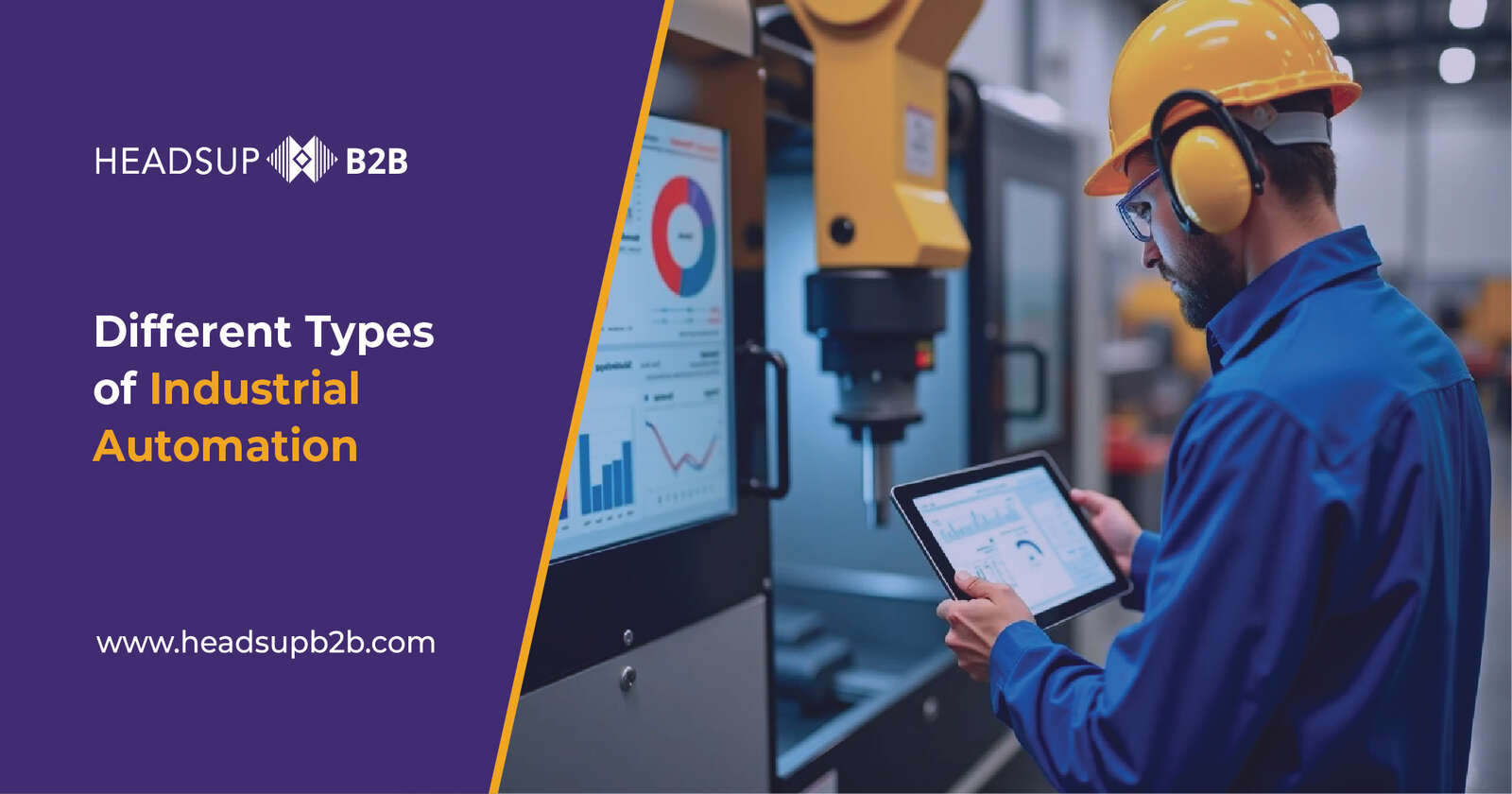
  • Different Types of Industrial Automation

    Different Types of Industrial Automation

    Ever wondered how factories keep producing at lightning speed without missing a beat? The answer lies in industrial automation. But here’s the twist—it’s not a one-size-fits-all solution. There are different types of industrial automation, each designed to suit specific production needs.

    Whether you’re in manufacturing, food processing, or any industry that runs on machines, understanding these types will help you choose the best path for scaling up. Let’s break it all down.

    What is Industrial Automation?

    Before diving into the types, here’s a quick refresher:
    Industrial automation refers to using machines, control systems, and software to handle industrial processes—minimizing or eliminating human involvement.

    The main goals? Boost productivity, reduce error, cut costs, and improve safety.

    Why Understanding the Types Matters?

    Choosing the wrong type of automation is like using a bulldozer to crack a walnut—it’s overkill and costly. Knowing the different types helps you:

    • Select the right solution for your business

    • Optimize efficiency and cost

    • Stay competitive and scalable

    The Four Main Types of Industrial Automation

    1. Fixed (Hard) Automation

    What Is It?

    Also known as hard automation, this type is designed for high-volume, repetitive tasks. The setup is rigid and tailored for one specific process.

    Common Applications:

    • Automotive assembly lines

    • Bottling and packaging in food production

    • Metal stamping

    Pros:

    • Super-fast production

    • Low per-unit cost (after setup)

    • Consistent output quality

    Cons:

    • Zero flexibility

    • High initial cost

    • Time-consuming to reprogram or reconfigure

    Best For:

    Companies that mass-produce a single product for a long period.

    2. Programmable Automation

    What Is It?

    As the name suggests, programmable automation can be reprogrammed for different tasks. It’s ideal for batch production—where one product is made for a time and then the system switches to another.

    Common Applications:

    • Electronics assembly

    • Textile manufacturing

    • Injection molding

    Pros:

    • More flexible than fixed automation

    • Suitable for varying product types

    • Medium-volume production capabilities

    Cons:

    • Changeovers take time and planning

    • Higher cost per unit than fixed automation

    Best For:

    Businesses producing multiple product models in batches.

    3. Flexible (Soft) Automation

    What Is It?

    Flexible automation is the next level of programmable automation. It allows for quick and easy changeovers, often automatically, making it ideal for dynamic production environments.

    Common Applications:

    • Custom manufacturing

    • Advanced robotics systems

    • Consumer electronics

    Pros:

    • Extremely adaptable

    • Fast product changeovers

    • Reduces downtime

    Cons:

    • High cost to implement

    • Requires skilled personnel

    Best For:

    Industries needing frequent design changes and low to medium batch sizes.

    4. Integrated Automation

    What Is It?

    This refers to a fully integrated system where machines, software, sensors, and control systems work seamlessly together. It’s a smart factory model, often associated with Industry 4.0.

    Common Applications:

    • Smart manufacturing

    • Continuous production systems

    • High-tech industries

    Pros:

    • Full automation and connectivity

    • Real-time data and monitoring

    • Optimized efficiency and quality control

    Cons:

    • High upfront cost

    • Complex to implement and maintain

    Best For:

    Large, tech-savvy companies ready to invest in long-term gains and full digital transformation.

    Bonus: Emerging Types of Automation

    Technology doesn’t stand still, and neither does automation. Here are two emerging types to keep an eye on:

    Collaborative Automation (Cobots)

    Cobots are designed to work safely alongside humans, assisting in tasks like material handling, inspection, and light assembly. They offer flexibility and cost-efficiency for small to medium enterprises.

    Hyperautomation

    This is a broader concept that combines AI, ML, robotic process automation (RPA), and more to automate everything possible across an organization—not just the shop floor.

    Comparison Table: Types of Industrial Automation

    Type

    Flexibility

    Volume

    Cost

    Changeover Time

    Best For

    Fixed Automation

    Low

    High

    High

    Long

    Mass production

    Programmable

    Medium

    Medium

    Medium

    Moderate

    Batch production

    Flexible

    High

    Low-Medium

    High

    Fast

    Custom manufacturing

    Integrated

    Very High

    High

    Very High

    Real-time

    Smart, connected factories

    How to Choose the Right Type

    Ask yourself:

    • What’s your production volume?

    • How often do you change product designs?

    • What’s your budget and technical capacity?

    • Do you need real-time data and smart systems?

    Understanding your unique business needs is key to selecting the right automation strategy.

    Conclusion

    Industrial automation isn’t just about machines doing the work—it’s about choosing the right kind of machines, systems, and software for your specific needs.

    From fixed automation for high-volume production to flexible and integrated systems for dynamic operations, each type offers unique advantages. By understanding them, you can future-proof your operations and unlock new levels of productivity, safety, and efficiency.

    FAQs

    1. What type of automation is best for mass production?

    Fixed (hard) automation is the most efficient for large-scale, repetitive production lines.

    2. Can small businesses use flexible automation?

    Yes, especially with modern robotics and software platforms becoming more affordable and scalable.

    3. What’s the difference between programmable and flexible automation?

    Programmable automation requires manual reprogramming for each task change, while flexible automation can switch tasks with minimal or no manual intervention.

    4. Is integrated automation only for big companies?

    While it’s more common in large enterprises, small and mid-sized businesses can gradually adopt integrated solutions with modular systems.

    5. Are cobots considered a type of automation?

    Yes! Cobots are part of collaborative automation and are becoming increasingly popular due to their safety and ease of use.