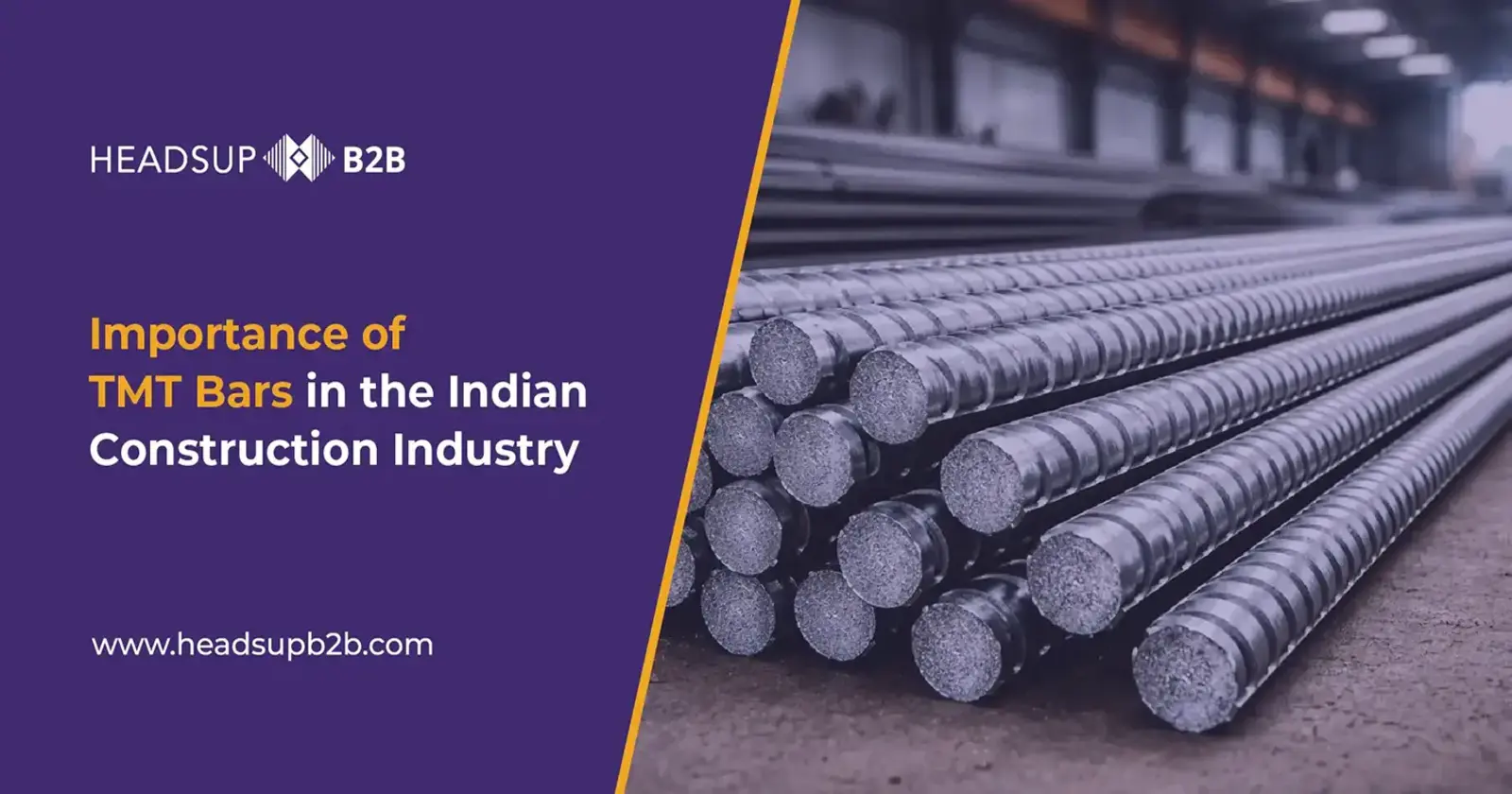
In the rapidly expanding Indian construction industry, the materials used play a pivotal role in determining the safety, durability, and overall performance of structures. Among the most essential materials for reinforcing concrete is TMT bars (Thermo-Mechanically Treated bars), a crucial component that ensures structural integrity and long-term strength. Whether you’re building a skyscraper, bridge, highway, or residential complex, TMT bars form the backbone of any construction project.
But why are TMT bars so critical, and how do they contribute to the safety and longevity of Indian infrastructure? Let’s take a deeper look.
What Are TMT Bars?
TMT bars are reinforcing steel rods used in concrete to handle tension forces. These bars are made through a specialized process where hot steel is rapidly cooled, resulting in a hardened outer surface and a ductile inner core. The outer layer provides high strength, while the inner core offers flexibility, making TMT bars capable of handling high-stress situations without cracking or breaking.
The manufacturing process behind TMT bars involves two critical stages: Thermo Treatment and Mechanical Treatment. The steel is first heated and then quenched, which hardens the outer layer while keeping the core soft. This unique combination ensures that TMT bars are not only strong but also able to withstand significant tension, making them ideal for reinforcement in concrete structures.
Why Are TMT Bars Crucial for the Indian Construction Industry?
1) Earthquake Resistance
India is a seismically active country, and several regions lie in high seismic zones. In these areas, buildings and infrastructure must be designed to resist earthquake forces. TMT bars offer excellent ductility, meaning they can absorb energy during seismic events without fracturing. This makes them indispensable for buildings, bridges, and other structures in earthquake-prone regions.
2) High Strength and Durability
TMT bars, especially grades like Fe500 and Fe550, provide superior strength and durability, which are essential for high-rise buildings, industrial structures, and infrastructure projects. These bars offer higher tensile strength, ensuring that they can carry heavy loads and withstand extreme weather conditions, giving a longer lifespan to the structure.
3) Corrosion Resistance
In coastal areas and regions with high humidity, steel reinforcement in concrete is at risk of corrosion. TMT bars are manufactured with higher resistance to corrosion compared to traditional steel bars. The outer layer of the bar, created through thermo-mechanical treatment, forms a protective barrier against rust, making TMT bars an ideal choice for buildings in coastal and humid environments.
4) Better Workability
Another critical benefit of TMT bars is their workability. They are easier to cut, bend, and install during construction due to their ductile nature. This reduces construction time and minimizes the chances of error or rework. Moreover, this workability is key for builders to fabricate stirrups, hooks, and reinforcement cages that are integral to the structural framework.
5) Enhanced Safety
Structural integrity is paramount in any construction, and TMT bars contribute significantly to the safety of buildings and infrastructure. Thanks to their high strength, flexibility, and corrosion resistance, TMT bars help ensure that structures can withstand the stresses of daily use, as well as extreme conditions such as earthquakes, high winds, and heavy rainfall. This leads to safer living conditions and reduced risk of failure over time.
6) Cost-Efficiency in the Long Run
Although the initial cost of TMT bars may be slightly higher than traditional steel bars, the long-term savings they offer are immense. TMT bars require less material for the same load-bearing capacity, thus reducing overall material costs in construction. Moreover, their corrosion resistance and durability lead to lower maintenance costs over time.
The Role of TMT Bar Grades in Construction
TMT bars are available in various grades, each suited to different types of construction. The most commonly used grades in India are:
-
Fe415: Typically used in low-cost construction and general-purpose use.
-
Fe500: This is one of the most popular grades used for residential buildings and infrastructure projects due to its balance of strength and ductility.
-
Fe550: Known for its high strength, it is ideal for high-rise buildings, bridges, and heavy-duty applications.
Choosing the right grade of TMT bars depends on factors like the load-bearing capacity, the design requirements, and the environment in which the structure is being built.
Why Choose Headsup B2B for TMT Bars in India?
When it comes to sourcing high-quality TMT bars for your construction needs, Headsup B2B is your trusted partner. We are a leading supplier of TMT bars across India, offering top-grade products to meet the requirements of all types of construction projects. Whether you’re building residential homes, commercial buildings, or large-scale infrastructure projects, we provide Fe500, Fe500D, Fe550, and other high-strength TMT bars that guarantee durability, safety, and performance.
With a nationwide distribution network, Headsup B2B ensures timely delivery of TMT bars to your project site, no matter where you are located. We prioritize quality, reliability, and affordability, making us the preferred choice for contractors, builders, and developers across India.
Headsup B2B for Your TMT Bar Needs
Looking for high-quality TMT bars for your next construction project? Headsup B2B provides TMT bars of all grades delivered to locations across India. Our products meet the highest industry standards, ensuring that your projects stand the test of time. Get in touch with us today to get a quote or learn more about our offerings.
Call us now at 8595736388 or email us at info@headsupb2b.com to place your order and experience the best in TMT bars.
