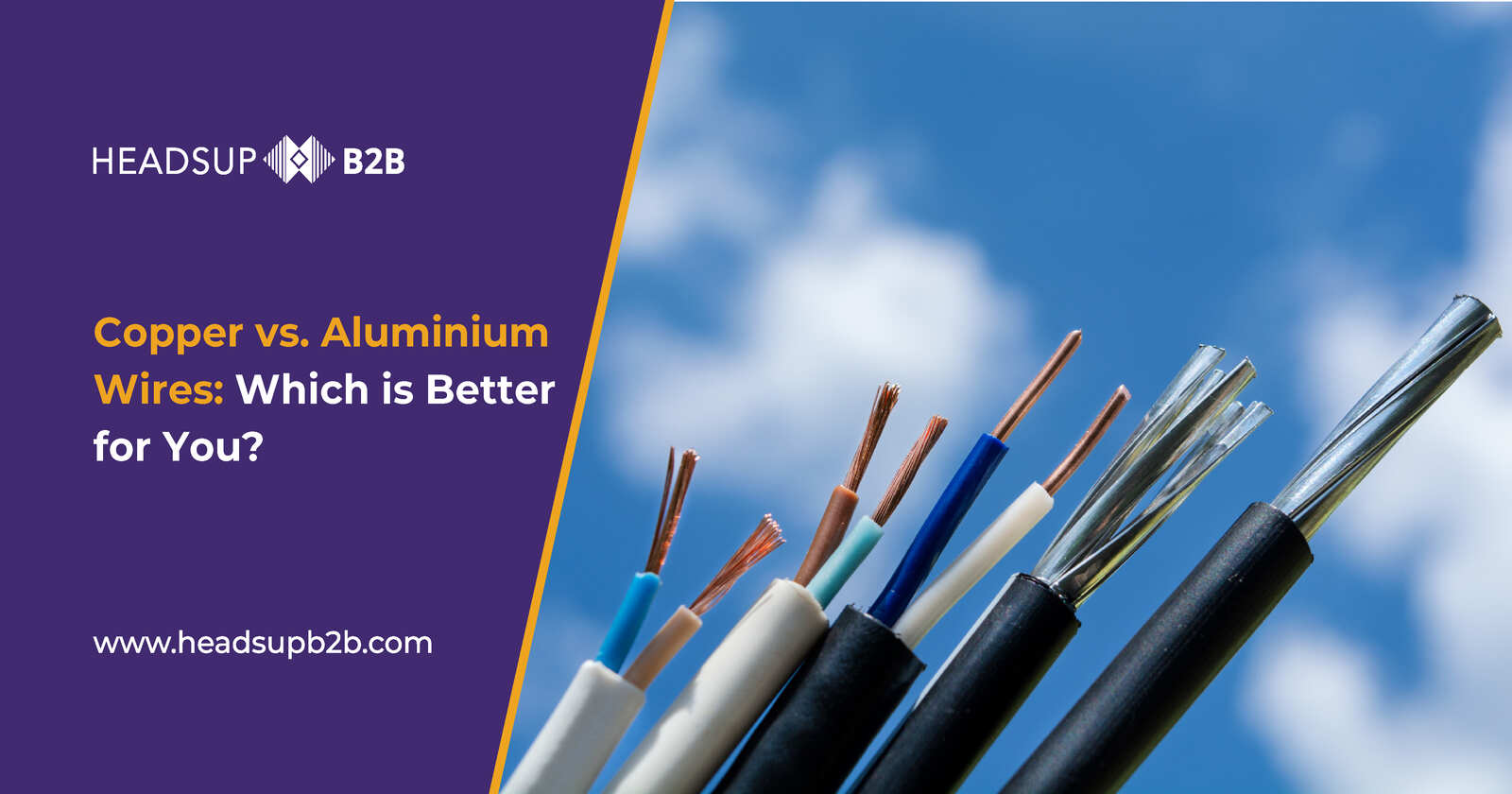
Why Wire Choice Matters in Electrical Systems
Wiring is the silent hero of your home or building’s electrical solutions. It’s easy to overlook, but picking the right kind of wire—whether copper or aluminium—can impact everything from safety to efficiency and long-term costs.
A Quick History of Copper and Aluminium Wiring
Copper has been the go-to wiring material for over a century, but aluminium rose in popularity during the 1960s and 70s due to copper shortages. Today, both still see widespread use, but not always in the same ways.
Basic Properties of Copper and Aluminum
Electrical Conductivity
Copper is a better conductor than aluminium. In fact, copper carries about 60% more current than aluminum of the same size. That means less energy loss and better performance.
Thermal Conductivity
Copper also beats aluminium in thermal conductivity. It dissipates heat more efficiently, which can help prevent overheating.
Corrosion Resistance
Copper develops a thin oxide layer but still remains conductive. Aluminium, on the other hand, oxidizes in a way that impedes conductivity, which can become a safety issue over time.
Strength and Flexibility
Copper is denser and more ductile, which means it bends without breaking. Aluminium is more brittle and can crack if bent repeatedly.
Safety Factors
Fire Hazards
Aluminium wiring has been linked to house fires, especially in older homes where connections loosen over time. Copper wiring holds connections better and resists heat buildup.
Oxidation Issues
Aluminium reacts with air, forming an insulating oxide layer. If connections aren’t properly treated, resistance increases and so does the heat—leading to potential fire risks.
Overheating Concerns
Because of its lower conductivity, aluminium wires need to be larger than copper ones to carry the same current without overheating.
Cost Comparison
Material Costs
Aluminium is significantly cheaper than copper—often 30-50% less per foot. That’s why it’s popular in large-scale or budget-restricted installations.
Installation Costs
Copper is heavier and harder to work with, increasing labor costs. However, aluminium requires special connectors and more care, which can offset those savings.
Long-Term Maintenance
Copper requires less maintenance over time. Aluminium systems often need periodic inspection to ensure connections haven’t degraded.
Durability and Lifespan
Longevity of Copper Wiring
Copper wiring can last over 50 years with little to no issues. It’s durable, stable, and less prone to environmental damage.
Lifespan of Aluminium Wiring
Aluminium wiring tends to degrade faster, especially if not installed correctly. Its lifespan can be shortened by oxidation and mechanical stress.
Ease of Installation
Handling Copper vs Aluminium
Aluminium is lighter and more flexible, making it easier to pull through conduit. However, it’s more fragile and prone to breaking if bent too much.
Connector and Compatibility Issues
You can’t just use standard connectors with aluminium. Special anti-oxidation paste and connectors are necessary to ensure safe and long-lasting joints.
Environmental Impact
Mining and Production Footprint
Copper mining has a larger environmental impact due to deeper mining and energy-intensive smelting processes. Aluminium production is also energy-heavy but more abundant in raw materials.
Recyclability and Sustainability
Both metals are recyclable, but copper maintains higher value and is easier to recycle efficiently.
Use Case Scenarios
Residential Applications
Copper is the top choice for in-home wiring. It’s safer and more durable for outlets, lighting, and switches.
Commercial and Industrial Use
Aluminium is often used in large-scale installations where cost is a major factor—like factories or office buildings—especially for feeder and service cables.
Power Distribution and Utilities
Utility companies often use aluminium for power lines due to its light weight and lower cost, which makes a difference over long distances.
Code and Regulation Compliance
National Electrical Code (NEC) Standards
The NEC allows both copper and aluminium, but sets specific requirements for each—especially aluminium—to ensure safety.
Local Building Codes
Some regions have stricter codes or even ban aluminium wiring in residential buildings due to past fire incidents. Always check with your local authority.
Performance in Extreme Conditions
High Heat Environments
Copper holds up better under heat, maintaining integrity and conductivity, while aluminium softens and degrades faster.
Cold Weather Behavior
Aluminium expands and contracts more with temperature changes, which can loosen connections over time. Copper remains more stable.
Expert Opinions and Industry Preferences
Most electricians prefer copper for residential projects because of its reliability and safety profile. Aluminium is seen as more situational—useful but needing more oversight.
Myths and Misconceptions
Aluminium is Dangerous?
Not entirely true. When installed properly with approved methods, aluminium can be safe. The danger comes from poor installation and incompatible connectors.
Copper is Always Better?
Not always. While copper is superior in many ways, aluminium still has a place—especially when budget or weight are concerns.
Which One Should You Choose?
Decision-Making Checklist
-
For home wiring: Go with copper. It’s safer and more reliable.
-
For large-scale commercial use: Aluminium may be better due to lower costs.
-
For power distribution: Aluminium wins because of its light weight.
-
For critical systems or harsh environments: Copper is your best bet.
Expert Advice Based on Needs
If you’re working on a budget but can ensure professional installation, aluminium can be a viable option. But if safety and long-term peace of mind matter most, copper is worth the investment.