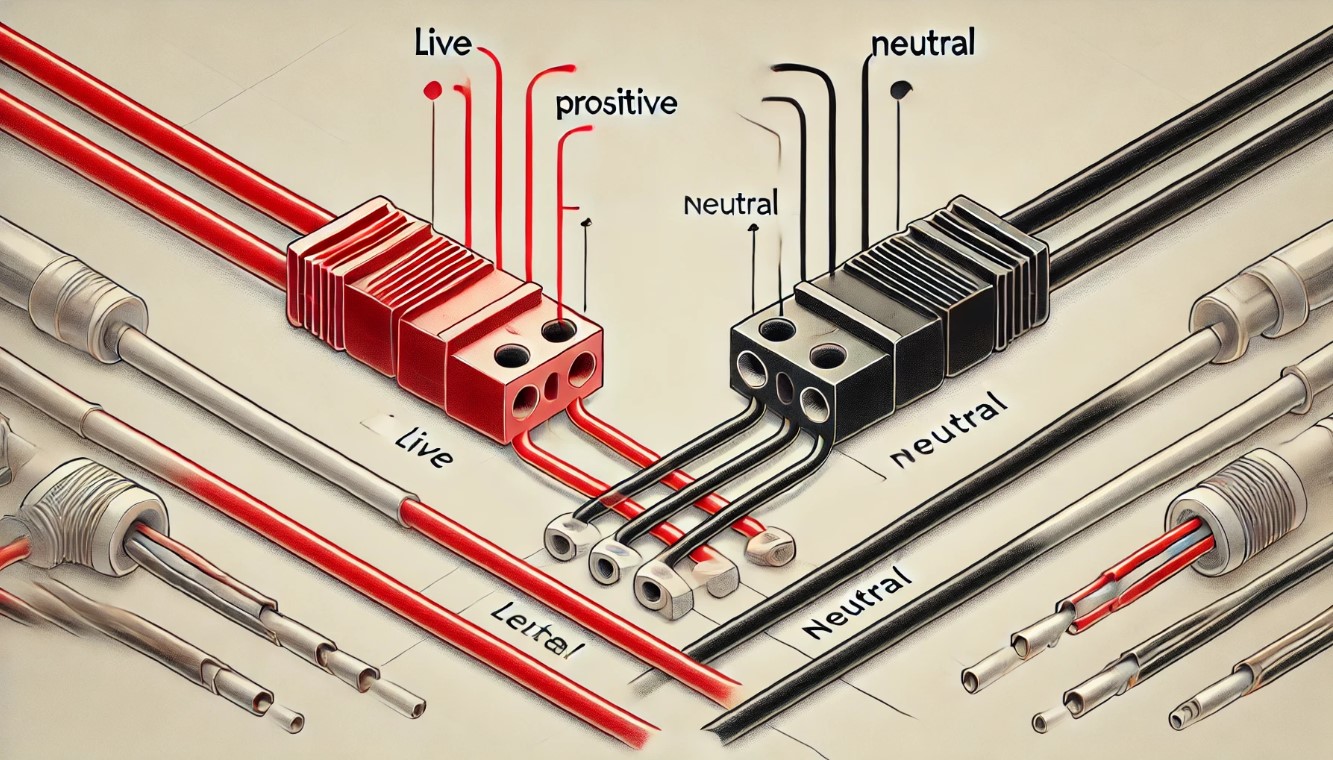
Tag: electrical wire

  • What is the Difference Between a Red Wire and a Black Wire in an Electrical System?

    What is the Difference Between a Red Wire and a Black Wire in an Electrical System?

    If you’ve ever peeked inside an electrical panel or opened up a wall outlet, you’ve likely noticed wires in a variety of colors. Two of the most commonly seen wires are red and black, but do you know what they do? Understanding the difference between these wires is essential for anyone working with electrical solutions. In this article, we’ll explain the functions, differences, and applications of red and black wires in residential and commercial settings.

    Need Professional Electrical Solutions? Our experts can handle your wiring safely and efficiently.
    Get Free Consultation →

    Why Wire Colors Matter in Electrical Systems

    The colors of electrical wires are not random—they’re part of a standard code designed to ensure safety. Different colors are used to represent different functions in a circuit, helping electricians identify them at a glance. Understanding the purpose of each wire reduces the risk of accidents like short circuits, shocks, or even fires.

    Overview of Electrical Wiring Colors

    Every color in an electrical system serves a distinct function. Black and red are both used for “hot” or live wires, which carry electricity from the breaker panel to a device or outlet. However, other colors are also important:

    • White is typically used for neutral wires.

    • Green or bare copper is used for grounding. Each of these wires plays a specific role in safely delivering and controlling electrical currents.

    The Role of Red Wires in Electrical Systems

    Function of Red Wires

    In most electrical systems, red wires are secondary hot wires. They carry live electrical currents, just like black wires, but are often used in specific types of circuits. For example, red wires might be used in a circuit that requires a second hot connection, like in three-way light switches.

    Typical Applications of Red Wires

    You’re likely to find red wires in places where two hot wires are needed. These include light switches, ceiling fans, and sometimes even outlets that have multiple connections. They’re also common in certain appliance installations, such as ovens or water heaters.

    Special Uses of Red Wires

    In addition to basic electrical circuits, red wires are frequently used in more complex installations. A good example is a three-way switch, where two switches control the same light fixture. Red wires allow the current to travel between the two switches, making this configuration possible.

    If you’re planning a new installation or want to upgrade your electrical system, our Electrical Solutions team can help. Book a Free Site Assessment →

    The Role of Black Wires in Electrical Systems

    Function of Black Wires

    Black wires are the most common hot wires. They’re responsible for delivering electricity from the power source to outlets and devices in your home. In nearly every case, if you see a black wire, it’s carrying live current.

    Typical Applications of Black Wires

    Black wires are used in almost every electrical device in your home. You’ll find them in outlets, switches, and major appliances like refrigerators or dishwashers. Any time electricity needs to be delivered from the main power source, black wires are involved.

    Special Uses of Black Wires

    In addition to their everyday use in powering outlets and appliances, black wires are often used in more advanced electrical setups, such as in commercial or industrial environments where larger amounts of power are required.

    Key Differences Between Red and Black Wires

    Primary vs. Secondary Functions

    The most significant difference between red and black wires is their role. Black wires are almost always the primary hot wire in a circuit, while red wires typically serve as a secondary hot wire in more complex setups.

    Compatibility and Interchangeability

    Although both red and black wires carry current, they aren’t always interchangeable. In some circuits, especially those with multiple hot connections, using the correct wire color is crucial to the circuit’s operation and safety.

    Red vs. Black Wires in Different Voltage Systems

    In most standard household wiring, black and red wires function similarly in terms of voltage. However, in more specialized systems, such as industrial environments or smart home setups, their roles can differ, making it essential to understand how each wire fits into the overall system.

    Safety Considerations When Working With Red and Black Wires

    Importance of Turning Off Power

    Before handling any electrical wires, the most critical safety step is to turn off the power. This precaution protects you from electrical shocks, which can be fatal in some cases.

    Understanding Circuit Diagrams and Labels

    When working with electrical systems, it’s vital to understand the wiring diagram for the system you’re working on. Proper labeling of red and black wires helps ensure you know which wire does what, avoiding dangerous mistakes.

    Tools for Safe Electrical Work

    There are several tools designed to help you work safely with electricity, including voltage testers, wire strippers, and insulated tools. Always ensure you have the right equipment before starting any electrical work.

    What Happens if You Mix Up Red and Black Wires?

    Mixing up red and black wires can lead to various problems, including short circuits, malfunctioning devices, or even electrical fires. Always double-check your wiring before turning the power back on.

    Red and Black Wires in Smart Homes and Modern Systems

    How Technology Changes Wiring Needs

    Smart home technology has changed the way we think about wiring. Many newer systems have more complex setups that require specific wiring configurations. As technology advances, it’s crucial to stay updated on wiring standards.

    Color Coding in Modern Electrical Systems

    As systems evolve, so do the standards for wire colors. Modern systems might use different coding, but red and black wires will likely continue to play significant roles in most homes.

    Conclusion

    In conclusion, understanding the difference between red and black wires in an electrical system is key to working safely and effectively with electricity. While both are hot wires, they serve different purposes in a circuit, and knowing how to use them correctly can help prevent accidents.

    Now that you know the difference between red and black wires, ensure your installation is done safely.
    Contact our experts today for a full electrical solution.

    Read More:- Choose the Right Wires and Cables

    FAQs

    Can I use a red wire instead of a black wire?

    In some cases, yes, but it’s essential to understand the circuit before making substitutions.

    Is it safe to touch a red or black wire?

    No, both wires carry live electricity and should only be handled when the power is off.

    What should I do if I find wires with different colors?

    Consult a wiring diagram or a professional electrician to ensure you’re wiring correctly.

    Why is my black wire not live?

    It could be due to a tripped breaker, a loose connection, or a wiring issue.

    How can I identify which wire is hot?

    Use a voltage tester to safely check which wire carries current.

  • Electrical Wiring in Older Homes: Challenges and Solutions

    Electrical Wiring in Older Homes: Challenges and Solutions

    Headsup B2B is a prominent online platform that provides the best electrical cable, switchboards, and other types of equipment. We know the importance of electrical devices and their safety. So, concerning this, we are here with a blog post to discuss the electrical issues in older homes and their solutions. Let’s start with a short introduction.

    Introduction

    Without a doubt, electricity is now a necessity for living in today’s world. It is undeniable that consumption is the focal point of our world. The majority of people never spend a day without using electrical devices. Most of our indispensable home appliances, such as our laptops, heating, ventilating, air conditioning systems, and telephones, rely on electricity. It is crucial; at the same time, it is hardly possible to imagine how societies could have existed without it way back in the past.

    Common Electrical Issues in Older Homes

    Some of the electrical problems that may occur especially in old homes, may be attributed to wiring problems. Electrical cables, equipment, and systems age quickly, while being useful and convenient. These are some ways to signal that you might have electrical problems in your old houses.

    Inadequate Power in Electrical Cable

    If one resides in an antique home, there is a high possibility of experiencing a common issue, which is the lack of electrical currents in a modern home. This is because the old house has outdated technology as it relates to the wiring systems of the house

    The house did not have as many electrical appliances when it was first constructed. Restructuring and replacing the current electrical system with one that can provide enough power to modern devices is the only approach to resolving this problem.

    Bad DIY Project Experiences

    Homeowners frequently handle basic electrical cable and system issues and repairs on their own.

    Almost all homeowners attempt to modify the electrical system to suit their requirements, which can result in a malfunctioning network. Make immediate contact with the top local electrician in Connecticut to get your old house’s power fixed to prevent a more serious problem.

    Outlets that aren’t working

    Especially in the modern world, electrical outlets are one of the most important features of any home. Over time, the popularity of electrical devices and household appliances has only increased.

    Dead outlets are one of the most common problems you could have in an older home, and they can be very bothersome. Simply call a local Connecticut electrician if you have outlets that stop working, and they will come out and install new outlets with working wires.

    Old Wiring

    A well-built home’s electrical system of wires can frequently endure for two to three decades. Electrical wires can corrode quickly if they are left unprotected or exposed to dampness. Runaway rodents or pests in the house can damage the wiring.

    If the insulation is damaged, the exposed electrical wires could be extremely dangerous for every member of the household. An electrical fire is, as previously said, the greatest risk provided by exposed cables.

    An excessive number of extension cords

    Due to the limited number of outlets in many older homes, power strips and extension cords are required. There is a maximum amount of capacity that power strips can store. Overloading this load capacity may result in electrical problems.

    Additionally, extension cords are easily damaged and sliced. You might be having electrical problems if your home has a lot of extension cords or power strips.

    Wiring for Knobs and Tubes

    If your home is an ancient one, built before World War II, the electrical cable wiring is probably made of knobs and tubes running through the walls. In addition to being outdated and possibly unsafe, this style of electrical wiring is ugly in homes.

    An electrical fire could break out at any time due to the exposed old wiring within the tube. Therefore, get in touch with our staff and have this antiquated network replaced with a current one to guarantee the safety of everyone in your house.

    Frequent trips due to circuit-breaking

    If circuit breakers often trip, this is a clue that the electrical cable and boards of your house are overloaded. For wiring, they should hire a licenced electrician to allow the wiring to handle the fixtures and appliances used at home daily.

    Moreover, the electrician will advise on how to avoid overloading circuits, such as removing any item in a power outlet that is not in use.

    Improper Grounding

    Another common electrical problem that appears on the properties is insufficient earthing. Modern electrical devices consume a lot of power as compared to earlier times, and this has resulted in poor grounding of the old stock. This may cause the fuse to pop.

    The easiest way out of this is to ensure that your electrical system at home is well-grounded. To make yet another choice, it could be possible to acquire a much more reputable and BLIS thoroughly inspected fuse box replacement. You’ll need to get in touch with a reliable local electrician to accomplish this.

    The Flickering Lights

    Light flickering is a clear indicator of another prevalent electrical problem in older homes. Light flickering is an alert that should not be disregarded. This implies that the exposed or faulty wiring could be the reason, as observed in the given instance.

    This is also a very good indication that maybe there is an electrical fire. Contact our staff if you have realised that your lights are blinking. We shall visit your home as soon as we can to provide you with a fix which will meet all your demands and return your home to normality.

    Electrical Cable and System Upgrades for Older Homes

    Electrical cable and equipment upgrades are essential for old homes because they usually have outdated wiring, outlets, and fuse boxes, which can barely suffice for the available electrical demand. That is a widespread question when contemporary houses range from 100 to 200 amps, and older houses may have only 30 amps.

    While smart appliances are fashionable and convenient, an older home’s electrical system may not accommodate them without future upgrades. But thanks to the cords that soon require a recharge. A qualified electrical contractor can install new electrical solutions, which consists of the main electrical cable, meter, and panel. Although the upgrade may cause a few hours of power outages, it ultimately leads to a safer and more efficient home without tripping circuit breakers or blowing outdated fuses.

    Electrical Cable and Other Equipment Safety Tips for Homeowners

    • Make sure you only use lightbulbs that have the same wattage or less than what is suggested for your lamps and lighting fixtures.

    • Avoid overloading wires by using numerous gadgets.

    • Use extension cords only when necessary.

    • To prevent overloading a single circuit, place multiple charging stations for rechargeable electronics.

    • An item with frayed or damaged wire should never be used.

    • Although electricity facilitates our lives, there is a risk associated with it. Call a qualified electrician if you think you may have an electrical issue, so they can safely diagnose and resolve it.

    Solutions for Fixing the Electrical Cable and Other Equipment in Older Homes

    • The best solution for this problem of obsolete wiring is to have your home inspected by a licensed electrician so that he can rectify the electrical system. For the protection of the family, conduct a rewiring of the home with new electrical cable and also conduct an electrical audit.

    • Hire an electrician to install additional outlets strategically in your home at appropriate sections. This effectively does away with having to use very likely hazardous extension cords and power strips and having to change plugs all the time. Another creative solution is to incorporate more USB outlets; they are to be mounted as supplements to the traditional sockets.

    • Contact an electrician to fix any loose connections or wiring issues, or replace old and outdated lighting fixtures if there is a problem with flickering lights. Regarding the possible risks, it is crucial to note that it is necessary to respond without delay.

    • A skilled electrician can assist you in changing your electrical cable and panel to a new circuit breaker system. It will ensure that your house is capable of serving the electrical demands of the twenty-first century and, at the same time be safe by doing the following.

    • Consult an electrician so that you can have a better grounding for your house. For safety, they may apply outlets with the ground wire and ground rod.

    • Receptacles or plugs that have three, grounded connections should replace those with two connections. Your outlets may be altered by an electrician, who will also ensure that your outlets meet maximum safety standards.

    • Current styles of light fixtures can be changed to newer, more efficient ones to minimise accidents and energy waste. This improvement, however, can be helped by an electrician.

    Why Choose Headsup B2B for Sourcing Electrical Cable and Other Equipment?

    For the highest quality electrical cable and wire, go with Headsup B2B. We are an online marketplace providing the easiest and most reliable way to source electrical cable and devices Headsup B2B facilitates easy procurement at competitive pricing by putting prospective customers in contact with reputable and well-known electrical cable and other equipment manufacturers and suppliers.

    In addition to providing the highest caliber products, we help clients choose the appropriate materials for their projects. Visit Headsup B2B today to take advantage of several deals and a hassle-free electrical cable purchase process.