Tag: Electrical Systems

  • Electrical Solutions: Powering Your Home with Style

    Electrical Solutions: Powering Your Home with Style

    The Modern Need for Stylish Electrical Solutions

    Your home’s electrical setup isn’t just about flipping switches anymore. These days, it’s about integrating tech, design, and functionality into a seamless experience. Whether you’re building new or renovating, stylish electrical solutions are a must.

    Function Meets Aesthetic: Why Style Matters

    Why settle for basic white plastic switches when you can have brushed metal panels that complement your décor? Just like your furniture or paint choices, electrical components contribute to the look and feel of your space.

    Planning Your Home’s Electrical Design

    The Importance of Early Planning

    Before the walls go up, planning where lights, switches, and outlets go can save you major headaches (and dollars) down the line. Think about how you move through your space—where do you charge phones, plug in appliances, or need reading lights?

    Room-by-Room Electrical Layout

    • Kitchen: This is a high-demand zone. Plan for plenty of outlets—above counters, under cabinets, and near appliances. Think about stylish under-cabinet lighting for ambiance.

    • Living Room: You’ll want outlets for TVs, sound systems, lamps, and chargers—without cords snaking everywhere. Use floor outlets or built-in furniture solutions.

    • Bedroom: Dimmable lighting, bedside charging stations, and mood lighting are key. Don’t forget smart alarm integration.

    • Bathroom: Make it spa-like with LED mirror lighting, heated towel racks, and waterproof Bluetooth speakers—safely installed, of course.

    Smart Home Integration

    What Is a Smart Home?

    A smart home allows you to control lighting, temperature, security, and more through your smartphone or voice assistant. The future is now, and it’s voice-activated.

    Benefits of Smart Electrical Systems

    • Save energy with motion sensors

    • Set moods with lighting scenes

    • Control from anywhere

    Stylish Smart Switches, Sockets, and Panels

    These aren’t bulky gadgets—they come in sleek glass, metal, or even wooden finishes. Some are so elegant, they look like modern art.

    Designer Switches and Sockets

    Why Aesthetics Matter in Small Details

    They may be small, but outlets and switches are everywhere. Why not make them beautiful?

    Materials, Colors, and Finishes to Match Your Style

    From matte black to gold brushed finishes, or even wood grain textures, you can match these to your walls, backsplash, or even appliances.

    Statement Lighting and Fixtures

    Ambient, Task, and Accent Lighting

    Each has a purpose:

    • Ambient = General light

    • Task = Focused light (think reading)

    • Accent = To highlight décor

    How to Combine Light and Style

    Use layered lighting to make your home feel warm and inviting. Recessed lights + pendant fixtures = perfect combo.

    Choosing Fixtures that Reflect Your Personality

    From futuristic LED rings to vintage Edison bulbs, lighting is your chance to express yourself.

    Energy Efficiency with Style

    LED Lighting and Smart Controls

    LEDs use way less energy than traditional bulbs—and last longer. Add smart dimmers, and you’re in control of cost and ambiance.

    Eco-Friendly Doesn’t Mean Ugly

    Many sleek, modern fixtures are also sustainable—win-win.

    Safety Meets Design

    Child-Safe Electrical Outlets

    These prevent accidental shocks without looking like bulky plastic guards. Many are integrated right into elegant faceplates.

    Fire-Resistant Materials and Stylish Covers

    Glass, ceramic, or fire-rated metal options add a layer of safety and sophistication.

    Outdoor Electrical Styling

    Garden Lighting That Wows

    Use solar-powered path lights, tree uplights, or smart color-changing lights to transform your yard.

    Weatherproof Yet Elegant Solutions

    Outdoor outlets and lights can be just as stylish as indoor ones—look for IP-rated designer fixtures.

    Working with Professionals

    Why You Need an Electrician with an Eye for Design

    Not all electricians are created equal. Some just wire; others elevate your space.

    Collaborating with Interior Designers and Architects

    When they all work together, magic happens. Think hidden lighting, integrated panels, and custom touches.

    Budgeting for Style and Function

    Where to Splurge and Where to Save

    Splurge: Main switches, high-use outlets, and lighting
    Save: Behind-the-scenes cabling or utility rooms

    Long-Term Value of Well-Designed Electrical Systems

    Better efficiency, less maintenance, and increased home value.

    Final Thoughts

    Your home’s electrical design isn’t just about turning the lights on—it’s about turning your style up. From smart tech to sleek fixtures, every detail can enhance both form and function. Invest wisely, plan early, and work with people who get your vision. Style and electricity? That’s a powerful combo.
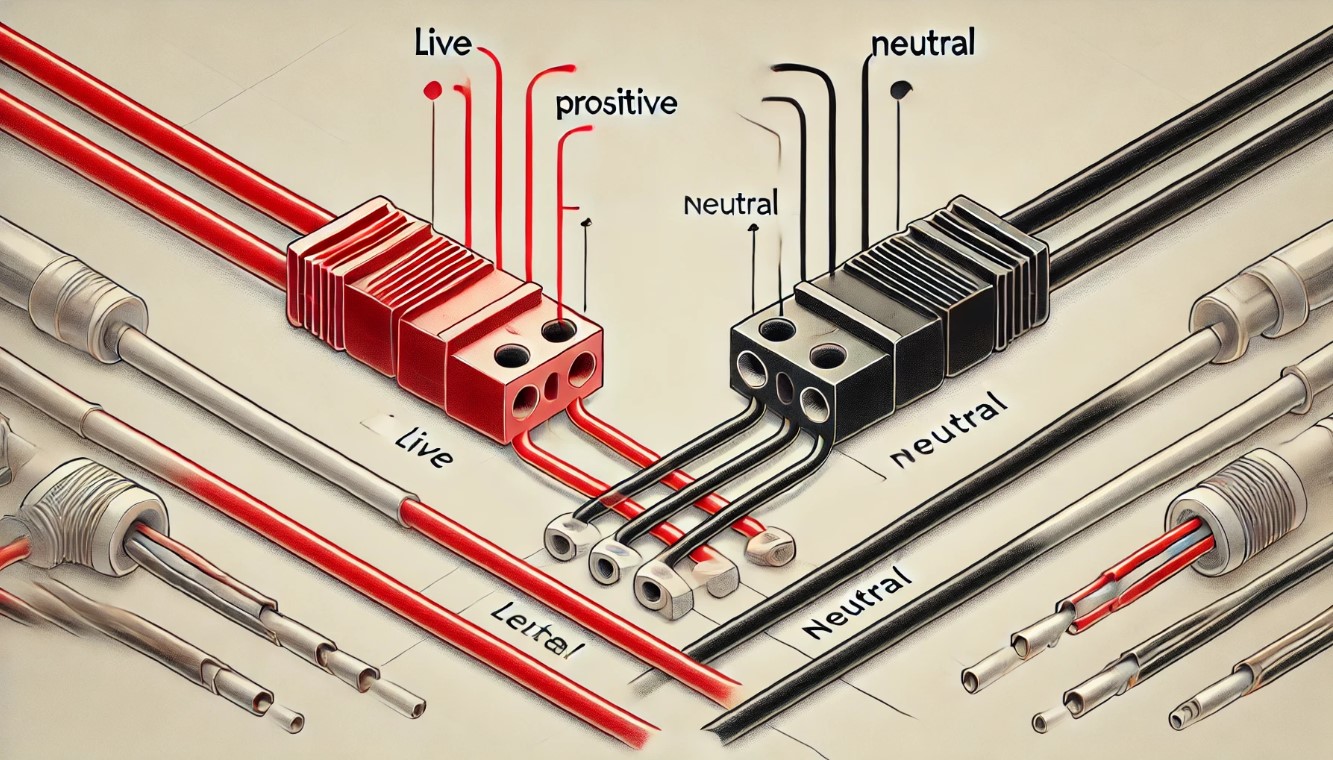
  • What is the Difference Between a Red Wire and a Black Wire in an Electrical System?

    What is the Difference Between a Red Wire and a Black Wire in an Electrical System?

    If you’ve ever peeked inside an electrical panel or opened up a wall outlet, you’ve likely noticed wires in a variety of colors. Two of the most commonly seen wires are red and black, but do you know what they do? Understanding the difference between these wires is essential for anyone working with electrical solutions. In this article, we’ll explain the functions, differences, and applications of red and black wires in residential and commercial settings.

    Need Professional Electrical Solutions? Our experts can handle your wiring safely and efficiently.
    Get Free Consultation →

    Why Wire Colors Matter in Electrical Systems

    The colors of electrical wires are not random—they’re part of a standard code designed to ensure safety. Different colors are used to represent different functions in a circuit, helping electricians identify them at a glance. Understanding the purpose of each wire reduces the risk of accidents like short circuits, shocks, or even fires.

    Overview of Electrical Wiring Colors

    Every color in an electrical system serves a distinct function. Black and red are both used for “hot” or live wires, which carry electricity from the breaker panel to a device or outlet. However, other colors are also important:

    • White is typically used for neutral wires.

    • Green or bare copper is used for grounding. Each of these wires plays a specific role in safely delivering and controlling electrical currents.

    The Role of Red Wires in Electrical Systems

    Function of Red Wires

    In most electrical systems, red wires are secondary hot wires. They carry live electrical currents, just like black wires, but are often used in specific types of circuits. For example, red wires might be used in a circuit that requires a second hot connection, like in three-way light switches.

    Typical Applications of Red Wires

    You’re likely to find red wires in places where two hot wires are needed. These include light switches, ceiling fans, and sometimes even outlets that have multiple connections. They’re also common in certain appliance installations, such as ovens or water heaters.

    Special Uses of Red Wires

    In addition to basic electrical circuits, red wires are frequently used in more complex installations. A good example is a three-way switch, where two switches control the same light fixture. Red wires allow the current to travel between the two switches, making this configuration possible.

    If you’re planning a new installation or want to upgrade your electrical system, our Electrical Solutions team can help. Book a Free Site Assessment →

    The Role of Black Wires in Electrical Systems

    Function of Black Wires

    Black wires are the most common hot wires. They’re responsible for delivering electricity from the power source to outlets and devices in your home. In nearly every case, if you see a black wire, it’s carrying live current.

    Typical Applications of Black Wires

    Black wires are used in almost every electrical device in your home. You’ll find them in outlets, switches, and major appliances like refrigerators or dishwashers. Any time electricity needs to be delivered from the main power source, black wires are involved.

    Special Uses of Black Wires

    In addition to their everyday use in powering outlets and appliances, black wires are often used in more advanced electrical setups, such as in commercial or industrial environments where larger amounts of power are required.

    Key Differences Between Red and Black Wires

    Primary vs. Secondary Functions

    The most significant difference between red and black wires is their role. Black wires are almost always the primary hot wire in a circuit, while red wires typically serve as a secondary hot wire in more complex setups.

    Compatibility and Interchangeability

    Although both red and black wires carry current, they aren’t always interchangeable. In some circuits, especially those with multiple hot connections, using the correct wire color is crucial to the circuit’s operation and safety.

    Red vs. Black Wires in Different Voltage Systems

    In most standard household wiring, black and red wires function similarly in terms of voltage. However, in more specialized systems, such as industrial environments or smart home setups, their roles can differ, making it essential to understand how each wire fits into the overall system.

    Safety Considerations When Working With Red and Black Wires

    Importance of Turning Off Power

    Before handling any electrical wires, the most critical safety step is to turn off the power. This precaution protects you from electrical shocks, which can be fatal in some cases.

    Understanding Circuit Diagrams and Labels

    When working with electrical systems, it’s vital to understand the wiring diagram for the system you’re working on. Proper labeling of red and black wires helps ensure you know which wire does what, avoiding dangerous mistakes.

    Tools for Safe Electrical Work

    There are several tools designed to help you work safely with electricity, including voltage testers, wire strippers, and insulated tools. Always ensure you have the right equipment before starting any electrical work.

    What Happens if You Mix Up Red and Black Wires?

    Mixing up red and black wires can lead to various problems, including short circuits, malfunctioning devices, or even electrical fires. Always double-check your wiring before turning the power back on.

    Red and Black Wires in Smart Homes and Modern Systems

    How Technology Changes Wiring Needs

    Smart home technology has changed the way we think about wiring. Many newer systems have more complex setups that require specific wiring configurations. As technology advances, it’s crucial to stay updated on wiring standards.

    Color Coding in Modern Electrical Systems

    As systems evolve, so do the standards for wire colors. Modern systems might use different coding, but red and black wires will likely continue to play significant roles in most homes.

    Conclusion

    In conclusion, understanding the difference between red and black wires in an electrical system is key to working safely and effectively with electricity. While both are hot wires, they serve different purposes in a circuit, and knowing how to use them correctly can help prevent accidents.

    Now that you know the difference between red and black wires, ensure your installation is done safely.
    Contact our experts today for a full electrical solution.

    Read More:- Choose the Right Wires and Cables

    FAQs

    Can I use a red wire instead of a black wire?

    In some cases, yes, but it’s essential to understand the circuit before making substitutions.

    Is it safe to touch a red or black wire?

    No, both wires carry live electricity and should only be handled when the power is off.

    What should I do if I find wires with different colors?

    Consult a wiring diagram or a professional electrician to ensure you’re wiring correctly.

    Why is my black wire not live?

    It could be due to a tripped breaker, a loose connection, or a wiring issue.

    How can I identify which wire is hot?

    Use a voltage tester to safely check which wire carries current.