Tag: Electrical solutions

  • How Businesses Save Time and Cost with End‑to‑End Electrical Solutions?

    How Businesses Save Time and Cost with End‑to‑End Electrical Solutions?

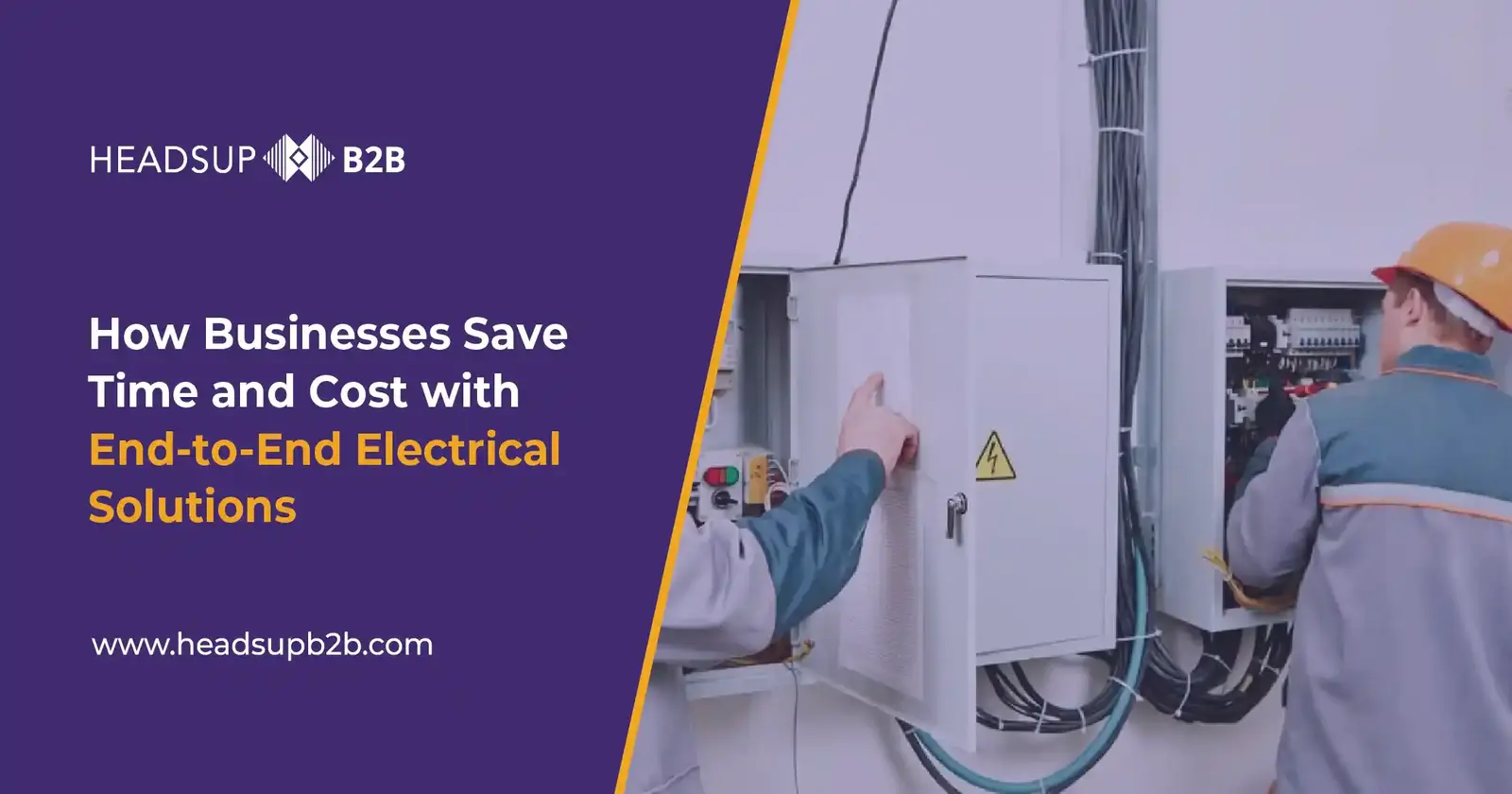
    Modern enterprises depend on reliable power for every operation, from lighting and data centers to security and manufacturing. When you hire multiple contractors for design, installation and maintenance, projects often take longer and cost more because of duplicate efforts and miscommunication. End‑to‑end electrical solutions address this problem by providing a single partner to handle every phase of your electrical system. This article explains how this approach saves time and money, the main elements involved and why it’s gaining popularity among commercial and industrial organizations.

    What Is an End‑to‑End Electrical Solution?

    An end‑to‑end electrical solution covers the entire lifecycle of your electrical system. It typically includes:

    • Design and engineering: A team of electrical specialists designs the power distribution, lighting, control systems and safety features to fit the facility’s requirements. Integrated design prevents conflicts with structural and mechanical elements.

    • Off‑site prefabrication: Components such as panels and cable assemblies are built off‑site in controlled environments. Prefabrication reduces on‑site congestion and ensures higher build quality.

    • Installation and construction: The same contractor installs the system on site, ensuring that the design intent is followed and code requirements are met. Turnkey delivery meets tight construction schedules.

    • Commissioning and testing: After installation, engineers test all circuits and safety devices, verifying performance and compliance.

    • Maintenance and upgrades: The end‑to‑end provider offers routine service, energy‑efficiency improvements and emergency response. FSG Austin, for example, manages everything from design and construction to upgrades and maintenance.

    By consolidating these steps under one provider, businesses avoid the delays and communication gaps that occur when multiple vendors are involved.

    How End‑to‑End Solutions Save Time

    1. Fast‑track projects with design‑build methods

    Traditional construction separates design and construction, leading to revisions and rework when different teams clash. A design‑build approach unites design, engineering and construction under one contract. According to the Design‑Build Institute of America, projects using design‑build delivery are completed about 33 % faster and 6 % cheaper than conventional methods. The design phase alone can be 35 % faster with 10 % lower cost, while construction is 25 % faster and 6 % cheaper. These savings stem from continuous collaboration, fewer change orders and smoother scheduling.

    2. Eliminate vendor overlap

    When separate companies handle design, installation and maintenance, teams often duplicate work or wait on each other. Choosing a single electrical contractor to handle all integrated systems creates a uniform approach and avoids conflicting standards. A single provider oversees the full scope of the project, reducing the repetition of effort and ensuring all systems are designed and installed efficiently. This streamlined coordination translates into faster project delivery.

    3. Reduce on‑site assembly time through prefabrication

    Off‑site prefabrication allows components to be built in a controlled environment and shipped to the site for quick installation. ESCO Electric notes that prefabricated assemblies shorten construction timelines and lower costs. Prefabrication also improves quality control and safety, which reduces delays caused by rework.

    4. Coordinate with other infrastructure work

    Underground electrical installations can be coordinated with road repairs, reducing excavation costs and merging two construction periods into one. This logistical benefit cuts down on downtime for local businesses and saves time on multiple projects.

    How End‑to‑End Solutions Cut Costs?

    1. Avoid costly errors and rework

    Integrated electrical construction brings designers, engineers and contractors together from the start. HYLAN explains that collaborative design and planning prevent conflicts and redundancies. By reducing delays and preventing costly errors, integrated approaches help keep projects within budget. A unified contractor also ensures that all systems work together, minimizing waste and optimizing resource use.

    2. Lower labor and procurement expenses

    One contractor handles procurement, reducing markup and streamlining material orders. Prefabricated assemblies minimize on‑site labor, and integrated planning optimizes resource utilization. Companies such as FSG integrate lighting, power and technology to improve efficiency and sustainability.

    3. Simplify accountability and maintenance

    When a single contractor is responsible for design, installation and integration, accountability is clear. Miller Electric notes that having one contractor simplifies responsibility and avoids the need to track down multiple vendors when issues arise. Clear accountability reduces administrative overhead and ensures timely resolution of problems, which translates into cost savings.

    4. Reduce downtime and productivity losses

    Underground electrical installations decrease the risk of outages because buried lines are less susceptible to damage from weather. They also reduce outage‑driven downtime for local businesses. Continuous maintenance programs and 24/7 emergency services further minimize unexpected failures, which helps maintain business continuity.

    Additional Benefits of Integrated Electrical Solutions

    • Enhanced safety: Integrated construction ensures that systems are designed to meet safety standards and reduces hazards through careful coordination.

    • Energy efficiency: Modern electrical contractors offer energy‑efficient lighting designs and panel upgrades, helping businesses cut utility costs.

    • Flexibility for future upgrades: Integrated systems are easier to expand or modify. Prefabricated and modular construction techniques make it simpler to incorporate renewable energy or smart technology.

    • Sustainability: Integrated designs often include renewable energy integration and smart grid technologies, contributing to lower environmental impact.

    When Should a Business Consider an End‑to‑End Solution?

    • New construction or major renovation: For projects requiring extensive electrical work, design‑build and integrated construction can offer significant savings in time and cost. ESCO Electric’s turnkey installations and prefabrication services shorten timelines and minimize on‑site congestion.

    • System upgrades and retrofits: Firms like FSG provide panel upgrades, energy‑efficient lighting and maintenance services that improve performance and reduce operating costs.

    • Complex facilities: Hospitals, data centers, manufacturing plants and smart buildings benefit from integrated electrical construction because it ensures that power, control and communication systems work together smoothly.

    FAQs

    **What does an end‑to‑end electrical solution include?
    **It covers design, engineering, prefabrication, installation, commissioning, and ongoing maintenance. By consolidating these phases under one provider, businesses avoid delays and miscommunication.

    **How do design‑build services save time and money?
    **Design‑build methods unite design and construction under one contract. Research cited by Roman Electric shows that this approach can deliver projects about 33 % faster and 6 % less costly than traditional methods.

    **What makes integrated solutions more efficient?
    **Integrated electrical construction relies on collaborative planning, advanced tools like BIM and prefabrication. These techniques minimize rework, reduce waste and accelerate timelines. Prefabricated assemblies specifically shorten on‑site construction and lower costs.

    **Are underground installations worth the investment?
    **While underground electrical work can be more expensive initially, it reduces the risk of outages caused by weather and can be coordinated with road repairs to lower excavation costs. Businesses benefit from fewer disruptions and improved reliability.

    **Why choose one contractor instead of multiple?
    **A single contractor provides consistency, efficiency and accountability. Miller Electric explains that having one firm design, install and integrate all systems eliminates conflicting standards, reduces repeated efforts and simplifies accountability.

  • Custom Electrical Solutions Tailored for Large-Scale Business Projects

    Custom Electrical Solutions Tailored for Large-Scale Business Projects

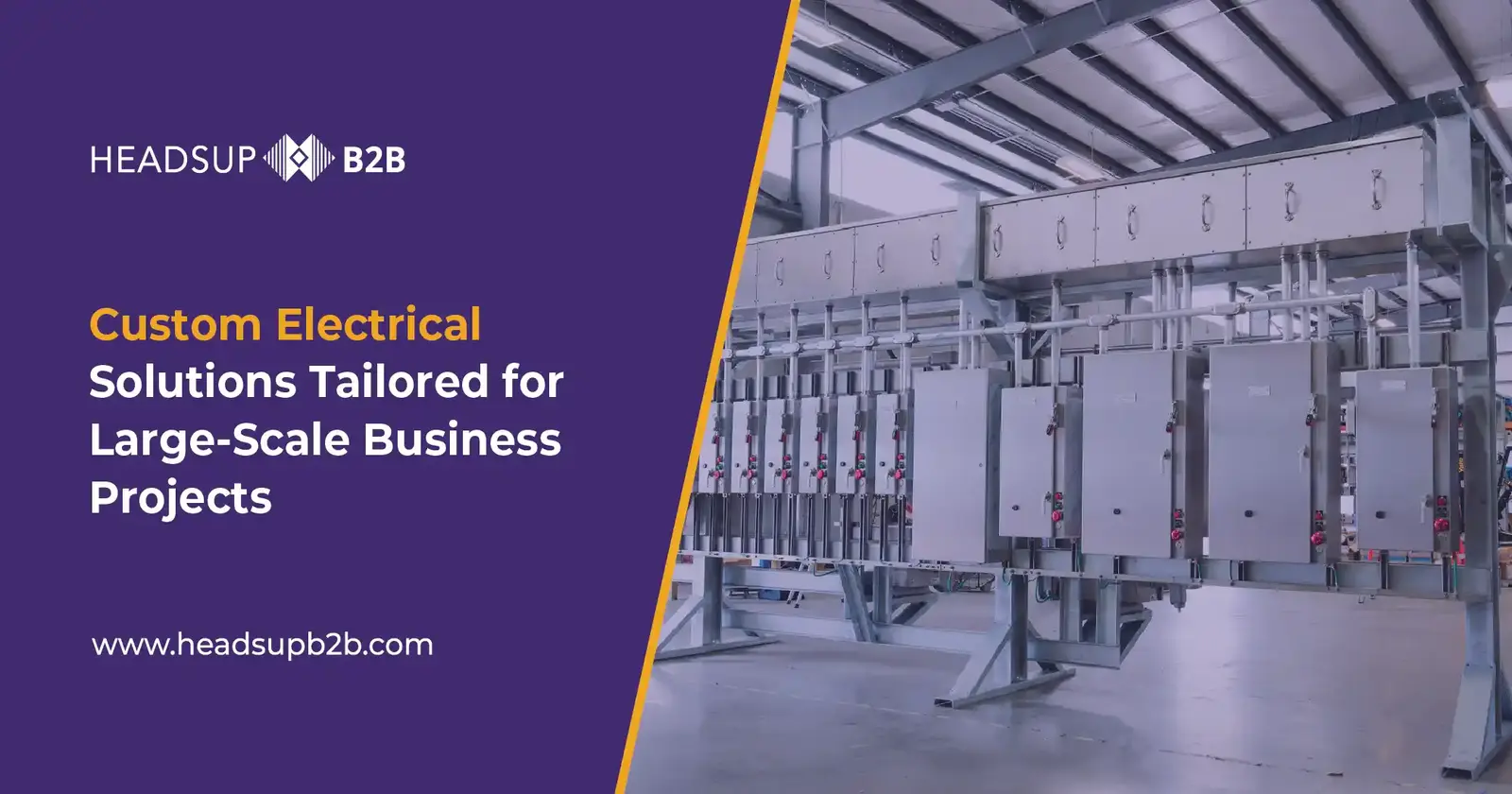
    Large commercial and industrial developments demand more than standard electrical packages. Manufacturing plants, logistics hubs, commercial towers, infrastructure developments, and institutional facilities operate at a scale where off-the-shelf systems simply do not deliver the required performance.

    This is where Custom Electrical Solutions become critical. For large scale electrical projects, every load requirement, safety factor, compliance rule, and expansion plan must be built into the design from the start. A structured B2B electrical design approach ensures that electrical infrastructure supports operations without inefficiencies or costly redesigns later.

    Why Large Projects Need Custom Electrical Solutions?

    Large projects come with unique operational demands. Power distribution requirements differ based on industry type, equipment load, automation systems, backup power integration, and future growth plans.

    Complex Load Requirements

    Industrial machinery, HVAC systems, high-capacity lighting, elevators, and automation controls create varied load profiles. A generic distribution plan can lead to:

    • Overloaded circuits

    • Voltage drops

    • Energy inefficiencies

    • Reduced equipment lifespan

    Custom Electrical Solutions ensure accurate load assessment and structured distribution planning tailored to the project’s operational model.

    Compliance and Industry-Specific Standards

    Large scale electrical projects must comply with local and national regulations, along with industry-specific guidelines. Hospitals, manufacturing plants, and data centers all have different compliance requirements.

    Customized electrical systems are designed with these standards in mind from the planning stage, reducing the risk of inspection delays and costly corrections.

    Infrastructure Longevity

    Large facilities are long-term investments. Electrical infrastructure must support operations not just today, but for years to come. Customization ensures durability, maintainability, and future integration capacity.

    Process of Designing Custom Electrical Systems

    Professional B2B electrical design follows a structured methodology. This ensures that every electrical component aligns with operational goals and compliance requirements.

    1. Requirement Analysis

    The process begins with a detailed assessment:

    • Project scope and industry type

    • Estimated load requirements

    • Equipment specifications

    • Safety and compliance obligations

    • Expansion plans

    This stage defines the foundation of the customized electrical systems.

    2. Load Study and System Planning

    Engineers conduct load calculations, short circuit analysis, and fault level studies. This ensures that cables, panels, transformers, and switchgear are sized accurately.

    Distribution architecture is mapped to prevent imbalance and optimize energy efficiency.

    3. Design Documentation

    Technical drawings, single-line diagrams, layout plans, and compliance documentation are prepared. These documents guide installation and support regulatory approvals.

    4. Component Selection

    Selection of components is aligned with project demands:

    • Industrial-grade cables

    • High-capacity switchgear

    • Energy-efficient lighting systems

    • Backup power integration

    • Surge protection systems

    Quality selection plays a direct role in long-term performance.

    5. Installation and Testing

    Professional installation ensures adherence to design standards. Testing procedures verify safety, load distribution, and performance reliability before commissioning.

    This structured process ensures that Custom Electrical Solutions meet operational expectations without unnecessary rework.

    Benefits of Tailored Electrical Solutions

    Investing in customized electrical systems provides measurable advantages for large scale electrical projects.

    Better Performance

    When systems are designed specifically for operational needs, performance improves significantly.

    • Optimized load distribution reduces energy loss

    • Stable voltage improves machinery efficiency

    • Proper protection systems prevent frequent shutdowns

    Customized designs ensure that infrastructure supports production rather than restricting it.

    Cost Control

    Although tailored solutions may seem like a higher initial investment, they reduce long-term costs.

    • Accurate load planning avoids oversizing equipment

    • Reduced downtime lowers operational losses

    • Fewer redesigns prevent budget overruns

    • Improved efficiency reduces energy expenses

    Cost control in large projects depends heavily on smart design decisions made early.

    Project Scalability

    Growth is a constant factor in B2B environments. New equipment, expanded production lines, or facility upgrades increase electrical demand.

    Custom Electrical Solutions incorporate scalability planning:

    • Expandable distribution boards

    • Additional panel capacity

    • Modular cable routing

    • Integration capability for automation upgrades

    This prevents complete infrastructure replacement during expansion phases.

    Choosing the Right Partner for Custom Electrical Solutions

    Selecting the right provider for B2B electrical design is as important as the design itself. Large scale electrical projects require experience, technical expertise, and structured project management.

    When evaluating a partner, consider:

    Technical Expertise

    The provider should demonstrate knowledge in load studies, compliance standards, and large infrastructure planning.

    Industry Experience

    Experience in similar project types ensures familiarity with industry-specific requirements.

    End-to-End Capability

    From design consultation to supply, installation, and post-installation support, integrated service reduces coordination risks.

    Compliance Focus

    A professional partner ensures adherence to safety regulations and documentation requirements, reducing legal exposure.

    Quality Assurance

    Reliable sourcing, certified components, and structured testing procedures protect long-term performance.

    A strong partnership ensures that customized electrical systems are executed efficiently and aligned with business objectives.

    Building Electrical Infrastructure That Matches Business Ambition

    Large scale electrical projects demand precision, foresight, and structured planning. Generic systems often lead to inefficiencies, while Custom Electrical Solutions provide infrastructure tailored to operational goals.

    From initial planning to scalable expansion, customized electrical systems deliver performance reliability, regulatory compliance, and cost control.

    Businesses that invest in tailored B2B electrical design position themselves for long-term stability and growth.

    Get a Customized Electrical Solution Quote Today.

    Discuss your project requirements with our experts and receive a solution designed specifically for your operational needs. Let’s build electrical infrastructure that supports performance, safety, and scalable growth.

  • Electrical Solutions That Support Safety, Compliance, and Scalability

    Electrical Solutions That Support Safety, Compliance, and Scalability

    In industrial and commercial environments, electrical systems are not just operational infrastructure. They are the backbone of safety, regulatory compliance, and long-term growth. Businesses today require Safe and Compliant Electrical Solutions that go beyond installation and address performance reliability, audit readiness, and expansion capacity.

    From manufacturing plants and warehouses to commercial buildings and infrastructure projects, electrical systems must be engineered with precision. A structured approach ensures that safety standards are met, electrical compliance standards are maintained, and systems remain adaptable as business demands increase.

    Importance of Safety in Electrical Systems

    Electrical failures can cause downtime, equipment damage, fire hazards, and serious injury. That is why electrical safety solutions are not optional; they are fundamental to business continuity.

    Risk Prevention Through Proper Design

    A safe system starts at the design stage. Load calculations, circuit protection planning, grounding systems, and surge protection must all be carefully structured. Improper load distribution or poor insulation can lead to overheating and short circuits.

    Professional electrical solutions incorporate:

    • Correct cable sizing and insulation ratings

    • Proper earthing and bonding systems

    • Reliable circuit breakers and overload protection

    • Surge protection devices

    Each of these components plays a direct role in reducing risk.

    Workplace Safety and Operational Continuity

    For B2B operations, electrical safety also protects employees and machinery. Unexpected electrical faults can disrupt production lines, halt automation systems, or damage sensitive equipment.

    Investing in Safe and Compliant Electrical Solutions minimizes these operational threats while protecting people and assets.

    Compliance Standards for B2B Electrical Installations

    Compliance is not just about passing inspections. It is about maintaining structured systems that meet national and industry-specific electrical compliance standards.

    Regulatory Frameworks and Industry Codes

    B2B electrical installations must follow applicable codes such as:

    • National electrical safety regulations

    • Industry-specific standards for manufacturing or infrastructure

    • Environmental and energy efficiency norms

    • Local inspection and certification requirements

    Failure to meet these standards can result in penalties, operational shutdowns, and reputational damage.

    Documentation and Audit Preparedness

    Professional electrical compliance includes proper documentation:

    • Load distribution diagrams

    • Inspection records

    • Testing certifications

    • Material traceability

    Having structured documentation simplifies audits and ensures readiness for regulatory checks.

    A strong compliance strategy strengthens vendor credibility and builds trust with stakeholders, investors, and partners.

    Scalable Electrical Solutions for Growing Businesses

    As businesses grow, electrical demand increases. Expansion, new equipment, automation systems, and facility upgrades require infrastructure that can scale without complete redesign.

    This is where scalable electrical systems become essential.

    Modular Electrical Designs

    Modular electrical designs allow businesses to expand capacity without disrupting existing operations.

    Benefits include:

    • Expandable distribution boards

    • Modular switchgear systems

    • Flexible cable routing

    • Easy integration of additional circuits

    Instead of rebuilding the entire electrical infrastructure, modular systems allow phased expansion. This reduces cost and minimizes downtime.

    Future-Ready Electrical Products

    Technology continues to transform industrial and commercial operations. Future-ready electrical products ensure compatibility with evolving systems.

    Examples include:

    • Smart monitoring panels

    • Energy-efficient lighting systems

    • Automated load management solutions

    • IoT-enabled control devices

    Integrating these products early ensures that infrastructure can adapt to automation, energy optimization, and digital monitoring needs.

    Scalable electrical systems help businesses grow without facing infrastructure bottlenecks.

    How Professional Electrical Solutions Reduce Business Risk?

    Electrical risk is not limited to equipment failure. It extends to legal liability, financial exposure, and operational instability.

    Here’s how Safe and Compliant Electrical Solutions reduce business risk:

    1. Minimized Downtime

    Structured electrical systems reduce unexpected breakdowns. Proper protection devices and load balancing improve reliability.

    2. Lower Maintenance Costs

    High-quality components and professional installation reduce frequent repair needs and recurring service expenses.

    3. Legal and Regulatory Protection

    Meeting electrical compliance standards protects businesses from fines, shutdowns, and litigation. Compliance also strengthens credibility during tenders and procurement evaluations.

    4. Insurance and Liability Advantages

    Insurers often evaluate compliance status before issuing policies or claims. Professionally installed electrical safety solutions reduce claim rejections and premium increases.

    5. Operational Stability

    Stable electrical infrastructure ensures consistent performance of machinery, HVAC systems, lighting, and safety equipment.

    When safety, compliance, and scalability are integrated into one structured approach, businesses operate with greater predictability.

    Building Long-Term Electrical Reliability

    Electrical infrastructure should not be reactive. It should be planned with foresight. Safe and Compliant Electrical Solutions combine:

    • Risk prevention

    • Regulatory alignment

    • Future expansion capacity

    • Structured documentation

    • High-quality components

    For B2B enterprises, this approach transforms electrical systems from a cost center into a strategic asset.

    Whether setting up a new facility or upgrading an existing one, investing in scalable electrical systems and professional electrical safety solutions ensures stability today and adaptability tomorrow.

    Ensure Safety and Compliance—Talk to Our Electrical Experts.

    Protect your operations with Safe and Compliant Electrical Solutions designed for reliability, compliance, and growth. Connect with our team to discuss your electrical requirements and build infrastructure that supports your business safely and efficiently.

  • Key Electrical Solutions Every B2B Facility Should Invest In

    Key Electrical Solutions Every B2B Facility Should Invest In

    When managing a B2B facility, investing in quality electrical solutions for industrial operations is essential for ensuring smooth, efficient, and safe operations. Electrical systems are at the heart of most industrial and commercial environments, and having reliable, high-performance equipment can make a huge difference in long-term productivity and safety. In this article, we’ll explore the key electrical products every B2B facility should have in place.

    Importance of High-Quality Electrical Products in B2B Operations

    Electrical products play a pivotal role in ensuring that day-to-day operations are seamless. High-quality electrical equipment helps prevent system failures, minimizes downtime, and boosts operational efficiency. Reliable products reduce the risk of costly repairs and energy inefficiencies. Investing in quality electrical components is a long-term strategy that improves both safety and performance in any business setting.

    A strong electrical infrastructure supports everything from machinery to communication systems. It can also enhance the facility’s overall compliance with safety regulations, reducing the risk of accidents or legal challenges.

    Must-Have Electrical Products for Businesses

    Here are some key electrical products that every B2B facility should consider investing in:

    Switchgear and Circuit Breakers

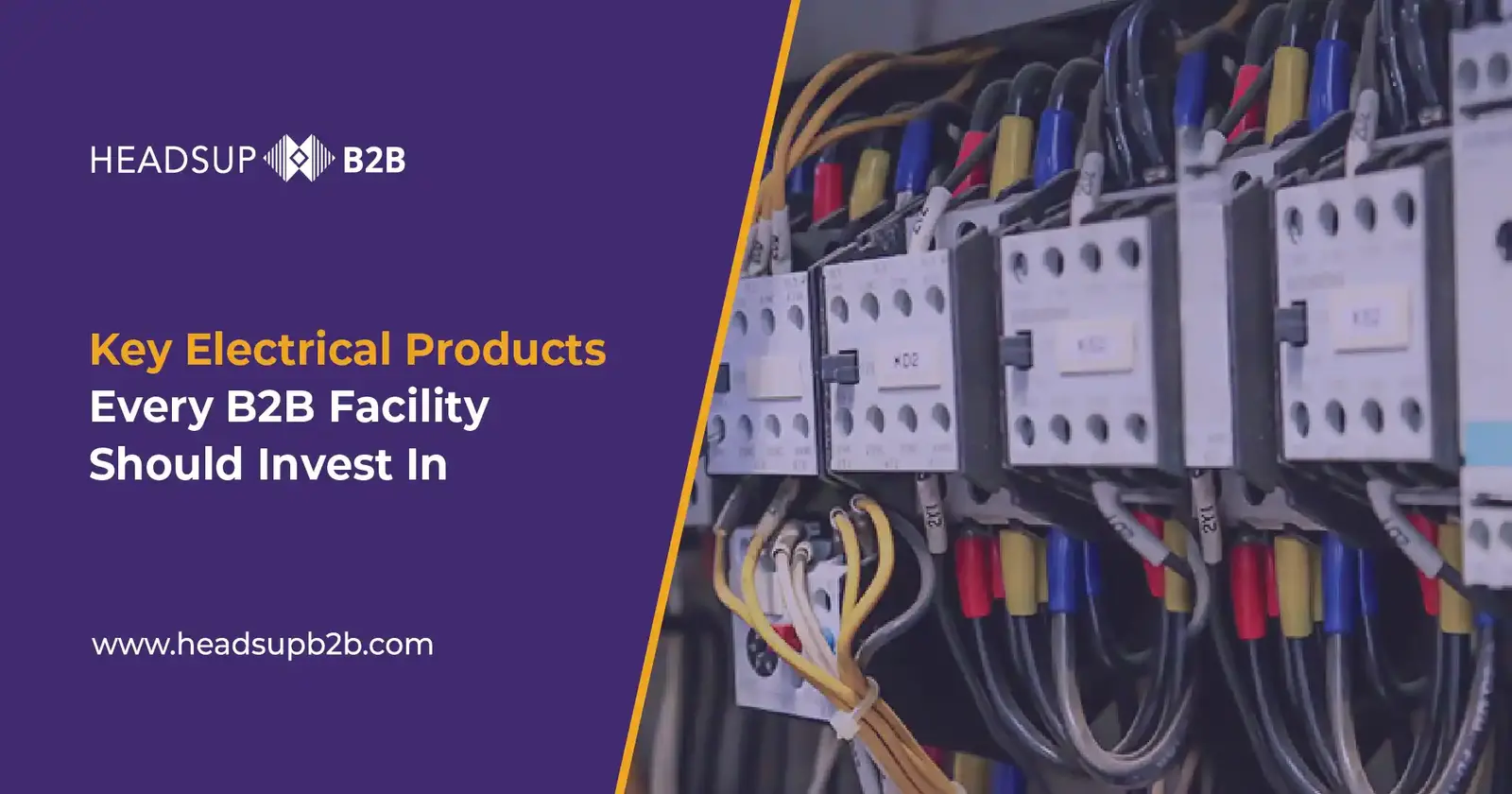
    Switchgear and circuit breakers are fundamental components of any electrical system. Switchgear is responsible for controlling, protecting, and isolating electrical equipment to ensure it functions correctly. Circuit breakers protect electrical circuits from overloads and short circuits.

    These products are crucial for any B2B operation as they prevent electrical fires, safeguard equipment, and avoid power outages. Properly choosing and maintaining switchgear and circuit breakers can significantly reduce the risk of electrical failures and damage.

    Cables and Wiring Systems

    Cables and wiring systems are the veins of an electrical infrastructure, transmitting energy from one point to another. They come in various types, such as power cables, control cables, and communication cables. Selecting the right cables ensures safety and performance, reducing risks of electrical hazards.

    The right wiring systems not only ensure smooth electrical distribution but also minimize energy loss and protect against fire hazards. Investing in high-quality cables and wiring systems tailored to your facility’s needs can increase longevity and reduce the likelihood of repairs.

    Control Panels and Automation Products

    Control panels are central to managing electrical systems within a facility. These panels monitor and control electrical distribution, making them essential for automating processes and maintaining system efficiency.

    Automation products, including programmable logic controllers (PLCs), help businesses streamline operations by reducing human intervention and improving accuracy. The benefits of control panels and automation systems include enhanced productivity, reduced human error, and lower energy consumption. For B2B operations, investing in these systems boosts both operational performance and cost savings.

    Safety and Protection Devices

    Safety should always be a top priority in any facility. Electrical systems can be dangerous if not properly protected. Safety devices like fuses, surge protectors, grounding equipment, and fire alarms protect employees and equipment from electrical hazards.

    Protection devices ensure that the system is automatically shut off in case of a fault, preventing fires, electrocution, or damage to machinery. By investing in safety devices, businesses can avoid significant risks and comply with safety regulations.

    Choosing Certified Electrical Products for Long-Term Reliability

    When investing in electrical products for your facility, certifications matter. Certified electrical products meet rigorous safety standards and are tested for durability and performance. Choosing certified products ensures that your facility is operating with high-quality, reliable equipment that can handle the demands of your operations.

    It’s essential to verify the certifications of electrical components before purchasing. Look for products with certifications from recognized agencies such as UL (Underwriters Laboratories) or CE (Conformité Européenne). These certifications indicate that the products are safe and reliable, meeting international standards.

    Explore Our Complete Range of B2B Electrical Products

    Looking to upgrade or expand your facility’s electrical system? Explore our complete range of B2B electrical solutions from circuit breakers to control panels. We offer high-quality, certified products that ensure long-term reliability and safety.

    Conclusion

    Investing in the right electrical products for your B2B facility is crucial for maintaining operational efficiency, safety, and long-term reliability. Essential products like switchgear, circuit breakers, cables, wiring systems, control panels, and safety devices all play a role in ensuring your facility runs smoothly.

    By choosing certified electrical products, you’ll safeguard your operations and comply with safety regulations. These products will not only improve efficiency but also reduce the risk of costly repairs and downtime.

    FAQs

    1. **Why are switchgear and circuit breakers so important?
      **Switchgear and circuit breakers protect electrical systems from overloads and short circuits, preventing damage and enhancing safety.

    2. **How can I ensure the safety of my electrical systems?
      **Regularly invest in safety and protection devices such as fuses, surge protectors, and grounding systems to prevent electrical hazards.

    3. **What is the role of control panels in B2B facilities?
      **Control panels monitor and manage electrical systems, improving automation and efficiency by reducing human intervention.

    4. **What certifications should I look for when buying electrical products?
      **Look for certifications like UL (Underwriters Laboratories) or CE (Conformité Européenne), which indicate that products meet international safety standards.

    5. **How do I choose the right wiring for my business?
      **Choose high-quality cables that suit your specific operational needs, ensuring safety, durability, and optimal performance.

  • How Integrated Electrical Solutions Reduce Downtime and Maintenance Costs?

    How Integrated Electrical Solutions Reduce Downtime and Maintenance Costs?

    In today’s competitive business landscape, minimizing downtime and controlling maintenance costs are critical to keeping operations running smoothly and efficiently. One effective way to achieve both is by adopting integrated electrical solutions. These systems are designed to work together seamlessly, improving reliability and reducing the need for costly repairs. In this article, we’ll explore how integrated electrical solutions can help your business minimize downtime and lower maintenance costs.

    What Are Integrated Electrical Solutions?

    Integrated electrical solutions refer to the combination of various electrical systems, components, and processes into a unified platform that allows for centralized control and monitoring. These systems are designed to optimize performance, streamline maintenance, and enhance overall reliability by ensuring that all electrical components work together efficiently.

    Businesses investing in modern electrical solutions for industrial operations gain better system visibility and long-term operational stability.

    With an integrated approach, businesses can better manage power distribution, monitor energy consumption, and quickly identify potential issues before they lead to system failures. The goal is to create a cohesive network where all electrical functions are interconnected, making the entire system more efficient and easier to manage.

    Common Causes of Electrical Downtime in Businesses

    Electrical downtime can have significant consequences for businesses, leading to production delays, increased costs, and lost revenue. Some of the most common causes of electrical downtime include:

    1. Equipment Failures: Over time, electrical components can degrade due to wear and tear, leading to unexpected breakdowns.

    2. Poor Maintenance Practices: Inadequate or irregular maintenance increases the likelihood of electrical failures, as issues are not addressed in a timely manner.

    3. Outdated Technology: Old or obsolete electrical systems are more prone to failures and are less efficient, leading to higher energy consumption and more frequent breakdowns.

    4. Power Surges and Fluctuations: Sudden spikes or dips in voltage can damage sensitive electrical equipment, causing downtime and costly repairs.

    How Integrated Systems Minimize Failures

    Integrated electrical systems offer several advantages that help reduce the likelihood of failures and minimize downtime. Here are some key ways integrated systems work to keep your operations running smoothly:

    Centralized Monitoring

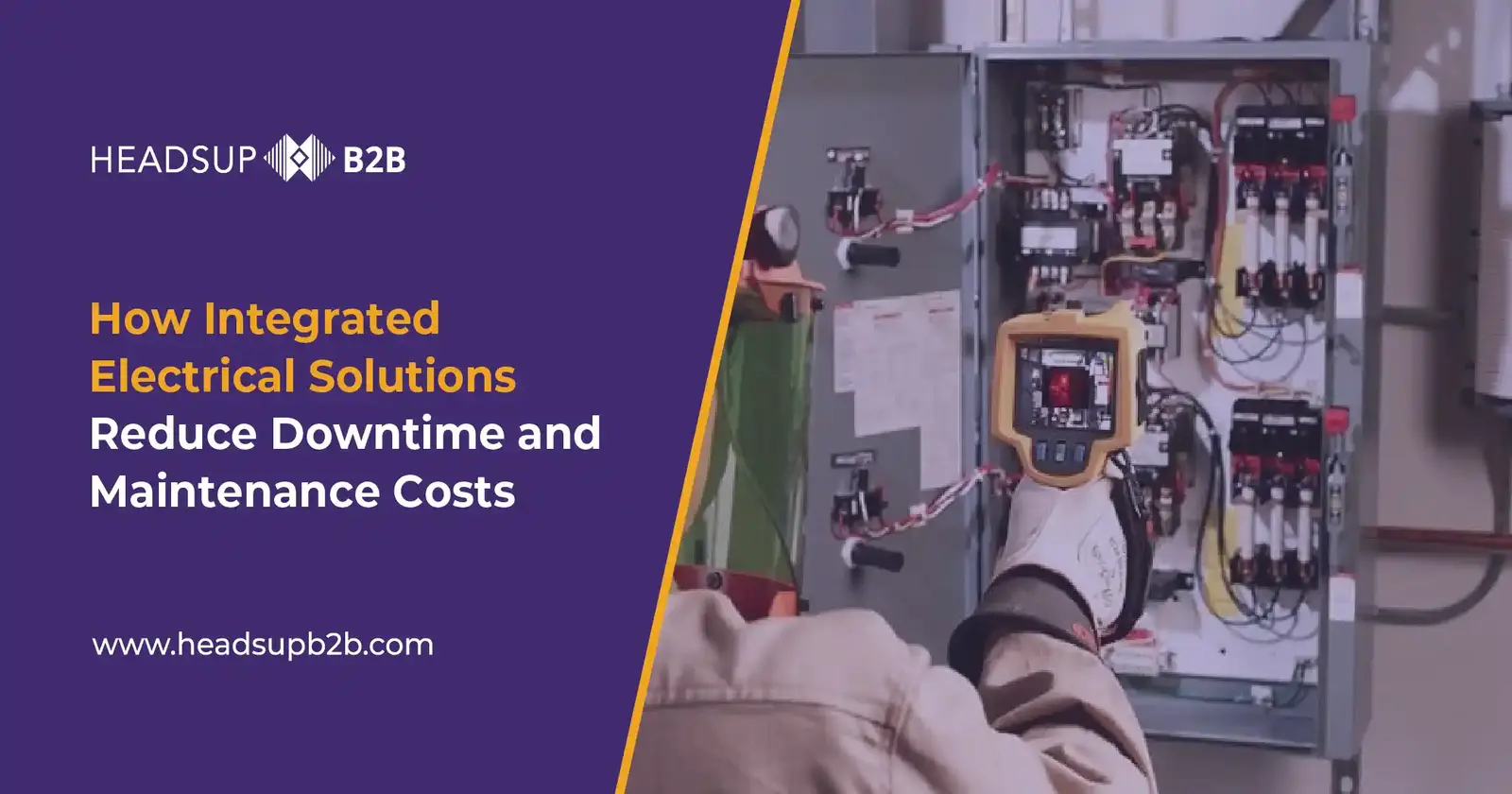
    With integrated electrical solutions, businesses can monitor all their electrical systems from a central location. This means that operators can track power usage, identify abnormalities, and take proactive measures before minor issues turn into major failures. Centralized monitoring allows for quick responses to potential problems, reducing the risk of downtime caused by electrical issues.

    Preventive Maintenance

    Integrated electrical solutions also enable businesses to implement preventive maintenance more effectively. By integrating sensors and diagnostic tools into the electrical system, businesses can gather real-time data on the condition of their equipment. This data can be used to schedule maintenance before a problem arises, ensuring that components are serviced regularly and reducing the likelihood of unplanned breakdowns.

    Faster Fault Detection

    Another key benefit of integrated systems is faster fault detection. With real-time monitoring and automated alerts, businesses can detect faults or performance issues as soon as they occur. This enables technicians to address the issue immediately, often before it escalates into a larger problem. The ability to quickly identify and fix faults significantly reduces the duration of downtime, helping businesses avoid costly disruptions.

    Cost-Saving Benefits for B2B Operations

    Adopting integrated electrical solutions can lead to significant cost savings for businesses in various industries. Here’s how:

    1. Reduced Maintenance Costs: With preventive maintenance and quicker fault detection, businesses can reduce the frequency and cost of repairs. Routine maintenance is typically less expensive than emergency repairs caused by unexpected system failures.

    2. Longer Equipment Lifespan: Integrated systems help prevent wear and tear by ensuring that components are functioning properly and efficiently. This prolongs the life of electrical equipment, reducing the need for costly replacements.

    3. Improved Energy Efficiency: Integrated electrical systems allow businesses to optimize their energy usage, reducing unnecessary consumption and lowering utility bills. This not only saves money but also makes the business more environmentally friendly.

    4. Minimized Downtime: By preventing major electrical failures and ensuring that issues are resolved quickly, integrated systems minimize downtime. This means fewer disruptions to operations, resulting in increased productivity and profitability.

    Upgrade to Integrated Electrical Solutions—Connect with Us Today

    Ready to reduce downtime and lower maintenance costs? Explore our complete range of advanced electrical solutions designed for modern businesses. Our team of experts can help you design and implement a system that meets your specific needs.

  • Industrial vs Commercial Electrical Solutions: What’s Best for Your Business?

    Industrial vs Commercial Electrical Solutions: What’s Best for Your Business?

    When it comes to powering your business, choosing the right electrical system is essential. Whether you’re operating in an industrial or commercial space, understanding the differences between these two electrical solutions can help you make the best choice for your operations. In this article, we’ll break down the key differences and guide you toward selecting the best solution for your needs.

    Understanding Industrial Electrical Solutions

    Industrial electrical systems are designed for heavy-duty operations. These systems are used in manufacturing plants, factories, and other large-scale industrial environments. Industrial electrical solutions are built to handle high-voltage, large equipment, and complex machinery. They are usually designed for continuous operations, with high load capacities and specialized power distribution.

    In industrial settings, the electrical systems must be able to support large motors, heavy machinery, and equipment that demand a significant amount of power. As a result, the infrastructure is more robust, with advanced safety measures to prevent potential hazards.

    Understanding Commercial Electrical Solutions

    Commercial electrical systems, on the other hand, are tailored for businesses such as office buildings, retail stores, restaurants, and small to medium-sized commercial spaces. These systems focus on the power needs for everyday operations, including lighting, heating, and smaller appliances.

    Commercial electrical solutions generally require lower power loads compared to industrial systems. They are designed for more straightforward, efficient use and focus on providing reliable electrical service for lighting, HVAC systems, and office equipment. These systems also have to meet safety and regulatory standards but are less complex than industrial setups.

    Key Differences Between Industrial and Commercial Electrical Systems

    Load Capacity

    Industrial electrical systems are designed to handle a higher load capacity than commercial systems. This is due to the demands of heavy machinery and equipment in industrial operations. The electrical systems need to provide more power, ensuring smooth operation without overloads or interruptions.

    Commercial electrical solutions, in contrast, are built for smaller, lighter equipment that requires less power. Offices and retail spaces typically have a lower demand for electricity, which makes commercial electrical systems more streamlined and easier to maintain.

    Safety Requirements

    Safety is a top priority in both industrial and commercial electrical systems, but the requirements can vary significantly. Industrial settings require advanced safety measures due to the risk of high-voltage equipment, hazardous environments, and heavy machinery. Specialized equipment such as circuit breakers, emergency shutoff systems, and regular inspections are common in industrial electrical setups.

    Commercial electrical systems also require safety measures, but they tend to be less complex. Standard safety equipment such as circuit breakers, fuses, and grounding systems are typically sufficient for smaller-scale operations. However, commercial systems still need to meet regulatory codes and standards to ensure the safety of workers and customers.

    Product Types

    In an industrial environment, electrical systems need to support specialized equipment such as industrial-grade motors, transformers, and control panels. These systems are designed to integrate with high-power tools and production machinery.

    Commercial electrical solutions are typically used to power more standard equipment, including lights, computers, and HVAC systems. The products used in commercial electrical setups tend to be off-the-shelf components that are easier to install and maintain.

    How to Choose the Right Electrical Solution for Your Business

    When deciding between industrial and commercial electrical solutions, it’s important to consider the specific needs of your business. Do you need to power large machinery and heavy equipment, or are you primarily concerned with lighting and office equipment?

    If your business involves manufacturing, production, or other heavy operations, an industrial electrical solution will likely be the best choice. These systems are designed to meet the high power demands and safety standards required for such environments. On the other hand, if you run an office, retail store, or small business with lower power needs, a commercial electrical system will be more than adequate.

    Always consult with a licensed electrical contractor or expert to assess your requirements and ensure that your electrical system is designed to meet both your current and future needs.

    Talk to Our Experts to Choose the Right Electrical Solutions

    Choosing the right electrical system for your business is crucial for long-term efficiency and safety. Contact our team of experts today to help you decide between industrial and commercial electrical solutions based on your unique business needs.

  • Why Choosing the Right Electrical Solutions Partner Matters for Your Business

    Why Choosing the Right Electrical Solutions Partner Matters for Your Business

    When it comes to maintaining and improving your business’s electrical systems, choosing the right electrical solutions partner can make all the difference. Your electrical systems play a crucial role in ensuring smooth operations, productivity, and safety. Therefore, partnering with the right B2B electrical provider is key to meeting your business needs efficiently and effectively. This article explores why selecting a reliable electrical solutions partner is essential for your company’s success.

    What Businesses Expect from Electrical Solutions Providers

    Businesses today expect their electrical solutions partners to be more than just suppliers of products and services. They want a partner who understands their specific needs, delivers tailored solutions, and ensures the highest standards of service. Here are some key expectations businesses have:

    • Expertise: Businesses rely on electrical solutions companies to provide expert advice, professional installation, and ongoing support for complex electrical systems.

    • Reliability: Businesses require consistent, dependable service to avoid downtime that can disrupt operations and lead to financial losses.

    • Cost-Effectiveness: Partnering with an electrical system supplier who offers competitive pricing without compromising on quality is crucial for maintaining business profitability.

    • Timely Support: Having access to quick troubleshooting and support when issues arise ensures business continuity.

    Risks of Choosing the Wrong Electrical Partner

    While a reliable electrical partner offers immense benefits, choosing the wrong one can lead to significant challenges. Here’s why getting the right fit matters:

    • Increased Downtime: Faulty installations or poor maintenance services can result in power outages or system failures that halt business operations.

    • Compliance Issues: Electrical systems must adhere to local and international regulations. An unreliable partner may not meet these standards, risking fines and damage to your business’s reputation.

    • Higher Long-Term Costs: A poor choice can lead to more frequent repairs, replacements, and system failures, all of which can add up over time, far outweighing the initial cost savings.

    • Safety Hazards: Incorrect installation or the use of substandard materials can cause safety risks, including electrical fires, which could potentially harm employees and damage your property.

    Key Qualities of a Reliable B2B Electrical Solutions Provider

    To avoid the risks associated with choosing the wrong electrical partner, it’s important to understand what qualities to look for in a reliable provider. Here are the key attributes that set a dependable B2B electrical solutions provider apart:

    Technical Expertise

    A knowledgeable electrical solutions partner should have in-depth technical expertise. This includes experience working with different electrical systems and the ability to design, install, and maintain custom solutions tailored to your business’s unique needs. Their technical team should be well-trained and capable of handling complex issues with precision.

    Product Range

    A trusted electrical solutions company should offer a wide range of products, from electrical components to advanced systems, ensuring that they can cater to all your business’s electrical needs. Having a diverse product portfolio helps ensure you can rely on them for any future upgrades or system expansions.

    Compliance and Certifications

    Choosing an electrical system supplier who complies with industry regulations is crucial for ensuring your business’s safety and legal compliance. A reliable provider will have the necessary certifications and follow all safety standards required by local and international authorities. This not only protects your business but also reduces the risk of penalties.

    Benefits of Long-Term Electrical Solutions Partnerships

    Building a long-term relationship with a dependable electrical solutions partner offers several advantages:

    • Cost Savings: Long-term partnerships can lead to discounted rates on products, services, and future projects, providing financial benefits over time.

    • Consistency and Reliability: A trusted partner who understands your systems and business needs will be more efficient at providing tailored solutions and preventive maintenance.

    • Proactive Problem Solving: With a long-term partner, you can expect proactive support and advice to prevent potential issues before they arise, reducing the risk of unexpected downtime or costly repairs.

    Partner with a Headsup B2B provider for complete electrical solutions.

    Choosing the right electrical solutions partner is more than just a decision—it’s an investment in the success and growth of your business. Ensure your electrical systems are in good hands by partnering with a B2B electrical provider who understands your needs and offers reliable, compliant, and cost-effective solutions.