Tag: electrical engineering

  • HT Power Cables: The Ultimate Guide for Engineers, Builders, and Tech Enthusiasts

    HT Power Cables: The Ultimate Guide for Engineers, Builders, and Tech Enthusiasts

    What are HT Power Cables?

    HT (High Tension) power cables are designed to carry electrical energy at high voltages, typically between 11kV and 132kV or even higher. These cables are the lifeline of industrial and urban infrastructure, transmitting electricity efficiently over long distances.

    Why HT Cables Matter in Modern Infrastructure?

    Without HT cables, cities would plunge into darkness, industries would grind to a halt, and transportation networks would collapse. They’re the silent workhorses making sure energy flows seamlessly — whether it’s powering a skyscraper, metro line, or manufacturing plant.

    Types of HT Power Cables

    Based on Voltage Classification

    • Medium Voltage (MV): Used for voltages between 1kV and 33kV, commonly in urban networks and industrial systems.

    • High Voltage (HV): Typically used for voltages from 33kV to 132kV, ideal for interconnecting substations and bulk power transfer.

    • Extra High Voltage (EHV): Used for voltages above 132kV. These cables are reserved for long-distance transmission and high-load applications.

    Based on Insulation Material

    • XLPE Cables (Cross-Linked Polyethylene): Known for high thermal and electrical resistance, making them ideal for modern installations.

    • PVC Cables (Polyvinyl Chloride): Cheaper, but less efficient and durable than XLPE.

    • Oil-Filled Cables: Older technology using oil as insulation; now mostly used in legacy systems.

    Key Components of HT Power Cables

    • Conductors: Usually made of aluminum or copper, the core of the cable that carries current.

    • Insulation: Surrounds the conductor, preventing electrical leakage. XLPE and PVC are the most common.

    • Metallic Shielding: Prevents electromagnetic interference (EMI) and ensures safety during faults.

    • Outer Sheath: Protects the entire cable from mechanical damage, moisture, and environmental hazards.

    Technical Specifications of HT Cables

    • Voltage Rating: Indicates the maximum voltage the cable can safely carry.

    • Current Carrying Capacity: The ampacity — or how much current the cable can safely conduct without overheating.

    • Temperature Resistance: HT cables must withstand high temperatures due to the electrical load and external environment.

    • Bending Radius: Defines the flexibility of the cable during installation. Tighter bends risk damaging the insulation.

    Applications of HT Power Cables

    • Power Generation Plants: Connect turbines and generators to the grid or transformers.

    • Substations and Distribution Networks: Serve as the veins of electrical distribution, linking major components.

    • Industrial Complexes: Support high-load machinery and processes, critical in factories and refineries.

    • Infrastructure Projects (Rail, Metro, Airports): Enable power delivery across large, energy-hungry infrastructure zones.

    Conclusion

    HT Power Cables are the unsung heroes behind the smooth, uninterrupted flow of electricity across industries, cities, and massive infrastructure. From factories to metro lines, these cables keep everything running with efficiency and safety.

    Understanding the right type of HT cable, its specifications, and safe installation practices isn’t just important — it’s essential. Whether you’re an electrical engineer designing power layouts or a builder working on large-scale infrastructure, investing time and resources in the right cable solution can save millions down the line.
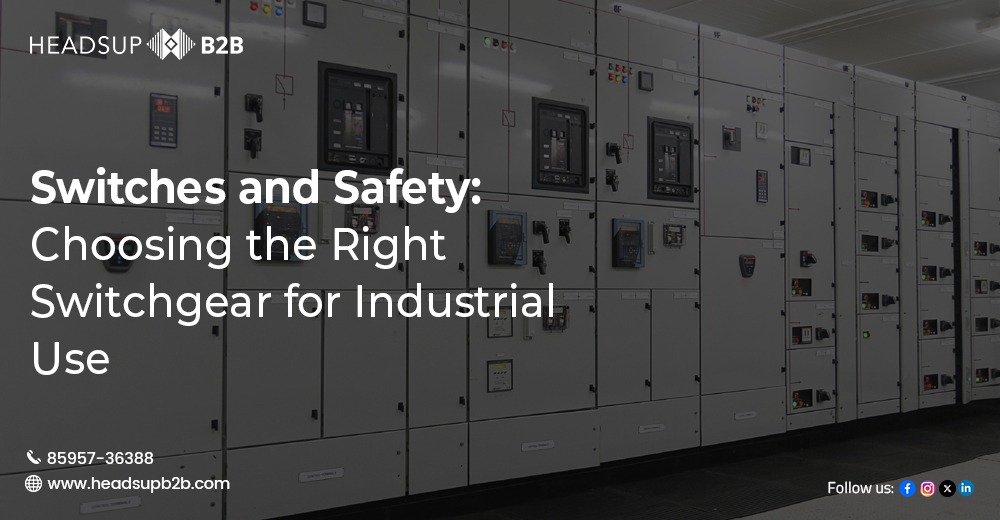
  • Switches and Safety: Choosing the Right Switchgear for Industrial Use

    Switches and Safety: Choosing the Right Switchgear for Industrial Use

    In the heart of every industrial operation lies a network of wires, cables, and switches. To control and distribute electrical power in all these components, switchgear plays a crucial role. It silently ensures the electrical system’s smooth flow of electricity, safety, and efficiency. But within this complicated and competitive market, choosing the right switchgear is the most challenging task.

    Thomas Edison famously said, “The three great essentials to achieving anything worthwhile are, first, hard work; second, stick-to-itiveness; and third, common sense.” In industrial operations, this common sense translates into selecting the optimal switchgear for the project.

    Headsup B2B is an online platform that offers easy and seamless procurement of switchgear and other materials to buyers. We ensure quality and reliable services by connecting potential customers with reputable switch suppliers.

    So, as a leading and reliable procurement platform online, the professionals of Headsup B2B are here to help you with reliable products and the right selection process. In this blog, we’ll discuss some key points for selecting the right switchgear for industrial use.

    What is Switchgear and Its Components?

    Electrical equipment that is connected to electric supply systems and protects the circuit by cutting currents during unusual operating situations is known as switchgear.

    Switchgear Components

    It consists of two parts: control systems and power-conducting systems. The primary function of switchgear components is to de-energise the electric setup for routine maintenance and repairs. The most prevalent switchgear components are relays and fuses. It avoids excessive damage to the equipment in the event of a short circuit by limiting the current flow to safe levels.

    Types of Switchgear: (MCBs)

    There are three main types of switchgear:

    Low Voltage Switchgear (LV)

    Low-(MCBs), voltage switchgear, or LV switchgear, is the term for power systems that handle up to 1 KV. Switches, LV circuit breakers, HRC fuses, EL circuit breakers, unloaded electrical isolators, MCBs, and moulded case circuit breakers (MCCBs) are among the devices in this category.

    Medium Voltage Switchgear(MV)

    The power system known as MV (medium voltage switchgear) handles voltages up to 36 kV. These come in several varieties, such as outdoor variants without metal enclosures and indoor and outdoor ones with metal enclosures, among others. Substation devices such as minimum oil CBs, bulk oil CBs, gas-insulated SF6, air magnetic, gas-insulated hoovers, etc. are examples of this type of equipment.

    High-Voltage Switchgear (HV)

    HV (high voltage) switchgear is the term for power systems that handle voltages higher than 36 KV. Because of the highly active switching, arcing will occur as the voltage level increases. Therefore, pay more attention when constructing this equipment. The high-voltage (HV) circuit breaker is the primary part of this apparatus.

    How to Select the Right Switchgear for Industrial Needs

    Know your needs

    Before starting your selection process of switch suppliers, evaluate your system. Check the amount of power it needs, types of load, duty cycle and voltage level. Also consider reduction factors like environment, installation height, ambient air temperature, etc. It will help you shortlist the products that meet your specific needs.

    Safety

    When handling medium-voltage equipment, safety must come first. Search for switchgear suppliers that comply with applicable safety requirements and standards.

    Cost and Lifecycle Consideration

    Although it should not be the only determining factor, cost is a significant concern. Examine the complete life cycle costs and the switchgear’s anticipated service life, maintenance expenses, and initial investment.

    Buy from the Reliable Switch Suppliers

    Since medium-voltage switchgear is an expensive purchase, dependability and durability are essential. So, Headsup B2B connects buyers with reliable switch suppliers. We also ensure the reputation of the equipment’s quality. Seek a track record of success, sturdy construction, and dependable parts.

    Ecological Consideration

    The significance of sustainability and environmental effects is growing. Seek out switch suppliers that encourage energy efficiency and conform to environmental requirements.

    Role of Headsup B2B in Making Selection and Procurement of Switchgear Easy

    Comprehensive Catalogue

    Headsup B2B boasts an extensive catalogue of switchgear options, catering to various industrial needs. From low voltage to high voltage, we will assist you with everything. Our team of experts will ensure that you find the perfect fit for your specific requirements.

    User-friendly Platform

    With Headsup B2B, navigating the platform is as easy as flipping a switch. Our user-friendly interface makes browsing simple. So, easily compare and select the ideal switchgear solution.

    Expert’s Guidance

    Our team will provide the right guidance and assistance. Whether you’re a seasoned professional or new to industrial procurement, Headsup B2B is here to help you make informed decisions every step of the way.

    Reliable and Trusted Switchgear Suppliers

    At Headsup B2B, transparency is key. Our platform has the most authentic and reliable switchgear suppliers. From quality to cost-effectiveness, you can trust Headsup B2B for the best procurement services.

    So, what are you waiting for? Switch to Headsup B2B today and experience the seamless procurement process from the most reliable switchgear suppliers.