Welcome to the blog post for Headsup B2B, an online and trusted platform for sourcing electrical conduit fittings. This blog post is about the conduit fittings, their installation, and safety measures during installation. So, let’s begin with the introduction.
Introduction
When designing electrical wiring for a home, an electrical engineer or electrician uses several related components, such as distribution boards, switches, and outlets, but they must also choose the kind of wiring to employ. The most prevalent kind of wiring used in contemporary homes is nonmetallic cable, which consists of two or more independent wires at minimum that are covered in a plastic sheath for protection. Therefore, it’s crucial to choose the appropriate electrical conduit and wire type. This electrical conduit offers sufficient shielding against damage to the wiring. Thus, an overview of electrical conduit fittings, their varieties, and their uses is covered in this article.
Definition of Conduit
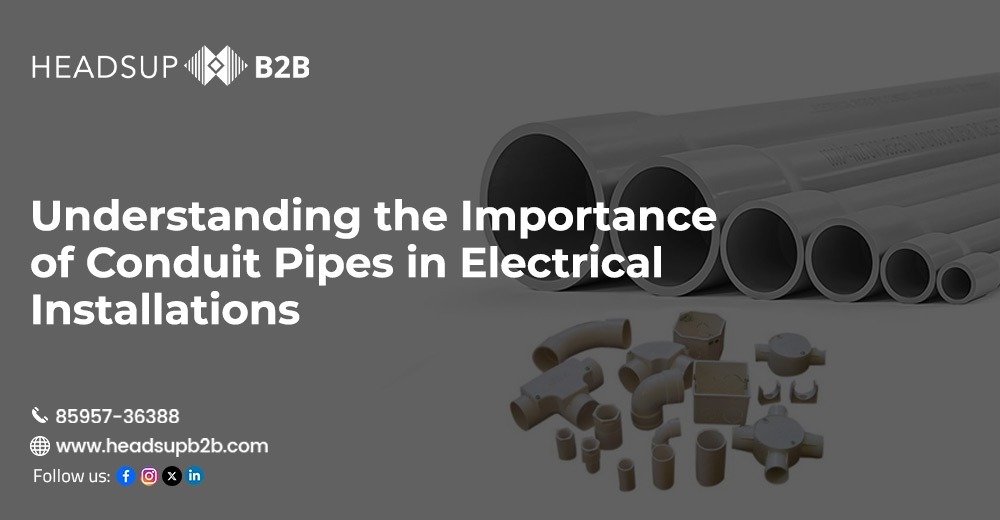
A metal or plastic pipe that electrical wires run through is called an electrical conduit. Conduit, which can be rigid or flexible, is used to protect cables in exposed regions (such as along the outside surface of a wall), unfinished spaces (including basements, crawlspaces, and attics), and outdoor surface-mounted installations.
How does an Electrical Conduit Work?
The way the electrical conduit functions is by sufficiently guarding against electrocution for houses and other structures. Conduits typically enable the safe passage of multiple wires through a single pipe. When rewiring a home or running a wire manually for electricity, it is appropriate to use an electrical conduit.
There are requirements for installing conduits, so we must confirm the construction codes and regulations before using an electric conduit. Conduits are typically built from a variety of materials, such as fibre, metal, plastic, or burned clay, depending on the needs. At the location where electrical equipment is installed, engineers or electricians install it.
Types of Electrical Conduit Fittings
Electrical conduit fittings come in several varieties and are frequently used in both residential and commercial structures. They are
-
Electrical metallic tubing.
-
Intermediate Metal Conduit.
-
Flexible Metal Conduit.
-
Liquid-tight flexible metal.
-
Rigid metal conduit.
-
Electrical non-metallic tubing.
-
Rigid PVC conduit.
When should I use Conduit fittings for Electrical Wiring?
Anytime electrical cables are buried or exposed in houses or other structures, electrical conduits are utilised. Therefore, exposed electrical wires need to be protected from various environmental factors such as moisture, dust, weather, intense heat, cold, etc., and people need to be protected from the possibility of electric shock. Therefore, knowing how to establish, manage, and safeguard electrical cables through the use of an engineer or electrician is crucial.
Hence, the conduit’s primary function is to protect the electrical wire found in residences, workplaces, buildings, etc. For the most part, when installing electrical wiring inside walls or ceilings of homes, conduit is not needed.
Benefits of Conduit Fittings
The following are some benefits of using electric conduit:
-
These electrical setups are watertight.
-
It looks good.
-
Prolonged life.
-
It is possible to change.
-
Conduits made of PVC are extremely resistant to corrosion.
-
Fire cannot possibly occur here.
-
It always does the same thing.
-
It is a well-known and powerful system.
-
Defence against electric shock.
-
Simple upkeep.
-
If cables become broken, they are simple to repair.
-
It offers defence against substances like moisture and chemicals.
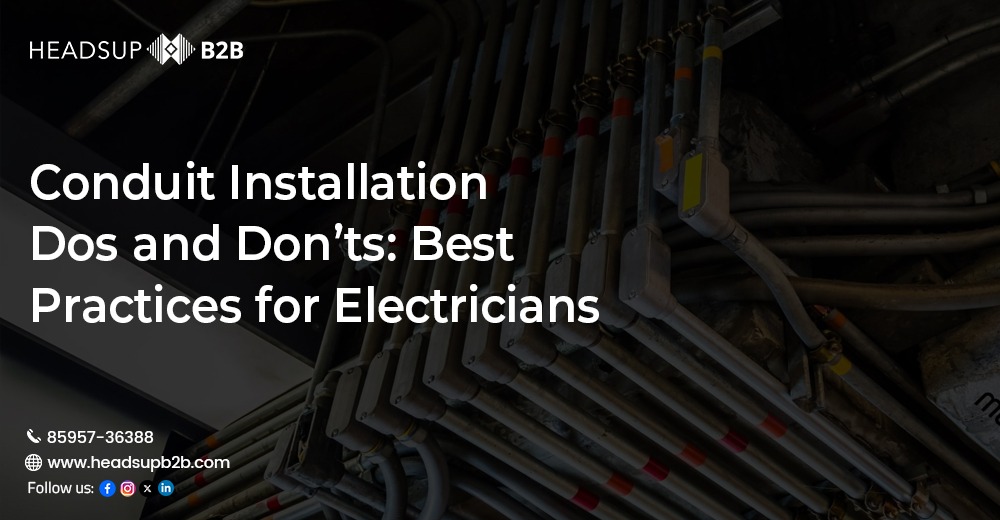
During the Installation of Electrical Conduit Fittings, the Following Should Be done
Plan the Layout
The layout of the conduit should be done in such a way that it can be achieved an amount, ess amount and as many bends as possible should be eliminated.
Follow Codes
It is also advisable to stick to the regional electrical code and practices to avoid violating them and putting the lives of people at risk.
Use Proper Tools
Be keen on the right tools to use when cutting, bending, or threading conduits in order not to damage them.
Secure Conduits
Make sure that conduits are firmly secured with really appropriate clamps and brackets so that they cannot move or sag.
Deburr Edges
Trim the ends of the cut conduit fittings to reduce the chances of the wire getting damaged by wrinkling.
Check Connections
Check that all the conduits’ joints are neat and tight for good grounding from one point to the next.
Label Conduits
Label conduit fittings with the circuit or area served to allow for easy identification by both the user and for maintenance purposes.
Use Conduit Fill Calculator
One should use a conduit fill calculator to ensure that unnecessary overfilling of the conduit with wires does not occur.
Allow for Expansion
Concerning thermal expansion and contraction, expansion fittings should be brought into consideration where necessary.
Inspect for Damage
Before placing the conduits and fittings, repair all the accessible ones for damage.
What to Avoid During Installation of Electrical Conduit Fittings
Electrical conduits are additional components that serve as the pathways for electrical wires. When installing electrical conduit fittings, the for times are some things to avoid:
Avoid sharp bends
Do not make acute angles, particularly in conduit fittings, as this leads to damage to the wires, besides making pulling a nightmare.
Don’t Overload Conduit
Do not put too many wires in the conduit so that they do not get too hot and be the cause of fire.
Skip Grounding
Ensure you discharge the conduit system at all times; it is very important for the safety of the workers.
Use Damaged Conduits
Do not fit conduits that are ripped or those that have signs of corrosion in the system since their existence is punishable by law.
Forget Seals
Make sure you obtain sealing fittings for the hazardous locations to avoid the penetration of flammable gases into the equipment.
Ignore manufacturer instructions
Fittings and conduits do not mean that one should overlook the manufacturer’s suggestions, as they contain crucial information.
Improper Cutting
Do not cut conduits without accurately measuring them; this may result in waste and improper fitting.
Leave Exposed Ends
One must avoid exposure of conduits at the end to moisture and dust accumulation; the best way is to ensure that they are protected either by end caps or bushings.
Why Choose Headsup B2B for Conduit Fittings?
Headsup B2B is a well-known online platform that makes the sourcing of conduit fittings easy and more convenient. Our platform has a wide range of conduit fittings and other products at the most reasonable prices. Headsup B2B has the most trustworthy and prominent conduit fitting manufacturers, and we also provide necessary details and guidance during the selection and procurement process. So, visit Headsup B2B now and place your order to enjoy a hassle-free procurement process.