Tag: Commercial Electrical Solutions

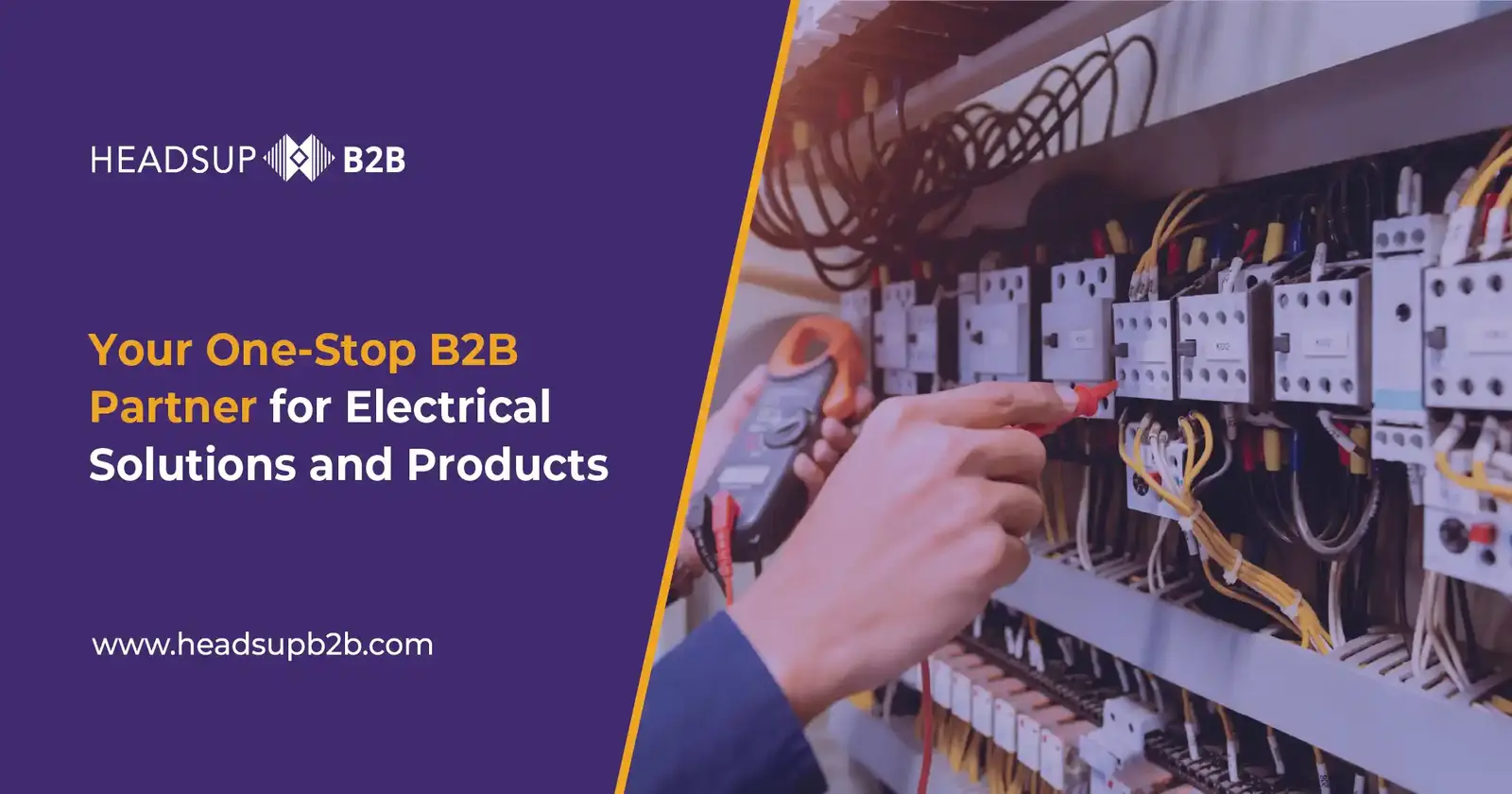
  • Your One-Stop B2B Partner for Electrical Solutions and Products

    Your One-Stop B2B Partner for Electrical Solutions and Products

    In fast-moving industrial and commercial environments, businesses need electrical partners they can rely on for quality, speed, and technical expertise. Managing separate vendors for equipment, installation, maintenance, and upgrades often leads to delays, higher costs, and coordination issues.

    That’s why many organizations prefer working with a single end-to-end B2B electrical partner who can handle everything in one place.

    A one-stop electrical solutions provider simplifies procurement, improves execution, and ensures consistent quality across every stage of work.

    What Does a One-Stop Electrical Partner Offer?

    A complete B2B electrical partner supports businesses throughout the full lifecycle of their electrical requirements.

    1. Electrical Products Supply

    Businesses get access to a wide range of certified and industry-grade products such as:

    • Industrial cables and wiring systems

    • Switchgear and control panels

    • Transformers and power distribution equipment

    • Commercial and industrial lighting systems

    • Electrical safety and protection devices

    Working with a single supplier ensures compatibility, standardized quality, and faster sourcing.

    2. Turnkey Electrical Solutions

    Beyond products, businesses need reliable technical execution. A full-service partner provides:

    • Electrical system design and planning

    • Load assessment and power optimization

    • Installation and commissioning

    • Integration with existing infrastructure

    If you’re looking for a complete portfolio of services covering design, supply, installation, and lifecycle support, you can review our full range of B2B electrical solutions designed for industrial and commercial needs.

    3. Maintenance and After-Sales Support

    Electrical systems require regular servicing to maintain performance and safety. A dependable partner offers:

    • Preventive maintenance programs

    • Emergency repair services

    • System audits and inspections

    • Spare parts and asset support

    This reduces downtime and extends equipment lifespan.

    4. Upgrades and Modernization

    As technology advances, electrical infrastructure must keep pace. A dedicated partner supports businesses with:

    • Energy-efficient system upgrades

    • Smart automation integration

    • Power backup and redundancy planning

    • Safety and compliance upgrades

    This keeps operations reliable and future-ready.

    Why Businesses Prefer a Single Electrical Partner

    Faster Project Execution

    Coordinating multiple vendors often leads to delays. A unified partner streamlines timelines and improves accountability.

    Cost Efficiency

    Bulk procurement, lower logistics overhead, and bundled service contracts reduce total project costs.

    Consistent Quality Standards

    Working with one provider ensures uniform materials, installation standards, and safety practices.

    Simplified Vendor Management

    One contract, one contact point, and one service team make operations easier for procurement and facility managers.

    Technical Expertise

    Experienced electrical partners bring industry knowledge, regulatory awareness, and engineering support that reduce project risks.

    Industries That Benefit Most

    A one-stop B2B electrical partner adds value across sectors such as:

    • Manufacturing and heavy industry

    • Construction and infrastructure projects

    • Commercial real estate and business parks

    • Hospitals and healthcare facilities

    • Data centers and IT parks

    • Energy and utilities

    These industries depend on uninterrupted, safe, and efficient power systems.

    Choosing the Right Electrical Solutions Partner

    When selecting a B2B electrical partner, businesses should look for:

    • Proven industry experience

    • Broad product portfolio

    • Certified quality standards

    • Skilled engineering team

    • Reliable after-sales support

    • Transparent pricing and contracts

    A partner that combines products, expertise, and dependable service delivers long-term value.

    The Strategic Advantage

    Electrical infrastructure supports every critical business operation. Treating it as a strategic investment rather than a routine expense improves productivity, safety, and scalability.

    A one-stop electrical partner doesn’t just supply equipment. They support business continuity, optimize energy use, and help organizations scale with confidence.

    Conclusion

    Managing electrical requirements through multiple vendors slows progress and increases complexity. A single B2B partner offering end-to-end electrical solutions and products gives businesses better control, faster execution, and dependable performance.

    For organizations aiming to improve efficiency and reduce operational friction, partnering with a trusted electrical solutions provider is a smart move.

    FAQs

    What are B2B electrical solutions?

    B2B electrical solutions include products and services built for industrial and commercial businesses, covering system design, equipment supply, installation, and maintenance.

    Why should businesses choose a one-stop electrical solutions provider?

    Working with a single provider reduces vendor coordination issues, speeds up project timelines, maintains consistent quality, and lowers overall operating costs.

    What products are included in industrial electrical solutions?

    These solutions usually cover cables, switchgear, control panels, transformers, power distribution systems, lighting solutions, and electrical safety devices.

    Do electrical solution providers offer installation and maintenance services?

    Yes. Full-service providers manage design, installation, commissioning, preventive maintenance, repairs, and system upgrades.

    Which industries benefit most from B2B electrical solutions?

    Manufacturing, construction, commercial real estate, healthcare facilities, data centers, infrastructure projects, and energy utilities depend heavily on professional electrical solutions.

  • Industrial vs Commercial Electrical Solutions: What’s Best for Your Business?

    Industrial vs Commercial Electrical Solutions: What’s Best for Your Business?

    When it comes to powering your business, choosing the right electrical system is essential. Whether you’re operating in an industrial or commercial space, understanding the differences between these two electrical solutions can help you make the best choice for your operations. In this article, we’ll break down the key differences and guide you toward selecting the best solution for your needs.

    Understanding Industrial Electrical Solutions

    Industrial electrical systems are designed for heavy-duty operations. These systems are used in manufacturing plants, factories, and other large-scale industrial environments. Industrial electrical solutions are built to handle high-voltage, large equipment, and complex machinery. They are usually designed for continuous operations, with high load capacities and specialized power distribution.

    In industrial settings, the electrical systems must be able to support large motors, heavy machinery, and equipment that demand a significant amount of power. As a result, the infrastructure is more robust, with advanced safety measures to prevent potential hazards.

    Understanding Commercial Electrical Solutions

    Commercial electrical systems, on the other hand, are tailored for businesses such as office buildings, retail stores, restaurants, and small to medium-sized commercial spaces. These systems focus on the power needs for everyday operations, including lighting, heating, and smaller appliances.

    Commercial electrical solutions generally require lower power loads compared to industrial systems. They are designed for more straightforward, efficient use and focus on providing reliable electrical service for lighting, HVAC systems, and office equipment. These systems also have to meet safety and regulatory standards but are less complex than industrial setups.

    Key Differences Between Industrial and Commercial Electrical Systems

    Load Capacity

    Industrial electrical systems are designed to handle a higher load capacity than commercial systems. This is due to the demands of heavy machinery and equipment in industrial operations. The electrical systems need to provide more power, ensuring smooth operation without overloads or interruptions.

    Commercial electrical solutions, in contrast, are built for smaller, lighter equipment that requires less power. Offices and retail spaces typically have a lower demand for electricity, which makes commercial electrical systems more streamlined and easier to maintain.

    Safety Requirements

    Safety is a top priority in both industrial and commercial electrical systems, but the requirements can vary significantly. Industrial settings require advanced safety measures due to the risk of high-voltage equipment, hazardous environments, and heavy machinery. Specialized equipment such as circuit breakers, emergency shutoff systems, and regular inspections are common in industrial electrical setups.

    Commercial electrical systems also require safety measures, but they tend to be less complex. Standard safety equipment such as circuit breakers, fuses, and grounding systems are typically sufficient for smaller-scale operations. However, commercial systems still need to meet regulatory codes and standards to ensure the safety of workers and customers.

    Product Types

    In an industrial environment, electrical systems need to support specialized equipment such as industrial-grade motors, transformers, and control panels. These systems are designed to integrate with high-power tools and production machinery.

    Commercial electrical solutions are typically used to power more standard equipment, including lights, computers, and HVAC systems. The products used in commercial electrical setups tend to be off-the-shelf components that are easier to install and maintain.

    How to Choose the Right Electrical Solution for Your Business

    When deciding between industrial and commercial electrical solutions, it’s important to consider the specific needs of your business. Do you need to power large machinery and heavy equipment, or are you primarily concerned with lighting and office equipment?

    If your business involves manufacturing, production, or other heavy operations, an industrial electrical solution will likely be the best choice. These systems are designed to meet the high power demands and safety standards required for such environments. On the other hand, if you run an office, retail store, or small business with lower power needs, a commercial electrical system will be more than adequate.

    Always consult with a licensed electrical contractor or expert to assess your requirements and ensure that your electrical system is designed to meet both your current and future needs.

    Talk to Our Experts to Choose the Right Electrical Solutions

    Choosing the right electrical system for your business is crucial for long-term efficiency and safety. Contact our team of experts today to help you decide between industrial and commercial electrical solutions based on your unique business needs.