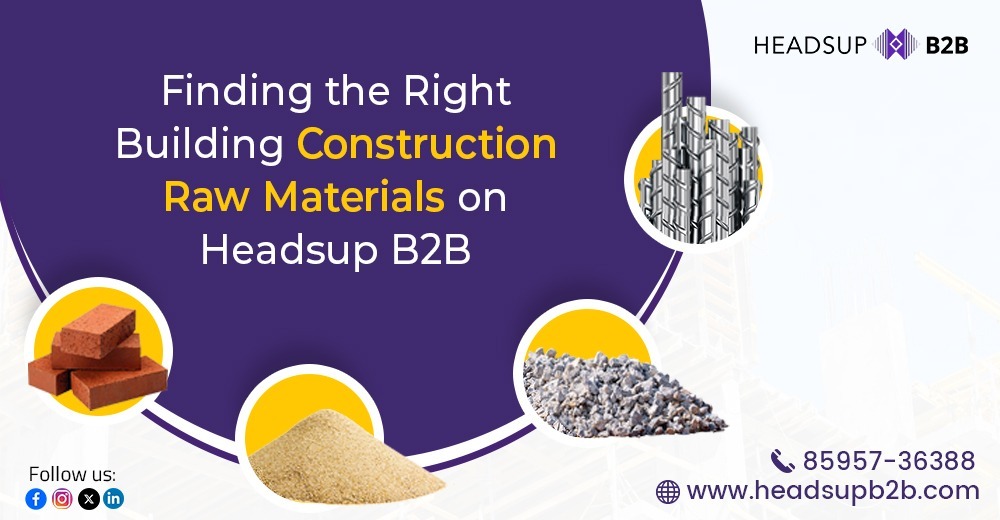
When embarking on a construction project, selecting the right building construction solutions is critical to ensuring the project’s success. Whether you’re working on residential, commercial, or industrial structures, the quality, cost-effectiveness, and sustainability of the solutions you choose will have a direct impact on the overall outcome. With a multitude of options available, ranging from materials to construction methods and technologies, the decision-making process can be overwhelming. This guide will walk you through key considerations and strategies to help you choose the best construction solutions that align with your project’s goals, budget, and long-term vision. By evaluating factors like durability, environmental impact, timelines, and the latest innovations in construction, you can make informed decisions that set the foundation for a successful build.
What Are Building Construction Solutions?
Building construction solutions refer to the wide range of methods, materials, technologies, and services used to build or renovate structures. These can range from traditional brick-and-mortar approaches to modern, sustainable, and modular systems.
Why Choosing the Right One Matters?
Making the wrong choice can lead to delayed timelines, bloated budgets, safety issues, and even legal problems. Choosing the right construction solution sets the foundation—literally and figuratively—for your project’s success.
Understanding Your Construction Needs
Residential vs Commercial Projects
First things first: What kind of structure are you building?
- Residential projects (like homes or apartments) require a different approach than
- Commercial projects (such as offices, retail stores, or warehouses).
The design, materials, timeline, and even regulations can differ significantly.
New Builds vs Renovations
Renovating an existing structure involves working around existing systems, walls, and limitations. New builds offer a blank canvas but come with their own complexities like land prep, zoning, and utility connections.
Choosing the Right Construction Method
Traditional Construction
The time-tested method of building from the ground up using concrete, Metal steel, or wood frames. It’s durable and familiar but often slower and more labor-intensive.
Modular and Prefabricated Solutions
Think Lego blocks. Sections of the building are made off-site and then assembled on-site. It’s faster and often cheaper—plus, weather delays are reduced.
Green Building Technologies
Want to go eco-friendly? Consider:
- Solar panels
- Rainwater harvesting
- Insulated concrete forms (ICFs)
- LEED-certified systems
These not only reduce your carbon footprint but can also lower utility bills in the long run.
Evaluating Construction Companies
Experience and Expertise
Would you hire a newbie to build your dream home? Probably not. Look for:
- At least 5–10 years in the business
- Relevant project experience
- Specialized skills (e.g., green building or smart tech)
Certifications and Licenses
Always ask to see:
- Business licenses
- Insurance coverage
- Safety certifications
- Any industry-specific accreditations
Portfolio and Past Projects
A good contractor will be proud to show off their work. Ask to tour past projects or view a digital portfolio. Pay attention to quality, style, and attention to detail.
Importance of Project Management
Role of a Project Manager
This person is your construction quarterback—coordinating teams, timelines, and materials. They keep everything on track and should be your main point of contact.
Tools and Software Used
Modern project managers use tools like:
- Procore
- Buildertrend
- Microsoft Project
These platforms offer real-time updates and document sharing, keeping you in the loop 24/7.
Quality of Materials
Durable vs Cost-Effective Choices
Everyone wants the best deal, but skimping on materials can lead to long-term costs in repairs and replacements. Strike a balance between:
- Quality
- Longevity
- Budget
Sustainable Materials
Want to make an eco-conscious decision? Go for:
- Bamboo flooring
- Recycled steel
- Low-VOC paints
- Reclaimed wood
These choices help the planet and can boost your building’s value.
Legal and Regulatory Compliance
Local Building Codes
Every city and town has its own rules. Make sure your contractor is familiar with the local regulations, or your project could be delayed—or worse, torn down.
Permits and Approvals
From zoning permits to environmental approvals, the red tape can be thick. A good builder helps you navigate the bureaucracy and stay compliant.
Safety Standards
Construction Site Safety Measures
A safe site is a productive site. Make sure your builder follows:
- OSHA standards
- Regular safety audits
- Proper signage and barriers
Worker Insurance and Liability
You don’t want to be liable if someone gets hurt. Ensure the company has worker’s compensation insurance and liability coverage.
Timeline and Project Delivery
Importance of Deadlines
Time is money. A professional builder sets clear milestones and sticks to them.
Handling Delays Efficiently
Delays happen. What matters is how they’re handled. Look for:
- Transparent communication
- Backup plans
- Flexibility in scheduling
Communication and Transparency
Client-Builder Interaction
You should never feel left in the dark. A good company:
- Offers regular check-ins
- Responds to questions promptly
- Updates you proactively
Real-Time Updates and Reports
Using cloud-based systems, you can access:
- Photos of progress
- Budget usage
- Upcoming tasks
All in real-time from your phone or laptop.
Innovation and Technology in Construction
Use of Drones, AI, and 3D Printing
The future is now. These tools:
- Improve accuracy
- Reduce human error
- Speed up construction
Smart Construction Monitoring
Sensors can track moisture, temperature, and movement—preventing costly damage before it happens.
Customer Reviews and Reputation
Online Reviews and Ratings
Google, Yelp, and social media are your best friends. Look for:
- Positive trends
- How complaints are handled
- Authentic, verified reviews
Word-of-Mouth Recommendations
Ask friends, family, or colleagues. A recommendation from someone you trust is often worth more than any online ad.
After-Construction Support
Maintenance Services
Ask if they offer post-construction services like:
- HVAC maintenance
- Plumbing checks
- Routine inspections
Warranty and Support
Make sure you get a written warranty covering:
- Structural integrity
- Workmanship
- Materials
Final Decision-Making Tips
Comparing Quotes
Don’t just go with the cheapest option. Compare:
- Services offered
- Materials used
- Timeline commitments
Trusting Your Gut
If something feels off, it probably is. You’re trusting someone with a major investment—choose someone who gives you confidence.
Conclusion
Choosing the best building solution isn’t just about bricks and aggregates—it’s about trust, planning, communication, and vision. Whether you’re building your dream home or launching a commercial venture, taking the time to choose the right solution will save you from a world of stress later. Remember, don’t rush the process—own it. Your future space depends on it.
FAQs
1. What is the most cost-effective construction method?
Modular and prefabricated construction is often the most cost-effective, especially for smaller projects.
2. How do I know if a construction company is reliable?
Look at their portfolio, certifications, online reviews, and ask for references. Transparency is a good sign.
3. Is modular construction better than traditional?
It depends. Modular is faster and often cheaper, but traditional offers more flexibility in design and materials.
4. How can I ensure my project stays within budget?
Set clear expectations, get a detailed quote, and keep a 10-15% buffer for unexpected costs.
5. What’s the most common mistake in choosing construction solutions?
Choosing based solely on price without checking quality, experience, or reputation.