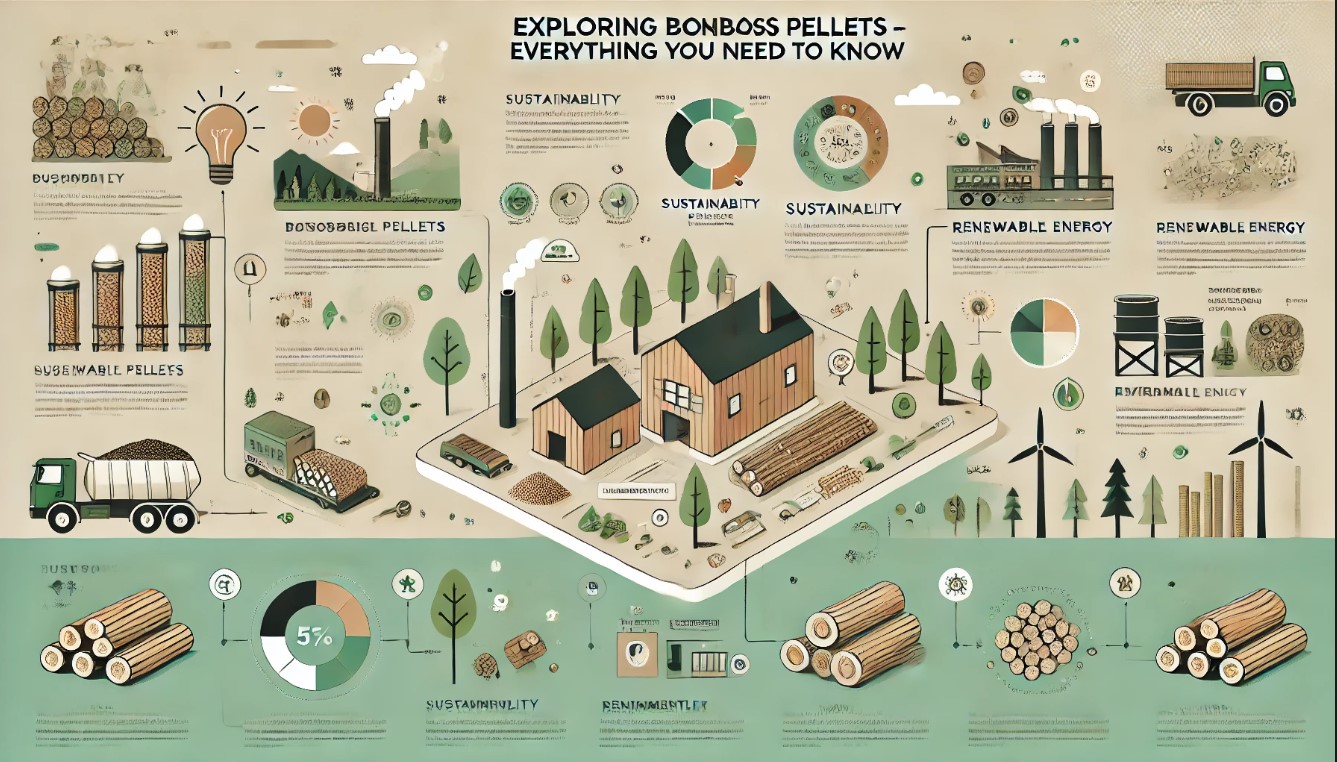
Biomass pellets are a type of renewable energy source made from organic materials such as wood, agricultural residues, and other biological substances. They are used as a sustainable alternative to fossil fuels for heating and power generation.
Here are some key points about biomass pellets:
- Production: Biomass pellets are produced by compressing organic materials into small, dense pellets. This process involves drying the raw materials, grinding them into a fine powder, and then compressing them under high pressure.
- Types of Biomass: Common materials used for biomass pellets include wood chips, sawdust, agricultural residues like straw and corn stalks, and even some types of grasses.
- Benefits: Biomass pellets are considered carbon-neutral because the carbon dioxide released during combustion is roughly equal to the amount absorbed by the plants during their growth. They are also more efficient and cleaner-burning than raw biomass.
- Applications: Biomass pellets are used in residential heating, industrial boilers, and power plants. They can be used in pellet stoves and boilers designed specifically for pellet fuel.
- Environmental Impact: Using biomass pellets can reduce reliance on fossil fuels and decrease greenhouse gas emissions. However, sustainable sourcing and production practices are crucial to minimize environmental impact.
- Market and Trends: The demand for biomass pellets is growing globally, driven by policies promoting renewable energy and the need for sustainable energy solutions.
Understanding these aspects of biomass pellets can help in making informed decisions about their use and potential benefits in energy production.
Read More:- Biomass Pellets Manufacturers in India