Category: Metal Solutions

  • Explore High-Quality Industrial Metal Solutions

    Explore High-Quality Industrial Metal Solutions

    Overview of high-quality metal solutions for industrial use – covering steel, aluminum, copper, nickel, zinc, and titanium with properties, pros/cons, and applications.

    High-quality industrial metal solutions support construction, energy, transport, and infrastructure worldwide.

    What Are Industrial Metal Solutions?

    Industrial metal solutions refer to the production, processing, and supply of metals designed for heavy-duty, commercial, and technical use. These solutions include raw metals, processed alloys, precision components, and fabricated systems used across multiple industries.

    They focus on strength, durability, performance consistency, and compliance with international standards.

    Which Metals Are Used Most in Industrial Applications?

    The most widely used industrial metals include:

    • Steel: Used for structural frameworks, machinery, pipelines, and automotive systems due to its high tensile strength and adaptability.

    • Stainless Steel: Preferred for environments requiring corrosion resistance such as food processing, chemical plants, and medical manufacturing.

    • Aluminum: Chosen for its lightweight structure, thermal conductivity, and resistance to oxidation. Common in aerospace, transportation, and packaging.

    • Copper: Valued for electrical and thermal conductivity. Essential for wiring, power systems, and industrial electronics.

    • Nickel and Nickel Alloys: Applied in high-temperature and chemically aggressive environments such as power generation and marine engineering.

    Why Do High-Quality Industrial Metals Matter?

    High-quality industrial metals ensure:

    • Structural reliability under heavy loads

    • Extended service life in demanding conditions

    • Reduced maintenance and replacement costs

    • Safety compliance across regulated sectors

    • Stable performance during continuous operation

    Inferior materials increase operational risk, downtime, and long-term expenditure.

    What Industries Rely on Industrial Metal Solutions?

    Industrial metal solutions serve a wide range of sectors:

    • Construction and Infrastructure: Beams, reinforcements, fasteners, and structural panels.

    • Manufacturing and Machinery: Gears, frames, tooling, and heavy equipment parts.

    • Energy and Power Generation: Turbines, boilers, transmission systems, and support structures.

    • Transportation: Rail systems, shipbuilding, automotive frames, and aerospace components.

    • Oil, Gas, and Chemical Processing: Pressure vessels, pipelines, and corrosion-resistant fittings.

    What Defines High-Quality Industrial Metal?

    High-quality industrial metal is defined by measurable attributes:

    • Certified chemical composition

    • Controlled grain structure

    • Consistent mechanical strength

    • Resistance to fatigue, heat, and corrosion

    • Traceable production documentation

    Compliance with ISO, ASTM, EN, or equivalent standards confirms material reliability.

    How Do Industrial Metal Solutions Improve Operational Efficiency?

    Reliable metal solutions reduce production interruptions by maintaining dimensional stability and mechanical integrity. Precision materials allow tighter tolerances, improving assembly accuracy and output consistency.

    Longer material lifespan minimizes shutdowns, repairs, and safety incidents, supporting continuous industrial operation.

    What Quality Controls Are Used in Industrial Metal Supply?

    Quality assurance typically includes:

    • Chemical composition analysis

    • Mechanical testing for strength and ductility

    • Non-destructive testing for internal defects

    • Dimensional verification

    • Surface integrity inspection

    Documentation accompanies each batch, ensuring transparency and accountability.

    How Do Industrial Metal Solutions Support Sustainable Operations?

    Modern industrial metal systems support sustainability through:

    • Recyclable material cycles

    • Efficient production methods

    • Reduced waste through precision fabrication

    • Extended component service life

    Recycled metals often retain original performance characteristics, lowering resource demand while maintaining quality.

    What Should Buyers Look for When Selecting Industrial Metal Solutions?

    Buyers should evaluate:

    • Material certification and traceability

    • Consistency of supply

    • Technical support capability

    • Manufacturing precision

    • Compliance with industry regulations

    A dependable supplier provides stable quality, technical clarity, and production reliability.

    Conclusion

    Explore our complete range of high-quality metal solutions available for industrial projects. From structural systems to advanced machinery, dependable metals deliver safety, endurance, and performance across demanding environments. Selecting proven materials with verified standards ensures long-term operational confidence and industrial stability.
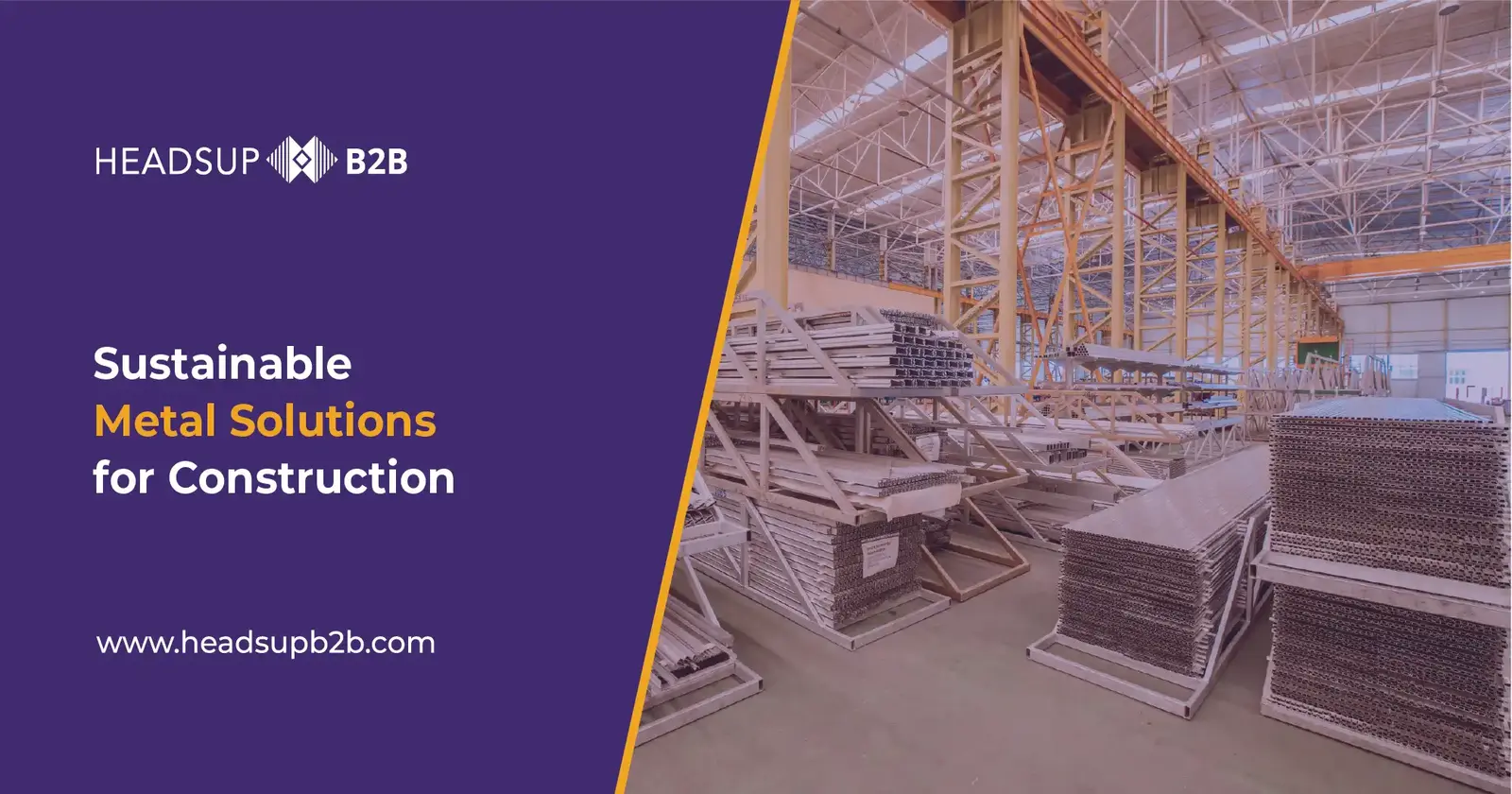
  • Sustainable Metal Solutions for Construction

    Sustainable Metal Solutions for Construction

    Eco-friendly and sustainable metal solutions for construction – recyclability, energy efficiency, carbon footprint reduction, and green building certifications.

    In today’s fast-paced world, where environmental concerns and sustainability are at the forefront, the construction industry has started to embrace sustainable metal solutions. These innovations are not only pushing the boundaries of eco-friendly construction but also setting new standards for efficiency, durability, and cost-effectiveness. Sustainable metal solutions in construction offer a promising way forward, helping the industry meet the global demand for green buildings while contributing to the reduction of carbon footprints.

    What Are Sustainable Metal Solutions in Construction?

    Sustainable metal solutions refer to the use of eco-friendly metal products that minimize the environmental impact of construction projects. These solutions prioritize recyclability, energy efficiency, and low carbon emissions throughout the lifecycle of metal materials. From the production of raw materials to the end of the building’s life, sustainable metal solutions aim to ensure that the environmental costs are as low as possible.

    The most common metals used in sustainable construction are steel, aluminum, copper, and zinc, all of which can be recycled multiple times without degrading their quality. These metals offer excellent durability and strength, which is why they are so widely used in construction projects around the world. Furthermore, their long-lasting properties ensure that they do not need to be replaced frequently, reducing waste over time.

    Benefits of Sustainable Metal Solutions in Construction

    1. Reduced Environmental Impact

    One of the main advantages of using sustainable metal solutions is the significant reduction in environmental impact. Traditional metal production is resource-intensive and involves high energy consumption. However, with advancements in green manufacturing technologies, metals like steel and aluminum are now being produced with lower emissions, using renewable energy sources and innovative processes that consume fewer natural resources.

    Moreover, the recyclability of metals plays a crucial role in reducing environmental harm. The use of recycled metal in construction cuts down on the need for mining and refining new materials, preserving natural resources and decreasing overall waste. This makes metal recycling a cornerstone of sustainable construction practices.

    2. Durability and Longevity

    Metals like steel and aluminum are known for their exceptional strength and durability, which makes them ideal for long-term construction projects. These materials have the ability to withstand extreme weather conditions, resist corrosion, and endure for decades. Unlike many traditional building materials that deteriorate over time, metal structures can remain functional for extended periods, requiring less maintenance and fewer replacements. This enhances the sustainability of buildings and contributes to lower life-cycle costs.

    3. Cost-Effectiveness in the Long Run

    Although sustainable metal solutions may have a higher upfront cost compared to other materials, the long-term savings are significant. Due to their durability and low maintenance requirements, metal structures often provide greater value over time. Furthermore, metal’s recyclability means that end-of-life metal components can be resold or reused, recovering a portion of the initial investment. This makes sustainable metal solutions not only environmentally friendly but also financially advantageous for builders and developers.

    4. Energy Efficiency in Building Design

    Using metal-based materials in building designs can improve energy efficiency. Metals are excellent conductors of heat, and when combined with proper insulation techniques, they can help regulate temperatures inside buildings, reducing the need for excessive heating or cooling. This can lead to lower energy consumption and a reduction in operational costs for building owners. Additionally, many metal structures are designed with solar panel integration in mind, further enhancing the building’s energy performance and sustainability.

    Applications of Sustainable Metal Solutions in Construction

    1. Green Roofing Systems

    One of the most popular applications of sustainable metal solutions is in the installation of green roofing systems. These roofs, made from metals like aluminum or zinc, are highly durable and resistant to the elements. Additionally, they can support vegetation on the surface, providing insulation, improving stormwater management, and enhancing the building’s overall energy performance. By using recyclable materials, these roofing systems contribute to the circular economy and help reduce urban heat islands.

    2. Steel Framing and Structural Components

    Steel framing is another area where sustainable metal solutions shine. Steel is often used to construct the framework of buildings, offering superior strength-to-weight ratios, which allows for the construction of taller buildings with fewer materials. Steel framing also enhances the flexibility of building designs and ensures long-term stability. When the building reaches the end of its life cycle, steel components can be easily recycled and reused in other projects.

    3. Facades and Cladding Systems

    The use of metal facades and cladding systems provides aesthetic appeal, protection from the elements, and enhanced insulation. Aluminum, copper, and zinc are commonly used for cladding due to their ability to resist weathering, corrosion, and staining. These materials not only offer longevity but also help in maintaining the building’s visual appeal over time. By utilizing eco-friendly metals in facades, buildings can contribute to a greener environment while maintaining modern architectural design standards.

    The Future of Sustainable Metal Solutions in Construction

    The future of sustainable metal solutions in construction looks bright, with technological advancements continuing to drive innovation in both material production and building design. Emerging trends, such as smart buildings, prefabrication, and 3D printing, are incorporating sustainable metals to reduce waste and energy consumption during construction. Moreover, growing awareness of sustainability and green building certifications, such as LEED (Leadership in Energy and Environmental Design), is likely to drive more widespread adoption of metal-based solutions.

    Furthermore, as the demand for eco-friendly construction practices increases, more metal producers are expected to invest in sustainable manufacturing techniques that minimize environmental impacts. Recycled metals will likely become even more prevalent in construction projects, reducing the reliance on virgin materials and further promoting sustainability in the industry.

    Conclusion

    Discover our full range of sustainable metal solutions for construction at Headsup B2B. With their durability, energy efficiency, and environmentally friendly attributes, metals like steel, aluminum, and copper are helping the construction industry embrace green building practices while reducing its overall carbon footprint. From energy-efficient roofing systems to recyclable structural components, the applications of sustainable metal solutions are vast and varied. As technology and sustainability practices evolve, metal solutions will continue to play a key role in shaping the future of construction.

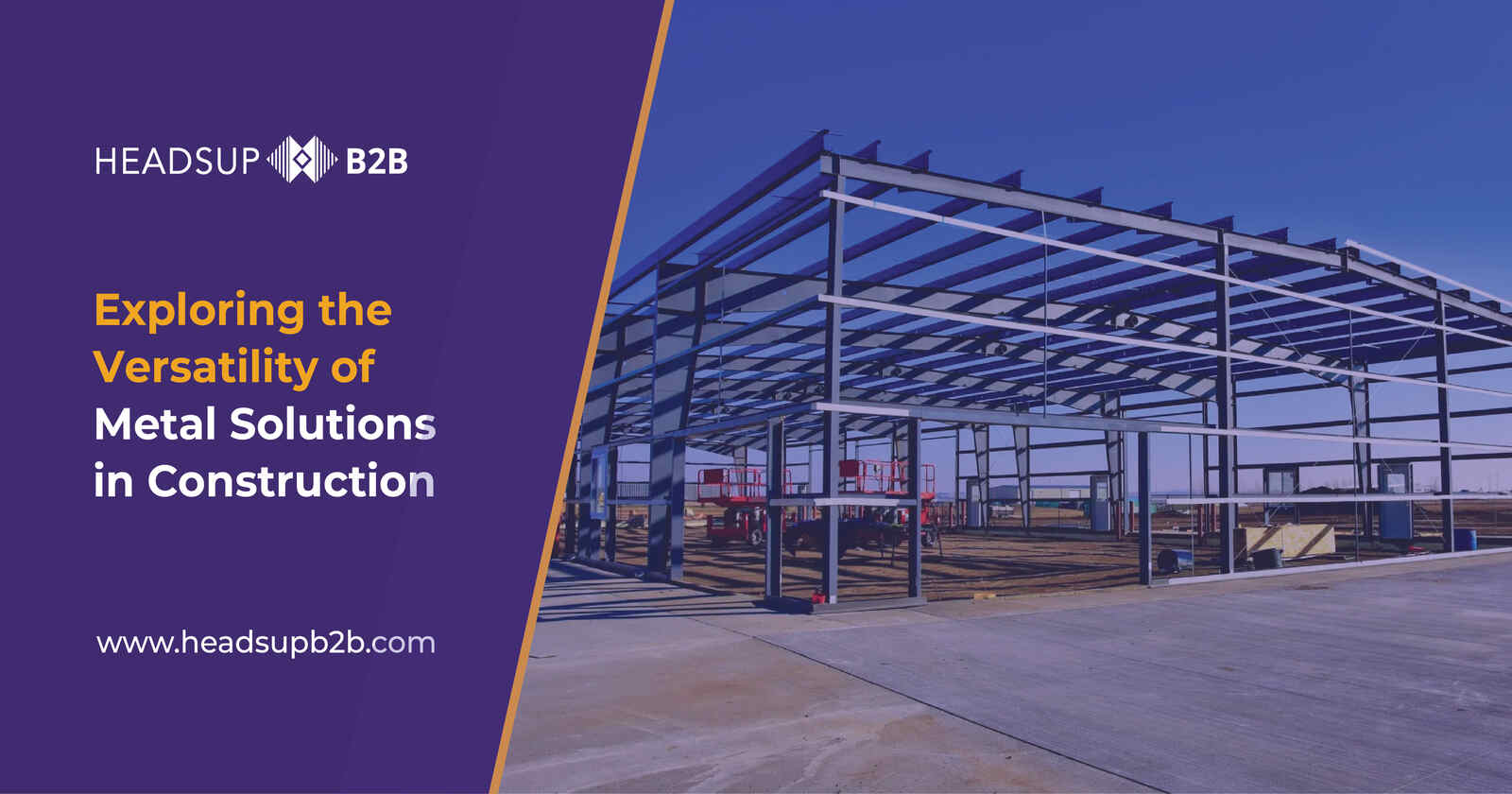
  • Exploring the Versatility of Metal Solutions in Construction

    Exploring the Versatility of Metal Solutions in Construction

    When it comes to building anything from towering skyscrapers to cozy homes, metal solutions have been a trusted choice for centuries. Their strength, flexibility, and longevity make them essential in modern construction.

    But metal isn’t just steel beams and bolts anymore. Advances in materials and fabrication have opened the door to a vast world of metal types and applications that suit almost any project.

    Let’s explore the versatility of metal solutions and why they remain a construction staple.

    1. Steel: The Backbone of Modern Construction

    Steel is probably the first metal that comes to mind when we think of construction.

    • Strength and Durability Benefits: Known for its incredible strength-to-weight ratio, steel supports massive loads while resisting deformation. It’s also fire-resistant and recyclable, making it a top choice for sustainable builds.

    • Uses in Skyscrapers, Bridges, and Infrastructure: From the framework of high-rise buildings to suspension bridges, steel offers unmatched reliability that engineers trust.

    2. Aluminum: Lightweight and Corrosion-Resistant

    Aluminum’s light weight and natural resistance to corrosion make it a favorite for many construction applications.

    • Advantages in Roofing and Façade Systems: Its ability to resist rust means less maintenance over time, perfect for roofing panels and exterior cladding.

    • Applications in Sustainable Building: Because aluminum can be recycled repeatedly without losing quality, it’s a sustainable option for green buildings.

    3. Copper: For Electrical and Plumbing Excellence

    Copper is a superstar for its excellent electrical conductivity and antimicrobial properties.

    • Superior Conductivity and Antimicrobial Properties: Copper wiring ensures efficient electricity flow, while copper pipes prevent bacterial growth, keeping water systems safe.

    • Use Cases in Wiring and Plumbing: It’s the go-to metal for electrical systems and plumbing in both residential and commercial buildings.

    4. Stainless Steel: Combining Strength with Aesthetics

    When durability meets style, stainless steel shines.

    • Resistance to Corrosion and Staining: This metal is tough against rust, staining, and weathering, ideal for environments exposed to moisture.

    • Popular Architectural Features and Finishes: Its sleek, modern look is popular for railings, countertops, and decorative facades.

    5. Metal Alloys: Tailored for Specific Needs

    Sometimes pure metals don’t cut it, and alloys step in.

    • Bronze, Brass, and Others in Decorative and Structural Roles: Alloys like bronze and brass offer unique colors, strength, and corrosion resistance suited for decorative trims, hardware, and structural supports.

    • Custom Alloy Solutions for Specialized Projects: Engineers can customize alloys to meet specific strength, flexibility, or conductivity requirements.

    6. Metal Fabrication Techniques in Construction

    The magic behind metal’s versatility often lies in how it’s fabricated.

    • Welding, Cutting, and Forming Methods: Techniques such as laser cutting, MIG welding, and CNC bending allow precise shaping and joining.

    • Impact on Precision and Efficiency: Better fabrication means faster builds and stronger structures.

    7. Sustainability and Metal Recycling in Construction

    Sustainability is no longer optional, and metal is leading the charge.

    • Environmental Benefits of Using Recycled Metals: Recycling metals saves energy and reduces waste, crucial for green building certifications.

    • Circular Economy in the Building Industry: The metal construction industry embraces circular economy principles by reusing and recycling materials wherever possible.

    8. Challenges and Considerations When Using Metals

    Even the best materials come with caveats.

    • Cost Factors and Budget Planning: High-quality metals can be pricey. Planning ahead helps balance cost with benefits.

    • Corrosion Protection and Maintenance: Even metals like steel require coatings or treatments to prevent corrosion in harsh environments.

    Conclusion

    Browse our versatile metal solutions for every construction requirement. Metal solutions in construction aren’t one-size-fits-all. Their diversity, strength, and sustainability make them invaluable across countless projects.

    Whether you’re building a skyscraper or a solar-powered home, understanding the different metals and their unique properties can help you choose the right materials that balance performance, aesthetics, and cost.

    FAQs

    1. Which metal is best for structural support?

    Steel is the most common due to its strength and durability.

    2. Can aluminum be used for roofing?

    Yes, aluminum’s corrosion resistance and light weight make it ideal for roofing.

    3. How is metal recycled in construction?

    Metals are melted down and repurposed without losing quality, minimizing environmental impact.

    4. What are the main advantages of stainless steel?

    Resistance to corrosion, strength, and a sleek finish suitable for both structural and aesthetic uses.

    5. Are metal alloys better than pure metals?

    Alloys are often tailored to enhance properties like strength, flexibility, or resistance, making them better for specific applications.

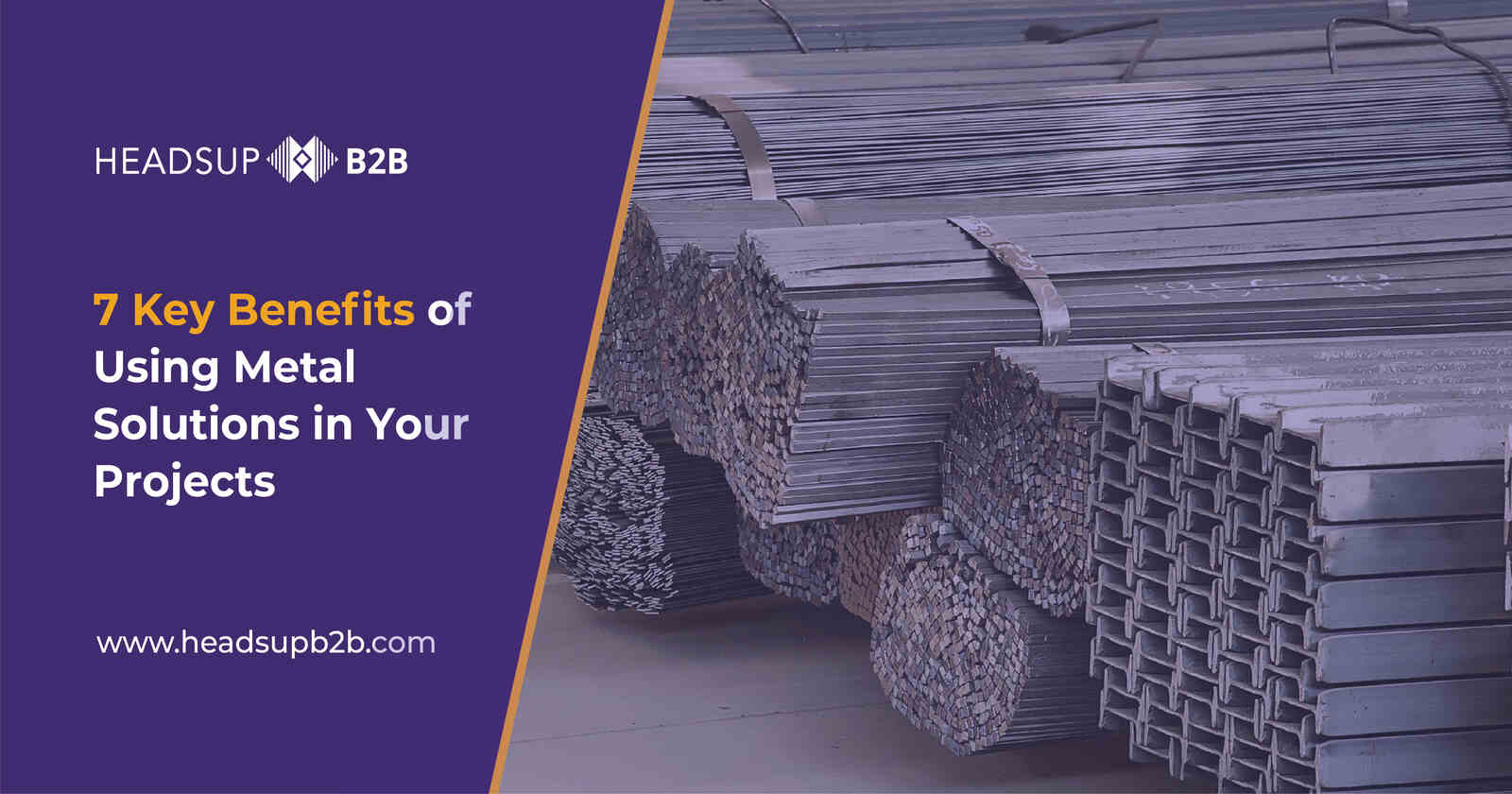
  • 7 Key Benefits of Using Metal Solutions in Your Projects

    7 Key Benefits of Using Metal Solutions in Your Projects

    Looking to make your next project stronger, faster, and more sustainable? Then you’re probably considering metal—and for good reason.

    Metal solutions are a go-to choice for modern construction, manufacturing, and infrastructure projects. Whether you’re building a skyscraper, a bridge, or a high-tech facility, using metal gives you a serious edge in strength, performance, and longevity.

    Let’s break down the 7 key benefits of using metal solutions that make them a smart investment for just about any type of project.

    1. Unmatched Strength and Durability

    When it comes to standing the test of time, metal doesn’t mess around.

    • Load-Bearing Capabilities: Metals like steel and titanium can handle massive loads without bending or cracking. That’s why they’re essential in buildings, bridges, towers, and machinery.

    • Resistance to Wear and Tear: Whether it’s heavy equipment or structural support, metals are tough against impact, abrasion, and pressure, meaning fewer replacements and repairs.

    2. Longevity with Low Maintenance

    Metal isn’t just tough—it’s built to last.

    • Outperforms Other Materials: Unlike wood that rots or plastic that warps, metals hold their form and function for decades, even in extreme environments.

    • Corrosion Resistance: Metals like stainless steel, aluminum, and galvanized steel resist rust and corrosion, especially when properly coated or treated.

    This means less time and money spent on maintenance.

    3. Versatility in Design and Function

    Need something strong and stylish? Metal delivers.

    • Customization Potential: Metals can be cut, bent, welded, stamped, and molded into virtually any shape, making them ideal for everything from industrial equipment to architectural detailing.

    Used Across Multiple Industries

    You’ll find metal in:

    • Construction

    • Transportation

    • Energy

    • Agriculture

    • Healthcare

    Few materials are this flexible.

    4. Fire and Heat Resistance

    When things get hot, metal keeps its cool.

    • Safety in High Temperatures: Metals like steel and aluminum have high melting points and can withstand extreme heat, reducing the risk of structural failure in a fire.

    • Fire-Resistant Choices: Stainless steel, titanium, and copper alloys are commonly used in fire-rated buildings and heat-exposed systems.

    5. Eco-Friendliness and Sustainability

    Going green? Metal’s got your back.

    • Highly Recyclable: Metals like steel, copper, and aluminum can be recycled again and again without losing quality.

      This reduces waste, conserves resources, and supports LEED certification for green buildings.

    • Lower Environmental Impact: Unlike concrete or wood, metal structures can often be disassembled, reused, or repurposed—a win for circular construction.

    6. Cost-Effectiveness Over Time

    While metal might cost more upfront, it pays off big in the long run.

    • Durability Means Savings: Because metal lasts longer and needs less upkeep, you spend less on repairs, replacements, and labor over time.

    • Increased Property Value: Metal buildings and components often improve resale value and can cut insurance costs due to their fire resistance and durability.

    7. Quick Installation and Ease of Fabrication

    Time is money. And metal helps you save both.

    • Prefabricated Metal Parts: Today’s metal solutions often come in pre-cut, pre-drilled, or modular systems, which are shipped to the site ready to go.

    • Faster Build Times: Projects that use metal often see shorter timelines, meaning you can launch, lease, or use your space sooner than expected.

    Best Types of Metals for Projects

    Not all metals are created equal. Here are some top picks for common needs:

    • Steel – The go-to for structural strength.

    • Aluminum – Lightweight and rust-resistant.

    • Stainless Steel – Great for hygienic and moisture-prone environments.

    • Copper – Best for electrical and aesthetic applications.

    Choose the metals that fits your budget, environment, and function.

    Conclusion

    There’s a reason metal has been used for centuries—and why it’s still at the cutting edge of modern industry. From strength and sustainability to speed and style, metal solutions give your project a major advantage. Find the right metal solutions for your next project – explore our full catalogue.

    Whether you’re designing a warehouse, building a commercial complex, or upgrading infrastructure, using metal ensures that your investment is solid, smart, and future-ready.

    FAQs

    1. What is the most durable metal for construction?

    Steel, especially structural or reinforced steel, is the most commonly used durable metal for construction due to its high tensile strength and affordability.

    2. Are metal buildings more eco-friendly?

    Yes! Metal buildings are highly recyclable, use fewer natural resources, and often comply with green building standards.

    3. How do metal solutions save time on-site?

    With prefabrication and modular systems, metal components are quicker to install, reducing overall build times.

    4. Can metals be customized for unique designs?

    Absolutely. Metals are extremely malleable and can be formed into custom shapes and finishes for creative architectural or functional needs.

    5. What metals are best for outdoor use?

    Galvanized steel, stainless steel, and aluminum are all great for outdoor environments thanks to their corrosion resistance and weather durability.

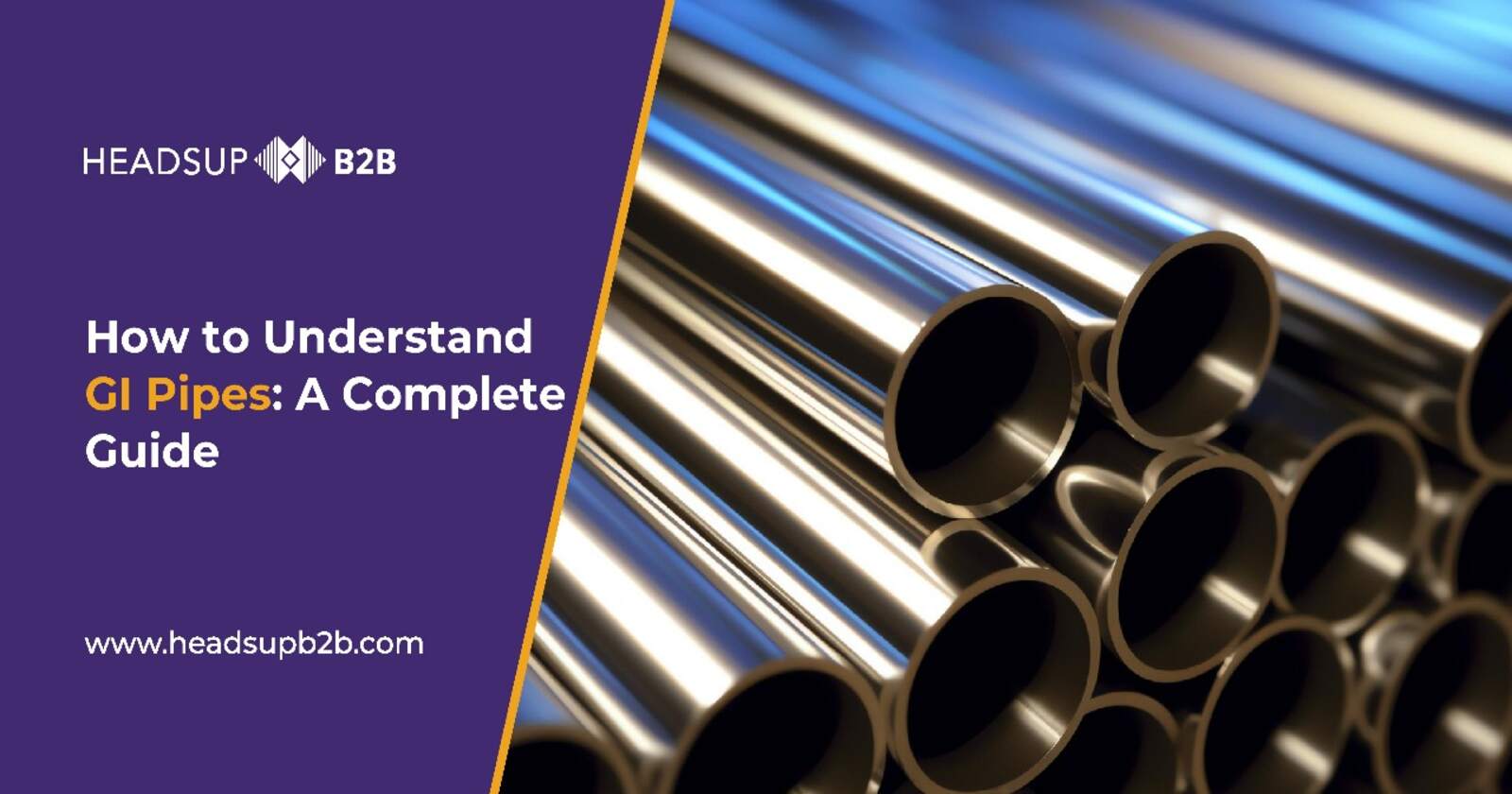
  • How to Understand GI Pipes: A Complete Guide

    How to Understand GI Pipes: A Complete Guide

    Behind every reliable infrastructure, there is a sturdy structure. To support a strong structure and a foundation, the role of GI Pipes is vital.

    Galvanised Iron Pipes are basic to a range of infrastructure projects, including construction and plumbing. The protective feature of these pipes is highlighted by the zinc coating, which contributes to the durability of any building.

    Enquiry Now

    What Are GI Pipes?

    GI Pipes are galvanised iron pipes known for their durability and fluid carrying system. The zinc coating prevents the risk of corrosion and rusting. The method by which the coating is done is known as hot dip galvanisation, leading to the prevention of zinc layer formation.

    Advantages

    • Corrosion Resistance: These pipes have a zinc coating, making them resistant to rust and corrosion. It makes the GI pipes ideal for wet settings.

    • Durability and Longevity: GI pipes are popular for strength, durability, and hence outlast other pipes in similar conditions.

    • Cost-Effectiveness: GI pipes are cost-effective, even after galvanisation, making them apt for large-scale projects.

    Applications

    Sector

    Applications & Uses

    Water Distribution & Plumbing

    Residential and commercial water supply systems; Sewage and drainage pipelines

    Agriculture

    Irrigation systems; Borewell and tube well casing; Sprinkler systems

    Construction

    Scaffolding, Structural support, Handrails, and fencing

    Automotive & Manufacturing

    Frame and chassis components, Exhaust systems, Industrial air or fluid lines

    Selection

    • It is important to choose the type of GI Pipe that is suitable for the application, based on pressure rating, size, and usage environment.

    • Considerations should be made, like coating thickness, threading, and IS certification, when choosing the right type of GI Pipe.

    • The quality and reliability of these pipes define the integrity of the infrastructure in a particular project. This is the reason why it is important to source from reliable suppliers.

    Maintenance and Lifespan

    • Maintenance practices to extend life with regular inspection and proper jointing should be done.

    • The expected service life in different conditions varies depending on the needs of the application, so the maintenance should be planned accordingly.

    In summary, GI pipes are a strong, corrosion-resistant, and cost-effective choice for a wide range of infrastructure and industrial applications. Businesses should be aware of their limitations regarding long-term corrosion and maintenance needs, and to understand this, reaching out to professionals and experts is pertinent. Headsup B2B is your one-stop solution for all your pipe needs, including GI pipes. Get in touch with us to know more.

  • Top 7 HT Strand Brands Approved by NHAI for Your Next Construction Project

    Top 7 HT Strand Brands Approved by NHAI for Your Next Construction Project

    When it comes to large-scale construction projects, High Tensile (HT) strands play a crucial role in providing structural integrity, particularly in bridges, highways, and other infrastructure projects. With the increasing demand for reliable construction materials, it is important to select high-quality HT strand brands that meet the standards set by the National Highways Authority of India (NHAI).

    In this article, we will explore the top 7 HT strand brands approved by NHAI for your next construction project. These brands have a strong reputation for producing durable and high-performance materials that ensure the safety and longevity of infrastructure projects.

    1. Usha Martin Ltd

    One of the most well-known names in the steel industry, Usha Martin Ltd. is a leading manufacturer of HT strands. The company’s products are known for their superior quality and adherence to international standards. NHAI-approved HT strands from Usha Martin are designed to withstand high loads, making them ideal for use in bridges, flyovers, and other large-scale infrastructure projects.

    Their prestressed concrete strands (PC strands) are popular due to their high tensile strength, corrosion resistance, and long life, ensuring the durability and resilience of the structures in which they are used. With manufacturing units located across India, Usha Martin ensures quick delivery to project sites, making them a top choice for timely construction requirements.

    2. Bharat Wire Ropes Ltd

    Bharat Wire Ropes Ltd. is another major player in the HT strand market, known for producing high-quality prestressed concrete strands that meet NHAI’s rigorous standards. Bharat Wire Ropes is known for its precision manufacturing processes, which guarantee high performance and durability in even the most demanding construction environments.

    Their HT strands are used extensively in highway construction, bridge-building, and railway infrastructure projects. Their wide range of wire ropes and strands are known for their superior mechanical properties, including excellent fatigue resistance and load-bearing capacity, ensuring long-lasting performance under extreme conditions.

    3. Tata Steel Ltd.

    Tata Steel Ltd., one of India’s largest steel producers, has been at the forefront of innovation in the steel industry for decades. Their HT strands, approved by NHAI, are engineered to meet the specific needs of modern infrastructure projects, delivering exceptional performance, durability, and reliability.

    Tata Steel’s prestressed concrete strands are known for their high tensile strength, precision engineering, and consistency in quality, making them ideal for large-scale infrastructure projects such as bridges and highways. The company’s global expertise in steel production ensures that their HT strands are always at the cutting edge of technology, offering unparalleled performance in the field.

    4. Sterlite Technologies Ltd.

    Sterlite Technologies Ltd. is a leading manufacturer of HT strands with a focus on high-performance materials designed for infrastructure projects that require superior strength and longevity. Their prestressed concrete strands are corrosion-resistant, providing long-term reliability and safety in even the most challenging environments.

    Sterlite Technologies’ products are NHAI-approved and widely used in bridge construction, highway projects, and high-tension applications. Their reputation for delivering high-quality strands with consistent performance makes them a trusted name in the industry, particularly for projects that demand the highest level of safety and structural integrity.

    5. Steel Authority of India Ltd. (SAIL)

    Steel Authority of India Ltd. (SAIL) is one of India’s largest state-owned steel producers, known for its high-quality steel products including HT strands. SAIL’s HT strands meet the stringent quality standards set by NHAI, ensuring that they can withstand the rigorous demands of infrastructure projects.

    SAIL’s prestressed concrete strands are highly sought after for their high tensile strength and superior load-bearing capacity. Their products are widely used in road construction, bridges, and other infrastructure projects where strength and durability are key factors. With a strong presence across India, SAIL ensures consistent supply and support for large-scale construction projects.

    6. Indian Steel Corporation Ltd.

    Indian Steel Corporation Ltd. is known for its precision-engineered HT strands that meet NHAI’s strict quality requirements. The company’s products are widely used in bridges, highways, and other infrastructure projects due to their corrosion resistance, high tensile strength, and ability to handle high loads.

    Their HT strands are manufactured using advanced technology, ensuring consistency in quality and performance across all batches. Indian Steel Corporation’s dedication to innovation and quality control has made them a preferred choice for NHAI-approved infrastructure projects.

    7. JSW Steel Ltd.

    As one of India’s leading steel manufacturers, JSW Steel Ltd. produces prestressed concrete strands that are NHAI-approved for use in highway and bridge construction. JSW’s HT strands are known for their exceptional tensile strength, corrosion resistance, and high load-bearing capacity, ensuring the long-term durability of the structures they are used in.

    JSW Steel’s HT strands are engineered to deliver optimal performance in the most demanding construction environments. Their consistent quality control and adherence to international standards make them a top choice for large-scale infrastructure projects in India.

    Why Choose NHAI-Approved HT Strands?

    The NHAI approval ensures that the HT strands you select for your construction projects meet stringent quality and safety standards. Using NHAI-approved brands not only guarantees the reliability and performance of the materials but also ensures that your project complies with national regulations.

    These brands have established themselves as leaders in the prestressed concrete strand industry, offering superior strength, durability, and resistance to environmental factors like corrosion and fatigue. By choosing NHAI-approved HT strands, you can be confident in the longevity and safety of your infrastructure projects.

    Conclusion

    Selecting the right HT strand for your next construction project is crucial to ensuring the safety, durability, and longevity of your infrastructure. The top 7 NHAI-approved brands listed above—including Metal Solutions provide a range of high-quality, high-performance options that meet the evolving demands of modern infrastructure projects. Known for its commitment to quality, strength, and compliance with industry standards, Metal Solutions stands alongside other trusted manufacturers in delivering reliable HT strands for highways, bridges, and large-scale developments. By choosing one of these trusted brands, you can ensure that your project is built to last.

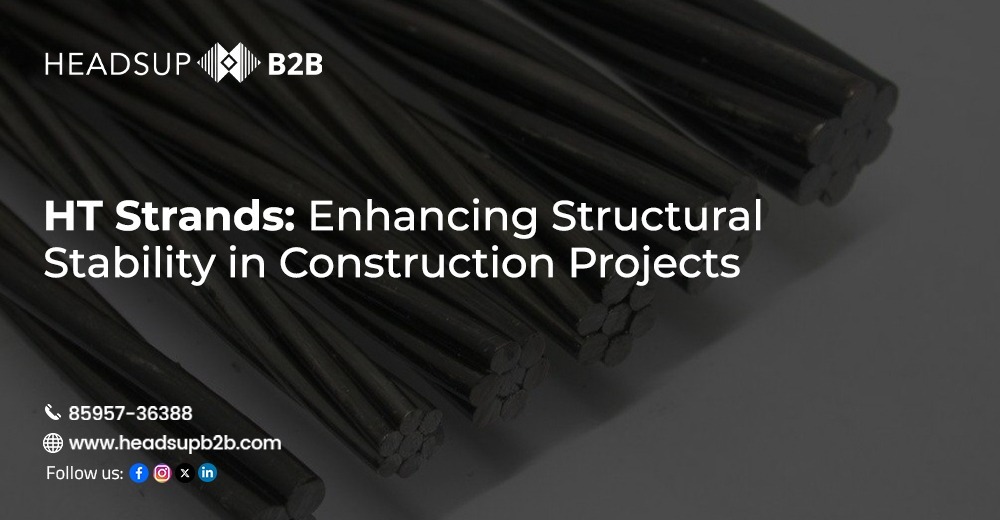
  • HT Strands: Enhancing Structural Stability in Construction Projects

    HT Strands: Enhancing Structural Stability in Construction Projects

    Welcome to Headsup B2B, your go-to online platform for all construction material procurement needs! Are you curious about the secret behind the structural stability of contemporary buildings and infrastructure? Look no further than High Tensile Strands, commonly known as HT Strands!

    These High Tensile strands are the soul of concrete buildings; they provide great strength and support. High tensile strands, with their exceptional strength and durability, have been instrumental in supporting some of the tallest skyscrapers and longest bridges around the globe.

    In this blog post, we’ll discuss the various aspects of HT strands, like application, benefits, significance, and factors to consider for better constructional use.

    What are High Tensile Strands

    HT Strands are essentially strands of high-strength steel wire, meticulously made to withstand adverse climatic conditions and immense tension. It is the sturdy backbone of your concrete structures, providing crucial reinforcement to keep our buildings safe and strong.

    Significance of High Tensile Strands

    Enhanced Structural Strength: HT Strands possess exceptional tensile strength, making them capable of withstanding high loads and stresses.

    Improved Durability: HT Strands are highly resistant to corrosion, a common issue that can compromise the integrity of traditional reinforcement materials like rebar. Its corrosion resistance property guarantees the lasting durability of buildings and also reduces maintenance costs.

    Efficient Space Utilisation: The use of HT strands allows for the design of slender and lightweight structural elements without sacrificing strength or stability. Its space efficiency particularly maximises the functionality of high-rise buildings and long-span bridges.

    Its corrosion resistance property guarantees the lasting durability of buildings and also reduces maintenance costs.

    Prestressing Capabilities: One of the most significant advantages of HT Strands is their ability to be prestressed. Applying a compressive force to the concrete before its exposure to external loads is a process known as prestressing, resulting in improved crack resistance, minimised deflection, and better structural performance

    Application of High-Tensile Strands

    High-Rise Buildings

    The builders use HT Strands to reinforce the concrete columns, beams, and slabs in high-rise buildings because they provide structural support to withstand vertical and lateral loads.

    Infrastructure Projects

    HT Strands are the major component in infrastructure projects such as dams, tunnels, and highways. It ensures the durability and robustness of the structure by reinforcing the concrete elements and enhancing their load-bearing capacity and resistance to external forces.

    Pre-Stressed Concrete Elements

    To provide durability, reduce cracking, and increase performance, HT strands are commonly used in pre-stressed concrete elements such as precast beams, girders, and slabs.

    Industrial Facilities

    In industrial facilities such as manufacturing plants and warehouses, HT Strands are used to reinforce concrete floors, walls, and foundations, providing structural stability to support heavy machinery and equipment.

    Seismic Retrofitting

    In regions prone to earthquakes, engineers use HT Strands in seismic retrofitting projects to strengthen existing structures and improve their resilience to seismic forces. This helps to mitigate the risk of structural failure during earthquakes.

    Factors to Consider When Procuring HT Strands

    HT strands are one of the major components of the construction projects. It ensures the longevity and robustness of the structure and provides strength to withstand adverse environments. So, it becomes important to make an informed decision.

    Here are some factors to consider when procuring the HT strands

    1. Never compromise on quality standards.

    2. Budget is the major factor

    3. Reputation of supplier

    4. Strands’s compatibility with the project.

    Headsup B2B: one-stop-shop for all your construction needs

    Wide range of quality products

    we take pride in providing top-notch services to meet all your construction material procurement needs. The team of responsible professionals makes sure that our customers get access to a wide range of high-quality products, including HT Strands, sourced from authentic suppliers.

    Easy procurement process

    Headsup B2B is a user-friendly platform with an expert support team that makes the procurement process smooth and easy. This allows you to focus on the success of your construction projects.