Category: Electrical Solutions

  • What Are the Different Types of Electrical Wires?

    What Are the Different Types of Electrical Wires?

    Electrical wires are vital to electrical systems. The different types of wires used for various applications, and the knowledge of these wires help with safety and proper installation.

    Classification by Use

    Different types of wires are categorized based on usage and depend on voltage capacity. Environmental exposure and flexibility. Be it power transmission or control systems, knowing the right classification ensures efficiency and compliance with industry standards.

    Common Types of Electrical Wires

    • THHN/THWN Wires: Standard building wire with heat-resistant insulation.

    • NM (Non-Metallic) Cable / Romex: The Non metallic wirings are common in residential settings. From a design perspective, it contains 2–3 conductors in one sheath.

    • UF (Underground Feeder) Cable: UF cables are waterproofing properties, suited for underground or outdoor use.

    • BX (Armoured Cable): Armoured cables have metal casing and they are used in commercial buildings.

    • Coaxial Cable: Coaxial cables are also known as coax cables, they are commonly used for cable TV and internet signal transmission and not for power transmission. The different ranges of coaxial cables like RG6, RG11 and RG59 are used for different purposes based on need.

    • Low-Voltage Wires: Low voltage wires are used for doorbells, landscape lighting, and thermostats and have low power.

    Check Now :- Best Electric Wire & Cables for Your Needs

    Based on Function & Installation Area

    • Underground Wires: Designed to handle moisture and underground pressure.

    • Building Wires: Used in walls, ceilings, and conduits.

    • Power Cables: Carry high voltage in industrial setups.

    • Communication Cables: For data, TV, and internet.

    Materials Used

    The different materials that are used depends of cost efficiency, conductivity, application and anti-corrosion properties

    • Copper: Copper is highly conductive and is widely used.

    • Aluminium: Alumnium is lightweight and cost-effective in nature.

    • Tinned Copper: Tinned copper has distinct anti corrosion properties, used in marine environments.

    Conclusion

    Selecting the right wire is key to an efficient power distribution system, residential settings and signal transmission infrastructures. Knowing the type of wire used and also the type of materials used for manufacturing and designing those wires needs to be taken into account for the selection of those wires. It is vital to take professional guidance and support to identify the best suited wire for your needs. Headsup B2B provides you with a one stop solution for all types of electrical wires and cables needs. It enables you to source the right types of wires from ensuring right sourcing to on-time delivery and post delivery support, we do it all. Contact us today for all your electrical wires needs.

  • What Do Different Colors of Electrical Wires Mean?

    What Do Different Colors of Electrical Wires Mean?

    The purpose of the color of wires may be connected with aesthetic appeal through a generic frame of reference, but it is not for show. The color wires symbolise different types of applications, and the main purpose is to avoid accidents and confusion during electrical hazards. The colors are the main differentiating factors. In this blog, we will run through different uses linked to the wires’ color.

    Why Wire Colors Matter?

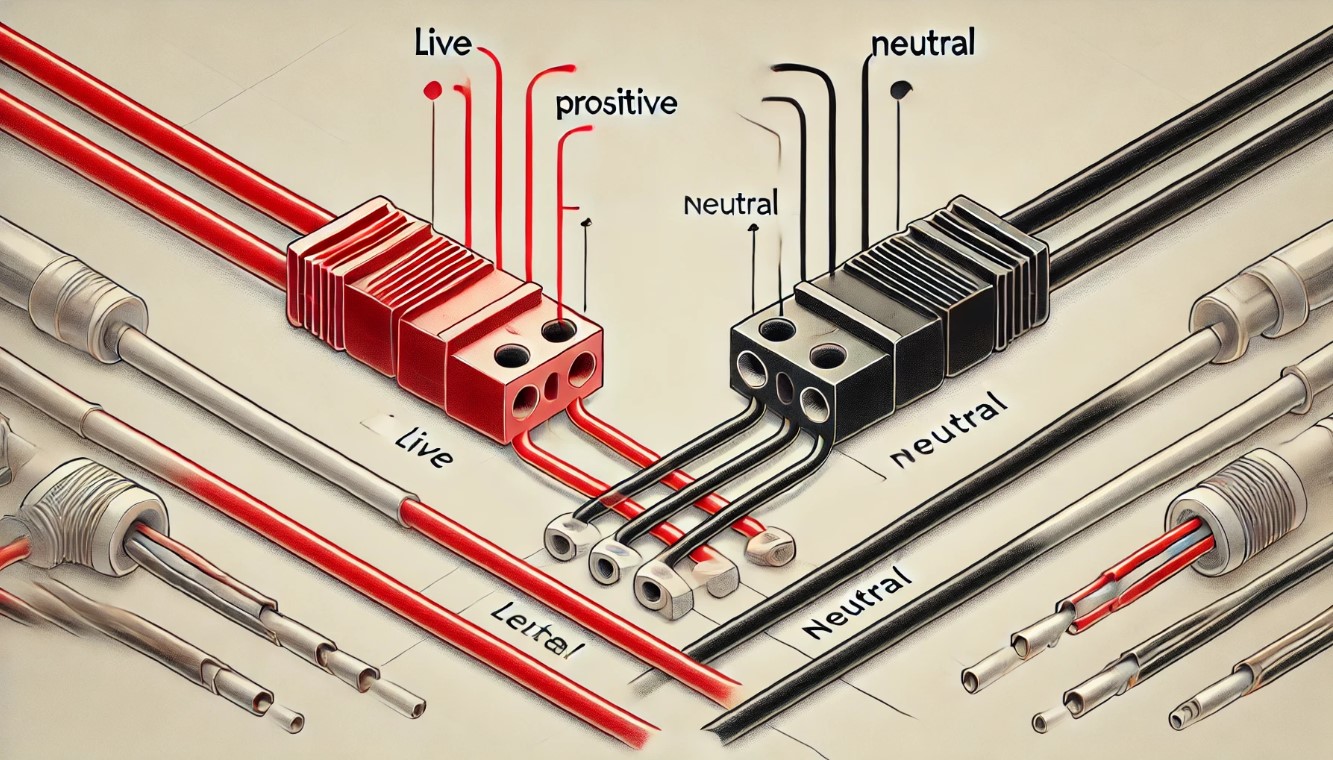
    Electrical wiring uses color codes that are helpful to ensure safety measures in the electrical system. The wire carrying the current is black or brown, or even red. The wire that returns the current is called the neutral wire. It is mostly blue, white or grey. The green wire is the earth wire (or yellow-green). With no errors or non-compliance, easier to maintain, and most importantly, safe.

    Common Electrical Wire Colours & Their Meanings

    Black Wires – Live/Hot Wire

    Typically used for the power supply in all circuits. Carries current from the power source to the device7. Black wires are the primary hot wires in a circuit, delivering electricity to outlets, switches, and appliances

    Red Wires – Secondary Live Wires

    Used in 220-volt circuits or switch legs. Smoke detectors can also be connected to interconnected systems. Red wires serve as secondary hot wires in multi-wire branch circuits, three-way switches, and are often used to connect multiple switches to a single fixture or provide separate control for devices like ceiling fans.

    Read More Blog:- Choose the Right Electric Wires and Cables

    Blue & Yellow Wires – Live Wires in Conduits

    Blue is often used for travelers in three- or four-way switches, and yellow is used in switch legs and fan/light kits. Blue wires may also function as traveler wires in multi-way switch setups, while yellow wires are commonly used as switch legs in lighting circuits or as live conductors in conduit installations.

    White or Grey Wires – Neutral Wires

    Return path for current. Typically grounded at the main electrical panel. These wires complete the circuit by carrying current back to the source and are essential for the safe operation of electrical systems

    Safety Tips and Final Thoughts

    Electrical work should only be carried out by professionals and under professional guidance. Even with colour codes, there is a need for verification of wires using tools. Consistent labelling and following regulations and compliances ensure that there is a decrease in the occurrence of electrical safety hazards. Electrical wires find extensive use in both home as well as commercial applications. Contact Headsup B2B for all your electrical wire needs, it is your one-stop solution for electrical applications.

  • 10 Electrical Wires And Cables

    10 Electrical Wires And Cables

    Electrical wires are cables that are essential for safe and consistent power transmission across various applications such as residential, commercial and industrial set-up. In this blog, we will explore the top ten electrical wires and cables, their construction design and their applications.

    1. Flame Retardant Cables

    Fire is a major risk factor in any infrastructure setting. To mitigate the same Flame Retardant Wires were designed.

    Primarily used in residential and commercial buildings, these wires are competent in preventing fire.The main purpose of using FR wires is to reduce the risk of fire. Moreover, they improve the safety for both individuals and property. From a design point of view, these FR wires resist the spread of flames in the event of a fire, thereby limiting fire damage and providing additional time for occupants to evacuate safely. ​

    2. Multicore Flexible Cables

    Multicore flexible cables are multiple insulated conductors bundled together in a flexible outer sheath. Designed for high flexibility and good durability, these cables also enable good power or signal transmission. Available in different configurations such as shielded and unshielded, they are widely used in applications across a range of industries such as automation, robotics, industrial machines, and electrical appliances.

    3. Copper Armoured Cables

    The first armoured cables came into being during the early 1900s and evolved as Copper Armoured Cables for improved safety, efficiency and durability in electrical installations. These cables have a multi-layered design with conductor, insulation, filler, armouring and sheath. Copper is used as a conductor material, ensuring excellent conductivity, with the armouring made of steel, protecting against damage, and the insulation made of materials like XLPE. They find uses in power distribution and underground and outdoor installation projects.

    4. Fiber Optic Cable

    Fibre optic cables have an efficient data transmission technique, utilising light signals to transfer data through smaller glass or plastic strands. They function by using the technique known as total internal reflection to bounce light off the cable’s interior walls.

    High-speed internet and calls can be made practical using fibre optics, which have far quicker speeds and more bandwidth than regular copper connections. Their durability against electromagnetic interference and ability to carry data across a distance with little signal loss makes these devices far more trustworthy.

    5. Submersible Cables

    Submersible cables, including flat submersible cables, are mainly used for powering submersible pumps. These cables are designed to function underwater and in wet environments. Their multiple layers include conductors, insulators and sheathing. Conductors are of highly conductive copper or aluminium with efficient electricity transmission. Insulation is made of PVC and rubber, which is used to protect the insulator from water. The last sheathing layer is made of PVC and rubber. Submersible cables survive and perform well in water and under high pressure.

    6. Solar DC Cables

    Solar DC cables facilitate the transfer of direct current electricity, generated by solar panels to inverters and other components. These cables are designed to withstand harsh environmental conditions including UV radiation, extreme temperatures and moisture. These cables have a single core made of copper with insulation and sheathing. High-quality copper provides conductivity and durability. DC cables have one directional polarity and they operate on low voltage.

    7. Aluminum Armoured Cable

    Aluminum Armoured Cable(AAC) is an electrical cable designed to perform efficiently in harsh environments. These cables constitute several layers such as the conductor, insulator, and armour for construction. The conductors are of aluminium, hence lightweight, with excellent conductivity of electricity. Insulators are made of PVC, making them resistant and protecting against harsh conditions. Some other uses of AAC are that these cables are used for telecommunication, construction sites, and mining.

    8. Electrical House Wires

    Electrical house wires, also known as electric wires, are essential for safe and efficient electricity distribution in homes. They consist of key components like a conductor, insulating layer, shielding layer, protective sheath, and filling components. Tensile components are added to large cables for strength, and to prevent stretching or breaking. The most common conductors, copper and aluminium, are chosen for their conductibility, cost efficiency, and weight. Insulating layers, made from materials like Cross-Linked Polyethylene, PVC, and Rubber, ensure safety and depend on factors like thermal resistance and moisture resistance. The sheathing layer, made of copper tape or braided copper, protects against electromagnetic interference, isolating the wires from other electrical devices.

    9. High Tension Cables

    High Tension (HT) cables are electrical cables intended for carrying high-voltage electricity across large distances with efficiency and safety. These cables are sheathed with insulators such as XLPE, Cross-Linked Polyethylene, PVC, or Polyvinyl Chloride, to withstand both great electrical stress and extreme temperatures, in addition to other environmental factors. HT cables are used in power transmission networks, industrial plants, substations, and other similar major infrastructure projects. Its rugged construction helps to minimize power loss and enhance safety, and durability in demanding applications. These cables provide insulation and excellent conductivity, thus ensuring a reliable solution for efficient and secure electricity transmission in combined demanding high-voltage applications.

    10. Braided Cables

    Braided cables have a mesh of woven metallic cables, usually copper or silver, that covers the conducting wires. These types of cables help the conductor become more protected while offering more flexibility. Moreover, braided cables help provide further mechanical strength and electromagnetic protection and can also bear more physical wear and tear.

    They are often used in vehicles, tools and parts in the automobile, aerospace and mining industries.

    Wires and cables find their use in daily life at our homes and also ensure efficient electricity transmission in your business – commercial settings, factories & industries and infrastructure projects. Be it home electricals or submersible cables for under water use, Headsup B2B is your one stop solution for all your wires and cables needs. Contact us to ensure seamless electrical connectivity.

  • Types of Electrical Wiring for Residential Buildings

    Types of Electrical Wiring for Residential Buildings

    Electrical wiring is vital to the power distribution of any building or structure. To cater to the powering needs of a building, a wide range of wires and cables are available to connect g central power sources, lights, and other appliances used for power distribution.

    With the variety of wires and cables available for different uses, it’s essential to understand the specifications and applications of each. The growth in the number of construction and electrical projects has driven the increased demand for these specialized materials. The global wire and cable market stood at $201 billion in 2024 with a projected growth of $266.2 billion by 2029 with a CAGR of 5.8%.

    Selecting the right type of wire, suited to the needs of your residential project is essential. This blog delves deeper into the various types of wires suited to the needs of different types of residential buildings and structures.

    NM Cable (Non-Metallic Cable)

    NM cables known as Romex wires, are non-metallic wires with two or more hot conductors and one grounding insulator. The conductors are wrapped together in a plastic sheath.

    They are suitable for indoor wiring applications like switches, power outlets, and light fixtures.

    NM cables are preferred in dry locations because they are insulated with a protective plastic sheath that is not designed to withstand moisture. They are also color-coded to depict the type of wiring gauge. For instance, 14-gauge for 15-amp circuits are white, and 12-gauge for 20-amp circuits are yellow.

    These cables are popular in homes for various reasons including the versatility of use and ease of installation. The most common NM Cables used at homes include –

    • 8-gauge wire:

      • Ampacity: Suitable for 40-amp circuits.

      • Sheathing Color: Comes with black sheathing.

    • 10-gauge wire:

      • Ampacity: Rated for 30-amp circuits.

      • Sheathing Color: Comes with orange sheathing.

    • 12-gauge wire:

      • Ampacity: Designed for 20-amp circuits.

      • Sheathing Color: Comes with yellow sheathing.

    • 14-gauge wire:

      • Ampacity: Intended for 15-amp circuits.

      • Sheathing Color: Comes with white sheathing.

    Conduit Wiring ( PVC or Metal )

    Conduit wiring is a method of electrical installation of wires to enclose them within protective piping layers known as conduits. The protective pipe safeguards the wires from damage, environmental hazards, and moisture. They are used in residential settings due to their flexibility and durability. Various types of conduit wirings include surface and concealed conduit wirings. Surface conduit wirings are directly mounted to the surface of walls and ceilings, and used to power residential lighting circuits throughout homes, electrical outlets in living spaces, kitchens, and bathrooms. Concealed conduit wiring involves electrical cables within conduits hidden behind walls, ceilings, or floors. Concealing the wires helps in enhancing the aesthetics of a building.

    Casing and Capping Wiring

    Casing and capping are different types of wirings that involve encasing insulated wires within protective pipes known as conduits to safeguard from physical damage. Casing is a traditional method involving encasing insulated wires within a cap. This is suited for low-voltage applications in residential and commercial settings. These wires can further be classified in two ways –

    Press and Fit is one of the most common types of Casing and Capping, where the bottom portion is fastened to the wall first, followed by feeding the wiring and pressing the cover into place.

    Wooden Casing is traditionally made from seasoned wood, this type uses grooves to hold the wires securely. It is less commonly used today, due to advancements in materials.

    Twin and Earth Wiring

    Twin and Earth wiring (T&E wiring) is used in fixed installations and is known for its simplicity in design, installation, and maintenance. In its design, two current-carrying insulated conductors with an uninsulated conductor are attached to the ground. These conductors are generally made of copper with PVC insulation. The uninsulated, protective layer provides grounding to ensure safety. Made of PVC or thermoplastic material, the sheathing layer protects the inner conductor from unfavorable environmental conditions such as UV rays. In domestic settings, they are used in lights, switches, and power outlets for televisions, computers, and kitchen appliances. Ideal for connecting fixed devices and appliances, they are used in ovens, washing machines, and hobs.

    Armored Cable (BX)

    Armored cables are also known as BX cables, they come with a protective metal armor. It consists of flexible, galvanized steel that provides physical protection and durability for electrical installations. The armor is designed with wound steel strips for increased durability, flexibility, and strength. These cables are suited for areas requiring extra protection such as basements or garages. They are also used in heavy-duty appliances like air conditioners, washing machines, and water heaters, where enhanced safety and durability are crucial.

    Low-Voltage Wiring

    Low voltage wirings operate below 50 Volts. Apart from other uses, they are used in landscape lighting and security systems. Low-voltage wiring is also used in various modern-day home appliances including doorbells, smart TVs, and networking devices like Wifi routers, ethernets, and sensors. Lower voltage levels reduce the risk of electrical shocks and fires, making it a safer choice for residential wiring. Low-voltage wiring is cost-efficient, versatile, and environmentally friendly.

    THHN/THWN Wire

    Thermoplastic High Heat-resistant Nylon-coated and Thermoplastic Heat (THHN) and Water-resistant Nylon-coated (THWN) wires are commonly used in residential buildings, due to their durability and versatility, power distribution. They are made with thermoplastic PVC insulation and nylon coating. They are rated for a maximum of 90°C (194°F) in dry conditions and 75°C (167°F) in wet environments. In THWN Wire, they are rated for 90°C (194°F) in both dry and wet conditions. T

    They are used for power distribution in lights, switches, and outlets throughout the home and appliance wirings such as refrigerators, ovens, and air conditioners. They are suitable to use in dry and damp conditions making them versatile for different areas around the house and they have effective grounding systems to provide safety against electrical shock.

    Conclusion

    The choice of wires depends on the requirements of a particular residential or building project. Different aspects of wires and cables including conductibility, insulation, grounding, and the engineering of the wires make them suitable for appliances with varied voltage, temperature, and moisture. These factors must be considered when choosing the right wires from a range of options available. Choose the perfect wires for your project with Headsup B2B, your trusted partner in sourcing high-quality, reliable solutions—contact us today to streamline your wiring needs.

  • Choose the Right Wires and Cables for the Industrial Electrical System

    Choose the Right Wires and Cables for the Industrial Electrical System

    Did you know that the right choice of wires and cables can make a significant difference in the industrial electrical system’s performance and safety? From powering heavy machines to transferring important data, industrial environments demand strong and durable solutions that withstand adverse environmental conditions.

    Choosing this significant electrical material demands familiarity with the product or the proper guidance from the experts. So, the professionals of Headsup B2B are here to assist you with the right information and excellent products.

    The Headsup B2B is your go-to online destination for procuring top-notch industrial wires online. So, let us discuss the complications of choosing the right wires and cables for industrial applications and the role of Headsup B2B in making procurement easy.

    Types Of Industrial Wire

    Fibre Optics Cables

    Fibre optic cables are a wonder of modern technology; they transfer data via light signals utilising strands of glass or plastic fibre. Because of their remarkable speed and capacity, they are essential to modern communication networks. Additional categories for fibre-optic cables include:

    Single-mode fibre: Made for high-bandwidth, long-distance communications.

    Multi-Mode Fibre: Suitable for applications requiring less bandwidth and shorter distances.

    Power Cables

    The main purpose of power cables is Long-distance electrical power transmission. They are built to effectively manage high voltage and current levels. Various kinds of power cables consist of high-voltage power cables. These cables help transmit power across long distances in transmission lines. Medium-Voltage Power Cables: Used for power distribution in urban and industrial settings. Low-voltage power cables are often crucial for both business and household electrical installations.

    Twisted Pair Cables

    Twisted-pair cables are used widely in telecommunications and networking. To lessen electromagnetic interference, they are made of pairs of insulated copper wires twisted together. There are two varieties of twisted-pair cables: Unshielded Twisted Pair (UTP) Cable: Typically seen in phone and computer Ethernet connections. Shielded Twisted Pair (STP) Cable: Provides more shielding to improve immunity to interference.

    Control Cables

    • A control cable is an electrical cable that is intended to assist machinery in operating automatically as it should. To make this feasible, it transmits signals to the different lines in electrical equipment.

    • Since it is the most important component of an automation system, it needs to be of the highest calibre. Furthermore, it’s flexible enough to allow for hassle-free installation even in the most challenging places.

    • They are integral parts of power distribution systems, robotics, and manufacturing lines, among other things.

    How to Choose the Right Cables and Wires for Industrial Use

    Physical Parameters

    The most crucial physical factors to consider when choosing a wire or cable are how well it performs in various temperature and fluid environments, during installation, and against abrasion at operating temperature.

    Functional Performance

    The functional dependability of cables and wires is important to ensure the operation of every other component in the aircraft. However, there are some factors to consider when choosing wires: voltage rating, signal deterioration, and current carrying capacity.

    Supportability

    Supportability is important to consider when purchasing industrial wires. Always make sure the wires are:

    • Available easily and for a long time,

    • Replaceable with different components and be maintained with available or easily obtained tools.

    Cost and Budget

    Cost and budget also matter equally. So, select industrial wires online, compare their quality and costs, and choose according to your allowance and needs.

    Headsup B2B: The Perfect Platform for Procuring Industrial Wires Online

    Looking for the best place to buy industrial wire online? Look no further than Headsup B2B! Here’s why:

    Wide Selection

    Headsup B2B offers a wide range of industrial wires online to meet your specific needs. Whether you need power cables, control cables, or instrumentation cables, you’ll find a variety of options to choose from.

    Trusted Suppliers of Industrial Wires Online

    We partner with trusted manufacturers known for their high-quality products. You can shop with confidence, knowing that you’re getting wires and cables that meet industry standards and regulations.

    Expert Guidance

    Not sure which type of wire is best for your application? Our team of professionals is here to assist you. We’ll provide customised guidance to ensure you choose the right wires for your industrial needs.

    Streamlined Procurement of Industrial Wires Online

    With Headsup B2B, the procurement process is quick and easy. Simply browse our selection, place your order, and we’ll take care of the rest. So, say goodbye to long lead times and old, customised, complicated purchasing processes.

    Quality Services

    In addition to our wide selection and expert guidance, we offers value-added services such as bulk ordering and customized electrical solutions. Headsup B2B is here to help you find the right wires for your industrial projects.

    Don’t settle for ordinary wires and cables. Choose Headsup B2B for all your industrial wire procurement needs and experience the difference firsthand!