Category: Biomass Pellet

  • Top Biomass Fuel Solutions for Sustainable Energy

    Top Biomass Fuel Solutions for Sustainable Energy

    We present a detailed and authoritative discussion on biomass fuel solutions as a dependable pillar of sustainable energy systems. Biomass fuels convert organic matter into usable power, supporting energy security while lowering dependence on fossil resources. Through careful sourcing, advanced processing, and efficient conversion, biomass energy supports long term energy stability for industrial, commercial, and community scale use.

    Biomass energy rests on renewable biological materials such as agricultural residues, forestry byproducts, and organic waste streams. These materials regenerate through natural cycles, enabling consistent fuel supply when managed with discipline and accountability. Our focus centers on practical, scalable, and efficient biomass fuel pathways that meet modern energy demands.

    Understanding Biomass Fuel Sources and Feedstock Integrity

    Biomass fuel performance depends on feedstock quality and consistency. We prioritize feedstock integrity through structured sourcing strategies that ensure predictable calorific value and moisture control.

    Primary biomass sources include crop residues like corn stover and rice husks, forestry residues such as sawdust and wood chips, and organic byproducts from food processing. Each source presents distinct thermal properties and handling needs. Proper preprocessing such as drying, sizing, and sorting supports stable combustion and reduced emissions.

    We also consider energy crops grown on marginal land, including switchgrass and miscanthus. These crops provide high yield per hectare and limited competition with food production, reinforcing responsible land use.

    Solid Biomass Fuels for Reliable Heat and Power

    Solid biomass fuels remain the most established biomass solution worldwide. These fuels support direct combustion systems for heat and electricity generation.

    • Wood Pellets and Briquettes: Wood pellets and briquettes deliver uniform size, low moisture, and high energy density. Pelletization compresses raw material into standardized units that simplify storage, transport, and automated feeding. Industrial boilers and district heating networks rely on pellets for steady output and predictable performance.

    • Agricultural Residue Fuels: Crop residues serve as cost effective fuels when processed correctly. Densification into briquettes improves handling and combustion behavior. These fuels convert agricultural waste into revenue streams while reducing open field burning.

    Liquid Biofuels for Transport and Power Generation

    • Liquid biomass fuels offer versatility across transport and power sectors. These fuels integrate with existing infrastructure while reducing lifecycle emissions.

    • Bioethanol Production and Application: Bioethanol arises from fermentation of sugars and starches found in crops such as sugarcane and corn. It functions as a transport fuel blend or as a dedicated fuel in adapted engines. Ethanol production systems achieve high conversion efficiency when paired with co product recovery.

    • Biodiesel From Organic Oils: Biodiesel originates from vegetable oils and animal fats through transesterification. It provides lubrication benefits and cleaner combustion compared to petroleum diesel. Biodiesel supports fleet operations, backup generators, and agricultural machinery with minimal engine modification.

    Industrial Biomass Energy Systems

    Industrial sectors benefit from biomass through combined heat and power systems. These systems supply electricity and process heat simultaneously, raising total energy efficiency.

    Paper mills, food processors, and chemical plants integrate biomass boilers to meet internal energy needs while controlling operational costs. Onsite biomass systems reduce grid reliance and strengthen energy resilience.

    Environmental Performance and Emissions Control

    Biomass fuels support reduced net greenhouse gas output when sourced responsibly. Carbon released during combustion aligns with carbon absorbed during biomass growth cycles.

    Modern biomass systems apply emission control technologies such as cyclones, fabric filters, and flue gas condensation. These measures manage particulate matter and improve air quality compliance.

    Ash byproducts often support agricultural or construction uses, supporting material reuse within regulated standards.

    Supply Chain Management and Fuel Logistics

    Efficient biomass energy relies on structured logistics. Feedstock collection, storage, and transport require coordination to prevent degradation and supply disruption.

    Regional sourcing minimizes transport emissions and supports local economies. Long term contracts stabilize pricing and ensure feedstock availability throughout seasonal changes.

    Digital tracking systems monitor inventory, moisture content, and delivery schedules, supporting operational reliability across facilities.

    Economic Strength of Biomass Fuel Solutions

    Biomass energy strengthens local markets by creating demand for agricultural and forestry residues. Investment in biomass infrastructure generates skilled employment across rural and industrial regions.

    Stable fuel pricing protects operators from fossil fuel volatility. Government incentives and renewable energy targets further support biomass project viability.

    Future Pathways for Biomass Energy Growth

    Continuous progress in conversion efficiency, feedstock processing, and emissions management shapes the next phase of biomass energy. Advanced reactors, improved catalysts, and integrated waste systems expand biomass capability across sectors.

    Biomass fuels remain a practical and scalable component of sustainable energy portfolios worldwide, supporting reliable power while respecting environmental limits.

    Closing Perspective

    We affirm biomass fuel solutions as a central contributor to sustainable energy development. Through disciplined sourcing, advanced processing, and responsible system design, biomass energy meets present demands while supporting future stability. Our focus remains on performance, accountability, and long term value for energy producers and communities alike.
  • Why Biomass Energy Solutions Are the Future of Renewable Energy?

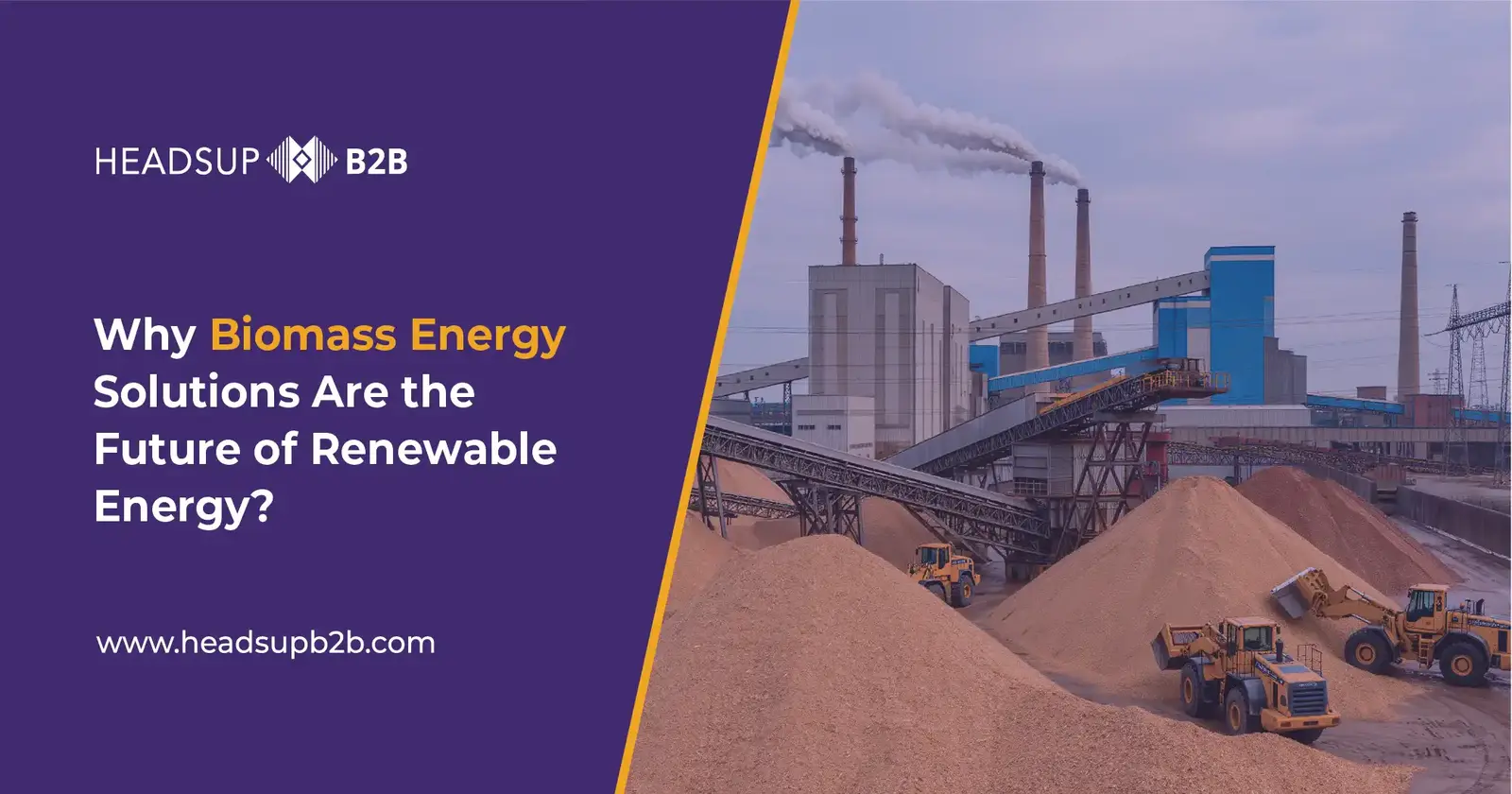
    Why Biomass Energy Solutions Are the Future of Renewable Energy?

    Biomass energy, derived from organic materials like plants, wood, and agricultural waste, is rapidly emerging as one of the most promising solutions for a sustainable future. In an era where the world is seeking cleaner and more reliable energy sources, biomass energy stands out as a vital player in the renewable energy space.

    What is Biomass Energy?

    Simply put, biomass energy refers to energy produced from organic matter. This includes everything from wood and crop residues to animal manure and even algae. When these materials are burned or processed, they release energy that can be used to produce electricity, heat, and even biofuels.

    How Biomass Energy Works?

    Biomass energy works by converting organic materials into usable fuel. Through processes like combustion, fermentation, or anaerobic digestion, biomass is transformed into bioenergy that can be harnessed for various needs. For instance, in power plants, biomass is burned to generate heat, which then produces steam to drive turbines and generate electricity.

    The Growing Demand for Renewable Energy

    As fossil fuels become increasingly scarce and their environmental impacts grow more evident, the world is looking to renewable energy sources like solar, wind, and biomass to meet its energy needs.

    • Global Shift Towards Sustainable Energy: Governments and organizations worldwide are setting ambitious targets to reduce their carbon footprints and shift towards clean energy. Biomass, with its versatility and availability, is poised to be a key player in this shift.

    • Benefits of Renewable Energy: Renewable energy sources, including biomass, offer a range of benefits such as reducing greenhouse gas emissions, decreasing air pollution, and providing energy security. Biomass, in particular, helps reduce reliance on fossil fuels while making use of agricultural and industrial byproducts that would otherwise go to waste.

    Biomass Energy vs. Other Renewable Sources

    While solar, wind, and hydropower have garnered much attention in the renewable energy conversation, biomass offers some unique advantages that set it apart.

    • Comparing Biomass to Solar, Wind, and Hydropower: Solar and wind are intermittent energy sources that depend on weather conditions, making them less reliable in some areas. Biomass, however, can be produced and used consistently, providing a stable energy source that can be utilized even when the sun isn’t shining or the wind isn’t blowing.

    • Unique Advantages of Biomass: One of the standout benefits of biomass is its ability to be used in existing power infrastructure. Unlike other renewable sources, biomass can be used in traditional coal power plants with little modification. This makes the transition to greener energy more achievable and cost-effective.

    Environmental Benefits of Biomass Energy

    Biomass energy is often touted as a more environmentally friendly alternative to fossil fuels. But what makes it so eco-friendly?

    • Reducing Carbon Emissions: When biomass is burned, it releases carbon dioxide, but this is part of a natural cycle. The carbon released is equal to the amount the plants absorbed during their growth, creating a balance that is not present with fossil fuels. Additionally, advanced biomass conversion technologies reduce carbon emissions further.

    • Minimizing Waste: One of the key environmental benefits of biomass energy is that it can be made from waste materials. Agricultural waste, forest residues, and even food scraps can be turned into bioenergy, reducing landfill waste and promoting a circular economy.

    How Biomass Contributes to a Circular Economy

    Biomass plays a crucial role in the circular economy, where waste is minimized, and resources are reused.

    • Waste-to-Energy Solutions: By converting agricultural and industrial waste into energy, biomass helps close the loop in a circular economy. This process not only generates renewable energy but also reduces waste and promotes sustainability.

    • Sustainable Production and Consumption: Biomass energy promotes sustainable production by using renewable resources. Unlike fossil fuels, which take millions of years to form, biomass can be regenerated annually, ensuring a continuous supply of energy.

    Technological Innovations in Biomass Energy

    As technology continues to advance, biomass energy solutions are becoming more efficient and sustainable.

    • Advanced Biomass Conversion Technologies: New technologies, such as gasification and pyrolysis, are improving biomass’s efficiency by converting it into biofuels and bioelectricity with fewer emissions and greater energy yield.

    • Future Trends in Biomass Energy: The future of biomass energy looks promising, with developments in algae-based biofuels, waste-to-energy systems, and more efficient conversion technologies. These innovations will help biomass become even more viable and competitive in the energy market.

    Challenges and Limitations of Biomass Energy

    While biomass energy offers numerous advantages, it’s not without its challenges.

    • Land Use and Sustainability Concerns: Growing biomass crops requires land, water, and nutrients, which could compete with food production. There’s also concern about deforestation, as the demand for biomass energy increases.

    • Cost and Efficiency Issues: Although biomass energy is a sustainable option, it can be expensive to produce and less efficient than other renewable sources like wind and solar. Overcoming these economic barriers will be crucial to scaling up biomass use.

    The Future of Biomass Energy

    Despite the challenges, the future of biomass energy looks bright.

    • Scaling Up Biomass Production: As more efficient technologies are developed and the biomass industry scales up, the cost of production will likely decrease, making it a more competitive energy source.

    • Integration into the Global Energy Mix: Biomass will play an increasingly important role in the global energy mix, especially in countries where agricultural waste is abundant and where there is a need for reliable, renewable energy sources.

    Conclusion

    Biomass energy solutions are rapidly becoming a cornerstone of the renewable energy future. They offer a reliable, sustainable, and environmentally friendly energy source that can contribute significantly to global energy needs. With ongoing technological advancements and growing demand for renewable solutions, biomass energy is poised to be a key player in the transition to a greener future.

    FAQs

    1. What is biomass energy and how is it produced?
      Biomass energy is produced from organic materials like wood, agricultural waste, and even algae. These materials are converted into biofuels or used directly in power plants to generate heat and electricity.

    2. How does biomass energy help the environment?
      Biomass energy helps reduce carbon emissions and minimizes waste by using materials that would otherwise end up in landfills.

    3. Is biomass energy cost-effective?
      Biomass energy can be more expensive to produce than other renewable sources like wind or solar, but technological advancements are making it more affordable over time.

    4. What are the main challenges of biomass energy?
      Biomass energy faces challenges related to land use, sustainability, and cost efficiency. However, ongoing research is addressing these issues.

    5. Can biomass energy replace fossil fuels?
      While biomass energy cannot fully replace fossil fuels, it can play a significant role in reducing reliance on fossil fuels by providing a renewable, reliable alternative.

  • Biomass vs. Fossil Fuels: Cost & Carbon Benefits

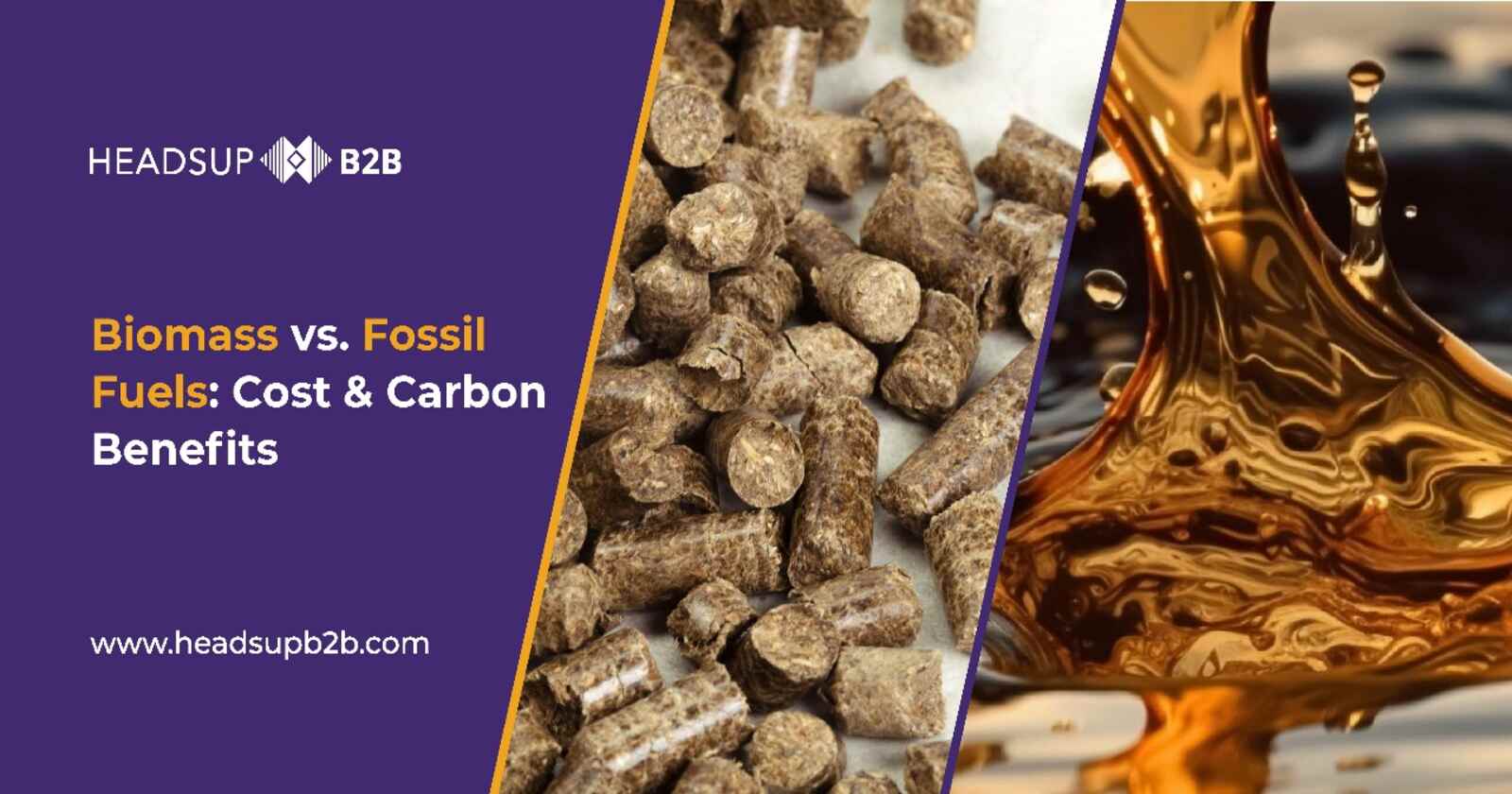
    Biomass vs. Fossil Fuels: Cost & Carbon Benefits

    Today’s world is energy-conscious. When you learn to compare biomass and fossil fuels, you will know the potential they hold. As the world is facing growing energy demands, it is now a case of biomass versus fossil fuel. While both power our industries and homes, they come with different bills, both in pocket and planet terms. Let’s compare their affordability and carbon impact.

    Cost Comparison

    • Biomass Fuel Costs:

      • Readily available in many regions from agricultural or forestry waste

      • Lower long-term costs due to local sourcing and price stability

      • Potential for energy independence and reduced transportation expenses

    • Fossil Fuel Costs:

      • Prone to global price fluctuations and market volatility

      • Supported by government subsidies that mask the true economic impact

      • Includes hidden costs like environmental degradation and public health issues

    • Total Cost of Ownership:

      • Biomass systems may require initial setup, but offer lower ongoing maintenance

      • Fossil fuel infrastructure is mature but incurs high operational and environmental costs

      • Long-term, biomass can deliver more consistent returns with fewer external risks

    3. Carbon Impact

    • Biomass refers to a variety of plant and animal material. The basic idea behind biomass being considered carbon-neutral is that the CO2 it gives off when burnt is approximately equal to the CO2 that gets absorbed by the plants while it was growing.

    • Fossil fuels release ancient, stored carbon. This type of carbon is carbon-positive, meaning it will create more CO₂ in the atmosphere. Today, the outcome is a warmer world.

    • To put this into perspective, biomass emits around 230–380 kg CO₂/MWh, compared to coal, which emits more than 900 kg CO₂/MWh. Also, burning these things can create methane and black carbon, both powerful greenhouse gases.

    Real-World Relevance

    • How businesses or industries are shifting

    • Any regional case studies or India-specific insights (if B2B/local focus)

    • Policy incentives or industry uptake

    Conclusion

    India’s energy consumption patterns are changing rapidly. Half of the total 476 gigawatts (GW) of installed power capacity is from non-fossil sources. The government’s policy now mandates that thermal power plants use 5% biomass as co-firing, which will increase to 7% next year. It also supports biomass with production incentives for pellets, briquettes and bio-CNG. Biomass is available in abundance with great potential; however, its installed capacity and contribution to grid power are far less than that of coal, which remains essential to industry growth and energy security.

    Looking to explore biomass solutions for your business? Reach out to us at Headsup B2B.

  • How Biomass Pellets Help Reduce Environmental Impact

    How Biomass Pellets Help Reduce Environmental Impact

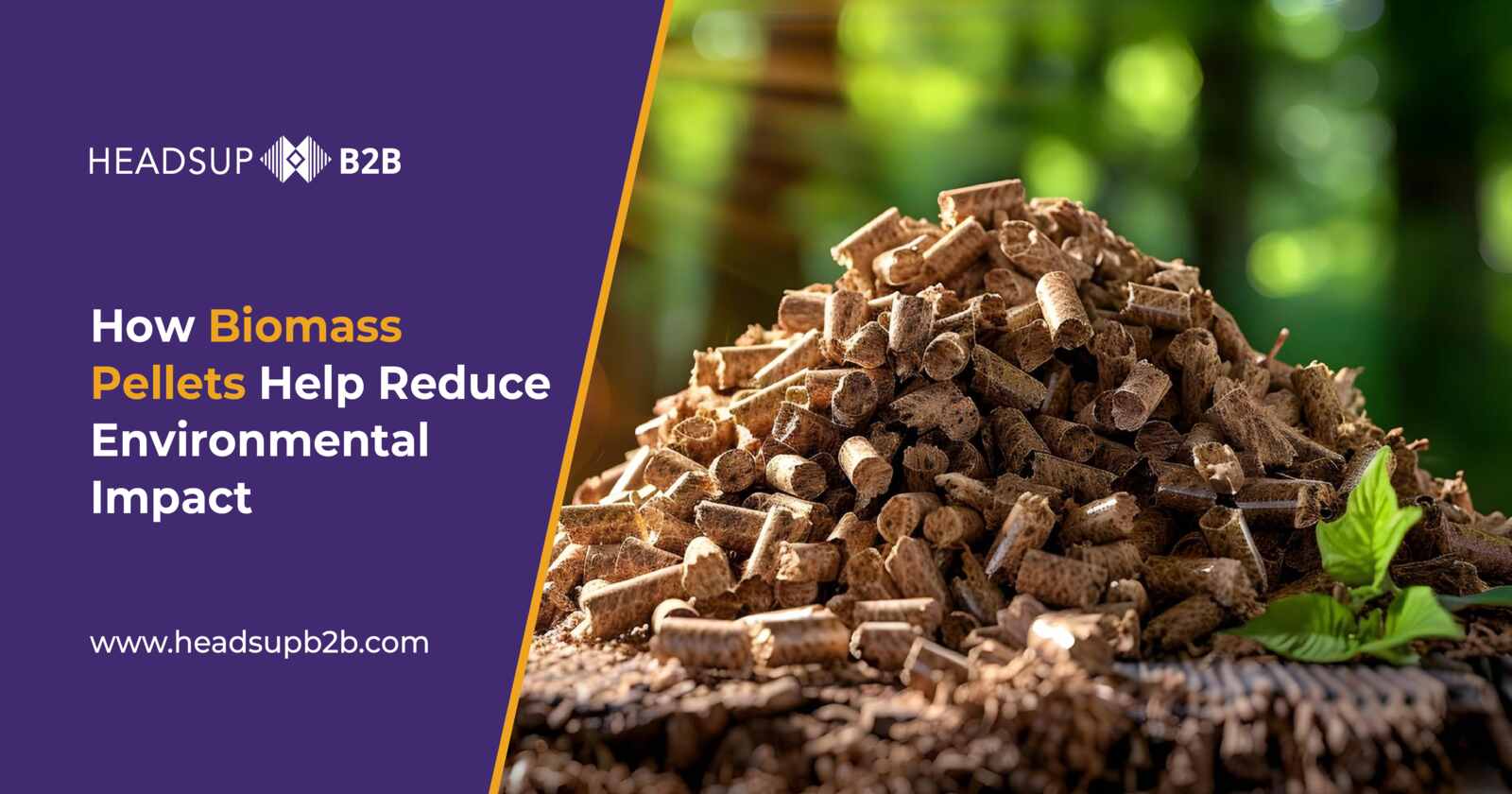
    As climate change combating becomes an important race, sustainable energy alternatives are not an option anymore but a necessity. Biomass pellets made from organic material such as agricultural residues and wood waste are renewable energy alternatives that lessen harm*.*

    Our planet has been witnessing a gradual increase in carbon emissions and, hence, global warming. With the wide use of non-renewable fossil fuel sources such as coal for decades. The same has led to a notable rise in pollution, leading to climate change, causing global warming, which has been recorded. To evade serious implications, it is vital to use cleaner and more eco-friendly ways to produce energy, be it in an industrial setting, residential or agricultural. One answer to the problem statement is the promotion of Biomass pellets as an energy source or fuel alternative.

    This alternative is pro-environment with less carbon emission, but also has more energy-producing capability with its optimum calorific value. Biomass Pellets are sourced from natural products such as agricultural residue, forest waste. Biomass pellets are a renewable, economical and energy-efficient substitute for fossil fuels. They are made from the organic fractions of material, which include rice husk, wheat straw, sawdust, wood chips and many others.

    Made using waste from forests and agricultural residues, they give uniform burning and low emissions. Their low moisture content and high density make them easy to store, carry, and transport, making them a scalable fuel alternative.

    Environmental Impact

    Lower Carbon Emissions:

    Biomass is considered carbon-neutral because the CO₂ released during combustion equals the CO₂ absorbed during the plant’s life cycle.

    Waste Reduction:

    Biomass pellets use waste materials that would otherwise decompose and emit methane, a more potent greenhouse gas.

    Renewable and Sustainable:

    Unlike fossil fuels, biomass resources can be regrown and replenished.

    Reduced Dependence on Fossil Fuels:

    By replacing coal and oil in industries and heating systems, biomass pellets support a cleaner energy transition.
    As the world seeks cleaner energy pathways, biomass pellets offer a compelling, sustainable choice. By tapping into natural cycles and reducing waste, they help build a greener, more resilient future. Biomass Pellets are game changers when it comes to clean energy fuel, and for all your renewable energy needs, Connect With Headsup B2B.

  • Top Uses of Biomass Pellets, You Should Need to Know

    Top Uses of Biomass Pellets, You Should Need to Know

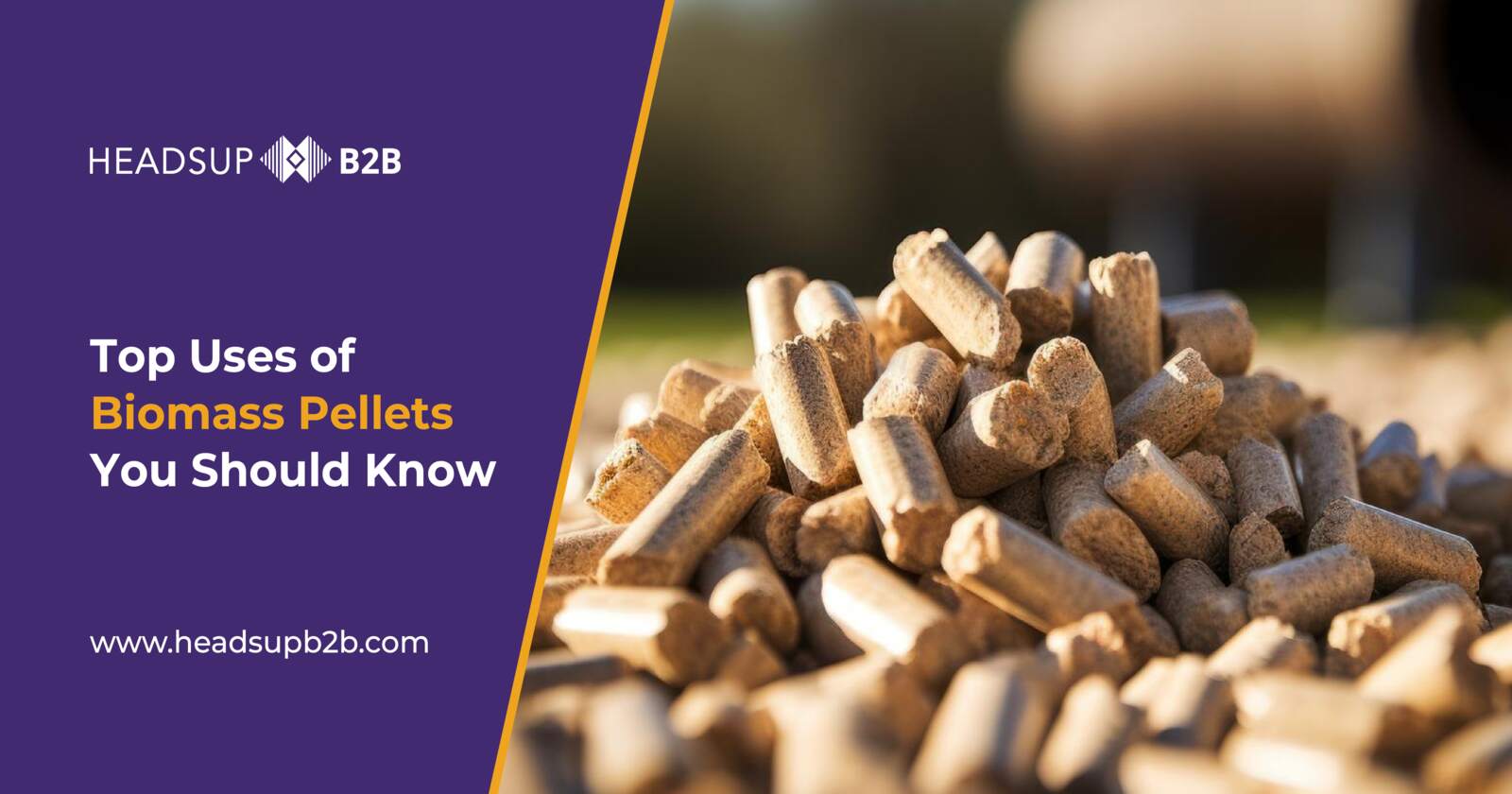
    Biomass pellets are becoming increasingly popular with government backing and a global shift towards eco-friendly fuel preference. Eco-friendly and sustainable, Biomass Pellets are made from a range of organic materials.

    These pellets are primarily cylindrical-shaped with high energy density, known as calorific value. Some of these materials include agricultural residue, organic waste and energy crops. In the recent past, the use of biomass pellets has increased. Highlighting a shift towards sustainability. In this blog, we will cover the top uses of biomass pellets in different settings and how they have been changing the use pattern across various industries.

    As we know, biomass pellets are typically made of wood chips, forestry residue, making them eco-friendly, renewable energy sources, making them highly efficient, versatile in terms of application and sustainable.

    Top Uses of Biomass Pellets

    Residential Heating

    Residential heating leads to high efficiency and low smoke emission. Automated feeding and temperature control improve convenience at home. Used in pellet stoves and boilers for home heating, biomass pellets are a clean-burning alternative to fossil fuels.

    Agricultural Applications

    Agricultural applications use biomass pellets for heating greenhouses and drying crops. Used to power dryers, greenhouses and other farm equipment. They provide sustainable energy support to promote eco-friendly farming activities. Farmers benefit from low-cost options.

    Industrial Power Generation

    Biomass Pellets are increasingly being used while cofiring in industrial applications. The different usage in terms of industrial power generation includes:

    • Power plants use biomass pellets to produce electricity.

    • Process heating, steam generation and power production.

    • Reduces carbon footprint compared to coal and oil.

    Cooking Fuel

    Biomass pellets are used in pellet grills and specialized stoves, while also being used in the new age, upcoming advanced cooking technologies, ultimately contributing to lower carbon emissions.

    • Used in pellet grills and specialized stoves.

    • Popular in areas promoting clean cooking technologies.

    Animal Bedding

    Due to them being soft, biodegradable and absorbent, Biomass pellets are preferred as Animal beddings:

    • Biomass Pellets are soft, absorbent and biodegradable, making them ideal for livestock and pet bedding.

    Biomass Pellets are new-age alternatives to traditional fuels with multiple uses across residential and commercial settings. If you are looking for clean energy fuel solutions, contact Headsup B2B – your one-stop solution for all green energy needs.

  • What Are Pellets?

    What Are Pellets?

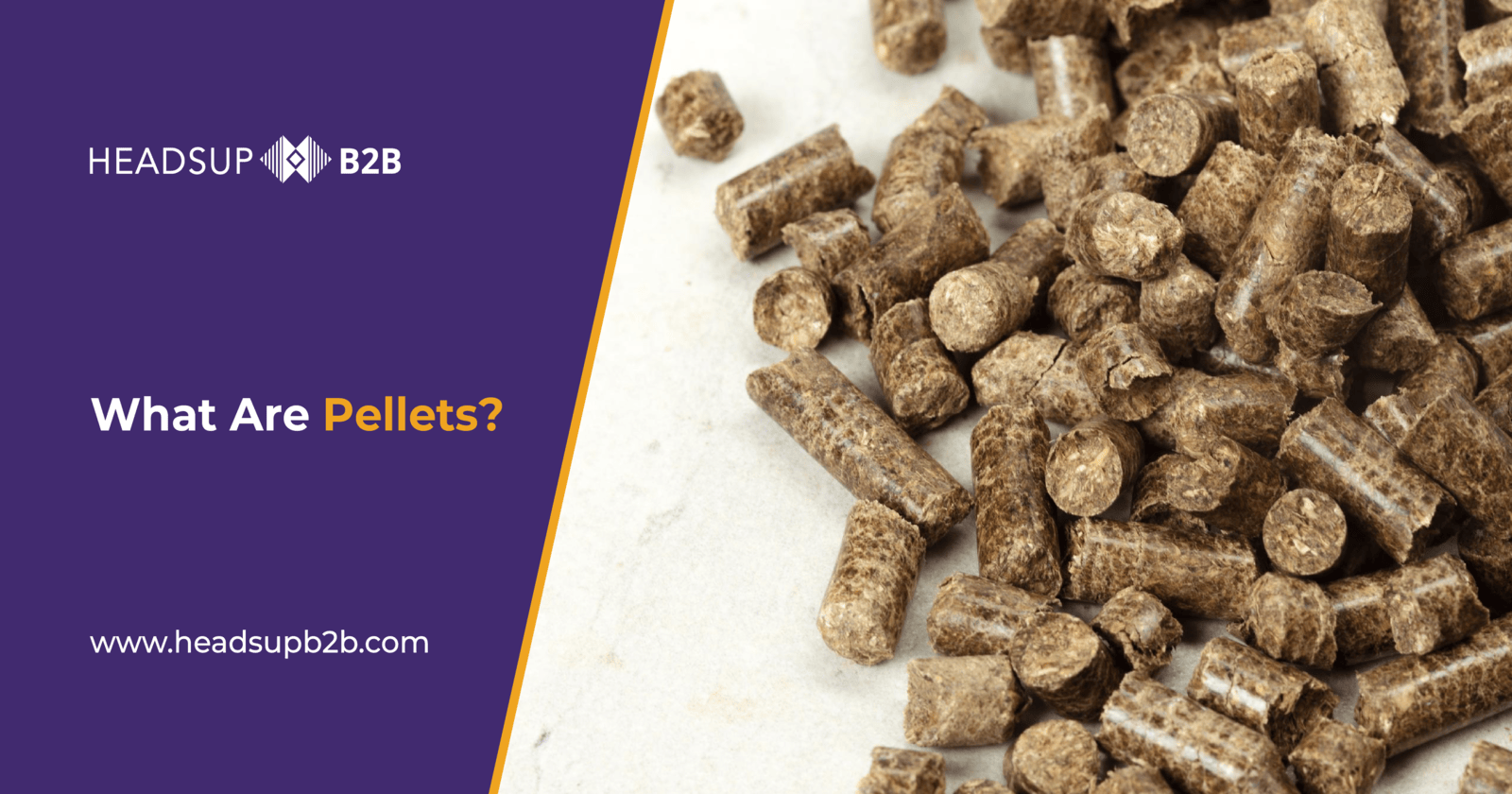
    Known for High calorific value, eco-friendliness and sustainability, Biomass pellets are now popular fuel alternatives. These fuel alternatives are being used in industrial, residential and commercial settings.

    Biomass pellets, including biomass wood pellets, have become popular. The government supports mandating them to use them as co-firing fuels along with coal is an encouraging step towards market expansion.

    What is Biomass Fuel?

    Biomass pellets are a renewable, economical and energy-efficient substitute for fossil fuels. They are made from the organic fractions of material, which include rice husk, wheat straw, sawdust, wood chip and many others. Made using waste from forests and agri residues, they give uniform burning and low emissions. Their low moisture content and high density make them easy to store, carry, and transport. Hence, biomass is a scalable fuel alternative.

    Understanding Biomass Fuel

    • Sustainable source – A renewable fuel sourced from organic waste materials such as rice husks, straw and sawdust

    • Competitive advantage – Drier and denser fuel burns better and is easy to store, and provides energy.

    • Cleaner to burn – Compared to raw materials, pellets create less smoke and dust.

    • Made from waste & residue – Turns farm and forest leftovers into useful, clean energy.

    Biomass Pellets Usage

    These pellets have a wide range of usage, finding use across several industries ranging from power generation to industrial applications such as pulp and paper. They also find their use in residential settings and animal bedding. They are vital to energy transition, especially across the Asia Pacific, where these fuel options are being placed as co-firing applications.

    Biomass pellets have numerous advantages over traditional fossil fuels. The advantages range from environmental benefits leading to greenhouse gas emissions to lower air pollutants.

    Different usage of biomass pellets are – :

    • Power generation (direct)

    • Gasification

    • Co-firing with coal

    • Industrial process heat

    • Combined heat and power generation

    • Animal bedding

    Biomass Pellets Demand in India

    India produces 75 crore tonnes of biomass annually, with a vast market size and the support of state governments such as Maharashtra and Delhi. These states have issued tenders for biomass pellet supply to meet industrial demands, providing further encouragement to the market expansion.

    National policies like NAPCC and the REC mechanism support Biomass pellets by incentivising its use. The Ministry of Power has set a price of around ₹2.58 per 1000 kcal for torrefied biomass pellets to make the procurement smooth and improve the biomass market. From power generation in thermal power plants to rural applications such as cooking on pellet-based stoves, biomass pellets span several industries.

    Summary

    Biomass Pellets are here to stay due to multiple benefits and governmental push. To make it viable as a potent fuel alternative, factors such as sourcing of high-quality biomass pallets are important. Due to the same, onboarding a reliable supplier is important, especially to ensure quality, consistency and sustainability. From finding reliable suppliers to ensuring on-time delivery, Biomass pellet fulfilment – Headsup B2B is a stop solution for all sustainable fuel needs. Contact us to know more.

  • How Biomass Pellets Are Made : A Step-by-Step Guide

    How Biomass Pellets Are Made : A Step-by-Step Guide

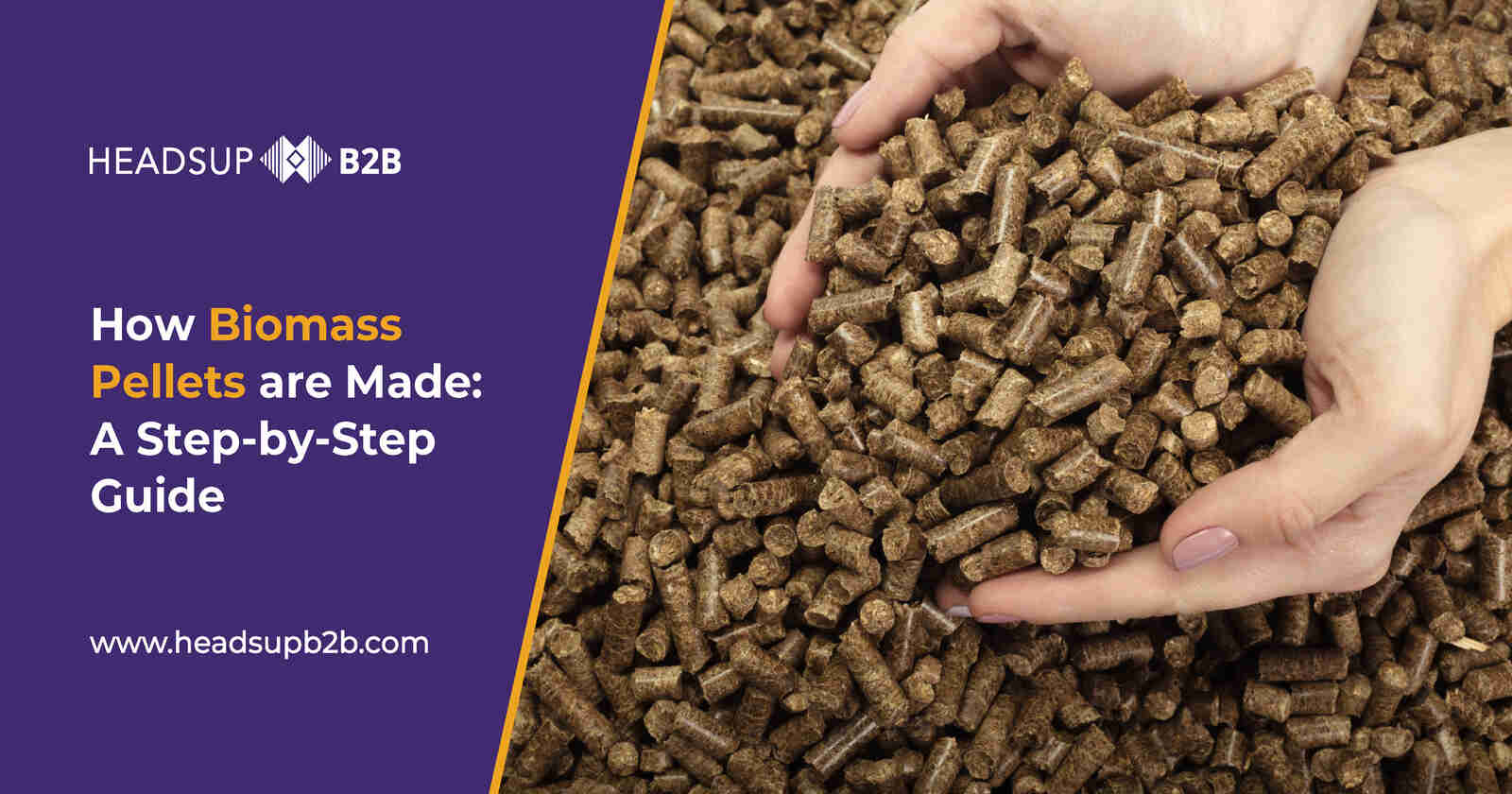
    Biomass Pellets have become increasingly popular with the support and boost from Indian government policies mandating its use. These Biomass pellets are a renewable alternative to fuels that are made from organic materials.

    Commonly used for power generation and heating, these pellets are a sustainable and eco-friendly alternative to fossil fuels.

    In this blog, we will explore the steps through which Biomass Pellets are made.

    1. Raw Material

    Biomass pellets can be bought, apart from being manufactured or farmed. These are sourced from agricultural residues such as rice husks, wheat straw or forestry waste, including sawdust and wood chips.

    Examples: Sugarcane bagasse, corn stalks, coconut shells.

    2. Grinding & Size Reduction

    To ensure uniformity, large biomass is ground into a common size. This step is crucial for efficient pellet formation

    Tool used: Hammer mill or crusher.

    3. Drying of the pellets

    The moisture content must be reduced to 10–15%. Excessive moisture in the feedstock makes pelletizing difficult. Similarly, the reduced moisture content will make the pellets more brittle.

    Method: Rotary drum dryer or flash dryer.

    4. Process of Pelletizing

    The dried biomass is fed into a pellet mill. The material gets compacted into solid cylinder-shaped pellets under very high pressure and heat.

    Output: Uniform pellets (6–10 mm diameter, depending on end-use).

    5. Cooling

    Fresh pellets come out hot and soft. A pellet cooler is used to cool down the pellets so that they can harden and stabilize for storage or transport.

    Importance: Prevents deformation and mold growth.

    6. Screening

    Fine dust and broken pellets are filtered out. Only high-quality, undamaged pellets make it to the bagging.

    Output: A Cleaner product with consistent size.

    7. Packaging & Storage

    Pellets are packed in bags or stored in silos, ready to be distributed for residential heating, industrial boilers, or power plants.

    Packaging: 15 kg bags, 1-ton jumbo bags, or bulk delivery.

    Key Steps:

    • Biomass pellets turn waste into energy.

    • The process involves grinding, drying, compressing, and cooling.

    • A well-controlled system ensures high-efficiency, low-emission fuel.

    👉 Best Place to Buy Biomass Pellets for Your Energy Needs

    Conclusion

    Industries and energy-intensive sectors looking for cleaner, more sustainable alternatives to fossil fuels are turning towards powerful, renewable fuels such as biomass pellets. The steps being followed must be followed correctly. It is pertinent that they are procured from credible manufacturers or suppliers. Headsup B2B is your one-stop shop for high-quality Biomass Pellets manufactured with a step-by-step procedure. For all your Biomass Pellet needs, Contact Headsup B2B.

  • Where to Buy Biomass Pellets for Your Energy Needs

    Where to Buy Biomass Pellets for Your Energy Needs

    Industries and energy-intensive sectors looking for cleaner, more sustainable alternatives to fossil fuels are turning towards powerful, renewable fuels such as biomass pellets. Biomass pellets are made from agricultural waste and are eco-friendly, efficient and a perfect choice for industrial boilers, power plants and heating systems. If you’re looking for biomass pellet suppliers of repute across India, an organised list of leading companies is what you need.

    Let’s explore the companies with the best quality biomass pellets:

    Indian Bio Energy

    Indian Bio Energy manufactures high calorific value biomass pellets for Industrial boilers and power plants. This supplier’s consistently high quality and performance have made it a trusted name in the Indian biomass sector.

    Eco Biofuel Pvt. Ltd.

    Established in 2019, Eco Biofuel is an ISO certified company. It manufactures biomass briquettes and pellets from agro waste. These products are trusted sources for long-term energy needs due to their strong quality and sourcing.

    Headsup B2B,

    Headsup B2B is headquartered in Hauz Khas, Delhi, and it was founded in the year 2022. The company supports end-to-end fulfillment of renewable products and solutions and is a one-stop shop for all renewable energy solutions. It has a repository of credible suppliers with a wide range of client base. The company offers high-quality biomass pellets.

    Radhe Renewable Energy

    Established in 2004, Radhe Renewable Energy Development Pvt. offers bulk supply and ready-to-use biomass heating solutions. This company is perfect for industries that need large-scale customised solutions.

    Sri Ramakrishna Charitable Trust

    Sri Ramakrishna Charitable Trust (SRC Bio Energy) was established in 1970 under the adage of the SNR Sons Charitable Trust. SRC Bio Energy makes pellet fuels out of local agricultural waste. Their plan makes sure that the community also has power.

    Zigma International

    Established in 2011, Zigma provides both biomass pellet machines and ready-made pellet supplies. This makes the company a go-to partner for those looking to set up in-house biomass systems or source pellets directly.

    Green Bio Energy

    Green Bio Energy focuses on sustainable fuel solutions for industrial and green energy projects. Their pellet offerings are designed to reduce carbon footprints while meeting industrial demands.

    Conclusion

    Biomass Pellets are potent alternatives for fuels, and following government mandates and policy boosts have led to a significant increase in demand. Headsup B2B has a repository of highly credible suppliers for biomass pellets that provide high-quality biomass pellets with high calorific value.

    Looking for a trusted renewable energy fuel solution?

    Contact us today and discover how we can help with a free consultation. Your satisfaction is our priority!

  • How to Find Reliable Biomass Pellet Suppliers

    How to Find Reliable Biomass Pellet Suppliers

    The demand for biomass pellets is increasing, and the reason behind the sudden increase is the promotion of clean energy and the aim to decrease the carbon footprints to meet the demands of the future and the present generation.

    Biomass pellets are fuels made with clean energy sources such as organic matter including sawdust and agricultural residues. These fuels promote clean energy usage and work towards reducing carbon emissions. To contribute to less carbon emissions, the Indian government mandated the use of biomass pellets through 5% of biomass cofirings in thermal power plants, and this has led to an increase in demand for biomass pellets.

    Now, India produces 750 million tonnes of biomass annually, and state governments, such as Maharashtra and Delhi, have issued tenders for biomass pellet supply to meet industrial demands. The sourcing of good quality biomass pallets is important, and for the same, onboarding a reliable supplier is important, especially to ensure quality, consistency and sustainability.

    The factors that are vital to finding reliable biomass pallet suppliers

    • Type of biomass pellets needed – eg, wood, agro-waste, mixed

    • Quantity, frequency of delivery, and storage considerations.

    • Certifications or standards required – ENplus, ISO

    • Use of directories and B2B platforms such as Alibaba, Indiamart, or Biomass Magazine supplier listings.

    • Attending renewable energy expos and trade fairs.

    • Seeking referrals and reviews from industry peers.

    Factors to Evaluate Supplier Credentials

    • Years in operation, production capacity.

    • Certifications for quality and sustainability such as FSC, ENplus A1/A2 and ISO 17225.

    • The past export history and the list of the clients.

    Final Decision-Making Checklist

    • The first step would be to shortlist suppliers.

    • It is pertinent to score them based on reliability, price, quality, and sustainability.

    • Piloting the order before entering into long-term contracts may be a good idea.

    Category Checklist
    Know Your Needs Pellet type (wood/agro/mixed)
    Quantity & frequency
    Storage space
    Certifications (ENplus, ISO)
    Market Research B2B platforms (Alibaba, Indiamart)
    Trade fairs & expos
    Peer reviews & referrals
    Supplier Selection Checklist Years in business
    Production capacity
    Certifications (FSC, ENplus A1/A2, ISO 17225)
    Export history & clients
    Final Steps Shortlist suppliers
    Score: reliability, price, quality, sustainability
    Pilot order before contract

    Biomass Pellets are potent alternatives for fuels, and with the government mandates and policy boosts have led to a significant increase in demand. To fulfill the demand, the selection of suppliers is critical. Headsup B2B has a repository of highly credible suppliers for biomass pellets.

    Looking for a trusted renewable energy fuel solution?

    Contact us today and discover how we can help with a free consultation. Your satisfaction is our priority!

  • Exploring Biomass Pellets | Everything You Need to Know

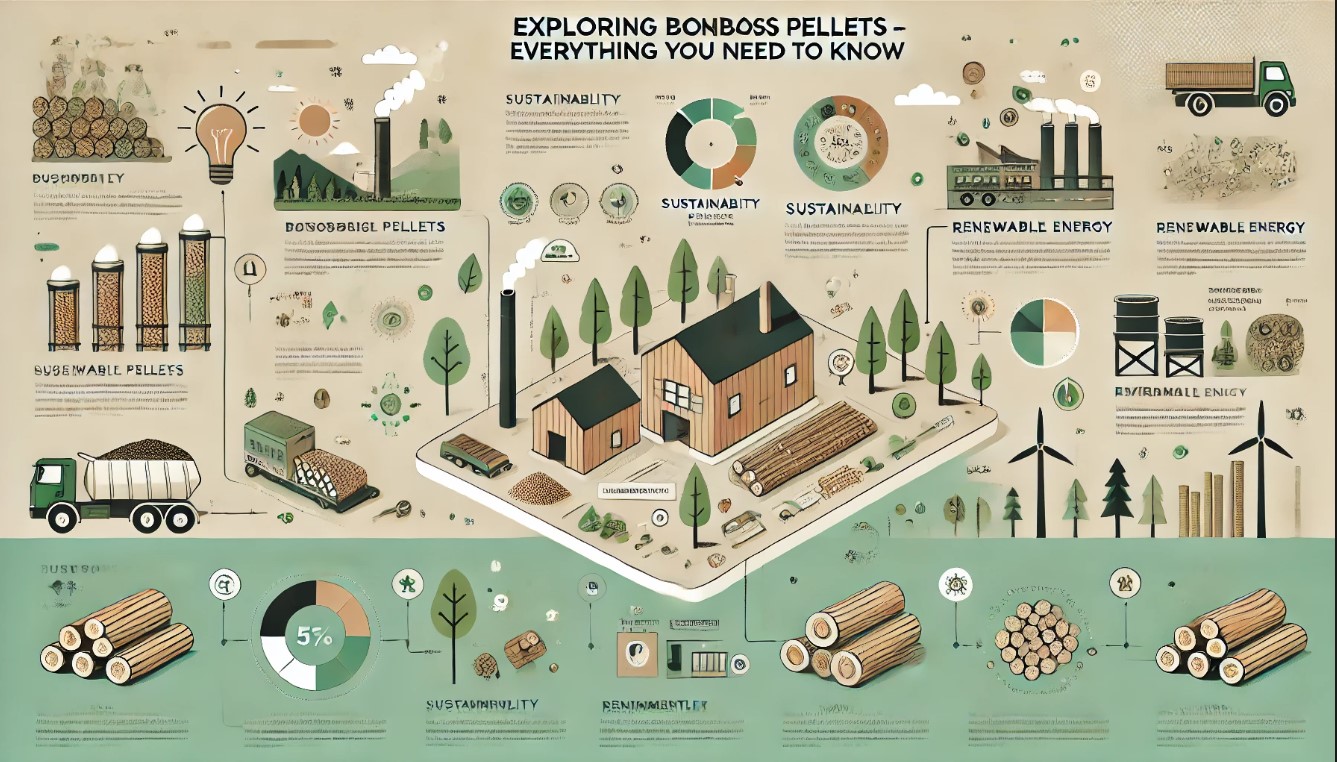
    Exploring Biomass Pellets | Everything You Need to Know

    Biomass pellets are a type of renewable energy source made from organic materials such as wood, agricultural residues, and other biological substances. They are used as a sustainable alternative to fossil fuels for heating and power generation. Here are some key points about biomass pellets:

    1. Production: Biomass pellets are produced by compressing organic materials into small, dense pellets. This process involves drying the raw materials, grinding them into a fine powder, and then compressing them under high pressure.

    2. Types of Biomass: Common materials used for biomass pellets include wood chips, sawdust, agricultural residues like straw and corn stalks, and even some types of grasses.

    3. Benefits: Biomass pellets are considered carbon-neutral because the carbon dioxide released during combustion is roughly equal to the amount absorbed by the plants during their growth. They are also more efficient and cleaner-burning than raw biomass.

    4. Applications: Biomass pellets are used in residential heating, industrial boilers, and power plants. They can be used in pellet stoves and boilers designed specifically for pellet fuel.

    5. Environmental Impact: Using biomass pellets can reduce reliance on fossil fuels and decrease greenhouse gas emissions. However, sustainable sourcing and production practices are crucial to minimize environmental impact.

    6. Market and Trends: The demand for biomass pellets is growing globally, driven by policies promoting renewable energy and the need for sustainable energy solutions.

    Understanding these aspects of biomass pellets can help in making informed decisions about their use and potential benefits in energy production.

    Read More:- Biomass Pellets Manufacturers in India

    FAQs

    1. What is a biomass pellet?

    A biomass pellet is a compressed form of organic material, typically made from agricultural residues, wood, or other renewable biomass sources, used as fuel for energy production.

    1. What is the scope of biomass pellets in India?

    In India, biomass pellets have significant potential as a renewable energy source for heating, power generation, and reducing reliance on fossil fuels, especially in rural areas.

    1. What is the cost of a biomass pellet project?

    The cost of a biomass pellet project varies depending on capacity and scale, ranging from ₹5 to ₹25 crore (\(0.6 to \)3 million), including machinery, raw material, and operational expenses.

    1. What are the raw materials for biomass pellets?

    Raw materials for biomass pellets include agricultural residues like rice husks, wheat straw, sugarcane bagasse, sawdust, and forestry waste.