Category: Best Tmt Bars

  • How to Choose the Right TMT Steel for Your Construction Project: A Comprehensive Guide

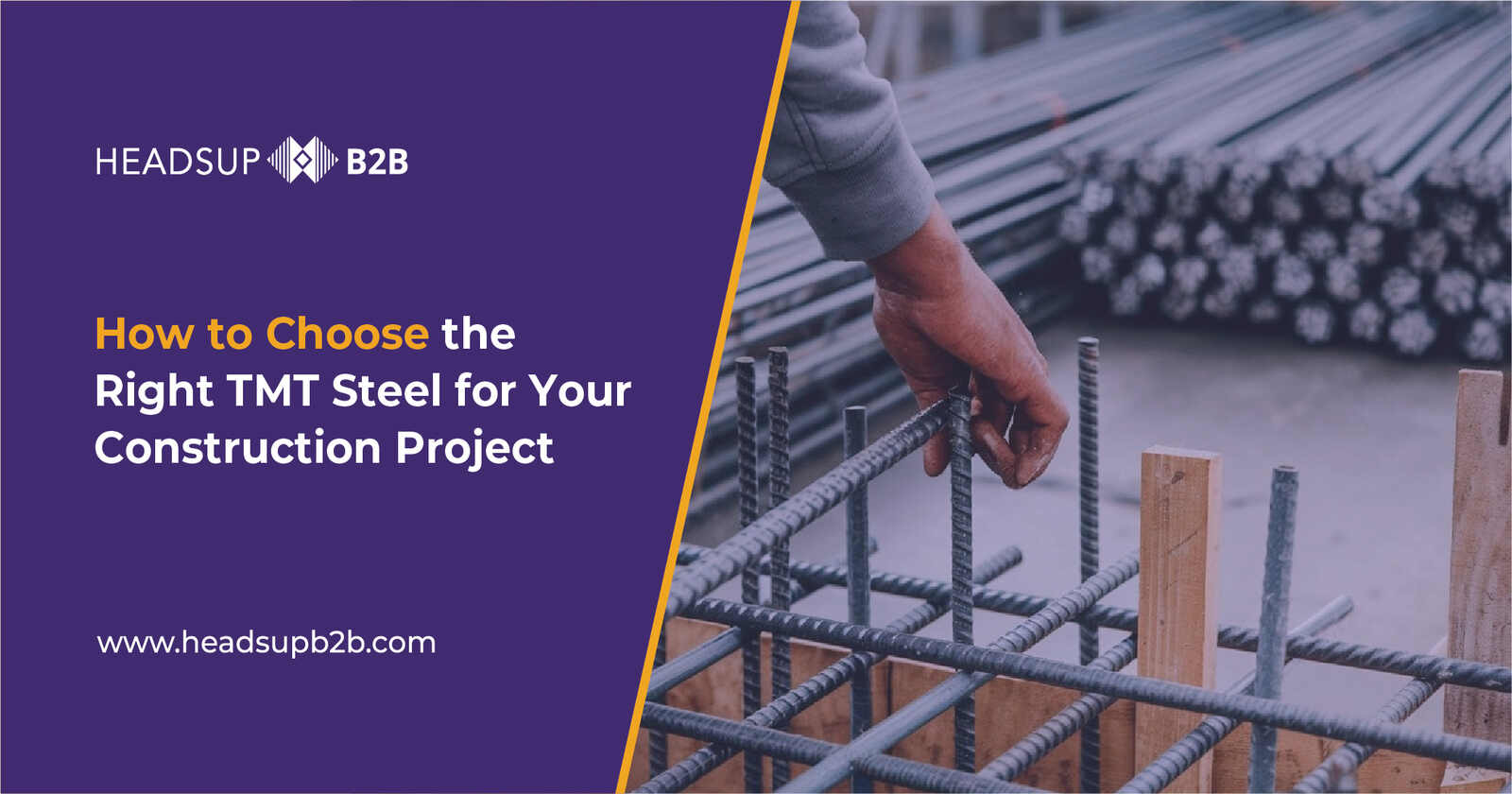
    How to Choose the Right TMT Steel for Your Construction Project: A Comprehensive Guide

    When undertaking any construction project, whether it’s a residential building, commercial structure, or large infrastructure, selecting the right materials is crucial. Among the most vital materials for construction is TMT (Thermo-Mechanically Treated) steel. It plays a significant role in ensuring the strength, durability, and safety of your structure. But with various grades and types of TMT steel available in the market, how do you choose the right one for your project?

    In this article, we’ll guide you through the process of selecting the appropriate TMT steel based on your construction needs, location, and budget.

    Why is Choosing the Right TMT Steel Important?

    Choosing the right TMT steel is essential for the longevity and stability of your project. The wrong choice could lead to structural failures, increased maintenance costs, or premature wear and tear. Here are the factors that make selecting the right TMT steel critical:

    • Strength: Different grades of TMT steel offer varying levels of strength to withstand the loads and pressures that your building will face.

    • Durability: The right steel will help prevent rust and corrosion, ensuring a long-lasting structure.

    • Seismic Resistance: For areas prone to earthquakes, flexibility in steel is crucial to prevent structural damage during seismic activities.

    • Cost-Effectiveness: While high-strength steel might be ideal for heavy-duty construction, it could be overkill for smaller projects, making it important to balance strength and cost.

    Factors to Consider When Choosing TMT Steel for Your Project

    1. Project Type and Requirements

    The type of project you’re working on will largely dictate the grade and strength of the TMT steel you need:

    • Residential Projects: For small residential buildings or low-rise structures, TMT steel grades like Fe 415 or Fe 500 are often sufficient.

    • Commercial Projects: For mid-rise or commercial buildings, Fe 500 or Fe 550 TMT steel is recommended, as these grades offer higher strength and durability.

    • High-Rise and Industrial Projects: If you’re building tall structures or industrial complexes, Fe 550 or Fe 600 steel bars are ideal because they offer exceptional tensile strength and can withstand heavy loads.

    2. Corrosion Resistance

    In regions with high humidity or exposure to moisture, corrosion can weaken the steel over time. Look for TMT steel with enhanced corrosion resistance for such environments. The Fe 500D and Fe 550D grades come with better resistance to rust, making them ideal for coastal areas or areas prone to moisture.

    3. Seismic Considerations

    In earthquake-prone regions, flexibility is a critical factor for construction materials. TMT steel is known for its ductility, which allows it to absorb stress during seismic events. Always check for grades like Fe 500D or higher, as they are designed to handle seismic forces better due to their improved bendability.

    4. Price vs. Quality

    While high-grade TMT steel offers superior strength and longevity, it also comes with a higher price tag. For smaller residential projects, opting for Fe 415 might be more cost-effective. However, for commercial and industrial projects, investing in higher grades like Fe 500 or Fe 600 is essential to ensure the safety and longevity of the building.

    5. Supplier Reputation

    It’s important to source your TMT steel from a reputable supplier to ensure you’re getting the right grade and quality of material. Check whether the supplier provides BIS certification, which guarantees that the steel adheres to national quality standards.

    How to Choose the Right TMT Steel Supplier?

    When purchasing TMT steel for your construction project, you need to ensure that you’re dealing with a reliable supplier. Here’s what to look for:

    • Certification: Ensure that the TMT steel comes with a Bureau of Indian Standards (BIS) certification.

    • Delivery and Lead Times: Choose suppliers who can deliver on time to avoid project delays.

    • Customer Service: Opt for a supplier that provides good customer support and can assist you in choosing the right grade and type of steel for your project.

    • Price Transparency: Ensure that the supplier offers clear and transparent pricing to avoid hidden charges.

    Conclusion

    Choosing the right TMT steel is a critical decision that affects the strength, durability, and safety of your construction project. By understanding your project requirements, considering factors like corrosion resistance, seismic performance, and strength, and selecting a reputable supplier, you can make an informed decision that ensures the long-term success of your project.

    If you’re ready to select the best TMT steel for your construction needs, contact trusted suppliers in your area for detailed quotes, availability, and recommendations. Make sure to choose wisely to ensure the safety and durability of your structure.

  • Top TMT Steel Bar Suppliers in Delhi NCR

    Top TMT Steel Bar Suppliers in Delhi NCR

    When it comes to construction in Delhi NCR, one of the most critical materials required is TMT (Thermo-Mechanically Treated) steel. Whether you’re working on a residential project, a commercial building, or a large infrastructure project, selecting a reliable TMT steel supplier is crucial to ensure quality, strength, and durability in your structure. In this guide, we’ll highlight some of the top TMT steel suppliers in Delhi NCR, providing you with insights into their offerings, benefits, and how to make an informed choice for your next project.

    Why Choose the Right TMT Steel Supplier?

    Selecting the right TMT steel supplier can directly impact the quality and integrity of your construction project. A reputable supplier ensures you get:

    • High-Quality Steel: Durable, strong, and corrosion-resistant TMT steel.

    • Timely Delivery: On-time deliveries to avoid project delays.

    • Competitive Pricing: Value-for-money pricing without compromising on quality.

    • Customer Service: Support to help you select the right grade and size of TMT steel bars.

    Top TMT Steel Suppliers in Delhi NCR

    1. Shri Rathi Group

    Shri Rathi Group is one of the leading TMT steel suppliers in Delhi NCR, offering high-strength steel bars for all types of construction projects. Their product range includes various grades of TMT steel, including the premium Fe 600 grade.

    2. Metro TMT (Metro Corp)

    Metro TMT, a well-known supplier in Delhi NCR, provides a wide variety of TMT steel bars, including grades Fe 500 and Fe 550. They are known for their robust supply chain and manufacturing process.

    3. Tata Steel Limited (TISCON)

    Tata Steel is a globally recognized brand, and their TISCON division offers TMT bars of high quality for various construction applications. Known for its superior strength, Tata TISCON is one of the most trusted brands for TMT steel.

    4. SAIL (Steel Authority of India Limited)

    SAIL is another reputed name in the Indian steel industry that provides high-quality TMT steel to the Delhi NCR region. Known for their Fe 500D grade TMT bars, SAIL steel offers strength and resilience, making it a popular choice for major construction projects.

    Headsup B2B is a leading TMT steel supplier in Delhi, offering high-quality TMT bars known for their exceptional strength and durability. These TMT bars are widely trusted in the construction industry for their reliability and performance in various applications, making them a top choice for builders and contractors.

    How to Choose the Right TMT Steel Supplier for Your Project?

    When selecting a TMT steel supplier in Delhi NCR, consider these key factors:

    1. Quality Certifications: Always choose suppliers who provide certified TMT steel bars, ensuring that the steel meets industry standards.

    2. Product Range: Ensure that the supplier offers the right grades of steel (Fe 415, Fe 500, Fe 550, Fe 600) suited to your project requirements.

    3. Pricing: Compare the prices from different suppliers to find the best deal while ensuring the quality is not compromised.

    4. Customer Support: A reliable supplier should offer excellent customer service, including prompt responses to queries and issues.

    5. Delivery Efficiency: Timely delivery is essential to avoid project delays. Always check delivery timelines before placing an order.

    Conclusion

    Choosing the right TMT steel supplier is crucial for the success of any construction project in Delhi NCR. Whether you’re working on a residential building, a commercial structure, or large infrastructure, suppliers like Shri Rathi Group, Metro TMT, Tata Steel, and SAIL are all reputable options to consider. Each offers high-quality products with varying grades to match your project requirements.

    Headsup B2B is a leading TMT steel supplier in Delhi, offering high-quality TMT bars from trusted brands like Kamdhenu, SRMB Steel, and JSW Neosteel. These TMT bars are known for their exceptional strength, durability, and reliability, making them ideal for various construction applications. Builders and contractors prefer these brands for their superior performance and quality.

    If you’re ready to begin your construction project, contact one of these top TMT steel suppliers in Delhi NCR to get the best deals and ensure the strength and durability of your structure.

  • TMT Steel Types Available in Delhi NCR: A Complete Guide for Construction Projects

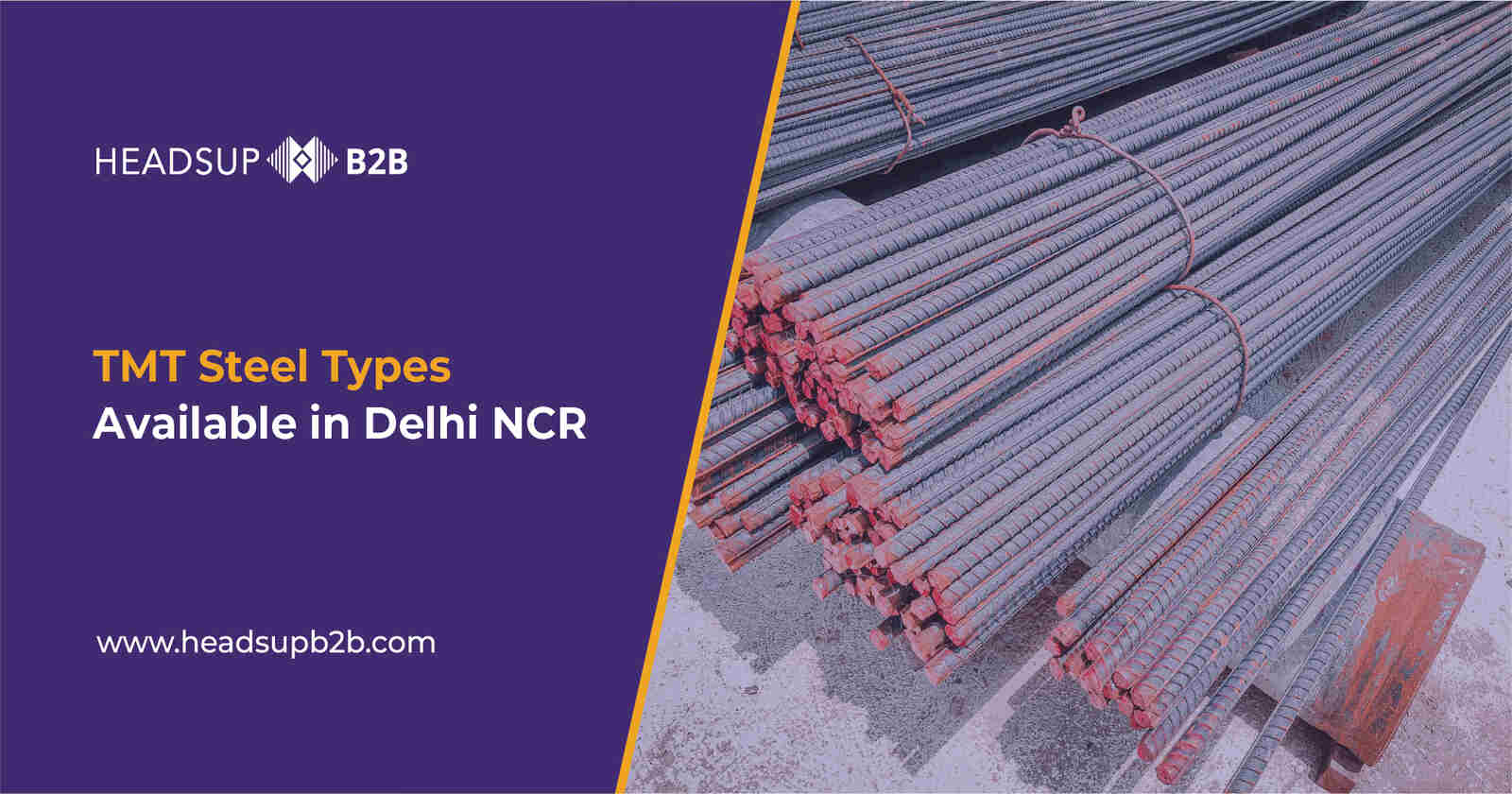
    TMT Steel Types Available in Delhi NCR: A Complete Guide for Construction Projects

    When it comes to construction projects, selecting the right material is critical for ensuring the durability and strength of the structure. One of the most essential materials used in construction is TMT (Thermo-Mechanically Treated) steel. Available in various types and grades, TMT steel provides the strength and flexibility required for everything from residential buildings to large-scale industrial projects.

    In this guide, we’ll explore the different types of TMT steel available in Delhi NCR and help you understand how to choose the best option for your construction needs.

    What is TMT Steel?

    TMT steel is a high-strength steel bar widely used in the construction industry. It undergoes a special manufacturing process where the steel is subjected to a combination of heat treatment and mechanical deformation. This process makes the steel both tough and flexible, ideal for reinforcing concrete in buildings and infrastructure projects. TMT steel is known for its superior strength, corrosion resistance, and earthquake-resistant properties.

    Types of TMT Steel Available in Delhi NCR

    In Delhi NCR, the market offers several types of TMT steel, each suited to different construction requirements. Here’s a breakdown of the most common types:

    1. Fe 415 TMT Steel

    Fe 415 is one of the most commonly used types of TMT steel in construction. The number “415” refers to the minimum yield strength of the steel, which is 415 MPa (Mega Pascal).

    • Usage: Fe 415 is ideal for residential buildings, low-rise structures, and small-scale projects.

    • Strength: Offers moderate strength, making it suitable for less demanding applications.

    • Benefits: It is cost-effective and widely available in Delhi NCR.

    2. Fe 500 TMT Steel

    Fe 500 TMT steel is one of the most popular choices for medium to large construction projects. With a yield strength of 500 MPa, it provides higher tensile strength and durability than Fe 415.

    • Usage: Fe 500 is often used in the construction of multi-storey buildings, bridges, and highways.

    • Strength: Higher strength compared to Fe 415, making it suitable for structures requiring greater resistance to stress.

    • Benefits: Fe 500 offers better resistance to corrosion and higher bendability, making it ideal for more complex construction designs.

    3. Fe 550 TMT Steel

    Fe 550 TMT steel has an even higher yield strength of 550 MPa, offering superior strength and performance for demanding applications.

    • Usage: Fe 550 is commonly used in high-rise buildings, industrial structures, and major infrastructure projects like dams and bridges.

    • Strength: Fe 550 TMT steel provides enhanced seismic resistance and is ideal for heavy-duty construction projects.

    • Benefits: With its high strength, Fe 550 is capable of handling larger loads and stresses, making it perfect for critical structural elements.

    4. Fe 600 TMT Steel

    Fe 600 TMT steel is the highest grade of TMT steel available in the market, offering a yield strength of 600 MPa. This grade is designed for the most critical and demanding construction applications.

    • Usage: It is typically used for large-scale industrial projects, bridges, flyovers, and high-end commercial buildings.

    • Strength: Fe 600 provides the highest strength and is resistant to high stress and heavy load conditions.

    • Benefits: This type of steel offers excellent corrosion resistance and high durability, making it ideal for challenging environments.

    How to Choose the Right TMT Steel for Your Project?

    Selecting the right type of TMT steel depends on several factors, such as the nature of your project, the building’s design, the location, and the budget. Here are some guidelines to help you choose the right TMT steel:

    • For Residential Projects: If you are constructing a single-family home or a low-rise building, Fe 415 or Fe 500 TMT steel is typically sufficient.

    • For Commercial Buildings: For multi-storey commercial buildings or malls, Fe 500 or Fe 550 TMT steel is recommended, as these types can withstand higher stress.

    • For High-Rise Buildings and Infrastructure: For high-rise buildings or large infrastructure projects like bridges, dams, and flyovers, Fe 550 or Fe 600 TMT steel should be your choice due to their exceptional strength and seismic resistance.

    • Environmental Factors: Consider the local environmental conditions, such as corrosion risks due to humidity or exposure to salts, which may require you to opt for higher-grade TMT steel for durability.

    Why TMT Steel is the Best Choice for Construction in Delhi NCR?

    Delhi NCR’s humid climate, pollution, and seismic activity make it necessary to choose high-quality materials for construction. TMT steel provides several advantages that make it perfect for the region:

    1. Corrosion Resistance: TMT steel has a corrosion-resistant outer surface, making it ideal for areas with high humidity and pollution, which are common in Delhi NCR.

    2. Earthquake Resistance: The flexibility of TMT steel makes it highly resistant to seismic activity, an important consideration in a seismically active region.

    3. Higher Durability: TMT steel’s higher strength and bendability make it more durable and long-lasting, providing better value for money in construction projects.

    Conclusion

    When planning a construction project in Delhi NCR, choosing the right type of TMT steel is essential for ensuring the structure’s strength, durability, and safety. Fe 415, Fe 500, Fe 550, and Fe 600 are the most common types of TMT steel available, each offering unique benefits suited to different construction needs.

    Make sure to assess your project requirements carefully and consult with a trusted supplier or contractor to choose the best TMT steel for your construction project. With the right TMT steel, you can ensure that your building is built to last and withstand the test of time.

    If you’re looking for high-quality TMT steel in Delhi NCR, contact us today to learn more about our offerings and get a free quote for your construction project!

  • How to Choose the Right Tata Steel Grades for Your Project?

    How to Choose the Right Tata Steel Grades for Your Project?

    With a legacy of over 100 years and a reputation for excellence, Tata Steel grades offer a wide range of features like flexibility, reliability and rust resistance.

    The company’s in-house grades have become industry standards, characterising quality and consistency. Known for durability and their distinct features, make them suitable for a diverse range of applications, including civil structures, body panels and machinery.

    When it comes to performance, durability and cost efficiency, the right steel grade matters greatly. Manufacturing, automotive, infrastructure, and construction have been created with various grades by Tata Steel. But how do you know which one fits the bill? In this blog, we will explore different Tata Steel grades and their suitability for different project needs.

    When it comes to performance, durability and cost efficiency, the right steel grade matters greatly. Manufacturing, automotive, infrastructure, and construction have been created with various grades by Tata Steel. But how do you know which one fits the bill? In this blog, we will explore different Tata Steel grades and their suitability for different project needs.

    Understand Your Project Requirements

    When a project is piloted, it must be started by identifying project needs.

    Be it structural, fabrication-based, automotive, or heavy engineering, each application seeks a different combination of core features. Core features such as tensile strength, corrosion resistance, weldability, and formability are pre-defined for a given project type. For instance, Tata Astrum is well suited for cold-rolled applications, whereas Tata Tiscon is ideal for construction.

    Know the Tata Steel Grade Families


    Familiarise yourself with popular Tata Steel products and their applications:

    • Tata Tiscon: Tata Tiscon is popular for its robustness and earthquake resistance. The well-known brand has reinforced concrete structures.

    • Tata Structura: Used in load-bearing designs, Tata Structura incorporates hollow steel sections for architectural purposes.

    • Tata Astrum: Known for surface finish, cold-rolled steel for precision and surface finish, Tata Astrum is an Industrial and engineering grade. With these distinct features and specialities, they are used in applications such as machinery, tools and pipelines.

    • Tata EzyFit/Steelium: For fabrication and manufacturing applications, each grade comes with specific mechanical and chemical properties—refer to Tata’s datasheets or consult your supplier.

    Consider your working environment

    • Coastal and industrial zones need high corrosion resistance, so opting for grades with added alloying elements is more suited for applications specific to coastal areas and industrial settings.

    • Load-bearing structures. The load-bearing measure decides the amount of load that a structure will require to support. Tata Ticson 550SD may be preferable over 500D.

    • For ease of welding or machining, low-carbon grades perform better.

    Tata steel grades such as Tata Tiscon hold a market share of about 14% in TMT bars. These grades are brands in their own capacity, supporting applications ranging from load bearing structures to coastal and industrial zones with an unparalleled reputation.

    The right grade is equivalent to a longer life and better performance. Ensure your materials match your project’s ambition. Need help with sourcing? Headsup B2B ensures you get the right Tata Steel grade—stress-free.

  • What Are the Different Tata Steel Grades and Their Benefits?

    What Are the Different Tata Steel Grades and Their Benefits?

    With a legacy of over 100 years, Tata Steel Grades has been synonymous with trust, ethics, national development and excellence. Different grades of steel are employed in various industries. For instance, features such as yield strength, weldability and grade are vital for a wide range of applications in the automotive, construction and industrial sectors.

    In this blog, we will explore more about Tata Steel’s major grades and their practical benefits.

    Steel grades and their importance

    Knowledge of steel grades provides insights into the technical features of the specific type of steel with required composition, mechanical properties and use cases. Features such as weldability help with important decisions, for instance, choosing the grade for applications like warehouses, bridges, frames and coils.

    Tata Steel Grades

    Tata Steel grades are manufactured for various types of applications, offering differentiated features like flexibility, reliability and rust resistance. These grades are known for their quality, consistency and durability. Their distinct features make them suitable for a diverse range of applications, including civil structures, body panels and machinery.

    Construction Grades

    The construction grade of steel is characterised by high strength, earthquake resistance and corrosion resistance. These features, along with ductility, make them suitable for applications such as bridges, seismic zones and civil structures.

    Grades: Tata Tiscon 500D, Tata Tiscon Superlinks

    Automotive Grades

    The automotive grades of Tata Steel are lightweight, fuel-efficient, with a great surface finish. They are used in applications such as fuel tanks, body panels and chassis.

    Grades: HR, CR, Galvano, Tata Steelium

    Industrial & Engineering Grades

    For Industrial and engineering grades, the dimensional accuracy, machinability and consistent properties are vital. With these distinct features and specialities, they are used in applications such as machinery, tools and pipelines.

    Grades: Tata Astrum (HR/CR sheets), Tata Ferroshots

    Galvanised and Coated Steel Grades

    Used mainly for roofing, cladding and related appliances, galvanised and coated steel grades have distinctive features including longevity, corrosion resistance and aesthetics.

    Examples: Tata Galvano, Tata Shaktee

    Speciality & High-Strength Grades

    Domains such as infrastructure, telecom and fencing require the ability to customize, flexibility in design, durability, apart from corrosion resistance and longevity.

    Examples: Tata EzyFit, Tata Structura, Tata Wiron

    Benefits of Using Tata Steel Grades

    • Consistency & Quality Assurance

    • High Performance in Critical Applications

    • Compliant with Indian & International Standards

    • Sustainable Manufacturing Processes

    • After-sales Support & Technical Assistance

    Factors important in the choice of steel grade

    The type of application required for the particular steel grade.

    The Load and stress requirements for a bridge would be different compared to a panel for a particular application

    Another vital factor is the corrosion resistance and related environmental factors. Applications such as automotive components, like car body formation and steel pipeline fabrication, depend on welding needs.

    Conclusion

    Headsup B2B offers a wide range of steel grades designed for various applications, including construction, automotive, and general engineering. Key grades include TMT bars (like Tata Tiscon) for construction, cold-rolled steel for automotive and appliance manufacturing, and structural steel for building and infrastructure. They also produce hot-rolled, heat-treatable steel and coated steel products like Tata Shaktee for roofing. Headsup B2B is your one-stop shop for all steel solutions, including Tata Steel grades. Contact us to know more about it.

  • Difference Between Fe 500 and Fe 550D TMT Bars in Construction

    Difference Between Fe 500 and Fe 550D TMT Bars in Construction

    Dreams of strong skyscrapers, bridges, and homes start with a strong and resilient foundation. TMT bars have revolutionized construction since the mid-20th century. The features like high tensile strength, durability, and flexibility make TMT bars the backbone of any construction project. Selecting the right one may be daunting—with many options available. Among the popular choices, FE 500 and FE 550D stand out. To help you navigate this decision, we will break down the key differences between these two grades of TMT Bars, empowering you to make informed choices that fit your construction choice and the building needs.

    What are TMT Bars?

    TMT Bars are engineered marvels of modern construction. They use high-strength reinforcement, resulting in a unique microstructure with a hard outer layer encapsulating a soft core. They are manufactured through rigorous thermomechanical treatment. With superior strength, ductility, and corrosion resistance, TMT bars are the backbone of countless residential, commercial, and infrastructure projects worldwide.

    Understanding Fe 500 and Fe 550D

    The decision to choose a TMT bar for construction is a vital one, owing to its role in the resilience of the construction during times of natural calamities such as floods, earthquakes, flood, and fire.

    TMT bars are categorized by their yield strength, which measures their resistance to deformation. Fe 500 TMT bars, with a minimum yield strength of 500 N/mm², are versatile and suitable for a wide range of construction projects.

    Fe 550D TMT bars, on the other hand, offer superior strength and ductility. The “D” signifies enhanced ductility, making these bars ideal for structures that require greater flexibility and resistance to stress. This higher grade is often used in high-rise buildings, bridges, and other complex infrastructure projects.

    Key Difference of Fe 500 and Fe 550D

    Aspect Fe 500 Fe 550D
    Yield Strength 500 N/mm² 550 N/mm²
    Ductility Moderate High
    Elongation Lower compared to Fe 550D Higher elongation percentage
    Applications General-purpose construction projects High-stress structures like bridges
    Flexibility More flexible Slightly less flexible
    Cost Comparatively lower Slightly higher
    Corrosion Resistance Standard Enhanced
    Earthquake Resistance Adequate for low seismic zones Suitable for high seismic zones

    Detailed Comparison

    1. Yield Strength:

      • Fe 500 bars have a yield strength of 500 N/mm², making them suitable for general-purpose construction. On the other hand, Fe 550D has a higher yield strength of 550 N/mm², offering better load-bearing capacity.
    2. Ductility and Elongation:

      • While both grades are strong, Fe 550D excels in ductility due to the “D” grade. This property makes it ideal for structures that require greater flexibility, such as high-rise buildings and structures in earthquake-prone areas.
    3. Applications:

      • Fe 500 is often used for residential buildings and small to medium-sized structures. Fe 550D, with its enhanced properties, is preferred for infrastructure projects like dams, bridges, and industrial structures that experience higher stress.
    4. Cost:

      • Fe 550D bars are slightly more expensive than Fe 500 due to their superior properties. However, the cost difference is often justified by the added strength and durability they bring to critical projects.
    5. Corrosion Resistance:

      • Both grades offer good resistance to corrosion, but Fe 550D’s enhanced ductility often translates into better performance in corrosive environments.
    6. Earthquake Resistance:

      • Fe 550D’s high ductility makes it more effective in absorbing energy during seismic activities, reducing the risk of structural failure in high earthquake zones.

    Which One Should You Choose?

    The choice between Fe 500 and Fe 550D TMT bars depends on the specific requirements of your project:

    • Fe 500:

      • Ideal for residential buildings, small commercial structures, and other low to medium-load bearing projects.

      • Cost-effective and widely available.

    • Fe 550D:

      • Suitable for high-stress projects such as bridges, dams, and industrial buildings.

      • Recommended for regions with high seismic activity due to its superior ductility.

      • The added cost is justified for critical infrastructure projects.

    Conclusion

    Are you deciding between Fe 500 and Fe 550 D TMT Bars? Your final decision depends on performance parameters, specifications, budget, and construction needs. For general construction, Fe 500 is the perfect combination of cost efficiency and versatility. For constructions in seismic zones and high-stress environments, Fe 550 D TMT Bars are your way to go.

    Both the building materials are exceptional, but it’s important to keep your project requirements, design environmental conditions, and budget in mind while selecting the right TMT bars. While the factors hesitate to consult experts like structural engineers to find the right grade for your construction needs.

  • TMT Steel Bar Weight – 8mm, 10mm, 12mm & 16mm Steel Bars

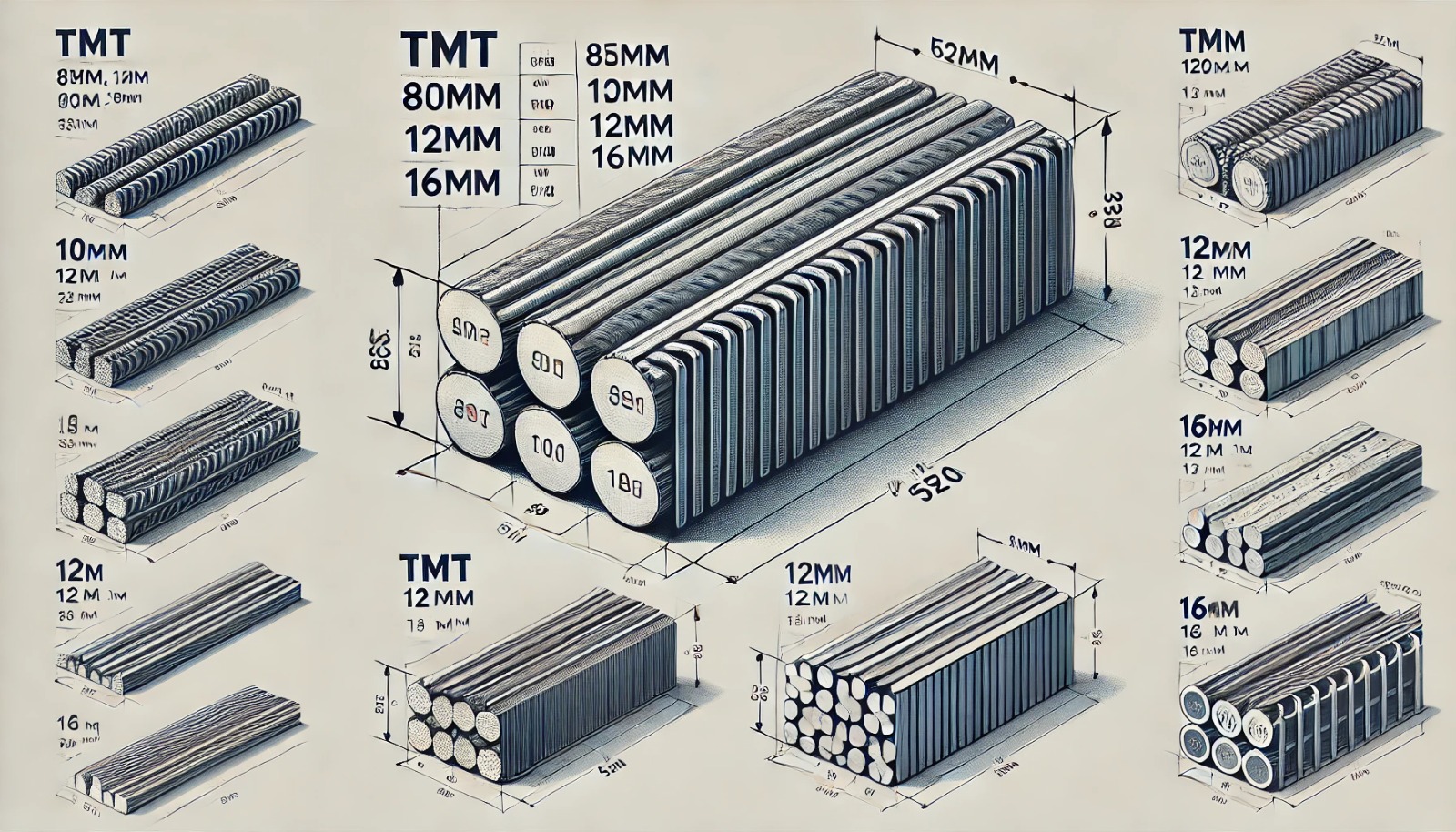
    TMT Steel Bar Weight – 8mm, 10mm, 12mm & 16mm Steel Bars

    TMT (Thermo Mechanically Treated) steel bars are essential components in the construction industry, known for their strength, flexibility, and durability. TMT bars, with varying diameters and weights, are widely used in concrete reinforcement, ensuring that structures can withstand high stress and environmental conditions. Below, we provide an in-depth guide on the weights, uses, and specifications of 8mm, 10mm, 12mm, and 16mm TMT steel bars, helping you make informed decisions for your construction projects.

    Understanding TMT Steel Bars: Types and Benefits

    TMT bars are manufactured using a highly specialized process involving quenching, self-tempering, and annealing, which imparts strength and ductility to the steel. This makes TMT bars ideal for construction projects requiring high structural integrity. They provide earthquake resistance, fire resistance, and superior bonding strength with concrete, making them the first choice for construction projects worldwide.

    Calculating TMT Steel Bar Weight

    The weight of TMT steel bars is crucial to determine the load-bearing capacity and overall strength they bring to a structure. Knowing the weight of TMT bars of different diameters is essential for calculating materials, costs, and the structural load. TMT bars typically follow a formula for weight calculation:

    Formula: Weight per meter (in kg) = (D^2 / 162)
    Where D is the diameter of the bar in millimeters.

    Using this formula, we can quickly calculate the weights of 8mm, 10mm, 12mm, and 16mm TMT bars. Here’s a breakdown of the individual weights:

    1. 8mm TMT Steel Bar Weight

    Diameter: 8mm
    Weight per meter: Calculated as (8^2 / 162) ≈ 0.395 kg/m.

    The 8mm TMT steel bars are primarily used in areas requiring lesser load-bearing capacity, like small residential buildings, floor slabs, and columns. The lightweight nature of the 8mm bar makes it ideal for secondary reinforcement in beams and concrete slabs.

    2. 10mm TMT Steel Bar Weight

    Diameter: 10mm
    Weight per meter: Calculated as (10^2 / 162) ≈ 0.617 kg/m.

    10mm TMT bars offer higher strength than 8mm bars and are often used in residential and commercial buildings. They are suitable for use in columns and in the primary framework where moderate structural strength is required. These bars also provide additional stability in earthquake-prone areas due to their flexibility.

    3. 12mm TMT Steel Bar Weight

    Diameter: 12mm
    Weight per meter: Calculated as (12^2 / 162) ≈ 0.888 kg/m.

    12mm TMT bars are commonly used in larger structures, such as commercial complexes, bridges, and high-rise buildings. Their weight and strength make them suitable for heavy-load areas, including columns and beams. These bars contribute significantly to the overall strength and resilience of a structure, especially in multi-story buildings.

    4. 16mm TMT Steel Bar Weight

    Diameter: 16mm
    Weight per meter: Calculated as (16^2 / 162) ≈ 1.580 kg/m.

    The 16mm TMT steel bar is one of the heaviest and strongest bars available, used in the main load-bearing components of large construction projects. Its high weight per meter allows it to support massive structures and withstand high-stress levels. Often employed in columns, beams, and structural foundations, the 16mm TMT bar provides exceptional stability and robustness to the building structure.

    Comparison of TMT Steel Bar Weights

    Diameter (mm)

    Weight per Meter (kg)

    Primary Uses

    8mm

    0.395 kg/m

    Small residential buildings, floor slabs

    10mm

    0.617 kg/m

    Columns, moderate structural load-bearing

    12mm

    0.888 kg/m

    Commercial buildings, bridges, multi-story

    16mm

    1.580 kg/m

    Large structures, beams, structural columns

    The above table provides a quick reference for the weight and uses of different TMT bar diameters. Choosing the appropriate diameter depends on the requirements of load-bearing capacity and structural stability.

    Key Features and Advantages of TMT Bars

    1. High Strength and Flexibility

    TMT bars are known for their high tensile strength combined with flexibility. The unique manufacturing process enhances their elasticity, enabling them to withstand bending and other stress without breaking.

    2. Corrosion and Fire Resistance

    TMT bars have a protective coating that resists corrosion, even in high-humidity environments. Their thermal stability allows them to withstand high temperatures, making them suitable for structures where fire resistance is essential.

    3. Earthquake Resistance

    TMT bars are designed to absorb energy, providing resistance to earthquakes and other seismic activities. This ductility prevents structural failures, ensuring the safety of buildings and inhabitants.

    4. Cost-Effectiveness

    With their strength and longevity, TMT bars require less maintenance and provide long-term cost savings. Additionally, because of their lightweight nature, these bars reduce transportation costs.

    How to Choose the Right TMT Bar for Your Project

    When selecting TMT bars, consider the following factors:

    • Project Scale and Load Requirements: Choose smaller diameters like 8mm or 10mm for smaller structures, and larger diameters like 12mm and 16mm for more significant projects.

    • Seismic and Environmental Conditions: For projects in earthquake-prone areas, ensure TMT bars with high ductility and earthquake resistance.

    • Grade of Steel: TMT bars are available in different grades (Fe-415, Fe-500, Fe-550, etc.). Higher grades offer greater tensile strength and are suitable for heavy-duty applications.

    • Compliance with Standards: Verify that the TMT bars meet industry standards like IS 1786 in India, which ensures the quality and performance of the steel.

    Advantages of Using TMT Bars in Modern Construction

    TMT bars have revolutionized construction with their reliability, strength, and adaptability to various construction needs. They are especially valuable in:

    • Reinforced Concrete Construction: Enhancing the load-bearing capacity of concrete structures.

    • Infrastructure Projects: High durability and load-bearing capacity make TMT bars suitable for bridges, flyovers, and dams.

    • Sustainable Building Practices: TMT bars are recyclable, aligning with green construction practices aimed at reducing waste.

    Conclusion

    Selecting the correct TMT bar diameter and weight is essential for constructing durable, safe, and cost-effective structures. The varying weights of 8mm, 10mm, 12mm, and 16mm TMT steel bars make them suitable for a range of applications, from small residential buildings to massive infrastructure projects. With their high tensile strength, corrosion resistance, and earthquake resilience, TMT bars offer a robust solution for modern construction needs.

  • Top 10 Best TMT Bars in India

    Top 10 Best TMT Bars in India

    TMT (Thermo Mechanically Treated) bars are the backbone of any concrete structure. Their quality and strength play a crucial role in the overall stability and durability of a building. With numerous brands available in the Indian market, choosing the right one can be overwhelming. To simplify your decision-making process, we’ve compiled a list of the top 10 Best TMT bars in India, known for their quality, reliability, and customer trust.

    Understanding TMT Bars

    Before we delve into the brands, let’s understand what TMT bars are. These steel reinforcements are subjected to a special heat treatment process that enhances their strength, ductility, and resistance to corrosion. They are widely used in the construction industry for their superior performance compared to traditional mild steel bars.

    Top 10 TMT Bar Brands in India

    1. Tata Tiscon: A leading brand renowned for its exceptional ductility and strength. It is particularly preferred for high-rise buildings and structures in seismic zones.

    2. JSW Steel: Known for its consistent quality and wide range of products, JSW Steel is a trusted name in the construction industry.

    3. SAIL: A government-owned enterprise, SAIL produces high-quality TMT bars at competitive prices.

    4. Shri Ram EPC: Offers innovative TMT bars with superior strength and elongation properties.

    5. Kamdhenu: Known for its wide range of products and strong distribution network, Kamdhenu is a popular choice for builders.

    6. Visakha Steel: Produces high-quality TMT bars with a focus on environmental sustainability.

    7. Usha Martin: Offers a wide range of TMT bars for various construction applications.

    8. Maheshwari Steel: Known for its consistent quality and adherence to industry standards.

    9. Ratnakar Steel: A reliable brand offering TMT bars at competitive prices.

    10. Everest Steel: A growing brand with a focus on innovation and customer satisfaction.

    Factors to Consider When Choosing a TMT Bar Brand

    While the above list highlights some of the top TMT bar brands in India, it’s essential to consider several factors before making a final decision:

    • Grade of Steel: Choose the appropriate grade based on the project’s requirements (Fe 415, Fe 500, Fe 550, etc.).

    • Diameter: Select the correct diameter based on design calculations.

    • Ductility: Ensure the TMT bars have good ductility to withstand seismic loads and bending stresses.

    • Strength: The TMT bars should possess adequate strength to support the building’s load.

    • Corrosion Resistance: Look for TMT bars with good corrosion resistance for long-term durability.

    • Price: Compare prices from different brands without compromising on quality.

    • Availability: Ensure the chosen brand has a strong distribution network in your area.

    The Importance of Consulting a Structural Engineer

    It is highly recommended to consult with a structural engineer to determine the most suitable TMT bar for your specific project. They can provide expert advice based on load calculations, soil conditions, and other relevant factors.

    By carefully considering these factors and selecting a reputable TMT bar brand, you can ensure the structural integrity and safety of your building.

    Disclaimer: This blog post is intended to provide general information and does not constitute professional advice. It’s essential to conduct thorough research and consider your specific project requirements before making a final decision

    FAQs

    1. What is the difference between Fe 415, Fe 500, and Fe 550 TMT bars?

      The numbers indicate the minimum yield strength of the steel in Newtons per square millimeter (N/mm²). Fe 415 has a minimum yield strength of 415 N/mm², Fe 500 has 500 N/mm², and Fe 550 has 550 N/mm². Higher grades are generally stronger but less ductile.

    2. How do I choose the right diameter of TMT bar for my construction project?

      The diameter of the TMT bar is determined by structural engineers based on load calculations and design considerations. It’s crucial to consult with a professional to ensure the correct diameter is used.

    3. Can I use TMT bars for all types of construction?

      Yes, TMT bars are used in various construction projects, from residential buildings to commercial complexes and industrial structures. However, the specific grade and diameter will vary based on the project’s requirements.

    4. How can I ensure the quality of the TMT bars I purchase?

      Purchase TMT bars from reputable brands and authorized dealers. Check for certifications and quality marks. Additionally, consider conducting laboratory tests on the bars for added assurance.

    5. What is the lifespan of TMT bars?

      The lifespan of TMT bars depends on various factors, including the quality of the steel, the construction environment, and proper maintenance. When used correctly and protected from corrosion, TMT bars can last for several decades.

  • TMT Bars vs. Traditional Steel: A Comparative Analysis

    TMT Bars vs. Traditional Steel: A Comparative Analysis

    It almost seems impossible to construct anything without steel and steel rebar. Classical rebars, or iron rods, are dependable building components that continue to withstand the test of time in old, robust structures. Headsup B2B – a B2B marketplace providing TMT steel bars and other construction materials knows the value of these materials for your project. In this blog post, the important points that distinguish TMT steel bars from conventional ones will be highlighted with a brief on why TMT is a preferred option for the modern construction.

    Introduction

    Advancements in technology over the course of the twentieth century introduced many changes to construction. Among the most significant is the use of TMT steel bars as the most recommended construction steel bar. These bars are used for reinforcement of concrete structures and are supplementary reinforcements other than steel bars. Interested in why such a difference? The key differences lie in the raw materials and the manufacturing process. Let’s look at how TMT steel bars differ from conventional steel bars and why TMT bars are usually preferred.

    Understanding TMT Steel Bars and Traditional Steel Bars

    TMT Steel Bars?

    TMT bars are reckoned as the modern generation of construction materials that are characterised by high strength and durability. This is made possible by heat treatment followed by rapid cooling, something that reduces the impurities by using virgin iron ore.

    Traditional Steel Bars?

    Conventional bars are the foundation of traditional construction and are usually mild steel. They receive no treatment and can’t brag about any design advantages.

    Learn More:- 10 Steps to Finding the Best TMT Bars in India

    Manufacturing Process

    TMT Steel Bars: Manufacturing Process

    High-strength reinforcement bars are called thermo-mechanically treated, or TMT, bars. TMT bars are manufactured using rolling, water quenching, atmospheric cooling, and self-tempering techniques. These processes are critical to producing high-quality TMT bars. The quality of rolling mills, quenching systems, tempering processes, and raw materials all contribute significantly to the quality assurance of TMT bars. The top producers of TMT bars give careful consideration to these phases and elements to create exceptional, unrivalled goods.

    Traditional Bars: Manufacturing Process

    High Yielding Strength Deformed TMT steel bars. After heat treatment, these conventionally used steels are manufactured via a cold twisting technique. The TMT steel bars acquire physical imperfections as a result of the cold twisting procedure. There are various benefits to these deformations.

    Difference Between TMT Steel Bars and Traditional Bars

    Strength

    TMT steel bars significantly increase strength, which makes them perfect for the structural demands of today. Even though they are dependable, traditional bars might not be as strong. Although steel TMT bars remain the only material used in modern buildings, the newer grades are making it even more practical and aesthetically pleasing.

    Flexibility

    Like a skillfully performed dance, TMT steel bars give flexibility in addition to strength. In the construction of bridges, tunnels, coastal buildings, and marine projects, TMT bars are the preferred choice, meeting all requirements effectively. Available in various sizes and weights, they offer tailored solutions, and their superior concrete adhesion, as seen in VRKP’s dual-ribbed design, instills confidence in engineers.

    More simplistic applications might be better served by traditional bars, which are robust but less agile.

    Ductility

    Any material’s ductility is its capacity to undergo deformation without collapsing, even after it has reached its breaking point. When it comes to preventing structural collapse in construction constructions, TMT steel bars are more ductile than TOR Steel. TMT steel bars also contribute to a building structure’s increased strength because of their exceptional strength.

    Elongation

    Any material’s ability to extend before failing is known as elongation. This component is crucial in determining any bar’s ductility. The more the elongation, the greater the ductility and, consequently, the reduced likelihood of any structural structure being damaged. TMT steel bars improve the safety of your projects because they are longer than traditional bars.

    Fire-Resistance

    Low thermal stability makes traditional steel bars incapable of withstanding high temperatures. However, TMT bars’ greater thermal stability allows them to hold onto almost 80% of the surrounding temperature, assisting in the safety and security of construction projects in the event of a fire.

    Corrosion Resistance

    TMT bars include an edge that is naturally resistant to corrosion. Longevity is ensured by the protective layer formed during the treatment procedure, particularly in demanding situations. When purchasing building materials, one should take into account exposure to dampness, water seepage, and salt water. Because of the unique chemical treatments, steel TMT bars are your best option, but typical bars in construction need a little extra care to prevent rust.

    Which TMT steel or traditional bars are best for your project depends on its particular requirements. TMT steel bars improve green buildings by using environmentally friendly procedures. While classic bars offer unparalleled dependability, they add a contemporary twist with their strength, flexibility, and resistance to corrosion.

    Headsup B2B is an online platform for the best TMT steel bars. We provide TMT bars from trustworthy suppliers and manufacturers. We also offer expert assistance and a wide range of TMT steel bars that can cater for your specific projects. So, visit Headsup B2B and place your order now!

  • How to Assess the Best TMT Bar in India for Your Project

    How to Assess the Best TMT Bar in India for Your Project

    Construction materials, especially Best TMT bars, are critical to the strength and durability of a building. With a wide range of options available, selecting the right TMT bar can be overwhelming.

    Headsup B2B pride ourselves on providing the finest materials and best TMT bars to guarantee the success and longevity of your construction projects. Keep reading to find out how to select the right TMT bars for your needs.

    Introduction

    TMT bars are vital for construction projects. Choosing a reputable TMT bar manufacturer in India is essential for achieving sturdy and durable buildings. Known for their strength and longevity, TMT bars are extensively used in construction. However, the abundance of manufacturers means that finding the best one demands effort and time.

    Therefore, to assist you and make sure your construction project is constructed on a firm foundation, this article provides instructions and advice for choosing the finest TMT bars manufacturer in India.

    What are TMT Bars?

    Thermo Mechanical Treatment, or TMT for short, is a thermomechanical technique. TMT steel bars are typically used in construction as a material to increase resistance to earthquakes and other natural calamities. TMT steel bars should be corrosion-resistant to guarantee the safety of your project and to extend its lifespan.

    Types of TMT bars and their uses

    TMT bars are primarily classified into four categories: Fe 415, Fe 500, Fe 550, and Fe 600.

    We go into great depth on the applications for these specific bars below.

    Grade Fe 415

    Because of its ductility and cost-effectiveness, Fe 415 TMT is utilised in small-scale building projects. Because it is easily bent into even the most intricate shapes, it is ideal for minor load buildings.

    Applications: – Fe415 is used to reinforce houses, apartments, and other small-scale constructions. These kinds of bars can be utilised in seismically active areas due to their consistent elongation feature.

    Fe 500 classification

    Fe500 grade is widely known as the industry standard for a variety of building projects. Fe 500D and Fe 500S variations, which provide more seismic stability and ductility, are other well-liked options.

    Use: Fe 500 bars offer higher tensile strength and more ductility than Fe 415, which is specifically made to give stability to high-rise buildings while resisting load better. They may be utilised in a variety of residential, commercial, and multi-story constructions.

    These bars are main component in construction in regions with frequent earthquakes and strong loads.

    Fe 550 classification

    Fe 550-grade bars have a higher tensile strength, which makes them suitable for use in a variety of big projects.

    Applications: The F550 has an important role in the development of large-format infrastructure projects, such as brides, industrial projects, and buildings with substantial load-bearing capacity.

    These bars have a particularly strong effect in subterranean, marine, and coastal settings.

    Fe 600 classification

    One of the strongest TMT grades utilised in the construction of marine facilities, bridges, and other heavy-duty infrastructure projects is Fe 600. They ensure reduced steel congestion inside the reinforcement, lower overall consumption, and give higher tensile strength.

    Uses: Fe 600 is employed in the building of skyscrapers, plants, highways, metro projects, commercial buildings and industrial zones. often employed in large-scale projects where load carrying, durability, and corrosion resistance are given priority.

    Advantages of the TMT bars

    Increased strength

    The bars are the perfect material to use in conjunction with concrete to strengthen constructions. By strengthening their connection with concrete, the TMT bars’ distinctive ribbed design adds even more strength. The TMT bars’ ductility makes them simpler to work with, and the ability to create pre-welded meshes off-site shortens the time needed for construction as a whole.

    Corrosion-resistant

    The TMT production process gives the bars anti-rust qualities. During the water-cooling phase, the prevention of the accumulation of coarse carbides occurs, which are the primary cause of corrosion in steel. Consequently, TMT steel constructions are stronger.

    Fire-resistant

    The best TMT bars can tolerate temperatures between 400 and 600 degrees Celsius because of their great thermal stability. This safeguards the structure of the building in the event of a fire.

    Earthquake-proof

    The high degree of elasticity imparted by the soft core of TMT bars gives the structures constructed with TMT greater flexibility to withstand seismic and dynamic loads.

    Cost-effective

    The best TMT bars use less steel to produce a certain quantity of structure since they have higher tensile strength and superior elongation values. This lowers the cost of raw materials in addition to saving money on storage and shipping. Additionally, because TMT steel bars require less time to manage on-site, there are further cost savings.

    Key factors to consider before selecting Steel TMT Bars

    Certifications and standards

    Check for TMT bars certified by both ISO and Bureau of Indian Standards (BIS) to ensure they meet the necessary quality and safety standards.

    Grade of the TMT bars

    The TMT grade dictates their strength and flexibility. For projects that require enhanced durability, such as high-rise buildings, bridges, and infrastructure, higher-grade TMT bars are the preferred option. Select the grade that best addresses your project’s unique requirements.

    Quality testing

    Not all TMT bar manufacturers offer the same quality. Opt for a manufacturer renowned for producing TMT bars with consistent mechanical properties and precise chemical control. Comprehensive quality testing is necessary to verify the strength and longevity of TMT bars, following BIS guidelines.

    Manufacturing process

    Knowing the ins and outs of the production process aids in gauging the performance and quality of TMT bars. Seek out brands that prioritise regulated production processes and leverage state-of-the-art technologies. This ensures the TMT bars are defect-free and meet the necessary standards.

    Corrosion resistance

    Corrosion is a process that poses a lot of risks to the durability of a building, and, more so its structural integrity. Choose TMT bars with high degrees of corrosion resistance in terms of chemical properties such as the presence of protective oxide films on the bar surface. It will also ensure that the structure remains strong to support the building’s users for a long time and prevent formation of rust.

    Strength and ductility

    The ductility and strength of TMT are important considerations in your selecting method. It is important to strike a balance between these two qualities since never compromise on ductility to achieve high strength. TMT steel bar with a high yield strength is appropriate for heavy-duty applications. However, medium-strength TMT with outstanding ductility could be a wiser option for some applications, such as bridges and areas that are prone to earthquakes.

    Brand reputation and support

    Consider what consumers give importance to, which includes the TMT brand image and help with things after the purchase. A reliable brand will provide documents, consultation and assistance in terms of technicalities in constructing the house. This may go quite a long way in making sure that the right TMT rebar is being used.

    Why TMT Steel bars over other steel bars?

    To make sure every material is of the highest calibre, it is your responsibility as a buyer to choose the top producers of TMT bars.

    Take a look at the points below to see why TMT bars are a superior choice for building than other types of traditional steel bars:

    Flexibility

    TMT steel bars offer superior flexibility and bendability compared to conventional steel bars due to their pearlite and ferrite combo, making them highly weldable without reducing strength. They are ideal for major constructions and maintain structural integrity, making them preferred for intricate designs.

    Corrosion-resistance

    TMT steel bars, produced through a unique quenching, self-tempering, and atmospheric cooling process, are highly corrosion-resistant. This is due to their protective layer during quenching, which prevents corrosive substances from reaching the surface, resulting in longer lifespans and lower maintenance costs.

    Ductility and strength

    TMT steel bars, known for their unique combination of ductility and strength, offer enhanced stress resilience and flexibility without compromising their flexibility. Builders and engineers increasingly choose TMT bars for their strength and adaptability, with Adukia Industries providing high-quality products at competitive rates.

    Cost efficiency

    TMT bars, despite their initial cost, offer long-term benefits due to their longevity and low maintenance requirements, making them a cost-effective alternative for structures.

    Environmental impact and sustainability

    TMT bars are eco-friendly, using less energy and reducing carbon footprint compared to conventional steel bars. Their durability eliminates frequent repairs, further reducing environmental impact.

    How Headsup B2B Provides the Best TMT Bars for Construction

    Headsup B2B understand that using the best TMT bars is crucial for the strength and safety of any construction project. That’s why we are dedicated to providing only the highest quality TMT bars to our customers.

    Stringent Quality Checks

    We ensure that every TMT bar meets the strictest industry standards. Our bars undergo rigorous testing for strength, flexibility, and corrosion resistance, ensuring they are suitable for various construction needs, including earthquake-prone areas.

    Trusted Brands

    We source our TMT bars from the most reputable manufacturers known for their commitment to quality. By partnering with these top brands, we guarantee that our customers receive only the best TMT bars available in the market.

    Expert Assistance

    Our team of experts is always ready to help you choose the right TMT bars for your specific project. Whether you need advice on the best grade or want to understand more about the properties of TMT bars, we are here to provide all the information you need.

    Seamless Purchasing Experience

    With our easy-to-navigate online platform, finding and purchasing the best TMT bars is simple and hassle-free. Browse our extensive range of products, compare options, and make informed decisions with just a few clicks.

    Choose Headsup B2B for your construction needs and ensure quality and reliability in all construction processes.